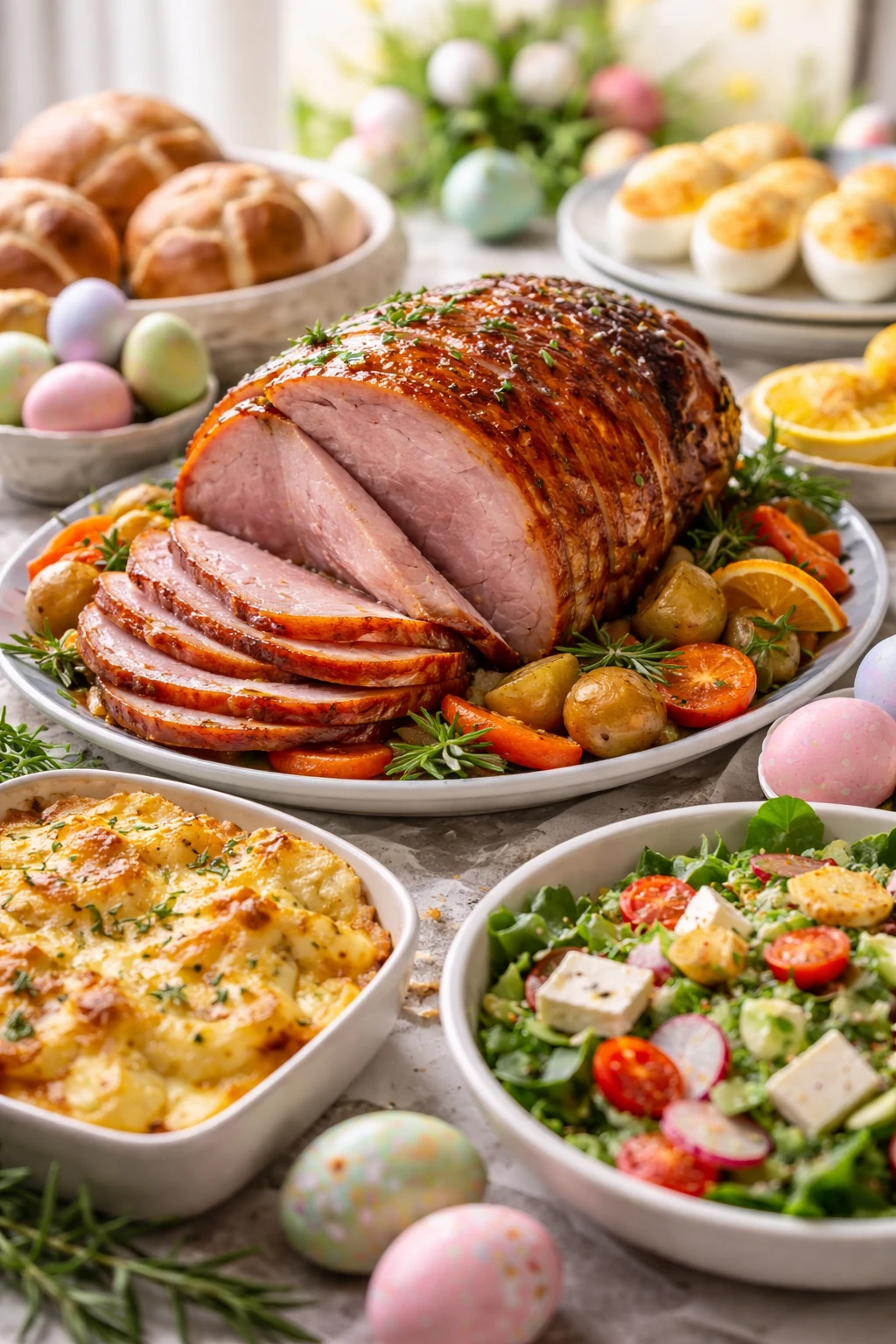
These easy Easter dinner recipes bring together fresh flavors and simple prep so you can relax and enjoy the day. Featuring crowd-pleasing dishes that come together quickly with ingredients you likely have on hand. Perfect for family feasts or casual celebrations!
Introduction
Easter has always been a special time for my family, filled with laughter, stories, and of course, delicious food. A few years ago, I found myself overwhelmed trying to juggle multiple dishes and ended up rushing through the meal prep. That’s when I decided to simplify. I started focusing on a few standout dishes that are easy to prepare but packed with flavor. This collection of recipes is what I now turn to every year — they’re straightforward, use ingredients I usually have on hand, and come together quickly so I can spend more time with loved ones. One trick I’ve learned is to pick recipes that complement each other without competing, like a sweet glazed ham paired with roasted veggies that add freshness and texture. The ham is the star here — juicy, tender, and with a perfect balance of sweet and tangy from the glaze. When it’s all done, the table looks inviting and the flavors sing together beautifully. Plus, these recipes don’t require last-minute fussing, so you can relax and enjoy your Easter celebration.
How To Do It
Step 1
Preheat your oven to 325°F (163°C). Place the fully cooked boneless ham in a roasting pan. This low and slow heat ensures the ham warms through evenly without drying out. Avoid cranking the heat too high, or the outer edges might become tough before the center is warm.
⏱ Time: 10 minutes
✓ Doneness: Ham is warmed through and slightly steaming
Step 2
In a small bowl, combine brown sugar, honey, Dijon mustard, and ground cloves. This glaze mixture adds a wonderful sweet-spicy profile that caramelizes beautifully on the ham’s surface. Mixing these ingredients well ensures an even glaze application.
⏱ Time: 5 minutes
✓ Doneness: Glaze is smooth and uniform in texture
Step 3
Brush the glaze generously over the ham, making sure to cover all sides. This step is key because the sugar in the glaze will caramelize during baking, creating a shiny, flavorful crust. Don’t skimp on the glaze — it’s what makes this ham special.
⏱ Time: 5 minutes
✓ Doneness: Ham surface is evenly coated with glaze
Step 4
Cover the roasting pan loosely with aluminum foil and place it in the preheated oven. The foil traps moisture, keeping the ham juicy while it heats. Be careful not to seal it tightly, or the glaze won’t develop its signature caramelized texture.
⏱ Time: 20 minutes
✓ Doneness: Ham is hot throughout and glaze begins to bubble
Step 5
While the ham warms, toss baby carrots and asparagus with olive oil, salt, and pepper on a baking sheet. This simple seasoning lets the natural sweetness of the veggies shine. The olive oil also helps them roast evenly and develop a slight crispness.
⏱ Time: 5 minutes
✓ Doneness: Vegetables are well coated and seasoned
Step 6
Add the vegetables to the oven alongside the ham during the last 20 minutes of cooking. Roasting them at the same temperature helps save time and energy. Keep an eye so they don’t overcook — you want tender yet slightly crisp veggies.
⏱ Time: 20 minutes
✓ Doneness: Carrots and asparagus are tender and lightly browned
Step 7
Remove the foil from the ham and turn the oven to 400°F (204°C). Return the ham to the oven uncovered for 10-15 minutes. This final step caramelizes the glaze, giving the ham a beautiful golden crust. Watch carefully to prevent burning.
⏱ Time: 10-15 minutes
✓ Doneness: Ham surface is glossy, caramelized, and slightly crisp
Step 8
Once the ham has a nice crust, remove it from the oven and let it rest for 10 minutes. Resting allows the juices to redistribute, keeping the meat moist and flavorful when sliced. Don’t skip this or the ham may lose moisture when cut.
⏱ Time: 10 minutes
✓ Doneness: Ham feels warm but not hot to the touch
Step 9
Slice the ham against the grain into 1/4-inch thick pieces and arrange on a serving platter alongside the roasted vegetables. This presentation keeps the meal inviting and easy for guests to serve themselves. Enjoy immediately for best flavor.
⏱ Time: 5 minutes
✓ Doneness: Slices are tender, juicy, and evenly cut
Pro Tips
Use a meat thermometer to check ham temperature.
Using a thermometer ensures the ham is warmed safely without overcooking. It helps avoid drying out the meat since ham is already cooked and only needs reheating to about 140°F internally for best juiciness.
Apply the glaze in layers during the last 20 minutes.
Brushing multiple thin layers of glaze allows better caramelization and prevents burning. Thick coats can burn quickly, while layers build a shiny, flavorful crust gradually.
Trim vegetables uniformly for even roasting.
Cutting veggies to similar sizes ensures they cook evenly. Different sizes will cause some to overcook while others remain underdone, affecting texture and flavor.
Let the ham rest before slicing.
Resting allows juices to redistribute, preventing them from spilling out when cut. This keeps the meat moist and tender instead of dry and stringy.
Use a sharp carving knife for clean slices.
A sharp knife reduces tearing the meat fibers, resulting in neat slices that look appealing and have a better mouthfeel.
Roast vegetables at the same temperature as the ham for convenience.
Cooking both at 325°F saves time and energy. Vegetables roast nicely at this temperature if timed properly, making meal prep easier.
Cover the ham loosely with foil during warming.
This traps steam and moisture, keeping the ham juicy. Tight sealing can cause the glaze to become soggy instead of caramelizing.
Common Mistakes to Avoid
Overcooking the ham and drying it out.
Why it happens Many assume ham needs to be cooked like raw meat, leading to excessive heat and time. Since it’s pre-cooked, overheating dries it out quickly.
Fix Warm ham gently at low temperature (around 325°F) and use a thermometer to ensure it reaches 140°F internal. Remove from oven as soon as warm.
Applying too thick a glaze causing burning.
Why it happens Thick glaze layers caramelize unevenly and can burn due to high sugar content.
Fix Brush thin layers of glaze multiple times during final cooking phase to build color gradually without burning.
Skipping the resting period before slicing.
Why it happens Eager cooks slice immediately, causing juices to run out and dry meat.
Fix Let ham rest 10 minutes loosely covered to retain moisture before slicing.
Unevenly cut vegetables leading to inconsistent roasting.
Why it happens Different sizes cook at different rates; smaller pieces overcook while larger remain hard.
Fix Cut veggies to uniform size and thickness for even cooking.
Not preheating the oven fully before baking.
Why it happens Starting in a cold oven affects cooking times and texture development.
Fix Always preheat oven fully to ensure proper caramelization and even cooking.
Variations
Maple-Glazed Ham
Swap honey and brown sugar for pure maple syrup to add a rich, woody sweetness. The glaze will be thinner, so apply in more layers. Expect a slightly less sticky crust but a deeper flavor profile.
Note: Maple syrup caramelizes differently; watch closely during broil to avoid burning.
Herb-Roasted Vegetables
Add chopped fresh rosemary and thyme to the olive oil coating for the veggies. This brings an earthy aroma that pairs beautifully with ham. The herbs also infuse the vegetables during roasting.
Note: Herbs can burn if exposed directly to heat; toss them with veggies and oil for even distribution.
Spicy Mustard Glaze
Mix Dijon mustard with a teaspoon of hot mustard or a dash of cayenne pepper for a spicy kick. This variation adds warmth and complexity to the ham’s flavor, perfect for those who like a little heat.
Note: Adjust spice level carefully; too much can overpower the glaze’s sweetness.
Honey-Balsamic Glaze
Replace Dijon mustard with balsamic vinegar for tang and depth. The honey balances the acidity, creating a sweet-tart glaze that caramelizes nicely and complements the ham’s richness.
Note: Balsamic vinegar can darken the glaze quickly; monitor baking closely.
Vegetable Medley with Potatoes
Add quartered baby potatoes to the carrots and asparagus. This makes the side dish heartier and more filling. Potatoes roast well at 325°F but may need slightly longer cooking time.
Note: Cut potatoes evenly and test doneness with a fork before serving.
Nutrition
Per Serving:
Nutritional values are estimates and may vary based on specific ingredients used.
Storage & Tips
Room Temperature
You can safely keep the cooked ham and vegetables at room temperature for up to 2 hours if covered loosely to prevent drying. Beyond that, refrigerate to avoid bacterial growth.
Refrigerator
Store leftovers in an airtight container for up to 4 days. Ham may firm up and vegetables lose some crispness when cold, so reheat gently before serving for best texture and flavor.
Freezer
Freeze ham and vegetables separately in airtight freezer bags for up to 3 months. Wrap ham tightly to prevent freezer burn. Thaw overnight in refrigerator before reheating.
Reheating
Reheat ham covered in a 325°F oven until warmed through (about 15-20 minutes). Add a splash of water or broth to keep moist. Reheat vegetables separately in a skillet with a little olive oil to restore crispness.
Make Ahead
You can prepare the glaze and trim vegetables 1-2 days ahead. Keep glaze refrigerated and vegetables in a sealed container. On the day, simply warm the ham and roast the veggies fresh for best results.
FAQ
Can I use a bone-in ham instead of boneless?
Absolutely! Bone-in ham adds extra flavor but requires longer warming time. Make sure to adjust cooking time to ensure heat penetrates near the bone. Use a meat thermometer to check internal temperature.
What if I don’t have Dijon mustard for the glaze?
You can substitute with yellow mustard or spicy brown mustard for a different flavor profile. Dijon has a smooth, tangy taste that balances sweetness, so adjust quantity to taste.
How do I prevent the glaze from burning?
Apply glaze in thin layers and avoid high heat for too long. Remove foil only in the last 10-15 minutes to caramelize glaze under watchful eye to stop burning.
Can I roast different vegetables with the ham?
Yes, root vegetables like parsnips, sweet potatoes, or Brussels sprouts work well. Just cut them evenly and consider their cooking times to avoid under or overcooking.
Is it okay to serve the ham cold?
You can serve ham cold or at room temperature, especially if you prefer it for sandwiches or salads. Warm it gently if you want that fresh-baked flavor and texture.
How do I store leftover glaze?
Leftover glaze can be kept in a sealed container in the fridge for up to a week. Reheat gently before using again to keep it smooth and spreadable.
What’s the best way to slice the ham?
Slice against the grain into uniform 1/4-inch thick slices. This makes the meat tender and easy to chew. Use a sharp carving knife for clean cuts.
Can I make this recipe vegetarian?
While the ham is the centerpiece, you can focus on the roasted vegetables as a hearty side or main dish. Add plant-based protein like roasted tofu or tempeh for fullness.
How do I reheat leftovers without drying them out?
Reheat ham covered in a low oven with a splash of water or broth to maintain moisture. Avoid microwave reheating which can dry meat unevenly.
Can I prepare this meal ahead of time?
Yes, you can prepare glaze and vegetables a day ahead. Warm ham and roast vegetables fresh on the day for best flavor and texture.
Final Thoughts
I hope you enjoy this simple, flavorful Easter dinner as much as my family does. Give it a try and let me know how it turns out!