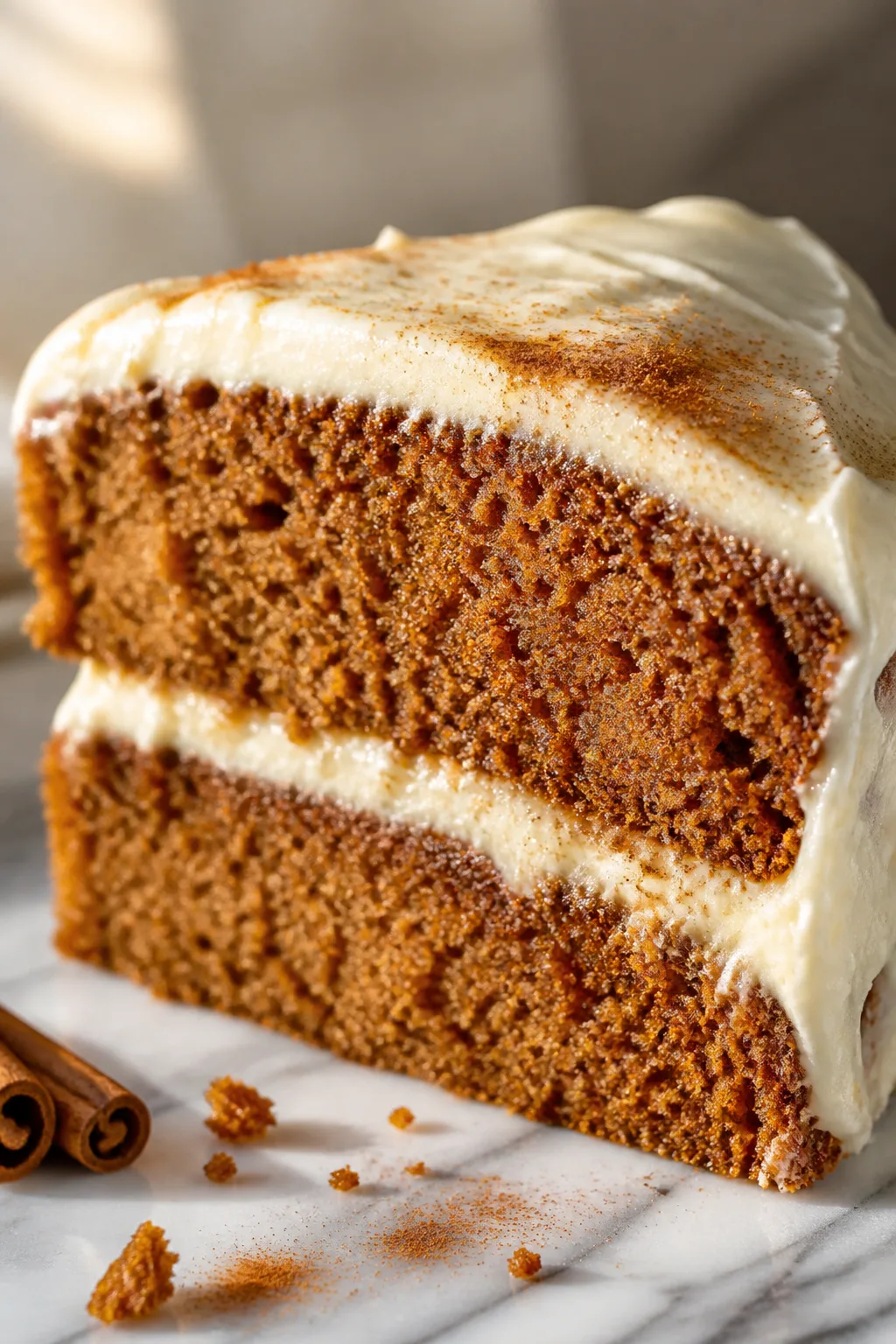
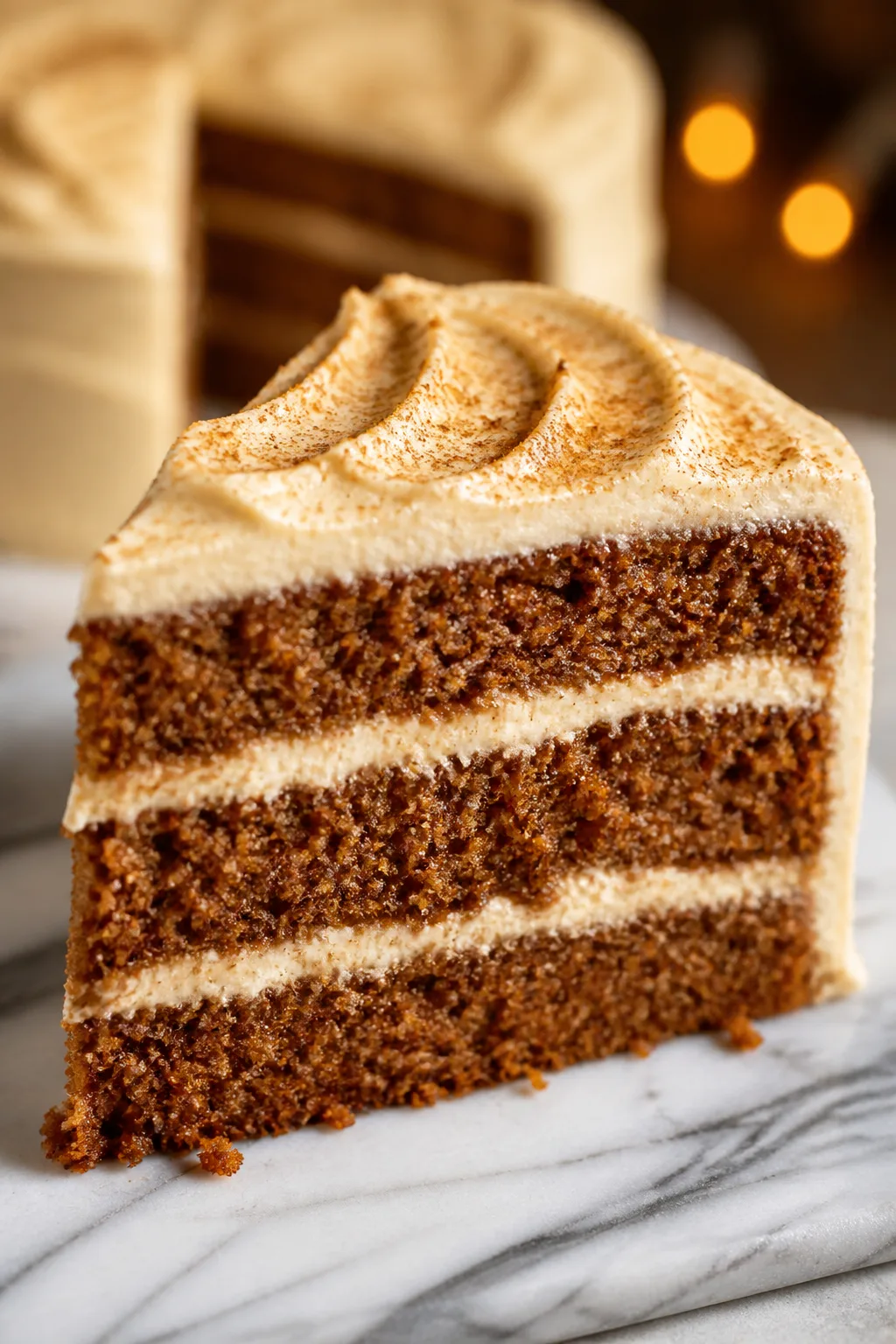
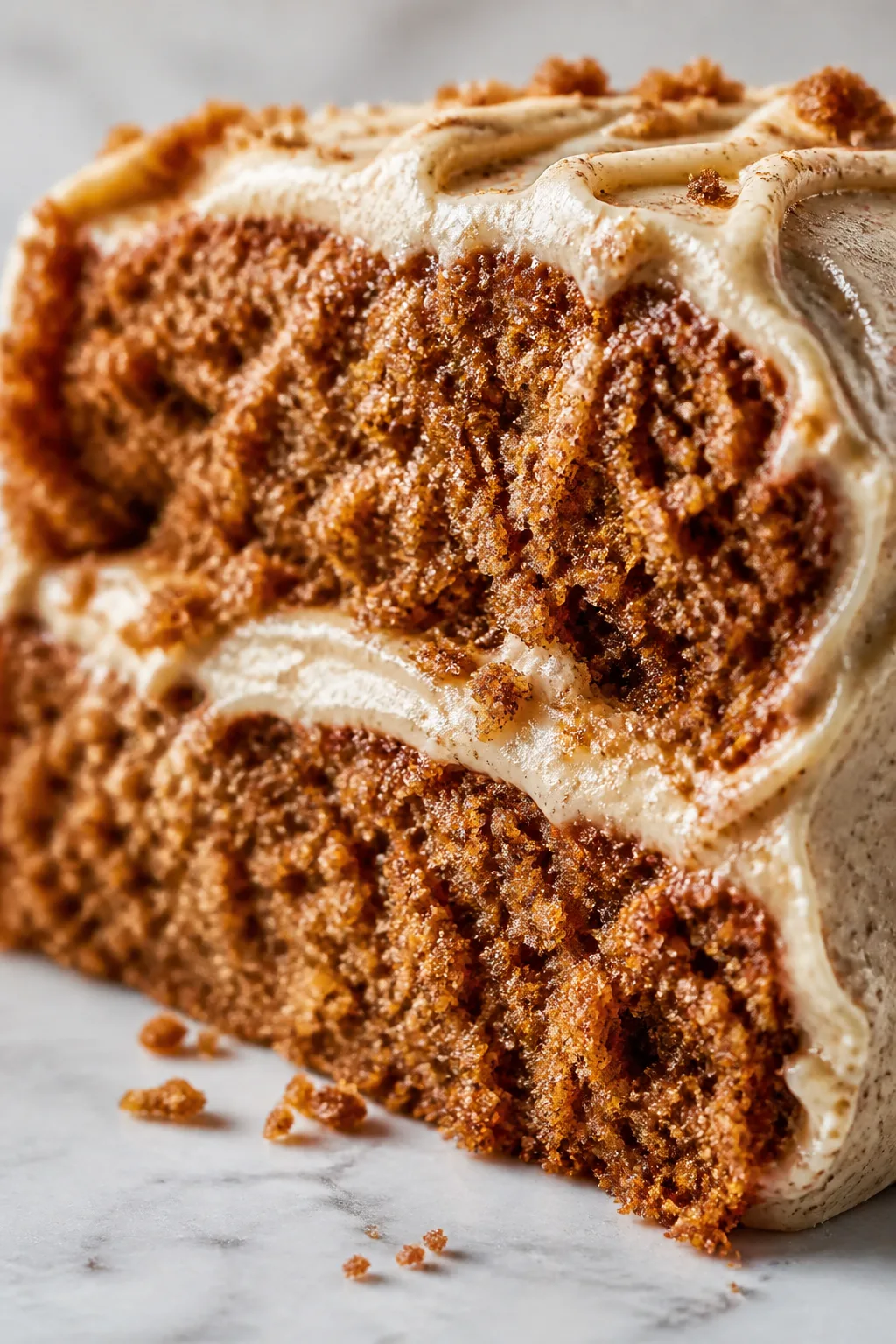
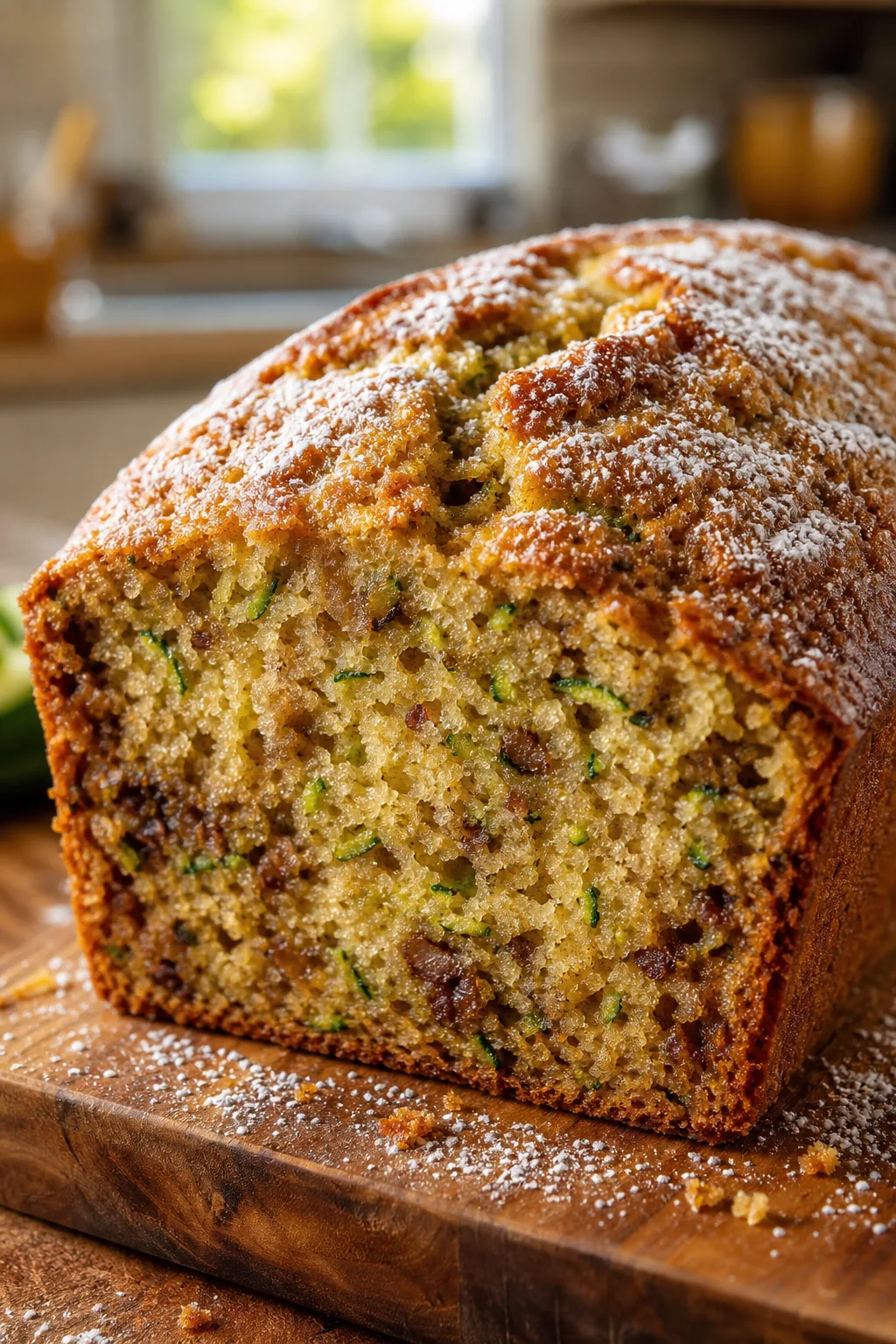
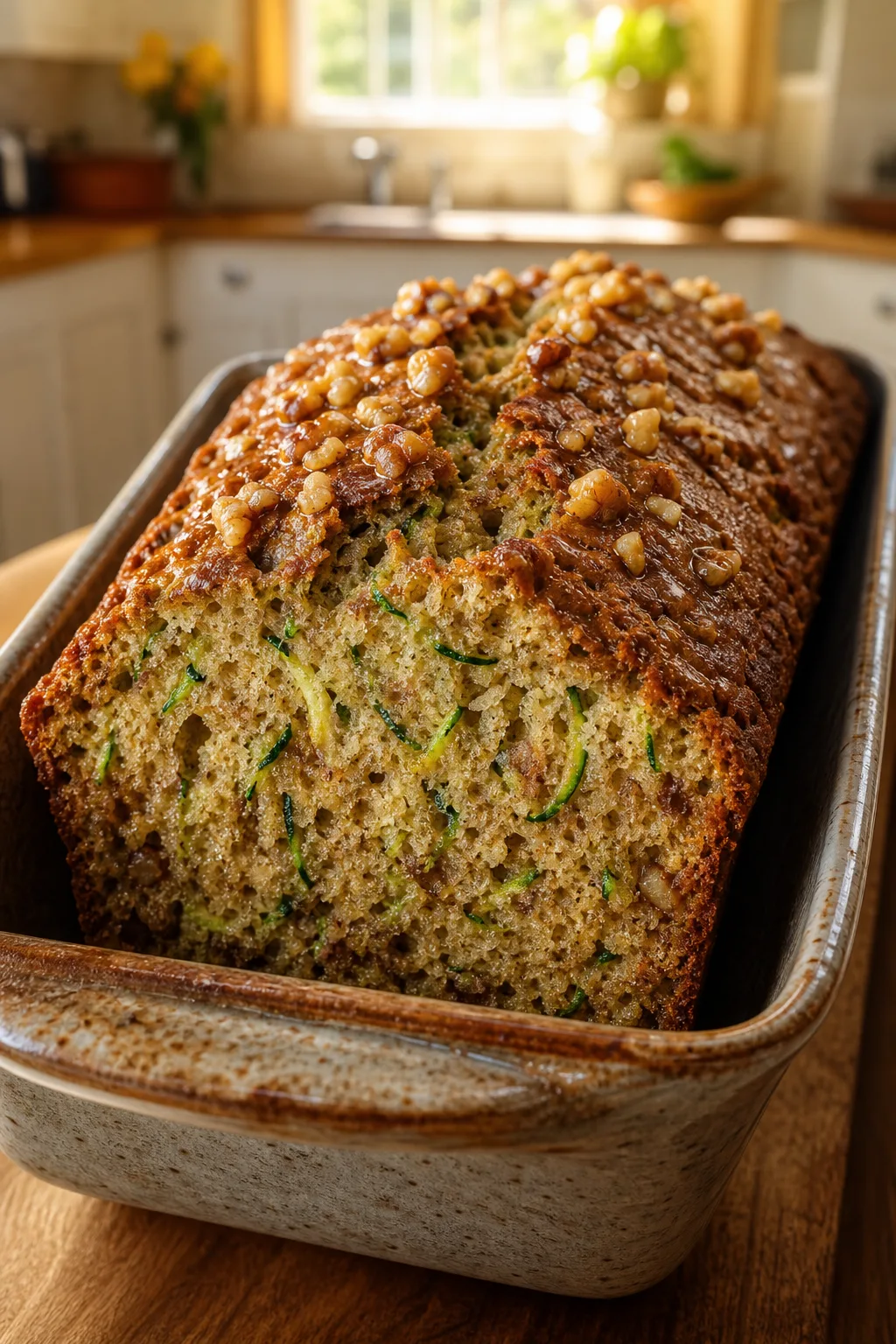
This spice cake is my absolute favorite when I crave something comforting with a cozy blend of cinnamon and nutmeg. The subtle warmth makes it perfect for afternoon tea or holiday treats. Super easy and reliably delicious!
Introduction
I first stumbled upon this spice cake recipe during a chilly fall weekend when I was craving something homey and fragrant. The mix of cinnamon and nutmeg instantly reminded me of my grandma’s kitchen, but this version has a few tweaks that make it even better. Instead of just relying on cinnamon, adding nutmeg and a hint of cloves gives the cake a subtle complexity that’s just irresistible. Also, using buttermilk keeps the crumb super tender and moist, which is key for a cake that feels like a warm hug in every bite. I’ve tried other spice cakes before, but this one always comes out perfectly balanced—not too sweet, with just the right amount of spice. Plus, the simple technique of creaming the butter and sugar well before adding the eggs ensures a light texture that rises beautifully. When it’s done, you get a golden cake with a soft crumb and a cozy aroma that fills the whole kitchen. It’s my go-to for afternoon tea or those holiday gatherings when you want something comforting but not fussy. Honestly, it’s a recipe I keep coming back to, especially on those days when I just want a little slice of warmth and nostalgia.
What You'll Need
One 9-inch round cake, 8 servings
- 2 cups all-purpose flour, sifted
- 1 1/2 teaspoons baking powder
- 1/2 teaspoon baking soda
- 1 teaspoon ground cinnamon
- 1/2 teaspoon ground nutmeg
- 1/4 teaspoon ground cloves
- 1/2 teaspoon salt
- 1/2 cup unsalted butter, softened
- 1 cup granulated sugar
- 2 large eggs, room temperature
- 1 cup buttermilk, room temperature
- 1 teaspoon vanilla extract
How To Do It
Step 1
Start by preheating your oven to 350°F (175°C) and greasing a 9-inch round cake pan. This step is crucial because it ensures your cake won’t stick and will bake evenly. I like to line the bottom with parchment paper too for an easy release. Make sure your oven is fully preheated before putting the cake in, or it might bake unevenly. This sets the stage for a perfect rise and moist crumb.
⏱ Time: 10 minutes
✓ Doneness: Oven preheated and pan greased with parchment lining
Step 2
In a medium bowl, whisk together the flour, baking powder, baking soda, cinnamon, nutmeg, cloves, and salt. Sifting these ingredients together not only mixes them well but also aerates the flour, helping your cake stay light and fluffy. Mixing spices uniformly avoids any pockets of overpowering flavor, so take your time here.
⏱ Time: 5 minutes
✓ Doneness: Dry ingredients fully combined and smooth with no lumps
Step 3
In a large bowl, cream the softened butter and sugar together using a hand or stand mixer. Beat on medium speed until the mixture is pale and fluffy, about 3 to 5 minutes. This aeration is what gives the cake its tender crumb and light texture. Don’t rush this step; if the butter is too cold, it won’t cream properly and the cake could turn dense.
⏱ Time: 5 minutes
✓ Doneness: Butter and sugar are light in color and fluffy in texture
Step 4
Add the eggs one at a time, beating well after each addition. This helps create a smooth batter and prevents curdling. If you add both eggs at once, the mixture might separate, causing a lumpy batter. Make sure eggs are at room temperature to blend easily and keep the batter consistent.
⏱ Time: 3 minutes
✓ Doneness: Batter is smooth, glossy, and evenly mixed
Step 5
Mix in the vanilla extract, then alternate adding the dry ingredients and buttermilk into the batter, starting and ending with the dry mix. Use a low speed or fold gently to avoid overmixing, which can make the cake tough. The buttermilk adds moisture and tenderizes the crumb, balancing the spices perfectly.
⏱ Time: 5 minutes
✓ Doneness: Batter is smooth, thick, and well combined without streaks
Step 6
Pour the batter into the prepared pan, smoothing the top with a spatula. Tap the pan gently on the counter to release any air bubbles that might cause holes or uneven texture. This helps the cake bake evenly and develop a fine crumb.
⏱ Time: 3 minutes
✓ Doneness: Batter evenly spread and surface smooth with no air bubbles
Step 7
Bake in the center of the oven for 28 to 32 minutes. Don’t open the oven door in the first 20 minutes to avoid the cake collapsing. Check doneness by inserting a toothpick in the center; it should come out clean or with a few moist crumbs. The cake should have a golden brown top and spring back lightly when touched.
⏱ Time: 28-32 minutes
✓ Doneness: Golden top and toothpick inserted comes out clean
Step 8
Let the cake cool in the pan for 10 minutes, then run a knife around the edges and turn it out onto a wire rack. Cooling slightly in the pan prevents it from breaking, but turning it out too soon might cause it to stick or crack. The wire rack lets air circulate so the cake cools evenly without getting soggy.
⏱ Time: 15 minutes
✓ Doneness: Cake releases easily from pan and cools evenly on rack
Step 9
Once cooled, you can frost or dust the cake with powdered sugar, or enjoy it plain. This cake is delicious on its own, but a simple cream cheese frosting pairs beautifully with the warm spices. If frosting, make sure the cake is completely cool to prevent melting. Serve with tea or coffee for a cozy treat.
⏱ Time: 5 minutes
✓ Doneness: Cake fully cooled and ready to serve or decorate
Pro Tips
Always use room temperature ingredients for even mixing.
Room temperature eggs, butter, and buttermilk combine more smoothly, preventing curdling or lumps. Cold ingredients can cause the batter to separate or mix unevenly, leading to a dense or uneven crumb.
Don’t overmix the batter once dry ingredients are added.
Overmixing develops gluten in the flour, which toughens the cake. Mixing just until combined keeps the crumb tender and light, which is essential for a moist spice cake.
Sift the dry ingredients together before adding them.
Sifting aerates the flour and evenly distributes the spices and leavening agents. This prevents clumps and ensures a consistent flavor and texture throughout the cake.
Use fresh spices for the best aroma and flavor.
Spices lose potency over time, so freshly ground cinnamon, nutmeg, and cloves deliver a more vibrant and warming taste profile that defines this cake.
Grease and line your cake pan properly.
This prevents sticking and makes it easier to release the cake without breaking. A smooth release keeps the cake’s delicate crumb intact.
Let the cake cool completely before frosting.
Frosting a warm cake causes it to melt and slide off, ruining the appearance and texture. A fully cooled cake holds frosting beautifully.
Tap the pan before baking to remove air bubbles.
Air bubbles can create holes or uneven texture in the cake. Tapping helps settle the batter for an even crumb and smooth surface.
Common Mistakes to Avoid
Using cold butter for creaming
Why it happens Many assume cold butter is fine, but it’s hard to cream properly and won’t trap enough air.
Fix Always soften butter to room temperature before creaming. It should be soft enough to press with a finger but not melted. This allows sugar to aerate the butter, creating a light batter.
Skipping sifting of dry ingredients
Why it happens People often want to save time and mix dry ingredients directly.
Fix Sift flour, spices, and leaveners together to prevent clumps and ensure even flavor distribution. It also aerates the mix, improving texture.
Overmixing after adding dry ingredients
Why it happens In a rush, it’s tempting to mix batter thoroughly.
Fix Mix just until combined. Overmixing activates gluten, making the cake tough and chewy instead of tender.
Opening the oven door too early
Why it happens Curious cooks peek too soon, causing temperature drops.
Fix Avoid opening the oven door for at least 20 minutes to prevent the cake from collapsing or baking unevenly.
Not greasing and lining the pan properly
Why it happens Sometimes people only grease the pan or skip lining.
Fix Grease the pan and line the bottom with parchment paper to ensure easy removal and prevent sticking or breakage.
Variations
Pumpkin Spice Cake
Add 1 cup of canned pumpkin puree to the batter and reduce buttermilk by 1/3 cup for a moist fall-inspired cake. Increase cinnamon and nutmeg slightly to complement the pumpkin flavor. Expect a denser, moister texture with a rich autumn aroma.
Note: Adjust baking time by adding 5-7 minutes, checking doneness carefully as added moisture affects baking.
Gluten-Free Spice Cake
Swap all-purpose flour for a gluten-free blend with xanthan gum included. This keeps the cake structure intact while making it safe for gluten-sensitive eaters. The texture will be slightly more crumbly but still delicious.
Note: Be gentle when mixing gluten-free batter to avoid crumbling and consider reducing baking powder slightly.
Maple Glazed Spice Cake
After baking, drizzle a simple glaze made from maple syrup and powdered sugar over the cooled cake. This adds a lovely sweetness and a glossy finish that pairs beautifully with the spices.
Note: Apply glaze only when cake is completely cool to avoid melting and sliding.
Spiced Walnut Cake
Fold in 1 cup of toasted chopped walnuts into the batter before baking for a crunchy texture and nutty flavor that complements the warm spices perfectly.
Note: Toast nuts gently to enhance flavor without burning, and fold carefully to avoid deflating the batter.
Vegan Spice Cake
Replace eggs with flax eggs (1 tbsp flaxseed meal + 3 tbsp water per egg) and use plant-based milk with vinegar instead of buttermilk. Use vegan butter or coconut oil. The cake will be slightly denser but still moist and flavorful.
Note: Mix flax eggs well and let them gel before adding to batter for best binding.
Nutrition
Per Serving:
Nutritional values are estimates and may vary based on specific ingredients used.
Storage & Tips
Room Temperature
This cake keeps well at room temperature for up to 2 days when tightly covered with plastic wrap or stored in an airtight container. Avoid leaving it uncovered to prevent drying out.
Refrigerator
Store the cake in an airtight container in the fridge for up to 5 days. The cake may firm up and dry slightly when cold, so bring to room temperature before serving or warm gently in the microwave for 10-15 seconds.
Freezer
Wrap the cooled cake tightly in plastic wrap and then foil to freeze for up to 3 months. Thaw overnight in the refrigerator or at room temperature. Warm slightly before serving to refresh texture and flavor.
Reheating
Reheat slices gently in the microwave for 15-20 seconds or warm in a 300°F oven for 5-7 minutes. Add a small dab of butter or a splash of milk if the cake feels dry to restore moisture.
Make Ahead
You can bake the cake a day or two ahead and store it wrapped at room temperature or in the fridge. If frosting, prepare the cake fully cooled and frost just before serving to keep it fresh and moist.
FAQ
Can I use regular milk instead of buttermilk?
Yes, you can substitute buttermilk with regular milk mixed with 1 tablespoon of lemon juice or vinegar per cup. Let it sit for 5 minutes to curdle before using. This mimics buttermilk’s acidity, which helps tenderize the cake and activate the baking soda for rise.
Why is my cake dense and not fluffy?
Dense cake often results from overmixing the batter after adding the dry ingredients or using cold butter that wasn’t properly creamed. Make sure to cream the butter and sugar until fluffy and mix the batter just until combined to avoid tough gluten development.
How do I store leftover spice cake?
Store leftover cake in an airtight container at room temperature for up to 2 days or in the fridge for up to 5 days. Wrap tightly to prevent drying. For longer storage, freeze wrapped well for up to 3 months.
Can I make this cake gluten-free?
Yes, substitute the all-purpose flour with a gluten-free flour blend that includes xanthan gum. This helps maintain the cake's structure. Be gentle when mixing to avoid a crumbly texture.
What’s the best way to measure flour for this cake?
Use the spoon-and-level method: spoon flour into your measuring cup and level off with a knife. Avoid scooping directly from the bag, which packs the flour and can make the cake dense.
Can I add nuts or fruit to this cake?
Absolutely! Adding chopped toasted walnuts or dried fruit like raisins or cranberries adds texture and flavor. Fold them gently into the batter before baking to keep the crumb tender.
Why does my cake crack on top?
Cracking can happen if the oven is too hot or the batter is overmixed. Make sure to bake at the correct temperature and mix just until combined. Using an oven thermometer helps ensure accuracy.
How do I make a vegan version of this spice cake?
Replace eggs with flax eggs (1 tbsp flaxseed meal + 3 tbsp water per egg) and use plant-based milk with a splash of vinegar instead of buttermilk. Use vegan butter or coconut oil. The texture will be slightly different but still delicious.
Final Thoughts
I hope you enjoy baking and sharing this cozy spice cake as much as I do. It’s such a comforting treat—please let me know how it turns out!