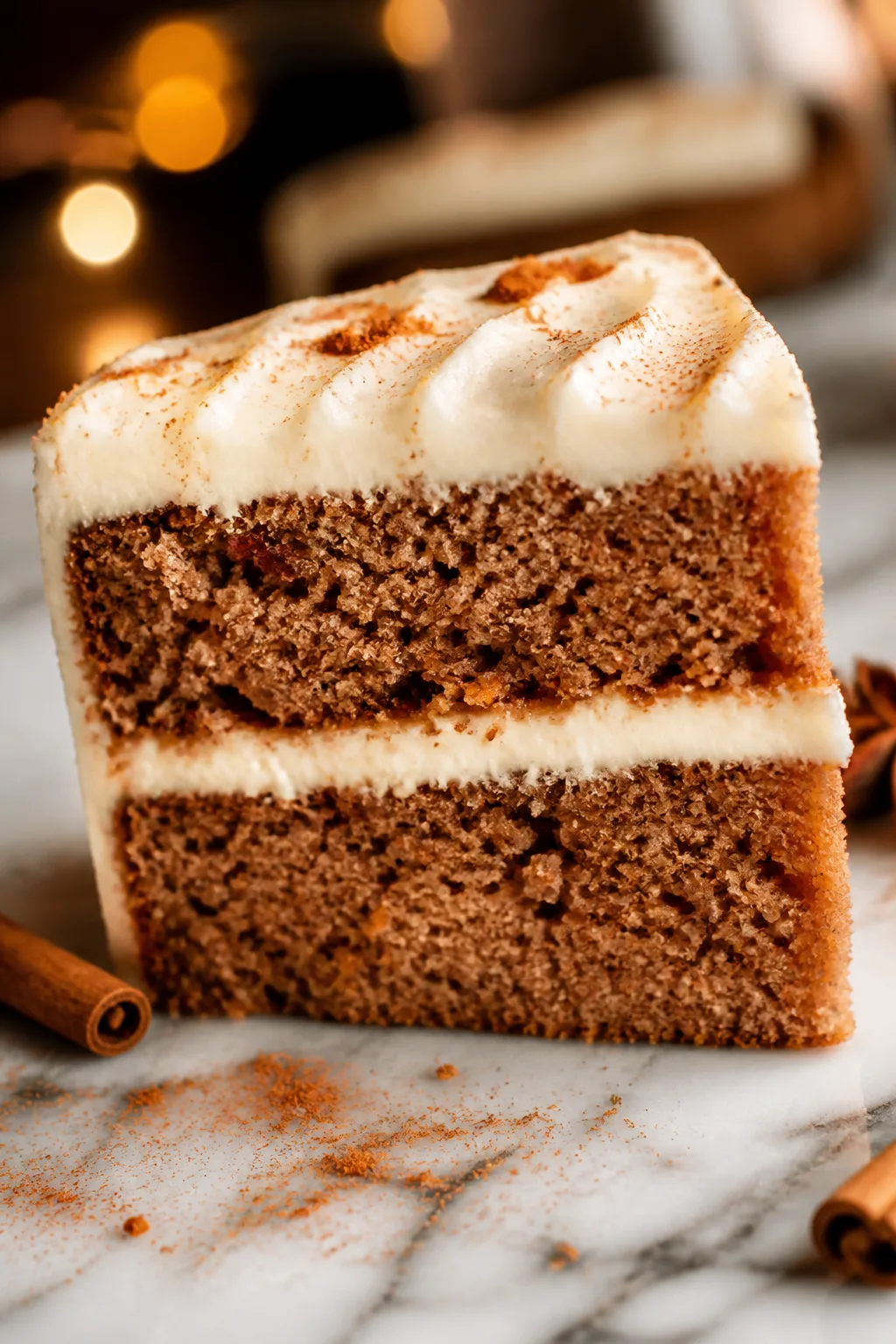
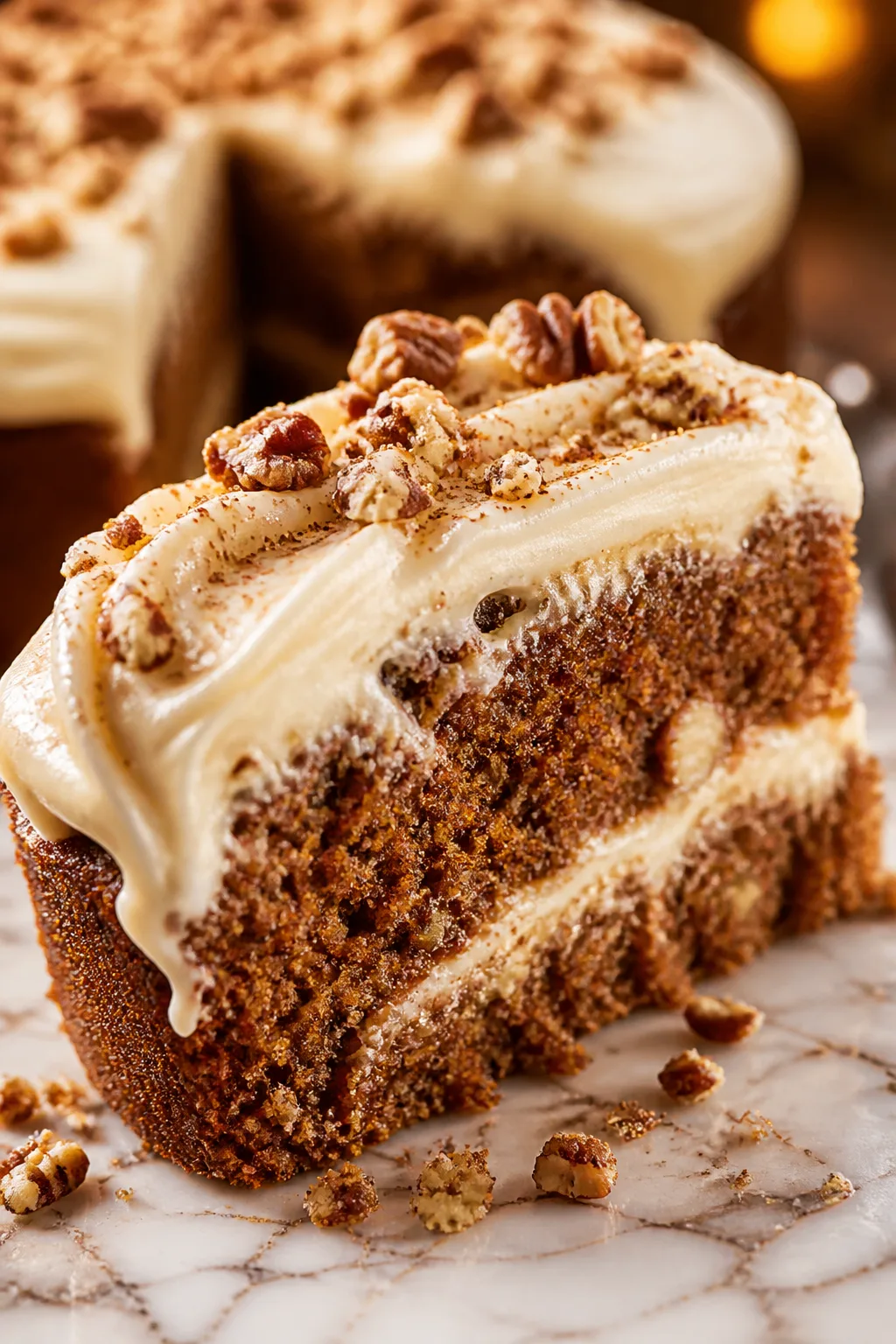
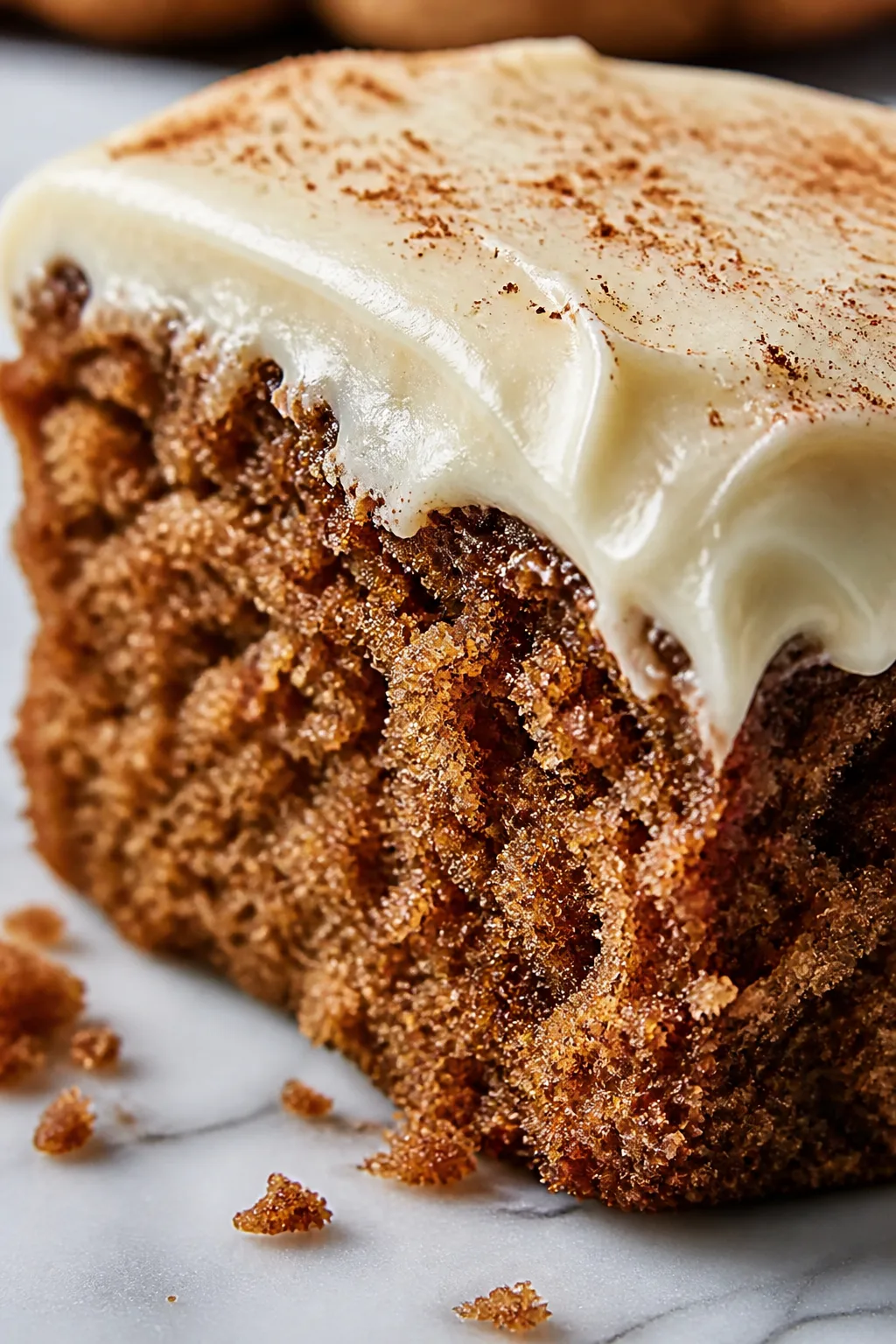
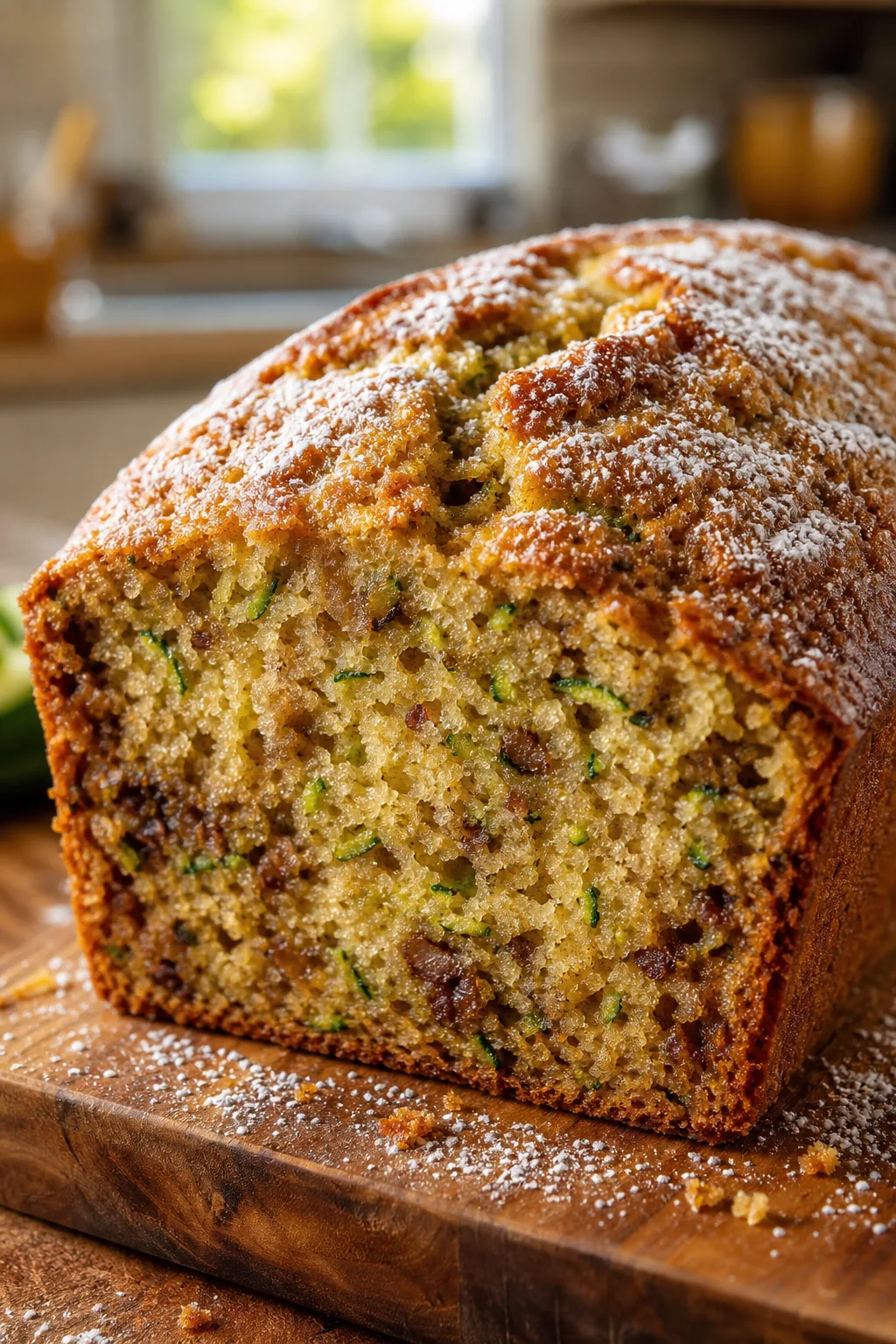
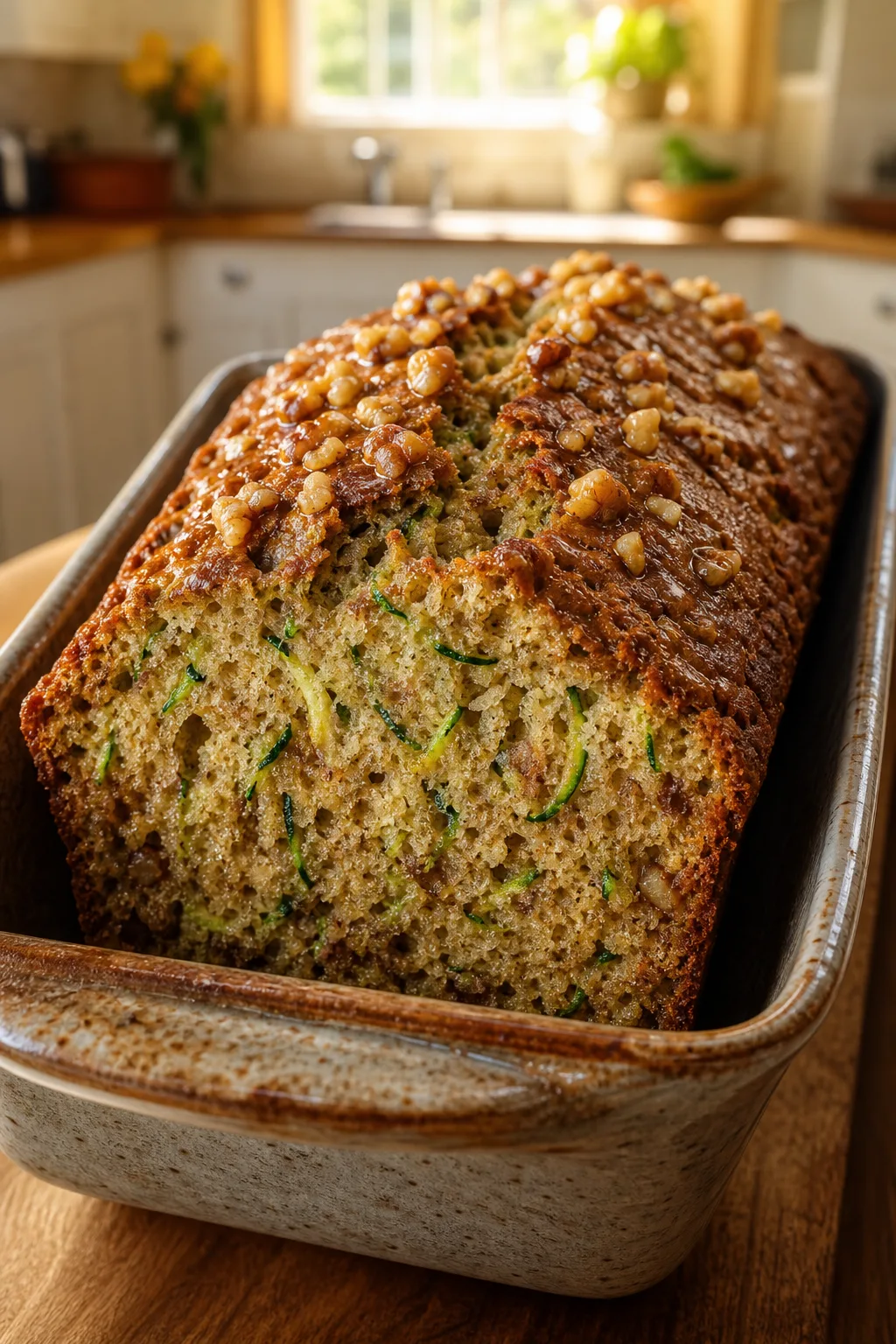
This spice cake is a warm hug in dessert form. The blend of cinnamon, cloves, and nutmeg pairs beautifully with a smooth cream cheese frosting. Perfect for chilly weekends or celebrations with friends!
Introduction
I first made this spice cake years ago during a chilly autumn weekend when I craved something comforting and a little nostalgic. My grandma’s old recipe was good but a bit dense, so I tweaked it to be lighter and more moist by adding buttermilk and sifting the flour carefully. The warm spices—cinnamon, cloves, and nutmeg—give it that classic cozy feel, but the real star is the cream cheese frosting, which adds a tangy richness that perfectly balances the sweetness. I’ve found that whipping the frosting until it’s super smooth makes all the difference—it spreads like a dream and melts in your mouth. When it’s done, the cake has a tender crumb with just enough spice to feel festive without overwhelming. It’s become my go-to for holiday gatherings or weekend baking when I want to impress without fuss. I hope you enjoy making it as much as I do!
What You'll Need
One 9-inch two-layer cake, serves 8
- 2 1/2 cups all-purpose flour, sifted
- 2 teaspoons baking powder
- 1/2 teaspoon baking soda
- 1 teaspoon ground cinnamon
- 1/2 teaspoon ground cloves
- 1/2 teaspoon ground nutmeg
- 1/4 teaspoon salt
- 1 cup unsalted butter, softened
- 1 1/2 cups granulated sugar
- 3 large eggs
- 1 teaspoon vanilla extract
- 1 cup buttermilk
- For the frosting:
- 8 ounces cream cheese, softened
- 1/2 cup unsalted butter, softened
- 3 cups powdered sugar, sifted
- 1 teaspoon vanilla extract
How To Do It
Step 1
Preheat your oven to 350°F (175°C) and grease two 9-inch round cake pans. Lightly dust them with flour to ensure the cake won't stick. This step is crucial because a well-prepared pan makes removing the cake layers easy and keeps their shape intact. Avoid skipping the flour dusting as it prevents the cakes from tearing when you flip them out.
⏱ Time: 10
✓ Doneness: Pans are evenly greased and dusted with a thin, even layer of flour.
Step 2
In a medium bowl, sift together the flour, baking powder, baking soda, cinnamon, cloves, nutmeg, and salt. Sifting aerates the flour and spices, helping to create a lighter texture and evenly distribute the spices throughout the batter. Don't rush this step, or you might end up with clumps or uneven flavor pockets.
⏱ Time: 5
✓ Doneness: Dry ingredients are mixed into a uniform, fine powder with no lumps.
Step 3
In a large bowl, cream the softened butter and granulated sugar together using an electric mixer on medium speed until the mixture is pale and fluffy. This usually takes about 3-5 minutes. This aeration step is key for a tender, light cake crumb. If you skip creaming properly, the cake may turn out dense and heavy.
⏱ Time: 5
✓ Doneness: Butter and sugar look pale yellow and fluffy, with no visible sugar grains.
Step 4
Add the eggs one at a time to the butter-sugar mixture, beating well after each addition. This helps the eggs emulsify fully into the batter, creating a stable mixture that traps air and moisture. Adding eggs all at once can cause the batter to curdle, so patience is key here.
⏱ Time: 5
✓ Doneness: Batter is smooth and glossy with no streaks of egg white or yolk.
Step 5
Mix in the vanilla extract. The vanilla enhances the warm spice flavors and adds a subtle sweetness that rounds out the cake's profile. Use pure vanilla extract for the best aroma and taste.
⏱ Time: 1
✓ Doneness: Vanilla is fully incorporated, and the batter smells fragrant.
Step 6
Alternately add the dry ingredients and buttermilk to the butter mixture, starting and ending with the dry ingredients. Mix gently on low speed after each addition just until combined. This layering technique prevents overmixing, which can develop gluten and make the cake tough. Overmixing is a common mistake here, so watch the batter closely.
⏱ Time: 7
✓ Doneness: Batter is smooth and just combined, with no streaks of flour or buttermilk.
Step 7
Divide the batter evenly between the prepared pans, smoothing the tops with a spatula. Bake for 30-35 minutes or until a toothpick inserted into the center comes out clean. Even batter distribution ensures uniform baking and level layers. Avoid opening the oven door too often to prevent sinking.
⏱ Time: 35
✓ Doneness: Cakes are golden brown on top and spring back lightly when touched.
Step 8
Remove the cakes from the oven and let them cool in the pans for 10 minutes. Then, turn them out onto wire racks to cool completely. Cooling in the pans too long can cause sogginess, but removing them too early might cause breakage. Timing here is important for perfect texture.
⏱ Time: 20
✓ Doneness: Cakes are cool to the touch and firm enough to handle.
Step 9
For the frosting, beat the softened cream cheese and butter together until smooth and creamy. Gradually add the powdered sugar and vanilla, beating well after each addition until fluffy. Whip the frosting thoroughly to get that light, spreadable texture that melts on your tongue. If the frosting is too stiff, a splash of milk can help loosen it.
⏱ Time: 10
✓ Doneness: Frosting is smooth, creamy, and easily spreadable with a spatula.
Step 10
Spread the cream cheese frosting evenly over the cooled cake layers, stacking them carefully. Chill the assembled cake for at least 30 minutes to let the frosting set and the flavors meld. This resting step makes slicing cleaner and enhances taste.
⏱ Time: 30
✓ Doneness: Frosting is firm but soft, and cake slices cleanly without crumbling.
Pro Tips
Always sift your dry ingredients together before mixing.
Sifting aerates the flour and spices, which helps create a lighter cake texture and ensures even spice distribution. Skipping this can lead to dense spots or clumps of spices in the batter.
Cream butter and sugar until pale and fluffy.
This step traps air bubbles that expand during baking, producing a tender crumb. If you rush or skip creaming, your cake might turn out dense and flat.
Add eggs one at a time, mixing well after each.
This allows the eggs to emulsify properly with the fat, stabilizing the batter. Adding all eggs at once can cause the batter to curdle, affecting texture.
Alternate adding dry ingredients and buttermilk.
This method prevents overmixing, which would develop gluten and toughen the cake. It also helps keep the batter smooth and well combined.
Let the cake layers cool completely before frosting.
Frosting warm cakes causes it to melt and slide off, ruining the appearance and texture. Patience here leads to a neat, stable cake.
Whip cream cheese and butter frosting until very smooth.
A well-whipped frosting is light and easy to spread, giving a silky mouthfeel. Under-whipped frosting can be dense and hard to work with.
Use room temperature ingredients for best mixing.
Cold ingredients don’t combine well, leading to uneven batter and dense texture. Softened butter and cream cheese blend smoothly, ensuring a uniform cake and frosting.
Common Mistakes to Avoid
Overmixing the batter after adding flour
Why it happens Many home cooks want to quickly combine ingredients and don’t realize that vigorous mixing develops gluten, making the cake tough.
Fix Mix the batter gently and only until the flour disappears. Use a folding motion rather than stirring aggressively to maintain tenderness.
Frosting the cake before it’s fully cooled
Why it happens Impatience or lack of planning leads to frosting warm cake layers, causing melting and messy results.
Fix Allow the cake to cool completely on a wire rack before frosting. If short on time, chill the layers in the fridge for about 20 minutes.
Skipping the creaming step or doing it too quickly
Why it happens Some think creaming is optional or rush it, not realizing its importance in texture.
Fix Take your time to cream butter and sugar until pale and fluffy. This traps air that gives the cake lift and softness.
Using old or stale spices
Why it happens Spices lose potency over time, and some may overlook freshness when baking.
Fix Use fresh spices and store them properly. Replace any that have been sitting for over 6 months to ensure vibrant flavor.
Not preparing the pans properly
Why it happens Skipping greasing and flouring can cause cakes to stick and break when removing.
Fix Grease pans well and dust with flour, tapping out excess. This ensures cakes release easily and keep their shape.
Variations
Pumpkin Spice Cake
Add 1 cup of canned pumpkin puree to the batter and reduce buttermilk to 1/2 cup to maintain moisture balance. This gives the cake a moist, fall-inspired twist with deeper flavor notes. Expect a denser texture but rich and tender crumb.
Note: Pumpkin adds moisture, so adjust liquid accordingly to avoid a soggy batter. Bake times may increase by 5-7 minutes.
Gluten-Free Spice Cake
Substitute all-purpose flour with a gluten-free blend that includes xanthan gum. This option keeps the cake tender while accommodating gluten sensitivities. Texture might be slightly crumbly but still delicious.
Note: Mix gluten-free flour thoroughly with dry ingredients to prevent clumping. Watch baking time closely as it may vary.
Vegan Spice Cake
Use flax eggs (1 tbsp ground flaxseed + 3 tbsp water per egg), plant-based butter, and non-dairy milk with vinegar instead of buttermilk. This plant-based version keeps the warm spice flavors intact with a slightly different crumb and frosting texture.
Note: Flax eggs don’t emulsify as well as real eggs, so batter may be less airy. Frosting can be made with vegan cream cheese alternatives.
Spiced Walnut Cake
Fold in 1 cup of chopped toasted walnuts into the batter for added crunch and nutty depth. This variation adds texture contrast and richness, perfect for nut lovers.
Note: Toasted nuts add flavor but can absorb moisture, so don’t add extra liquid. Stir nuts in gently to avoid overmixing.
Orange-Spiced Cake
Add 1 tablespoon of orange zest to the batter and 1 teaspoon to the frosting for a bright citrus note that complements the warm spices. The cake feels fresher and less heavy, ideal for springtime.
Note: Zest adds oils that enhance aroma; avoid the white pith to prevent bitterness. Slightly reduce vanilla to balance flavors.
Nutrition
Per Serving:
Nutritional values are estimates and may vary based on specific ingredients used.
Storage & Tips
Room Temperature
This cake can safely sit covered at room temperature for up to 2 days. Use a cake dome or airtight container to keep it moist and prevent drying out. Avoid direct sunlight or warm spots.
Refrigerator
Store the cake in an airtight container in the fridge for up to 5 days. The frosting may firm up and the cake will taste even better as flavors meld, but let it sit at room temperature 20 minutes before serving for best texture.
Freezer
Wrap the cake tightly in plastic wrap and then foil to freeze for up to 3 months. To thaw, transfer to the fridge overnight, then bring to room temperature before serving to restore softness.
Reheating
Reheat slices gently in the microwave for 15-20 seconds or in a 300°F oven wrapped in foil for 10 minutes. Avoid overheating as the frosting can melt and cake can dry out. A light brush of milk before warming helps retain moisture.
Make Ahead
Bake the cake layers a day ahead and wrap tightly. Prepare the frosting the same day or the day before, keeping it refrigerated. Assemble the cake a few hours before serving to allow flavors to meld and frosting to set.
FAQ
Can I use regular milk instead of buttermilk?
Yes, but to mimic the acidity of buttermilk, add 1 tablespoon of lemon juice or vinegar to 1 cup of milk and let it sit for 5 minutes before using. This acidity helps react with baking soda for a tender crumb.
Why is my spice cake dense and heavy?
Dense cake often results from overmixing after adding flour or not creaming butter and sugar enough. Mix gently and thoroughly cream butter and sugar to trap air for a light texture.
Can I make this cake gluten-free?
Absolutely! Use a high-quality gluten-free flour blend with xanthan gum. Be mindful that baking times may differ slightly and texture might be a bit different but still delicious.
How do I prevent the frosting from becoming runny?
Make sure the cream cheese and butter are properly softened but not melted. Beat the frosting until fluffy, and if it’s too soft, chill it briefly before spreading. Avoid adding too much liquid.
Can I bake this cake in a bundt pan?
Yes, but the baking time will increase by about 10-15 minutes due to the pan’s shape and size. Check doneness with a toothpick and adjust accordingly.
What’s the best way to store leftover frosted cake?
Store leftovers in an airtight container in the fridge for up to 5 days. Let slices come to room temperature before eating for the best flavor and texture.
Can I substitute the spices with a pre-made pumpkin pie spice?
Yes, pumpkin pie spice works well and simplifies measuring. Use about 2 to 2 1/2 teaspoons to replace the individual spices for a balanced flavor.
How do I get a smooth frosting finish?
Use an offset spatula and apply the frosting in thin layers, chilling briefly between coats if needed. Whipping the frosting well helps it spread smoothly without tearing the cake.
Is it okay to use salted butter instead of unsalted?
You can, but reduce or omit added salt in the recipe to avoid over-salting. Unsalted butter gives you better control over the final taste.
Can I freeze the frosted cake?
Yes, but freezing frosted cakes can change the frosting’s texture. Wrap tightly in plastic and foil, freeze up to 3 months, and thaw slowly in the fridge. Consider freezing unfrosted layers for best results.
Final Thoughts
I hope you give this spice cake a try—it’s truly a comforting treat that brings warmth and smiles. Don’t forget to share how yours turns out!