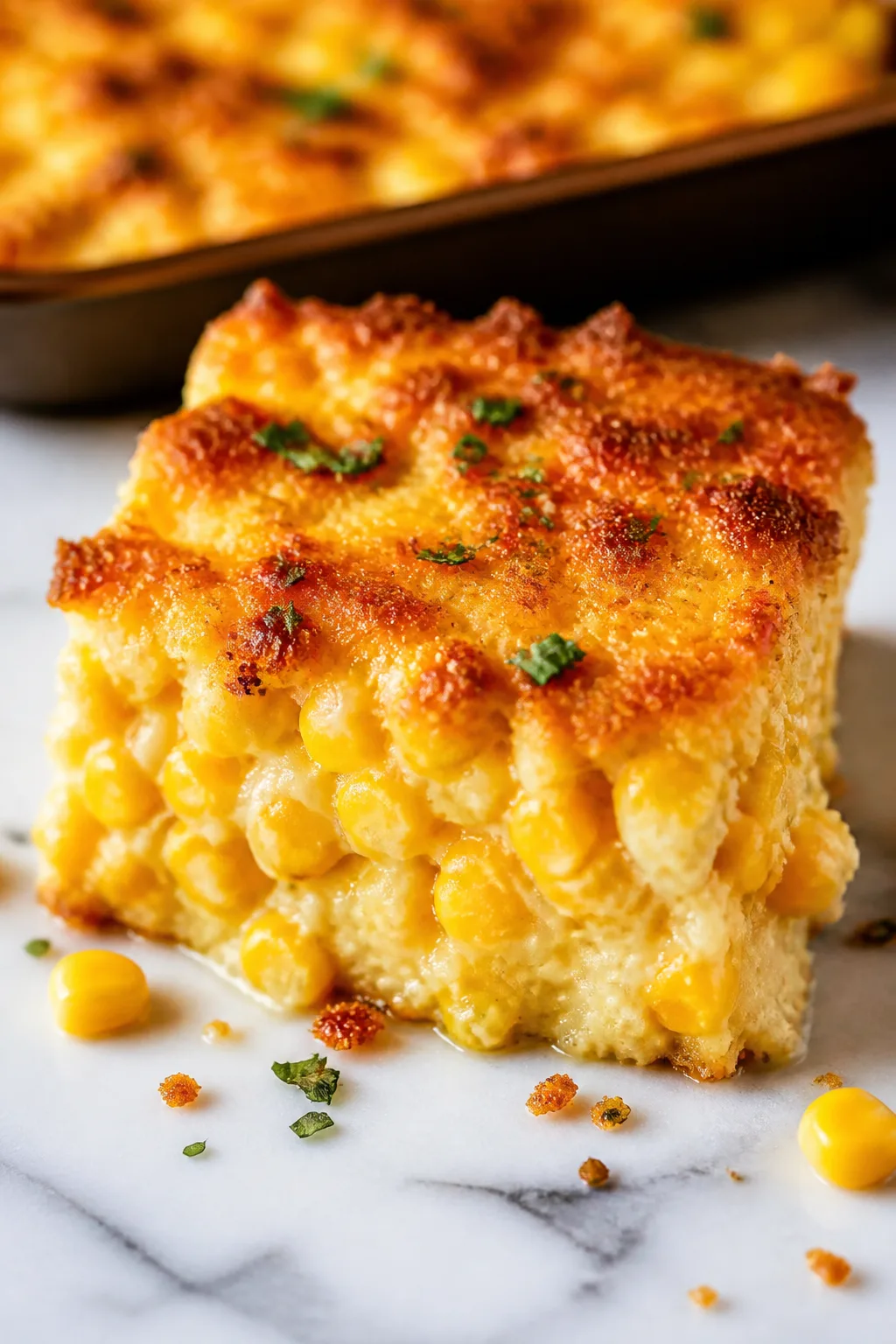
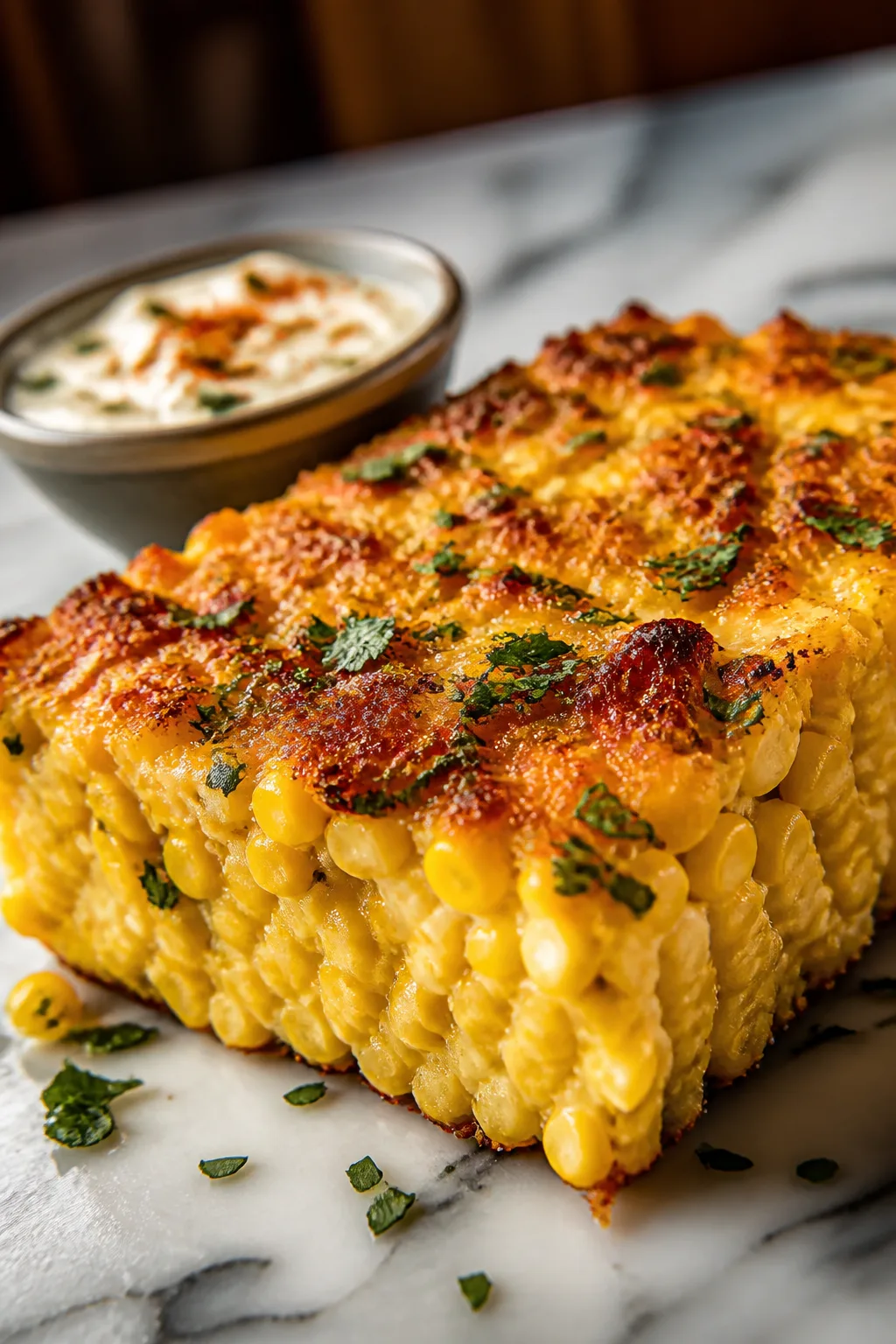
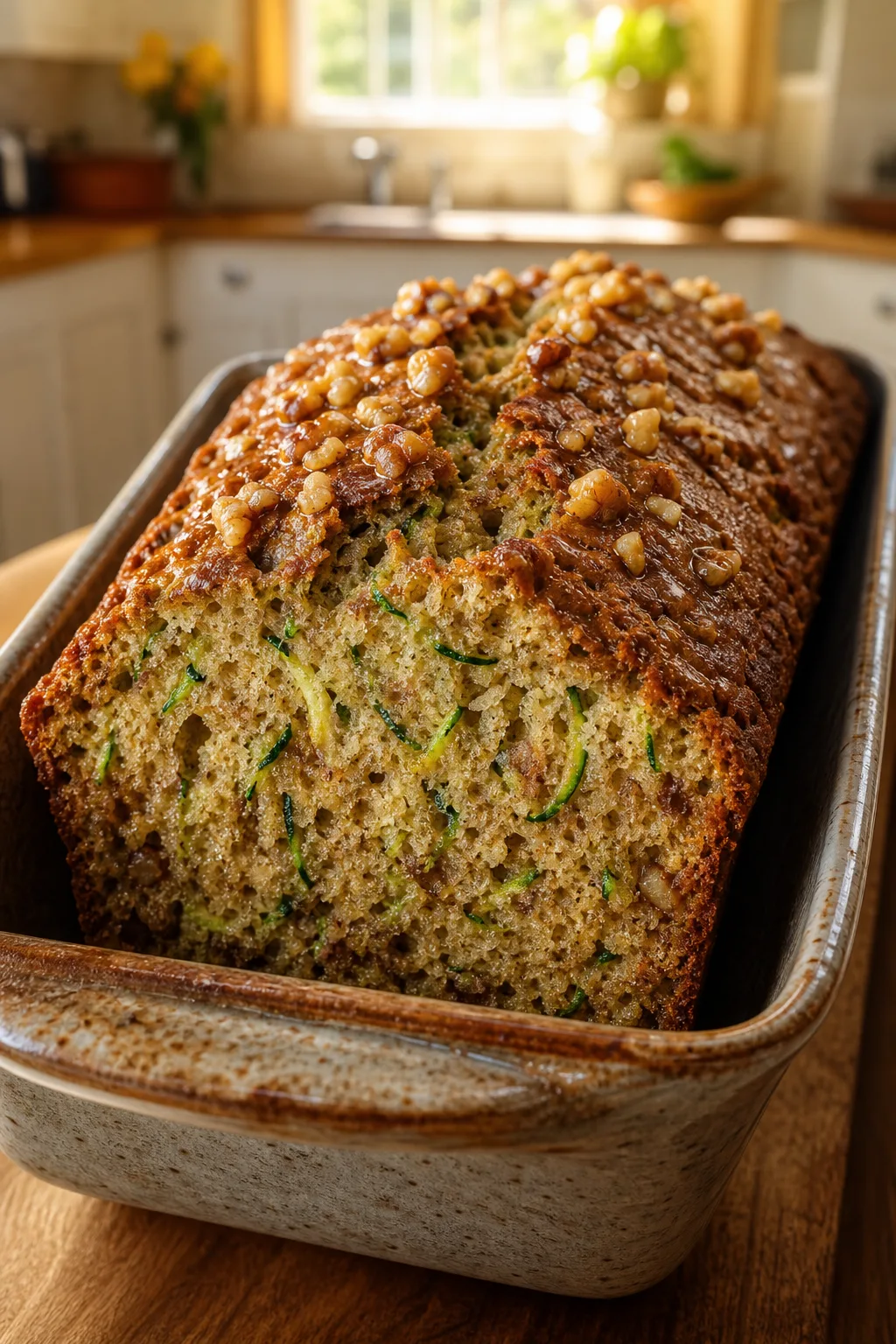
This cornbread is just like grandma used to make—rich with fresh corn kernels and a buttery crust that’s perfect for cozy dinners or holiday sides. It’s simple but packs a comforting punch every time.
Introduction
I’ve been making this Southern cornbread recipe for years, and it reminds me of cozy family dinners growing up where everyone gathered around the table. What I love about this version is the addition of fresh corn kernels, which add a juicy pop of sweetness and texture that you don’t get with just cornmeal alone. It’s a simple twist, but it really elevates the humble cornbread into something special. The trick I learned early on is to mix the wet and dry ingredients gently to keep the batter light, and to use melted butter both in the batter and brushed on top before baking to get that golden, crispy crust. The finished cornbread is moist, tender, with a slightly crunchy edge and those delightful bursts of fresh corn throughout. It’s perfect as a side for chili, BBQ, or just slathered with honey and butter for a snack. I’ll admit, my first attempt was a little dry because I overmixed the batter, but once I slowed down and treated the ingredients gently, it was a total game changer. I think you’ll love how this cornbread feels like a warm hug on a plate!
What You'll Need
One 9-inch square pan, about 8 servings
- 1 cup yellow cornmeal, medium grind
- 1 cup all-purpose flour
- 1/4 cup granulated sugar
- 1 tablespoon baking powder
- 1/2 teaspoon salt
- 1 cup buttermilk, cold
- 2 large eggs, beaten
- 1/4 cup unsalted butter, melted
- 1 cup fresh corn kernels (from about 2 ears of corn)
How To Do It
Step 1
Preheat your oven to 400°F (200°C) and grease a 9-inch square baking pan or cast-iron skillet with butter. This step is crucial because a hot oven and a well-greased pan help create that signature crispy crust that contrasts beautifully with the soft interior. If you skip preheating or greasing properly, your cornbread might stick or bake unevenly, so don’t rush this part.
⏱ Time: 10 minutes
✓ Doneness: Oven fully preheated and pan evenly coated with melted butter
Step 2
In a large bowl, whisk together the cornmeal, flour, sugar, baking powder, and salt until evenly combined. This dry mix forms the base of your cornbread and evenly distributing the leavening agent ensures a uniform rise. If you don’t mix well here, you might end up with pockets of baking powder or uneven texture.
⏱ Time: 5 minutes
✓ Doneness: Dry ingredients are lump-free and thoroughly blended
Step 3
In a separate bowl, whisk the buttermilk and eggs together until smooth. The buttermilk not only adds tang but reacts with the baking powder to give the bread its tender crumb. Mixing the eggs fully ensures your batter will be uniform and rise properly.
⏱ Time: 3 minutes
✓ Doneness: Wet ingredients combined with no streaks
Step 4
Slowly pour the wet ingredients into the dry ingredients, stirring gently with a spatula just until combined. The key is to avoid overmixing here because too much stirring develops gluten and makes the cornbread tough. You want a few lumps to remain for a tender texture.
⏱ Time: 3 minutes
✓ Doneness: Batter just combined with some small lumps, not smooth
Step 5
Fold in the melted butter and fresh corn kernels carefully. The butter adds richness while the fresh corn gives bursts of sweetness and moisture. Be gentle folding to keep the batter airy. If you add the butter too hot or mix aggressively, you risk deflating the batter or uneven distribution.
⏱ Time: 3 minutes
✓ Doneness: Butter and corn evenly incorporated without heavy stirring
Step 6
Pour the batter into your prepared pan and spread it evenly with a spatula. This ensures even baking and a consistent crumb. Don’t over-smooth or press down hard, which can compress the batter and make it dense.
⏱ Time: 2 minutes
✓ Doneness: Batter level and smooth but not compressed
Step 7
Bake in the preheated oven for 25-30 minutes until the top is golden brown and a toothpick inserted in the center comes out clean or with a few moist crumbs. The baking time is important to develop a crisp crust while keeping the inside moist. Opening the oven door too often causes uneven rising, so try to resist.
⏱ Time: 25-30 minutes
✓ Doneness: Golden crust and clean toothpick test
Step 8
Remove from oven and immediately brush the top with a little extra melted butter. This step adds shine, flavor, and helps keep the crust tender as it cools. Skipping it might leave the top dry or dull-looking.
⏱ Time: 2 minutes
✓ Doneness: Glossy, buttery top surface
Step 9
Let the cornbread cool in the pan for at least 10 minutes before slicing. Cooling allows the structure to set so slices hold together nicely without crumbling. Cutting too soon can make pieces fall apart.
⏱ Time: 10 minutes
✓ Doneness: Cornbread firm enough to slice cleanly
Pro Tips
Don’t overmix the batter; stir just until combined.
Overmixing activates gluten in the flour, which makes cornbread tough and dense rather than tender and crumbly. Gentle folding keeps the texture light and moist.
Use fresh baking powder to ensure proper rise.
Expired baking powder loses potency, resulting in flat, heavy cornbread. Test freshness by adding a pinch to warm water; it should bubble vigorously.
Brush the top with melted butter right after baking.
This step adds flavor, keeps the crust tender, and gives the cornbread a shiny, appetizing finish that also prevents drying out.
Preheat your oven and pan before baking.
Starting with a hot pan creates a crispy crust and helps the cornbread rise quickly, locking in moisture for a tender interior.
Use fresh corn kernels instead of canned or frozen when possible.
Fresh corn adds natural sweetness and moisture without excess liquid that can alter batter consistency and baking time.
Let cornbread rest before slicing.
Cooling allows steam to redistribute and the crumb to set, making it easier to cut clean slices without crumbling.
Use buttermilk instead of regular milk.
The acidity tenderizes the crumb and reacts with baking powder to help the bread rise, resulting in a softer, fluffier texture.
Common Mistakes to Avoid
Overmixing the batter
Why it happens Many cooks assume mixing thoroughly is best, but this activates gluten, making the cornbread dense.
Fix Mix the batter gently and stop as soon as dry ingredients are moistened. Use a spatula and fold ingredients rather than stirring vigorously.
Using expired baking powder
Why it happens Baking powder loses its leavening power over time, often overlooked because it looks normal.
Fix Test baking powder freshness by adding a pinch to warm water; if it bubbles, it’s good. Otherwise, replace it for proper rise.
Skipping the butter brush on top
Why it happens Some think the butter in the batter is enough, but the top can dry out during baking.
Fix Brush melted butter immediately after baking to keep the crust moist and flavorful.
Not preheating the oven or pan
Why it happens Skipping preheating slows crust formation and can cause uneven baking.
Fix Always preheat the oven fully and grease the pan before adding batter for best texture.
Using canned corn instead of fresh
Why it happens Canned corn is convenient but adds extra liquid and less flavor.
Fix Use fresh corn kernels cut from the cob; if frozen, thaw and drain well to avoid soggy batter.
Variations
Jalapeño Cheddar Cornbread
Add diced jalapeños and shredded sharp cheddar cheese to the batter for a spicy, cheesy twist. It’s perfect alongside chili or BBQ and adds a nice kick without overpowering the classic flavor.
Note: Fold in jalapeños and cheese gently into the batter before baking; cheese may brown faster so watch closely near the end.
Honey-Glazed Cornbread
Drizzle warm honey over the cornbread right after baking for a sweet, sticky finish. This variation turns it into a dessert-like treat or a perfect breakfast side with butter.
Note: Add honey while the bread is still hot so it soaks in well without making the crust soggy.
Herb and Garlic Cornbread
Mix fresh chopped herbs like rosemary or thyme and a bit of garlic powder into the batter for a savory, aromatic loaf. Great for serving with soups or roasted meats.
Note: Use fresh herbs finely chopped to avoid overpowering; garlic powder blends better than fresh minced garlic for even flavor.
Gluten-Free Cornbread
Substitute the all-purpose flour with a gluten-free flour blend and ensure your baking powder is gluten-free. This keeps the cornbread moist and tender for those with gluten sensitivities.
Note: Gluten-free batters can be slightly wetter; add an extra tablespoon of cornmeal if too loose.
Sweet Corn and Blueberry Cornbread
Fold fresh blueberries into the batter along with the corn kernels for a sweet and fruity cornbread variation that’s perfect for brunch or snack time.
Note: Gently fold in blueberries to prevent bursting; bake at the same temperature but watch for a slightly longer baking time.
Nutrition
Per Serving:
Nutritional values are estimates and may vary based on specific ingredients used.
Storage & Tips
Room Temperature
Cornbread can safely sit covered at room temperature for up to 2 days. Keep it wrapped in foil or in an airtight container to prevent drying out. Avoid leaving it uncovered as it will become stale quickly.
Refrigerator
Store leftover cornbread in an airtight container for up to 5 days. It may firm up in the fridge but reheating gently restores moisture. It’s best warmed before serving to regain softness.
Freezer
Freeze cornbread tightly wrapped in plastic wrap and then foil for up to 3 months. To thaw, transfer to the refrigerator overnight, then warm in the oven to refresh texture and flavor.
Reheating
Reheat cornbread in a 350°F oven for 10-15 minutes wrapped in foil to prevent drying. You can add a small pat of butter or splash of milk before warming to keep it moist. Avoid microwaving as it tends to make cornbread rubbery.
Make Ahead
You can mix the dry and wet ingredients separately a day ahead, then combine and bake fresh. Alternatively, bake the cornbread fully, cool completely, and store wrapped; reheat before serving.
FAQ
Can I use frozen corn instead of fresh corn kernels?
Yes, you can substitute frozen corn, but make sure to thaw and drain it very well to avoid excess moisture in the batter. Too much liquid can affect the texture and baking time, making the cornbread soggy or dense.
What if I don't have buttermilk on hand?
No worries! You can make a buttermilk substitute by adding 1 tablespoon of lemon juice or white vinegar to 1 cup of milk. Let it sit for 5 minutes before using. This acidity helps tenderize the cornbread and activates the baking powder.
Why is my cornbread dry or crumbly?
Dry cornbread often results from overmixing, overbaking, or using old baking powder. Make sure to mix gently, bake just until done, and use fresh leavening. Also, including fresh corn adds moisture that helps keep it tender.
Can I make this cornbread vegan?
To make it vegan, substitute eggs with flax eggs (1 tablespoon flaxseed meal + 3 tablespoons water per egg) and use a plant-based milk with a little vinegar as buttermilk substitute. Replace butter with vegan margarine or oil.
How do I store leftover cornbread?
Wrap leftover cornbread tightly in plastic wrap or store in an airtight container. It keeps well at room temperature for 1-2 days or in the fridge for up to 5 days. Reheat gently before serving for best texture.
Can I bake cornbread in a cast-iron skillet?
Absolutely! A cast-iron skillet helps create an extra crispy crust. Preheat the skillet in the oven before adding batter for best results. Just grease it well to prevent sticking.
Why is my cornbread gummy inside?
Gummy texture can come from underbaking or too much liquid. Test with a toothpick and bake until it comes out clean. Also, avoid adding too many wet ingredients or overmixing the batter.
Can I add sugar or make it sweeter?
Yes, this recipe has a modest amount of sugar but you can increase it slightly for a sweeter cornbread. Keep in mind that traditional Southern cornbread is usually less sweet, so adjust to taste.
Final Thoughts
I hope you give this classic Southern cornbread a try and enjoy those sweet bursts of fresh corn as much as my family does. Let me know how it turns out!