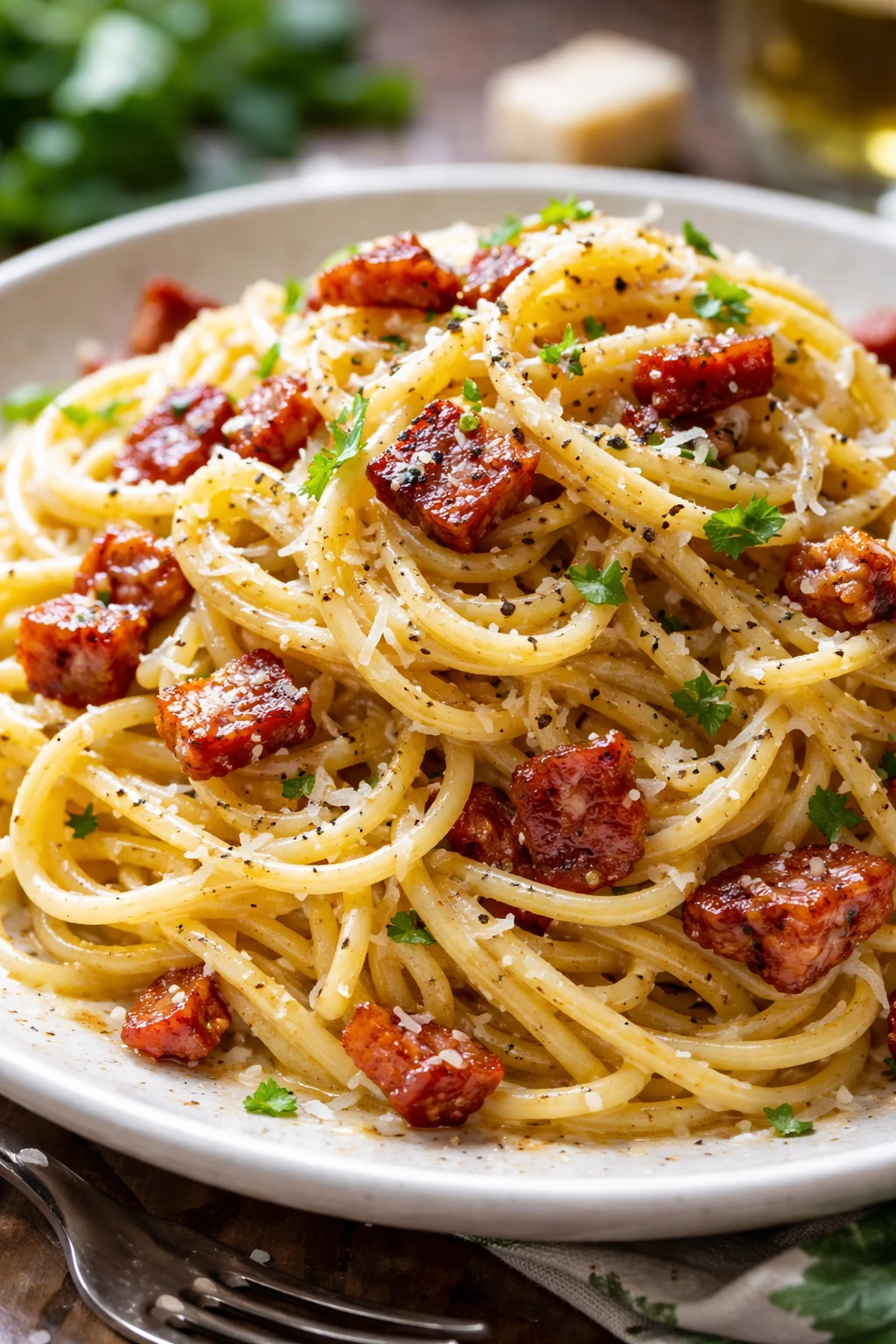
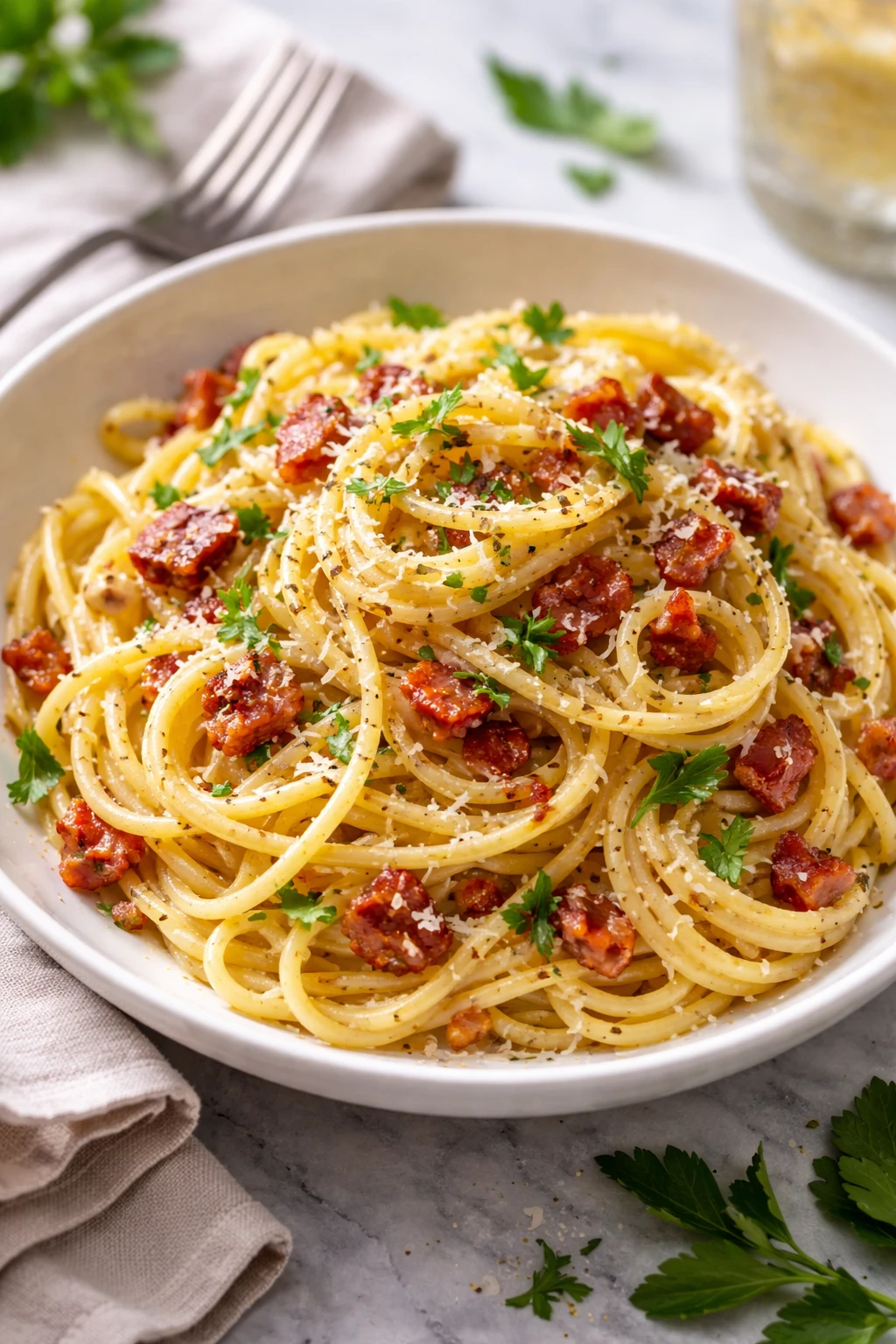
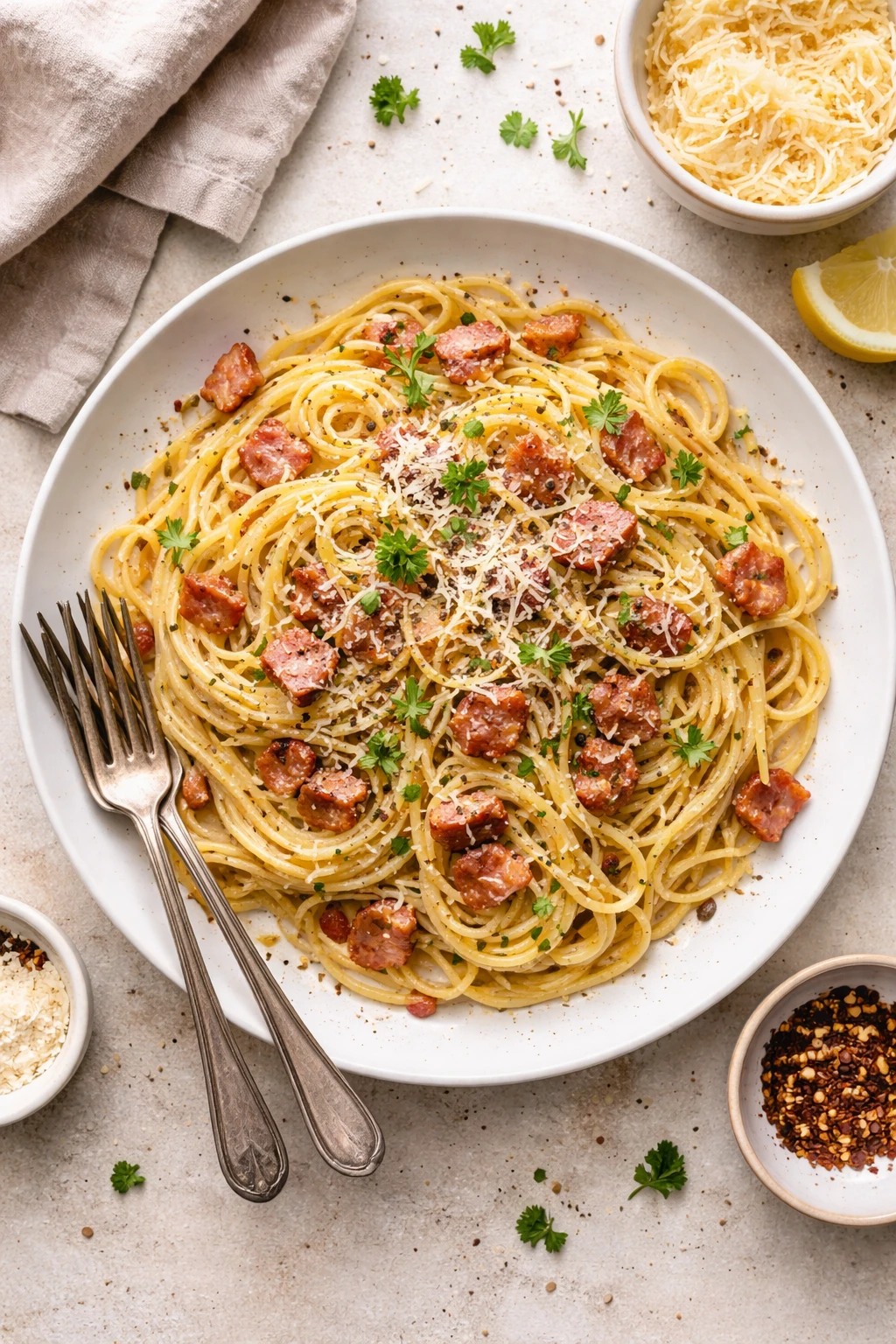
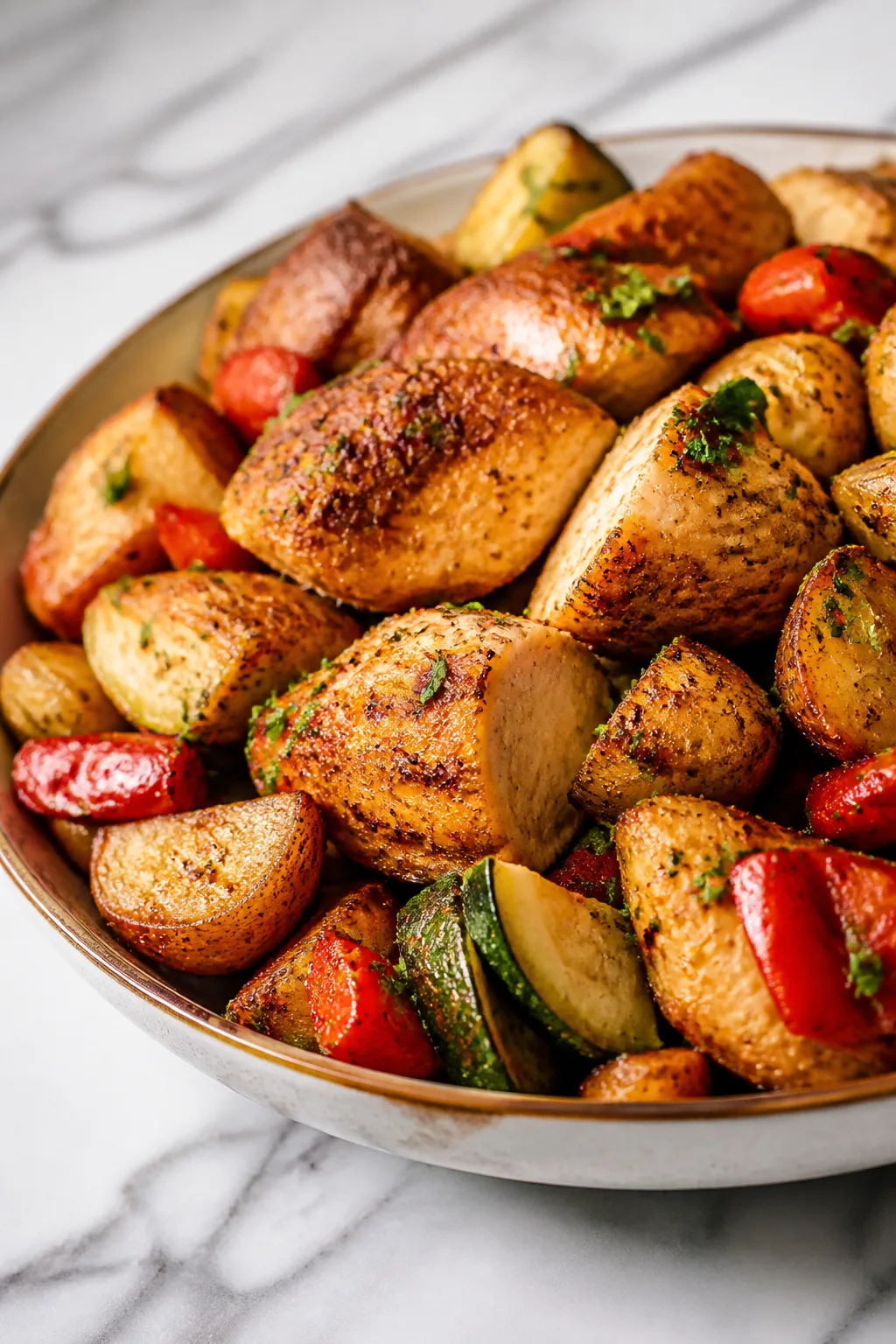
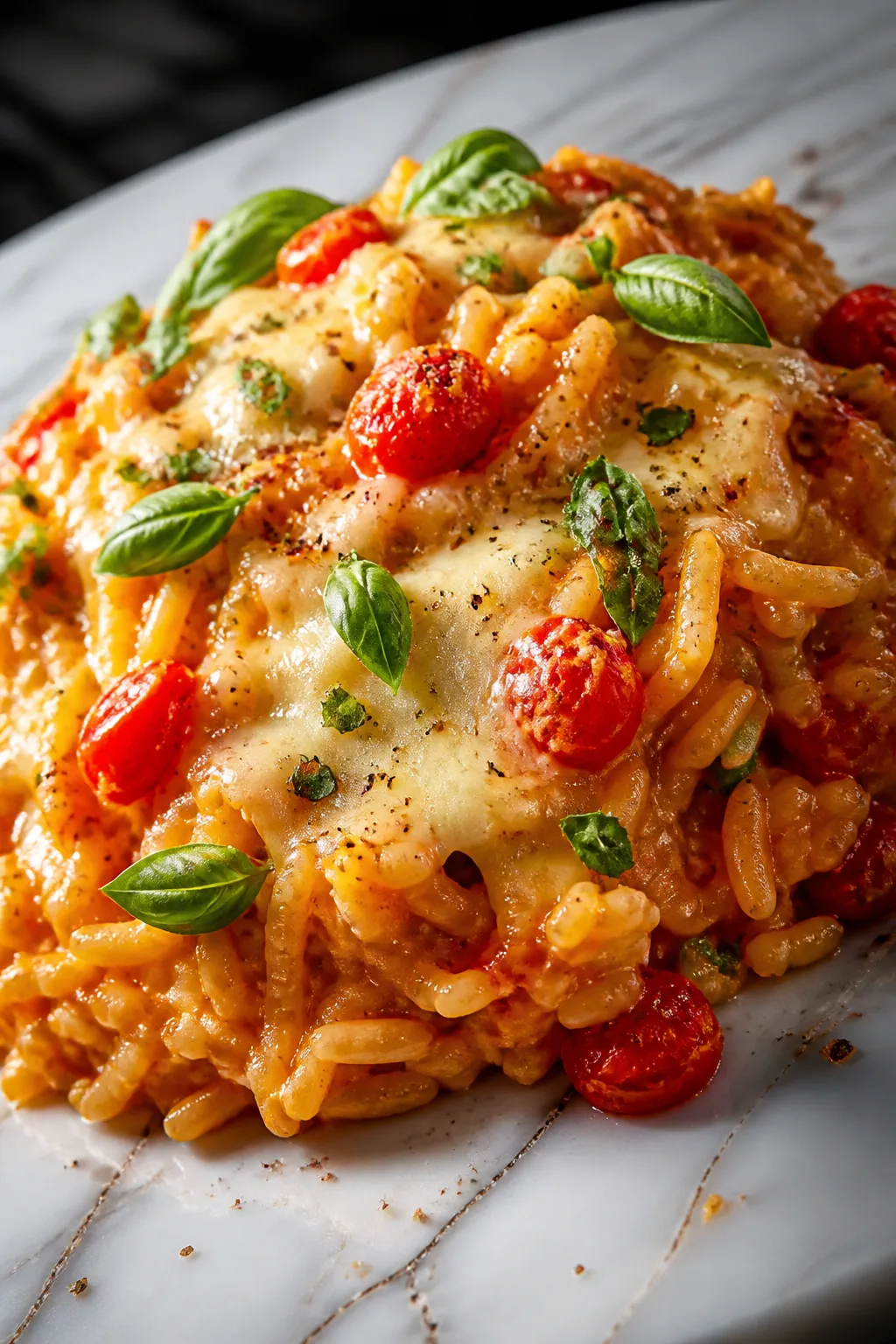
This spaghetti carbonara is the ultimate quick comfort food. With budget-friendly pancetta and a silky, creamy sauce, it’s ready in just 15 minutes. Perfect for cozy dinners when time is tight!
Introduction
I first tried making carbonara on a hectic weeknight when I had almost no time but really wanted something comforting and delicious. I’d always thought it was complicated, but this quick version uses simple ingredients like pancetta and eggs to create a creamy sauce in just minutes. The trick I learned is to toss the hot pasta off the heat with the egg and cheese mixture so you get that silky texture without scrambling the eggs. Also, using pancetta instead of bacon gives it a richer, more authentic flavor without breaking the bank. The finished dish is creamy, slightly smoky, and perfectly peppery — it’s like a warm hug on a plate. Since then, it’s become my go-to for busy nights when I want something satisfying but don’t want to fuss in the kitchen. Honestly, I think it’s one of those dishes that feels fancy but comes together so easily you’ll want to make it all the time!
How To Do It
Step 1
Bring a large pot of salted water to a boil and cook the spaghetti according to package instructions until al dente. This step is crucial because pasta texture is the foundation of a great carbonara — you want it firm but cooked through. Overcooking will make the dish mushy and undercooking will leave it tough. Drain the pasta, reserving about a cup of the starchy cooking water to help create the sauce later. Don’t rinse the pasta; the starch helps the sauce cling beautifully.
⏱ Time: 8-10 minutes
✓ Doneness: Pasta should be tender but still have a slight bite when tasted.
Step 2
While the pasta cooks, heat the olive oil in a large skillet over medium heat. Add the diced pancetta and cook until it’s crisp and golden, about 5-7 minutes. This renders the fat that will flavor the whole dish, so don’t rush it. Stir occasionally to prevent burning but let it brown nicely for that smoky depth. Add the minced garlic during the last minute to avoid burning it, which would add bitterness.
⏱ Time: 7 minutes
✓ Doneness: Pancetta should be crispy and golden, garlic fragrant but not browned.
Step 3
In a medium bowl, whisk together the eggs and grated Parmesan until smooth and creamy. This mixture is the heart of your sauce, so make sure it’s well combined. The cheese adds saltiness and richness, while the eggs create that luscious texture. Set aside until the pasta and pancetta are ready.
⏱ Time: 2 minutes
✓ Doneness: Egg and cheese mixture should be smooth and slightly thick.
Step 4
Add the drained pasta directly to the skillet with the pancetta (off the heat). Quickly pour the egg and cheese mixture over the pasta and toss vigorously. The residual heat from the pasta gently cooks the eggs without scrambling them, creating a creamy, silky sauce. If it seems too thick, add a splash of the reserved pasta water to loosen it. This technique is key for that classic carbonara texture.
⏱ Time: 3 minutes
✓ Doneness: Sauce should coat the pasta smoothly, no clumps or scrambled eggs.
Step 5
Season generously with freshly ground black pepper and adjust salt if needed. Pepper adds a spicy warmth that balances the richness beautifully. Taste as you go because the cheese and pancetta already provide saltiness. Toss everything again to combine and serve immediately for the best texture and flavor.
⏱ Time: 1 minute
✓ Doneness: Dish smells fragrant with pepper and pancetta, sauce clings well to pasta.
Step 6
Optionally, garnish with extra Parmesan and a sprinkle of fresh parsley or basil for a pop of color and freshness. This step isn’t necessary but adds a lovely visual and herbaceous note that brightens the dish.
⏱ Time: 1 minute
✓ Doneness: Garnish evenly distributed and fresh-looking.
Step 7
Serve your carbonara immediately while warm and creamy. Carbonara doesn’t hold well if left too long because the sauce can thicken and dry out. Enjoy it fresh for that perfect balance of silky sauce and tender pasta.
⏱ Time: Immediate
✓ Doneness: Pasta looks glossy and sauce is smooth.
Step 8
If you want to prep ahead, cook the pasta and pancetta separately, then combine with the egg mixture just before serving. This keeps the sauce fresh and prevents it from drying or scrambling. Reheat gently if needed with a splash of pasta water to revive the creaminess.
⏱ Time: Varies
✓ Doneness: Sauce remains smooth after reheating.
Step 9
For an extra touch, try adding a pinch of red pepper flakes or a squeeze of lemon juice to brighten the flavors. These small additions can elevate the dish and tailor it to your taste without complicating the process.
⏱ Time: Optional, 1 minute
✓ Doneness: Flavor has a subtle kick or brightness depending on addition.
Pro Tips
Reserve some pasta cooking water before draining.
The starchy pasta water is essential for loosening the egg and cheese sauce and helps it cling to the noodles smoothly. Without it, the sauce can become too thick or clumpy. Adding water gradually allows you to control the sauce’s consistency perfectly.
Toss pasta off the heat when adding the egg mixture.
Direct heat can scramble the eggs, ruining the silky sauce texture. Using residual heat gently cooks the eggs, creating a creamy emulsion. This step requires quick tossing to evenly coat the pasta and avoid lumps.
Use freshly grated Parmesan cheese instead of pre-grated.
Freshly grated cheese melts more smoothly and contains no anti-caking additives that can affect texture. This ensures the sauce is creamy and rich rather than grainy or clumpy.
Cook pancetta slowly over medium heat until crisp.
Rendering fat slowly allows the pancetta to crisp without burning and releases flavorful oils that enrich the sauce. Rushing this step can result in burnt bits and bitter flavors.
Add minced garlic last when cooking pancetta.
Garlic burns quickly and becomes bitter if cooked too long. Adding it near the end preserves its aroma and subtle sweetness, enhancing the dish without overpowering.
Season with freshly cracked black pepper generously.
Black pepper adds a spicy warmth and aromatic complexity that balances the richness of eggs and cheese. Using fresh pepper releases essential oils for better flavor.
Serve carbonara immediately after tossing the sauce.
Carbonara sauce thickens and loses its creamy texture as it cools. Serving right away ensures you enjoy the perfect silky consistency and taste.
Common Mistakes to Avoid
Scrambled eggs in the sauce
Why it happens This usually happens when the egg mixture is added to pasta still on hot heat or when the pan is too hot, causing the eggs to cook too quickly and curdle.
Fix Remove the pan from heat completely before adding the egg mixture and toss quickly to allow gentle cooking from residual heat. Adding some reserved pasta water helps control the temperature and consistency.
Pasta overcooked or mushy
Why it happens Overcooking pasta during boiling or reheating causes softness and loss of texture, making the dish less enjoyable.
Fix Cook pasta just until al dente according to package directions and avoid rinsing. When reheating, add a splash of water and warm gently to prevent overcooking.
Sauce too thick or clumpy
Why it happens Not adding enough pasta water or tossing the pasta and sauce too slowly can cause the sauce to thicken excessively or form lumps.
Fix Reserve some pasta water and add it gradually while tossing to loosen the sauce. Toss briskly to combine ingredients evenly.
Using bacon instead of pancetta
Why it happens Bacon is smoked and has a different flavor and texture, which can overpower the delicate balance of carbonara.
Fix Use pancetta for authentic flavor. If unavailable, use unsmoked guanciale or a mild pork belly but avoid smoky bacon.
Adding too much salt
Why it happens Since pancetta and Parmesan are salty, adding extra salt without tasting can lead to an overly salty dish.
Fix Taste before seasoning and add salt sparingly. Remember the cheese and pancetta already contribute saltiness.
Variations
Vegetarian Carbonara with Mushrooms
Swap pancetta for sautéed mushrooms like cremini or shiitake to add umami and texture. Use smoked paprika for a hint of smokiness. This keeps the dish rich and satisfying without meat.
Note: Cook mushrooms slowly to release moisture and develop deep flavor. No changes to egg or cheese quantities.
Creamy Carbonara with Heavy Cream
Add a splash of heavy cream to the egg and cheese mixture for extra creaminess and a slightly richer sauce. This is great if you prefer a thicker, more indulgent texture.
Note: Reduce reserved pasta water slightly to keep sauce balanced and avoid thinning it too much.
Gluten-Free Carbonara with Zucchini Noodles
Replace spaghetti with spiralized zucchini or gluten-free pasta for a lighter, gluten-free option. The sauce works just as well with these substitutes for a low-carb twist.
Note: Cook zucchini noodles briefly to avoid sogginess and add sauce off heat to prevent overcooking.
Spicy Carbonara with Red Pepper Flakes
Add a pinch of red pepper flakes when cooking pancetta to bring a subtle heat that contrasts beautifully with the creamy sauce. Perfect if you like a little kick!
Note: Add flakes early with pancetta to infuse oil with spice without burning.
Carbonara with Fresh Herbs
Finish the dish with chopped fresh parsley, basil, or chives for brightness and a fresh herbal note. This lightens the richness and adds color.
Note: Add herbs right before serving to preserve flavor and vibrancy.
Nutrition
Per Serving:
Nutritional values are estimates and may vary based on specific ingredients used.
Storage & Tips
Room Temperature
Carbonara should not be left at room temperature for more than 2 hours as eggs and dairy can spoil quickly. Cover loosely if you need to hold it briefly before serving.
Refrigerator
Store leftovers in an airtight container for up to 2 days. The sauce will thicken and the pasta may absorb liquid, so reheat gently with a splash of water or broth to restore creaminess. It can be served cold but texture will be less smooth.
Freezer
Freezing carbonara is not recommended as the sauce can separate and become grainy. If necessary, freeze in a tightly sealed container for up to 1 month. Thaw overnight in the refrigerator and reheat gently with liquid added.
Reheating
Reheat over low heat on the stovetop or in the microwave in short bursts, stirring often. Add reserved pasta water or a little cream to loosen the sauce and avoid drying out or scrambling the eggs further.
Make Ahead
Cook pasta and pancetta ahead and store separately. Whisk eggs and cheese just before serving. Combine all components off heat to maintain sauce texture and freshness.
FAQ
Can I use bacon instead of pancetta?
You can substitute bacon but it will add a smoky flavor that changes the traditional taste. Pancetta or guanciale is preferred for authentic carbonara. If using bacon, cook it slowly to render fat but be mindful it may overpower the delicate egg and cheese sauce.
Why did my carbonara sauce scramble?
This usually happens if you add the egg mixture while the pan is still on direct heat or too hot. To prevent scrambling, remove the skillet from heat before adding eggs and toss quickly using residual heat to gently thicken the sauce without curdling.
Can I make carbonara ahead of time?
You can prep the pasta and pancetta ahead, but it’s best to mix with the egg and cheese sauce just before serving. This keeps the sauce silky and fresh. Reheating should be gentle with added liquid to prevent drying or scrambling.
What type of cheese is best for carbonara?
Parmigiano-Reggiano is traditional and recommended for its nutty, salty flavor and smooth melting. Pecorino Romano is also used in some regions for a sharper taste. Avoid pre-grated or processed cheeses for best texture and flavor.
Can I add cream to carbonara?
Adding cream changes the texture and flavor but can make the sauce more stable for reheating. Use sparingly if you prefer this version.
How do I know when pasta is al dente?
Al dente means the pasta is cooked through but still firm to the bite, not soft or mushy. Taste a strand a minute or two before the package time ends. It should have a slight chew without being hard in the center.
Can I use fresh pasta for carbonara?
Fresh pasta cooks faster and is more delicate, so timing is key. It can work well but you must toss quickly to avoid overcooking and scrambling the eggs. Adjust cooking times accordingly and keep the pan off heat when mixing.
What if I don’t have pancetta or guanciale?
If you can’t find pancetta or guanciale, use good quality unsmoked bacon or even diced ham as a last resort. The flavor will be different but still tasty. Avoid smoked bacon to keep the dish balanced.
Final Thoughts
I hope you give this quick carbonara a try — it’s become a favorite in my house for busy nights. Let me know how yours turns out and enjoy every creamy bite!