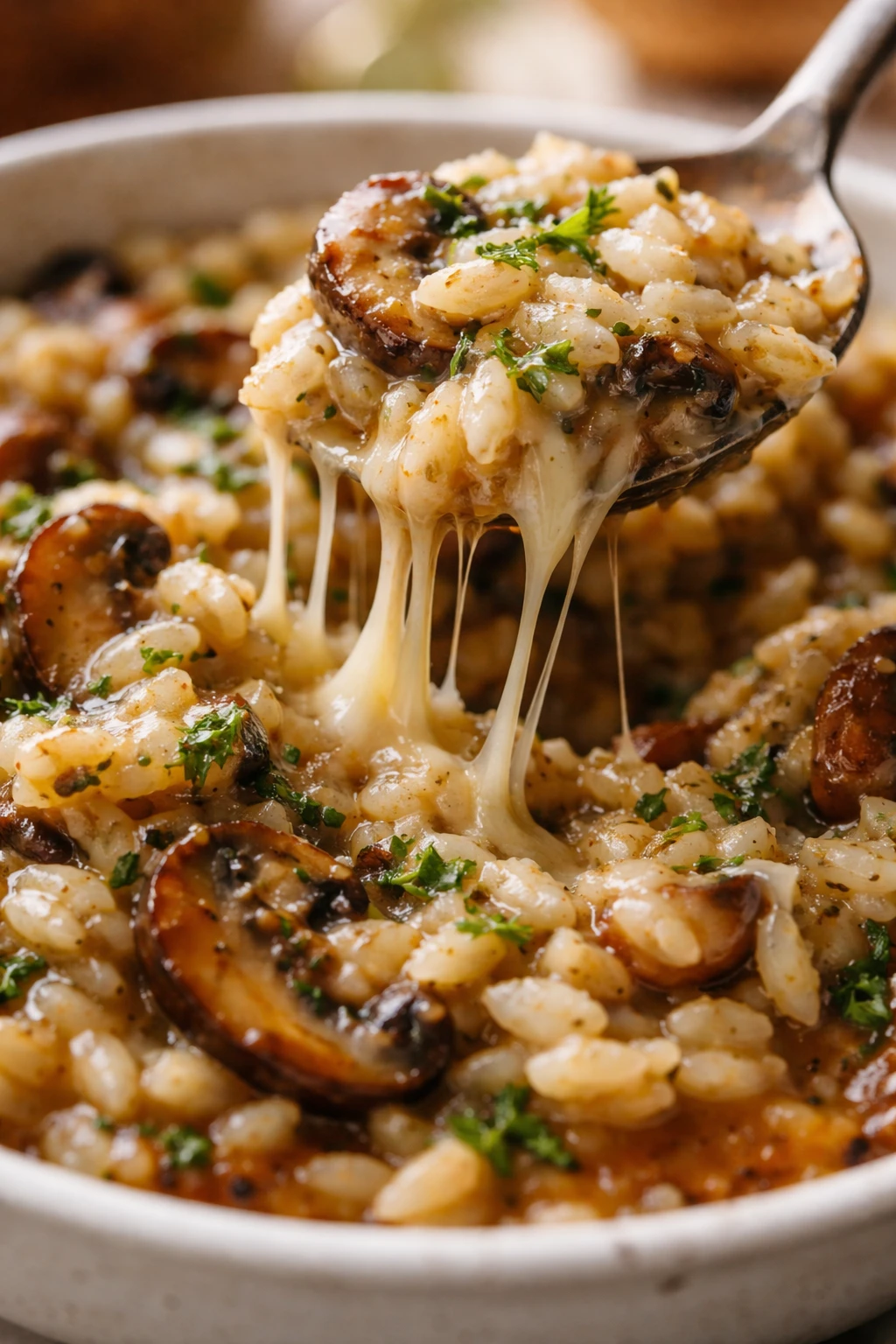
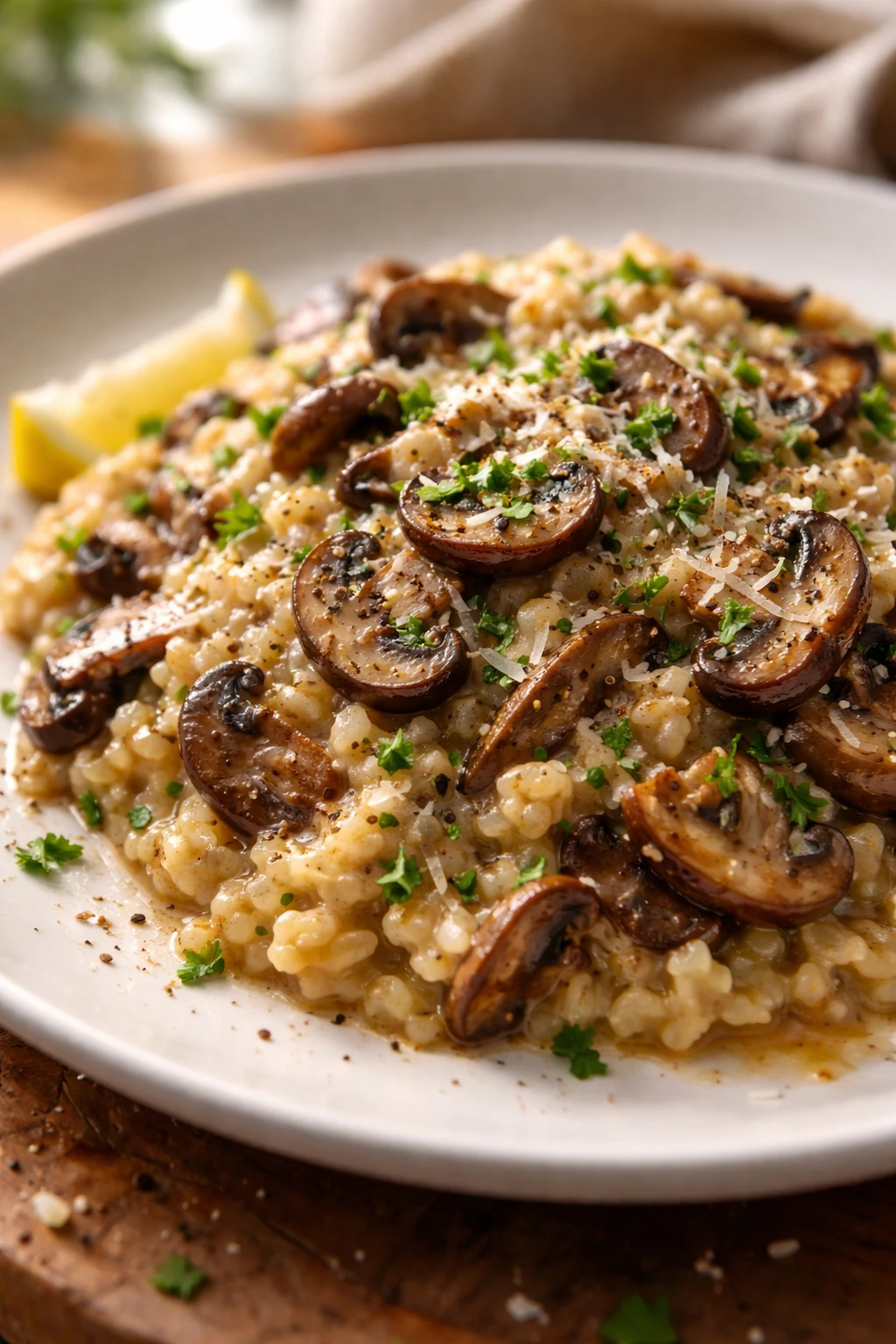
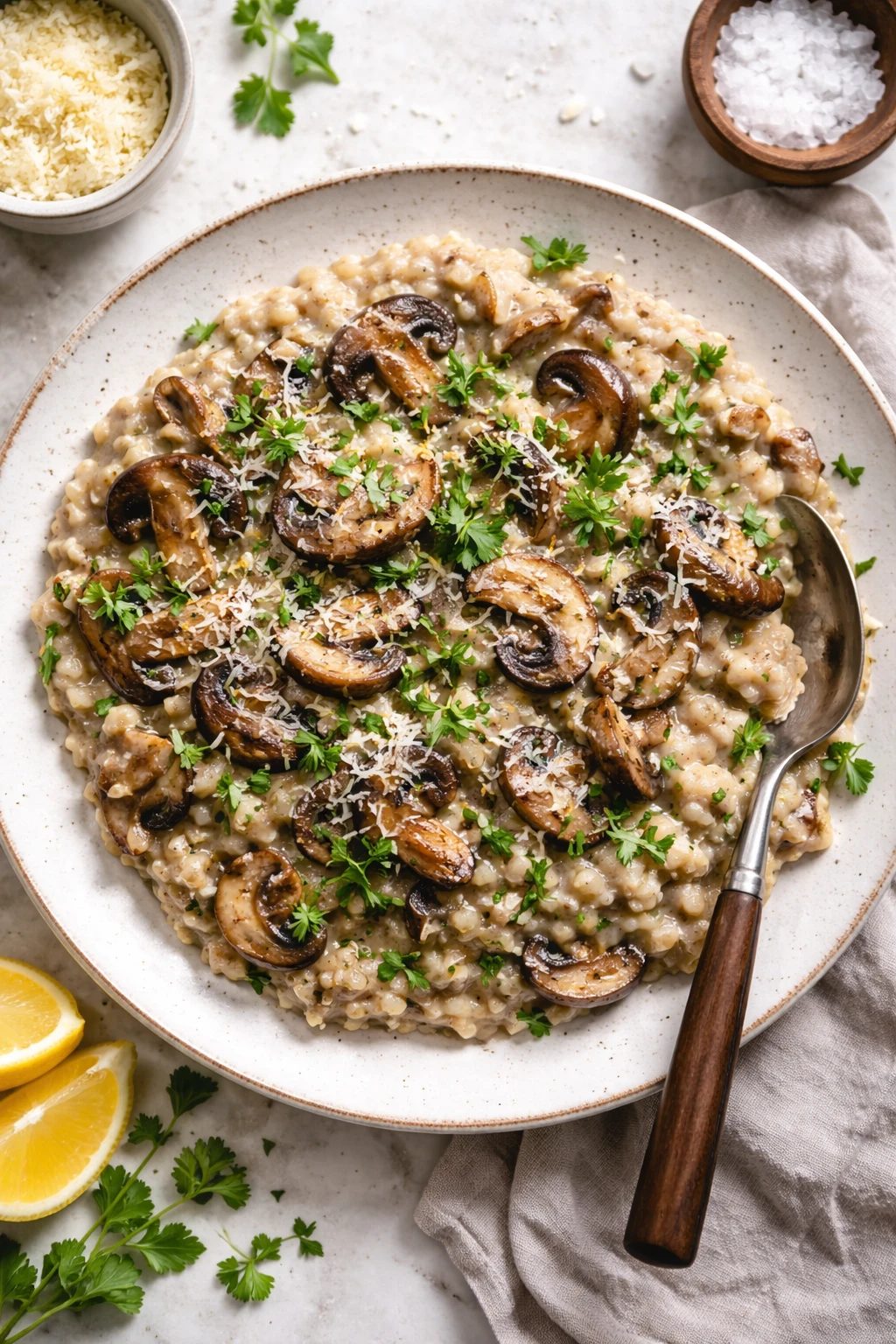
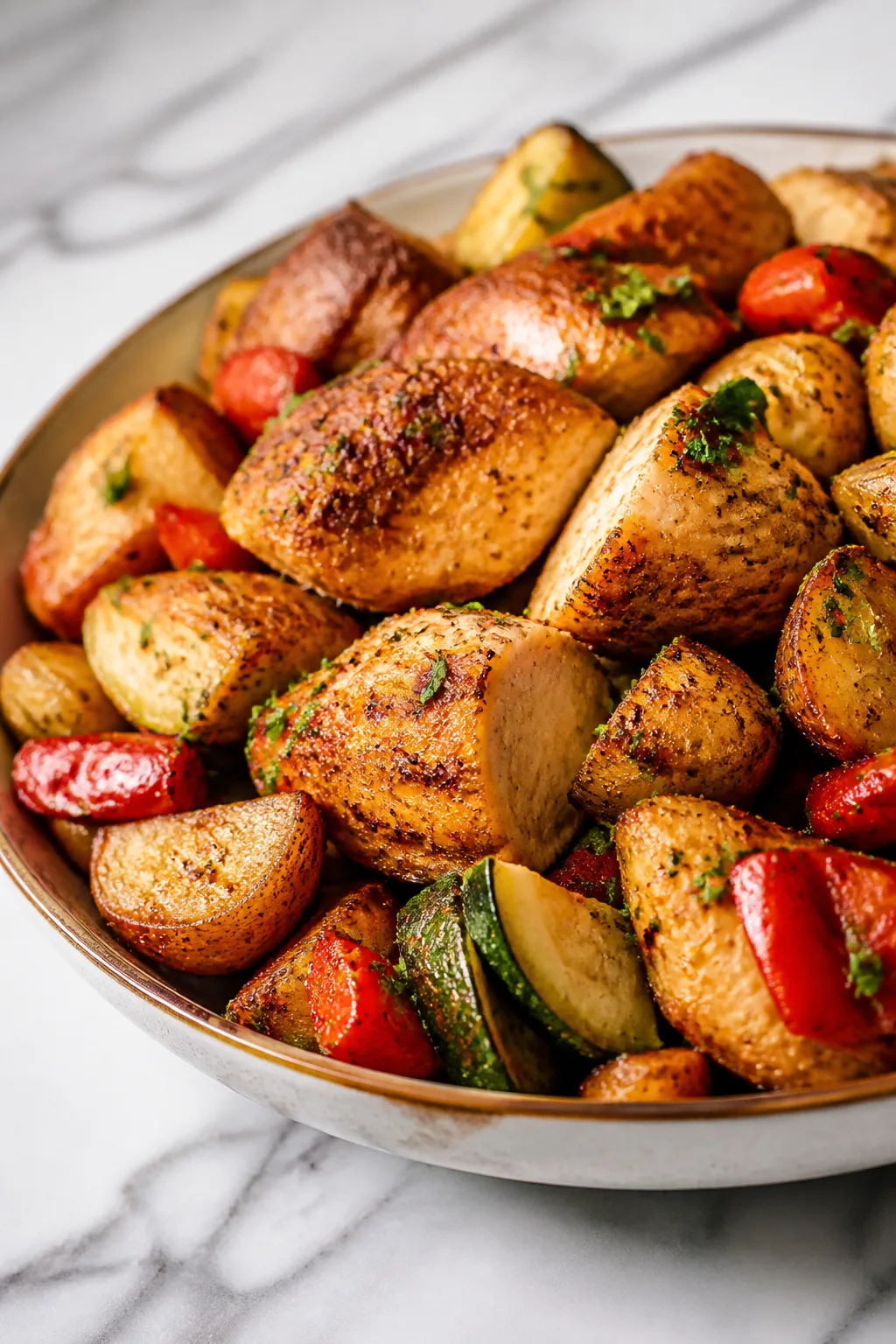
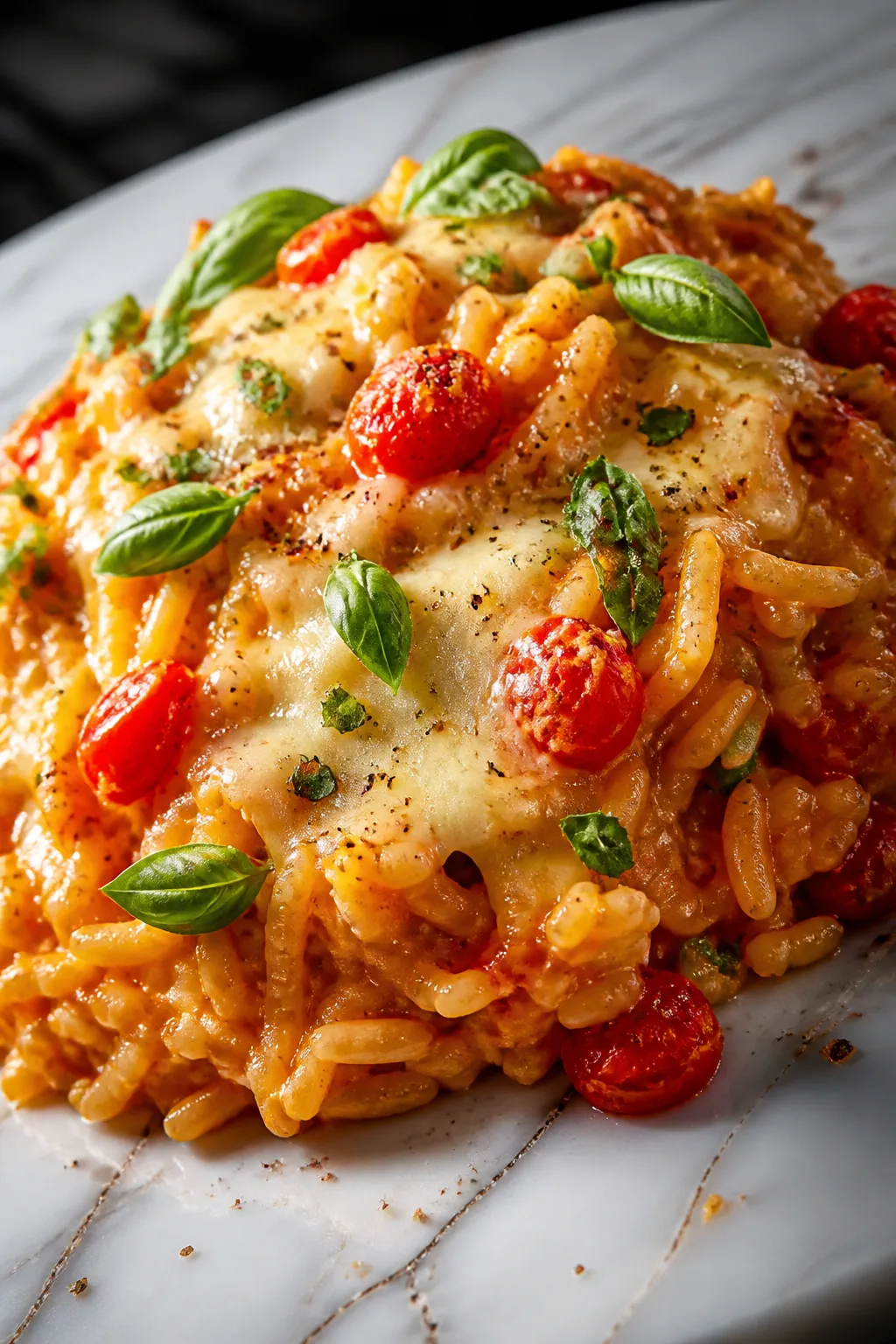
This mushroom risotto is my go-to comfort meal that’s surprisingly quick to make. The fresh spring herbs add a lovely brightness that balances the creamy richness. Perfect for a cozy dinner or a relaxed weekend lunch!
Introduction
I first discovered this mushroom risotto recipe on a chilly spring evening when I wanted something comforting but not too heavy. I’d tried risotto before but it felt intimidating and time-consuming. This version changed everything for me because it’s creamy and rich without the fuss. What makes it stand out is the fresh spring herbs—parsley and thyme—that brighten up the earthy mushrooms perfectly. I also learned a small trick: gently toasting the rice before adding broth helps develop a deeper, nuttier flavor. The finished dish is silky, with mushrooms soaking up all the lusciousness. It’s the kind of meal that feels like a warm hug on a plate, perfect for cozy dinners or a relaxed weekend lunch. Plus, it’s surprisingly quick, so you don’t have to wait forever for comfort food. I’ve made this countless times for friends and family, and it’s always a hit. Just be sure to stir patiently and add broth gradually—that’s the secret to that perfect creamy texture. I hope you love it as much as I do!
How To Do It
Step 1
Heat the olive oil in a large pan over medium heat until shimmering. Add the finely chopped onion and cook gently for about 5 minutes, stirring occasionally. You want the onion to soften and become translucent but not brown, as this builds a sweet, mellow base flavor for the risotto. Avoid high heat here because burning the onion would add bitterness and ruin the delicate balance.
⏱ Time: 5
✓ Doneness: Onions are soft, translucent, and fragrant without any browning
Step 2
Add the minced garlic and sliced mushrooms to the pan. Cook for another 6-8 minutes, stirring frequently, until the mushrooms have released their moisture and started to brown slightly. This step is crucial because it intensifies the mushroom flavor and adds a lovely umami depth. Be patient and don’t overcrowd the pan; overcrowding causes mushrooms to steam instead of brown.
⏱ Time: 8
✓ Doneness: Mushrooms are golden and have reduced in size, with a rich aroma
Step 3
Stir in the Arborio rice and toast it lightly for 2-3 minutes. This coats each grain in oil and warms them up, which helps the rice absorb liquid evenly later. Toasting also adds a subtle nuttiness to the finished risotto. Keep stirring so the rice doesn’t stick or burn on the bottom of the pan.
⏱ Time: 3
✓ Doneness: Rice grains look translucent at the edges but still opaque in the center
Step 4
Pour in the white wine and cook while stirring until it’s mostly absorbed. This deglazes the pan, lifting all the delicious browned bits off the bottom and infusing the rice with acidity and brightness. Don’t rush this step; the alcohol needs to cook off to avoid harshness, leaving only the flavor behind.
⏱ Time: 4
✓ Doneness: Wine is almost fully evaporated, and mixture looks creamy
Step 5
Begin adding the warm vegetable broth one ladle at a time, stirring frequently. Wait until each addition is mostly absorbed before adding the next. This slow liquid absorption is key for releasing the rice’s starches, which create that signature creamy risotto texture. Stirring also prevents sticking and helps cook the rice evenly. Skipping or rushing this step results in a less creamy, unevenly cooked dish.
⏱ Time: 20
✓ Doneness: Rice is tender but still slightly firm to the bite (al dente) and mixture is creamy
Step 6
Once the rice is cooked through and creamy, remove the pan from heat. Stir in the butter and grated Parmesan cheese until melted and fully incorporated. This enriches the risotto, adding silkiness and a savory depth. The butter and cheese also help bind the dish together and give it a luscious finish.
⏱ Time: 2
✓ Doneness: Risotto looks glossy and creamy, with no dry bits
Step 7
Season with salt and freshly ground black pepper to taste. Since Parmesan is salty, add salt gradually and taste as you go to avoid over-seasoning. The seasoning balances all the flavors and brings out the freshness of the herbs added next.
⏱ Time: 1
✓ Doneness: Flavor is well balanced, neither bland nor overly salty
Step 8
Fold in the chopped fresh parsley and thyme leaves just before serving. Adding herbs at the end preserves their bright flavor and color, giving the risotto a fresh, herbaceous lift that contrasts beautifully with the rich mushrooms and cheese.
⏱ Time: 1
✓ Doneness: Herbs are vibrant, evenly distributed, and fragrant
Step 9
Serve the risotto immediately while it’s warm and creamy. Risotto doesn’t hold well for long because it thickens as it cools. If needed, you can loosen it with a splash of warm broth before reheating gently. Enjoy this cozy dish on its own or paired with a crisp green salad for a perfect meal.
⏱ Time: 1
✓ Doneness: Risotto is creamy, smooth, and piping hot
Pro Tips
Keep your broth warm while cooking.
Adding cold broth cools the rice and slows down the cooking process, which inhibits starch release and results in a less creamy risotto. Warm broth helps maintain an even cooking temperature, allowing the rice to absorb liquid gradually and release its starches for that perfect silky texture.
Stir frequently but gently while cooking.
Stirring helps prevent the rice from sticking and distributes heat evenly, promoting starch release. However, stirring too vigorously can break the grains, making the risotto mushy. Gentle, consistent stirring strikes the right balance for creamy yet distinct grains.
Toast the rice before adding liquid.
Toasting the rice coats each grain in oil and enhances flavor through mild Maillard reactions. It also helps the rice maintain structure during cooking. Skipping this step may result in a flatter flavor profile and softer texture.
Don’t rinse the rice before cooking.
Rinsing removes surface starch that’s vital for creating risotto’s creamy texture. Leaving the starch intact ensures the rice releases enough to form that luscious sauce as it cooks.
Cook mushrooms in batches if needed.
Crowding mushrooms causes them to steam instead of brown, losing flavor and texture. Cooking in batches ensures they caramelize properly, adding rich umami to the dish.
Add fresh herbs at the end.
Adding herbs too early causes them to lose flavor and vibrant color. Adding them just before serving preserves their brightness and aroma, balancing the richness of the risotto.
Use freshly grated Parmesan cheese.
Pre-grated cheese often contains additives that affect melting and texture. Freshly grated cheese melts smoothly, enriching the risotto with creamy, nutty flavor and a silky finish.
Common Mistakes to Avoid
Adding all the broth at once
Why it happens Many cooks want to speed up the process and assume pouring all the liquid at once saves time, not realizing it prevents proper starch release.
Fix Add broth gradually, one ladle at a time, stirring between additions. This slow absorption is essential for the creamy texture. Rushing this step leads to unevenly cooked rice and a dry risotto.
Using cold broth
Why it happens It’s easy to forget to warm the broth, especially if using store-bought or leftover broth straight from the fridge.
Fix Keep the broth warm in a separate pot on low heat. Adding warm broth maintains cooking temperature and helps the rice release starch evenly, ensuring creaminess.
Overcooking the rice
Why it happens Without careful timing, risotto can become mushy or gummy if left on heat too long.
Fix Taste frequently from about 18 minutes in. The rice should be tender but still have a slight bite (al dente). Remove from heat immediately once done to avoid mushiness.
Not seasoning properly
Why it happens Some assume Parmesan alone is enough, or they add salt too early and over-season.
Fix Season gradually and taste often. Parmesan adds saltiness, so add salt carefully at the end to balance flavors without overpowering.
Skipping the butter and cheese finish
Why it happens In a rush, some skip this step thinking the risotto is ready once the rice is cooked.
Fix Always finish with butter and Parmesan off the heat. This enriches texture and flavor, creating that silky, indulgent mouthfeel characteristic of great risotto.
Variations
Mushroom and Pea Risotto
Add a cup of fresh or frozen peas during the last 5 minutes of cooking for a pop of sweetness and color. This adds a fresh contrast to the earthy mushrooms and makes the dish feel lighter and more spring-like.
Note: Add peas late to keep them bright and tender, avoiding overcooking which dulls their flavor and texture.
Truffle Mushroom Risotto
Drizzle a small amount of truffle oil over the finished risotto for an earthy, luxurious aroma. This elevates the dish for special occasions without adding extra cooking time.
Note: Use truffle oil sparingly; adding it at the end preserves its delicate aroma.
Vegan Mushroom Risotto
Replace butter with olive oil and use nutritional yeast instead of Parmesan for a vegan-friendly version. The nutritional yeast adds a cheesy flavor without dairy, keeping the risotto creamy and satisfying.
Note: Nutritional yeast doesn’t melt like cheese, so stir it in off heat for best flavor integration.
Wild Mushroom Risotto
Use a mix of wild mushrooms like shiitake, chanterelle, and oyster for a more complex, woodsy flavor. Sauté them separately to highlight their unique textures before adding to the risotto.
Note: Wild mushrooms vary in moisture; adjust sauté times to ensure proper browning without steaming.
Lemon Herb Risotto
Add a teaspoon of lemon zest and a squeeze of fresh lemon juice at the end to brighten the flavors. This variation is refreshing and perfect for spring or summer meals.
Note: Add lemon juice off heat to preserve freshness and avoid bitterness.
Nutrition
Per Serving:
Nutritional values are estimates and may vary based on specific ingredients used.
Storage & Tips
Room Temperature
Risotto is best eaten immediately but can be left at room temperature for up to 2 hours covered with foil or plastic wrap. Beyond that, bacteria growth increases and quality deteriorates.
Refrigerator
Store leftover risotto in an airtight container for up to 3 days. Note that it will thicken and lose creaminess when cold. Reheat gently with a splash of broth or water to restore texture.
Freezer
Freeze risotto in a sealed container for up to 2 months. To prevent freezer burn, press plastic wrap directly on the surface before sealing. Thaw overnight in the fridge before reheating slowly on the stove with added liquid.
Reheating
Reheat risotto on the stovetop over low heat with a splash of warm broth or water, stirring frequently until creamy and heated through. Avoid microwave reheating without liquid, as it can dry out or overcook the rice.
Make Ahead
You can prepare the mushroom sauté and toast the rice a day ahead, then store separately in the fridge. On serving day, warm the broth and finish cooking the risotto by gradually adding the broth and stirring until creamy.
FAQ
Can I use a different type of rice for risotto?
Arborio rice is ideal because of its high starch content, which creates the creamy texture unique to risotto. Using other rice types like long-grain or jasmine won’t release enough starch and will result in a less creamy, more dry dish. However, Carnaroli or Vialone Nano are excellent alternatives if you can find them.
What if I don’t have white wine on hand?
You can substitute the white wine with extra vegetable broth or a splash of white grape juice mixed with a teaspoon of lemon juice for acidity. The wine adds brightness and depth, but the dish will still be delicious without it.
How do I know when the risotto is done?
The rice should be tender but still have a slight bite in the center (al dente). The texture should be creamy and fluid but not soupy. Taste the risotto from about 18 minutes onwards to check doneness, as cooking times can vary slightly.
Can I make risotto ahead of time?
Risotto is best fresh but you can prepare some steps ahead, like sautéing mushrooms or toasting the rice. Fully cooked risotto can be refrigerated and gently reheated with added broth to restore creaminess, though texture may be slightly different.
What’s the best way to reheat leftover risotto?
Reheat on the stove over low heat with a splash of warm broth or water, stirring often until creamy and heated through. Avoid microwaving without liquid as this can cause dryness or uneven heating.
Why is my risotto too thick or dry?
This usually happens if broth was added too quickly or not enough stirring occurred. Gradually adding warm broth and frequent stirring helps release starch and keeps the risotto creamy. Adding a splash of broth at the end can fix dryness.
Can I use dried herbs instead of fresh?
Dried herbs can be used but they’re less vibrant and flavorful. If using dried, add them early in cooking to allow flavors to develop. Fresh herbs added at the end bring brightness and fresh aroma that dried can’t replicate.
How do I prevent mushrooms from getting soggy?
Cook mushrooms in a hot pan without overcrowding to allow evaporation of moisture and browning. Overcrowding leads to steaming, which makes mushrooms soggy and less flavorful.
Final Thoughts
Give this creamy mushroom risotto a try and enjoy a comforting, elegant meal that’s surprisingly easy. I’d love to hear how it turns out for you—don’t forget to share your thoughts!