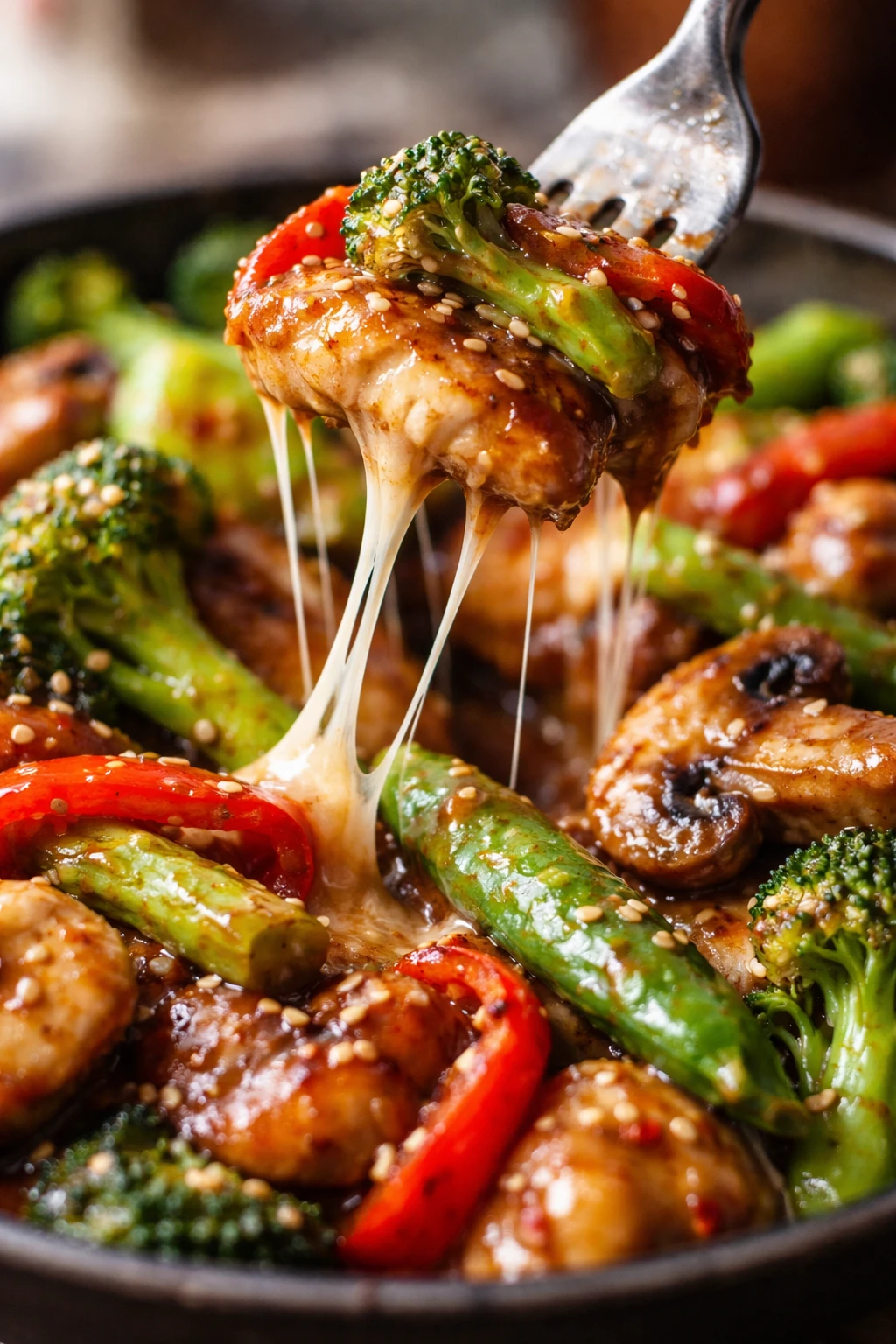
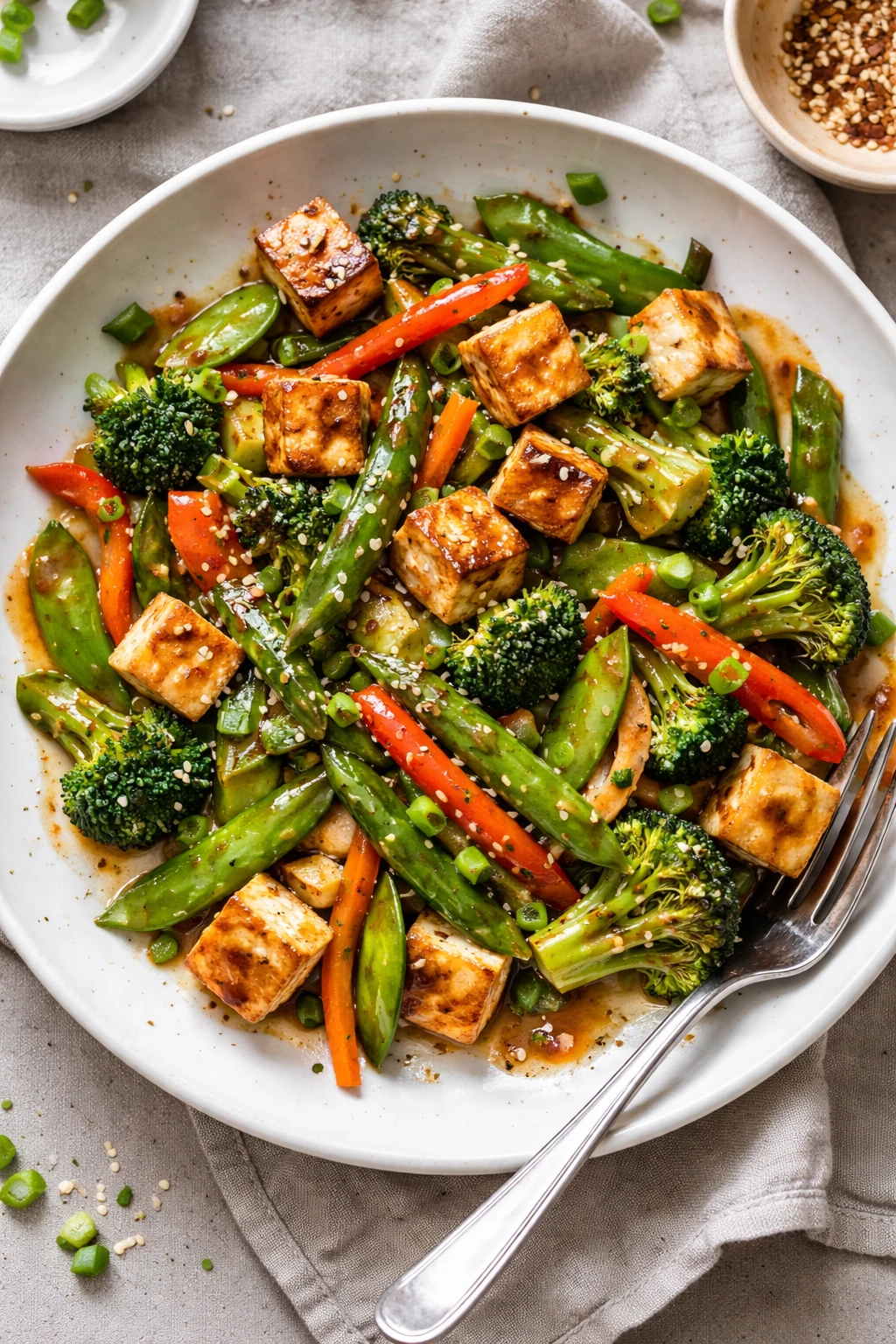
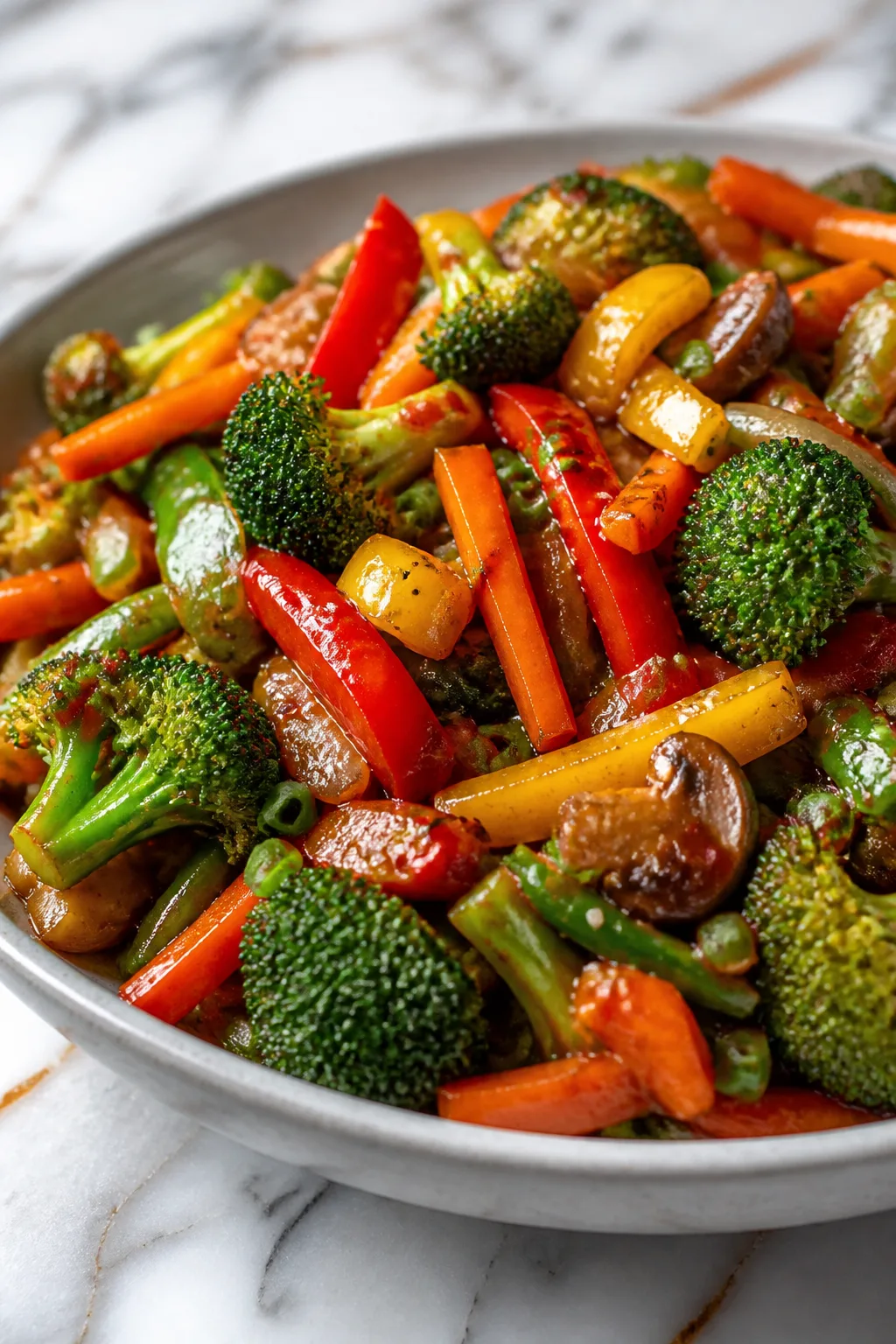
This bright and fresh veggie stir-fry features crisp snap peas and a zingy ginger soy sauce that makes dinner feel light yet satisfying. Ready in 30 minutes, it’s my go-to for busy weeknights when I want something healthy and colorful.
Introduction
I first stumbled on this spring veggie stir-fry a few years ago when I wanted something fast, fresh, and packed with vibrant colors for a weeknight dinner. What I love about this version is how the snap peas stay perfectly crisp and bright, thanks to a quick high-heat stir-fry that keeps everything lively. The ginger soy sauce is my secret weapon—it’s light but has that zing that keeps the flavors popping without feeling heavy or greasy. I remember the first time I tried to make a veggie stir-fry like this, I overcooked the snap peas and ended up with a limp, dull dish. Since then, I've learned to keep the veggies moving in the pan and add the sauce at the right moment so everything stays fresh and flavorful. This recipe is so versatile, too—you can swap in whatever spring veggies you have on hand. When it’s done, the stir-fry is colorful, crunchy, and just the right balance of savory and a little sweet. It’s exactly the kind of meal I crave after a long day, and it always feels like a win on busy nights.
How To Do It
Step 1
Heat 1 tablespoon of vegetable oil in a large skillet or wok over medium-high heat until shimmering but not smoking. Add the minced garlic and grated ginger, stirring constantly for about 30 seconds until fragrant. This step infuses the oil with flavor right at the start and helps build the base of your sauce. Watch carefully because garlic burns quickly and will turn bitter if left too long.
⏱ Time: 2
✓ Doneness: You’ll see the garlic turn just golden and smell a fragrant, spicy aroma.
Step 2
Add the snap peas, sliced red bell pepper, baby carrots, and zucchini to the pan. Toss or stir-fry rapidly for 4-5 minutes until the veggies are tender-crisp. The goal is to cook them just enough so they retain their bright color and crunch. Overcooking will make them soggy and dull the flavors. Keep them moving in the pan to cook evenly and avoid burning.
⏱ Time: 5
✓ Doneness: The vegetables should be vibrant and slightly softened but still have a nice bite.
Step 3
In a small bowl, whisk together soy sauce, rice vinegar, honey (or maple syrup), and crushed red pepper flakes if using. This sauce balances salty, tangy, and a hint of sweetness that complements the fresh veggies perfectly. Set aside until the veggies are ready.
⏱ Time: 3
✓ Doneness: The sauce should be smooth and well combined with no separation.
Step 4
Push the cooked vegetables to one side of the pan and add the remaining 1 tablespoon of oil to the empty side. Pour in the sauce and let it bubble for 30 seconds to a minute, stirring occasionally. This helps the sauce thicken slightly and intensify in flavor before mixing it with the vegetables.
⏱ Time: 1
✓ Doneness: You’ll see small bubbles and the sauce will start to look glossy and slightly reduced.
Step 5
Mix the vegetables and sauce together thoroughly, stirring for another 1-2 minutes so the sauce evenly coats all the veggies. This step ensures every bite is flavorful and juicy. Taste and adjust seasoning with salt or pepper if needed.
⏱ Time: 2
✓ Doneness: The veggies should be shiny and glazed with sauce without being soggy.
Step 6
Stir in the thinly sliced green onions right before serving to add a fresh, mild bite and a pop of color. This final touch brightens up the dish and adds a little crunch contrast.
⏱ Time: 1
✓ Doneness: Green onions should look vibrant and slightly wilted but still crisp.
Step 7
Serve the stir-fry immediately over warm jasmine rice or your favorite noodles. The warm base absorbs the sauce and adds heartiness to the light veggies. Make sure to plate quickly so the veggies don’t lose their crisp texture.
⏱ Time: 1
✓ Doneness: Dish should be steaming hot and colorful on the plate.
Step 8
If you want to add protein, toss in cooked chicken, tofu, or shrimp during step 2 and cook until heated through. This makes it a fuller meal without losing the fresh veggie focus. Just be careful not to overcrowd the pan, which can steam instead of stir-fry.
⏱ Time: 5
✓ Doneness: Protein pieces should be cooked through and lightly browned.
Step 9
For an extra flavor boost, sprinkle some toasted sesame seeds or drizzle a little toasted sesame oil right before serving. These add a lovely nutty aroma and depth that complements the ginger soy sauce beautifully.
⏱ Time: 1
✓ Doneness: Sesame seeds should be golden and sesame oil fragrant but not overpowering.
Pro Tips
Prep all vegetables before heating the pan to keep cooking quick and smooth.
Stir-frying happens fast, so having everything chopped and ready ensures you don't overcook any ingredient while scrambling to prepare others. This keeps the veggies crisp and evenly cooked.
Use a large wok or skillet with high sides for better tossing and heat distribution.
A roomy pan allows you to stir frequently and prevents overcrowding, which causes steaming instead of stir-frying. Proper heat exposure is key to achieving that perfect tender-crisp texture.
Don’t skip heating the oil until it’s shimmering before adding garlic and ginger.
Hot oil extracts and spreads the flavors of aromatics quickly without burning them. Adding them too early can cause bitterness and uneven flavor development.
Add sauces toward the end and let them bubble briefly to thicken.
This concentrates flavors and helps the sauce cling to vegetables instead of pooling at the bottom, giving every bite a balanced taste.
Keep vegetables moving in the pan with quick, constant stirring.
This prevents burning and cooks vegetables evenly. Stir-frying is about fast, high heat combined with motion to achieve a fresh, crisp result.
Finish with fresh green onions or herbs for brightness and texture contrast.
Adding fresh ingredients at the end prevents them from wilting and preserves their crispness, enhancing the dish’s flavor complexity.
If doubling the recipe, cook in batches to avoid steaming.
Overcrowding the pan traps moisture and reduces heat, resulting in soggy vegetables. Cooking in smaller batches keeps the stir-fry crisp and flavorful.
Common Mistakes to Avoid
Overcooking the vegetables
Why it happens People often leave veggies in the pan too long thinking it will soften them more, but this kills their vibrant color and crunch.
Fix Cook vegetables just until tender-crisp and bright, stirring constantly over high heat. Remove from heat immediately once done to preserve texture and flavor.
Burning garlic and ginger
Why it happens Adding garlic and ginger to oil that isn’t hot enough or leaving them unattended causes them to burn and taste bitter.
Fix Heat oil until shimmering before adding aromatics and stir constantly for only 30 seconds until fragrant, then add vegetables quickly.
Using too much sauce
Why it happens Pouring sauce early or in excess can make the dish soggy and watery instead of glossy and vibrant.
Fix Add sauce near the end and cook until it thickens slightly, coating the veggies without pooling in the pan.
Overcrowding the pan
Why it happens Trying to cook too many veggies at once traps steam and prevents proper stir-frying.
Fix Cook in batches if needed to maintain high heat and crisp textures.
Skipping fresh garnish
Why it happens Some skip adding green onions or herbs at the end, missing out on fresh contrast.
Fix Add garnishes right before serving to keep their color and crunch.
Variations
Add Protein Boost with Tofu or Chicken
For a heartier meal, stir-fry cubed firm tofu or thinly sliced chicken breast along with the veggies. Marinate the protein briefly in soy sauce and ginger for extra flavor. Expect a more filling dish with added texture and protein punch.
Note: Cook protein fully before adding vegetables or stir-fry everything together carefully to avoid overcooking the veggies.
Spicy Kick with Chili Garlic Sauce
Mix in a tablespoon of chili garlic sauce or sriracha to the soy-ginger sauce for a fiery twist. This variation adds warmth and depth, perfect if you like your meals with a bit of heat.
Note: Adjust the amount of chili sauce to your heat tolerance and add it during the sauce step for even distribution.
Swap Fresh Veggies for Seasonal Favorites
Try swapping snap peas and zucchini for asparagus, baby corn, or mushrooms depending on what’s fresh. Each swap brings a unique texture and flavor, keeping the stir-fry interesting and seasonal.
Note: Adjust cooking times slightly depending on vegetable density and moisture content.
Gluten-Free Version with Tamari
Replace soy sauce with gluten-free tamari to enjoy this dish without gluten. Tamari has a richer flavor and works beautifully here, making the recipe accessible to more diets.
Note: No other adjustments needed; tamari is a direct soy sauce substitute.
Noodle Stir-Fry Twist
Toss cooked rice noodles or soba noodles in at the end to turn this into a satisfying noodle stir-fry. This adds a chewy texture and makes the dish more filling without losing freshness.
Note: Be gentle when mixing noodles to avoid breaking them and add a splash of water or broth if the stir-fry seems dry.
Nutrition
Per Serving:
Nutritional values are estimates and may vary based on specific ingredients used.
Storage & Tips
Room Temperature
This stir-fry is best served fresh but can safely sit at room temperature for up to 2 hours if covered. Beyond that, bacteria growth increases, so refrigerate promptly.
Refrigerator
Store leftovers in an airtight container for up to 3 days. The veggies may soften slightly but reheating gently preserves much of the texture. Serve warm or at room temperature.
Freezer
Freezing is not recommended as the fresh vegetables lose their crisp texture and become watery upon thawing. If you must freeze, store in a sealed container for up to 1 month and thaw overnight in the fridge.
Reheating
Reheat gently in a skillet over medium heat with a splash of water or broth to loosen the sauce. Avoid microwave reheating for best texture. Heat just until warmed through to prevent overcooking.
Make Ahead
You can prep and chop all vegetables 1-2 days ahead and store in airtight containers in the fridge. Mix the sauce ahead as well. On the day, stir-fry fresh to keep veggies crisp and vibrant.
FAQ
Can I use frozen vegetables for this stir-fry?
Frozen vegetables tend to release water when cooked, which can make the stir-fry soggy rather than crisp. If you must use frozen, thaw and drain them well first, then stir-fry quickly and possibly in smaller batches to avoid steaming.
What can I substitute for snap peas if I can’t find them?
Sugar snap peas are the best substitute as they are similarly sweet and crunchy. Snow peas are milder and thinner but still work. You can also try green beans or asparagus for a similar fresh crunch.
How do I make this dish vegan?
This recipe is naturally vegan as long as you use a plant-based sweetener like maple syrup instead of honey. Double-check your soy sauce to ensure it’s vegan-friendly, as some brands may contain additives.
Can I prepare the sauce ahead of time?
Absolutely! The sauce can be whisked together a day or two in advance and stored in the fridge. This actually helps flavors meld. Just give it a quick stir before adding it to the stir-fry.
How do I keep the vegetables from getting soggy?
High heat and fast cooking are key. Make sure your pan is hot before adding veggies, keep them moving constantly, and avoid overcrowding to prevent steaming. Also, add sauces near the end to avoid excess moisture.
What rice or noodles pair best with this stir-fry?
Jasmine rice is a classic pairing for its fragrant, slightly sticky texture. For noodles, rice noodles or soba work well since they absorb the sauce nicely without overpowering the fresh veggies.
Can I add meat or tofu to this recipe?
Yes! Add thinly sliced chicken, beef, shrimp, or cubed firm tofu during the vegetable stir-fry step. Cook the protein fully before adding the veggies or stir-fry them together carefully to avoid overcooking the vegetables.
Why does my stir-fry sometimes taste bitter?
Bitterness often comes from burnt garlic or ginger. Make sure the oil is hot but not smoking, add aromatics last, and stir constantly for just 30 seconds until fragrant. Avoid letting them brown too much.
Final Thoughts
Give this vibrant spring veggie stir-fry a try and enjoy a quick, fresh meal that’s perfect for any busy evening! I’d love to hear how yours turns out—don’t forget to share your thoughts.