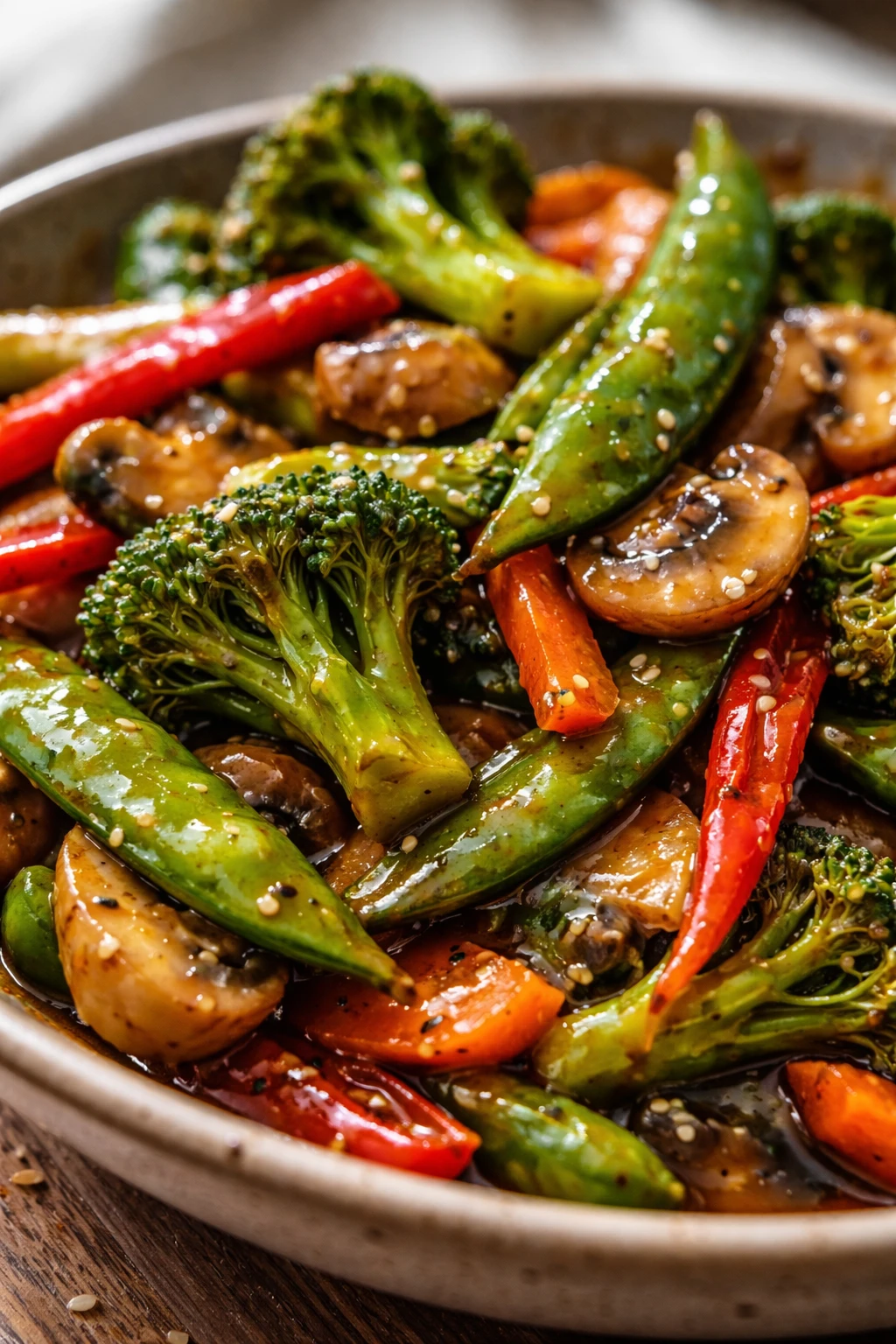
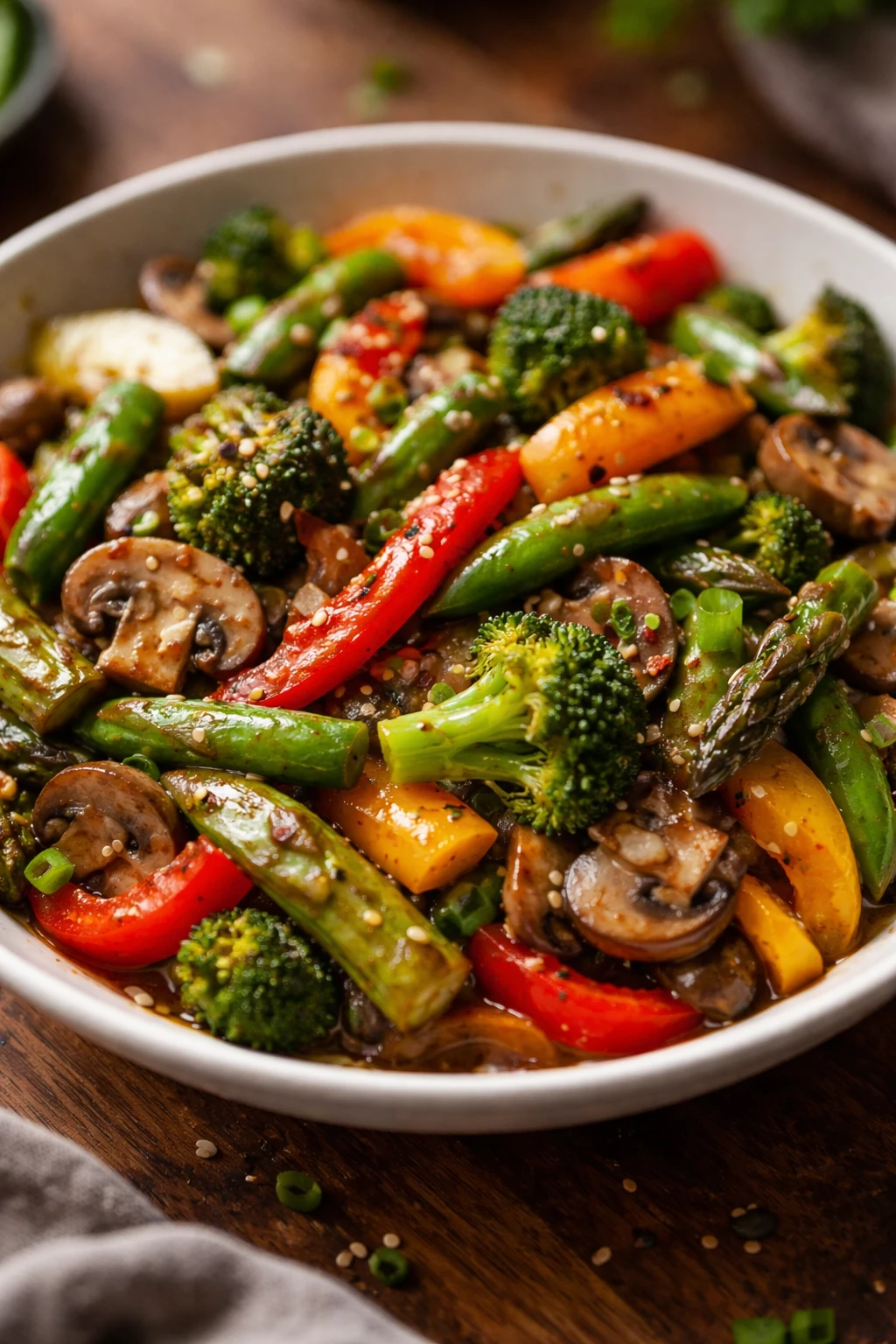
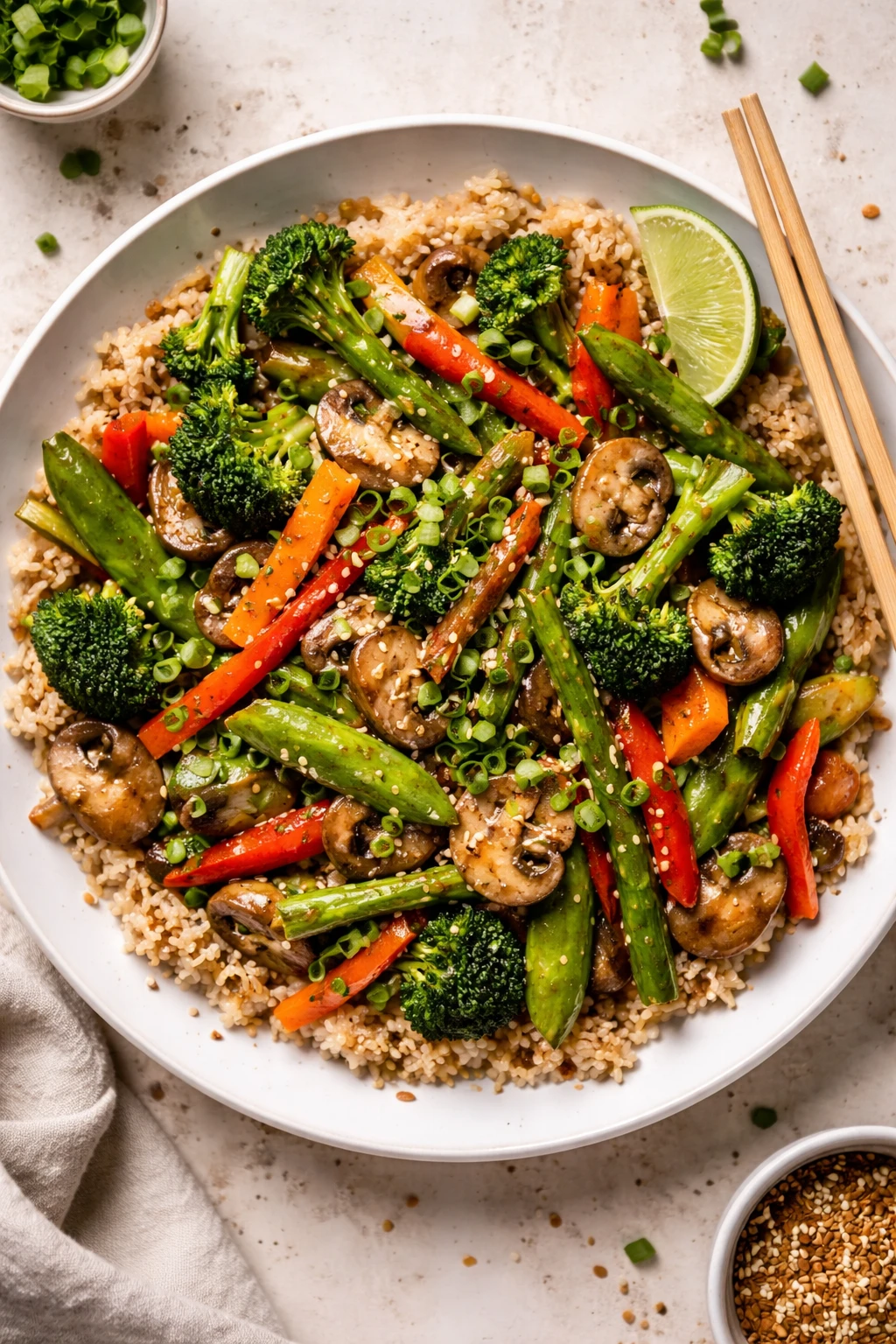
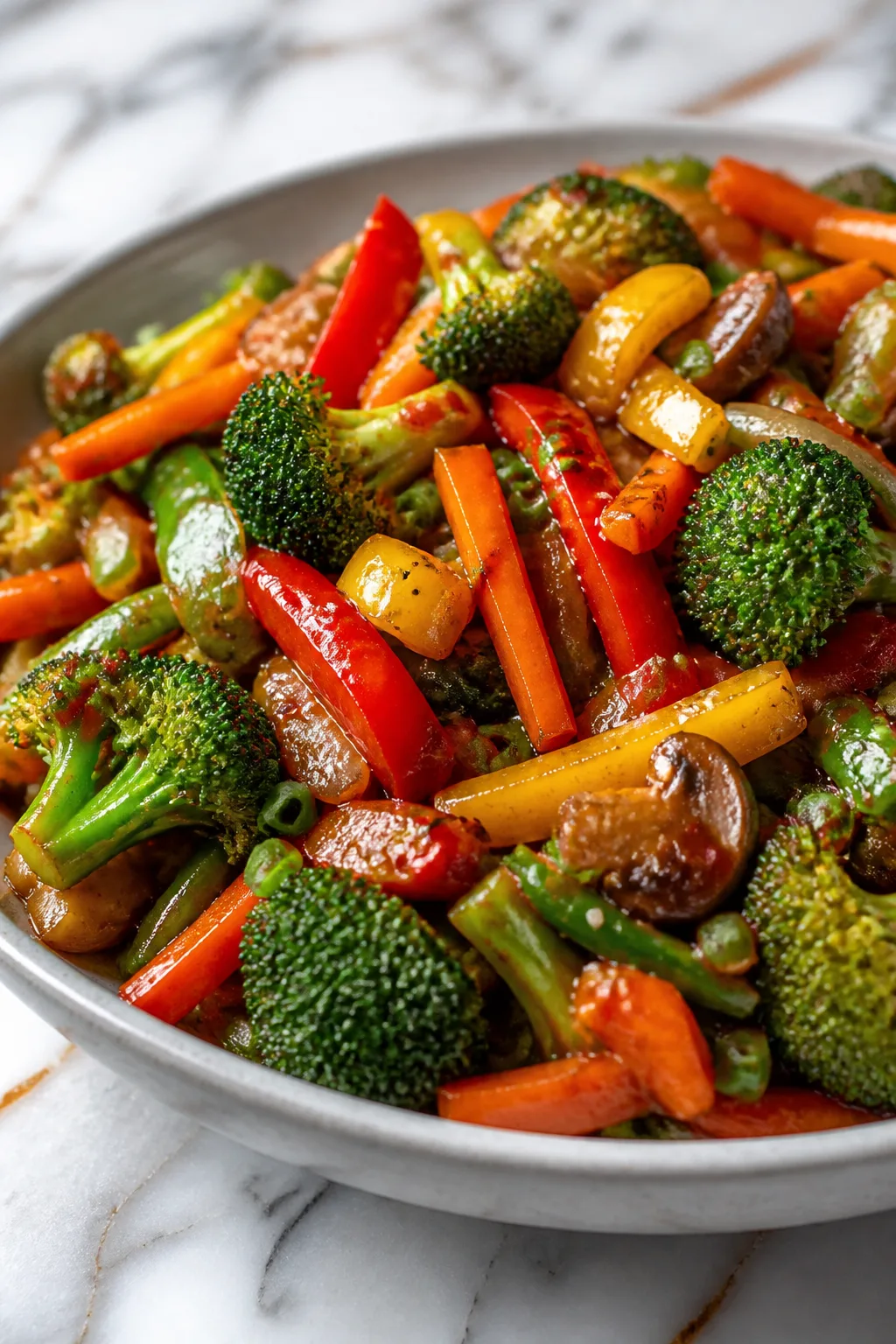
This colorful vegan stir-fry is packed with fresh spring vegetables and a tangy sauce that wakes up your taste buds. The snap peas bring a satisfying crunch that makes it perfect for a quick, healthy weeknight meal.
Introduction
I first stumbled upon this vibrant vegan stir-fry on a hectic weeknight when I wanted something fresh, fast, and satisfying. I usually rely on heavier meals, but this one surprised me with how filling it felt without weighing me down. What makes this version stand out is the zingy sauce balanced perfectly with the natural sweetness of the snap peas and carrots. I learned that adding the vegetables in stages keeps them crisp-tender instead of soggy, which really elevates the texture. Plus, tossing in fresh ginger and garlic at just the right moment gives the whole dish a bright, aromatic kick. When it’s done, the stir-fry looks like a rainbow on your plate — colorful, fresh, and inviting. It’s my go-to when I want a little health boost that doesn’t skimp on flavor or satisfaction. Honestly, I think you’ll love how easy it is to pull together, even on your busiest days.
How To Do It
Step 1
Heat 1 tablespoon of sesame oil in a large skillet or wok over medium-high heat. Once the oil shimmers, add the minced garlic and grated ginger. Stir constantly for about 30 seconds until fragrant but not browned. This step is crucial because garlic and ginger release their essential oils early, infusing the oil with flavor that will coat the veggies. Watch closely to avoid burning, which can create bitterness.
⏱ Time: 2 minutes
✓ Doneness: Aromatic smell from garlic and ginger without any browning
Step 2
Add the snap peas, asparagus, and broccoli florets to the pan. Stir-fry for about 4-5 minutes, moving constantly to ensure even cooking. The goal here is to soften the vegetables slightly while keeping their crunch. If you rush this step or overcrowd the pan, the veggies will steam and lose their texture.
⏱ Time: 5 minutes
✓ Doneness: Vegetables are bright in color and slightly tender but still crisp
Step 3
Push the vegetables to the side of the pan and add the remaining tablespoon of sesame oil. Add the carrot and red bell pepper slices, stir-frying for 3-4 minutes until they start to soften but remain vibrant. Adding these later helps maintain their distinct textures and sweetness.
⏱ Time: 4 minutes
✓ Doneness: Carrots and peppers are tender but not mushy
Step 4
Mix the soy sauce, rice vinegar, maple syrup, and chili flakes in a small bowl. Pour this sauce over the vegetables and toss well to coat. Stir-frying with the sauce helps the flavors meld and slightly caramelize, enriching the dish’s depth. Avoid adding sauce too early or it can make the veggies soggy.
⏱ Time: 2 minutes
✓ Doneness: Sauce evenly coats vegetables with a glossy finish
Step 5
Add the sliced green onions last and give the stir-fry a final toss. The green onions add a fresh, mild pungency that brightens the dish right before serving. Overcooking them would dull their flavor, so add them at the end.
⏱ Time: 1 minute
✓ Doneness: Green onions look vibrant and slightly wilted
Step 6
Serve the stir-fry immediately over warm jasmine rice or your favorite noodles. If you let it sit too long, the vegetables will continue to soften and lose their crispness. Serving hot preserves the fresh textures and vibrant flavors.
⏱ Time: 1 minute
✓ Doneness: Steaming hot dish with crisp-tender vegetables
Step 7
If you want to add extra protein, toss in some cooked tofu or chickpeas at the end. Make sure they're warmed through but not overcooked to keep the texture pleasant. This makes the dish more filling without losing its lightness.
⏱ Time: 3 minutes
✓ Doneness: Protein is heated through and well mixed with veggies
Step 8
Taste the stir-fry and adjust seasoning if needed — a splash more soy sauce or a pinch of salt can enhance the flavors. Balancing salty, sweet, and tangy is key to this recipe’s success.
⏱ Time: 1 minute
✓ Doneness: Well-balanced flavor with no overpowering notes
Step 9
For a finishing touch, sprinkle toasted sesame seeds or chopped fresh cilantro. These add a nutty aroma and fresh herbal note that lifts the whole dish. It’s a simple step that makes a big difference in presentation and flavor.
⏱ Time: 1 minute
✓ Doneness: Dish garnished attractively with seeds or herbs
Pro Tips
Use a well-seasoned wok or a large non-stick skillet for even heat distribution.
A wok’s shape and material concentrate heat at the bottom, allowing vegetables to cook quickly and evenly. Using the right pan prevents steaming and sogginess, preserving crisp textures essential to a great stir-fry.
Prep all ingredients before heating the pan to maintain cooking speed.
Stir-frying happens quickly at high heat, so having everything ready ensures you don’t overcook any ingredient while scrambling to chop or measure. This keeps textures and flavors perfectly balanced.
Don’t overcrowd the pan; cook in batches if necessary.
Crowding lowers the pan’s temperature, causing vegetables to steam rather than sear. This results in limp, soggy veggies instead of the desired crisp-tender texture.
Add delicate vegetables like green onions last for freshness.
Green onions lose their bright flavor and texture if cooked too long. Adding them at the end preserves their mild bite and vibrant color, lifting the whole dish.
Adjust sauce amounts to your taste, starting with less and adding more if needed.
Sauce can easily overpower the fresh vegetables. Starting with less lets you control saltiness and sweetness, ensuring the natural flavors shine through.
Toast sesame seeds separately and sprinkle on top for extra crunch.
Toasted sesame seeds add a nutty aroma and crunchy texture that contrast nicely with tender veggies. Toasting separately prevents burning and uneven flavor.
Use fresh ginger and garlic instead of powders for best flavor.
Fresh aromatics release essential oils that powders lack, giving the stir-fry a bright, vibrant flavor essential for authentic taste.
Common Mistakes to Avoid
Overcrowding the pan
Why it happens People often try to cook everything at once to save time, not realizing it lowers the pan’s heat and causes steaming.
Fix Cook vegetables in batches if needed, ensuring the pan stays hot. This keeps veggies crisp and prevents sogginess.
Adding sauce too early
Why it happens Some think adding sauce at the start helps flavor infusion, but it actually steams the vegetables.
Fix Add sauce toward the end to coat veggies without making them soggy and to allow caramelization.
Burning garlic and ginger
Why it happens Cooking aromatics over too high heat or too long causes bitterness.
Fix Add garlic and ginger at medium heat for a short time until fragrant, then add vegetables promptly.
Overcooking delicate vegetables
Why it happens Not staggering cooking times leads to soft, mushy veggies.
Fix Add vegetables in order of hardness and cook just until crisp-tender.
Using too much oil
Why it happens Trying to prevent sticking with excess oil can make the dish greasy.
Fix Use just enough oil to coat the pan and ingredients; sesame oil is flavorful so a little goes a long way.
Variations
Spicy Peanut Sauce Stir-Fry
Swap the soy sauce mixture for a spicy peanut sauce made with peanut butter, soy sauce, lime juice, and chili paste. This adds richness and a creamy texture that pairs wonderfully with crisp veggies.
Note: Peanut sauce thickens quickly; add water or broth to thin as needed and toss veggies quickly to coat.
Tofu and Vegetable Stir-Fry
Add cubed, pan-fried tofu for extra protein. Press tofu well before cooking to remove moisture and achieve a crispy exterior that contrasts nicely with tender veggies.
Note: Cook tofu separately until golden before adding to the stir-fry to maintain texture.
Noodle Stir-Fry with Spring Veggies
Toss cooked rice noodles or soba into the stir-fry for a heartier meal. The noodles soak up the sauce and make the dish more filling without losing freshness.
Note: Add noodles last and toss gently to avoid breaking them.
Miso-Glazed Vegetable Stir-Fry
Incorporate white miso paste into the sauce for an umami boost. This subtle twist deepens flavor and adds a creamy consistency while keeping the dish light.
Note: Dissolve miso in a little warm water before adding to the stir-fry to avoid clumps.
Ginger-Lime Stir-Fry
Add fresh lime zest and juice along with extra ginger to the sauce for a bright, citrusy flavor that’s refreshing and perfect for spring and summer meals.
Note: Add lime juice at the end of cooking to preserve its fresh acidity.
Nutrition
Per Serving:
Nutritional values are estimates and may vary based on specific ingredients used.
Storage & Tips
Room Temperature
The stir-fry can safely sit covered at room temperature for up to 2 hours. Beyond that, bacteria growth increases, so refrigerate promptly.
Refrigerator
Store leftovers in an airtight container for up to 3 days. The vegetables may soften and lose some crispness when cold, so reheat gently to restore texture.
Freezer
Freezing is not recommended as the vegetables will become mushy upon thawing. If you must freeze, use airtight freezer bags and consume within 1 month.
Reheating
Reheat gently on the stovetop over medium heat, adding a splash of water or broth to loosen the sauce if needed. Avoid microwaving for long periods to prevent overcooking.
Make Ahead
You can chop all vegetables and prepare the sauce 1-2 days ahead, storing them separately in the fridge. Cook the stir-fry fresh to maintain the best texture and flavor.
FAQ
Can I use frozen vegetables for this stir-fry?
Frozen vegetables tend to release water as they cook, which can make your stir-fry soggy. If you use frozen, thaw and drain them well, then stir-fry quickly on high heat to reduce moisture. Fresh is always best for texture.
What can I substitute for soy sauce if I’m gluten-free?
Tamari is a great gluten-free alternative to soy sauce, offering a similar salty umami flavor. Just be sure to choose a low-sodium version if you want to control saltiness.
How do I keep the vegetables crispy and not mushy?
Cook vegetables in batches based on their hardness, use high heat, and avoid overcrowding the pan. Also, add sauces near the end to prevent steaming.
Can I make this stir-fry spicy?
Absolutely! Add chili flakes, fresh chopped chili, or a splash of hot sauce to the sauce mixture. Adjust the heat level to your preference.
Is sesame oil necessary or can I use another oil?
Sesame oil adds a distinctive nutty flavor that defines the dish, but you can use neutral oils like canola or vegetable oil if needed. Add toasted sesame oil at the end for flavor if you skip it during cooking.
Can I add protein like chicken or shrimp?
Yes, cook proteins separately and add them back at the end to keep the stir-fry balanced. This prevents overcooking the veggies or the protein.
How should I store leftovers to keep them fresh?
Store in airtight containers in the fridge and reheat gently. Vegetables will soften over time, so try to eat leftovers within 3 days for best texture.
Can I prepare this dish ahead of time?
You can prep ingredients and sauce a day or two in advance, but cook the stir-fry fresh to maintain the best flavor and texture.
Final Thoughts
I hope you enjoy making this fresh, flavorful vegan stir-fry as much as I do. Let me know how it turns out and what variations you try!