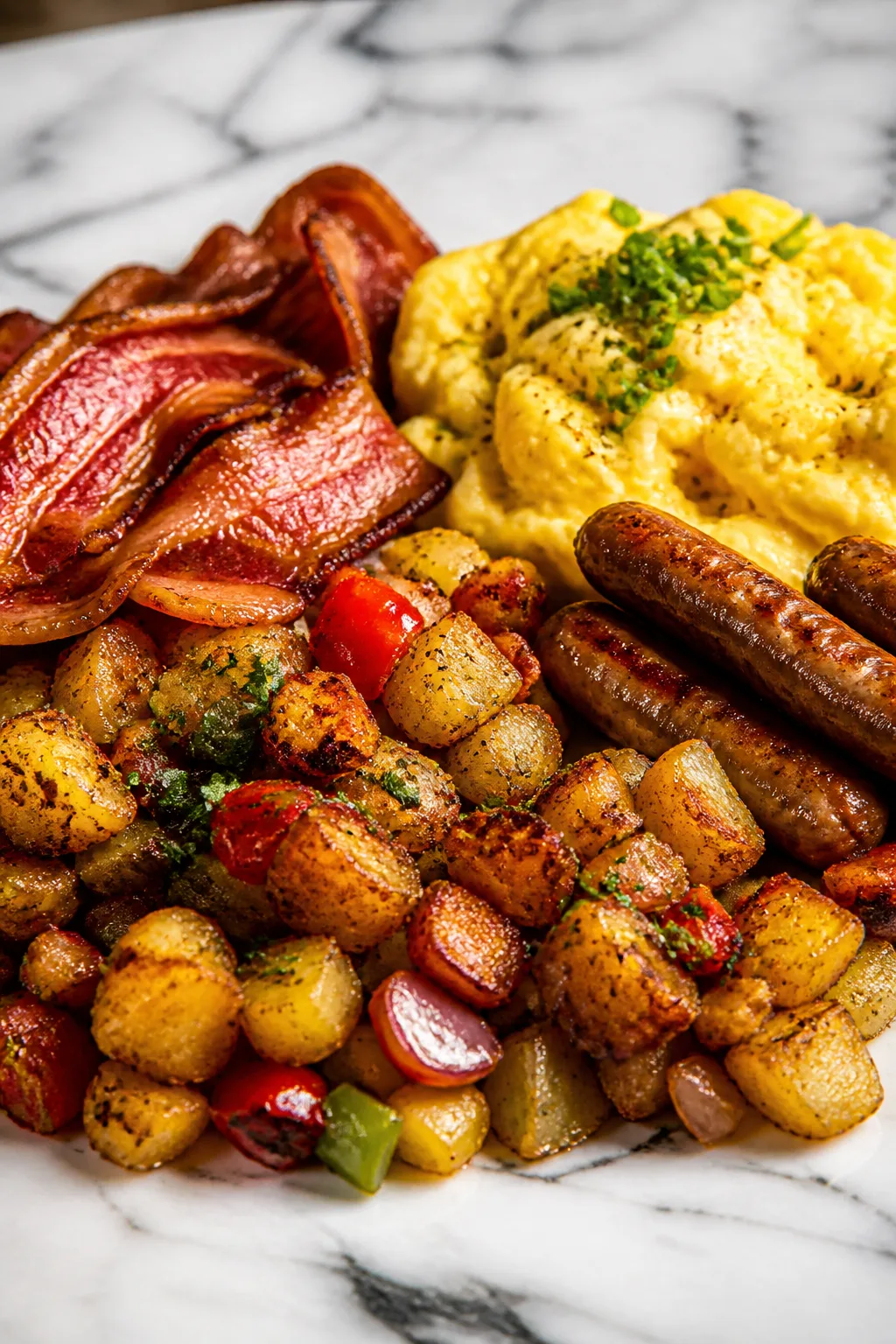
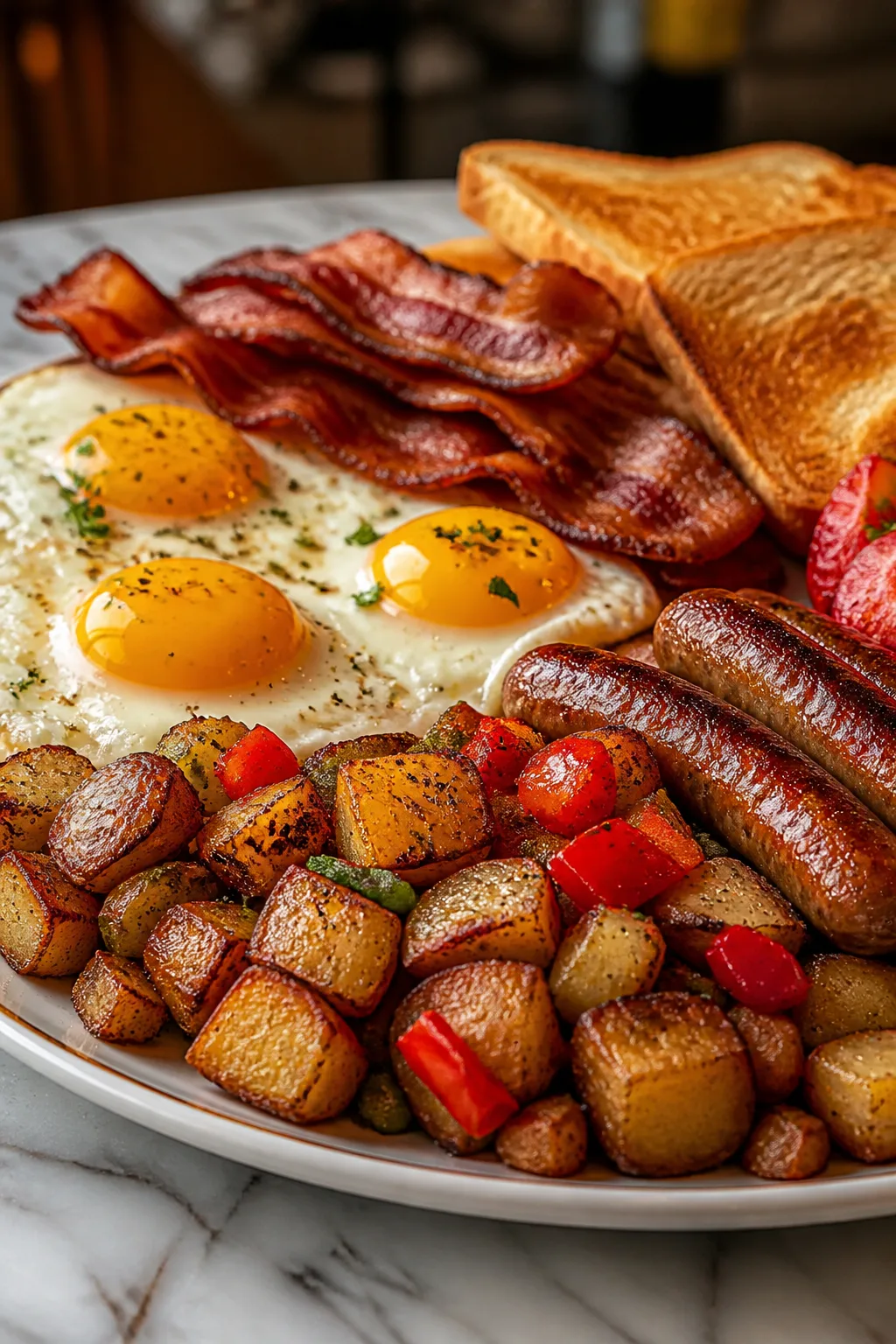
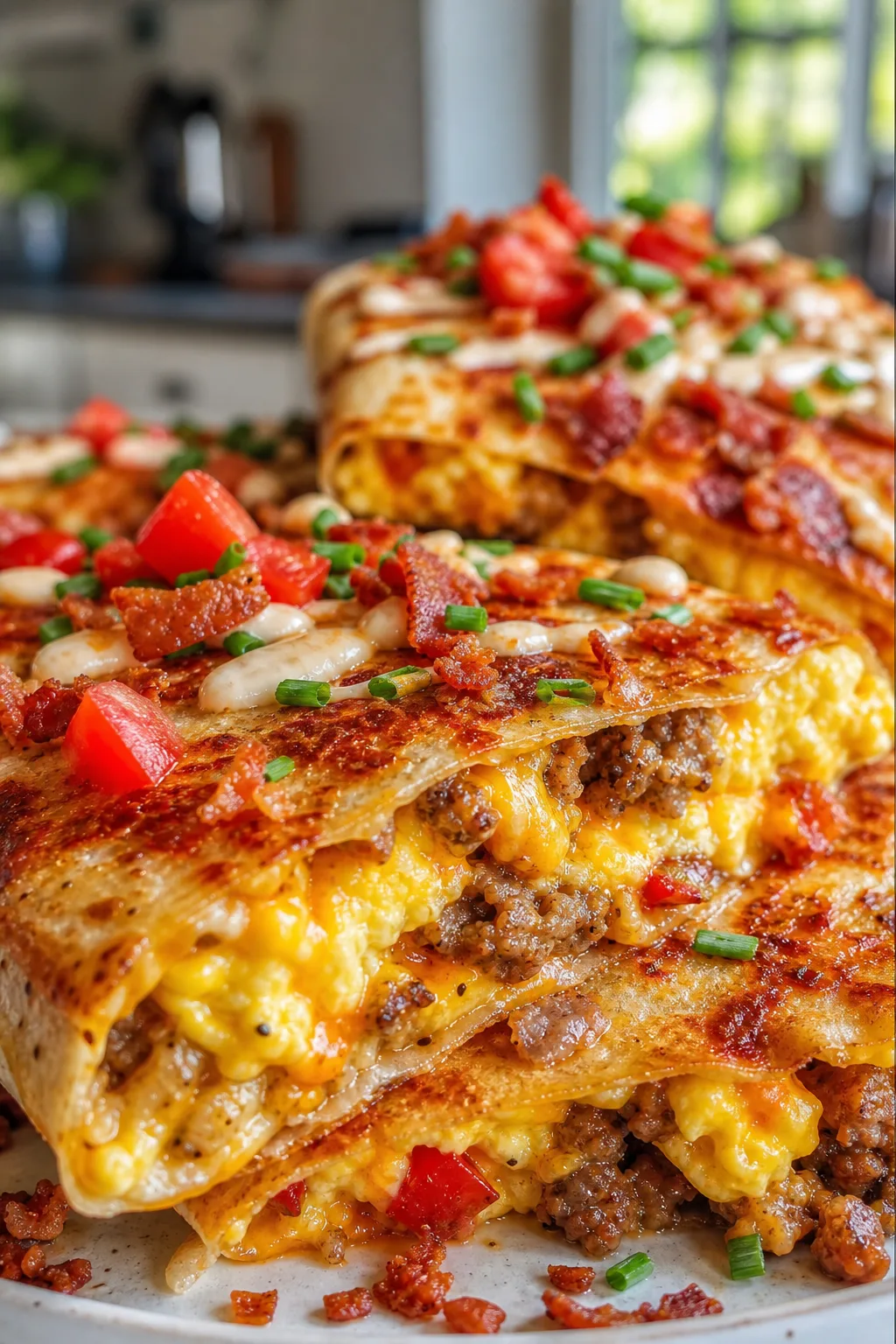
This Blackstone Breakfast skillet brings together perfectly caramelized potatoes, savory sausage, and fluffy eggs for a hearty start. The secret? Cooking everything on a hot griddle for that irresistible sizzle. Ideal for weekend brunch or a lazy morning treat!
Introduction
I first fell in love with this Blackstone Breakfast Skillet years ago at a friend's weekend cookout, where everything was cooked on a big griddle outdoors. The combination of crispy potatoes, savory sausage, and eggs cooked right on the griddle was unforgettable. Since then, I’ve made it countless times at home, tweaking the seasoning and technique to get the perfect caramelization on the potatoes and a juicy, flavorful sausage. What makes this version stand out is the balance of textures — the potatoes get golden and crispy, the sausage remains tender, and the eggs come out fluffy and just set. I like to cook everything on a hot griddle or cast iron pan to get that authentic sizzle and flavor. It’s a fantastic way to start a weekend morning, especially when you have guests or want to treat yourself to a breakfast that feels special without being complicated. Bonus: it’s all made in one pan, so cleanup is a breeze. Expect a hearty, comforting meal with a nice smoky edge from the paprika and a fresh finish with parsley.
How To Do It
Step 1
Start by heating your griddle or a large cast iron skillet over medium-high heat. Add the olive oil and once it's shimmering, add the diced potatoes and onions. Spread them out evenly so they cook in a single layer. This allows the potatoes to caramelize properly instead of steaming. Stir occasionally but not too often; you want to let them sit to develop a crispy golden crust. Keep an eye on the heat to avoid burning—medium-high is perfect. This step usually takes about 15 minutes and is crucial because it sets the texture base for the dish.
⏱ Time: 15 minutes
✓ Doneness: Potatoes are golden brown and crispy on the edges, onions are soft and translucent.
Step 2
Push the potatoes and onions to one side of the pan and add the sausage. If using sliced sausage, lay the pieces in a single layer; if crumbled, spread evenly. Cook the sausage until browned and cooked through, about 8-10 minutes, stirring occasionally to prevent sticking. The goal is to get a nice sear on the sausage while ensuring it’s cooked inside. Rushing this step can leave the sausage undercooked or rubbery, so patience is key.
⏱ Time: 10 minutes
✓ Doneness: Sausage is browned, fragrant, and no longer pink inside.
Step 3
Once the sausage is cooked, mix it with the potatoes and onions, then season everything with salt, black pepper, and smoked paprika. Stir well to combine all the flavors evenly. The paprika adds a subtle smoky depth that complements the sausage perfectly. Taste and adjust seasoning as needed.
⏱ Time: 2 minutes
✓ Doneness: Ingredients are evenly coated with spices and smell aromatic.
Step 4
Create four small wells in the potato and sausage mixture for the eggs. Crack one egg into each well. Reduce the heat to medium-low to cook the eggs gently without burning the base. Cover the pan with a lid to help the eggs cook evenly from the top while keeping the yolks runny. This technique ensures the whites set nicely without overcooking the yolks.
⏱ Time: 5-7 minutes
✓ Doneness: Egg whites are set and opaque; yolks remain slightly jiggly.
Step 5
Once the eggs are cooked to your liking, sprinkle freshly chopped parsley over the skillet for a burst of color and freshness. The parsley brightens the dish and balances the richness. If you like, add a pinch of flaky sea salt on top for extra texture and flavor.
⏱ Time: 1 minute
✓ Doneness: Parsley is vibrant green and evenly scattered.
Step 6
Carefully scoop portions of the skillet onto plates, making sure each serving gets a mix of crispy potatoes, sausage, and one egg. Serve immediately while everything is warm and the eggs are still soft. Pair with toast or hot sauce if you like a little kick. This is best enjoyed fresh for maximum texture and flavor.
⏱ Time: 2 minutes
✓ Doneness: Dish plated with distinct layers of potato, sausage, and egg.
Step 7
For an extra touch, you can sprinkle some shredded cheese over the skillet in step 4, covering it with the lid to melt the cheese along with the eggs. This adds a creamy, savory layer that pairs beautifully with the smoky paprika and sausage.
⏱ Time: Optional, 2-3 minutes
✓ Doneness: Cheese melted and bubbly over the eggs and potatoes.
Step 8
If you want to add some veggies, diced bell peppers or mushrooms can be sautéed along with the onions in step 1. This adds color and an earthy flavor that complements the sausage and potatoes. Just be sure to cook them thoroughly before adding the sausage.
⏱ Time: 5-7 minutes
✓ Doneness: Vegetables softened and slightly caramelized.
Step 9
Clean your griddle or pan immediately after use to prevent stuck-on bits. While still warm, use a scraper or spatula to remove residue, then wipe with a paper towel. Regular maintenance keeps your pan nonstick and ready for the next delicious breakfast.
⏱ Time: 5 minutes
✓ Doneness: Pan surface clean and free of food particles.
Pro Tips
Don’t overcrowd the pan when cooking potatoes.
Overcrowding traps moisture and causes the potatoes to steam rather than crisp. By cooking in a single layer with space between pieces, you promote proper browning and caramelization, which is essential for that crispy texture everyone loves.
Use a lid when cooking eggs on the skillet.
Covering the pan traps steam and gently cooks the egg whites without drying them out or burning the bottom. This method ensures the yolks stay runny and the whites fully set, creating that perfect breakfast egg texture.
Season the potatoes and sausage after browning but before adding eggs.
Adding salt and spices too early can draw out moisture, preventing crisping. Seasoning after caramelization locks in flavor without compromising texture. It also allows the spices like smoked paprika to toast slightly and deepen their aroma.
Use a cast iron skillet or griddle for best results.
Cast iron retains and distributes heat evenly, which is crucial for consistent caramelization and cooking. It also tolerates the high heat needed without warping, unlike thinner pans. The seasoning on cast iron adds subtle flavor layers over time.
Let the sausage render its fat before stirring.
Allowing the sausage to sit undisturbed for a few minutes lets it brown properly and release flavorful fat. This fat then infuses the potatoes and onions, enhancing the overall taste and richness of the skillet.
Prep all ingredients before heating the pan.
Since the cooking process moves quickly, having diced potatoes, onions, and sausage ready ensures you can add them promptly and maintain heat. Delays can lower pan temperature, leading to uneven cooking and less crispiness.
Use a metal spatula for scraping and flipping.
A sturdy metal spatula helps scrape up caramelized bits from the pan and flip potatoes or sausage without breaking them. This promotes even browning and prevents mushy textures.
Common Mistakes to Avoid
Potatoes turning out soggy instead of crispy.
Why it happens Many cooks stir the potatoes too often or overcrowd the pan, which traps steam and prevents the Maillard reaction needed for crispiness.
Fix Cook potatoes in a single layer with space between pieces and avoid stirring for several minutes at a time. Use medium-high heat and let them brown undisturbed before flipping.
Sausage being undercooked or dry.
Why it happens Rushing the sausage cooking or using overly lean meat can lead to uneven cooking or dryness.
Fix Cook sausage slowly over medium heat until browned and no longer pink inside. Choose sausage with some fat content for juiciness.
Eggs overcooked or rubbery.
Why it happens Cooking eggs on too high heat or without a lid can cause whites to toughen and yolks to harden.
Fix Lower heat to medium-low when adding eggs and cover the pan to trap steam for gentle cooking. Watch closely to remove when whites set but yolks remain soft.
Burning the onions or potatoes.
Why it happens High heat without stirring or uneven heat distribution can cause burning.
Fix Maintain medium-high heat, stir occasionally, and push ingredients around to prevent hot spots. Use a heavy pan for even heating.
Not seasoning properly.
Why it happens Adding salt too early or not tasting during cooking can make the dish bland or unevenly flavored.
Fix Season after potatoes and sausage have browned, then taste and adjust before adding eggs.
Variations
Vegetarian Blackstone Skillet
Swap sausage for plant-based meat or sautéed mushrooms and bell peppers. This keeps the smoky and savory flavors but makes it vegetarian-friendly. Expect a slightly earthier flavor and lighter texture overall.
Note: Cook mushrooms and peppers in step 1 with potatoes to soften fully; avoid overcrowding to maintain crispiness.
Spicy Blackstone Breakfast
Add diced jalapeños or a dash of cayenne pepper to the potatoes and sausage for a spicy kick. Use spicy sausage for extra heat. This variation adds a lively punch and warms you up on chilly mornings.
Note: Add jalapeños early with onions to soften; adjust spice level to taste.
Cheesy Blackstone Skillet
Sprinkle shredded cheddar or pepper jack over the skillet just before adding eggs, then cover to melt. This adds a creamy, melty layer that pairs perfectly with the smoky paprika and savory sausage.
Note: Add cheese in step 7 and cover pan to melt fully without burning eggs.
Herb-Infused Blackstone Breakfast
Mix fresh herbs like thyme or rosemary into the potatoes while cooking for an aromatic twist. This variation adds a garden-fresh brightness and complexity to the skillet’s flavor profile.
Note: Add herbs in the last 5 minutes of potato cooking to avoid bitterness.
Sweet Potato Blackstone Skillet
Replace russet potatoes with diced sweet potatoes for a sweeter, nutrient-packed version. Sweet potatoes caramelize differently, offering a softer texture and subtle sweetness that balances the sausage well.
Note: Sweet potatoes cook faster; watch closely to avoid burning and adjust cooking time accordingly.
Nutrition
Per Serving:
Nutritional values are estimates and may vary based on specific ingredients used.
Storage & Tips
Room Temperature
This breakfast skillet can be safely left at room temperature for up to 2 hours if covered loosely to keep insects out. Beyond that, bacteria growth increases, so it’s best to refrigerate leftovers promptly.
Refrigerator
Store leftovers in an airtight container for up to 3 days. The potatoes may lose some crispness and the eggs firm up when cold, so reheat gently before serving to restore texture. Adding a splash of water or broth when reheating helps prevent dryness.
Freezer
Freeze the cooked skillet in airtight containers or heavy-duty freezer bags for up to 2 months. To avoid freezer burn, press out excess air. Thaw in the refrigerator overnight and reheat gently on the stovetop or microwave.
Reheating
Reheat in a skillet over medium-low heat with a splash of water or broth to keep potatoes moist. Cover the pan to warm evenly without drying out eggs. Avoid high heat which can toughen eggs and burn potatoes.
Make Ahead
You can prepare the potato and sausage mixture a day ahead and store it in the refrigerator. On the day of serving, reheat the mixture and add fresh eggs to cook just before eating for best texture and flavor.
FAQ
Can I use frozen potatoes for this recipe?
Frozen potatoes can work but tend to release more moisture, which may prevent crisping. If using frozen, thaw and pat them dry thoroughly before cooking. You might need to cook them a bit longer to achieve the desired caramelization.
What’s the best way to keep eggs runny in this skillet?
Cooking eggs over medium-low heat with a lid on traps steam and cooks whites gently while keeping yolks runny. Remove from heat as soon as whites are set to avoid overcooking.
Can I make this recipe gluten-free?
Yes! All ingredients here are naturally gluten-free, but double-check your sausage for any fillers or seasonings that may contain gluten. Choose gluten-free certified sausage to be safe.
How do I prevent potatoes from sticking to the pan?
Make sure your pan is well-heated and use enough oil to coat the surface. Avoid moving the potatoes too soon; letting them sit undisturbed helps form a natural nonstick crust.
Can I prepare this breakfast skillet in advance?
You can prep the potatoes and sausage mixture a day ahead and refrigerate. On serving day, reheat and cook fresh eggs on top for the best texture and flavor.
What if I don’t have smoked paprika?
You can substitute with regular paprika mixed with a tiny pinch of cumin or chipotle powder to add smokiness. However, smoked paprika provides a unique depth that’s hard to replicate exactly.
Is it okay to use turkey sausage instead of pork?
Turkey sausage is a leaner alternative and works fine, but it may cook faster and can dry out if overcooked. Watch closely and consider adding a bit more oil to compensate for lower fat content.
How many servings does this recipe make?
This recipe comfortably serves 4 people as a hearty breakfast. You can easily scale up or down depending on your group size.
Final Thoughts
I hope you enjoy this Blackstone Breakfast Skillet as much as my family does. Give it a try and let me know how it turns out—there’s nothing like a breakfast cooked with love and a little sizzle!