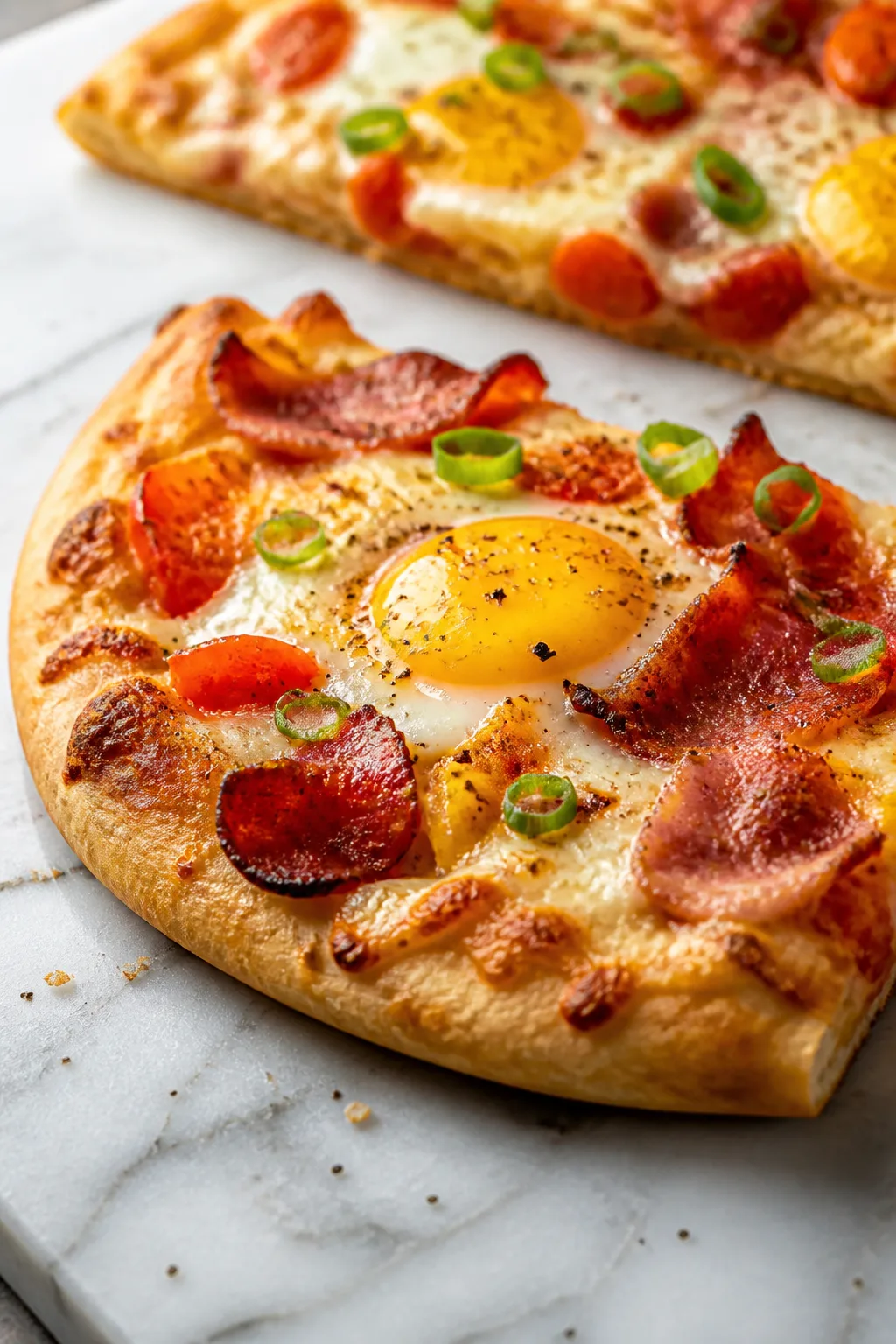
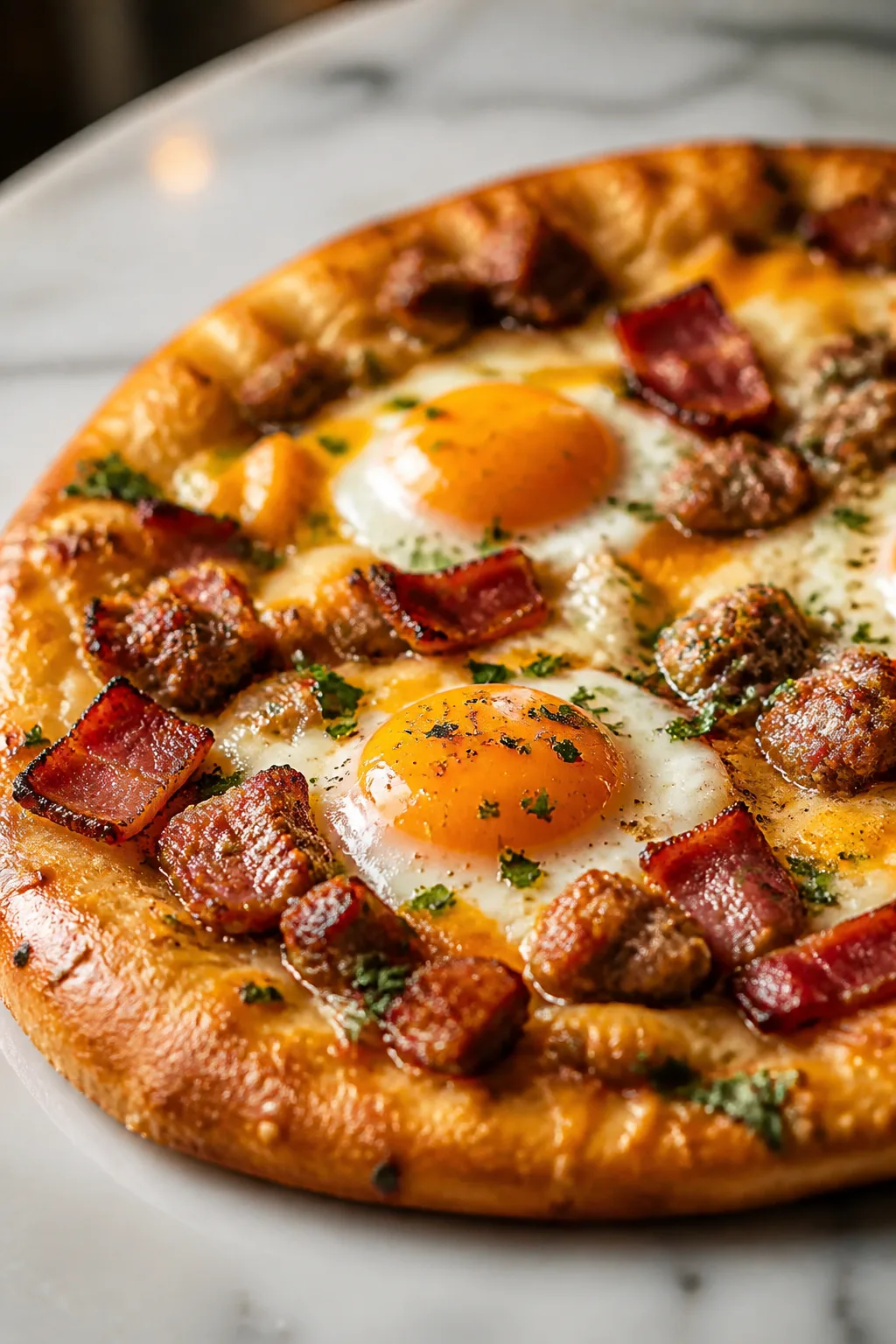
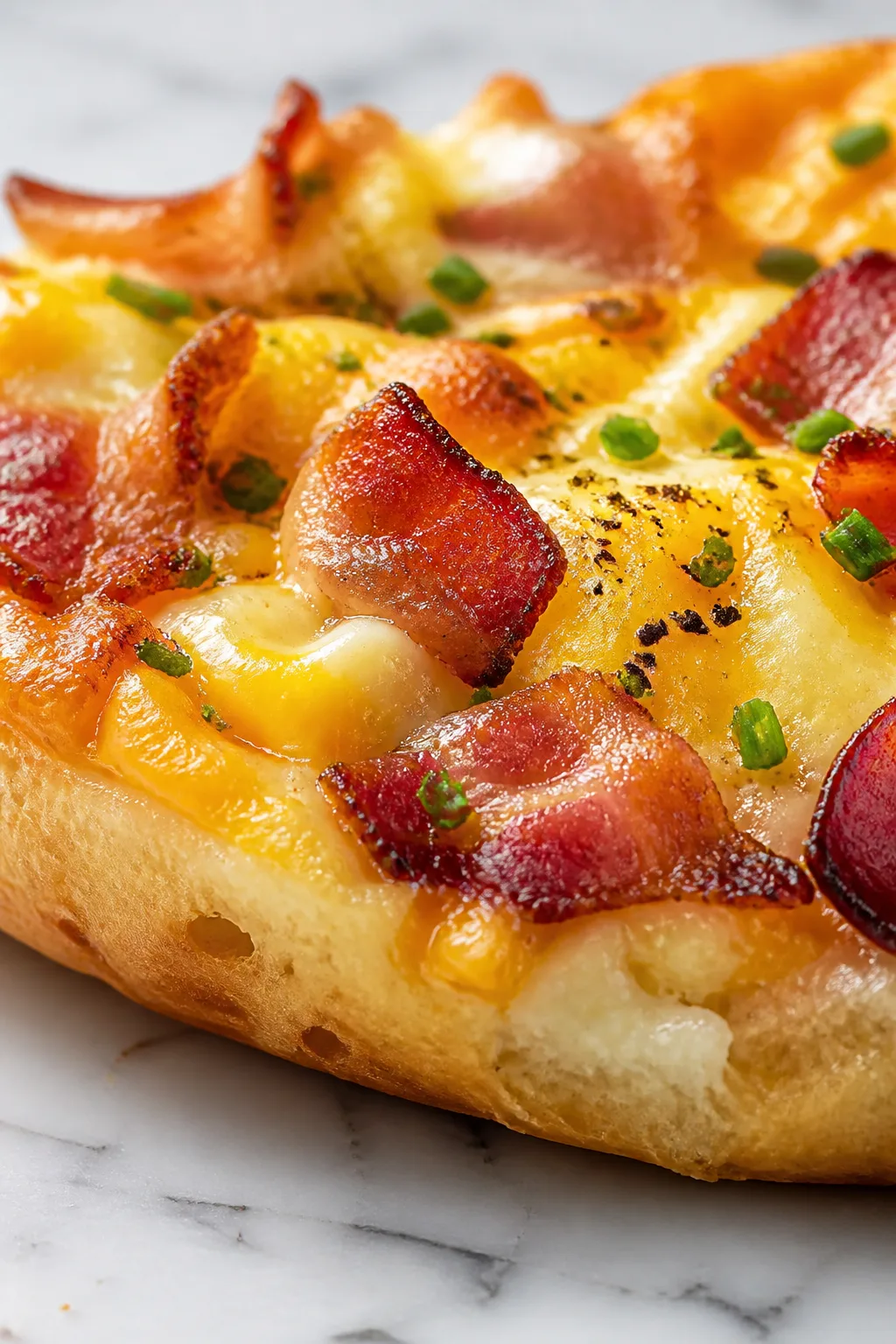
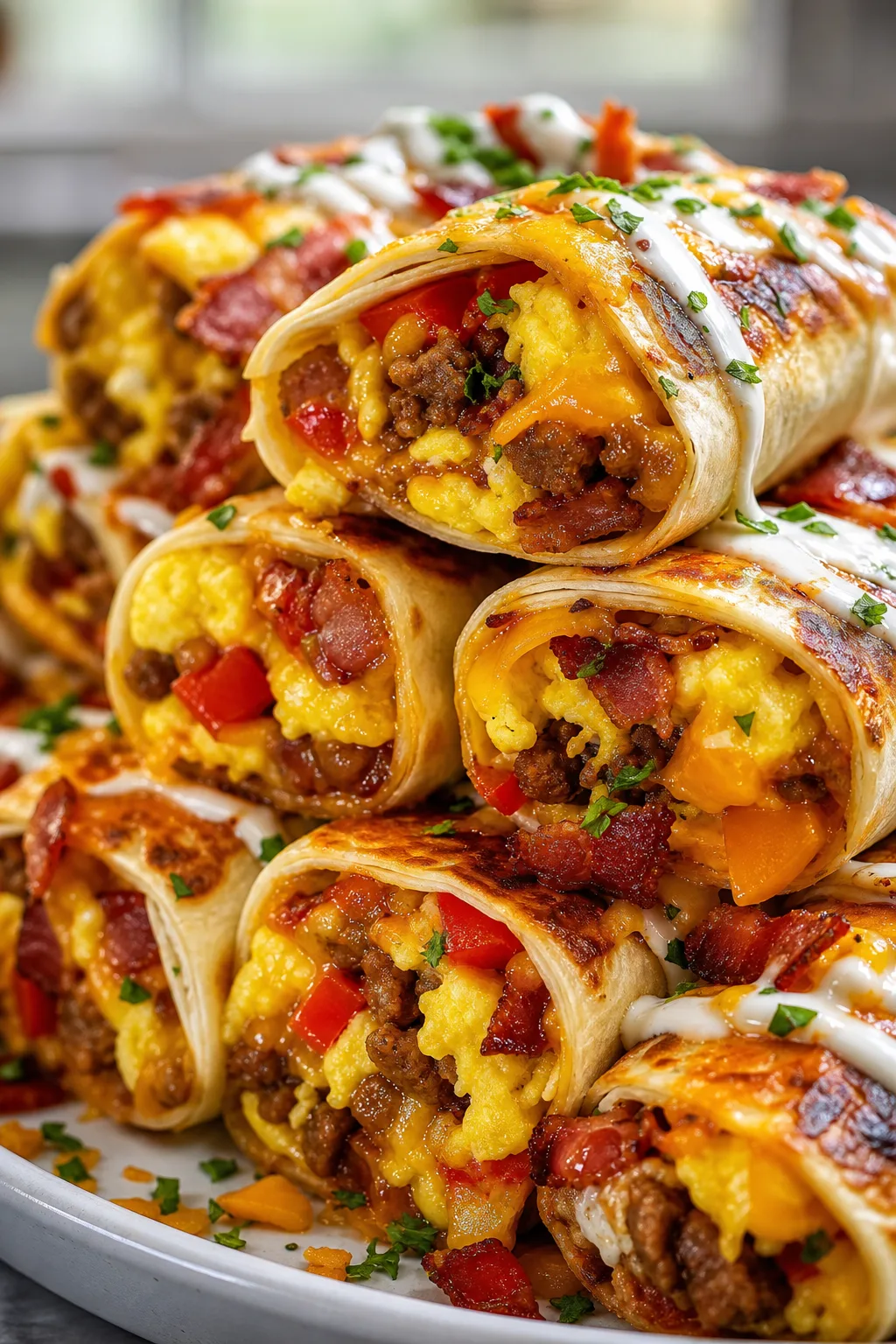
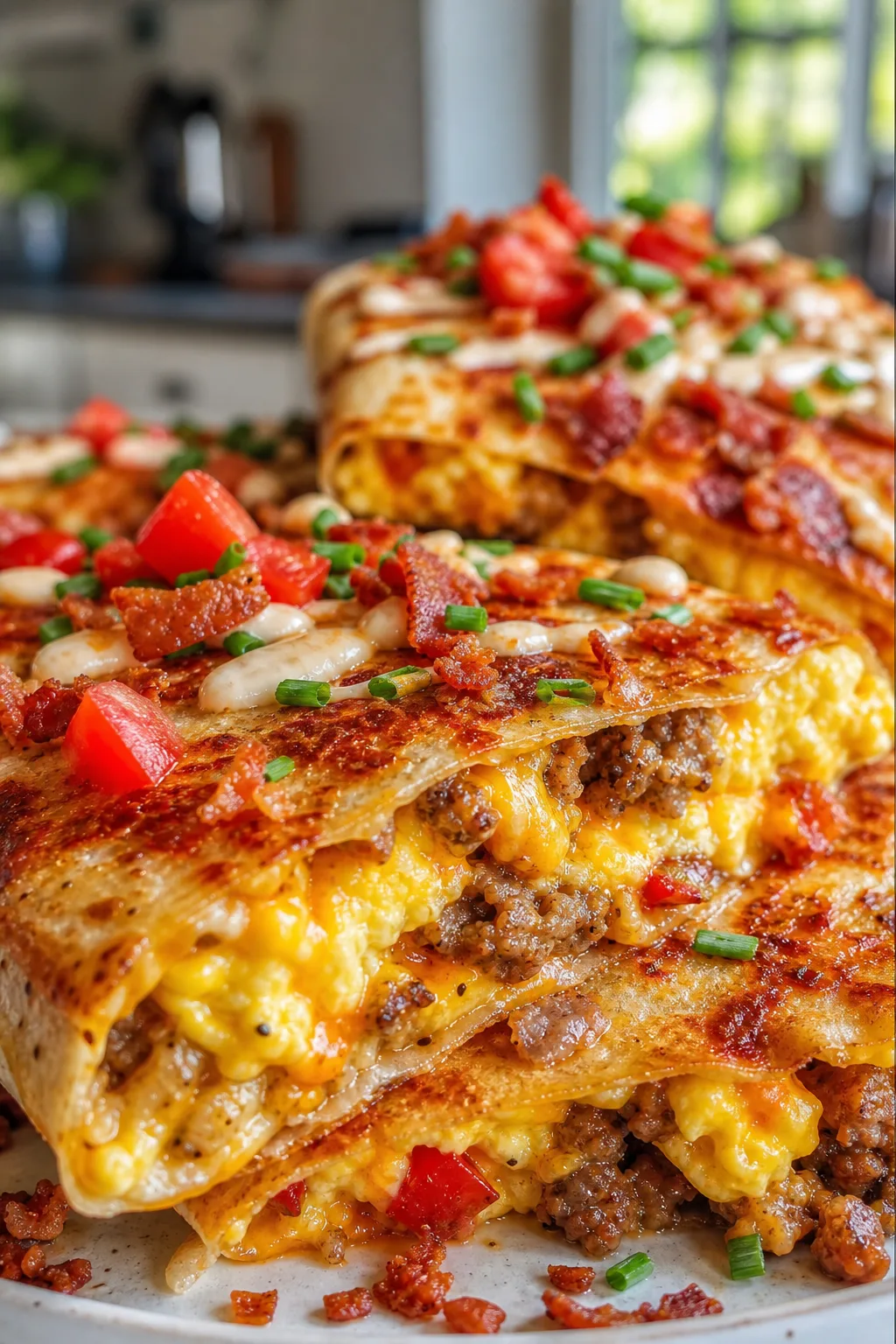
This breakfast pizza is my go-to for busy mornings when I want something filling but fast. The crispy crust and fluffy scrambled eggs make it feel like a treat, perfect for weekend brunch or a quick weekday breakfast.
Introduction
I first made this breakfast pizza on a rushed weekend morning when I wanted something quick but satisfying. What I love about this recipe is how it combines the comfort of scrambled eggs with the satisfying crunch of a pizza crust. Unlike traditional breakfast dishes, this pizza feels special but comes together fast, which is perfect for busy mornings or casual brunches. One secret I learned is to scramble the eggs gently off the heat so they stay fluffy and soft rather than rubbery. Also, pre-baking the crust slightly before adding the eggs keeps it from getting soggy. The result is a golden crust topped with creamy eggs and melty cheese that everyone in my family adores. It's simple, but it feels like a treat every time. I think you'll appreciate how versatile it is too—add your favorite toppings or keep it classic. Either way, it’s a fun way to start the day with something homemade and delicious.
What You'll Need
One 12-inch pizza, 4 servings
- 1 pre-made pizza dough, room temperature
- 2 tablespoons olive oil
- 4 large eggs, lightly beaten
- 1/2 cup shredded mozzarella cheese
- 1/4 cup shredded cheddar cheese
- Salt and freshly ground black pepper, to taste
- 1/4 cup chopped fresh chives or green onions
- Optional: cooked bacon bits or sausage crumbles
How To Do It
Step 1
Preheat your oven to 425°F (220°C). Roll out the pizza dough on a lightly floured surface to about 12 inches in diameter. Transfer it to a baking sheet or pizza stone lined with parchment paper. Brush the dough lightly with olive oil to encourage a golden, crispy crust. Pre-baking the crust for about 8-10 minutes before adding toppings is key to prevent sogginess later. Watch for a light golden color forming on the edges and base; this means it's firm enough to hold the eggs without getting soggy.
⏱ Time: 10 minutes
✓ Doneness: Edges are lightly golden and bottom feels firm but not fully browned
Step 2
While the crust pre-bakes, whisk the eggs gently with a pinch of salt and pepper. Pour them into a non-stick skillet over low heat. Stir slowly and continuously to create soft, fluffy curds. Avoid high heat which can make eggs dry and rubbery. Remove the pan from heat just before the eggs are fully set because they will continue cooking with residual heat. This technique yields creamy scrambled eggs that melt perfectly on the pizza.
⏱ Time: 5 minutes
✓ Doneness: Eggs are soft, slightly runny but mostly set with no wet liquid remaining
Step 3
Remove the pre-baked crust from the oven. Spread the scrambled eggs evenly over the crust, leaving a small border around the edges. Sprinkle the shredded mozzarella and cheddar cheeses on top of the eggs. The cheese melts into the eggs during baking, creating a gooey, rich topping. If you’re adding bacon or sausage, scatter it evenly now. This layering ensures each bite has a good balance of fluffy eggs and cheesy goodness.
⏱ Time: 5 minutes
✓ Doneness: Toppings are evenly distributed and the crust is still warm to the touch
Step 4
Return the pizza to the oven and bake for another 10-12 minutes. This step melts the cheese fully and crisps the crust edges more. Keep an eye on the pizza to avoid burning; you want bubbly, slightly golden cheese and a firm crust. The cheese's browning adds flavor and texture contrast to the soft eggs beneath.
⏱ Time: 12 minutes
✓ Doneness: Cheese is melted and bubbling with light golden spots; crust is crisp and golden brown
Step 5
Once baked, remove the pizza and let it rest for 3-5 minutes. This resting time helps the eggs set further and makes slicing easier without the toppings sliding off. Sprinkle chopped fresh chives or green onions on top for a pop of color and fresh flavor. This final touch brightens the rich, cheesy eggs and adds a mild oniony note.
⏱ Time: 5 minutes
✓ Doneness: Pizza is slightly cooled and toppings are set but still warm
Step 6
Slice the pizza into 6-8 pieces using a sharp pizza cutter or knife. Serve immediately while warm and gooey. The combination of crispy crust, fluffy eggs, and melted cheese is best enjoyed fresh. If you want to add hot sauce or salsa, now's the time to drizzle for extra flavor. This pizza pairs wonderfully with fresh fruit or a simple green salad for a balanced brunch.
⏱ Time: 2 minutes
✓ Doneness: Slices hold shape and toppings stay in place when served
Step 7
If you prefer a thinner crust, roll the dough out more and reduce pre-baking time slightly to avoid burning. For a thicker crust, increase pre-baking time by a few minutes to ensure it's cooked through before adding eggs. Adjusting the crust thickness changes the texture balance, so keep an eye on the baking times to get your perfect crispiness.
⏱ Time: Varies
✓ Doneness: Crust is cooked through but not overly browned or doughy
Step 8
To make this pizza vegetarian-friendly, skip the meat toppings and add veggies like bell peppers, spinach, or mushrooms. Lightly sauté the vegetables beforehand to reduce moisture and prevent soggy crust. Adding fresh herbs like basil or oregano after baking adds a fragrant finish. These tweaks make the pizza fresh and colorful while keeping it hearty.
⏱ Time: 10 minutes prep for veggies
✓ Doneness: Vegetables are tender and evenly distributed without excess moisture
Step 9
For an extra cheesy pizza, sprinkle a bit of Parmesan or feta on top after baking. This adds a salty tang that complements the mild mozzarella and cheddar. Just a small amount goes a long way to enhance flavor complexity. Be careful not to overload cheese as it can overwhelm the delicate eggs.
⏱ Time: 2 minutes
✓ Doneness: Cheese topping is evenly sprinkled and not clumped
Pro Tips
Pre-bake the crust before adding toppings.
Pre-baking removes excess moisture and firms up the dough so it won’t get soggy when you add the eggs and cheese. It also helps develop a crisp texture and a golden color through the Maillard reaction, enhancing flavor.
Cook eggs gently over low heat and remove before fully done.
Eggs continue cooking with residual heat, so removing them just before fully set keeps them soft and creamy. Overcooked eggs turn dry and rubbery, which ruins the silkiness of the pizza topping.
Use a blend of mozzarella and cheddar cheeses.
Mozzarella melts smoothly creating gooey texture, while cheddar adds sharp flavor. The combination balances creaminess and taste, ensuring the pizza isn’t bland or overly rich.
Let the pizza rest after baking before slicing.
Resting allows the eggs and cheese to set slightly, preventing toppings from sliding off. It also helps the crust firm up a bit, making slicing cleaner and easier.
Add fresh herbs or chives just before serving.
Fresh herbs add brightness and color, cutting through the richness of eggs and cheese. Adding them too early causes them to wilt and lose their fresh flavor.
Roll dough evenly to ensure uniform cooking.
Uneven dough thickness leads to some parts overcooked and others undercooked. Even thickness promotes consistent baking and crispness across the whole pizza.
Use parchment paper or a pizza stone for baking.
Parchment paper prevents sticking and makes cleanup easier, while a pizza stone provides even heat distribution that crisps the crust beautifully.
Common Mistakes to Avoid
Adding eggs directly to raw dough without pre-baking.
Why it happens Many assume the pizza can be baked all at once, but raw dough absorbs moisture from eggs, becoming soggy and undercooked.
Fix Always pre-bake the crust until it’s just starting to turn golden and firm. This creates a moisture barrier and ensures a crisp crust after adding eggs.
Cooking eggs on high heat until fully firm.
Why it happens High heat cooks eggs quickly but toughens them, ruining the creamy texture desired for topping.
Fix Scramble eggs gently on low heat and remove from stove when slightly underdone. Residual heat finishes cooking gently, keeping eggs soft.
Using too much cheese or only one type.
Why it happens Some think more cheese means better pizza, but too much causes greasy, heavy topping and masks egg flavor.
Fix Use a balanced blend of mozzarella and cheddar in moderate amounts to maintain gooeyness and flavor without overwhelming eggs.
Skipping resting time before slicing.
Why it happens Impatience leads to slicing immediately, causing toppings to slide off and messy slices.
Fix Let the pizza rest 3-5 minutes after baking to allow toppings to set and crust to firm for neat slices.
Rolling dough unevenly thick.
Why it happens Rushing or not paying attention causes uneven thickness, resulting in inconsistent baking.
Fix Take time to roll dough uniformly for even cooking and consistent texture across the pizza.
Variations
Vegetarian Breakfast Pizza
Skip the meat and add sautéed mushrooms, bell peppers, and spinach. Lightly cook veggies first to avoid soggy crust. This makes the pizza colorful and fresh, with a slightly earthier flavor profile.
Note: Sauté veggies before adding to reduce moisture and ensure they cook fully during baking.
Spicy Breakfast Pizza
Add sliced jalapeños and a sprinkle of chili flakes for heat. Top with pepper jack cheese instead of cheddar for extra kick. This variation is perfect if you want to wake up your taste buds!
Note: Adjust spice level to your liking; add fresh herbs after baking to balance heat.
Mediterranean Style
Top with feta cheese, kalamata olives, and sun-dried tomatoes. Swap chives for fresh oregano or basil. This gives the pizza a tangy, savory twist with a Mediterranean flair.
Note: Use less mozzarella to let feta’s salty flavor shine through without overpowering.
Gluten-Free Breakfast Pizza
Use a gluten-free pizza crust and follow the same steps. This makes the recipe accessible for those with gluten sensitivities without sacrificing flavor or texture.
Note: Pre-bake gluten-free crust carefully as it can cook faster and become brittle.
Sweet and Savory
Add a drizzle of honey and sprinkle some crispy bacon on top after baking. The sweet and salty combo adds an indulgent twist that’s hard to resist.
Note: Add honey after baking to preserve its flavor and avoid burning.
Nutrition
Per Serving:
Nutritional values are estimates and may vary based on specific ingredients used.
Storage & Tips
Room Temperature
This pizza keeps safely at room temperature for up to 2 hours if covered loosely with foil or a clean cloth. Beyond that, bacteria growth increases, so it’s best to refrigerate leftovers promptly.
Refrigerator
Store leftover pizza slices in an airtight container or wrapped tightly in plastic wrap for up to 3 days. The crust may lose some crispness and the eggs firm up, so reheat before eating for best texture.
Freezer
Wrap leftover pizza slices individually in plastic wrap and place in a freezer-safe bag for up to 2 months. To prevent freezer burn, remove as much air as possible. Thaw overnight in the fridge before reheating.
Reheating
Reheat pizza in a preheated oven at 375°F (190°C) for 8-10 minutes to restore crisp crust and warm toppings. Avoid microwaving directly as it makes the crust soggy. Add a splash of water to eggs if they seem dry.
Make Ahead
You can pre-bake the crust and prepare scrambled eggs up to 1 day ahead. Store separately in the fridge and assemble just before baking the final pizza. This saves time on busy mornings and keeps ingredients fresh.
FAQ
Can I use homemade pizza dough for this recipe?
Absolutely! Homemade dough works great and lets you control ingredients. Just make sure to roll it evenly and pre-bake before adding eggs to prevent sogginess. Letting dough rest before rolling improves texture and elasticity.
What if I want to add vegetables? How should I prepare them?
Lightly sauté vegetables like mushrooms, peppers, or spinach before adding. This removes excess moisture that can make the crust soggy and ensures veggies are tender. Add them evenly on top of the eggs before baking.
Can I make this pizza ahead of time?
Yes! Pre-bake the crust and scramble eggs a day ahead. Store separately in airtight containers in the fridge. Assemble and bake the pizza fresh when ready to serve for the best texture and flavor.
How do I keep the eggs fluffy and not rubbery?
Cook eggs slowly over low heat and remove from heat just before fully set. Residual heat finishes cooking. Avoid high heat or overcooking, which toughens eggs and ruins the creamy texture.
Is it okay to use just one type of cheese?
You can, but a blend of mozzarella and cheddar is best for flavor and melt quality. Mozzarella gives gooey texture, cheddar adds sharpness. Using only one might make the pizza less flavorful or chewy.
What can I use instead of olive oil?
Lightly brushing the crust with melted butter or avocado oil works well too. Olive oil adds subtle fruity notes and helps crisp the crust, but these alternatives provide moisture and flavor without overpowering.
How do I prevent the crust from burning during pre-baking?
Keep an eye on the crust during pre-baking and remove it as soon as edges turn light golden. Using parchment paper and placing the rack in the middle of the oven helps prevent burning.
Can I add hot sauce or salsa to this pizza?
Definitely! Adding a drizzle of hot sauce or salsa after baking adds a spicy, tangy kick that complements the creamy eggs and cheese. Add to taste just before serving.
Final Thoughts
Give this breakfast pizza a try for your next morning meal—it's easy, satisfying, and always a hit. Don’t forget to share how yours turns out!