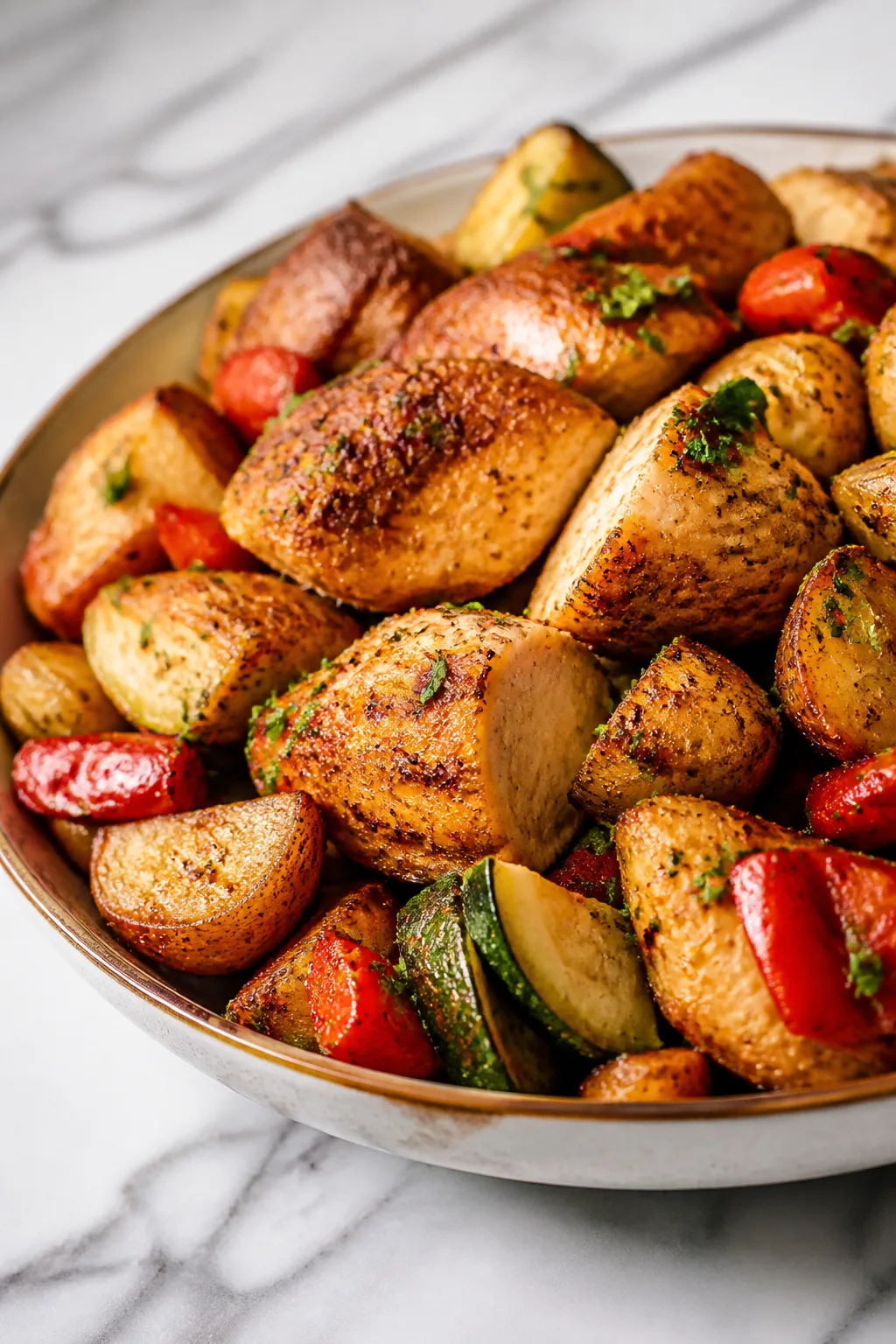
These campfire foil packets are my go-to for an easy, no-fuss meal outdoors. The secret? Wrapping everything tight to lock in juices and smoky flavor. Great for camping or a backyard bonfire night!
Introduction
I first discovered foil packet meals on a camping trip years ago, and they've been my favorite ever since. There's something so satisfying about wrapping up simple ingredients in foil and letting the fire do the rest of the work. This version with chicken, potatoes, and peppers is my go-to because it’s hearty enough to fill you up but still light and fresh. What makes it different? I like to slice the potatoes thin so they cook evenly with the chicken, avoiding that common problem of raw potatoes while the meat is done. Also, adding smoked paprika gives it a subtle smoky depth even before it hits the fire. Plus, the garlic and olive oil help keep everything moist and flavorful. When you unwrap these packets, you get that wonderful steam and aroma, and the chicken is tender, the veggies perfectly cooked but still with a bit of bite. It’s such a simple meal but feels special around the campfire. Honestly, I’ve tried this a few times with thicker potato chunks and ended up with crunchy potatoes — lesson learned! Now I keep it thin and consistent every time. If you’re new to campfire cooking or just want a fuss-free dinner idea, this recipe’s a winner.
How To Do It
Step 1
Start by prepping all your ingredients: slice the potatoes thinly (about 1/8 inch thick) so they cook evenly with the chicken, and chop the chicken into bite-sized pieces. Thin potato slices are key because thick chunks won’t cook through in the foil packet and can leave you with undercooked bites. Also, slicing the veggies similarly ensures everything finishes at the same time, avoiding mushy or raw textures. Keep your knife sharp and try to keep slices uniform for consistent cooking.
⏱ Time: 10
✓ Doneness: Potatoes sliced thinly and chicken cut into evenly sized chunks
Step 2
In a mixing bowl, toss the chicken, potatoes, bell pepper, onion, and garlic with olive oil, smoked paprika, salt, and pepper until everything is well coated. The olive oil helps keep the chicken juicy and the veggies tender during cooking, while the smoked paprika adds a subtle smoky flavor that complements the campfire taste. Make sure to season well here because the foil packet method doesn’t allow for much seasoning adjustment later. If you rush this step, the flavors won’t meld properly, and the dish might taste bland.
⏱ Time: 5
✓ Doneness: Ingredients are evenly coated with oil and spices and look glossy
Step 3
Lay out four large sheets of heavy-duty aluminum foil. Divide the mixture evenly among the sheets, placing it in the center to allow room for folding. Proper foil size and thickness are important because thinner foil can tear, causing juices to leak and flare-ups on the fire. Using heavy-duty foil also traps steam, cooking the food evenly and keeping it moist. Don’t overfill the packets; leave enough space to fold and seal tightly.
⏱ Time: 5
✓ Doneness: Ingredients are centered on foil sheets with space around edges
Step 4
Fold the foil over the food, sealing the edges tightly to create a packet. Make sure the packets are well sealed on all sides to trap steam inside during cooking. This steam cooks the chicken and veggies gently, preventing drying out and helping flavors meld. Avoid leaving gaps or weak spots, or the juices will escape and the food will dry out or burn. Double fold the edges if needed for a secure seal.
⏱ Time: 5
✓ Doneness: Packets are fully sealed with no openings or tears
Step 5
Place the foil packets directly on hot campfire coals or a grill grate over medium heat. Cooking over coals provides even heat that gently steams the food inside the packet. Avoid placing packets in direct flames, which can cause burning or uneven cooking. Turn the packets every 10 minutes to prevent hotspots and ensure even cooking on all sides.
⏱ Time: 30
✓ Doneness: Packets feel firm to the touch and juices bubble inside
Step 6
After 30 minutes, carefully remove packets from the heat using tongs or heat-resistant gloves. Let the packets rest for 5 minutes before opening; this allows the juices to redistribute and the steam to finish cooking the ingredients gently. Opening immediately can cause hot steam to escape and dry out the food. Resting also helps the flavors settle for a better taste experience.
⏱ Time: 5
✓ Doneness: Packets feel warm and slightly firm but not overly hot to handle
Step 7
Open the foil packets carefully, watching out for steam. The chicken should be cooked through (juices run clear, no pink inside), and the potatoes tender but not mushy. If you notice undercooked potatoes, you can return the packets to the heat for a few more minutes. The veggies should be vibrant and slightly crisp, not soggy. This balance is what makes the dish so enjoyable.
⏱ Time: 2
✓ Doneness: Chicken is opaque and firm; potatoes are fork-tender
Step 8
Transfer the contents to a serving plate or eat straight from the foil for an authentic campfire feel. Garnish with fresh chopped parsley for a pop of color and freshness that cuts through the rich flavors. Parsley also adds a slight herbaceous note that brightens each bite.
⏱ Time: 3
✓ Doneness: Dish looks colorful with green garnish and inviting aroma
Step 9
Enjoy immediately while warm, pairing with your favorite campfire sides like crusty bread or a simple salad. The best part about foil packets is minimal cleanup — just toss the foil when done. This makes them perfect for outdoor meals where washing dishes isn’t convenient.
⏱ Time: 0
✓ Doneness: Food is warm and aromatic, ready to eat
Pro Tips
Slice potatoes thinly for even cooking.
Thin slices ensure potatoes cook through at the same rate as chicken and veggies inside the foil packet. Thick chunks often remain undercooked, forcing you to cook longer and risking dry chicken.
Use heavy-duty foil to prevent tearing.
Heavy-duty foil withstands the heat and handling better than regular foil, preventing leaks that cause flare-ups or loss of moisture inside the packet.
Seal packets tightly to trap steam.
A tight seal locks in moisture and heat, effectively steaming the food. If steam escapes, the food can dry out or cook unevenly.
Turn packets occasionally over the fire.
Rotating packets ensures even heat distribution, preventing hotspots that can burn one side while leaving the other undercooked.
Add fresh herbs after cooking, not before.
Herbs like parsley lose flavor and color when cooked too long. Adding them fresh brightens the dish and adds a fresh aroma.
Don’t overfill foil packets.
Leaving space inside the packet allows steam to circulate and cook ingredients evenly. Overstuffing can trap cold spots and cause uneven cooking.
Let packets rest before opening.
Resting allows juices to redistribute and the steam to finish cooking, resulting in juicier chicken and tender veggies.
Common Mistakes to Avoid
Using thick potato chunks that don’t cook through
Why it happens Many assume chunkier potatoes add a hearty texture but forget they need longer cooking times than chicken or peppers.
Fix Slice potatoes thinly or parboil them before assembling the packets. This ensures they cook evenly alongside the other ingredients and avoid crunchy bites.
Not sealing the foil packets tightly
Why it happens Sometimes packets are hurriedly folded without ensuring a tight seal, causing steam to escape.
Fix Double fold the edges and press firmly to create a secure seal. This traps steam and cooks the food evenly.
Placing packets directly in flames
Why it happens Campfire cooking can be unpredictable, and it’s tempting to throw packets right into the fire.
Fix Place packets on hot coals or a grill grate to avoid burning. Flames can scorch the foil and dry out the food.
Skipping seasoning or using too little oil
Why it happens Sometimes cooks underestimate how much seasoning and oil are needed in foil packets.
Fix Generously season and coat ingredients with oil to enhance flavor and moisture retention.
Opening packets immediately after cooking
Why it happens Impatience leads to opening packets right away, releasing steam and drying the food.
Fix Let packets rest for 5 minutes before opening to allow juices to redistribute and finish cooking gently.
Variations
Spicy Cajun Chicken Foil Packets
Add Cajun seasoning and sliced jalapeños to the chicken and veggies for a spicy kick. Swap smoked paprika for cayenne and include bell peppers and onions as usual. Expect a bolder flavor and a bit more heat, perfect for those who love spice.
Note: Cook time remains the same but watch jalapeños closely to avoid burning, and adjust spice level to taste.
Mediterranean Foil Packets with Feta
Mix in olives, cherry tomatoes, and sprinkle crumbled feta cheese on top just before serving. Use oregano and lemon zest in place of smoked paprika. This version offers a bright, fresh flavor profile with creamy, salty notes from the cheese.
Note: Add feta after cooking to prevent melting and preserve texture.
Vegetarian Foil Packets
Replace chicken with firm tofu or chickpeas and add zucchini and mushrooms. Marinate tofu in olive oil, garlic, and herbs before assembling. The texture will be softer with a plant-based protein boost, great for vegetarians.
Note: Tofu cooks faster than chicken; monitor cooking time to prevent overcooking.
Sweet Potato and Sausage Foil Packets
Swap regular potatoes for cubed sweet potatoes and chicken for sliced smoked sausage. Add a touch of maple syrup or honey for sweetness. This variation is heartier and slightly sweet with smoky undertones from the sausage.
Note: Sweet potatoes cook differently; cut into small cubes and check doneness to avoid mushiness.
Lemon Herb Chicken Foil Packets
Add lemon slices and fresh thyme or rosemary to the packets with the chicken and veggies. The citrus brightens flavors, and herbs add an aromatic touch. This version feels fresh and light, perfect for spring or summer nights.
Note: Avoid overusing lemon slices to prevent bitterness; place thin slices on top rather than mixed inside.
Nutrition
Per Serving:
Nutritional values are estimates and may vary based on specific ingredients used.
Storage & Tips
Room Temperature
Foil packet meals should not be left out at room temperature for more than 2 hours to avoid bacterial growth. If you plan to eat later, keep them covered and cool.
Refrigerator
Store leftover foil packet contents in an airtight container in the fridge for up to 3 days. The flavors meld nicely but the potatoes may soften further. Reheat gently to avoid drying out.
Freezer
You can freeze cooked foil packet contents for up to 2 months. Wrap tightly in plastic wrap before foil to prevent freezer burn. Thaw in the fridge overnight before reheating.
Reheating
Reheat leftovers in a covered skillet over medium-low heat or in the oven at 350°F until warmed through. Add a splash of water or broth to restore moisture. Avoid microwaving too long as it can dry the chicken.
Make Ahead
You can prep and assemble foil packets 1 day ahead, storing them tightly wrapped in the fridge. When ready, cook them directly over the fire or grill. This saves time at mealtime and keeps flavors fresh.
FAQ
Can I use chicken breasts instead of thighs?
Yes, but chicken breasts cook faster and can dry out if overcooked. Keep an eye on cooking time and consider marinating breasts beforehand to maintain moisture.
What if I don't have smoked paprika?
You can substitute regular paprika, but you’ll miss the smoky depth. Adding a small pinch of liquid smoke or chipotle powder can help replicate that flavor.
How do I know when the chicken is fully cooked?
Cut into the largest piece; the meat should be opaque with no pink inside and juices running clear. A food thermometer reading 165°F is ideal for safety.
Can I prepare this recipe indoors?
Absolutely! You can bake the foil packets in a 400°F oven for about 25-30 minutes or grill them on a barbecue.
Is it okay to add other vegetables?
Yes, but choose vegetables that cook at similar rates like bell peppers, zucchini, or onions. Avoid quick-cooking veggies like spinach which can become mushy.
How do I prevent the foil packets from tearing?
Use heavy-duty foil and avoid overfilling the packets. Double fold the edges and handle them carefully when turning on the fire.
Can I add cheese inside the packets?
Cheese can melt and mix with juices, but it might make packets messier. It’s better to add cheese after cooking for texture and flavor.
How long can I leave the foil packets on the fire?
About 30 minutes usually works, turning every 10 minutes. Cooking too long can dry the food, so keep an eye on the heat and doneness.
Final Thoughts
Give these campfire foil packets a try on your next outdoor adventure — they’re easy, flavorful, and perfect for sharing. Don’t forget to tell me how yours turn out!