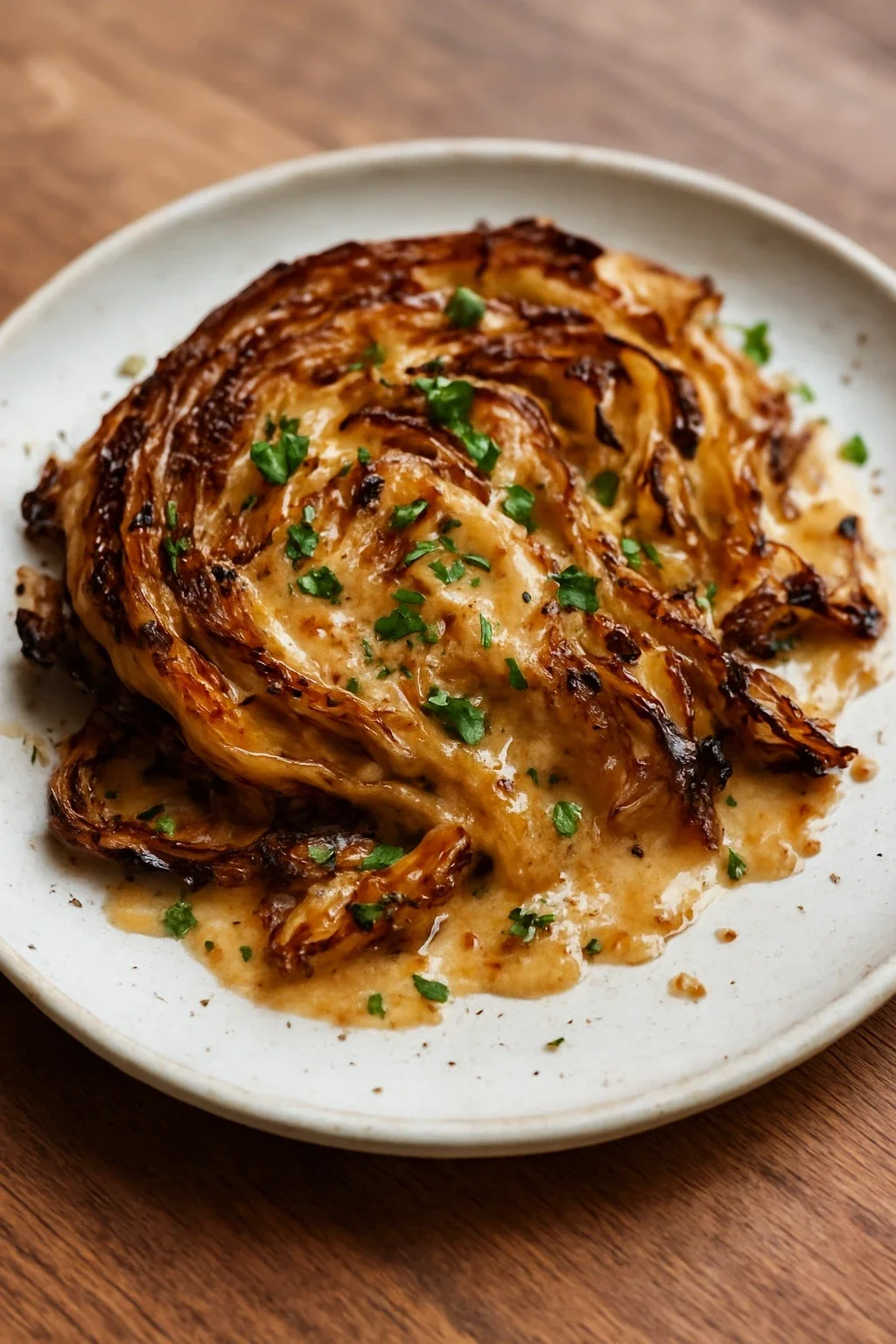
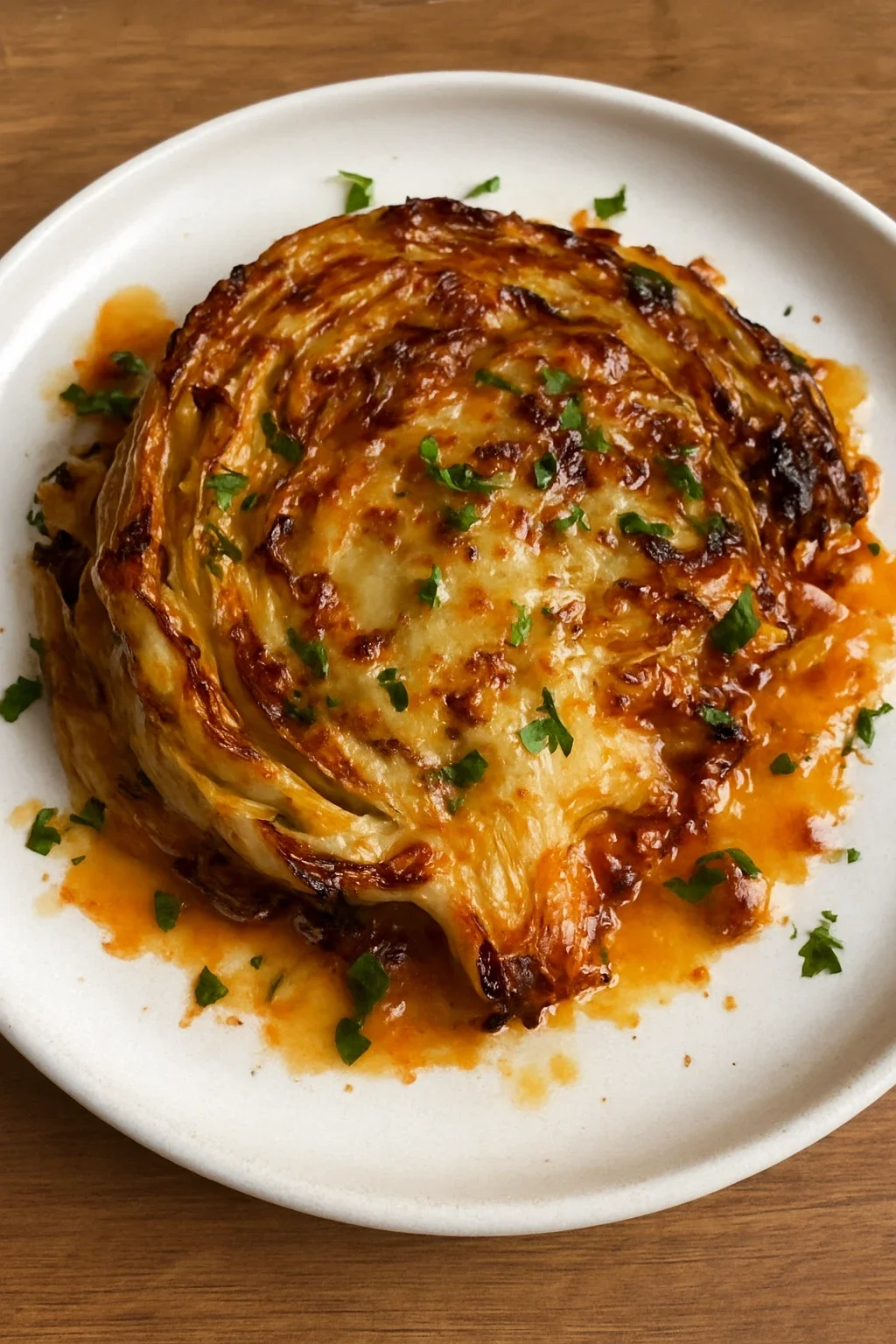
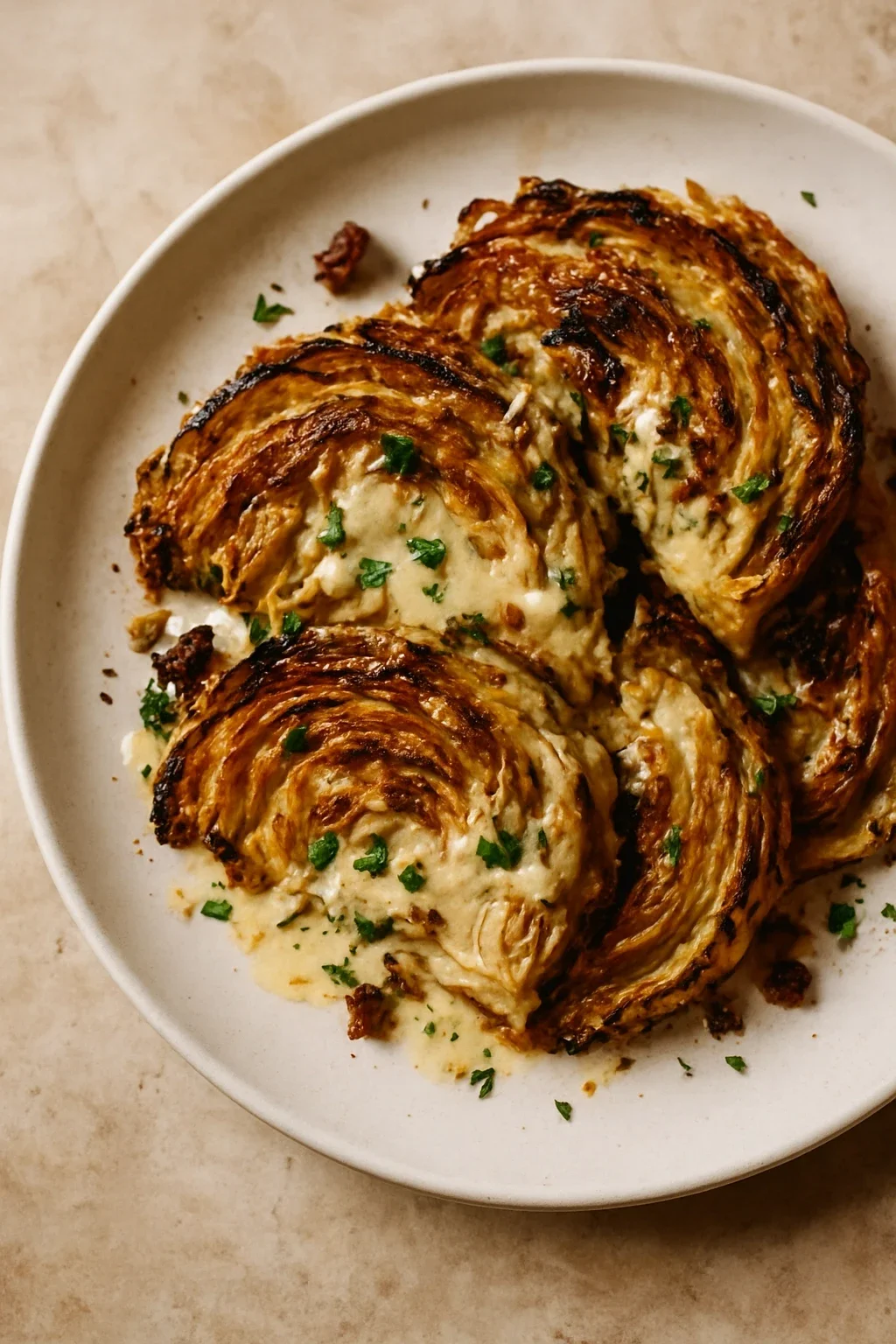
A straightforward roasted cabbage recipe that highlights natural sweetness through caramelization and finishes with a broil for crispness. This method ensures tender layers with a slight crunch, ideal as a side for casual dinners or comforting weekend meals.
Introduction
I first started roasting cabbage as a way to use up leftovers and quickly discovered how transforming it becomes with simple heat. The key difference in this approach is the final broil step, which crisps the outer edges just enough to contrast the tender, slightly sweet interior. The aroma in the oven is a mix of toasted, caramelizing sugars and earthy cabbage notes that fill the kitchen on cool evenings. It’s a reliable side I turn to when I want a vegetable that feels hearty yet easy to prepare. This recipe fits well alongside roasted meats or grain bowls and works especially well in fall and winter when cabbage is at its freshest. Here, I’ll walk through why each step matters and how to get the best texture and flavor from such a humble ingredient.
What You'll Need
4 servings of roasted cabbage wedges
- 1 medium green cabbage (about 1.5 kg / 3.3 lbs), cut into 6-8 wedges
- 3 tbsp (45 ml) olive oil
- 1 tsp (5 g) fine sea salt
- 1/2 tsp (1 g) freshly ground black pepper
- Optional: 1 tsp (2 g) smoked paprika or ground cumin for subtle smoky flavor
How To Do It
Step 1
Preheat your oven to 425°F (220°C). This high temperature is essential to start the caramelization process on the exposed cabbage surfaces.
⏱ Time: 10 minutes
✓ Doneness: Oven reaches and maintains steady high heat; ready for roasting
Step 2
Remove the outer leaves of the cabbage if damaged, then cut the cabbage into 6-8 wedges, keeping the core intact to hold the wedges together during cooking.
⏱ Time: 5 minutes
✓ Doneness: Wedges are uniform in size, approximately 1.5-2 inches thick at the widest point
Step 3
In a large bowl, toss the cabbage wedges with olive oil, salt, pepper, and optional smoked paprika or cumin if using. Ensure the oil and seasonings coat all exposed surfaces to promote even browning and flavor penetration.
⏱ Time: 3 minutes
✓ Doneness: Wedges have an even sheen of oil and seasoning, with no dry spots
Step 4
Arrange the wedges on a rimmed baking sheet, cut-side down, spaced slightly apart to allow hot air circulation. This positioning helps the cut surfaces develop caramelized edges.
⏱ Time: 2 minutes
✓ Doneness: Wedges are stable on the pan and spaced without crowding
Step 5
Roast in the preheated oven for 20 minutes. During roasting, the cabbage will soften internally while the edges begin to turn a golden brown color. You will notice a sweet, slightly nutty aroma as the sugars caramelize.
⏱ Time: 20 minutes
✓ Doneness: Edges are golden brown and slightly crisp; interior feels tender when pierced with a fork
Step 6
Switch the oven setting to broil on high. Broil the cabbage for 3-5 minutes, watching carefully to avoid burning. This final step crisps the edges further and adds a slight char that enhances flavor complexity.
⏱ Time: 3-5 minutes
✓ Doneness: Edges develop dark golden to light brown spots with small crisp bubbles; cabbage interior remains tender
Step 7
Remove from the oven and let the cabbage rest for 2-3 minutes before serving. This resting time allows residual heat to settle and flavors to meld, while the texture stabilizes.
⏱ Time: 2-3 minutes
✓ Doneness: Cabbage is warm, edges remain crisp, and the aroma is fully developed
Pro Tips
Dry the cabbage wedges thoroughly after rinsing to prevent steaming instead of roasting.
Moisture on the cabbage surface creates steam in the oven, which inhibits caramelization and leads to soggy edges rather than crisp, browned ones.
Keep the wedges relatively thick, around 1.5 to 2 inches, to maintain a tender interior while allowing edges to crisp without burning.
Thin wedges overcook quickly and lose structure, becoming limp, while thick wedges retain moisture and develop better texture contrast.
Use a rimmed baking sheet with space between wedges so hot air can circulate evenly around each piece.
Crowding traps moisture and prevents proper browning, resulting in unevenly cooked cabbage.
Watch the broil stage closely; broiling too long will char the cabbage excessively and create bitterness.
Broiling is a fast process that intensifies flavor and texture but can quickly cross into burning if unattended.
Add aromatic spices like smoked paprika or cumin for subtle depth, but add sparingly to avoid overpowering the cabbage’s natural flavor.
These spices complement the caramelized cabbage without masking its delicate sweetness.
Common Mistakes to Avoid
Roasting cabbage without drying it properly first.
Why it happens People often rinse cabbage and place it directly in the oven, leaving surface moisture that steams the wedges.
Fix Pat wedges dry thoroughly with paper towels to ensure dry surfaces for better browning.
Cutting wedges too thin or unevenly.
Why it happens Uneven wedges cook inconsistently, with thin parts overcooked and thick parts underdone.
Fix Cut wedges evenly about 1.5 to 2 inches thick to ensure uniform roasting and texture.
Skipping the broil step or broiling for too long.
Why it happens Some skip broiling fearing burning; others leave wedges unattended under the broiler.
Fix Broil for a short time while watching closely to develop crisp edges without burning.
Crowding the pan with wedges.
Why it happens Trying to cook everything on one pan to save time or space traps moisture and limits browning.
Fix Use a large enough pan or roast in batches to allow space between wedges for proper air circulation.
Variations
Vegan Garlic Herb Roasted Cabbage
Add minced garlic and chopped fresh herbs like thyme or rosemary to the olive oil and seasoning mix before tossing wedges. This adds aromatic depth without changing the core technique.
Note: Fresh herbs can burn under broil; add some herbs after roasting for a fresher flavor or mix in garlic powder instead.
Spicy Roasted Cabbage
Incorporate chili flakes or cayenne pepper into the seasoning. The heat contrasts nicely with the natural sweetness and crisp edges.
Note: Adjust spice level carefully to avoid overpowering the cabbage’s delicate flavor.
Asian-Inspired Roasted Cabbage
Use toasted sesame oil in place of olive oil and sprinkle with toasted sesame seeds after roasting. A drizzle of soy sauce or tamari can be added before serving.
Note: Sesame oil has a lower smoke point; add it after roasting or use a blend with a neutral oil for roasting.
Winter Root Vegetable Medley
Roast cabbage wedges alongside chunks of sweet potato, parsnip, and carrots seasoned similarly. Roast vegetables together adjusting timing to accommodate different cooking speeds.
Note: Cut root vegetables larger or add them halfway through roasting to prevent overcooking.
Cheesy Roasted Cabbage
Sprinkle grated Parmesan or Pecorino Romano cheese over the cabbage wedges during the last 5 minutes of roasting to create a savory crust.
Note: Cheese melts and browns quickly; watch closely to avoid burning and remove broil step if used.
Nutrition
Per Serving:
approximately 110
Calories
Values are estimates and may vary depending on cabbage size and oil amount. Optional spices and additions may slightly alter nutrition.
Storage & Tips
Room Temperature
Do not leave roasted cabbage out for more than 2 hours to prevent bacterial growth. Cool promptly in a shallow container.
Refrigerator
Store cooled roasted cabbage in an airtight container for up to 3 days. Texture may soften but flavor remains good.
Freezer
Freezing is not recommended as the cabbage loses its crisp texture and becomes watery upon thawing.
Reheating
Reheat in a 350°F (175°C) oven for 10-15 minutes to restore some crispness, or in a skillet over medium heat. Avoid microwave reheating to prevent sogginess.
Make Ahead
Prepare cabbage wedges and toss with oil and seasoning up to 12 hours ahead; store covered in the refrigerator. Roast just before serving to maintain texture and flavor.
FAQ
Can I make roasted cabbage ahead of time?
You can prepare and season the cabbage wedges in advance and refrigerate them. Roast just before serving to keep edges crisp.
Why is my roasted cabbage soggy instead of crisp?
Sogginess usually happens if the cabbage was wet before roasting or the pan was crowded, causing steaming instead of roasting. Dry the wedges thoroughly and space them apart.
Can I use red cabbage instead of green?
Yes, red cabbage works well with the same method. It may take slightly longer to roast due to denser leaves and will offer a more vibrant color.
How long does roasted cabbage last in the fridge?
Stored in an airtight container, roasted cabbage keeps well for up to 3 days but will lose some crispness over time.
Can I add other seasonings or spices?
Absolutely. Spices like cumin, smoked paprika, or fresh herbs can be added before roasting or after for variation, but use sparingly to let the cabbage’s flavor shine.
Is broiling necessary for this recipe?
Broiling adds a crisp finish and deeper caramelization, but if you prefer, you can skip it. The cabbage will still be tender and flavorful, though less crisp.
Final Thoughts
Roasting cabbage this way offers a simple way to access its natural sweetness and texture contrasts. I appreciate how a few straightforward steps bring out complexity from such a basic vegetable. If you try this recipe, I’d love to hear your thoughts or any tweaks you make.