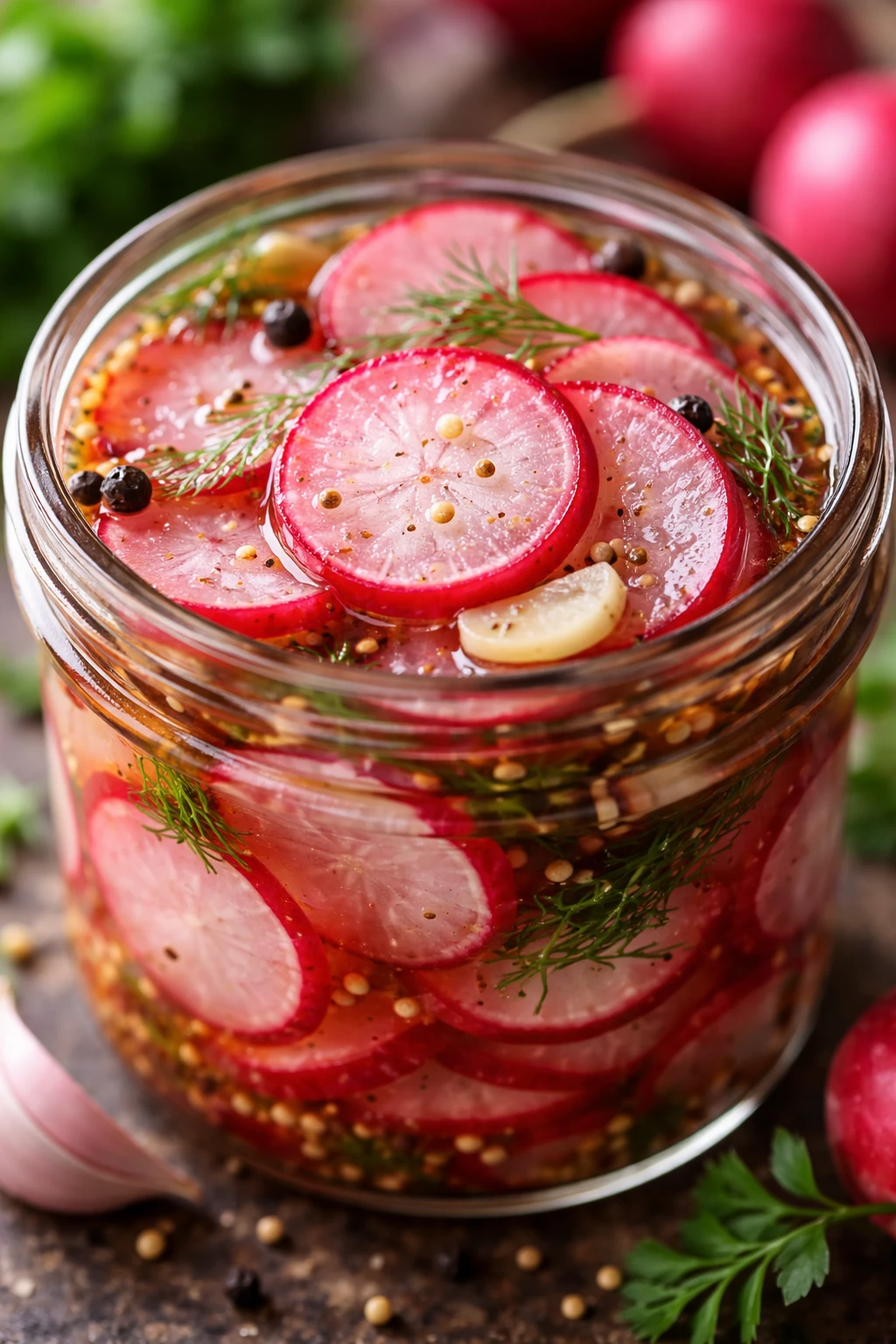
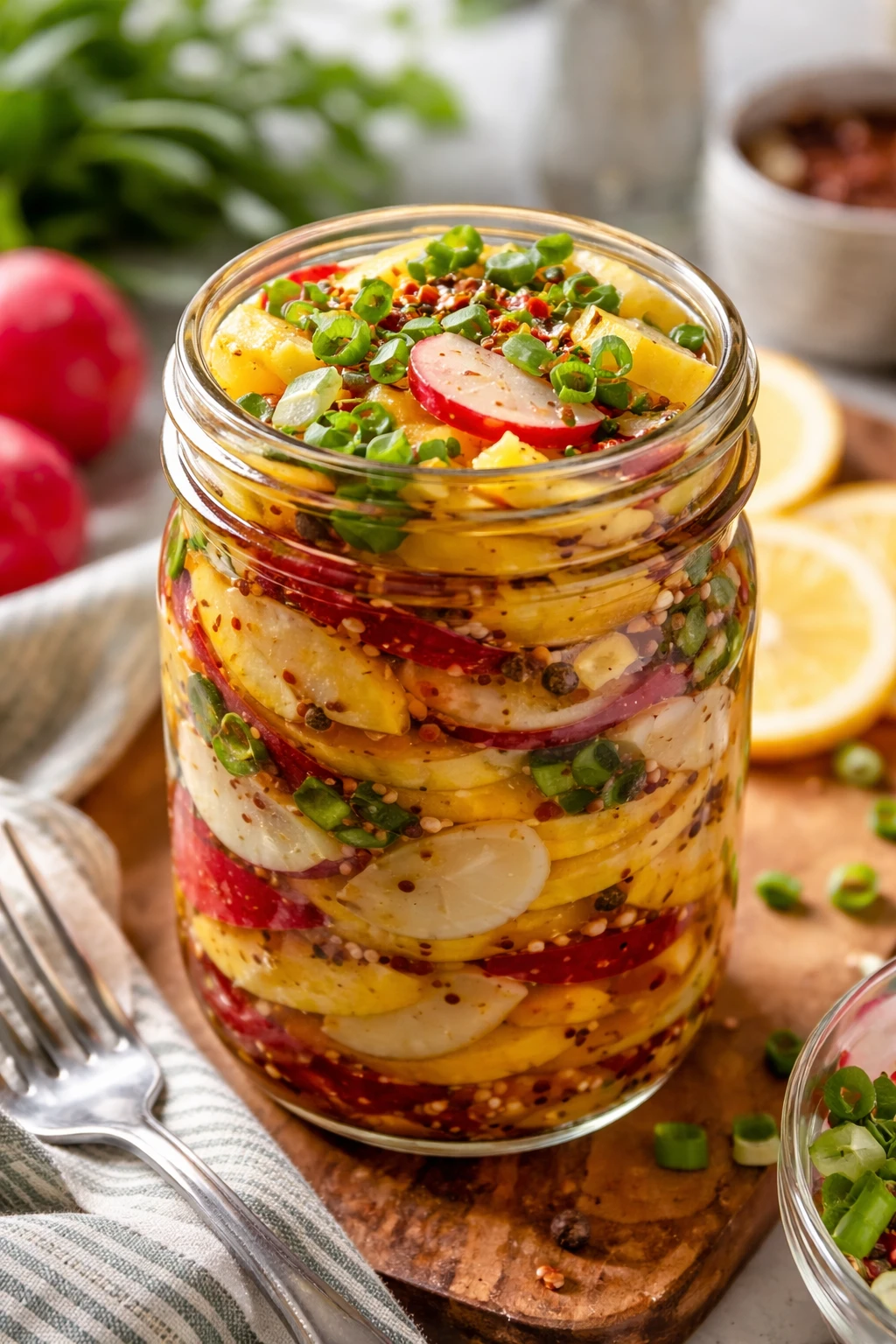
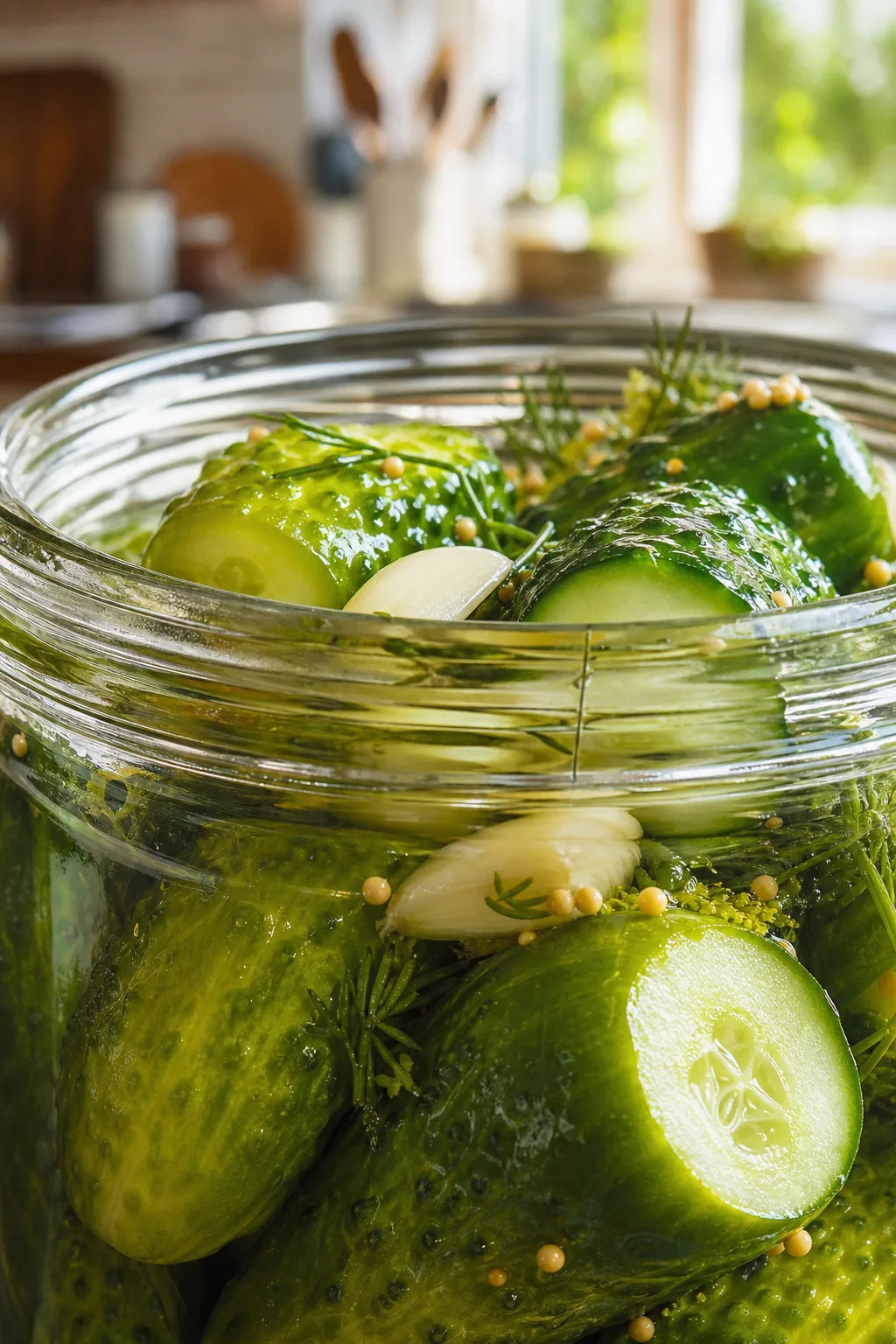
These quick pickled radishes are the perfect crunchy, tangy addition to your meals. The sugar and vinegar balance keeps them crisp and bright. I love adding them to sandwiches or salads for a fresh kick!
Introduction
I first stumbled upon quick pickled radishes a few years ago when I wanted something fresh and crunchy to jazz up my sandwiches. Traditional pickling can take days, but this quick method uses sugar and vinegar to keep the radishes crisp and tangy in just 15 minutes. I love how the radishes stay crunchy instead of getting mushy, which can happen if you soak them too long or use too much salt. The balance between the vinegar’s acidity and the sugar’s sweetness is what really makes these pop. Sometimes I add a smashed garlic clove or mustard seeds for a little extra flavor, but the simplicity here is what’s so charming. When you try this, expect bright pink radishes with a sharp, refreshing bite — perfect for salads, tacos, or even just a snack straight from the jar. Honestly, it’s become a staple in my fridge because it’s so easy and versatile. If you’ve ever been intimidated by pickling, this is a great place to start. It’s quick, forgiving, and seriously addictive!
What You'll Need
Approximately 2 cups pickled radishes, 4 servings
- 1 bunch radishes, thinly sliced
- 1/2 cup white vinegar
- 1/2 cup water
- 1 tablespoon sugar
- 1 teaspoon salt
- 1/2 teaspoon black peppercorns
- 1 garlic clove, smashed (optional)
- 1/2 teaspoon mustard seeds (optional)
How To Do It
Step 1
Start by washing your radishes thoroughly, then slice them thinly using a sharp knife or a mandoline. Thin slices ensure the pickling liquid penetrates quickly, giving you that perfect tang in minutes. Avoid slicing too thick, as it will slow down the pickling process and the radishes might remain bland. Uniform slices also help with even flavor absorption and create a visually appealing jar.
⏱ Time: 10 minutes
✓ Doneness: Thin, even slices about 1/8 inch thick that hold their shape without crumbling
Step 2
In a small saucepan, combine the vinegar, water, sugar, salt, and peppercorns. Heat gently over medium heat, stirring until the sugar and salt dissolve completely. This step is crucial because undissolved sugar or salt can lead to uneven flavor and texture in your pickles. Heating also helps meld the flavors so they infuse the radishes better once poured over.
⏱ Time: 5 minutes
✓ Doneness: Clear liquid with no visible sugar or salt granules, and steam rising gently
Step 3
Place the sliced radishes in a clean jar or container. If using, add the smashed garlic clove and mustard seeds for extra aroma and complexity. These aromatics infuse the pickles subtly but beautifully. Don’t skip this step if you want a more layered flavor profile, but if you prefer simplicity, the radishes will still taste fantastic.
⏱ Time: 2 minutes
✓ Doneness: Radishes snugly packed but not crushed in the jar with aromatics visibly mixed
Step 4
Pour the hot vinegar mixture over the radishes, making sure they’re fully submerged. The heat helps soften the radishes slightly while preserving their crunch, and fully covering them prevents spoilage. Use a spoon or small lid to press down if needed. Leaving radishes exposed to air can cause them to dry out or ferment unintentionally.
⏱ Time: 3 minutes
✓ Doneness: Radishes completely covered by liquid with no air bubbles trapped underneath
Step 5
Let the jar cool to room temperature, then cover and refrigerate. The radishes need at least 15 minutes to soak up the flavors, but they taste even better after a few hours or overnight. Quick pickling means you get tangy, crunchy radishes fast, but patience will deepen the flavor and soften the bite just enough without losing crispness.
⏱ Time: 15 minutes to overnight
✓ Doneness: Radishes have a vibrant pink color and a tangy aroma when ready
Step 6
Before serving, give the jar a gentle shake or stir to redistribute the spices and flavors. This refreshes the pickles and ensures every bite is flavorful. If the radishes seem too sharp, a quick rinse can mellow the acidity, but I usually love that bright tang as is.
⏱ Time: 1 minute
✓ Doneness: Evenly coated radishes with a balanced tangy scent
Step 7
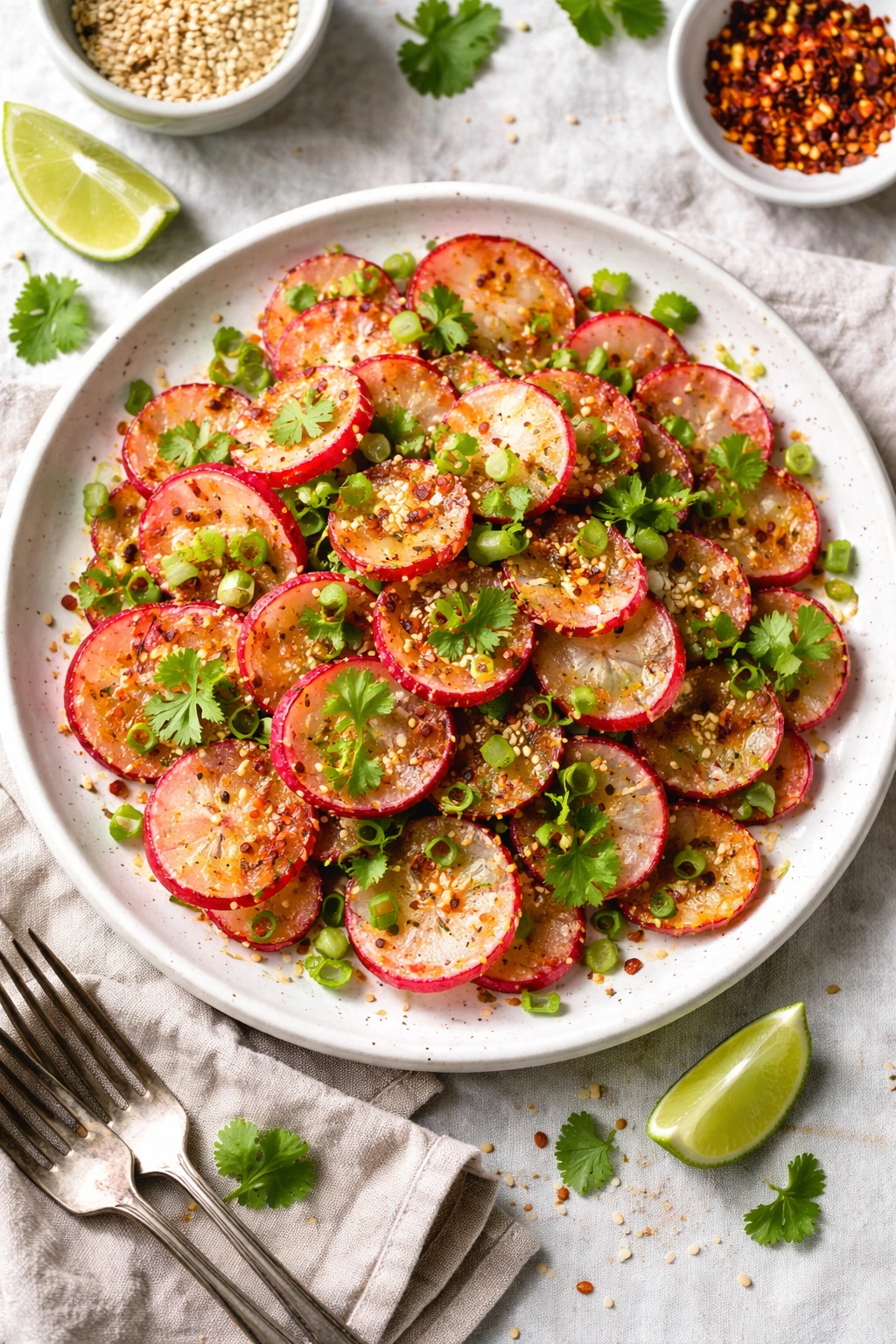
Use your pickled radishes as a crunchy topping for tacos, sandwiches, or salads. They also make a great snack right out of the jar. The contrast of their crisp texture and tangy flavor adds a fresh dimension to many dishes, especially rich or creamy ones.
⏱ Time: 0 minutes
✓ Doneness: Radishes are crisp and tangy with no soggy pieces
Step 8
If you want to keep them longer, store the pickled radishes in the fridge for up to two weeks. The flavor will deepen over time, but they remain crunchy thanks to the quick pickling method. Avoid storing at room temperature to prevent spoilage.
⏱ Time: 0 minutes
✓ Doneness: Jar sealed and refrigerated properly
Step 9
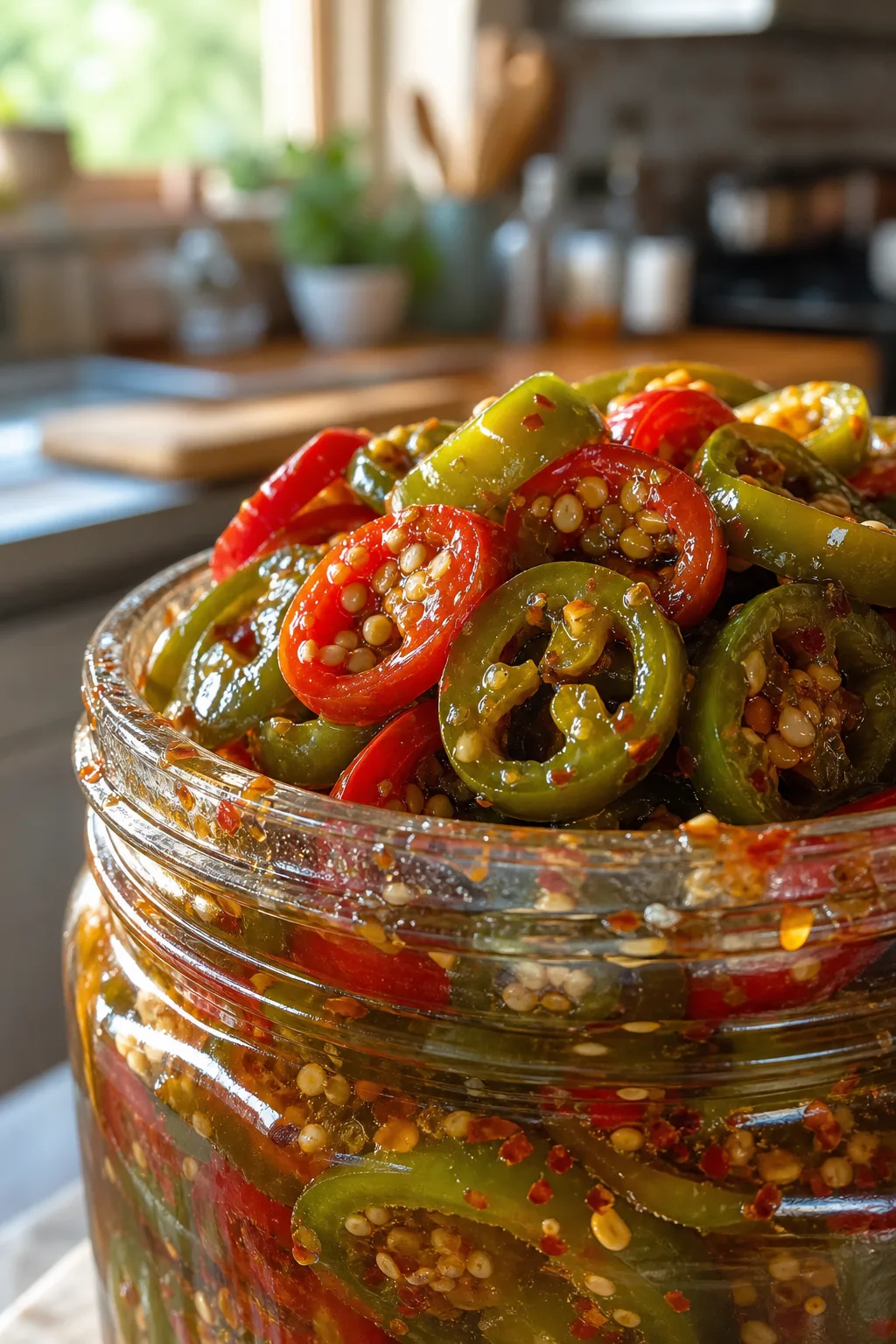
For a fun twist, try adding sliced jalapeños or fresh herbs like dill to the jar before pouring the vinegar mix. This adds a spicy or herbal note that pairs wonderfully with the radishes’ tang. Just remember to adjust the vinegar and sugar slightly to keep the balance right.
⏱ Time: 2 minutes
✓ Doneness: Additional ingredients evenly distributed with no overpowering aroma
Pro Tips
Slice radishes as thinly and evenly as possible.
Even thin slices ensure the pickling liquid penetrates quickly and uniformly, giving consistent flavor and texture. Uneven slices can result in some pieces being under-flavored or overly soft.
Heat the vinegar mixture until sugar and salt fully dissolve.
Dissolving these ingredients completely prevents graininess and ensures the brine is balanced. Undissolved sugar or salt can settle unevenly and affect the taste and texture.
Use a clean jar and make sure radishes are fully submerged.
Submerging prevents exposure to air, which can cause spoilage or uneven pickling. A clean jar reduces the risk of unwanted bacteria affecting the flavor and safety.
Let the pickled radishes rest for at least 15 minutes before eating.
This allows the flavors to meld and radishes to soften slightly without losing crunch. Rushing this step results in bland or harsh tasting pickles.
Store pickles in the fridge, not at room temperature.
Refrigeration slows bacterial growth and keeps pickles crisp and safe to eat longer. Room temperature storage can cause fermentation or spoilage.
Add aromatics like garlic or mustard seeds for extra flavor.
These add subtle complexity and depth to the pickles, enhancing their appeal without overpowering the radishes.
Try rinsing pickled radishes briefly if too sharp.
A quick rinse can mellow acidity if the vinegar flavor is too intense, making them more versatile for different dishes.
Common Mistakes to Avoid
Using thickly sliced radishes.
Why it happens People often slice radishes thickly out of habit or to save time, not realizing this slows flavor absorption.
Fix Use a sharp knife or mandoline to slice radishes very thinly (around 1/8 inch). This ensures quick and even pickling.
Not dissolving sugar and salt fully in the vinegar.
Why it happens Skipping the heating step or stirring insufficiently can leave granules undissolved.
Fix Heat the vinegar mixture gently while stirring until all sugar and salt dissolve completely before pouring over radishes.
Not submerging radishes under the pickling liquid.
Why it happens Forgetting to press radishes down or using a container too large causes exposure to air.
Fix Use a small jar or press radishes with a spoon or lid to keep them fully submerged to prevent spoilage.
Storing pickles at room temperature.
Why it happens Some assume quick pickles don’t need refrigeration since they’re acidic.
Fix Always refrigerate quick pickled radishes to maintain crispness and prevent unwanted fermentation.
Using iodized table salt.
Why it happens People use what’s available without knowing it can affect flavor and color.
Fix Use kosher or pickling salt, which dissolves cleanly and preserves color and taste.
Variations
Spicy Jalapeño Pickled Radishes
Add thin slices of fresh jalapeño to the jar before pouring the brine for a spicy kick. The heat pairs beautifully with the tangy radishes and adds complexity. Great for tacos or sandwiches needing a little fire.
Note: Spicy peppers release oils quickly; adjust soak time to control heat intensity.
Herb-Infused Pickled Radishes
Include fresh dill, thyme, or rosemary sprigs in the jar for an herbal aroma that complements the radish’s bite. This variation is lovely on fresh salads or alongside grilled meats.
Note: Herbs should be fresh and added before pouring the hot brine to release essential oils.
Sweet and Sour Pickled Radishes
Increase sugar to 2 tablespoons and add a splash of apple cider vinegar for a sweeter, fruitier tang. This balances radishes’ natural pepperiness and creates a milder pickle great for kids.
Note: Adjust vinegar and sugar balance carefully to maintain crispness and prevent sogginess.
Asian-Style Pickled Radishes
Add a teaspoon of soy sauce and a few slices of ginger to the brine for an umami-rich, aromatic pickle. Perfect for pairing with rice dishes or Korean BBQ.
Note: Soy sauce adds saltiness; reduce added salt accordingly to avoid oversalting.
Beet-Pickled Radishes
Add a few thin beet slices to the jar for an earthy flavor and vibrant color contrast. The beets lend a subtle sweetness and deepen the visual appeal of the pickles.
Note: Beets can stain; use gloves and adjust soaking time to avoid overpowering radish flavor.
Nutrition
Per Serving:
Nutritional values are estimates and may vary based on specific ingredients used.
Storage & Tips
Room Temperature
Quick pickled radishes should not be left at room temperature for more than 2 hours. Always cover the jar to prevent contamination and keep flavors fresh. Leaving them out longer risks fermentation and spoilage.
Refrigerator
Store pickled radishes in an airtight container or jar in the refrigerator for up to two weeks. The flavor will intensify over time, and they will remain crisp. They’re best served cold or at room temperature; reheating is not recommended.
Freezer
Freezing pickled radishes is not recommended as it breaks down their crisp texture and alters flavor. It’s best to consume them fresh within two weeks refrigerated.
Reheating
Reheating is unnecessary and can cause loss of crunch. If you want a warmer pickle, briefly warm in a pan over low heat but avoid boiling. Adding a splash of water or vinegar can refresh flavors if needed.
Make Ahead
You can slice radishes and prepare the brine 1-2 days ahead, storing separately. Combine and refrigerate at least 15 minutes before serving. This keeps radishes crisp and flavors bright.
FAQ
Can I use other types of vinegar for this recipe?
Yes, you can substitute white vinegar with apple cider vinegar or rice vinegar for a different flavor profile. Apple cider vinegar adds a fruity note, while rice vinegar is milder and slightly sweet. Just make sure the vinegar has about 5% acidity to ensure proper pickling and food safety.
How long do quick pickled radishes last in the fridge?
Stored properly in an airtight container, quick pickled radishes last up to two weeks in the refrigerator. Their flavor will intensify over time, but they maintain their crunch well within this period. Avoid leaving them out at room temperature for extended periods to prevent spoilage.
What’s the best way to slice radishes for pickling?
Thin, even slices about 1/8 inch thick are ideal. Using a mandoline slicer helps achieve uniform slices quickly and safely. Thin slices absorb the pickling brine faster, resulting in better flavor and texture.
Can I add other spices or herbs to the pickling liquid?
Absolutely! Mustard seeds, peppercorns, garlic, dill, or even chili flakes can be added to customize flavor. Just remember that some spices release oils quickly, so adjust soaking time accordingly to avoid overpowering the radishes.
Why are my pickled radishes not crunchy?
This usually happens if the radishes are sliced too thick, soaked too long, or stored at room temperature. To keep them crunchy, slice thinly, use the correct balance of salt and vinegar, and always refrigerate the pickles.
Can I make this recipe vegan and gluten-free?
Yes, the basic recipe is naturally vegan and gluten-free. Just ensure any added ingredients like soy sauce are gluten-free if you use them in variations.
Is it necessary to heat the vinegar mixture?
Heating helps dissolve sugar and salt evenly and melds flavors for better infusion. While you can pour cold brine over radishes, heating improves flavor balance and texture.
Can I use frozen radishes for pickling?
Frozen radishes are not recommended because freezing breaks down their cell walls, resulting in a mushy texture after pickling. Fresh radishes give the best crunch.
Final Thoughts
Give these quick pickled radishes a try—your sandwiches and salads will thank you! Don’t forget to share how you use them in your favorite dishes.