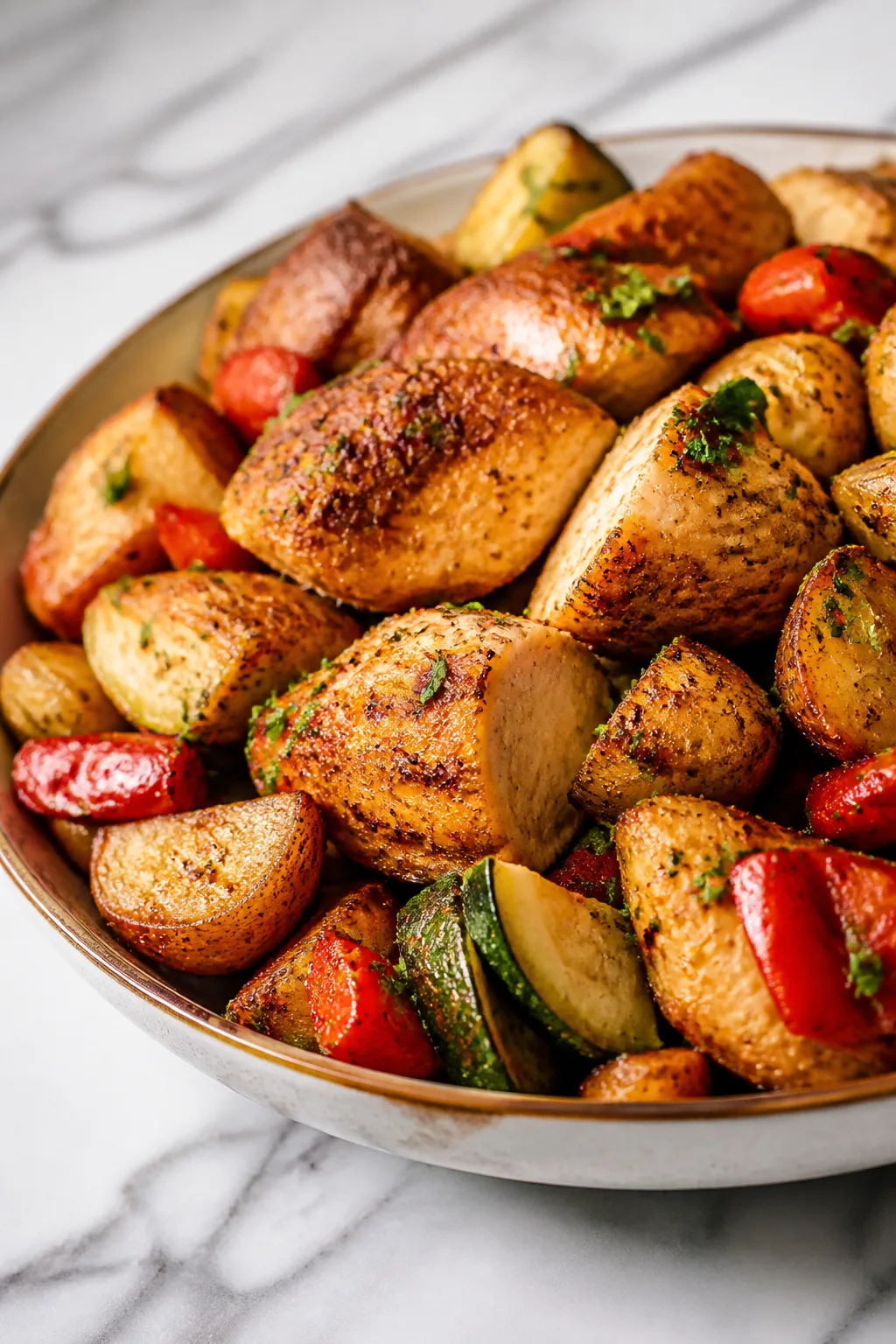
This crispy stir fry is all about quick, fresh flavors and perfectly seared meat. The secret is cooking on high heat with minimal stirring to keep veggies crunchy. Ideal for busy weeknight dinners when you want something satisfying and fast.
Introduction
I first stumbled upon this crispy stir fry recipe during a hectic week when I needed something fast but delicious. I’d often end up with soggy veggies or dry chicken when rushing, but this method changed everything. The trick I learned was cooking over high heat and resisting the urge to stir constantly. That way, the meat sears beautifully, locking in juices, while the vegetables keep their vibrant crunch. Plus, using a simple combo of soy and oyster sauce gives it just the right balance of savory and umami without being overpowering. I love how quick it comes together, making it perfect for those busy weeknights when you want a fresh, satisfying meal without a ton of fuss. The finished dish looks colorful and inviting, with tender meat and crisp veggies that still snap when you bite. It’s become a staple in my kitchen, and I think you’ll love how effortlessly tasty it is too.
How To Do It
Step 1
Start by prepping all your ingredients: slice the chicken thinly against the grain, chop the veggies into bite-sized pieces, and mince the garlic and ginger. This prep ensures everything cooks evenly and quickly. Thin slices of chicken sear faster, which helps keep them juicy. Having everything ready before you heat the pan is crucial because stir frying is a fast process and you don’t want to overcook anything while scrambling to chop.
⏱ Time: 10 minutes
✓ Doneness: Chicken slices are uniformly thin and veggies are cut to similar sizes for even cooking
Step 2
Heat a large wok or skillet over high heat until really hot, then add the vegetable oil. When the oil starts to shimmer, add the chicken in a single layer. Let it sear without stirring for 2-3 minutes to develop a nice golden crust. This step is key to locking in flavor and juiciness. Avoid overcrowding the pan, or the chicken will steam instead of sear.
⏱ Time: 3 minutes
✓ Doneness: Chicken pieces turn golden brown on one side and release easily from the pan
Step 3
Flip the chicken pieces and cook the other side for another 2 minutes until fully cooked but still tender. Remove the chicken from the pan and set aside. Leaving the chicken out now allows you to stir fry the veggies at high heat without overcooking the meat later.
⏱ Time: 3 minutes
✓ Doneness: Chicken is opaque and firm but still juicy inside
Step 4
Add a bit more oil if needed, then toss in the garlic and ginger. Stir quickly for about 30 seconds until fragrant but not burnt. Aromatics like garlic and ginger infuse the oil and flavor the entire dish, so don’t skip this step or cook too long or it will turn bitter.
⏱ Time: 1 minute
✓ Doneness: Aromatic smell fills the kitchen without any burnt notes
Step 5
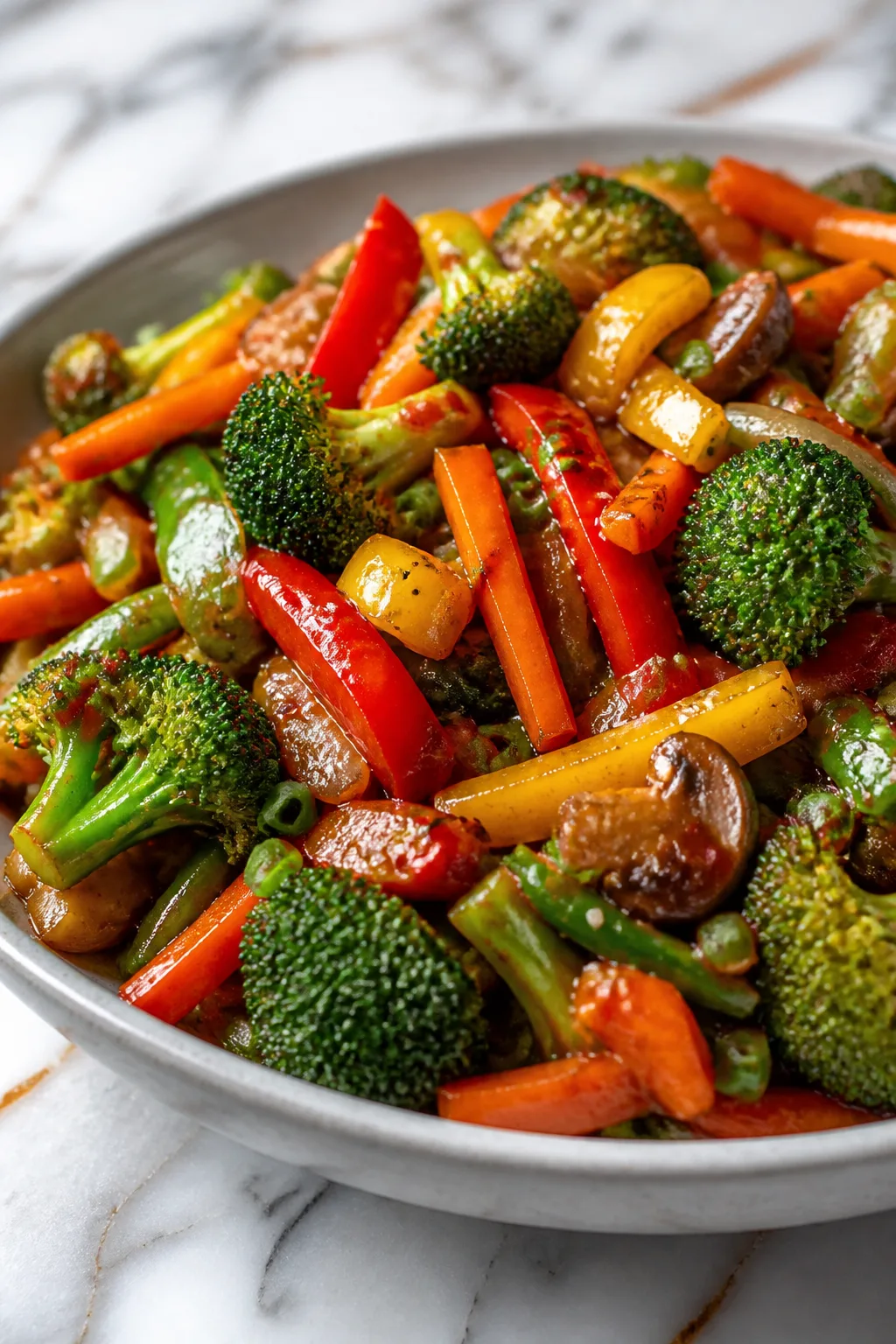
Add the bell pepper, broccoli, and carrot to the pan. Stir fry quickly on high heat, tossing occasionally but not constantly, for about 4-5 minutes. The goal is to get the veggies tender-crisp, maintaining their bright color and crunch. Over-stirring releases moisture and causes sogginess.
⏱ Time: 5 minutes
✓ Doneness: Vegetables are bright, vibrant, and just tender enough to pierce with a fork
Step 6
Return the chicken to the pan with the veggies. Pour in the soy sauce, oyster sauce, and sesame oil. Toss everything together gently to coat evenly. If you want a thicker sauce, add the cornstarch slurry now and stir until the sauce thickens, about 1 minute. This layering of flavors and finishing with sauce ensures every bite is delicious.
⏱ Time: 3 minutes
✓ Doneness: Sauce coats chicken and veggies with a glossy finish, no pooling liquid
Step 7
Taste and season with salt and pepper as needed. Be careful with salt since soy sauce adds saltiness. Adjusting seasoning at the end lets you control the balance perfectly without overdoing it.
⏱ Time: 1 minute
✓ Doneness: Flavor is balanced with a savory, slightly sweet, umami richness
Step 8
Turn off the heat and let the stir fry rest for a minute before serving. This short rest allows the flavors to meld and the sauce to thicken slightly without overcooking the veggies or meat.
⏱ Time: 1 minute
✓ Doneness: Dish is warm and glossy, ready to serve
Step 9
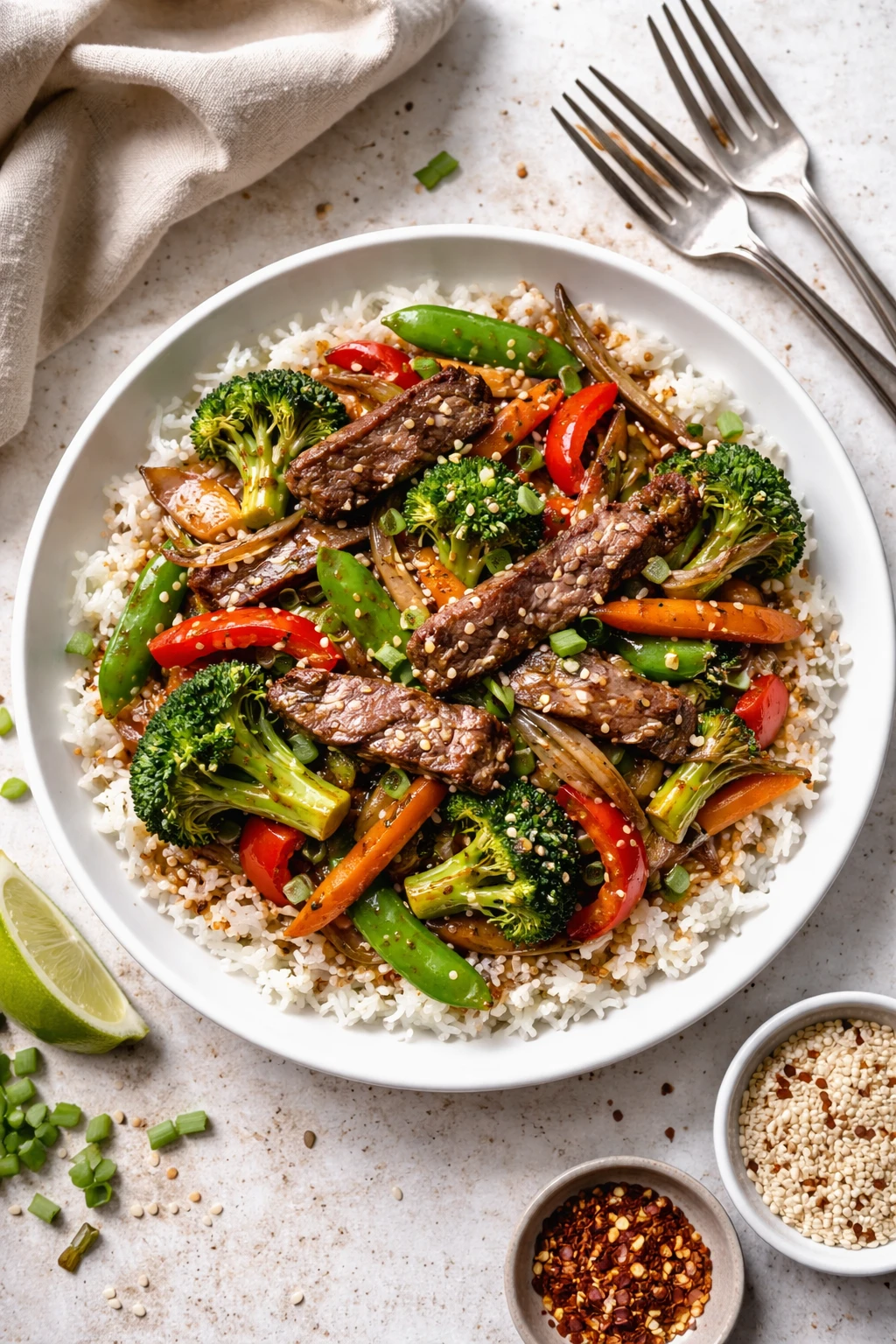
Serve the stir fry hot over steamed rice or noodles. Garnish with chopped scallions or sesame seeds if you like for an extra touch. Enjoy the contrast of textures and rich flavors in every bite. This meal comes together fast but tastes like you spent hours.
⏱ Time: 0 minutes
✓ Doneness: Dish is plated attractively and steaming hot
Pro Tips
Always preheat your pan until very hot before adding oil.
Preheating ensures the oil reaches the right temperature quickly, which promotes proper searing and prevents sticking. If the pan isn’t hot enough, the meat will steam rather than brown, resulting in less flavor and a soggy texture.
Resist stirring constantly; let ingredients sit briefly to sear.
Letting the chicken and vegetables sit undisturbed allows the Maillard reaction to develop, forming a flavorful crust. Constant stirring releases moisture, causing steaming and sogginess, which kills the crispy texture we want.
Slice chicken thinly and uniformly for even cooking.
Thin, even slices cook quickly and consistently, preventing dry or undercooked pieces. Uneven cuts lead to some meat overcooking while other parts remain raw, ruining the dish’s texture.
Use a wok or large skillet with high sides for best results.
A wok’s shape allows heat to concentrate at the bottom and provides ample space to toss ingredients without overcrowding. This helps maintain high heat and prevents steaming, ensuring crisp veggies and seared meat.
Add aromatics like garlic and ginger just before vegetables.
Garlic and ginger burn quickly at high heat, becoming bitter if added too early. Adding them right before the veggies infuses the dish with fresh flavor without overpowering or burning.
Don’t overcrowd the pan; cook in batches if needed.
Too many ingredients lower the pan temperature, causing steaming instead of frying. This results in soggy veggies and pale meat. Cooking in batches maintains heat and crispness.
Finish with a splash of sesame oil off the heat for aroma.
Sesame oil has a low smoke point and loses flavor if cooked too long. Adding it at the end preserves its nutty aroma, enhancing the dish’s overall taste.
Common Mistakes to Avoid
Overcrowding the pan during cooking
Why it happens Many cooks try to cook everything at once to save time, not realizing that crowding traps moisture and lowers pan temperature.
Fix Cook the chicken and vegetables in smaller batches to maintain high heat. This prevents steaming and ensures proper searing and crisp texture.
Stirring constantly throughout cooking
Why it happens People often think constant stirring prevents burning, but it actually releases moisture and stops browning.
Fix Let the ingredients sit undisturbed for a minute or two to develop a crust before tossing gently. This builds flavor and texture.
Adding sauces too early
Why it happens Some add soy or oyster sauce at the beginning, causing them to burn or become bitter.
Fix Add sauces near the end of cooking to preserve their bright, savory flavors and prevent bitterness.
Using low heat or not preheating the pan
Why it happens Rushing or neglecting preheating leads to steaming rather than frying.
Fix Always preheat the pan until very hot before adding oil and ingredients for proper searing.
Cutting chicken unevenly
Why it happens Uneven pieces cook at different rates, causing some to dry out or remain undercooked.
Fix Slice chicken thinly and uniformly to ensure even, quick cooking.
Variations
Beef and Snow Pea Stir Fry
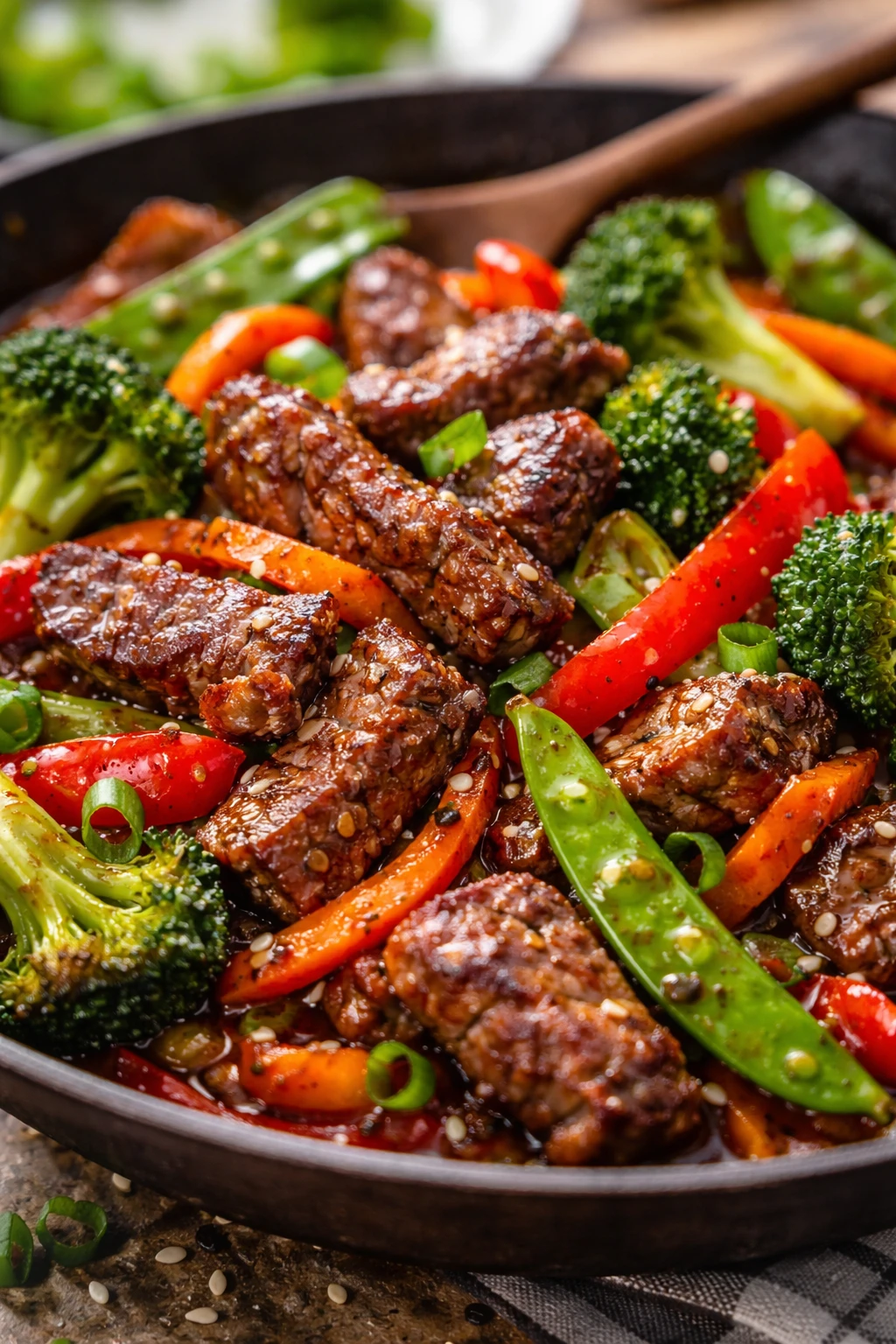
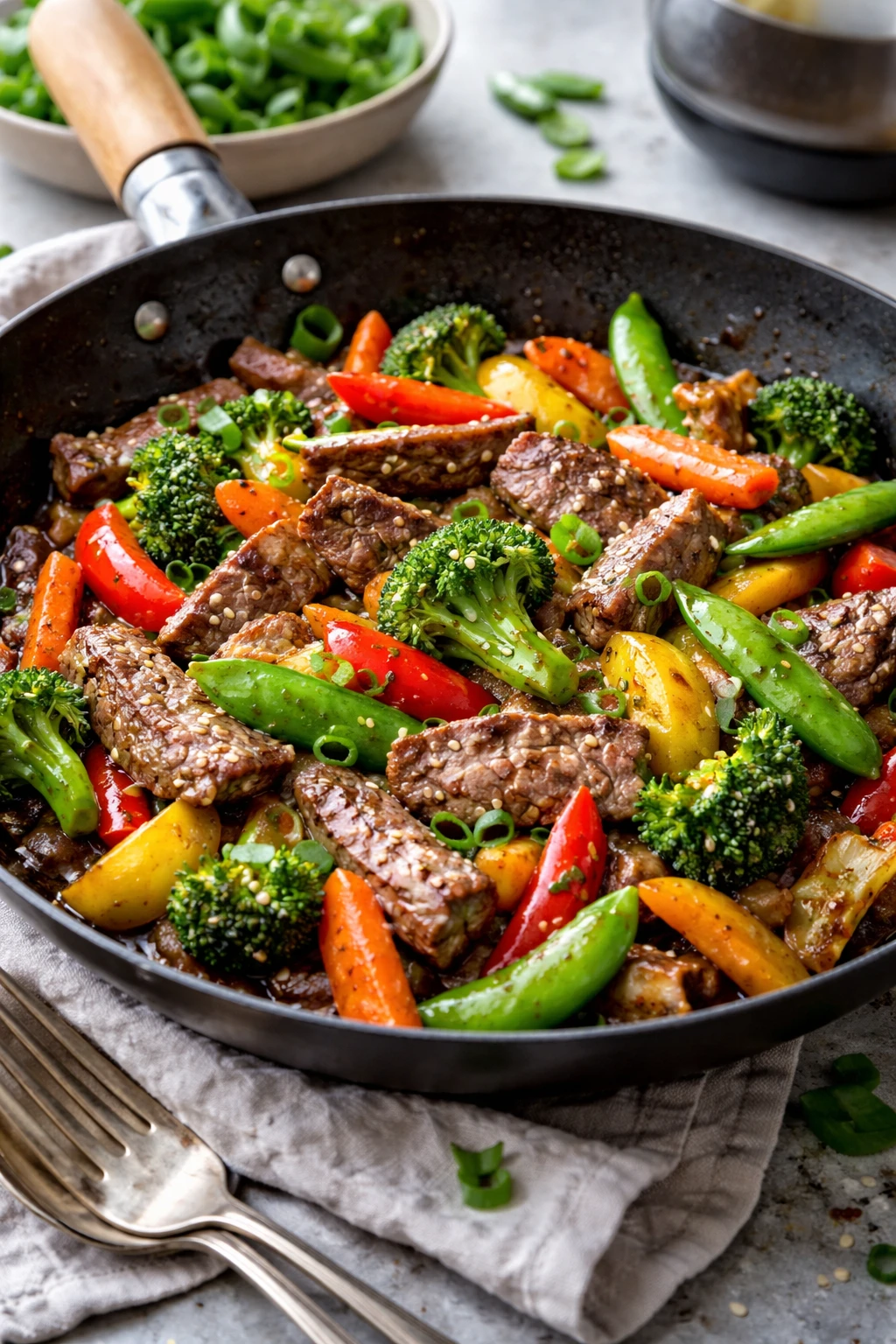
Swap chicken for thinly sliced flank steak and add snow peas instead of broccoli for a crisp, fresh twist. Marinate the beef briefly in soy sauce and garlic for extra flavor. The result is a richer, heartier stir fry with a lovely snap from the snow peas.
Note: Beef cooks faster than chicken; watch closely to avoid overcooking and tough texture.
Vegetarian Tofu Stir Fry
Replace meat with firm tofu pressed and cubed. Toss tofu in cornstarch before frying to create a crispy exterior. Add mushrooms and snap peas for more umami and crunch. This version is light, protein-packed, and perfect for meatless meals.
Note: Handle tofu gently to maintain cubes; frying at high heat crisps the outside while keeping it tender inside.
Spicy Szechuan Stir Fry
Add chili flakes or fresh chopped chilies with garlic and ginger for a spicy kick. Use Szechuan peppercorns for that signature numbing heat. This version adds bold flavors and a little heat, great for spice lovers.
Note: Adjust chili quantity to taste; add peppercorns early with aromatics to release oils.
Shrimp and Asparagus Stir Fry
Swap chicken for peeled shrimp and broccoli for asparagus tips. Shrimp cooks quickly and pairs beautifully with tender asparagus. This light, fresh stir fry is perfect for spring or summer dinners.
Note: Shrimp cooks very fast; add last and cook just until pink to avoid rubbery texture.
Peanut Sauce Stir Fry
Finish the dish with a homemade peanut sauce made from peanut butter, soy sauce, lime juice, and a touch of honey. This adds creamy richness and a slightly sweet note that complements the savory stir fry perfectly.
Note: Add peanut sauce off heat to prevent separating and maintain smooth texture.
Nutrition
Per Serving:
Nutritional values are estimates and may vary based on specific ingredients used.
Storage & Tips
Room Temperature
This stir fry can safely sit at room temperature for up to 2 hours if covered loosely with foil or a lid. Beyond that, bacteria growth increases rapidly, so refrigerate promptly.
Refrigerator
Store leftovers in an airtight container for up to 3 days. The veggies may soften slightly when cold, so reheat gently to restore some crispness. Adding a splash of water or broth before reheating helps keep it moist.
Freezer
Freeze in airtight containers for up to 2 months. To prevent freezer burn, wrap the container in foil or use vacuum sealing. Thaw overnight in the fridge before reheating to keep texture intact.
Reheating
Reheat gently on the stovetop over medium heat with a splash of water or broth to loosen sauce. Avoid microwaving at high power as it can overcook veggies and dry out chicken. Stir frequently until warmed through.
Make Ahead
You can slice chicken and prep all veggies 1-2 days ahead and store separately in the fridge. Mix sauces in advance. Cook everything on the day of serving for best texture and flavor.
FAQ
Can I use frozen vegetables for this stir fry?
Frozen vegetables can work but tend to release more water, which may make the stir fry soggy. If using frozen, thaw and pat dry thoroughly before cooking. Cook veggies quickly over high heat to evaporate excess moisture and retain some crunch.
What’s the best way to prevent chicken from sticking to the pan?
Make sure your pan and oil are properly preheated before adding the chicken. Also, avoid moving the chicken too soon; let it sear undisturbed for a couple of minutes to form a natural crust that releases easily.
Can I make this stir fry gluten-free?
Yes! Use tamari or a gluten-free soy sauce alternative instead of regular soy sauce, and check that your oyster sauce is gluten-free or substitute with mushroom sauce for umami flavor.
How do I make the veggies extra crunchy?
Use fresh, firm vegetables and cook them quickly over very high heat with minimal stirring. Avoid overcrowding the pan so they fry rather than steam. Adding a splash of cold water at the end and tossing quickly can also help maintain crispness.
Can I substitute chicken with another protein?
Absolutely! Thinly sliced beef, pork, shrimp, or tofu all work well. Adjust cooking times accordingly—shrimp cooks fastest, tofu benefits from pressing and cornstarch coating, and beef should be sliced very thin.
Why does my stir fry sometimes turn out soggy?
Sogginess usually results from overcrowding the pan, cooking at too low heat, or stirring too often. These cause the ingredients to steam rather than fry. Cook in batches and use high heat for best texture.
Can I prepare this dish ahead of time?
You can prep ingredients a day or two ahead, but it’s best to cook the stir fry fresh. Cooked stir fry can be stored and reheated, but some veggies may lose their crunch.
How do I thicken the stir fry sauce without changing flavor?
Mix a teaspoon of cornstarch with cold water to make a slurry and add it at the end of cooking. Stir until the sauce thickens and coats the ingredients. Don’t add too much or it will become gluey.
Final Thoughts
I hope you give this crispy stir fry a try—it’s a fast, fresh, and flavorful dinner that never disappoints. Let me know how yours turns out!