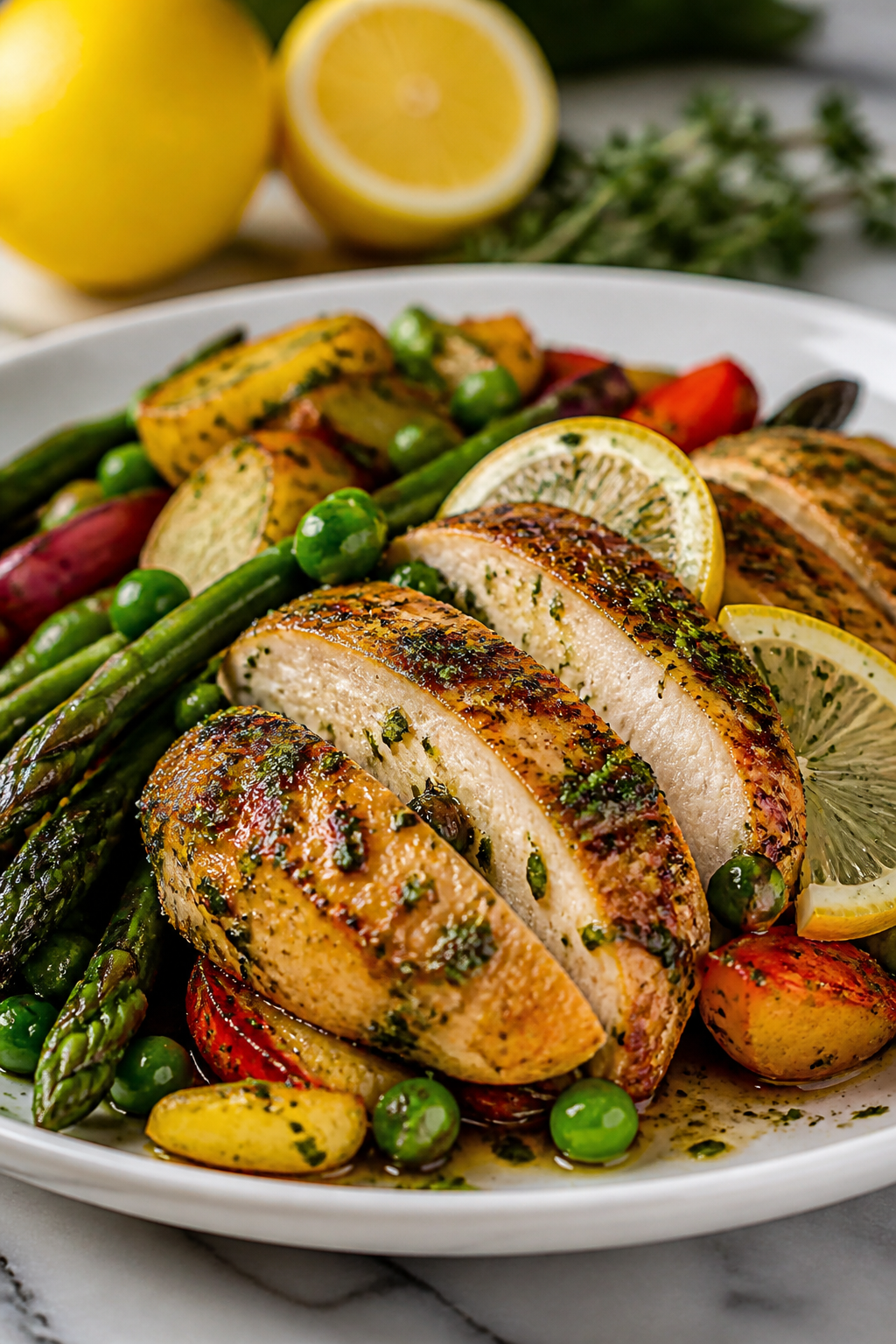
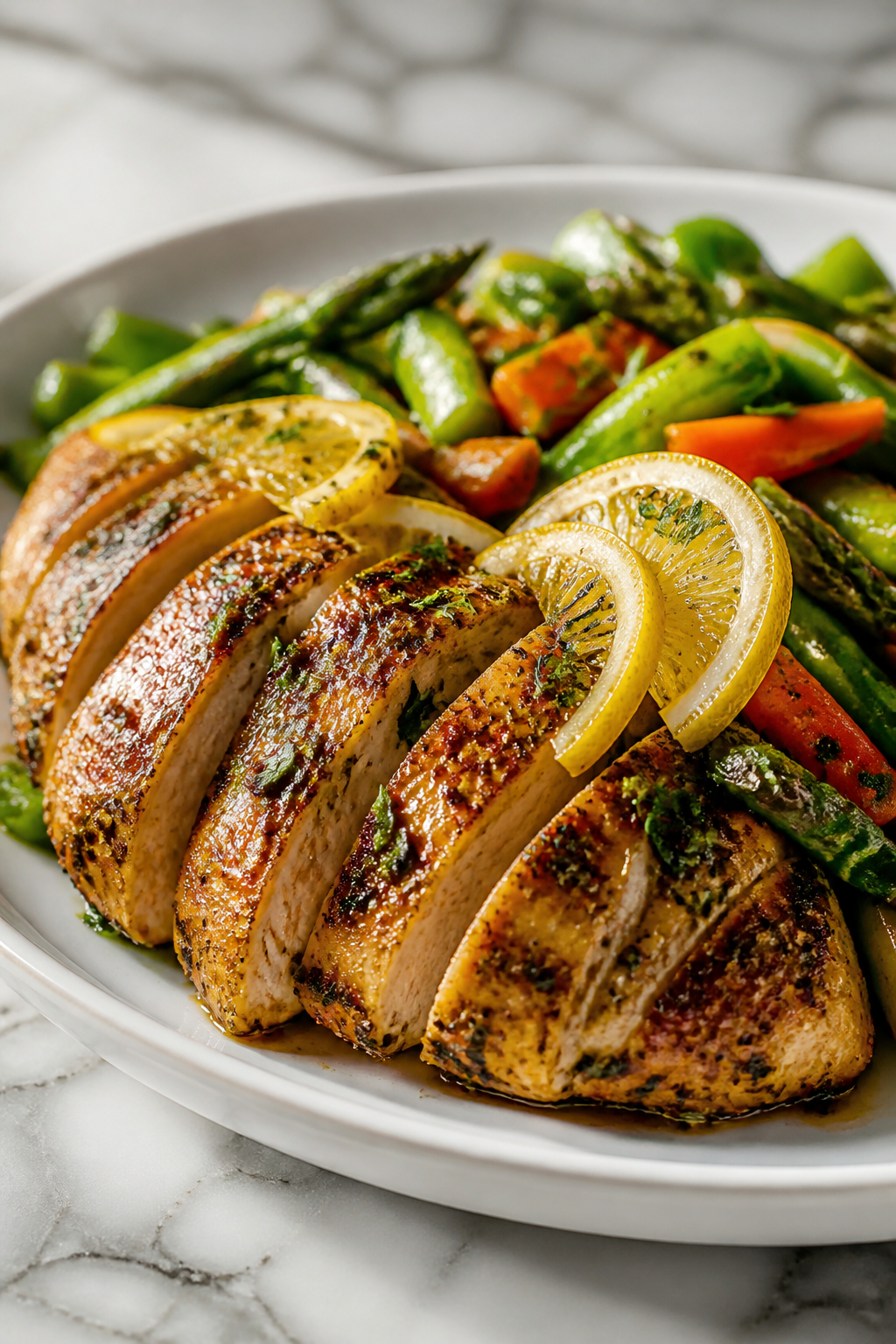
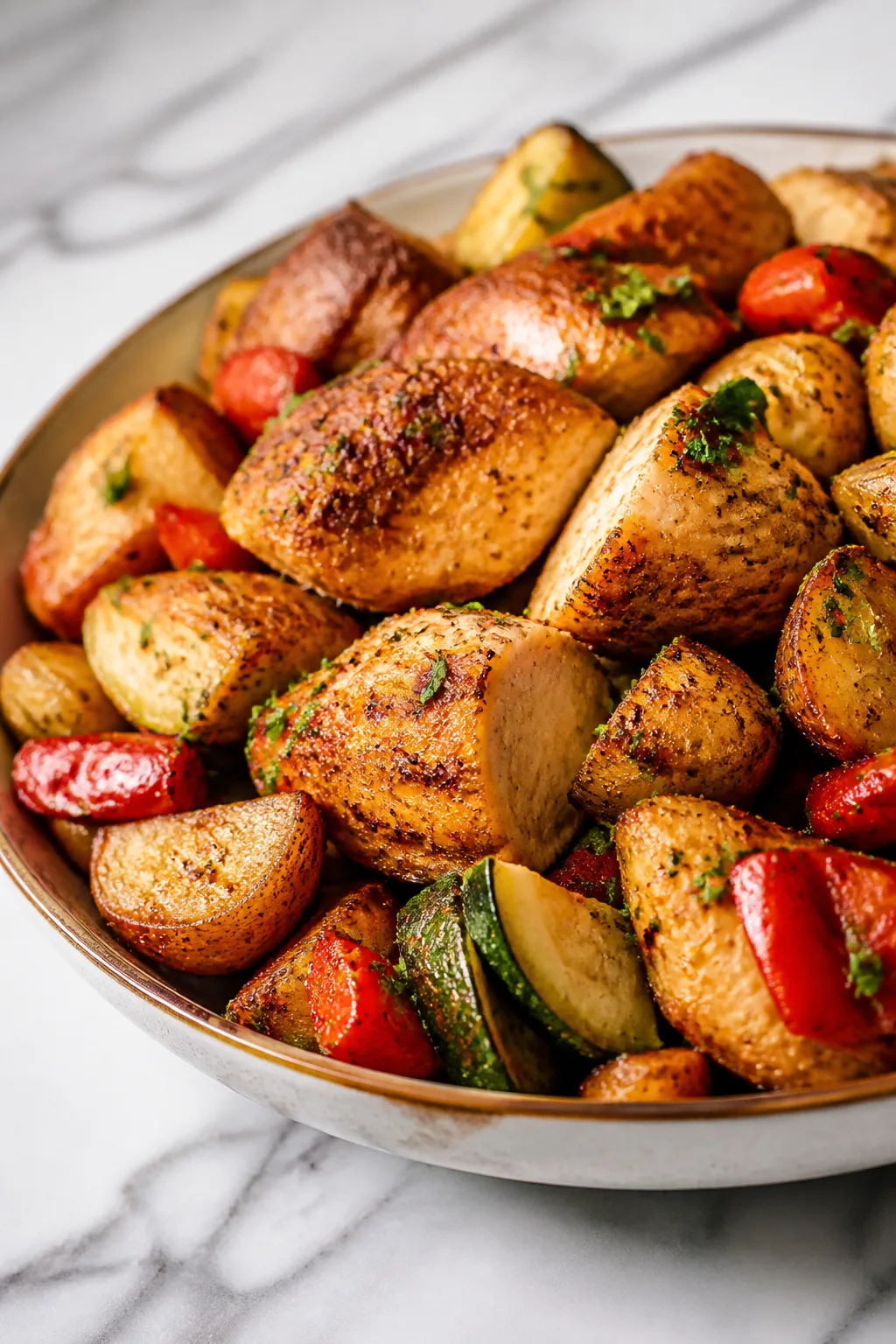
This lemon herb chicken is my quick-fix dinner when I want fresh flavors without fuss. The zingy lemon and fragrant herbs brighten tender spring veggies, making it light yet satisfying. Perfect for busy weeknights!
Introduction
I first made this lemon herb chicken on a hectic weeknight when I was craving something fresh but didn’t want to spend hours cooking. It quickly became my go-to because it’s bright, tangy, and pairs so well with spring veggies. What makes this version stand out is the combo of fresh lemon zest and juice with fragrant herbs like oregano and thyme—these layers of flavor really lift the chicken beyond your average pan-seared piece. I also learned that searing the chicken just right before adding the lemon helps seal in the juices, keeping it tender and juicy. Plus, cooking the veggies alongside the chicken means everything finishes together, making cleanup a breeze. When it’s done, you get juicy, lemony chicken with crisp-tender veggies that still have that fresh snap. It’s light but satisfying, perfect for those busy nights when you want a quick but impressive dinner. I love how the cherry tomatoes add a subtle sweetness that balances the tart lemon. Give it a try—you might find it becomes your new favorite weeknight meal too!
How To Do It
Step 1
Start by patting the chicken breasts dry with paper towels; this helps achieve a nice golden crust when cooking. Season both sides generously with salt, pepper, oregano, and thyme. Heat the olive oil in a large skillet over medium-high heat until shimmering. Adding the chicken to a hot pan creates a sear that locks in juices, so don’t crowd the pan—cook in batches if needed. Sear the chicken on the first side without moving it for about 4-5 minutes until golden brown and releasing easily from the pan. Flip and sear the other side for 3 minutes. This step is crucial for flavor and texture, so watch the heat and avoid overcrowding to prevent steaming instead of searing.
⏱ Time: 10
✓ Doneness: Chicken has a deep golden crust and releases easily from the pan
Step 2
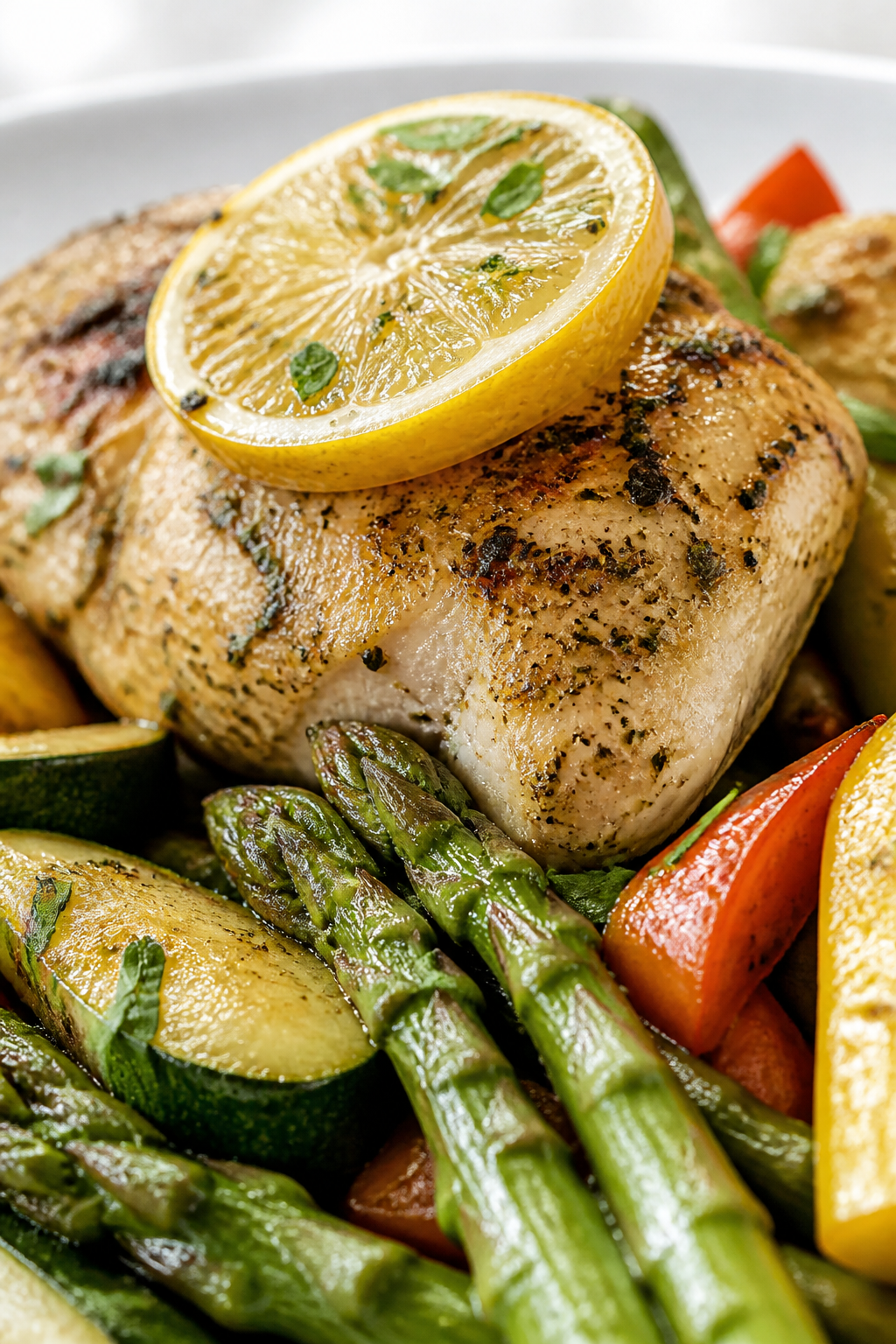
Reduce the heat to medium, then add the minced garlic to the pan, stirring quickly so it doesn’t burn—garlic cooks fast and can turn bitter if overdone. Immediately squeeze in the lemon juice and sprinkle the zest over the chicken. Toss in the asparagus, sugar snap peas, and cherry tomatoes around the chicken. The lemon juice brightens the dish, while the veggies add freshness and texture. Cover the pan and let everything cook together for 5-7 minutes, stirring veggies halfway through. This gentle steaming softens the veggies while preserving their snap. Don’t rush this step or the chicken might dry out; the covered pan traps steam and melds flavors beautifully.
⏱ Time: 8
✓ Doneness: Veggies are tender-crisp and chicken reaches an internal temp of 165°F
Step 3
Remove the pan from heat and let the chicken rest for 5 minutes in the skillet; this allows the juices to redistribute, keeping the meat moist. While resting, sprinkle chopped fresh parsley over everything for a fresh herbal finish. Resting is often overlooked but critical for juicy chicken. Serve the lemon herb chicken with the spring veggies spooned over or alongside. The vibrant colors and fresh flavors make it a feast for the eyes and palate. Enjoy immediately for best texture and flavor.
⏱ Time: 5
✓ Doneness: Chicken juices run clear and veggies remain vibrant in color
Step 4
If you’re cooking for more than four, keep cooked chicken warm in a low oven (about 200°F) while you finish the veggies in batches. This prevents drying out and ensures everything is served hot. For even cooking, cut chicken breasts to uniform thickness before seasoning. This helps the pieces cook evenly without overcooking thinner parts.
⏱ Time: 5
✓ Doneness: Chicken stays warm without drying or toughening
Step 5
To add more depth, you can deglaze the pan after removing the chicken by pouring in a splash of chicken broth or white wine, scraping up browned bits. Let it reduce slightly and pour over the chicken and veggies before serving. This adds extra flavor and a subtle sauce that complements the lemon and herbs.
⏱ Time: 3
✓ Doneness: Pan sauce is slightly thickened and glossy
Step 6
For a creamier touch, stir in a tablespoon of unsalted butter at the end while the pan is still warm. It melts into the veggies and chicken, rounding out the flavors and adding richness without heaviness.
⏱ Time: 2
✓ Doneness: Butter is fully melted and coats ingredients lightly
Step 7
If you want to make this gluten-free, just double-check your dried herbs don’t have any additives and use a gluten-free broth if deglazing. This recipe naturally suits gluten-free diets, which is great for guests or family members with sensitivities.
⏱ Time: 1
✓ Doneness: Ingredients remain naturally gluten-free
Step 8
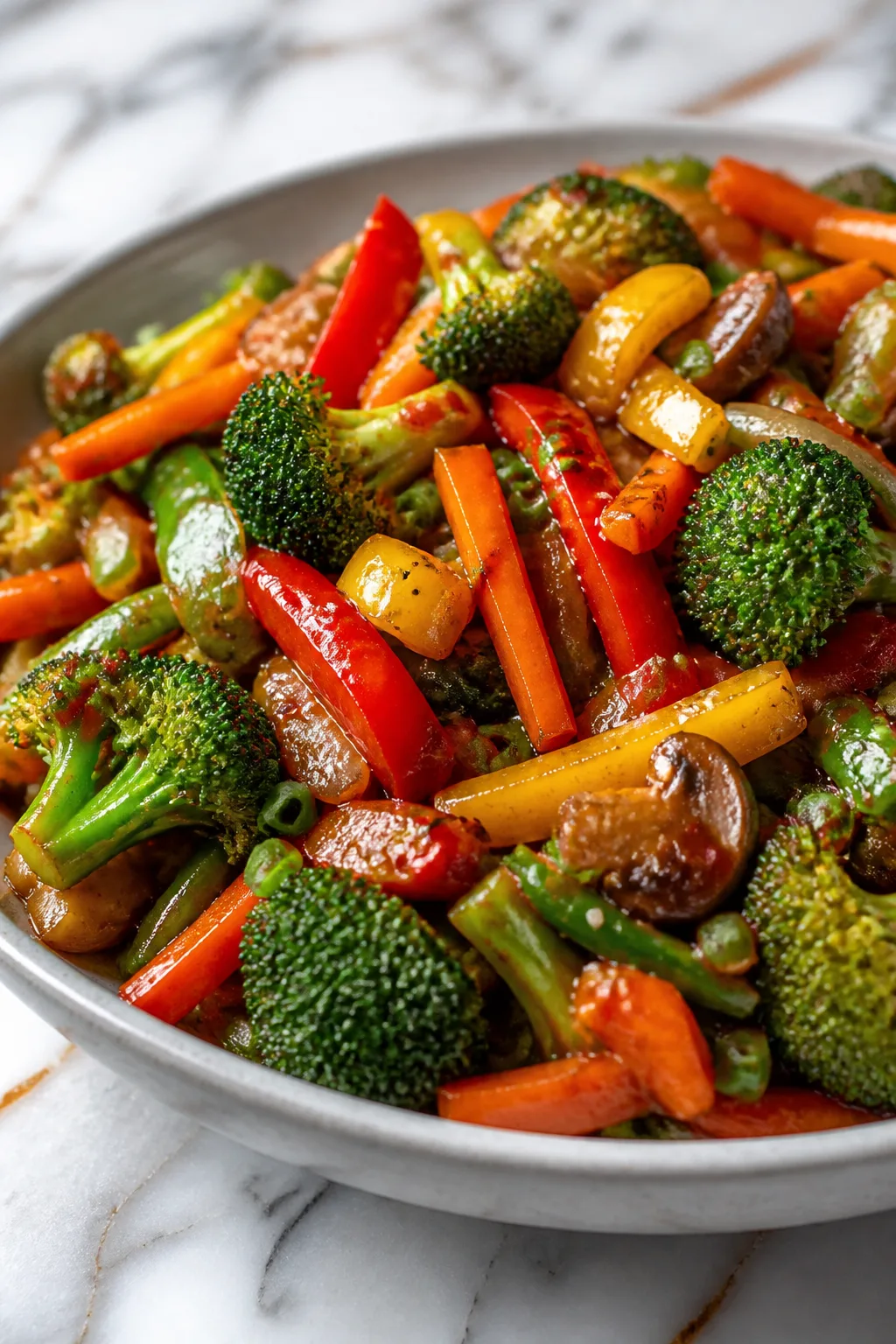
To get perfectly cooked veggies, keep an eye on their color and texture as they steam—overcooked veggies turn mushy and lose vibrancy. Aim for bright green asparagus and snap peas with a slight crunch, and tomatoes just softened. This balance keeps the dish fresh and appealing.
⏱ Time: 7
✓ Doneness: Veggies are tender but still crisp and colorful
Step 9
Finally, serve this dish with a wedge of lemon on the side for anyone who wants an extra splash of brightness. It’s a simple touch that really lifts the dish at the table and lets each person customize their flavor.
⏱ Time: 1
✓ Doneness: Lemon wedges are fresh and juicy
Pro Tips
Always pat chicken dry before seasoning and searing.
Removing surface moisture allows the chicken to brown properly instead of steaming. This creates a flavorful crust and seals in juices, resulting in tender, juicy meat rather than dry or rubbery texture.
Don’t add garlic too early in the pan.
Garlic cooks quickly and burns easily, turning bitter. Adding it just before the lemon juice ensures it releases its aroma without overcooking, preserving a bright, fresh garlic flavor.
Use fresh lemon zest and juice, not bottled.
Zest contains essential oils that add fragrance and complexity, while fresh juice provides bright acidity. Bottled lemon juice lacks these nuances and can taste flat or overly sour.
Cook veggies covered with the chicken to steam gently.
Covering traps steam that cooks vegetables quickly while preserving their vibrant color and crisp texture. This method also infuses them with the lemon herb flavors.
Let chicken rest after cooking.
Resting allows juices to redistribute inside the meat, keeping it moist and tender. Cutting into chicken immediately causes juices to run out, resulting in dryness.
Use a heavy-bottomed skillet for even heat.
A sturdy pan retains heat well and distributes it evenly, preventing hot spots that can burn chicken or veggies. This ensures uniform cooking and better browning.
Trim vegetables to uniform sizes.
Cutting veggies into similar sizes ensures they cook evenly in the same time frame, preventing some pieces from being undercooked while others are mushy.
Common Mistakes to Avoid
Overcrowding the pan when searing chicken.
Why it happens People often want to cook all the chicken at once to save time, but overcrowding lowers pan temperature and causes steaming instead of browning.
Fix Cook chicken in batches if needed to maintain high heat and proper sear. This creates that tasty golden crust and seals in juices.
Adding lemon juice too early and cooking it down.
Why it happens Some cooks add lemon juice at the start, but prolonged cooking dulls its bright flavor.
Fix Add lemon juice near the end of cooking to preserve its fresh acidity and aroma.
Burning garlic by adding it too soon or cooking over too high heat.
Why it happens Garlic is delicate and burns quickly, becoming bitter and unpleasant.
Fix Add garlic after searing chicken and reduce heat to medium before stirring to avoid burning.
Not resting chicken after cooking.
Why it happens Eagerness to eat leads to slicing chicken immediately, causing juices to escape.
Fix Let chicken rest for about 5 minutes so juices redistribute and meat stays moist.
Overcooking spring vegetables until mushy.
Why it happens Trying to cook veggies thoroughly can leave them limp and dull in color.
Fix Cook veggies just until tender-crisp, maintaining bright color and fresh texture.
Variations
Add a Spicy Kick with Red Pepper Flakes
If you like a little heat, sprinkle red pepper flakes over the chicken before searing. This adds a subtle spicy warmth that complements the lemon and herbs nicely without overpowering the dish.
Note: Add flakes with the dried herbs during seasoning to infuse flavor evenly.
Swap Chicken Breasts for Thighs
Using boneless skinless chicken thighs adds extra juiciness and a richer flavor. Thighs are more forgiving if slightly overcooked and work well with the lemon herb flavors.
Note: Adjust cooking time slightly—thighs may need a couple minutes longer to reach safe temperature.
Make It a One-Pan Meal with Baby Potatoes
Add halved baby potatoes to the pan with the veggies for a heartier meal. Parboil potatoes beforehand to ensure they cook through alongside the chicken and veggies.
Note: Parboil potatoes for 8-10 minutes until just tender before adding them to the skillet.
Use Fresh Herbs Instead of Dried
Swap dried oregano and thyme for fresh chopped herbs added at the end of cooking. This provides a more vibrant, garden-fresh flavor and a nice textural contrast.
Note: Add fresh herbs after removing from heat to preserve their delicate flavors.
Serve Over Quinoa or Rice for a Complete Meal
Turn this into a full dinner by serving the lemon herb chicken and veggies over cooked quinoa or rice. The grains soak up the lemony juices and make it more filling.
Note: Prepare grains separately while cooking chicken to keep textures distinct.
Nutrition
Per Serving:
Nutritional values are estimates and may vary based on specific ingredients used.
Storage & Tips
Room Temperature
This dish can safely sit out at room temperature for up to 2 hours if covered loosely with foil or a clean towel. Beyond that, bacteria growth increases, so refrigerate promptly.
Refrigerator
Store leftovers in an airtight container for up to 3 days. The chicken may firm up slightly when cold; reheat gently to keep it moist. Veggies may lose some crispness but still taste great.
Freezer
Freeze cooked chicken and veggies separately in airtight freezer bags for up to 2 months. Wrap tightly to prevent freezer burn. Thaw overnight in the fridge before reheating.
Reheating
Reheat gently on the stovetop over low heat with a splash of water or broth to keep chicken moist. Alternatively, microwave covered in short bursts, checking frequently to avoid drying out.
Make Ahead
You can marinate and season the chicken 1 day ahead and keep covered in the fridge. Chop veggies in advance and store in a sealed container. Cooking everything fresh on the day ensures best texture and flavor.
FAQ
Can I use chicken thighs instead of breasts?
Absolutely! Boneless skinless thighs are juicier and more forgiving if slightly overcooked. Just increase cooking time by a few minutes until they reach an internal temp of 165°F. The lemon herb flavors work beautifully with thighs as well.
What if I don’t have fresh lemon?
Fresh lemon juice and zest really brighten the dish, but in a pinch, bottled lemon juice can work. Just avoid using too much since it’s more concentrated and lacks zest oils. Adding a bit of lemon zest powder can help mimic fresh zest aroma.
Can I make this recipe gluten-free?
Yes! This recipe is naturally gluten-free as long as you use gluten-free dried herbs and broth if deglazing. Double-check labels to avoid hidden gluten.
How do I keep the veggies crisp-tender?
Cook them covered with the chicken to trap steam, and watch cooking time carefully—about 5-7 minutes is usually perfect. Overcooking will make them mushy and dull in color.
Can I prepare this ahead of time?
You can marinate and season chicken a day ahead and chop veggies in advance. However, for best texture, cook everything fresh the day you plan to eat it.
What sides go well with this dish?
Light grains like quinoa, brown rice, or couscous complement the lemon herb chicken well. A simple green salad or crusty bread also pairs nicely.
How do I avoid burning the garlic?
Add garlic after searing the chicken and reduce heat to medium. Stir it quickly so it softens but doesn’t brown excessively, which causes bitterness.
Is it okay to skip the resting step?
Resting is important—it lets juices redistribute, keeping chicken moist. Skipping it often leads to dry meat, so I recommend letting it rest 5 minutes before slicing.
Final Thoughts
Give this lemon herb chicken a try on your next busy night—you’ll love how fresh and satisfying it is! Don’t forget to share how it turns out for you.