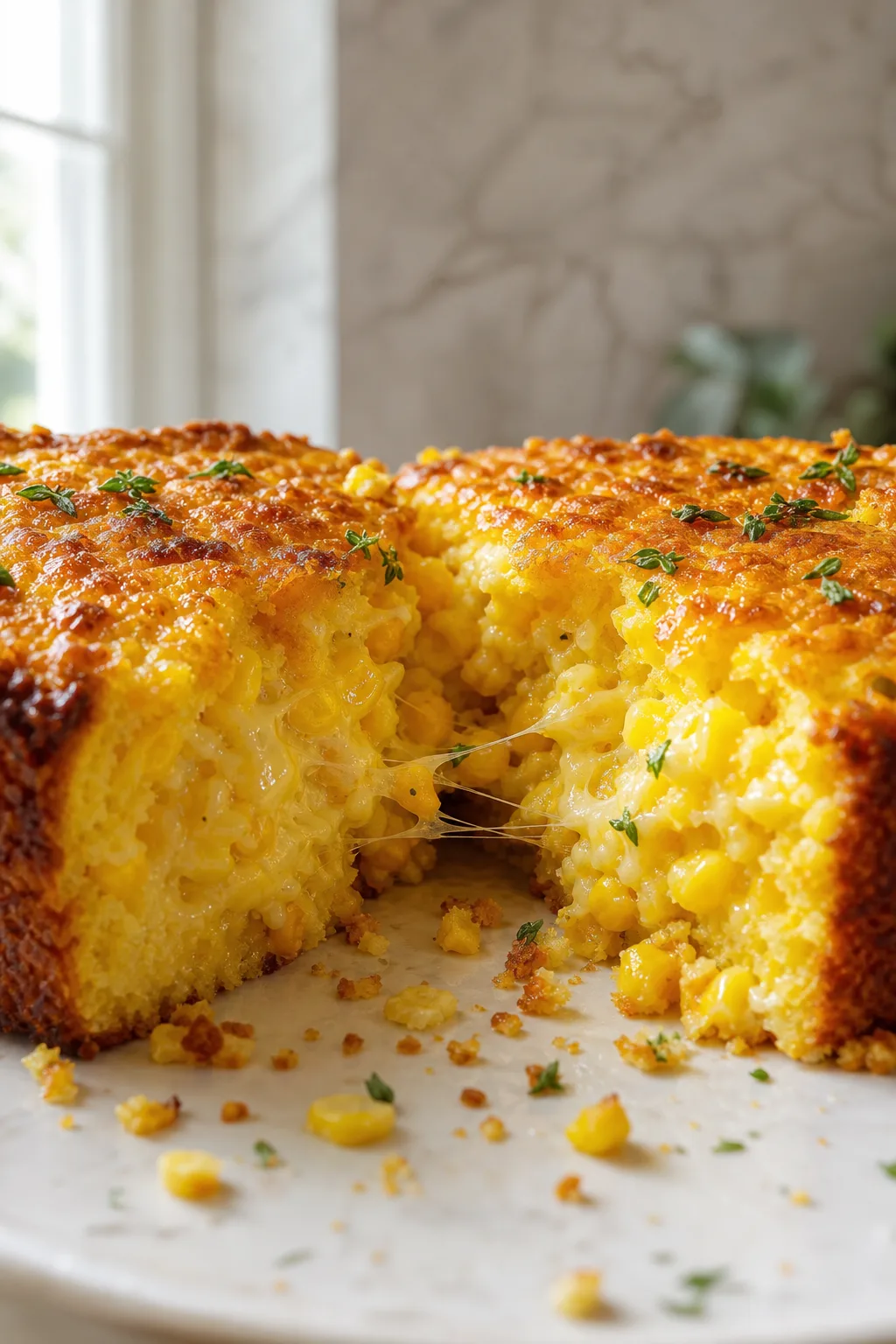
This baked corn casserole is a comforting side that feels like a warm hug. Fresh corn kernels and melty cheese make it creamy and rich without using any boxed mixes. It’s perfect for cozy family dinners or holiday feasts!
Introduction
I first made this baked corn casserole years ago when I wanted a comforting side that felt homemade but was still easy enough for a weeknight. I’d always been a fan of the boxed jiffy mix versions growing up, but this recipe skips the mix entirely and uses fresh corn kernels and real cheese for a richer, fresher flavor. What sets this casserole apart is how creamy it is without being heavy — the sour cream and milk blend into a silky base that lets the sweetness of the corn really shine. Plus, adding eggs and baking powder gives it a lovely puff and light texture that holds together well. One time I tried rushing the baking time, and it came out too wet, so I’ve learned to be patient and let it cook through for that perfect custardy feel. When it’s done, the top has a golden crust and the inside is creamy and cheesy with little bursts of fresh corn in every bite. It’s become a staple at my family dinners and holiday meals, and I love how it pairs with just about any main dish. Honestly, it’s the kind of side that feels like a warm hug in food form, and I’m excited to share it with you!
How To Do It
Step 1
Preheat your oven to 350°F (175°C) and lightly grease a 9x9-inch baking dish with butter or nonstick spray. This step ensures your casserole won’t stick and helps develop a nice crust on the edges as it bakes. Taking the time to prepare the dish properly means your casserole will bake evenly and release easily once done.
⏱ Time: 10 minutes
✓ Doneness: The baking dish is evenly coated with butter or spray, no dry spots visible
Step 2
In a large bowl, whisk together the eggs, sour cream, milk, and melted butter until smooth and well combined. This mixture forms the creamy custard base of the casserole. Be sure the sour cream is at room temperature to prevent lumps and to blend smoothly with the other wet ingredients.
⏱ Time: 5 minutes
✓ Doneness: Mixture is smooth, slightly thick, and uniform in color
Step 3
Add the flour, sugar, baking powder, salt, and pepper to the wet ingredients and whisk gently until just combined. Avoid overmixing here to keep the casserole tender; overworked flour can make it tough. The baking powder will help give the casserole a light rise and fluffy texture.
⏱ Time: 5 minutes
✓ Doneness: Batter is uniform but slightly thick, no large lumps of flour
Step 4
Fold in the fresh corn kernels and shredded cheddar cheese using a spatula. Folding gently preserves the texture of the corn and evenly distributes the cheese without deflating the mixture. The fresh kernels add bursts of sweetness and texture, while the cheese melts into creamy pockets throughout the casserole.
⏱ Time: 3 minutes
✓ Doneness: Corn and cheese are evenly dispersed without breaking kernels
Step 5
Pour the mixture into your prepared baking dish and smooth the top with a spatula. Even surface helps the casserole cook uniformly and develop a golden crust on top. Don’t rush this step — take a moment to level the batter so it bakes evenly.
⏱ Time: 3 minutes
✓ Doneness: Batter is evenly spread with a smooth surface
Step 6
Bake uncovered in the preheated oven for 40-45 minutes. The key here is patience — baking low and slow lets the custard set without drying out. You’ll see the edges turn golden and the top get a slight crust. Avoid opening the oven door frequently to maintain temperature and prevent the casserole from collapsing.
⏱ Time: 40-45 minutes
✓ Doneness: Top is lightly golden and a toothpick inserted near the center comes out mostly clean with a few moist crumbs
Step 7
Once baked, remove the casserole from the oven and let it rest for 10-15 minutes. Resting allows the custard to finish setting, making it easier to cut and serve. If you cut it too soon, the casserole might be too soft and fall apart on the plate.
⏱ Time: 10-15 minutes
✓ Doneness: Casserole firms up slightly and edges pull away from the dish
Step 8
Cut into squares and serve warm. This casserole is fantastic alongside roasted meats, grilled chicken, or even a fresh salad. It also reheats well if you have leftovers, keeping the creamy texture intact. Try not to overheat when reheating to avoid drying it out.
⏱ Time: 5 minutes
✓ Doneness: Squares hold their shape and are warm throughout
Step 9
Optional: Garnish with chopped fresh herbs like parsley or chives before serving for a fresh pop of color and flavor. This simple touch brightens the casserole and adds a little freshness to balance the richness.
⏱ Time: 2 minutes
✓ Doneness: Herbs look vibrant and fresh on top of casserole
Pro Tips
Use room temperature eggs and sour cream for a smooth custard.
Cold eggs or sour cream can cause the mixture to curdle or have lumps, which affects the smoothness of the custard base. Letting ingredients come to room temperature helps them blend evenly, ensuring a creamy, uniform texture in the baked casserole.
Don’t overmix once flour is added to keep the casserole tender.
Overmixing flour develops gluten, which can make the casserole dense and chewy rather than light and tender. Mixing just until combined preserves a soft texture and allows the baking powder to do its job creating a gentle rise.
Let the casserole rest after baking before slicing.
Resting allows the custard to finish setting and prevents it from falling apart when cut. Cutting too soon results in a loose, watery texture. A 10-15 minute rest time firms up the casserole for clean slices and better presentation.
Use fresh corn kernels rather than canned for best flavor and texture.
Fresh corn offers natural sweetness and a crisp bite that canned corn lacks. Canned corn often contains added salt or preservatives, altering the flavor. Plus, fresh kernels retain better texture, making the casserole more vibrant and enjoyable.
Grease your baking dish well to prevent sticking.
A well-greased dish ensures the casserole releases easily after baking and develops a nice crust on the edges. Skimping on greasing can cause sticking, tearing the casserole and making serving difficult.
Avoid opening the oven door frequently while baking.
Opening the oven door lets heat escape, causing temperature fluctuations that may prevent the casserole from setting properly. Keep the door closed until near the end of baking for even cooking and a perfect custard.
Use sharp cheddar for a bold flavor that balances the sweetness.
Mild cheeses can make the casserole taste bland. Sharp cheddar provides a tangy contrast to the sweet corn and creamy custard, elevating the overall taste and making it more interesting.
Common Mistakes to Avoid
Skipping the resting time after baking
Why it happens Many cooks want to serve the casserole immediately, especially when hungry, and assume it’s ready right out of the oven.
Fix Allow the casserole to rest for at least 10-15 minutes to let the custard finish setting. This step firms up the texture, making it easier to slice and preventing the casserole from falling apart on the plate.
Using cold sour cream or eggs straight from the fridge
Why it happens It’s easy to add ingredients directly from the fridge without planning ahead.
Fix Bring eggs and sour cream to room temperature before mixing. This helps them blend smoothly with the other ingredients and prevents lumps or curdling in the custard base.
Overmixing the batter after adding flour
Why it happens Beginners often think the batter needs to be very smooth and mix thoroughly.
Fix Mix just until the flour disappears to avoid developing gluten, which makes the casserole tough. Gentle folding preserves tenderness and light texture.
Rushing the baking time
Why it happens Impatience or oven temperature variations can tempt cooks to remove the casserole early.
Fix Bake for the full 40-45 minutes at 350°F. The custard needs time to set and the top to develop a golden crust. Use a toothpick test to check doneness rather than guessing.
Not greasing the baking dish properly
Why it happens Sometimes overlooked or underestimated, especially when using nonstick pans.
Fix Grease your dish thoroughly with butter or spray to prevent sticking and ensure easy serving. It also helps create a delicious crust on the edges.
Variations
Spicy Jalapeño Corn Casserole
Add finely chopped jalapeños and a pinch of cayenne pepper to the batter for a spicy kick. This variation pairs beautifully with Tex-Mex dishes and adds warmth and complexity to the creamy corn casserole.
Note: Adjust the amount of jalapeños to control heat; be sure to remove seeds for milder spice. Bake time remains the same.
Bacon and Cheddar Corn Casserole
Fold in cooked, crumbled bacon for smoky flavor and extra savory notes. This version is perfect for brunch or as a hearty side with grilled meats, adding texture and richness.
Note: Drain bacon well to avoid excess grease, which can alter the custard texture. No change to baking time.
Cream Cheese Corn Casserole
Replace half the sour cream with softened cream cheese for an ultra-rich, velvety texture. This makes the casserole even creamier and a bit tangier, perfect for special occasions.
Note: Beat cream cheese until smooth before mixing to avoid lumps. Baking time stays consistent.
Herbed Corn Casserole with Fresh Parsley and Thyme
Add chopped fresh herbs like parsley and thyme to the mixture for a fresh, aromatic twist. This brightens the dish and complements roasted poultry or pork beautifully.
Note: Fold herbs in gently to preserve their flavor and color. Herbs don’t affect baking time.
Vegan Corn Casserole
Use plant-based milk, vegan sour cream, and an egg replacer to make this casserole vegan-friendly. Nutritional yeast can replace cheese for a cheesy flavor without dairy.
Note: Expect a slightly different texture; bake at 350°F but check doneness as times may vary slightly.
Nutrition
Per Serving:
Nutritional values are estimates and may vary based on specific ingredients used.
Storage & Tips
Room Temperature
This casserole can safely sit covered at room temperature for up to 2 hours. Beyond that, refrigerate to prevent bacterial growth.
Refrigerator
Store leftovers in an airtight container for up to 4 days. The casserole may firm up and lose some creaminess when cold but reheats beautifully.
Freezer
Freeze in a sealed container for up to 2 months. Wrap tightly with foil or plastic wrap first to prevent freezer burn. Thaw overnight in the fridge before reheating.
Reheating
Reheat gently in a 325°F oven for 15-20 minutes until warmed through. Add a splash of milk if it seems dry. Avoid microwaving too long to prevent drying out.
Make Ahead
Prepare the batter up to 1 day ahead and store in the fridge. Pour into the baking dish just before baking. This saves time on busy days without compromising texture.
FAQ
Can I use frozen or canned corn instead of fresh?
Yes, you can substitute frozen or canned corn if fresh isn’t available. If using frozen, thaw and drain thoroughly to avoid excess moisture that can make the casserole watery. For canned corn, drain well and rinse to reduce saltiness. The texture will be slightly different but still tasty.
What can I do if my casserole is too watery after baking?
Watery casserole usually means there was too much moisture in the mixture or it wasn’t baked long enough. Make sure to drain any canned or frozen corn well. Also, bake the casserole until a toothpick comes out mostly clean and let it rest to set. If it’s still watery, try baking a little longer uncovered.
Can I make this casserole ahead of time?
Absolutely! You can mix the batter and store it in the fridge for up to 24 hours before baking. Just pour it into the baking dish and bake as directed when ready. This makes it easy to prep for holiday meals or busy weeknights.
What’s the best way to reheat leftovers?
Reheat leftovers in the oven at 325°F for 15-20 minutes until warmed through. Cover with foil to keep moisture in. Adding a splash of milk before reheating helps restore creaminess. Avoid microwaving for too long as it can dry out the casserole.
Can I use a different cheese instead of cheddar?
Yes! Monterey Jack, Colby, or even a mild mozzarella can work well. Choose cheeses that melt smoothly for the best texture. Stronger cheeses will change the flavor profile, so pick one you enjoy with corn.
Why do I need baking powder in this recipe?
Baking powder provides a gentle lift and lightness, preventing the casserole from being too dense. It creates tiny air pockets as it reacts with the wet ingredients, giving the custard a tender, fluffy texture.
Is it possible to make this casserole gluten-free?
Yes, you can substitute the all-purpose flour with a gluten-free blend that measures cup-for-cup. Be mindful that texture might vary slightly, but the casserole will still be delicious and creamy.
What if I don’t have sour cream? Can I substitute it?
You can substitute sour cream with plain Greek yogurt or crème fraîche for a similar tang and creaminess. Avoid using low-fat or non-dairy substitutes unless you adjust moisture content, as it can affect texture.
Final Thoughts
I hope you enjoy this cozy baked corn casserole as much as my family does! Give it a try and let me know how it turns out — I’d love to hear your thoughts and any tweaks you make.