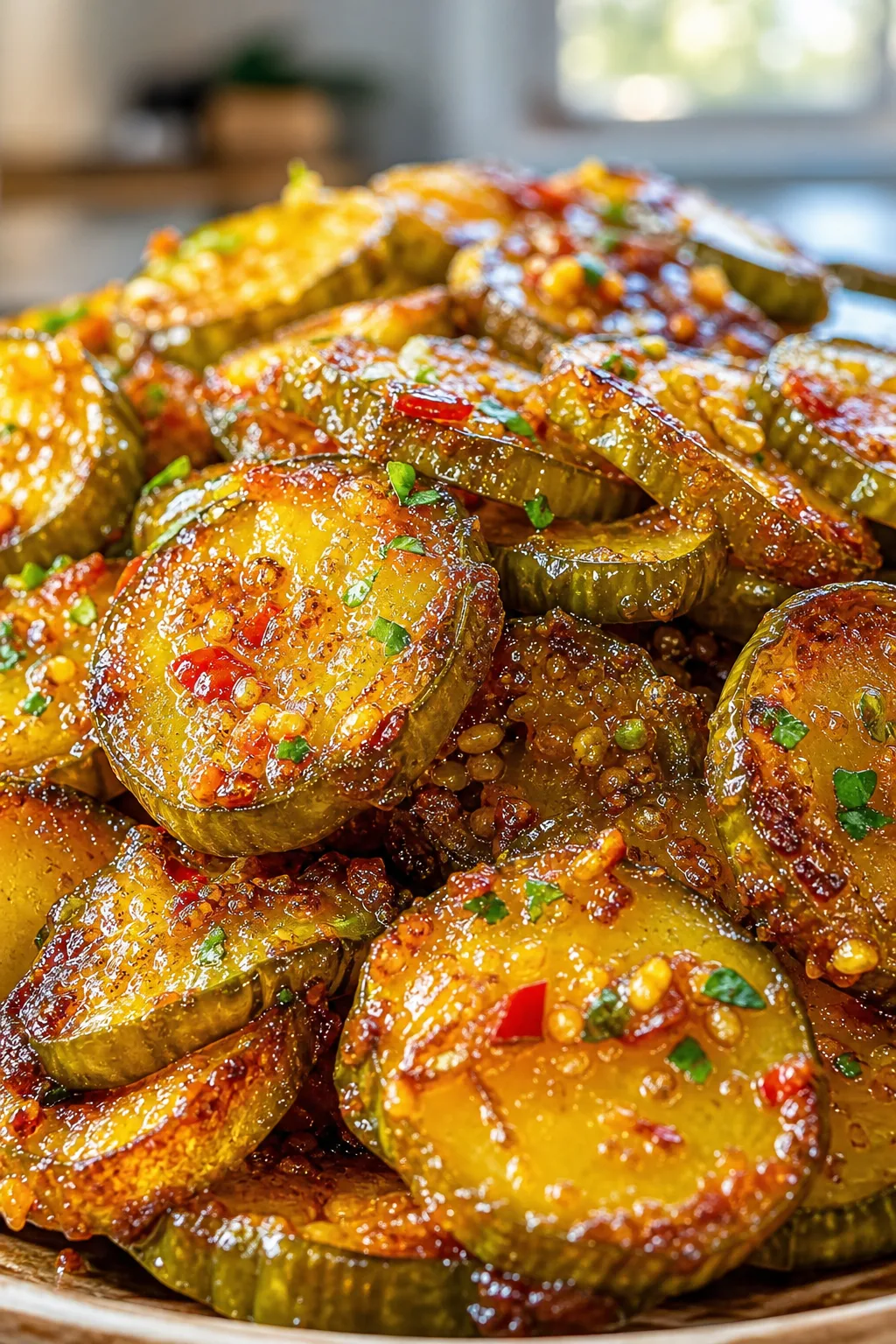
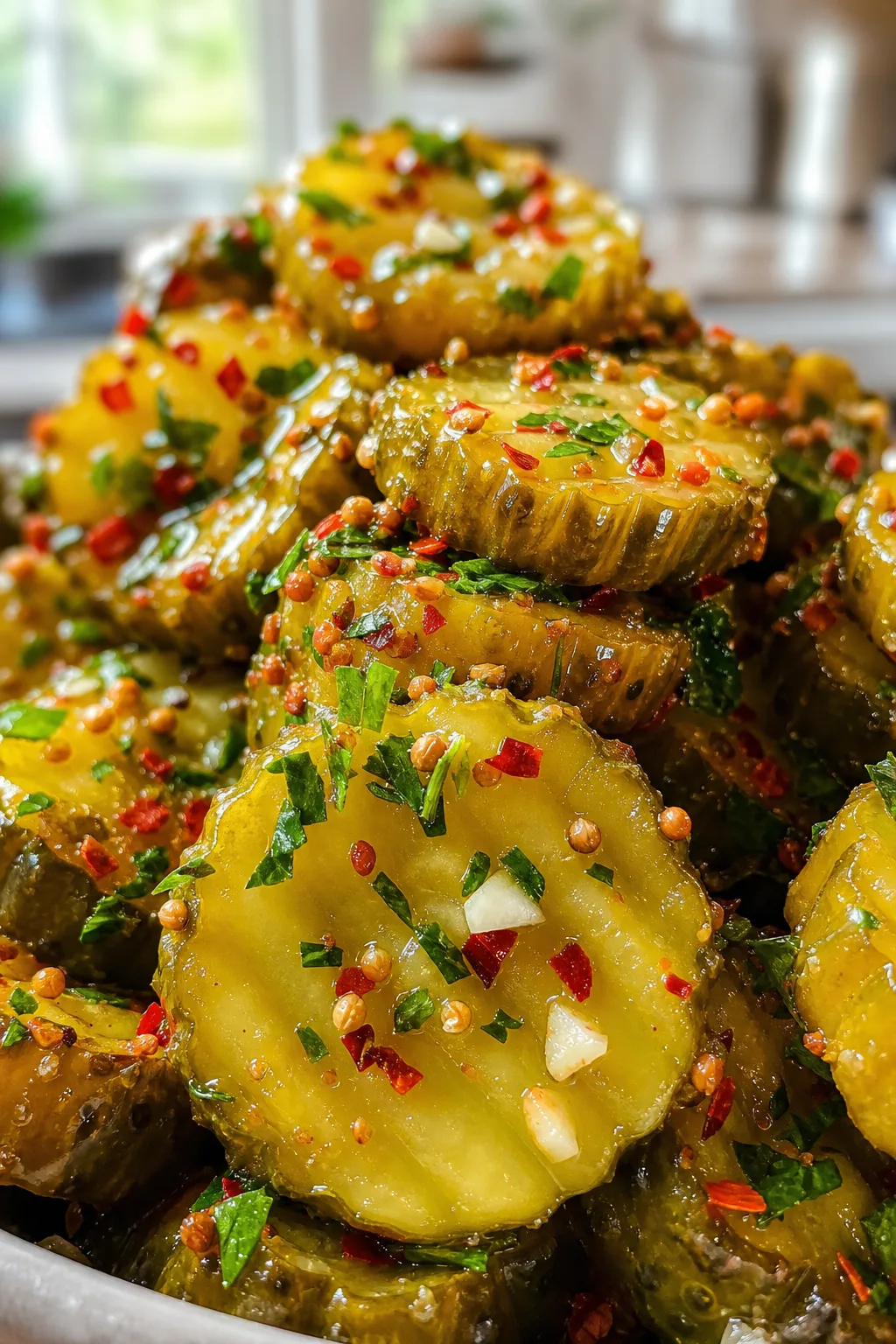
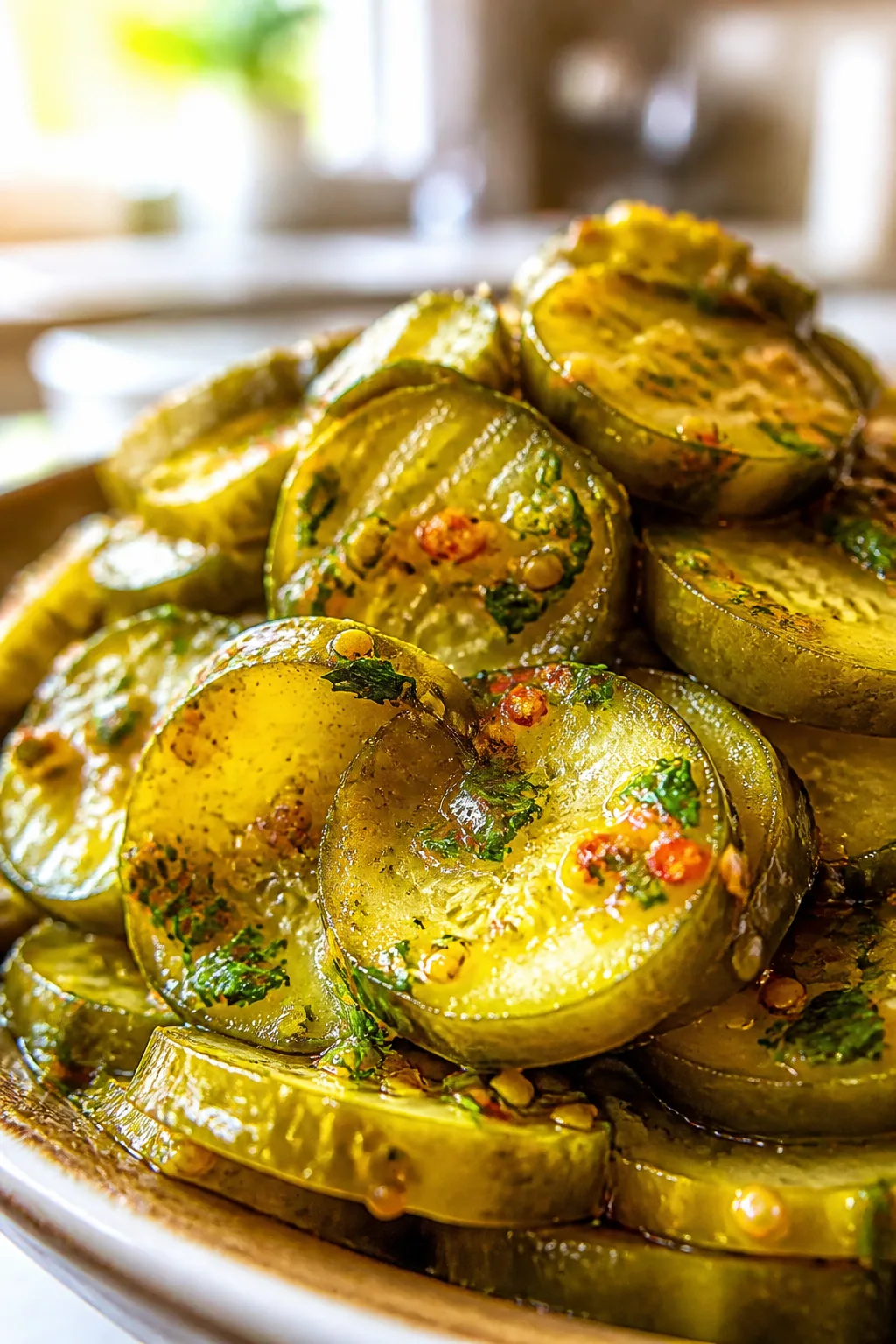
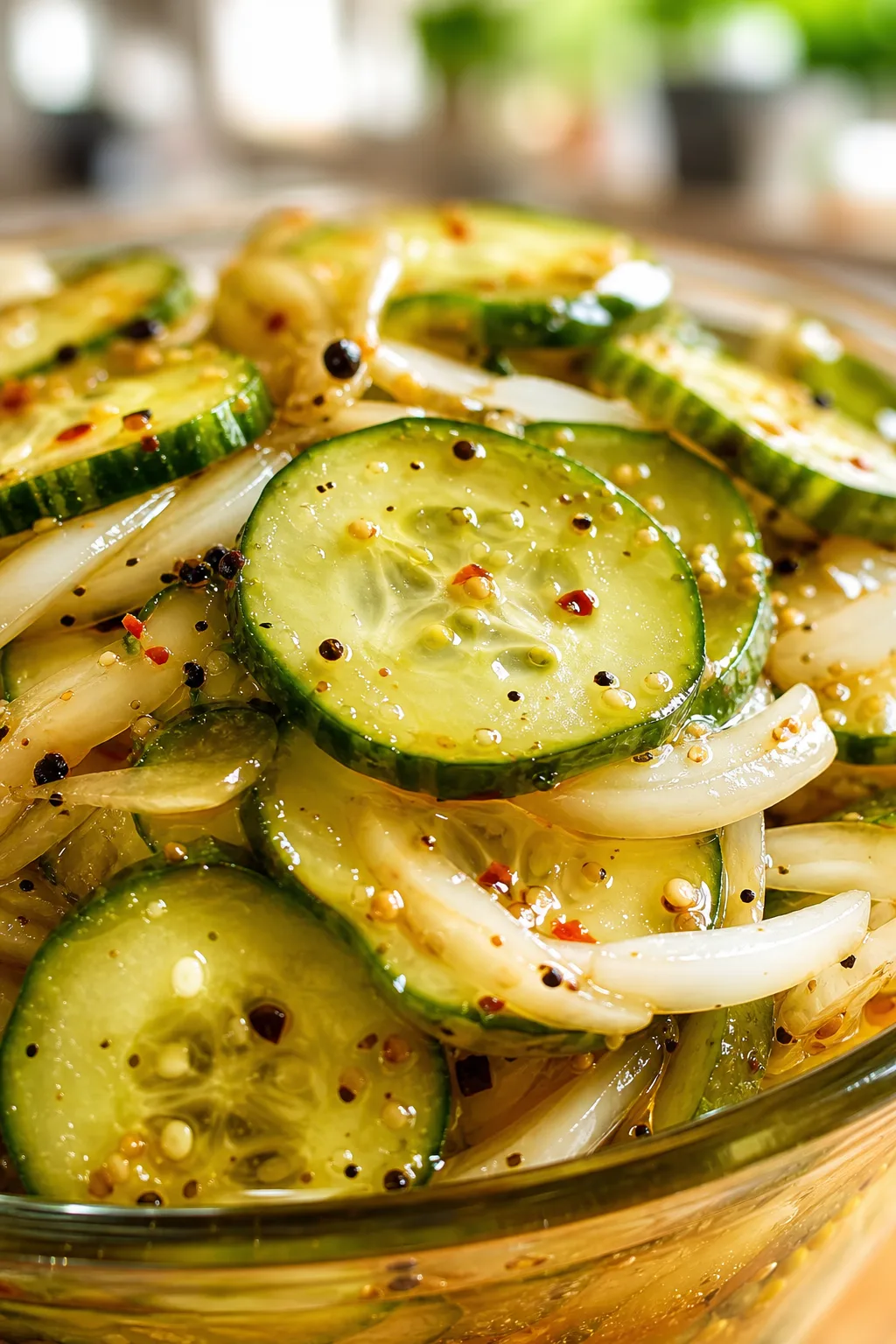
These homemade canned pickles are delightfully crisp and tangy, thanks to a simple brine and fresh dill. They’re perfect for snacking, adding crunch to sandwiches, or gifting to friends. Super easy to make and keep well!
Introduction
I first tried making these canned pickles a few summers ago when my local farmer's market was overflowing with fresh cucumbers. Honestly, I’d always been a bit intimidated by canning, thinking it was complicated and time-consuming. But this recipe changed all that—it’s straightforward and yields pickles that stay crisp and perfectly tangy for months. The trick I learned early on is using fresh dill and a simple brine with the right balance of vinegar and salt. That combo locks in flavor and crunch without any weird preservatives. I remember my first batch was a bit too salty because I rushed the salt measurement, so I tweaked that until it felt just right. Now, every time I open a jar, I get that satisfying snap and fresh, bright flavor that makes sandwiches pop or snacks more exciting. Plus, they make fantastic gifts for friends who appreciate homemade goodies. If you’ve been on the fence about canning, this recipe is a great place to start—it’s reliable, delicious, and really fun to make.
What You'll Need
Approximately 4 pint jars, 4 servings
- 4 cups water, filtered
- 2 cups white vinegar, 5% acidity
- 2 tablespoons kosher salt
- 2 tablespoons sugar
- 4 cloves garlic, peeled and smashed
- 4 teaspoons dill seeds
- 4 fresh dill sprigs
- 8 small cucumbers (pickling variety), washed
- 1 teaspoon black peppercorns
How To Do It
Step 1
Start by washing your cucumbers thoroughly under cold water to remove any dirt or debris. Choose small, firm cucumbers ideally for pickling since they’ll stay crunchier. After washing, trim off the blossom ends because these contain enzymes that could cause softening during storage. This step is crucial to keep your pickles crisp. If you skip it, you might end up with mushy pickles later. Set the cucumbers aside while you prepare the brine.
⏱ Time: 10 minutes
✓ Doneness: Cucumbers are clean, trimmed, and ready for pickling.
Step 2
In a large pot, combine the water, white vinegar, kosher salt, and sugar. Heat the mixture over medium heat, stirring occasionally until the salt and sugar dissolve completely. This brine is the heart of your pickles, balancing acidity and sweetness. Avoid boiling vigorously as it can change the flavors and reduce vinegar strength. Once dissolved, remove from heat and let it cool slightly while you prepare the jars.
⏱ Time: 10 minutes
✓ Doneness: Brine is clear, with no grainy salt or sugar visible.
Step 3
Sterilize your canning jars and lids by boiling them in water for at least 10 minutes. This step prevents bacteria growth and spoilage during storage. Using clean jars is non-negotiable for safe canning. After sterilizing, carefully remove the jars with tongs and set them on a clean towel to dry. Avoid touching the inside or rims to keep them sterile.
⏱ Time: 15 minutes
✓ Doneness: Jars and lids are hot, clean, and dry on the outside.
Step 4
Place two fresh dill sprigs, one teaspoon of dill seeds, one smashed garlic clove, and a few black peppercorns into each jar. These aromatics infuse your pickles with that classic dill flavor. Don’t overfill the jars with spices; too many can overpower the cucumbers and make the brine cloudy.
⏱ Time: 5 minutes
✓ Doneness: Spices and herbs are evenly distributed in each jar.
Step 5
Pack the cucumbers tightly into the jars, standing them vertically if possible. Leave about half an inch of headspace at the top to allow for expansion during processing. Overpacking can cause jars to break or brine to overflow, so keep it snug but not crowded. This tight packing also helps the cucumbers stay crunchy.
⏱ Time: 10 minutes
✓ Doneness: Jars are filled with cucumbers and have appropriate headspace.
Step 6
Pour the warm brine over the cucumbers in each jar, covering them completely but maintaining the half-inch headspace. Use a non-metallic utensil to release any trapped air bubbles by gently sliding it along the jar sides. Air bubbles can cause spoilage, so this step is important for shelf stability.
⏱ Time: 5 minutes
✓ Doneness: Cucumbers are fully submerged with no visible air bubbles.
Step 7
Wipe the rims of the jars clean with a damp cloth to ensure a good seal. Place the sterilized lids on top and screw on the metal bands just until fingertip-tight. Don’t overtighten, or air won’t escape during processing, which can cause jars to break or not seal properly.
⏱ Time: 5 minutes
✓ Doneness: Jars are sealed with lids and bands finger-tight.
Step 8
Process the jars in a boiling water bath for 10 minutes. Make sure the jars are covered by at least an inch of water. This heat treatment kills harmful bacteria and seals the jars. Starting timing only after the water returns to a boil is essential; rushing this step risks unsafe pickles.
⏱ Time: 15 minutes
✓ Doneness: Jars have been in boiling water bath for the full time.
Step 9
Carefully remove the jars using jar lifters and place them upright on a towel. Let them cool undisturbed for 12 to 24 hours. You’ll hear the satisfying 'pop' sound as the lids seal. Check seals by pressing the center of each lid; it should not flex up and down. Proper sealing ensures your pickles stay fresh and safe for long-term storage.
⏱ Time: 12-24 hours
✓ Doneness: Lids are concave and do not move when pressed.
Pro Tips
Always trim the blossom end of cucumbers before pickling.
The blossom end contains enzymes that break down pectin, causing softening during storage. Removing it helps maintain that satisfying crunch you want in pickles.
Use a non-iodized salt like kosher salt for the brine.
Iodized salts can discolor the brine and impart off-flavors. Kosher salt dissolves cleanly and helps keep the pickles clear and fresh-tasting.
Remove air bubbles from jars before sealing.
Trapped air can cause spoilage and uneven brining. Sliding a non-metallic spatula around the jar releases bubbles and ensures the cucumbers are fully submerged.
Don’t over-tighten jar lids before processing.
Tight lids prevent air from escaping during boiling water bath, which can cause jars to crack or fail to seal properly.
Process jars in a boiling water bath with at least 1 inch of water covering them.
Proper heat treatment kills harmful bacteria and ensures a vacuum seal, which is essential for safe long-term storage.
Use fresh, firm pickling cucumbers.
Firm cucumbers have less water and thicker skins, which helps them hold their shape and crunch after pickling.
Let jars cool undisturbed after processing.
Moving jars too soon can break seals or cause the liquid to bubble out, risking spoilage and messy cleanup.
Common Mistakes to Avoid
Using soft or overripe cucumbers
Why it happens People often use whatever cucumbers are available without checking firmness, assuming all cucumbers behave the same when pickled.
Fix Choose small, firm pickling cucumbers with no soft spots or wrinkles. If you accidentally use soft ones, expect mushier pickles. For best results, buy fresh from farmers or markets.
Skipping the blossom end trim
Why it happens It's a small step easily overlooked, especially if you’re new to pickling and want to save time.
Fix Take 30 seconds to cut off the blossom end of each cucumber before packing. This simple step prevents enzymes from softening your pickles over time.
Over-tightening lids before processing
Why it happens People think tighter lids ensure better seals, but it actually traps air inside.
Fix Screw lids on finger-tight only before boiling. This lets air escape, preventing jar breakage and ensuring a proper vacuum seal.
Not removing air bubbles
Why it happens It’s easy to pour brine in and skip the bubble removal, thinking it’s unnecessary.
Fix Use a non-metallic spatula to slide down jar sides gently to release trapped air. This step is crucial to avoid spoilage and uneven pickling.
Rushing the cooling process
Why it happens In a hurry, some remove jars from the cooling towel or move them too soon.
Fix Let jars cool completely and undisturbed for 12–24 hours on a towel. This ensures the lids seal correctly and your pickles stay fresh.
Variations
Spicy Pickled Cucumbers
Add 1 sliced jalapeño pepper and 1 teaspoon red pepper flakes to each jar for a spicy kick. The heat blends beautifully with the dill and garlic, perfect for those who like their pickles with a little fire.
Note: Spices can intensify during storage, so adjust heat levels to taste. Processing times remain the same.
Garlic and Herb Pickles
Increase garlic cloves to 3 per jar and add fresh thyme or rosemary sprigs along with dill. This variation offers a more robust herbal flavor, great for seasoning sandwiches or charcuterie boards.
Note: Herbs should be fresh and fully submerged in brine to prevent mold. Keep processing consistent.
Sweet and Tangy Bread-and-Butter Pickles
Add 1/4 cup sugar and 1 teaspoon mustard seeds to the brine, plus sliced onions. These pickles are sweeter and milder, ideal for burgers and salads.
Note: Sugar increases sweetness but also slightly softens cucumbers; monitor texture closely.
Dill Pickle Spears
Instead of whole cucumbers, slice them into spears before packing. This makes for easy snacking and faster brine absorption, resulting in pickles ready sooner.
Note: Spears may soften a bit faster; store in the fridge after opening for best crunch.
Low-Sodium Pickles
Reduce salt by half and add a splash of lemon juice for brightness. These pickles are gentler on the palate and suitable for low-sodium diets, though they won’t keep as long.
Note: Lower salt levels increase spoilage risk; refrigerate after opening and consume sooner.
Nutrition
Per Serving:
Nutritional values are estimates and may vary based on specific ingredients used.
Storage & Tips
Room Temperature
Once sealed, pickles can safely keep at room temperature for up to 1 year in a cool, dark place. Store jars away from direct sunlight to preserve flavor and color. After opening, refrigerate to maintain crispness.
Refrigerator
After opening, store pickles in their brine in the fridge for up to 2 months. Flavor may intensify over time, and pickles stay crunchy. If you notice any off smells or sliminess, discard them.
Freezer
Freezing pickles is not recommended as it breaks down their texture, making them mushy. Instead, can or refrigerate for best quality.
Reheating
Pickles are best served cold or at room temperature. No reheating is needed. If using in cooked dishes, add them at the end to preserve texture.
Make Ahead
You can prepare the brine and sterilize jars a day ahead. Pack cucumbers and process jars the same day you plan to store them. Pickles improve in flavor after at least a week of resting.
FAQ
Can I use regular vinegar instead of white vinegar?
It’s best to use white distilled vinegar with 5% acidity for safety and flavor. Other vinegars like apple cider or wine vinegar have different acidity levels and flavors that can affect preservation and taste. Using the wrong vinegar may result in unsafe pickles.
Why are my pickles soft instead of crunchy?
Soft pickles often result from using overripe cucumbers, not trimming blossom ends, or insufficient brine salt. Also, skipping the boiling water bath or improper storage can cause softening. Follow the recipe steps carefully to maintain crunch.
How long do canned pickles last unopened?
Properly canned and sealed pickles last up to one year stored in a cool, dark place. Always check seals before use and discard if lids are bulging or there’s an off smell.
Can I reuse jars from previous pickling batches?
Yes, as long as jars are free from cracks and lids are new or in good condition. Always sterilize jars before use to prevent contamination and ensure proper sealing.
What if my jars didn’t seal after processing?
If jars don’t seal, refrigerate them and consume the pickles within a few weeks. You can also reprocess using new lids and boiling water bath, but make sure to follow all safety steps carefully.
Can I add sugar to make sweet pickles?
Yes, adding sugar creates sweeter pickles like bread-and-butter style. However, sugar can soften cucumbers slightly, so adjust expectations on texture if you add more sugar.
Is it necessary to remove air bubbles from jars?
Absolutely. Air bubbles can harbor bacteria leading to spoilage and uneven pickling. Removing them ensures the cucumbers are fully submerged and safe for storage.
Can I use dried dill instead of fresh?
Fresh dill provides the best flavor and aroma. Dried dill can be used but is less potent, so you may need to increase the amount. The flavor won’t be as bright or fresh, though.
Final Thoughts
Give these pickles a try—you’ll love how crunchy and flavorful they turn out. Share your results and enjoy the satisfaction of homemade goodness!