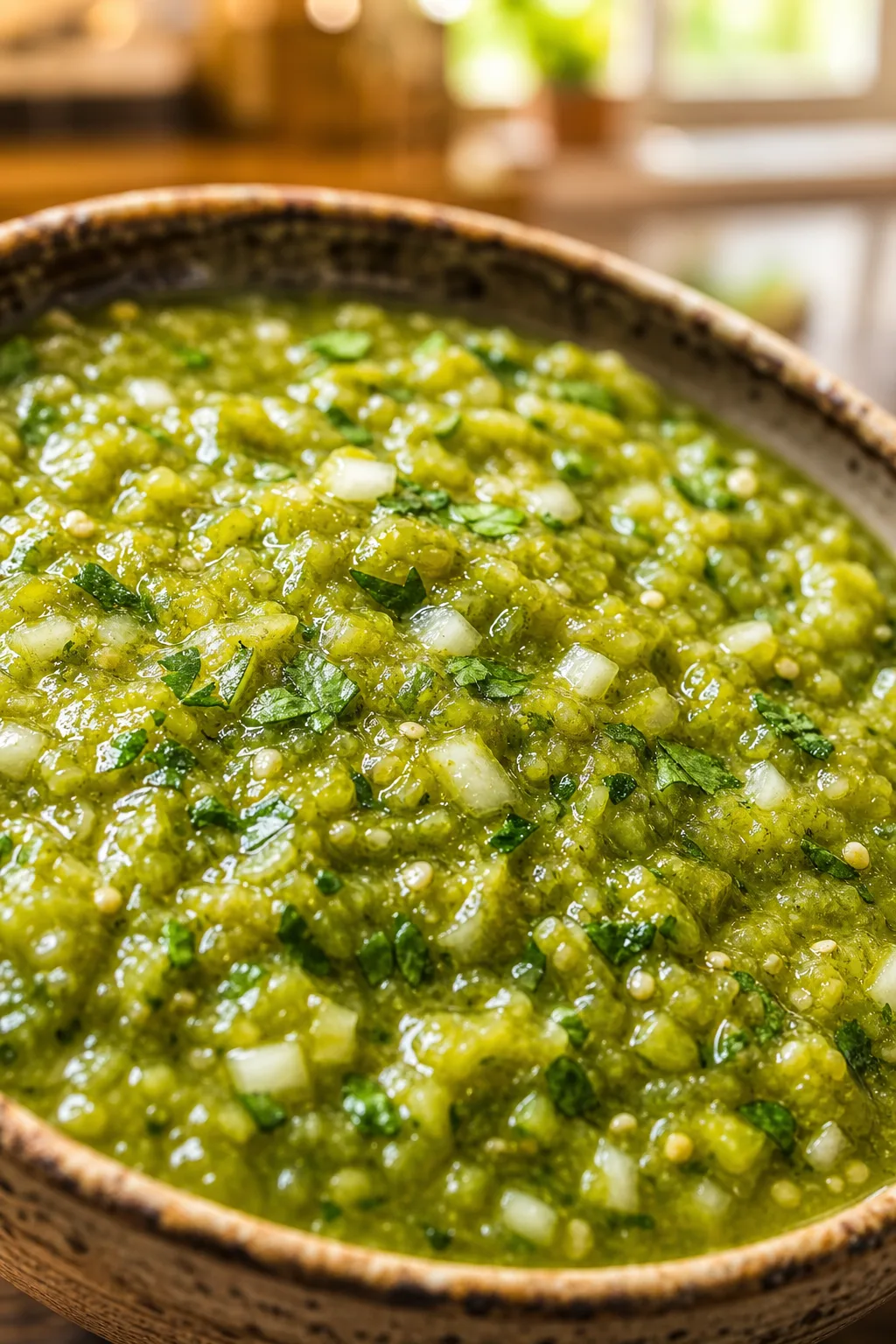
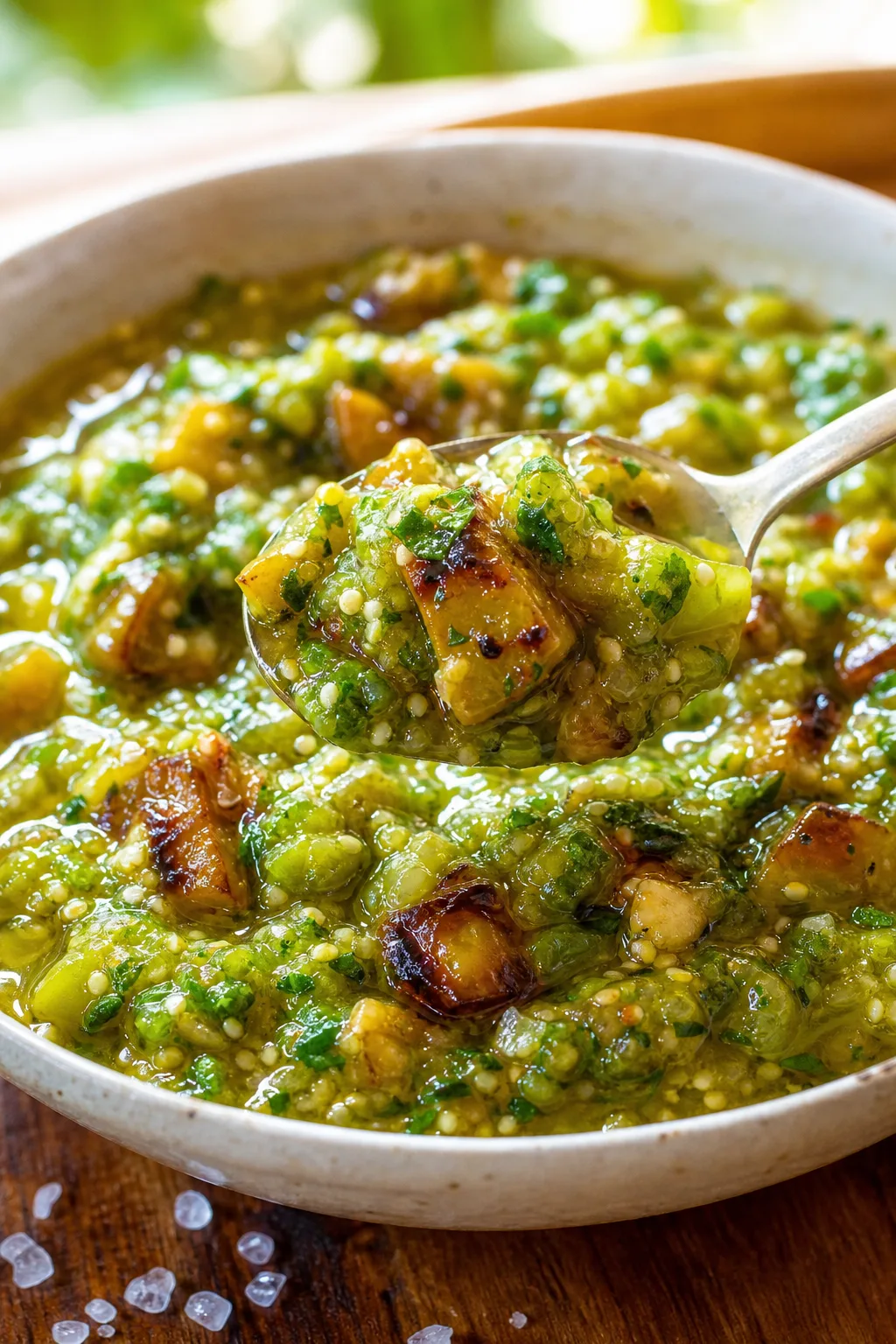
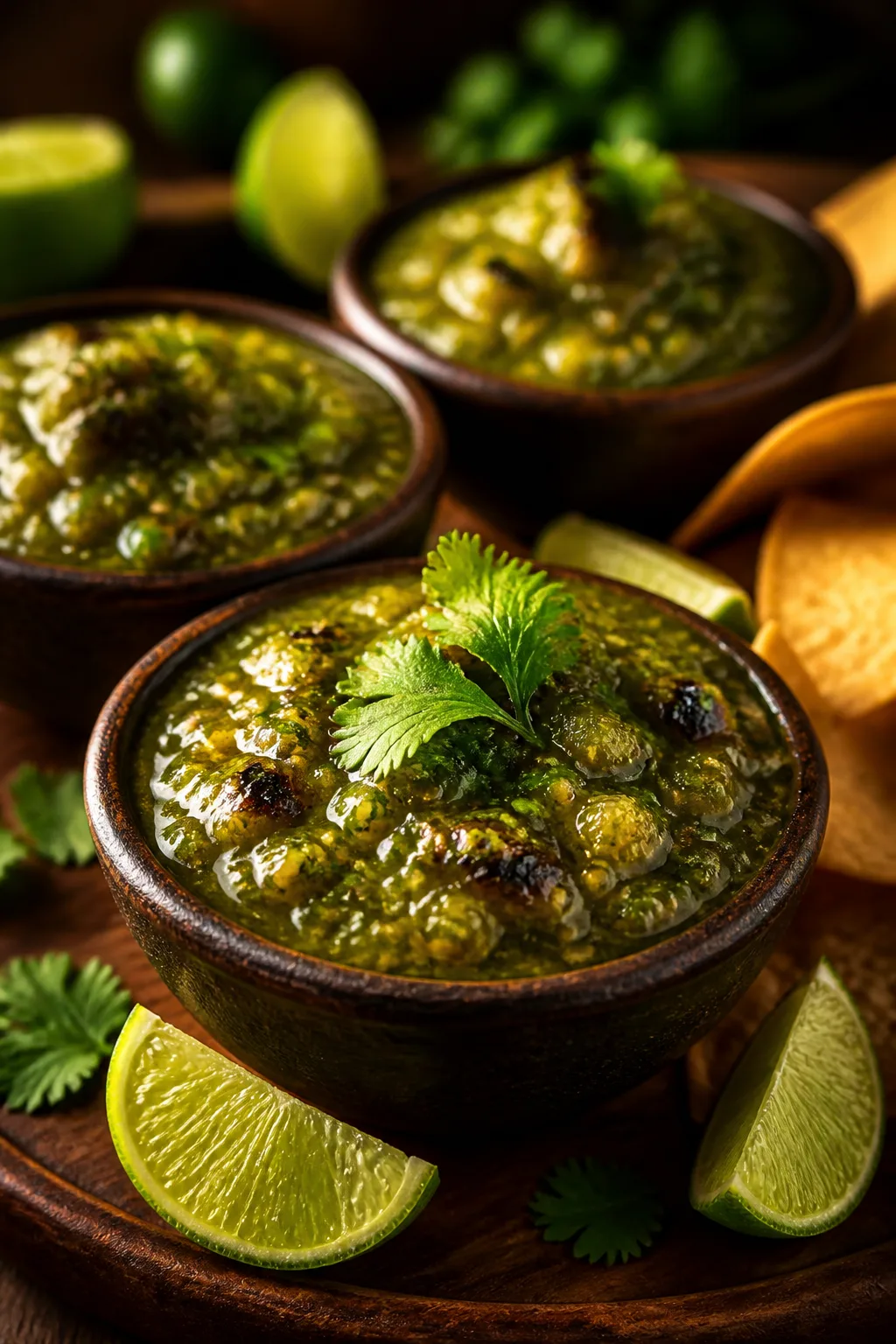
This roasted tomatillo salsa is tangy, smoky, and fresh all at once. I love roasting the tomatillos to add a subtle char that lifts the flavor. It’s perfect for dipping chips or topping tacos on any casual night.
Introduction
I first stumbled upon roasted tomatillo salsa during a summer cookout, and it instantly became a favorite in my household. Unlike raw salsa verde, roasting the tomatillos brings out a subtle smokiness that adds depth without overpowering the fresh, tangy brightness. Over time, I've tweaked this recipe to balance the char with just enough heat from jalapeño and the brightness of lime juice. The trick I learned is to roast the tomatillos until their skins blister and darken slightly—that’s where the magic happens. This salsa is super versatile; I love it as a chip dip, but it’s equally fantastic spooned over grilled chicken or fish. Every time I serve it, friends ask for the recipe, and I think it’s because it’s both simple and packed with bold flavor. Plus, it comes together in under 30 minutes, perfect for busy weeknights or last-minute gatherings.
What You'll Need
Approximately 2 cups, 4 servings
- 1 pound fresh tomatillos, husked and rinsed
- 1 small white onion, quartered
- 2 cloves garlic, peeled
- 1 jalapeño pepper, stemmed (seeds removed for less heat)
- 1/4 cup fresh cilantro leaves
- Juice of 1 lime
- Salt to taste
How To Do It
Step 1
Preheat your oven to 425°F (220°C). Arrange the tomatillos, quartered onion, garlic cloves, and jalapeño on a baking sheet lined with parchment paper. Make sure they’re spread out in a single layer so they roast evenly. Roasting these ingredients intensifies their flavors and adds a smoky complexity that raw salsa can’t match. Avoid overcrowding the pan, or they’ll steam instead of roast, which dulls the taste.
⏱ Time: 15 minutes
✓ Doneness: Tomatillo skins should be blistered and slightly blackened in spots; onions and garlic should have golden edges.
Step 2
Once roasted, transfer the tomatillos, onion, garlic, and jalapeño to a blender or food processor. Add the fresh cilantro and lime juice, then pulse until you reach your desired salsa texture—chunky or smooth. Season with salt to taste. Blending right after roasting helps retain the salsa’s vibrant color and fresh zing. Don’t over-blend or the salsa might get watery. If it’s too thick, add a teaspoon of water at a time to loosen it up.
⏱ Time: 5 minutes
✓ Doneness: Salsa should be a bright green color with a slightly chunky texture and balanced acidity.
Pro Tips
Don’t skip the roasting step for the tomatillos and peppers.
Roasting triggers caramelization and Maillard reactions that develop smoky, sweet flavors and soften the ingredients. Without roasting, the salsa would taste flatter and more acidic, lacking the depth that makes this recipe special.
Remove seeds from the jalapeño to control heat.
The seeds and membranes contain most of the capsaicin, which is the compound responsible for heat. Removing them lets you adjust the spice level, making the salsa accessible to more palates without losing the pepper’s character.
Use fresh lime juice, not bottled.
Fresh lime juice provides bright, natural acidity and a fresh citrus aroma that bottled juice can’t replicate. This freshness balances the roasted sweetness and prevents the salsa from tasting dull or artificial.
Pulse the blender instead of continuous blending.
Pulsing helps maintain a nice texture, preventing the salsa from becoming too watery or pureed. It also preserves some chunkiness, which adds a satisfying mouthfeel and visual appeal.
Let the salsa rest for 10 minutes before serving.
Resting allows the flavors to meld and develop further. The heat from roasting combined with the fresh ingredients softens the sharp edges, creating a more harmonious and balanced salsa.
Store salsa in an airtight container in the fridge.
Exposure to air causes oxidation which dulls the vibrant green color and fresh flavor. Airtight storage helps keep the salsa bright and tasty for several days.
Serve salsa chilled or at room temperature.
Cold salsa is refreshing and crisp, while room temperature enhances the smoky aroma and flavor notes. Both serve different experiences depending on your preference.
Common Mistakes to Avoid
Skipping roasting the tomatillos and vegetables
Why it happens Some cooks assume raw tomatillos will suffice or want to save time, not realizing roasting adds essential flavor depth.
Fix Always roast the tomatillos, onion, jalapeño, and garlic until blistered and slightly charred. This step is vital for developing the salsa’s signature smoky-sweet taste and mellowing harsh raw edges.
Overblending the salsa
Why it happens It’s tempting to blend until perfectly smooth, but this removes desirable texture and can make the salsa watery.
Fix Pulse the blender in short bursts to retain some chunkiness and avoid turning the salsa into a puree. This keeps it visually appealing and gives a better mouthfeel.
Using bottled lime juice instead of fresh
Why it happens Convenience or running out of fresh limes leads some to use bottled juice, which lacks brightness.
Fix Use fresh lime juice for its vibrant acidity and aromatic oils. It makes a noticeable difference in flavor and freshness.
Not removing jalapeño seeds if sensitive to heat
Why it happens Assuming the whole pepper is needed for flavor or forgetting to deseed.
Fix Remove seeds and membranes to reduce heat while keeping the pepper’s flavor. Taste test and adjust accordingly.
Not seasoning with enough salt
Why it happens People often under-season salsa, thinking salt will overpower.
Fix Salt enhances all the flavors and balances acidity. Add gradually and taste as you go to find the perfect seasoning.
Variations
Spicy Chipotle Tomatillo Salsa
Add 1 chipotle pepper in adobo sauce to the blender for a smoky, spicy kick. This variation is great if you want deeper heat and a richer smoky flavor that pairs well with grilled meats.
Note: Chipotle adds oil and moisture, so reduce any added water when blending to maintain texture.
Tomatillo Avocado Salsa
Blend in half a ripe avocado for creaminess that balances the tangy tomatillos. This salsa is perfect as a dip or topping for tacos when you want a richer, smoother texture.
Note: Add avocado last and pulse gently to avoid over-mixing and turning the salsa too smooth.
Fresh Herb Tomatillo Salsa
Swap cilantro for a mix of fresh parsley and mint for a bright, herbaceous twist. This version is lighter and pairs wonderfully with seafood dishes or grilled vegetables.
Note: Use fresh herbs and add them at the blending stage to preserve their delicate flavors.
Tomatillo and Pineapple Salsa
Add 1/2 cup chopped fresh pineapple for a sweet contrast to the tangy tomatillos. This tropical salsa is fantastic for summer barbecues and adds a unique flavor dimension.
Note: Adjust lime juice and salt to balance the pineapple’s sweetness.
Roasted Tomatillo Salsa with Roasted Corn
Mix in 1 cup roasted corn kernels for a sweet, smoky texture contrast. This hearty salsa works well as a topping for grilled chicken or as a flavorful dip.
Note: Roast corn on the cob alongside the tomatillos for consistent smoky flavor.
Nutrition
Per Serving:
Nutritional values are estimates and may vary based on specific ingredients used.
Storage & Tips
Room Temperature
This salsa can be kept at room temperature for up to 2 hours if covered. Beyond that, it should be refrigerated to maintain freshness and safety.
Refrigerator
Store in an airtight container in the fridge for up to 5 days. The flavors deepen over time, but the salsa may darken slightly. Serve chilled or bring to room temperature before eating.
Freezer
Freeze in a sealed container for up to 2 months. Thaw overnight in the fridge. The texture may become a bit watery, so stir well before serving and consider adding a splash of fresh lime juice.
Reheating
No reheating needed. Serve this salsa cold or at room temperature to preserve its fresh, bright flavors. If preferred warm, gently heat in a saucepan on low for a few minutes, but avoid boiling.
Make Ahead
Roast the tomatillos and other vegetables up to 2 days ahead and store them refrigerated. Blend with fresh cilantro and lime juice just before serving to maintain brightness and freshness.
FAQ
Can I make this salsa without roasting the tomatillos?
You can blend raw tomatillos for a quick salsa verde, but it won’t have the same smoky depth. Roasting caramelizes natural sugars and softens the ingredients, creating a richer flavor. If short on time, try broiling tomatillos for a few minutes as a faster alternative.
How spicy is this salsa, and can I adjust the heat?
The heat primarily comes from the jalapeño. Removing the seeds and membranes reduces spiciness significantly. You can also substitute with a milder pepper like poblano or add more jalapeño for extra heat. Always taste as you go to find your perfect balance.
What can I substitute if I don’t have fresh cilantro?
Parsley is a common substitute, although it lacks cilantro’s signature citrusy note. Mint or basil can add interesting flavors, but the salsa will taste different. If you’re not a fan of fresh herbs, you can omit them, but the salsa will be less vibrant.
How long does the salsa keep in the fridge?
Stored in an airtight container, the salsa stays fresh for up to 5 days. The flavor may mellow and the color darken slightly over time. Stir well before serving and add a squeeze of fresh lime juice if it tastes flat.
Can I freeze this salsa?
Yes, freezing is possible for up to 2 months. Thaw in the fridge overnight and stir well before serving. The texture may separate slightly, so adding a little lime juice or blending again can help restore freshness.
Is this salsa good for dipping chips or only as a topping?
It’s excellent for both! The chunky texture and bold flavor make it a perfect dip, while its bright acidity and smokiness also complement tacos, grilled meats, and veggies beautifully.
Can I make this salsa spicier?
Absolutely! Add more jalapeños or include a chipotle pepper in adobo sauce for smoky heat. Remember to add gradually and taste as you go to avoid overpowering the other flavors.
What’s the best way to serve this salsa?
Serve it chilled or at room temperature with tortilla chips, grilled chicken, fish, or tacos. It also works well drizzled over scrambled eggs or mixed into rice for extra flavor.
Final Thoughts
Give this roasted tomatillo salsa a try—you’ll love how it brightens up simple meals. Don’t forget to share your favorite ways to enjoy it!