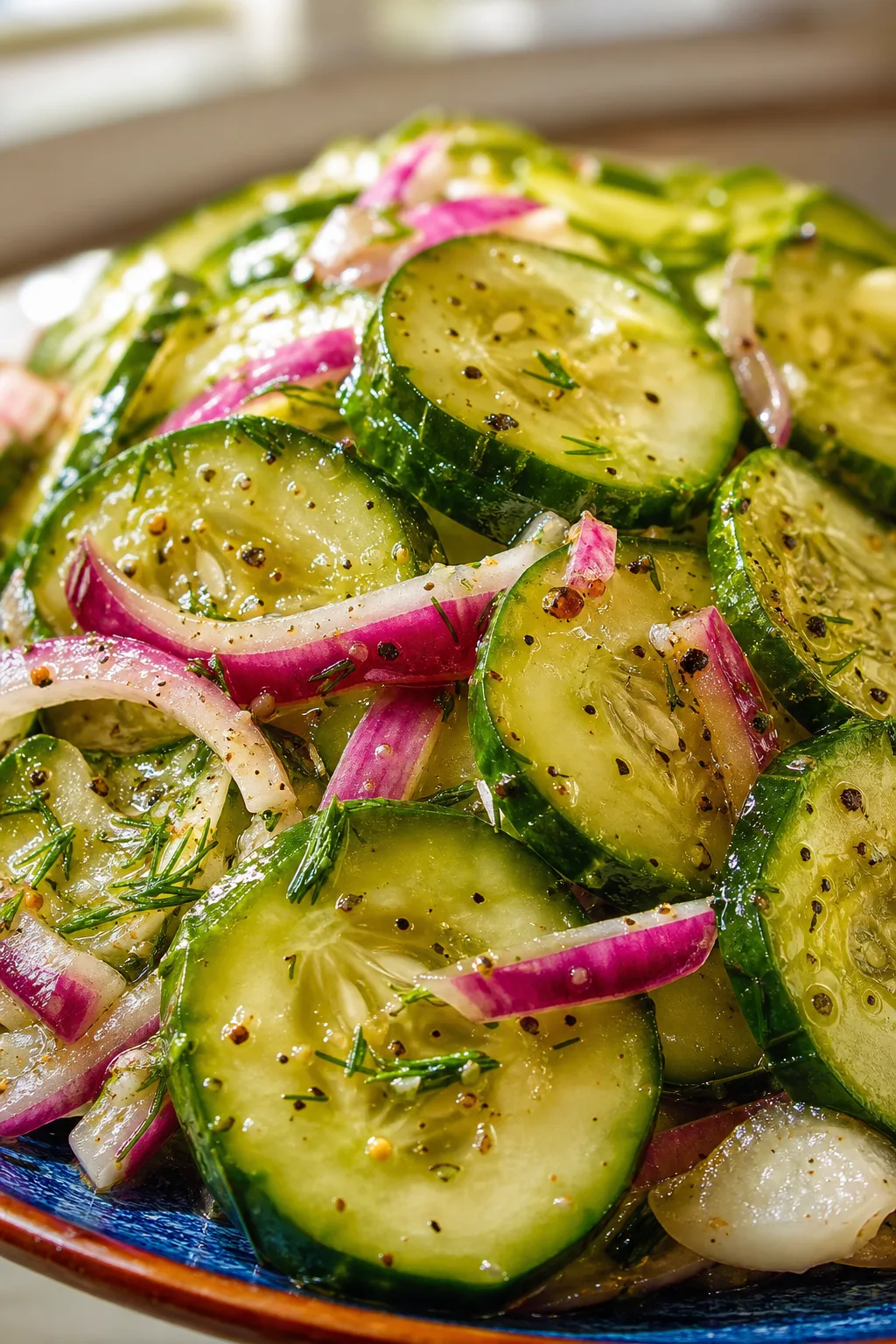
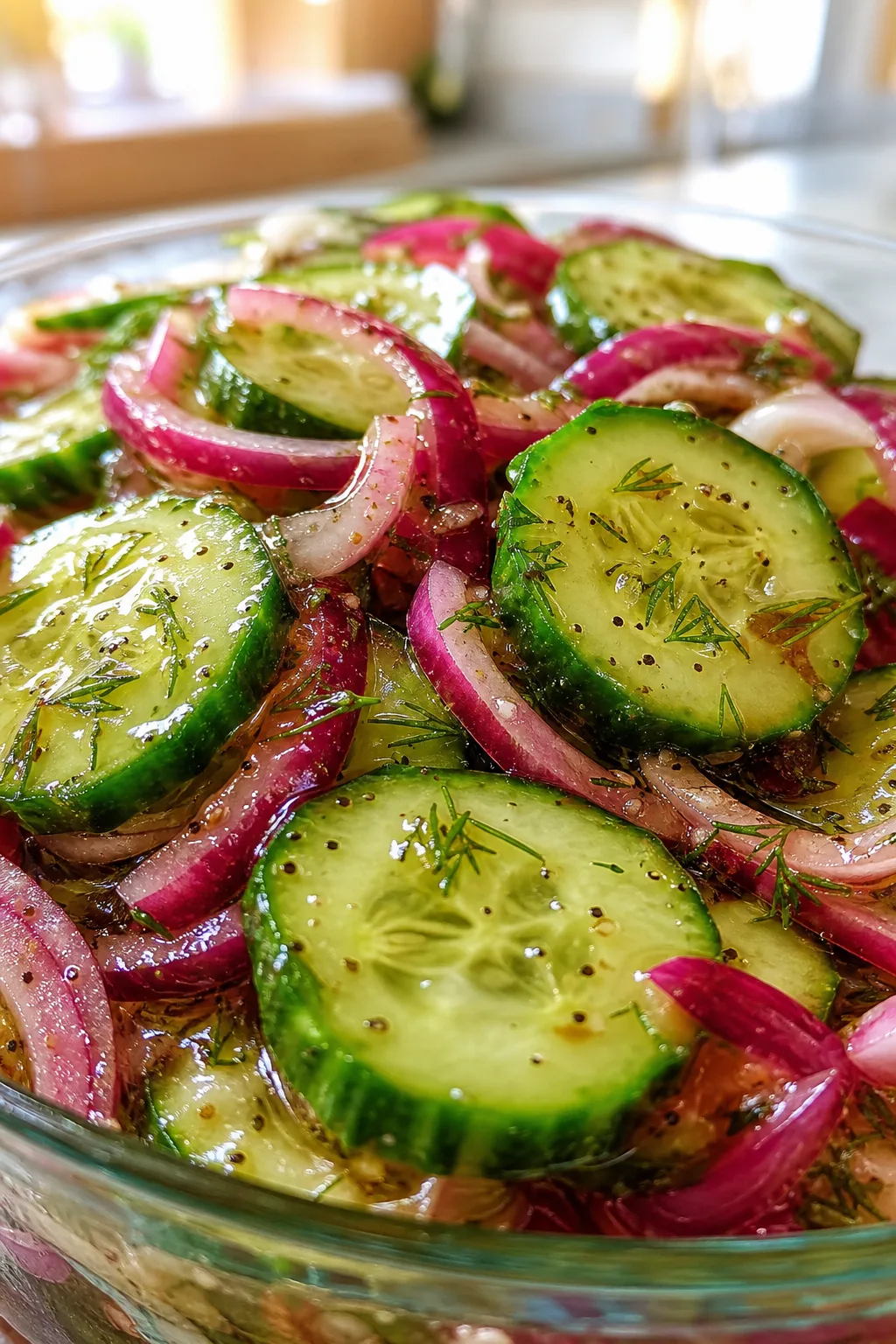
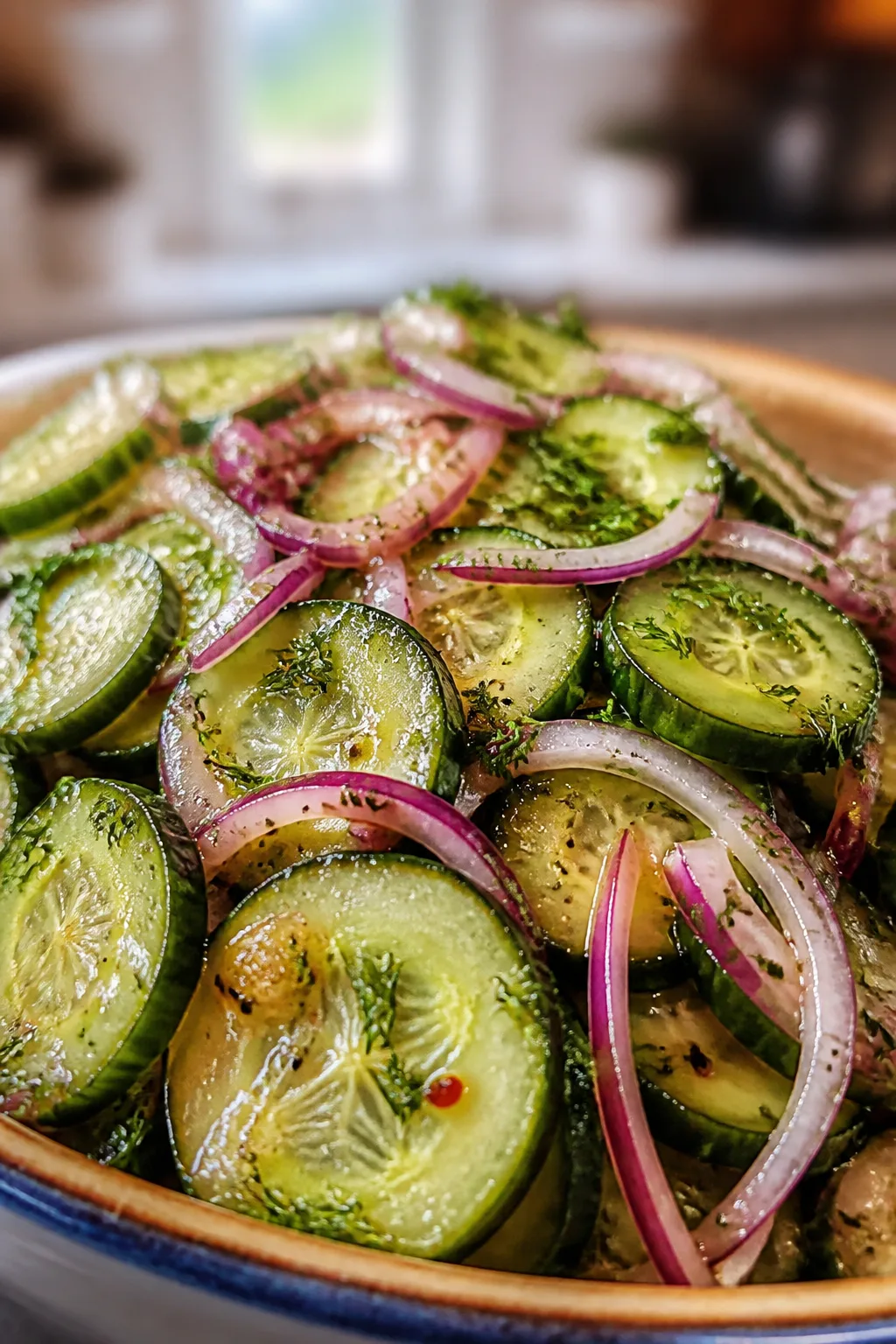
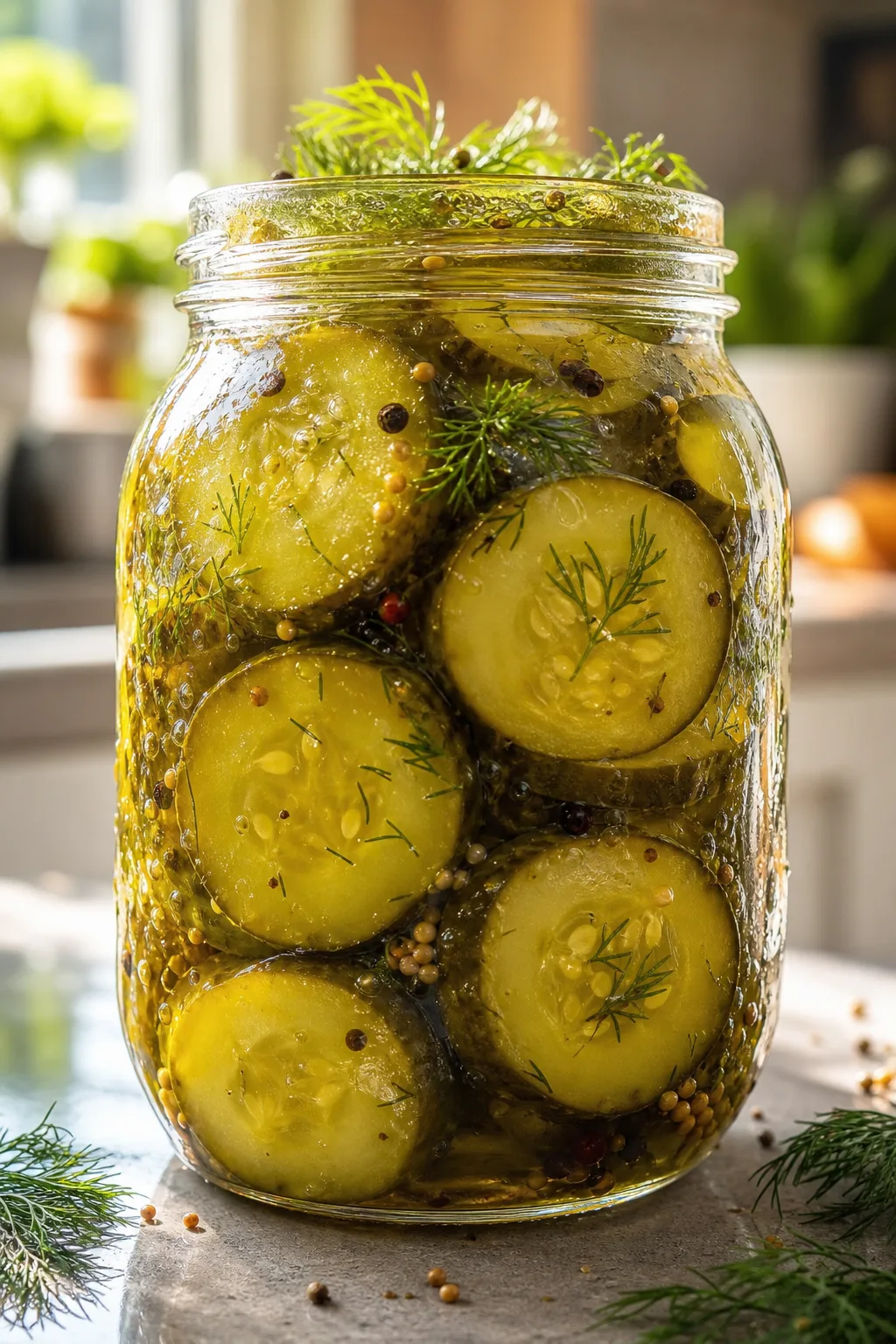
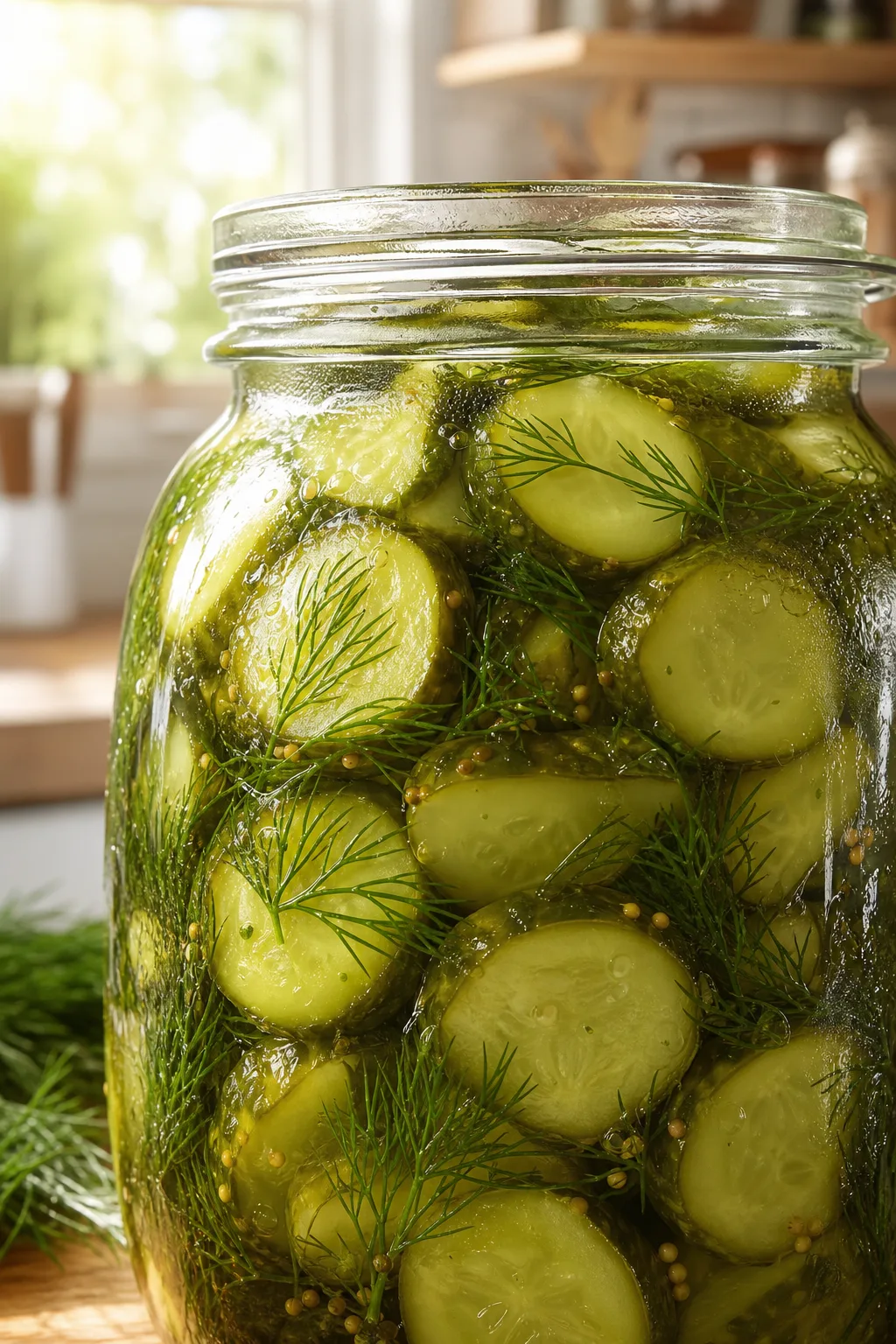
This refreshing cucumber and onion pickle is my go-to for adding a crisp, tangy punch to any meal. The secret? Soaking just long enough to keep that satisfying crunch with a bright vinegar zing. Perfect for summer dinners or picnics!
Introduction
I first stumbled upon this cucumber and onion pickle recipe during a warm summer evening when I wanted something light and tangy to balance a rich meal. What I love about this version is how it keeps the veggies perfectly crunchy — not soggy — by soaking them just long enough in a simple vinegar brine. Over the years, I’ve tweaked the sugar and salt balance to get that just-right sweet-tart harmony that wakes up your taste buds without overwhelming them. The trick I learned is to slice the cucumbers and onions thinly but not paper-thin; this helps them absorb the flavors quickly while still holding their texture. When it’s ready, the pickles are bright, refreshing, and have a subtle spice from the peppercorns and mustard seeds if you choose to add them. This side is a total crowd-pleaser, especially during summer dinners or picnics when you want something cool and crisp alongside grilled meats or sandwiches. Honestly, I’ve tried letting it sit too long before, and it gets a bit mushy — so timing is everything here. But once you get it right, you’ll find yourself making this easy pickle again and again!
What You'll Need
Approximately 4 cups, 4 servings
- 2 medium cucumbers, thinly sliced
- 1 medium red onion, thinly sliced
- 1 cup white vinegar
- 1/2 cup water
- 2 tablespoons sugar
- 1 tablespoon salt
- 1 teaspoon black peppercorns
- 1 teaspoon mustard seeds (optional)
How To Do It
Step 1
Start by washing and thinly slicing the cucumbers and red onion. Aim for slices about 1/8 inch thick — thin enough to soak up flavor quickly, but thick enough to keep a satisfying crunch. Using a sharp knife or mandoline helps achieve even slices. Uniformity here ensures all pieces absorb the brine evenly, preventing some from becoming mushy while others stay bland.
⏱ Time: 10 minutes
✓ Doneness: Slices are consistent in thickness and look fresh and crisp
Step 2
In a medium saucepan, combine the white vinegar, water, sugar, salt, peppercorns, and mustard seeds if using. Heat over medium heat, stirring occasionally until the sugar and salt completely dissolve. This step is crucial because a well-dissolved brine ensures even flavor distribution and a smooth tang without grainy sugar or salt crystals.
⏱ Time: 5 minutes
✓ Doneness: Brine is clear and steaming with no visible sugar or salt crystals
Step 3
Place the sliced cucumbers and onions in a heatproof bowl or jar. Pour the hot brine over the veggies, ensuring they’re fully submerged. The heat helps open up the cucumber pores, allowing the brine to penetrate quickly and infuse flavor. Be careful pouring the hot liquid to avoid burns.
⏱ Time: 5 minutes
✓ Doneness: Veggies are fully covered by the brine and start to soften slightly
Step 4
Let the mixture cool to room temperature, then cover and refrigerate for at least 30 minutes. This chilling period allows the cucumbers and onions to soak up the tangy flavors while maintaining crunch. Rushing this step can lead to bland pickles or soggy texture.
⏱ Time: 30 minutes
✓ Doneness: Pickles taste tangy and crisp with balanced sweetness when sampled
Step 5
Before serving, give the pickles a gentle stir to redistribute the brine. Taste and adjust seasoning if needed — sometimes a pinch more salt or sugar can brighten the flavors. The pickles are best enjoyed chilled alongside grilled dishes or as a zesty snack.
⏱ Time: 5 minutes
✓ Doneness: Flavors are bright and balanced, with crisp texture intact
Step 6
If you prefer a stronger vinegar kick, let the pickles marinate overnight. However, keep in mind that the longer they sit, the softer they become. I find 24 hours is the max for maintaining that ideal crunch without going mushy.
⏱ Time: Optional overnight
✓ Doneness: Pickles become more intense in flavor but still hold shape
Step 7
For added flavor twists, consider tossing in fresh dill, sliced jalapeños, or a few garlic cloves with the cucumbers. These additions infuse the brine with extra aroma and complexity. Just remember that stronger flavors can overpower the delicate cucumber taste, so add sparingly.
⏱ Time: Optional prep
✓ Doneness: Additional ingredients are evenly distributed and fragrant
Step 8
When serving at a picnic or summer BBQ, keep the pickles chilled in a cooler until ready to eat. This helps preserve their crispness and refreshing tang, especially on hot days. Avoid leaving them out too long as the warm temperature can cause them to soften quickly.
⏱ Time: Serving prep
✓ Doneness: Pickles remain cool and crunchy at serving time
Step 9
Clean and sterilize your storage jar or container before storing leftovers. Properly sealed, these pickles can keep in the fridge for up to a week. This ensures they stay fresh and safe to eat without developing off-flavors or textures.
⏱ Time: 5 minutes
✓ Doneness: Container is airtight and clean, pickles look fresh
Pro Tips
Use a mandoline slicer for perfectly even cucumber and onion slices.
Even slices soak up the brine uniformly, preventing some pieces from becoming mushy while others remain bland. A mandoline helps maintain consistent thickness quickly and safely, which is especially important for texture in quick pickles.
Don’t skip heating the vinegar brine before pouring it over the vegetables.
Heating dissolves sugar and salt completely and slightly softens the veggies’ surface, allowing flavors to penetrate faster. Pouring cold brine results in uneven flavor and longer soaking times, which can affect crunch.
Refrigerate pickles immediately after brining to maintain crispness.
Cold slows enzymatic activity and bacterial growth that cause vegetable softening. Without refrigeration, the pickles can quickly turn mushy and develop off-flavors, especially in warm weather.
Adjust sugar and salt levels to your taste and the cucumbers’ natural sweetness.
Cucumbers vary in sweetness and water content. Tasting the brine and pickles after initial soaking lets you tweak seasoning for perfect balance. This flexibility ensures the pickle suits your palate every time.
Add mustard seeds and peppercorns for a subtle spice layer.
These spices introduce aromatic complexity and a gentle heat that elevates the pickle beyond basic vinegar and sugar. They also provide visual interest and a hint of texture without overpowering the fresh flavors.
Slice cucumbers and onions just before pickling to avoid sogginess.
Cut vegetables release moisture and soften quickly. Slicing too early leads to limp pickles. Preparing just before brining preserves their natural crispness and freshness.
Use an airtight container or jar to store pickles in the fridge.
Proper sealing prevents odors from other foods from affecting the pickles and keeps moisture levels consistent. This helps maintain texture and flavor for several days.
Common Mistakes to Avoid
Slicing cucumbers too thick or too thin
Why it happens People often slice unevenly or too thin, expecting quick flavor absorption. Thin slices can turn mushy quickly, while thick slices won’t soak up brine well.
Fix Aim for about 1/8 inch thickness using a mandoline or sharp knife. This thickness balances flavor absorption with a satisfying crunch, avoiding limp or bland pickles.
Skipping the heating step for the brine
Why it happens Some skip heating to save time, assuming cold brine is fine. This leads to undissolved sugar and salt, uneven seasoning, and less flavorful pickles.
Fix Always gently heat the vinegar, water, sugar, and salt mixture until fully dissolved. This ensures balanced flavor and helps open the vegetables’ pores for better pickling.
Leaving pickles at room temperature too long
Why it happens People assume quick pickles don’t need refrigeration. Warm temps speed up softening and spoilage.
Fix Immediately refrigerate after adding brine. Keep pickles chilled until serving to preserve crunch and freshness.
Using iodized or table salt
Why it happens Many use whatever salt is on hand, not realizing additives affect flavor and clarity.
Fix Use pickling salt or kosher salt without additives. This keeps brine clear and flavor pure.
Over-soaking pickles for too long
Why it happens Waiting too long for flavor development causes cucumbers to soften excessively.
Fix Stick to 30 minutes to a few hours for quick pickles. For longer storage, consider traditional fermented pickling methods.
Variations
Spicy Jalapeño Cucumber Pickle
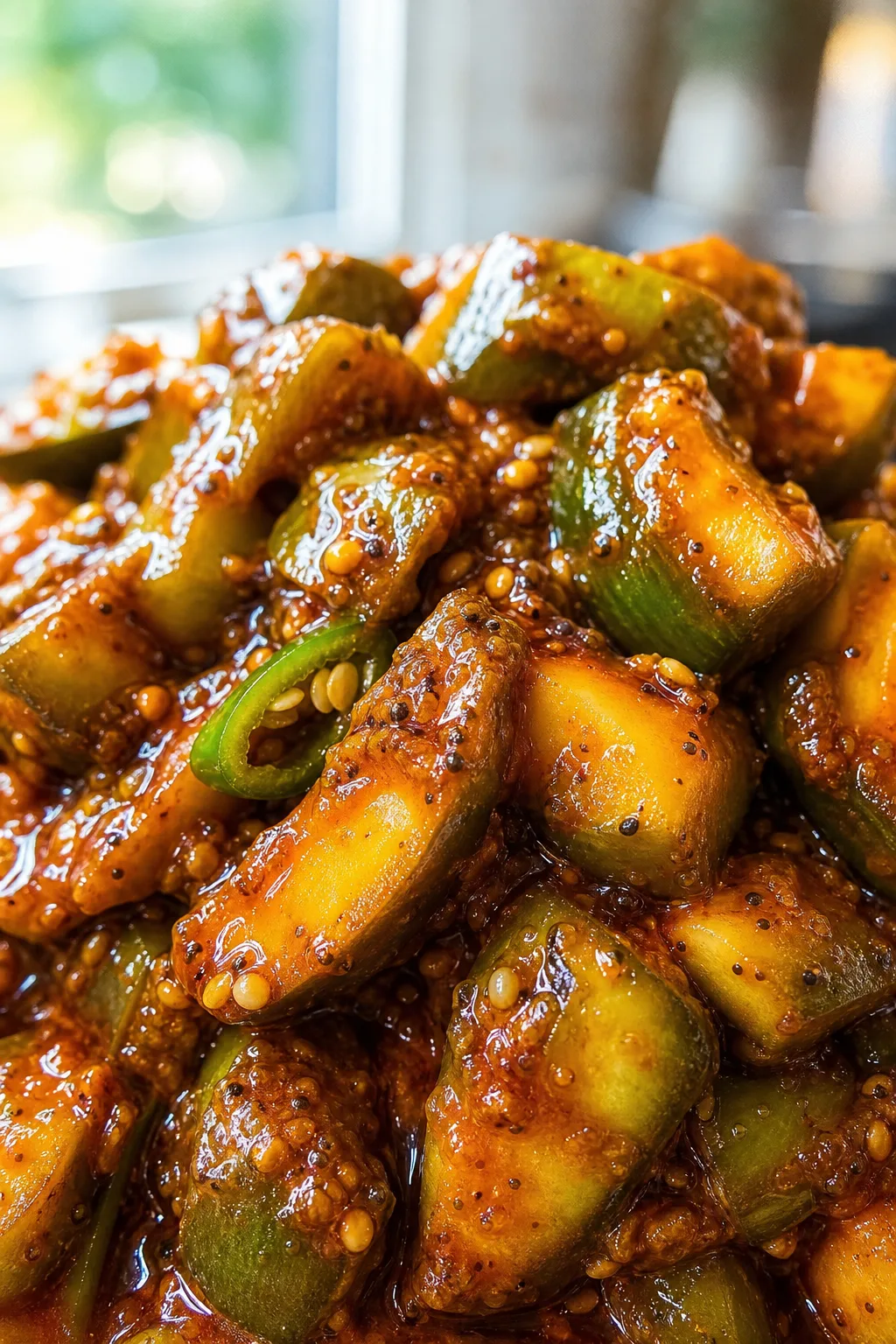
Add thin slices of fresh jalapeño peppers to the cucumber and onion mix for a spicy kick. This variation brings heat and complexity, perfect for those who love a little fire in their sides. The jalapeños also add a nice pop of color.
Note: Adjust soaking time if you want milder heat; longer soaking mellows the spice. Use gloves when slicing jalapeños to avoid irritation.
Dill-Infused Cucumber and Onion Pickle
Toss in fresh dill sprigs with the cucumbers and onions before adding the brine. Dill adds a classic pickle flavor and a fresh herbal aroma that complements the tangy vinegar beautifully.
Note: Add dill just before refrigeration to preserve its bright flavor and avoid bitterness.
Sweet and Sour Bread and Butter Pickles
Increase sugar slightly and add a pinch of turmeric and celery seeds to mimic bread and butter pickles. This variation is sweeter with a hint of spice and a golden color.
Note: Use thin, uniform slices and soak for at least an hour for deeper flavor absorption.
Garlic and Black Pepper Pickle
Add sliced garlic cloves and extra black peppercorns for a more pungent, robust pickle. This variation pairs well with grilled meats and sandwiches for added depth.
Note: Crush peppercorns lightly to release more flavor but avoid overpowering the cucumbers.
Asian-Inspired Soy and Ginger Pickle
Replace half the vinegar with rice vinegar and add grated fresh ginger and a splash of soy sauce. This gives an umami twist and a subtle ginger heat, great with Asian dishes.
Note: Reduce salt in brine due to salty soy sauce; soak for at least 1 hour for full flavor.
Nutrition
Per Serving:
Nutritional values are estimates and may vary based on specific ingredients used.
Storage & Tips
Room Temperature
This quick pickle should not be left at room temperature for more than 2 hours to avoid spoilage and texture loss. Always cover the container tightly to prevent drying out and contamination.
Refrigerator
Store the pickles in an airtight container in the fridge for up to 1 week. The flavor intensifies over time but the cucumbers gradually soften. Serve chilled for best texture and taste.
Freezer
Freezing is not recommended as it ruins the texture, causing the cucumbers to become mushy upon thawing. It’s best to enjoy these pickles fresh within the fridge storage window.
Reheating
These pickles are best served cold or at room temperature. Reheating is unnecessary and will soften the crisp texture. Simply take from fridge and let sit 10 minutes before serving if desired.
Make Ahead
You can slice cucumbers and onions a few hours ahead and store them separately in the fridge. Prepare the brine and combine just before serving or up to 1 day in advance to ensure maximum crunch and fresh flavor.
FAQ
Can I use other types of vinegar for this recipe?
Yes, you can substitute white vinegar with apple cider or rice vinegar for a milder, fruitier tang. However, these vinegars may alter the color and flavor slightly. Stick to 5% acidity vinegar to ensure proper pickling and safety.
How long can I keep these pickles in the fridge?
Stored properly in an airtight container, these quick pickles last about 1 week in the fridge. Over time, the cucumbers soften, so it’s best to enjoy them within the first few days for optimal crunch and flavor.
What if my pickles turned out soggy?
Sogginess usually happens if the cucumbers are sliced too thin, soaked too long, or stored at room temp. To fix this next time, slice thicker, reduce soaking time, and refrigerate immediately after brining.
Can I add sugar substitutes in place of granulated sugar?
You can try natural sweeteners like honey or maple syrup but they may change the flavor profile and color. Granulated sugar dissolves best and provides a clean sweetness, which is why it’s preferred in quick pickles.
Do I need to peel the cucumbers before pickling?
Peeling is optional. Leaving the skin on adds color and texture, plus nutrients. Just make sure to wash cucumbers thoroughly to remove any wax or dirt before slicing.
Why is it important to use pickling or kosher salt instead of table salt?
Pickling or kosher salt lacks additives like iodine and anti-caking agents found in table salt, which can cloud the brine and impart off-flavors. Using pure salt ensures a clear brine and clean taste.
Can I make this recipe vegan and gluten-free?
Absolutely! All ingredients are naturally vegan and gluten-free. Just be sure to check the mustard seeds or any added spices for cross-contamination if you have strict dietary needs.
How can I make these pickles spicier?
Add sliced fresh chili peppers like jalapeños or a pinch of red pepper flakes to the brine. Start with a small amount and adjust to your heat preference to avoid overpowering the fresh cucumber flavor.
Final Thoughts
Give this tangy cucumber and onion pickle a try — it’s such a simple way to brighten up any meal. I’d love to hear how yours turns out, so don’t forget to share your pics and tweaks!