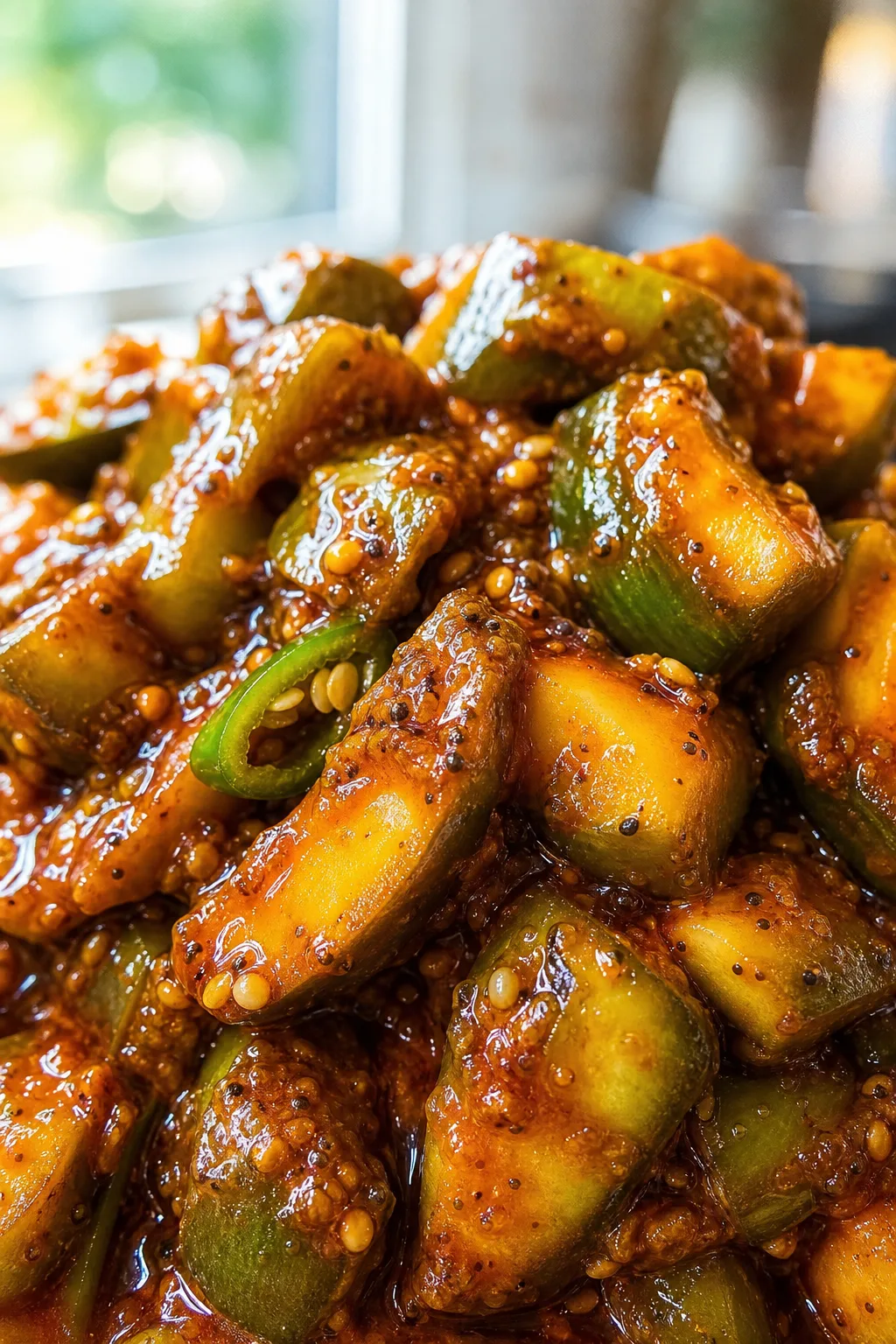
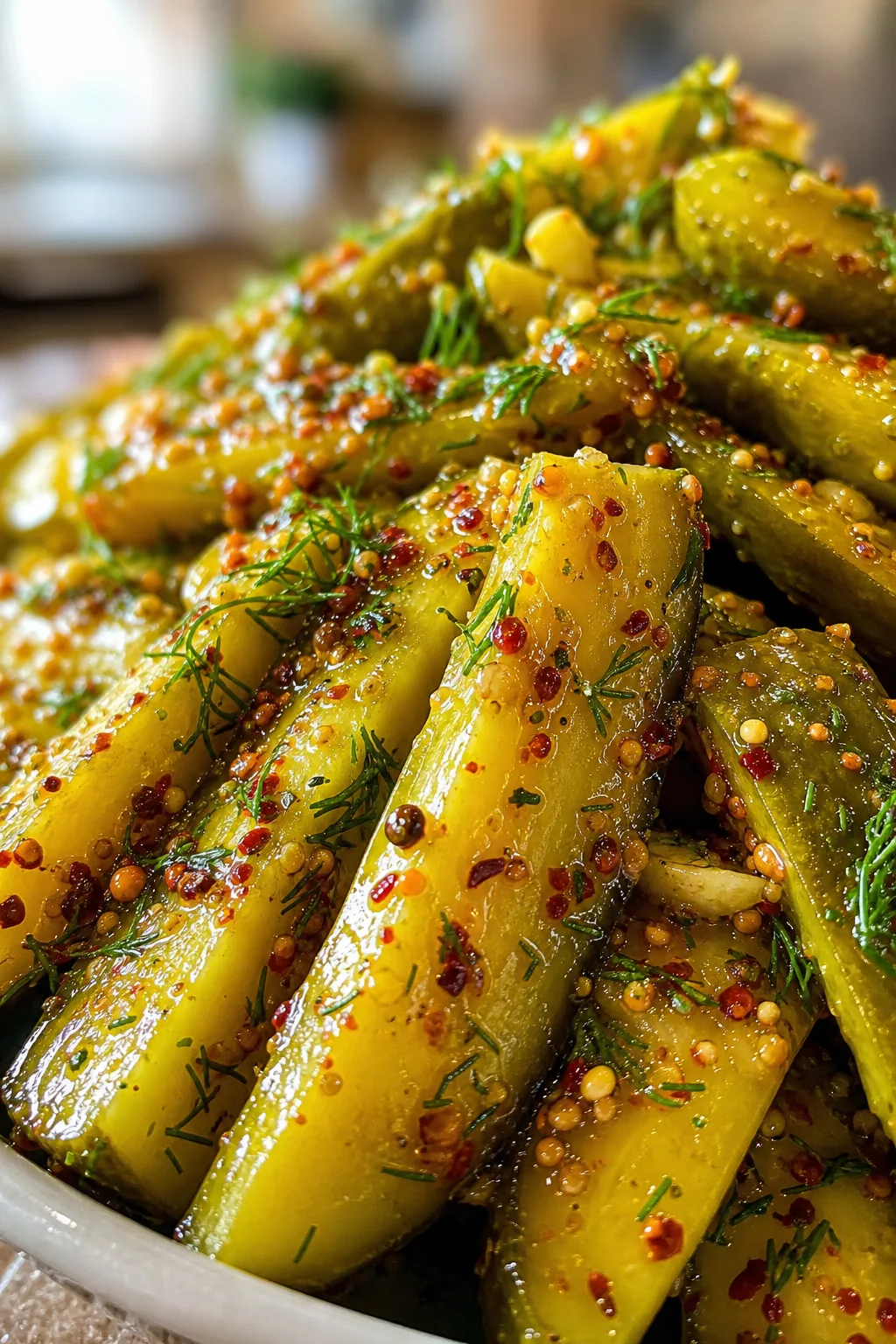
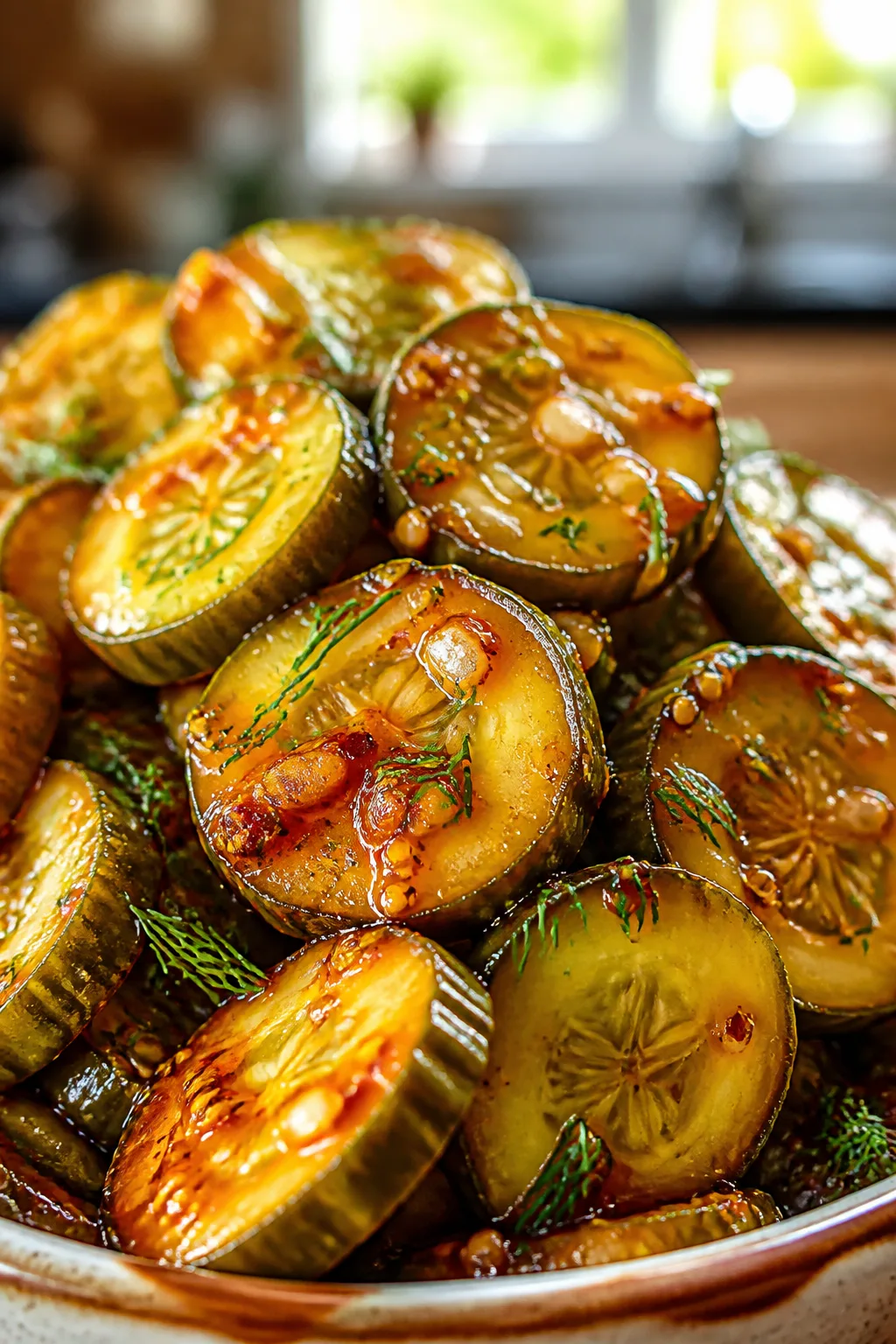
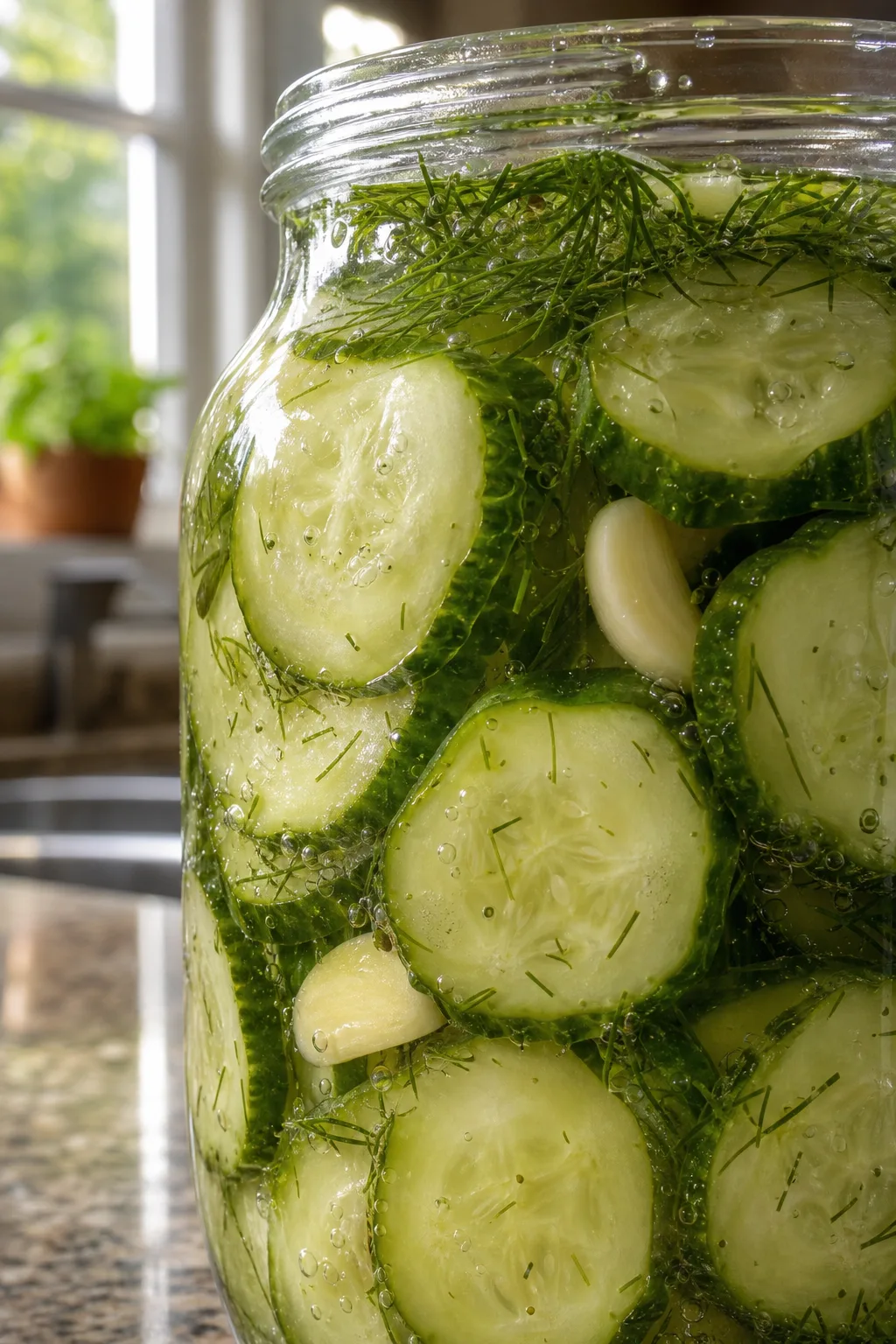
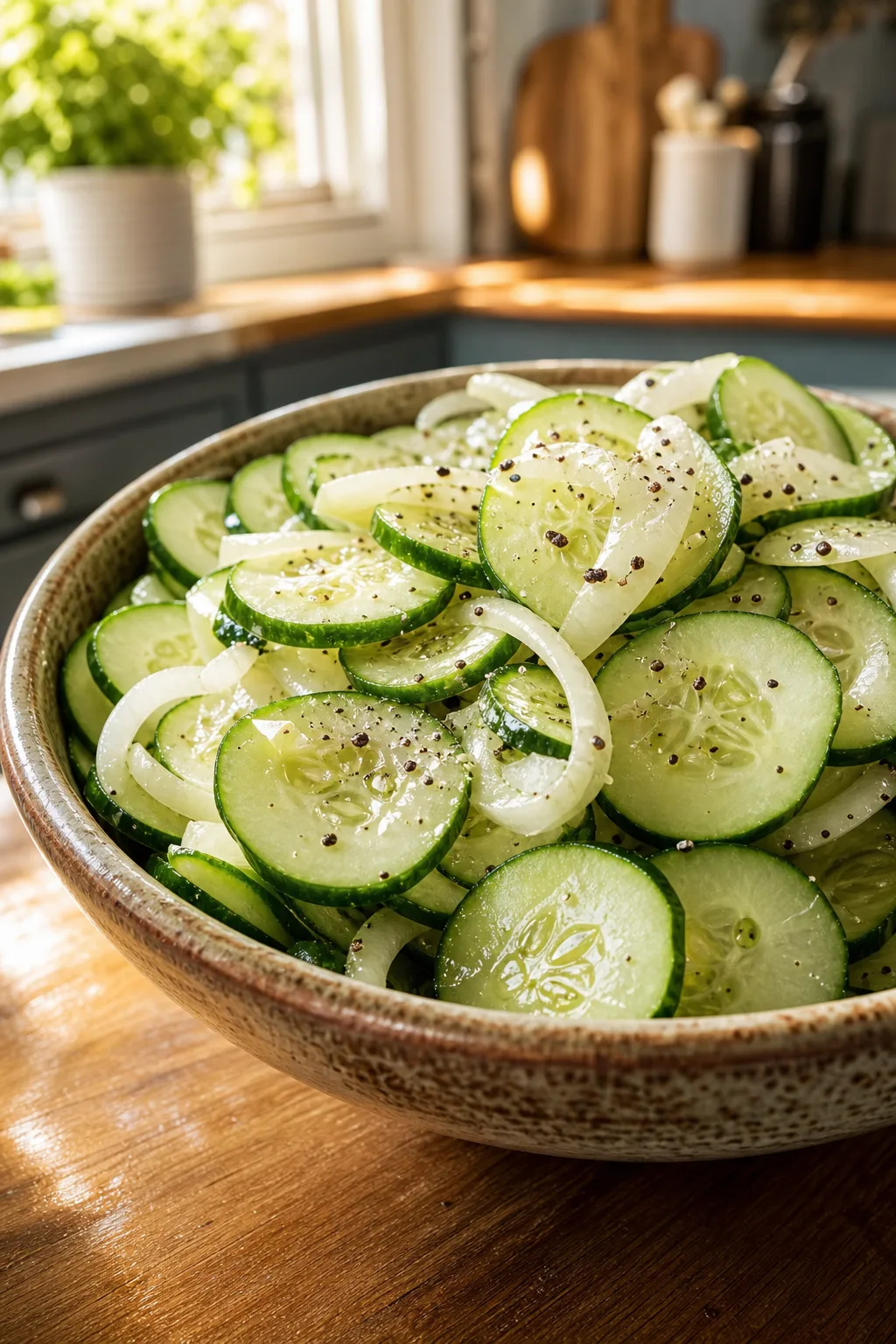
These freezer pickles are a total game changer. They stay crisp without any canning fuss, thanks to a quick freezing method. I add fresh dill and garlic for that classic tangy flavor. Great for snacking or topping sandwiches anytime!
Introduction
I stumbled on this freezer pickle recipe a couple of years ago when I wanted crunchy pickles but didn't want to deal with traditional canning. Honestly, I was skeptical at first—freezing pickles? Would they stay crisp? But this technique totally works! What makes it different is the quick brine that combines vinegar, salt, and a touch of sugar, plus the fresh dill and garlic that give it that classic pickle punch. I like to slice my cucumbers thin for maximum crunch, then pack them tightly with the herbs before freezing. The best part is you can pull them out whenever you want, no waiting for days or weeks like with regular pickles. They’re perfect for tossing on sandwiches, salads, or just munching straight from the jar. My family loves how fresh and tangy they taste, and I love how easy they are to make. I did mess up once by not packing the jars tight enough, and the pickles got a bit mushy, but now I know that step is key. If you want quick, crunchy pickles without the fuss, this recipe is your new best friend!
What You'll Need
Approximately 4 cups, 4 servings
- 4 cups sliced cucumbers, fresh and firm
- 2 cups distilled white vinegar
- 2 cups water
- 2 tablespoons kosher salt
- 4 cloves garlic, peeled and smashed
- 1/4 cup fresh dill sprigs
- 1 tablespoon sugar
How To Do It
Step 1
Start by washing and slicing your cucumbers thinly – about 1/4 inch thick. Slicing thin helps the brine penetrate quickly and keeps the pickles crunchy after freezing. Avoid thick slices because they tend to get soggy. Use a sharp knife or mandoline for uniform slices, which ensures even freezing and flavor absorption.
⏱ Time: 10 minutes
✓ Doneness: Slices are uniform and firm, no mushy spots
Step 2
In a large bowl, whisk together the white vinegar, water, kosher salt, and sugar until the salt and sugar dissolve completely. This brine balance is crucial for flavor and preserving the crunch. If you rush this step and don’t dissolve the salt fully, the pickles might taste uneven and not pickle properly.
⏱ Time: 5 minutes
✓ Doneness: Brine is clear with no grainy salt or sugar crystals
Step 3
Place the sliced cucumbers into a large freezer-safe jar or container. Add the smashed garlic cloves and fresh dill sprigs evenly throughout the jar. The garlic releases flavor slowly, and the dill adds that fresh herbal note everyone loves. Distribute them well so every bite is flavorful.
⏱ Time: 5 minutes
✓ Doneness: Cucumbers are well packed with herbs and garlic visible
Step 4
Pour the prepared brine over the cucumbers until they are fully submerged. It’s important the cucumbers are completely covered to prevent freezer burn and uneven freezing. If the cucumbers float, press them down gently with a clean utensil.
⏱ Time: 5 minutes
✓ Doneness: All cucumber slices are immersed in brine with no air pockets
Step 5
Seal the jar tightly with an airtight lid. Label it with the date and place it in the freezer. Freezing the pickles preserves their crispness without mushiness, unlike traditional refrigeration. Make sure the lid is secure to avoid odors from the freezer affecting the pickles.
⏱ Time: 2 minutes
✓ Doneness: Jar is sealed airtight and placed flat in freezer
Step 6
Let the pickles freeze for at least 24 hours before eating. This resting time allows the flavors to develop and the texture to stabilize. Eating them too soon might mean less flavor and softer texture.
⏱ Time: 24 hours
✓ Doneness: Pickles are firm and cold throughout
Step 7
When ready to serve, thaw pickles in the refrigerator for a few hours or enjoy them frozen for a crunchy snack. If thawed too long at room temperature, they can become watery. I like to eat them partially frozen for extra crunch.
⏱ Time: 2-3 hours
✓ Doneness: Pickles are cool but not watery or soggy
Step 8
Use the pickles as a tangy addition to sandwiches, burgers, or salads. Their fresh garlic and dill flavor pairs well with almost anything savory. Plus, they add a satisfying crunch that’s hard to beat.
⏱ Time: As needed
✓ Doneness: Pickles add bright flavor and crunch to dishes
Step 9
If you want to refresh the flavor after thawing, toss pickles with a little fresh dill or a splash of vinegar. This boosts brightness and keeps them tasting fresh longer.
⏱ Time: 2 minutes
✓ Doneness: Pickles taste vibrant and aromatic
Pro Tips
Slice cucumbers thinly and evenly for best texture.
Thin slices allow the brine to penetrate quickly and freeze evenly, preserving crunch. Thick slices freeze unevenly and can become mushy when thawed because the inner parts hold more water.
Use an airtight container to prevent freezer burn.
Exposure to air causes freezer burn, drying out the pickles and dulling flavors. A tight seal keeps moisture in and flavors locked during freezing.
Don’t skip the sugar in the brine.
Sugar balances the harshness of vinegar and salt, rounding out the flavor. Without it, pickles can taste overly sharp or sour.
Pack cucumbers tightly in the jar to avoid floating.
Floating slices can freeze unevenly and dry out. Pressing them down ensures full brine coverage and consistent texture.
Let pickles rest in the freezer for at least 24 hours before eating.
This allows flavors to develop and the freezing process to stabilize the texture. Eating too soon can result in bland or unevenly textured pickles.
Use fresh dill and garlic for the best aromatic flavor.
Fresh herbs and garlic release oils that infuse during freezing, creating classic pickle flavor. Dried herbs lack intensity and won’t flavor as well.
Thaw pickles slowly in the fridge to avoid sogginess.
Rapid thawing at room temperature causes water to release quickly, making pickles watery. Slow thawing preserves texture.
Common Mistakes to Avoid
Not packing cucumbers tightly in the jar.
Why it happens People assume cucumbers can just float freely, but this lets air pockets form and causes uneven freezing.
Fix Press the slices firmly to submerge them fully in brine. Use a utensil if needed to eliminate air gaps, ensuring even freezing and crispness.
Skipping the sugar in the brine.
Why it happens Some think sugar isn’t necessary in pickles, but it balances vinegar’s acidity.
Fix Always add sugar as specified. It mellows the sharpness and creates a more balanced, pleasant flavor.
Using old or soft cucumbers.
Why it happens Sometimes people use whatever cucumbers are on hand without checking freshness.
Fix Choose firm, fresh cucumbers with no bruises to keep pickles crunchy after freezing.
Not sealing the jar airtight before freezing.
Why it happens Assuming any container works can lead to air exposure and freezer burn.
Fix Use a container with a tight-fitting lid to lock in moisture and prevent off-flavors.
Eating pickles too soon after freezing.
Why it happens Impatience leads to trying them before flavors and texture develop fully.
Fix Wait 24 hours minimum in the freezer before enjoying for best taste and crunch.
Variations
Spicy Freezer Pickles
Add sliced jalapeños or red pepper flakes to the jar before freezing for a spicy kick. The heat infuses during freezing, giving a nice balance to the tangy brine. Expect a sharper, more vibrant flavor with a pleasant warmth.
Note: Adjust brine sugar slightly to balance the heat. Watch for pepper seeds that might add extra heat.
Sweet and Tangy Freezer Pickles
Increase the sugar to 3 tablespoons and add a cinnamon stick or star anise for a sweet twist. This variation is great for those who prefer milder acidity with a hint of spice. The texture remains crisp but the flavor profile shifts to a sweeter pickle.
Note: Monitor sugar to vinegar ratio to maintain preservation while enhancing sweetness.
Garlic Lover’s Freezer Pickles
Double the garlic cloves and add some garlic powder to the brine for an intense garlic punch. These pickles are bold and aromatic, perfect for garlic fans. The texture stays the same but flavor is deeply savory.
Note: Avoid overpowering by balancing garlic with fresh dill and vinegar acidity.
Herb-Infused Freezer Pickles
Swap fresh dill for a mix of fresh tarragon, thyme, and rosemary for a unique herbal flavor. This gives the pickles a more complex, garden-fresh taste. The texture remains crisp but the flavor is less traditional.
Note: Use fresh herbs and adjust quantities to avoid overpowering the cucumbers.
Low-Sodium Freezer Pickles
Reduce the kosher salt to 1 tablespoon and add a splash of lemon juice for brightness. This version is gentler on sodium intake but still flavorful. Texture might be slightly less crisp but still enjoyable.
Note: Lower salt affects preservation time; consume sooner and keep frozen.
Nutrition
Per Serving:
Nutritional values are estimates and may vary based on specific ingredients used.
Storage & Tips
Room Temperature
Freezer pickles should not be kept at room temperature for more than 2 hours to avoid bacterial growth and texture loss. Always keep them sealed in the freezer or refrigerator when not serving.
Refrigerator
Once thawed, store pickles in an airtight container in the fridge for up to 5 days. The flavor may mellow and texture soften slightly over time, so best eaten within a few days. Serve cold or at room temperature.
Freezer
Freeze pickles in a tightly sealed container for up to 3 months. Use freezer-safe jars or bags to prevent freezer burn. Thaw in the refrigerator slowly to maintain texture and flavor.
Reheating
No reheating needed. Enjoy pickles cold or partially thawed for best crunch. Avoid microwaving as it ruins texture.
Make Ahead
Prepare the brine and slice cucumbers 1-2 days ahead. Store cucumbers and brine separately in the fridge. Assemble and freeze the day before serving for freshest flavor and texture.
FAQ
Can I use regular cucumbers instead of pickling cucumbers?
Yes, but regular slicing cucumbers have more water and thinner skins, so the pickles may be softer after freezing. Pickling cucumbers or Kirby cucumbers are best for crunch and texture.
How long do freezer pickles last in the freezer?
They keep well for about 3 months. After that, they may start to lose flavor and texture quality. Always store in airtight containers to prevent freezer burn.
Do I need to thaw the pickles before eating?
You can eat them partially frozen for extra crunch, or thaw in the fridge for a few hours if you prefer softer texture. Avoid thawing at room temperature to prevent sogginess.
Can I reuse the brine for another batch?
It’s best to make fresh brine each time. Reusing brine may cause inconsistent flavor and risks bacterial contamination.
What if my pickles turned out mushy?
Mushy pickles usually result from not packing cucumbers tightly or using overly ripe cucumbers. Use fresh, firm cucumbers and press slices firmly into the brine before freezing.
Can I add other spices like mustard seeds or peppercorns?
Absolutely! Adding mustard seeds, peppercorns, or coriander seeds can add extra complexity. Just add them to the jar before freezing and adjust to taste.
Why do I need to wait 24 hours before eating?
The wait allows the brine to fully infuse into the cucumbers and the freezing process to stabilize the texture. Eating too soon means less flavor and possible uneven texture.
Is it safe to freeze pickles with garlic?
Yes, garlic freezes well and adds flavor. Just make sure the jar is airtight to prevent garlic odors from spreading in the freezer.
Final Thoughts
Give these easy freezer pickles a try—you'll love how crunchy and flavorful they stay without any canning hassle. Don't forget to share your pickle creations with friends!