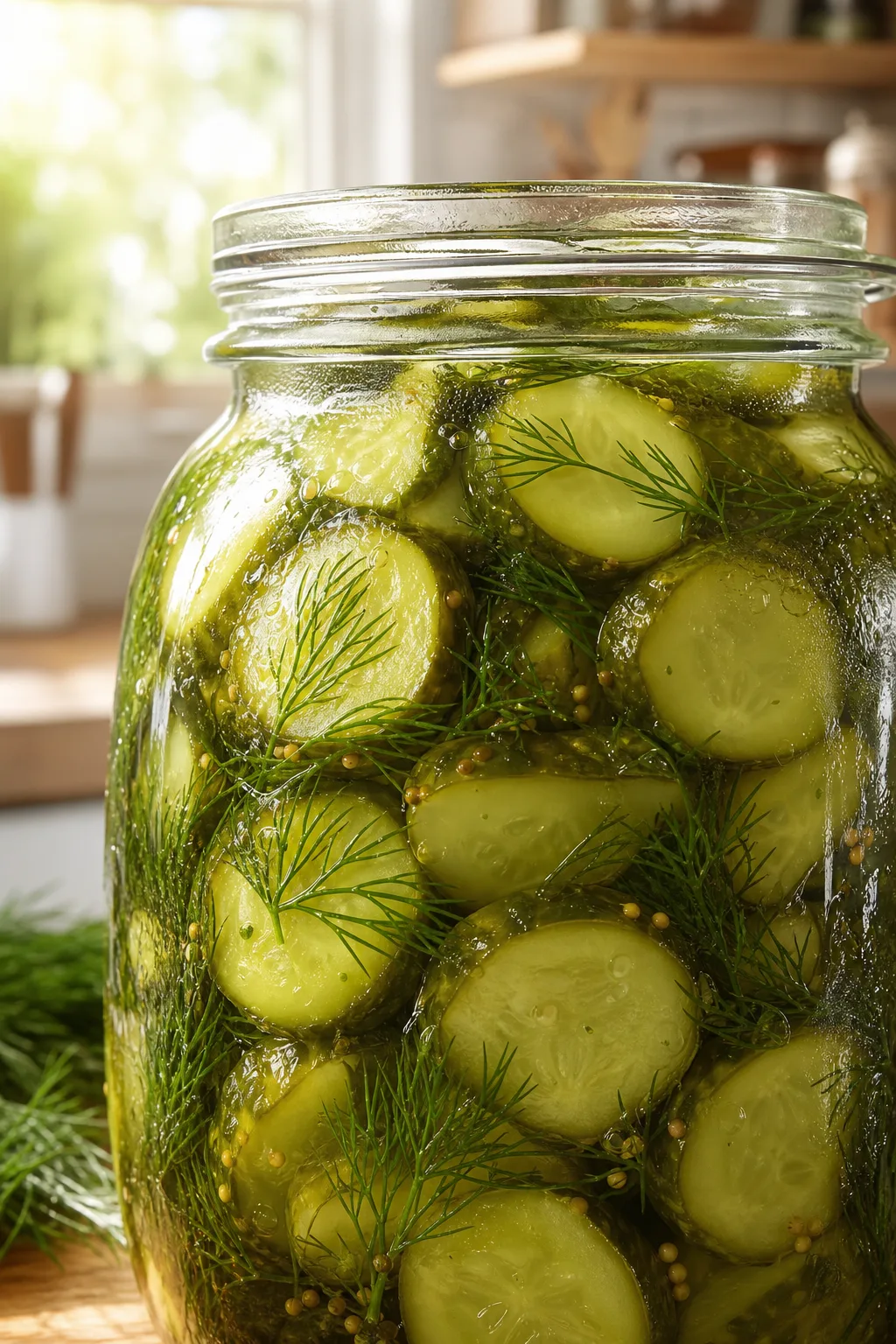
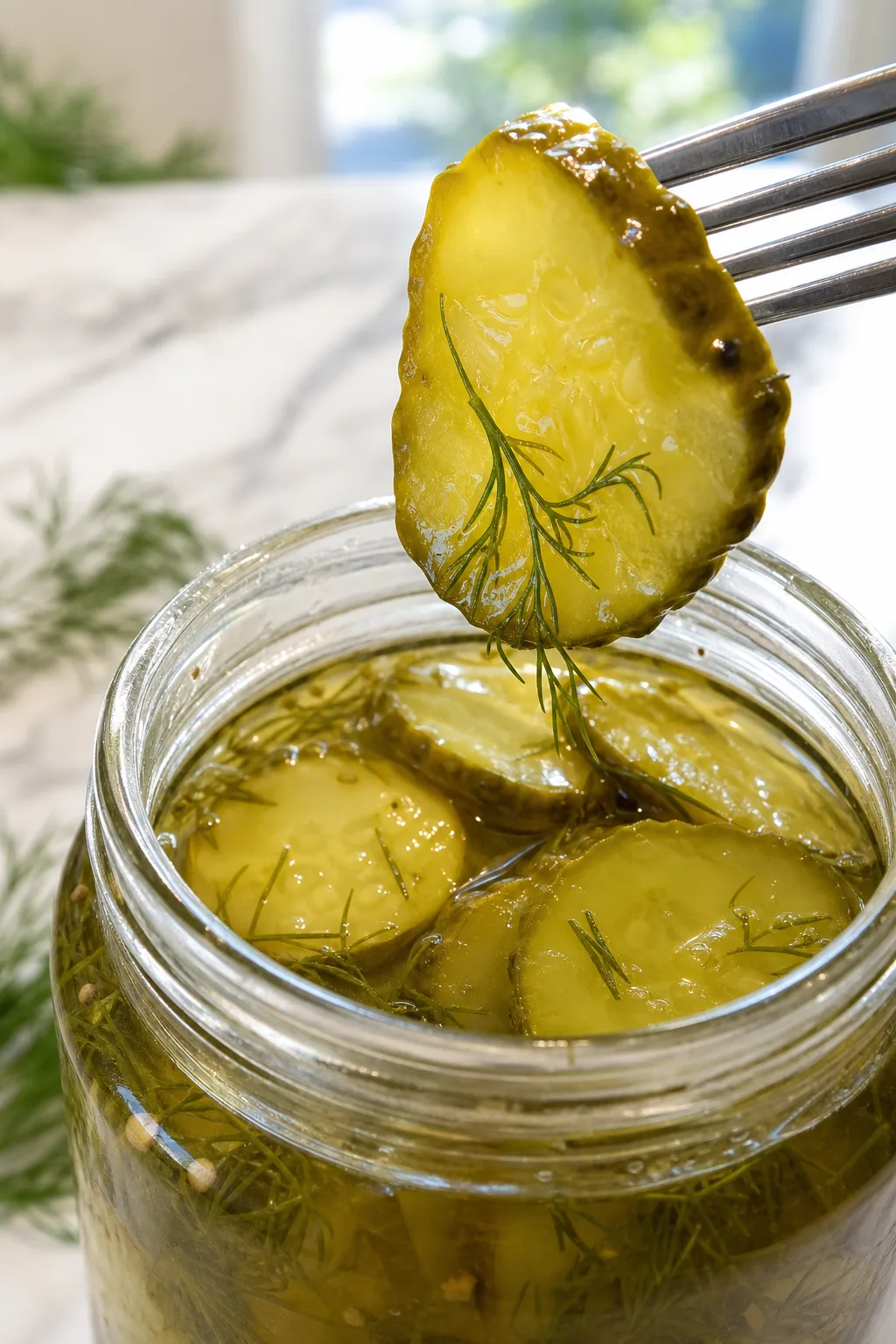
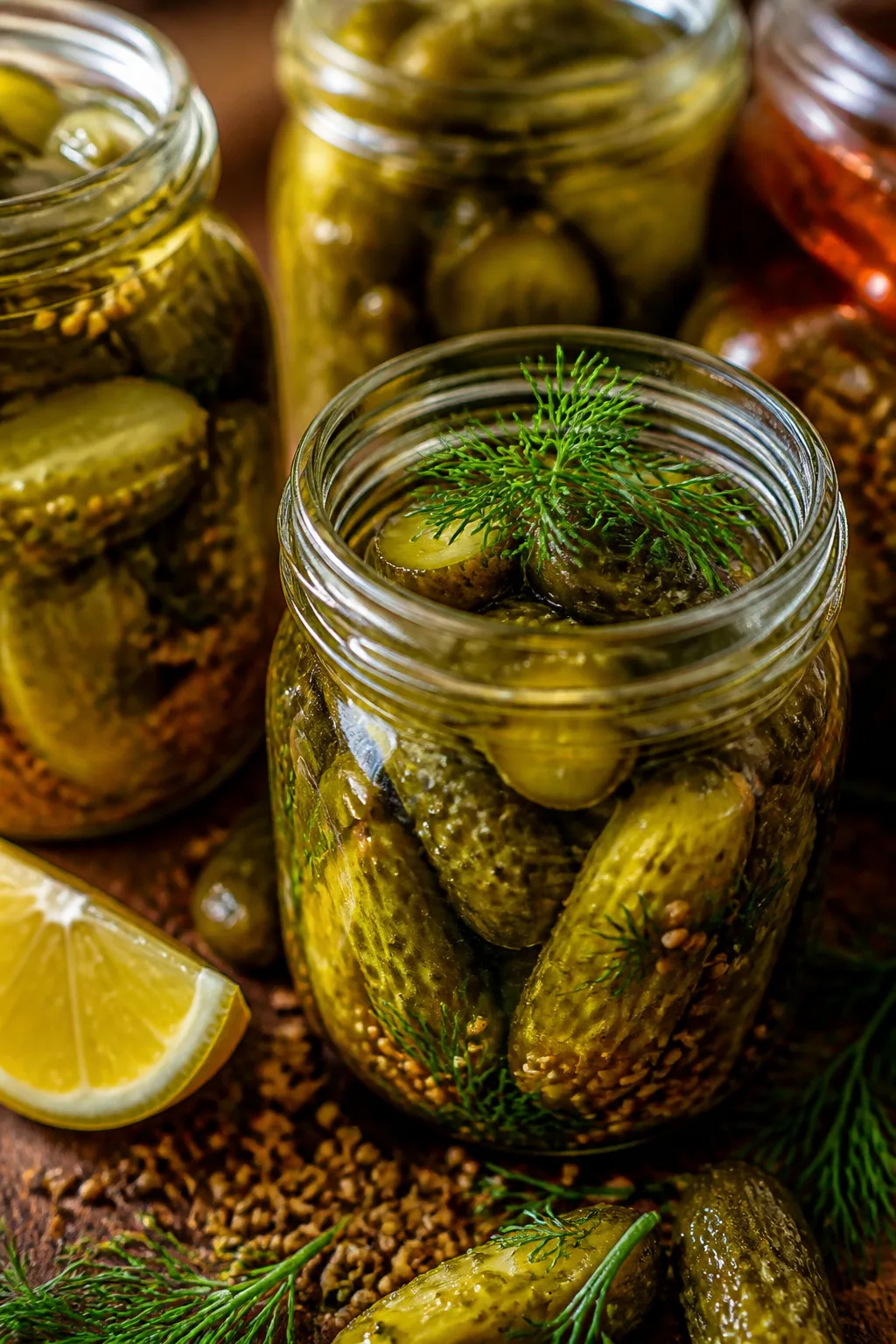
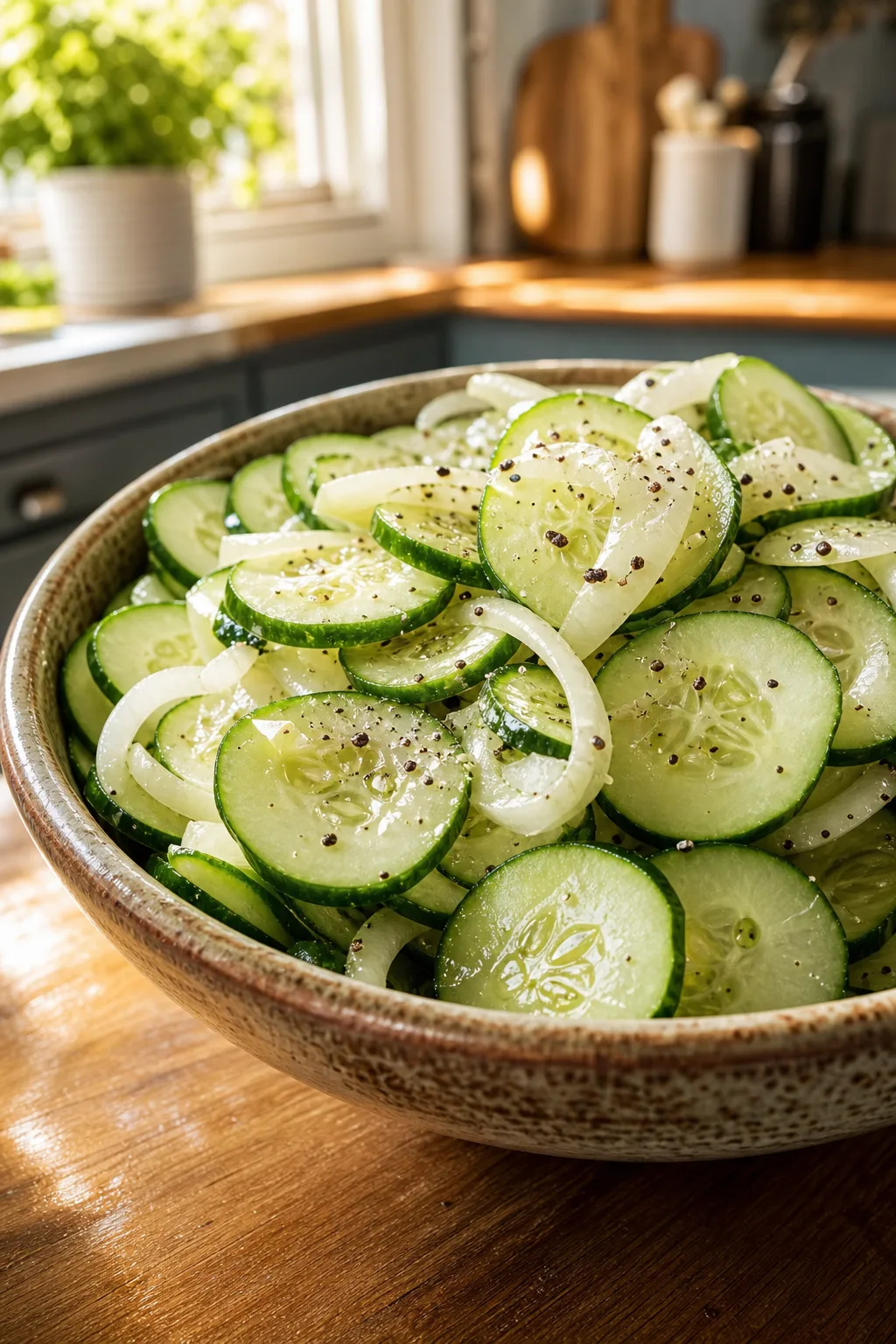
These crisp, tangy dill pickles are my quick fix when I want that fresh, classic pickle flavor without any canning hassle. The mustard seeds and fresh dill really make them pop. Great for sandwiches or a snack anytime!
Introduction
I first stumbled upon refrigerator dill pickles when I wanted a quick, no-fuss way to enjoy fresh pickles without the whole canning process. Honestly, I was skeptical about skipping the heat bath step, but this method blew me away. The key difference? Using fresh dill and a good dose of mustard seeds, which together bring that classic pickle zing and aroma. I also learned that slicing the cucumbers thinly helps them soak up the brine faster, so you get crunchy, flavorful pickles in just a couple of days. Unlike traditional canned pickles, these stay crisp and tangy with minimal effort, making them my go-to when I need a snack or a sandwich topper in a pinch. The jar sits right in my fridge, and I keep grabbing them for salads, burgers, or just on their own. The best part? No special equipment needed, just a good jar and fresh ingredients. If you’ve ever tried making pickles but found the process intimidating or time-consuming, this recipe is your shortcut to pickle bliss!
What You'll Need
Approximately 4 cups, 4 servings
- 4 cups thinly sliced cucumbers (about 3 medium cucumbers)
- 3 cloves garlic, peeled and smashed
- 1 bunch fresh dill (about 10 sprigs)
- 1 tablespoon mustard seeds
- 1 1/2 cups white vinegar
- 1 1/2 cups water
- 1 tablespoon kosher salt
- 1 tablespoon sugar
How To Do It
Step 1
Start by washing your cucumbers thoroughly and slicing them into thin rounds, about 1/8-inch thick. Thin slices absorb the brine faster, giving you crisp, flavorful pickles in less time. Avoid thick slices as they take longer to pickle and might turn soft. Use a sharp knife or mandoline for even slices, which ensures uniform pickling. Place the sliced cucumbers in a large mixing bowl while you prepare the brine.
⏱ Time: 10 minutes
✓ Doneness: Evenly sliced cucumbers, no thick chunks
Step 2
In a medium saucepan, combine the vinegar, water, kosher salt, and sugar. Heat gently over medium heat, stirring until the salt and sugar fully dissolve. This step is crucial because it ensures a balanced brine that flavors the cucumbers evenly. Don’t let the mixture boil vigorously, as that can alter the flavor. Once dissolved, remove the brine from heat and let it cool to room temperature before pouring it over the cucumbers.
⏱ Time: 5 minutes
✓ Doneness: Clear brine with dissolved salt and sugar, no granules visible
Step 3
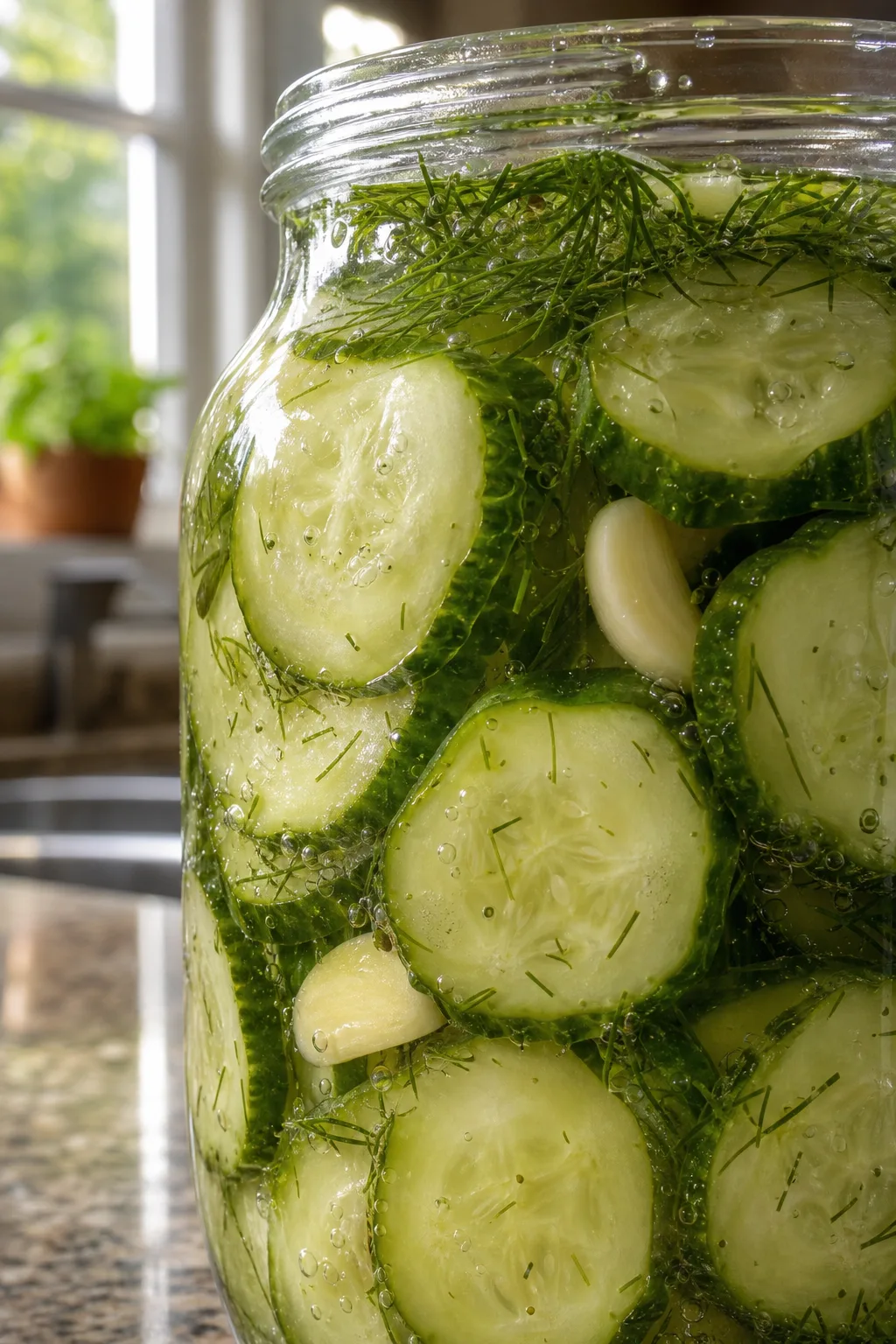
Place the smashed garlic cloves, fresh dill sprigs, and mustard seeds at the bottom of a clean quart-sized jar. These aromatics infuse the brine with classic dill pickle flavors. The smashed garlic releases more flavor without overpowering the pickles. Mustard seeds add a subtle spice and texture contrast. Layer the cucumber slices tightly in the jar, packing them just enough so they’re submerged but not crushed.
⏱ Time: 5 minutes
✓ Doneness: Jar filled snugly with cucumbers and aromatics visible
Step 4
Pour the cooled brine over the cucumbers until they’re completely submerged. It’s important that the cucumbers stay under the liquid to prevent spoilage and ensure even pickling. If needed, use a small weight or a clean fermentation weight to keep cucumbers submerged. Seal the jar tightly with a lid.
⏱ Time: 5 minutes
✓ Doneness: Cucumbers fully covered by brine, no air pockets
Step 5
Place the jar in the refrigerator and let it sit for at least 48 hours before tasting. The longer they sit, the more intense the flavor develops. I like to wait 3-4 days for that perfect balance of tang and crunch. Remember, these are quick pickles, so refrigeration is essential to keep them fresh and safe.
⏱ Time: 48-72 hours
✓ Doneness: Pickles develop bright color and tangy aroma
Step 6
After the initial 48 hours, open the jar and taste a pickle slice. If it’s tangy and crisp enough for your liking, they’re ready to enjoy! If you want stronger flavor, let them sit longer, tasting daily. Always use clean utensils to avoid contamination. These pickles will keep well in the fridge for up to 3 weeks.
⏱ Time: 5 minutes
✓ Doneness: Crisp texture and balanced sourness
Step 7
When serving, drain the pickles from the brine and enjoy them as a snack, on sandwiches, or chopped into salads. The brine can be reused once or twice for a lighter batch of pickles, just add fresh cucumbers and spices. This keeps waste down and adds a nice flavor continuity.
⏱ Time: 5 minutes
✓ Doneness: Pickles taste fresh and vibrant
Step 8
If you want to customize, try adding sliced jalapeños or red pepper flakes to the jar for a spicy kick. You can also experiment with different herbs like tarragon or thyme. Just remember that changes in aromatics will affect the final flavor profile, so start with small amounts.
⏱ Time: Optional
✓ Doneness: Balanced flavor with added spices or herbs
Step 9
Always store your pickles in the refrigerator to maintain crunch and freshness. Avoid leaving them out at room temperature for extended periods, as this can cause spoilage. Keep the jar sealed tightly and use clean utensils to extend shelf life and keep flavors pure.
⏱ Time: Ongoing
✓ Doneness: Pickles remain crisp and flavorful over time
Pro Tips
Use a mandoline slicer for evenly thin cucumber slices.
Even slices allow the brine to penetrate uniformly, ensuring consistent flavor and texture. Uneven slices can result in some pieces being too soft while others remain bland. A mandoline also speeds up prep and reduces the risk of hand injuries from repetitive slicing.
Let the brine cool completely before pouring over cucumbers.
Pouring hot brine can soften cucumbers prematurely, resulting in mushy pickles. Cooling preserves the cucumbers’ snap and ensures that the flavors develop gradually and evenly without cooking the vegetables.
Keep cucumbers fully submerged with a weight or small jar lid.
Exposure to air can cause mold or spoilage bacteria to grow on the pickles. Keeping them under brine maintains an anaerobic environment that preserves freshness and prevents discoloration or off-flavors.
Use kosher salt instead of table salt for a cleaner flavor.
Kosher salt contains no additives like iodine or anti-caking agents that can cloud the brine or impart metallic flavors, resulting in a brighter, purer pickle taste.
Don’t skip the mustard seeds; they add essential flavor and texture.
Mustard seeds release a mild spiciness and slight crunch that elevate the pickle’s complexity. Omitting them makes the flavor flat and less interesting.
Store pickles in the fridge immediately after making.
Refrigeration slows enzymatic and microbial activity, keeping pickles crisp and safe to eat. Leaving pickles at room temperature can lead to softening and spoilage.
Use fresh garlic cloves smashed lightly to release flavor without overpowering.
Smashed garlic releases allicin, which adds savory depth. Over-crushing can make the garlic taste harsh and dominate the pickle’s delicate balance.
Common Mistakes to Avoid
Using thick cucumber slices
Why it happens Many assume thicker slices will hold up better, but thick slices take longer to pickle and often end up soft or bland inside.
Fix Slice cucumbers thinly and evenly to speed up flavor absorption and maintain crispness. Use a mandoline if possible for uniformity.
Pouring hot brine over cucumbers
Why it happens Some think hot brine speeds pickling, but it actually cooks the cucumbers, making them mushy.
Fix Always cool the brine to room temperature before adding cucumbers to preserve texture.
Not keeping cucumbers submerged
Why it happens People often forget to weigh down cucumbers, leading to exposure to air and spoilage.
Fix Use a clean weight or smaller jar lid inside the jar to keep cucumbers fully covered by brine.
Using regular table salt
Why it happens Table salt contains additives that can cloud the brine and affect flavor.
Fix Use kosher salt or pickling salt to ensure a clear brine and pure taste.
Not storing pickles in the fridge
Why it happens Some think refrigeration isn’t necessary, but this causes rapid spoilage.
Fix Keep pickles refrigerated at all times to maintain crunch and safety.
Variations
Spicy Jalapeño Dill Pickles
Add sliced jalapeños and a pinch of red pepper flakes to the jar for a spicy twist. The heat complements the tangy dill and mustard seeds, creating a bold flavor perfect for those who love a kick. These pickles are great on tacos or burgers when you want extra zing.
Note: Spicy additions may intensify flavor quickly, so taste after 2 days to avoid overpowering heat.
Garlic and Herb Refrigerator Pickles
Enhance the flavor by adding fresh thyme and rosemary sprigs along with extra garlic cloves. This variation creates a more aromatic pickle with savory herbal notes, ideal for cheese boards or as a side to roasted meats.
Note: Herbs release oils that can darken brine slightly; use fresh and discard after 1-2 weeks for best taste.
Sweet and Tangy Bread and Butter Pickles
Increase sugar to 1/4 cup and add thin slices of onion and a cinnamon stick for a sweeter, spiced pickle. This version balances tang with sweetness and is lovely on sandwiches or salads.
Note: Sweet pickles need careful refrigeration and shorter storage time to maintain crispness.
Cucumber Spear Refrigerator Pickles
Instead of slices, cut cucumbers into spears for chunkier pickles that hold up well in burgers and subs. The spears absorb brine more slowly, so give them 4-5 days in the fridge for full flavor.
Note: Spears require longer pickling time and may be less crisp if over-soaked.
Dill Pickles with Turmeric and Coriander
Add 1 teaspoon turmeric powder and 1 tablespoon coriander seeds to the brine for an earthy, golden-hued pickle with warm spice notes. This variation offers a unique flavor profile inspired by Indian pickling traditions.
Note: Turmeric can stain jars and hands; use gloves and rinse jars well after use.
Nutrition
Per Serving:
Nutritional values are estimates and may vary based on specific ingredients used.
Storage & Tips
Room Temperature
Refrigerator pickles should not be stored at room temperature for extended periods. If left out for more than 2 hours, they can spoil quickly due to lack of acidification and refrigeration.
Refrigerator
Store pickles in an airtight jar in the refrigerator for up to 3 weeks. Flavor intensifies over time, but they remain crisp and safe to eat. Some flavor may mellow slightly when served cold.
Freezer
Freezing is not recommended as it breaks down cucumber cell walls, resulting in soggy pickles. Instead, make fresh batches as needed.
Reheating
Pickles are best served cold or at room temperature. Reheating is not necessary and will degrade texture and flavor.
Make Ahead
You can prepare the brine and slice cucumbers a day ahead, storing them separately in the fridge. Assemble the jar with aromatics and pour brine over cucumbers the day you want to start pickling for maximum freshness.
FAQ
Can I use regular cucumbers instead of pickling cucumbers?
You can use regular cucumbers, but pickling cucumbers are firmer and less watery, so they stay crisp longer. If using slicing cucumbers, peel thick-skinned varieties partially and slice thinly to reduce water content and bitterness.
Can I reuse the pickle brine?
Yes, you can reuse the brine once or twice for lighter batches. Just add fresh cucumbers and aromatics. The flavor will be milder each time, so adjust salt and sugar as needed.
Why are my pickles soft?
Soft pickles usually result from using overripe cucumbers, thick slices, or pouring hot brine over them. Use firm cucumbers, slice thinly, and always cool the brine before adding to keep pickles crisp.
Can I add other spices or herbs?
Absolutely! Try adding peppercorns, coriander seeds, or fresh herbs like thyme for different flavor profiles. Just be mindful that some spices can intensify quickly, so start with small amounts.
Do I need to sterilize the jar?
Since these pickles are refrigerated and consumed relatively quickly, sterilizing jars isn’t mandatory but always use clean jars to prevent contamination.
Why do my pickles lose color?
Loss of color can occur if cucumbers are old or if brine is too hot when poured. Use fresh cucumbers and cool brine to maintain bright green color.
Can I make these pickles vegan and gluten-free?
Yes, all ingredients are naturally vegan and gluten-free. Just double-check that your mustard seeds and salt don’t have additives if you have sensitivities.
How soon can I eat these pickles?
You can start tasting after 48 hours, but they taste best after 3-4 days when the flavors have fully developed and cucumbers are crisp and tangy.
Final Thoughts
Give these easy refrigerator dill pickles a try and enjoy fresh, crunchy pickles anytime without the fuss. I'd love to hear how yours turn out!