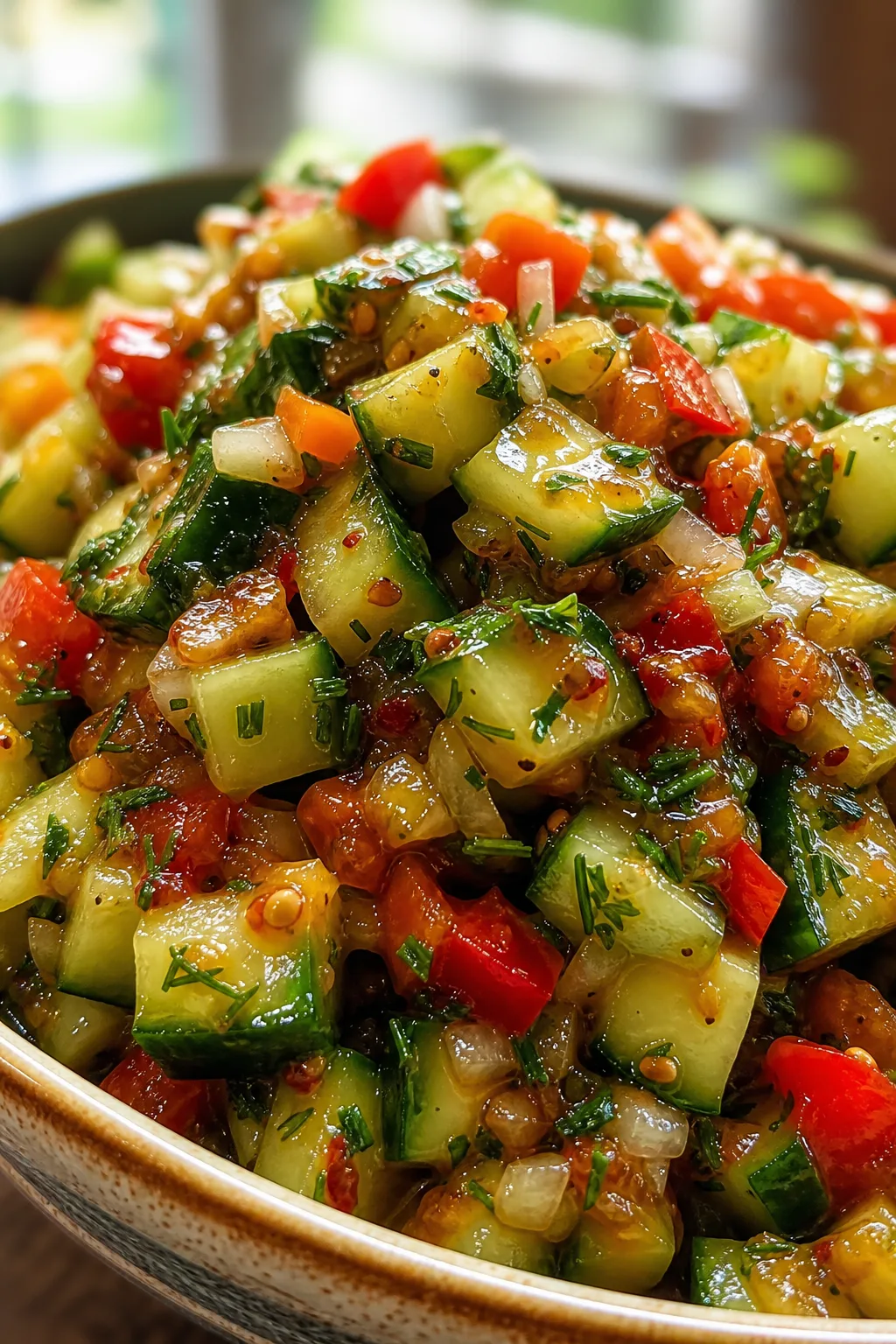
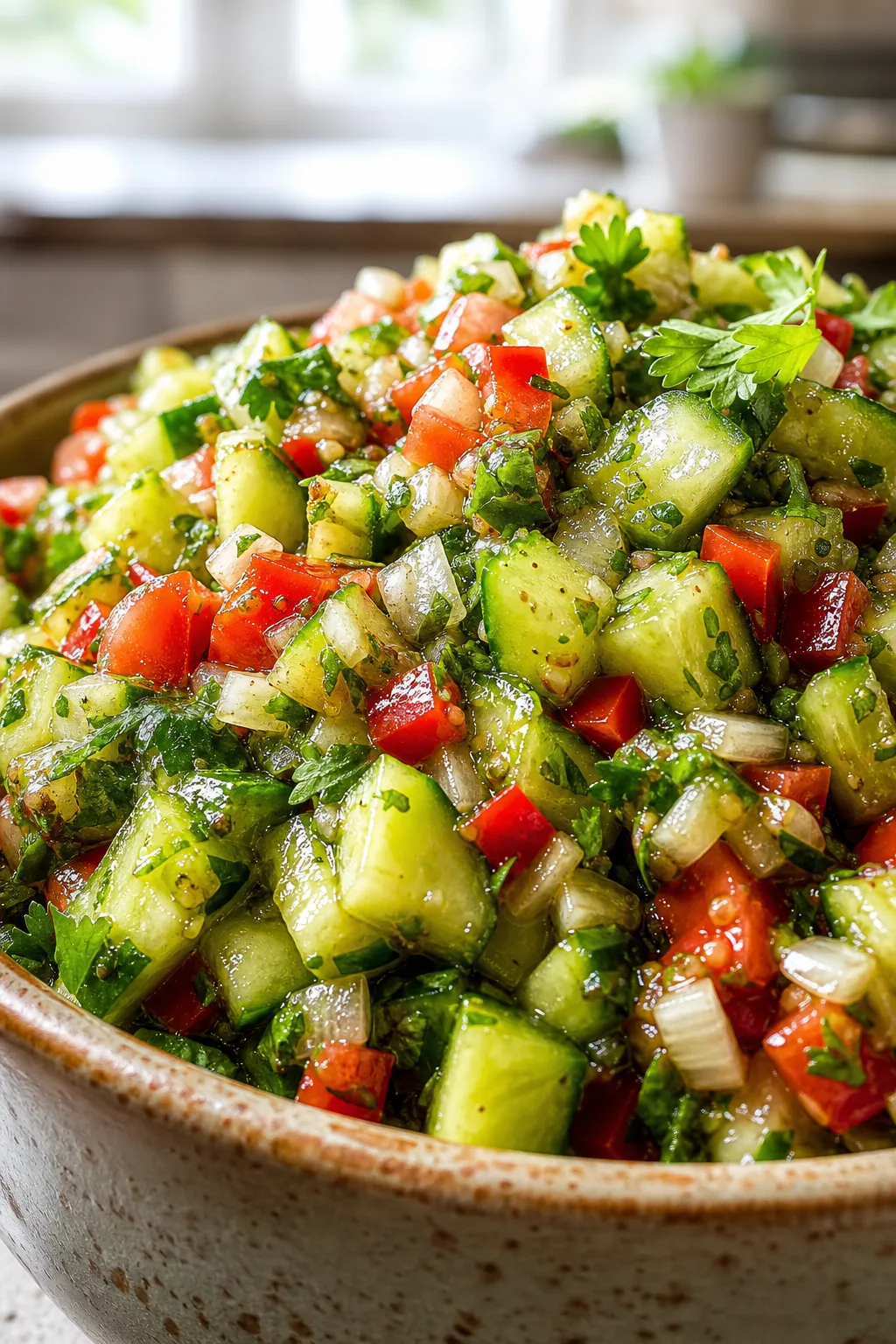
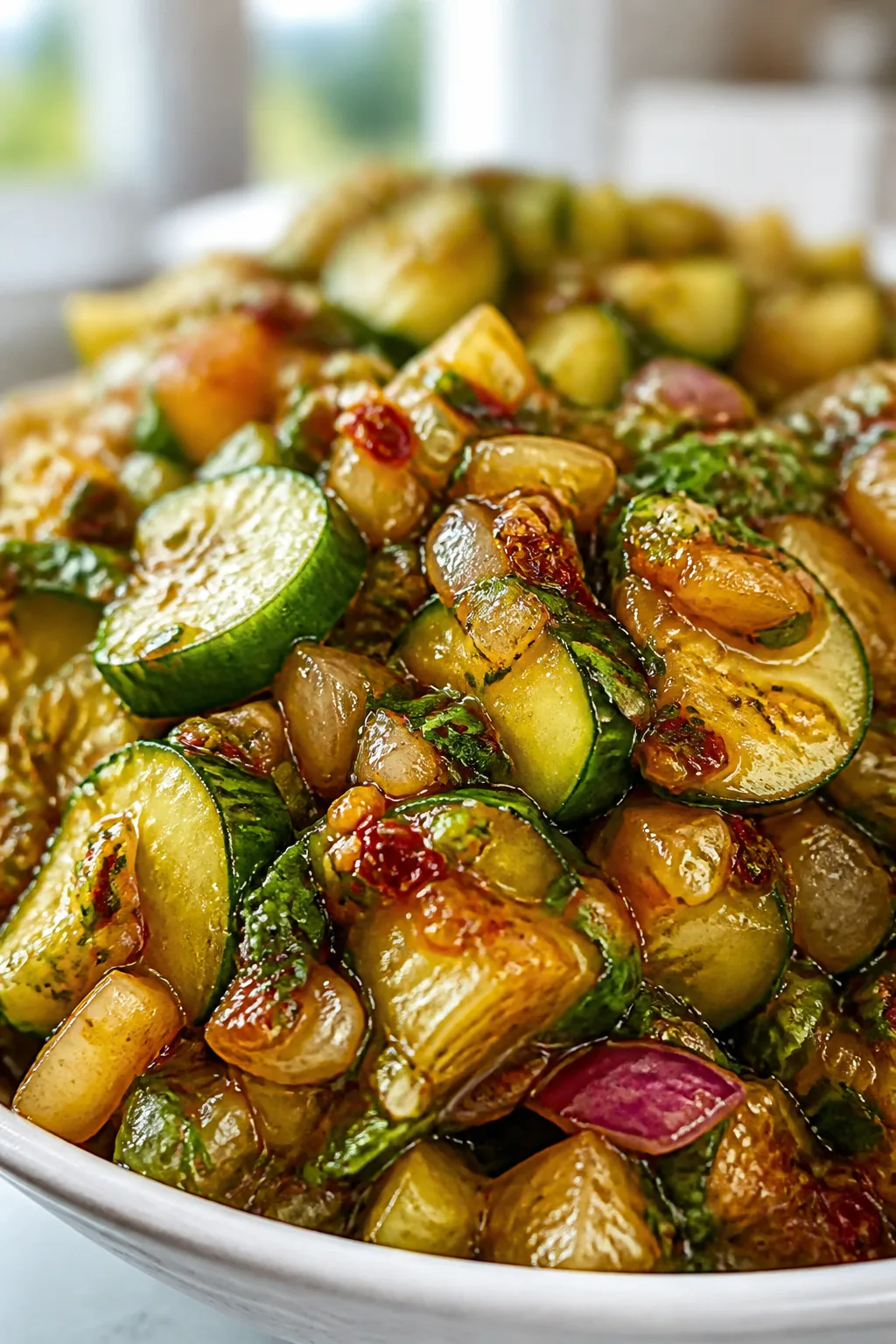
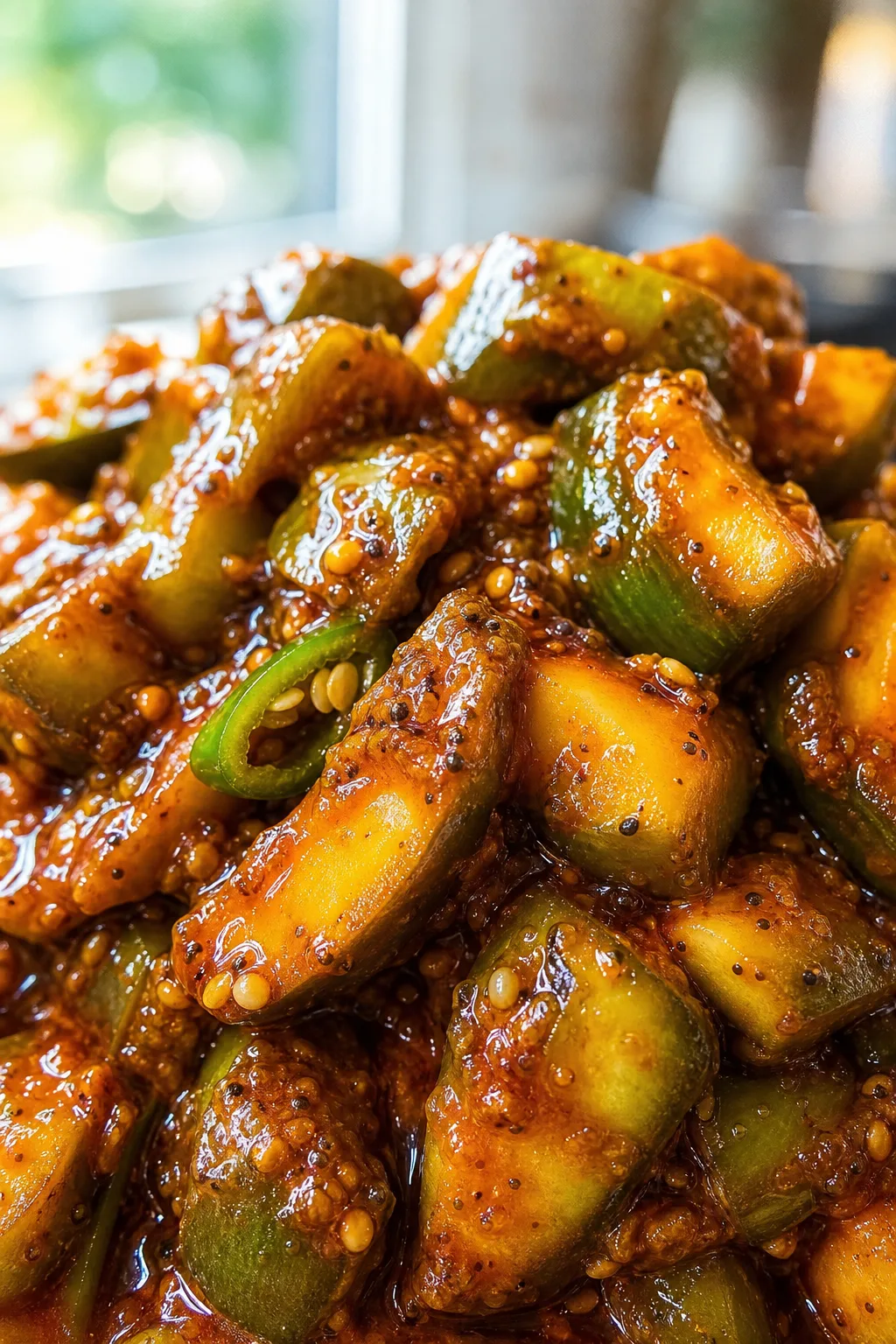
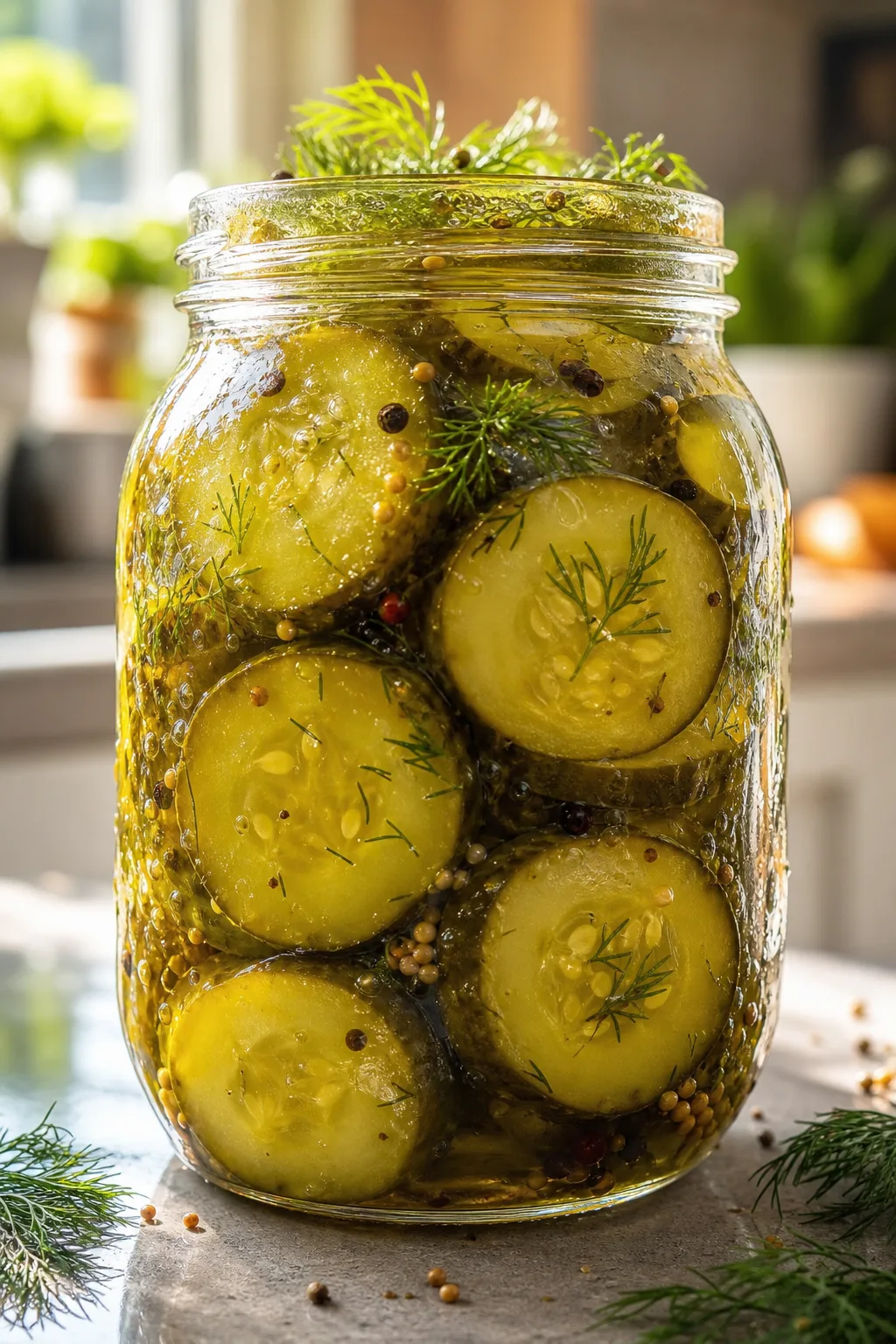
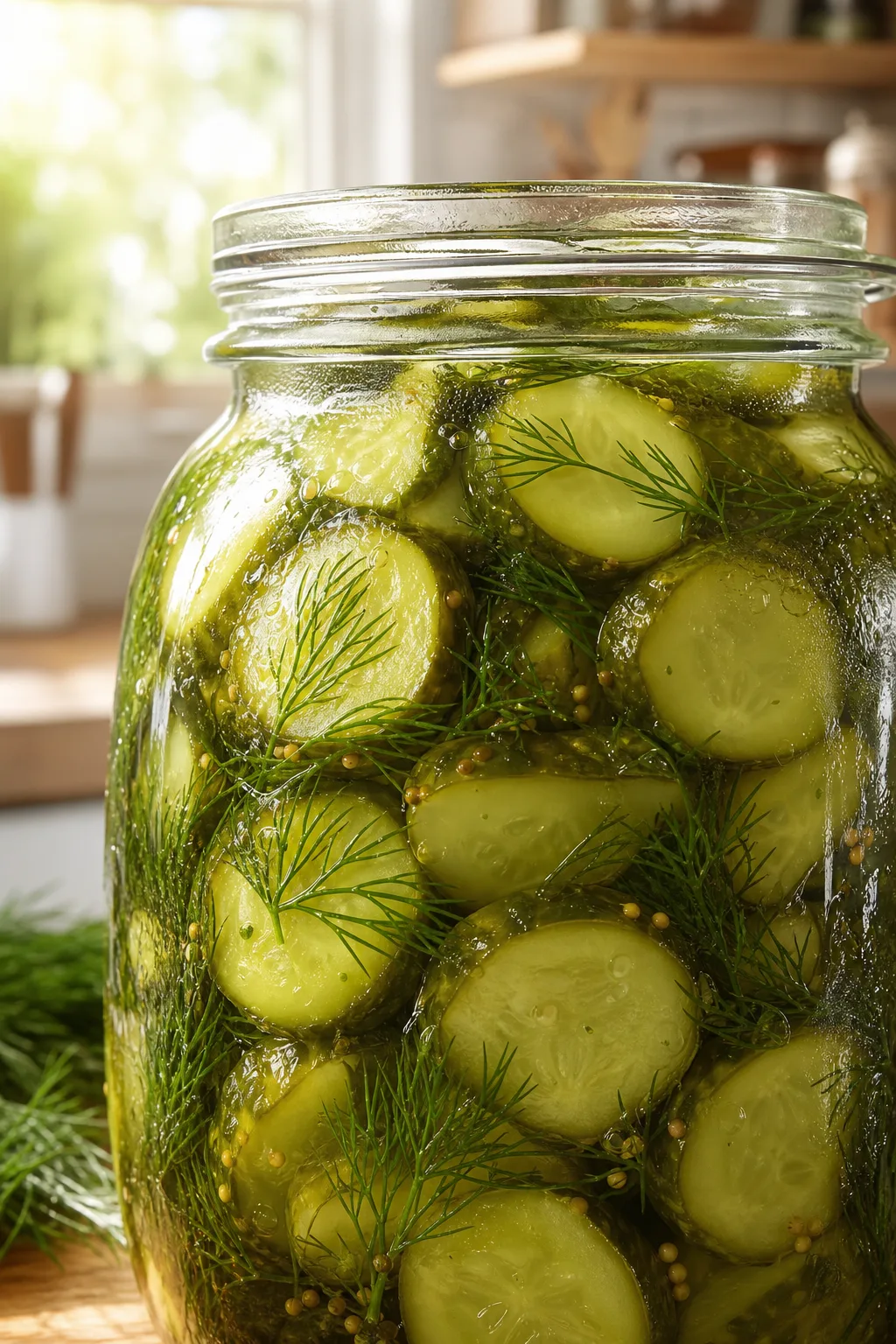
This cucumber salsa is a crisp, zesty delight that's perfect for preserving summer flavors. The secret? Fresh herbs and just the right tang from peppers. Great for snacking or jazzing up meals any time of year!
Introduction
I first stumbled upon this cucumber salsa recipe during a late summer canning session with my mom, and it instantly became a staple in our kitchen. What makes this version so special is the balance of tangy vinegar and fresh herbs that really bring out the crispness of the cucumbers without overwhelming them. I’ve tried a few different recipes over the years, but this one always stands out because of the subtle kick from jalapeños and the brightness of fresh cilantro. The trick I learned early on is to seed the peppers carefully to avoid too much heat and to dice the cucumbers uniformly so the salsa has a great texture. When you open a jar months later, you’ll find the flavors have melded beautifully, tasting just like summer in a jar. It’s perfect for topping tacos, adding to grilled chicken, or just enjoying with tortilla chips. Honestly, canning this salsa feels like bottling sunshine, and it’s so satisfying to know you can enjoy fresh garden flavors even in winter. If you’re new to canning, this recipe is a fantastic starting point because it’s straightforward and forgiving. Just be sure to follow the canning steps carefully, and you’ll have delicious homemade salsa to share with family and friends.
What You'll Need
Approximately 6 cups, 6 servings
- 6 cups fresh cucumbers, peeled and diced
- 1 cup red bell pepper, diced
- 1/2 cup green bell pepper, diced
- 1/2 cup finely chopped red onion
- 2 jalapeño peppers, seeded and minced
- 3 cloves garlic, minced
- 1/2 cup fresh cilantro, chopped
- 1 cup white vinegar
- 1/4 cup granulated sugar
- 1 tablespoon kosher salt
- 1 teaspoon ground cumin
- 1/2 teaspoon black pepper
How To Do It
Step 1
Start by preparing all your fresh ingredients. Peel and dice the cucumbers evenly to ensure a consistent texture. Dice the red and green bell peppers and finely chop the red onion. Mince the jalapeños carefully—removing the seeds if you prefer less heat. This prep is crucial because uniform pieces help the salsa pickle evenly and create a pleasant mouthfeel. Avoid letting the cucumbers sit cut for too long before canning to prevent them from becoming soggy.
⏱ Time: 15 minutes
✓ Doneness: All vegetables are uniformly chopped, fresh, and ready for mixing.
Step 2
In a large mixing bowl, combine the diced cucumbers, peppers, onion, jalapeños, and minced garlic. Add chopped cilantro for that fresh herbal note. Mix in the white vinegar, granulated sugar, kosher salt, ground cumin, and black pepper. Stir well to dissolve the sugar and salt completely. This acidic and salty mixture is what will preserve the salsa and give it its characteristic tang. Don’t rush dissolving the sugar and salt; they’re key for flavor balance and proper preservation.
⏱ Time: 10 minutes
✓ Doneness: The mixture is well-combined, with sugar and salt fully dissolved and aromas blending.
Step 3
Sterilize your canning jars and lids by boiling them in water for at least 10 minutes. This step is vital to prevent contamination and ensure your salsa stays fresh for months. Use tongs to remove the jars carefully and place them on a clean towel. Keeping jars hot helps prevent cracking when you add the hot salsa mixture later. Never skip sterilizing, as it’s critical for safe canning.
⏱ Time: 15 minutes
✓ Doneness: Jars and lids are visibly clean, hot to the touch, and ready for filling.
Step 4
Heat the prepared salsa mixture in a large pot over medium heat until it reaches a gentle boil. Stir frequently to prevent the sugars from settling and burning. Boiling the salsa helps meld the flavors and also ensures that the salsa is hot enough to safely fill the sterilized jars. If you don’t heat it properly, the salsa may not preserve well and could spoil.
⏱ Time: 10 minutes
✓ Doneness: Salsa is bubbling gently and aroma is fragrant and inviting.
Step 5
Carefully ladle the hot salsa into the sterilized jars, leaving about 1/2 inch headspace at the top. This space allows for expansion during the canning process. Wipe the rims of each jar with a clean, damp cloth to remove any residue that might prevent a proper seal. Place the sterilized lids on top, and screw on the bands until fingertip tight. Don’t overtighten, as air needs to escape during processing.
⏱ Time: 15 minutes
✓ Doneness: Jars are filled properly with clean rims and lids secured just right.
Step 6
Process the jars in a boiling water bath canner for 15 minutes. Make sure the jars are covered by at least an inch of water. This heat treatment kills bacteria and seals the jars, creating a vacuum that preserves the salsa. Timing is important here; under-processing can lead to spoilage, while over-processing might affect texture. Keep the water boiling steadily during this time.
⏱ Time: 15 minutes
✓ Doneness: Jars have been submerged in boiling water for the full processing time.
Step 7
After processing, remove the jars carefully with jar lifters and place them on a towel to cool undisturbed for 12-24 hours. Do not retighten lids or move jars too much while cooling, as this can prevent proper sealing. You’ll know the jars sealed correctly if you hear a popping sound and the lids are concave and don’t flex when pressed. This cooling step is critical for the vacuum seal to form properly.
⏱ Time: 12 hours
✓ Doneness: Lids are concave and unmovable, jars are cool to the touch.
Step 8
Once cooled and sealed, label your jars with the date and store them in a cool, dark place. Proper storage helps keep the salsa fresh and flavorful for up to a year. Avoid direct sunlight or warm spots which can degrade quality. If any jars failed to seal, refrigerate and consume those first.
⏱ Time: 5 minutes
✓ Doneness: Jars are labeled and safely stored away from light and heat.
Step 9
When ready to enjoy, open a jar and give the salsa a quick stir. It’s fantastic as a topping for grilled meats, tacos, or simply with chips. The flavors should be vibrant and the texture crisp yet tender. If your salsa tastes flat, a splash of fresh lime juice can brighten it up. Enjoy the fruits of your labor all year long!
⏱ Time: 0 minutes
✓ Doneness: Salsa tastes fresh, tangy, and balanced with a pleasant crunch.
Pro Tips
Seed the jalapeños carefully to control heat without losing flavor.
The seeds and inner membranes of jalapeños contain most of the heat-producing compounds. Removing them lets you keep the pepper’s flavor while reducing spiciness, making the salsa enjoyable for more palates. Skipping this step can result in an unexpectedly fiery salsa.
Use uniform dicing for all vegetables to ensure even pickling.
Consistent size allows each piece to absorb the vinegar and seasonings evenly. This prevents some bites from being too soft or too crunchy and helps the salsa pickle uniformly, improving both texture and flavor balance.
Don’t skip sterilizing jars and lids before canning.
Sterilizing kills off bacteria and yeast that would spoil the salsa during storage. Without this step, the salsa could ferment or mold, making it unsafe to eat. It also helps the jars seal properly, preserving freshness and flavor.
Leave proper headspace when filling jars to allow for expansion.
Headspace prevents jars from cracking during processing and creates the vacuum seal needed for preservation. Overfilling can cause jar breakage or poor sealing, while too much space wastes jar capacity.
Process jars in a boiling water bath for the full recommended time.
The heat kills microorganisms and activates the vacuum seal that preserves the salsa. Under-processing risks spoilage and unsafe food, while over-processing can degrade texture and flavor. Maintaining a steady boil is essential.
Cool jars undisturbed on a towel to ensure proper sealing.
Moving jars while cooling can break the seal or cause contamination. A proper seal is indicated by the lid’s concave shape and lack of movement when pressed. This step guarantees long-term storage safety.
Store canned salsa in a cool, dark place to maintain quality.
Exposure to heat or light can degrade flavor, color, and texture over time. A pantry or cupboard away from direct sunlight is ideal for keeping your salsa tasting fresh for months.
Common Mistakes to Avoid
Skipping sterilization of jars and lids
Why it happens Sometimes people rush the canning process or believe that boiling the salsa is enough to preserve it, neglecting jar sterilization.
Fix Always sterilize jars and lids by boiling for at least 10 minutes before filling. This step is essential to kill any bacteria or yeast on the jars, preventing spoilage and ensuring a proper seal.
Not removing jalapeño seeds if sensitive to heat
Why it happens Many assume the pepper flesh alone controls heat, overlooking that the seeds concentrate spiciness.
Fix Slice open jalapeños and carefully scrape out seeds and membranes to reduce heat while keeping flavor. Taste test your salsa before canning to adjust accordingly.
Overfilling jars without proper headspace
Why it happens Eager to fit as much salsa as possible, some fill jars to the brim, forgetting the need for expansion during processing.
Fix Leave about 1/2 inch headspace at the top of each jar. This prevents jar cracking and allows the vacuum seal to form properly.
Processing jars for too short or too long in water bath
Why it happens Misunderstanding processing times or rushing the step can lead to under- or over-processing.
Fix Follow the recommended 15-minute processing time with a consistent boil. Use a timer and keep jars submerged to ensure safety and quality.
Using old or soft cucumbers
Why it happens Sometimes older cucumbers are used to avoid waste, but they lack firmness required for proper texture.
Fix Select fresh, firm cucumbers with thin skin. Overripe cucumbers become mushy when canned and degrade salsa texture.
Variations
Spicy Mango Cucumber Salsa
Add diced ripe mango and an extra jalapeño for a sweet and spicy twist. The mango’s sweetness balances the heat, creating a tropical flavor perfect for summer parties or grilled fish toppings.
Note: Add mango just before canning to avoid over-softening. Adjust jalapeño quantity to taste to maintain balance.
Greek-Inspired Cucumber Salsa
Swap cilantro for fresh dill and add crumbled feta cheese after canning for a Mediterranean flair. This version pairs beautifully with grilled lamb or pita chips.
Note: Add feta fresh when serving as it doesn’t preserve well in canning. Use dill sparingly to avoid overpowering.
Roasted Pepper Cucumber Salsa
Roast the bell peppers before dicing to add smoky depth. This variation adds complexity and pairs well with barbecue dishes or as a sandwich spread.
Note: Cool roasted peppers completely before mixing to avoid altering salsa temperature and texture.
Low-Sodium Cucumber Salsa
Reduce salt by half and increase fresh lemon juice for brightness. Great for those watching sodium intake without sacrificing flavor.
Note: Lower salt may slightly reduce shelf life; refrigerate after opening and consume sooner.
Herb-Heavy Cucumber Salsa
Double the cilantro and add fresh parsley and mint for a garden-fresh, aromatic salsa. This variation is refreshing and great for summer salads or as a dip.
Note: Use fresh herbs at canning time for best flavor; dried herbs won’t provide the same freshness.
Nutrition
Per Serving:
Nutritional values are estimates and may vary based on specific ingredients used.
Storage & Tips
Room Temperature
Canned cucumber salsa can be safely kept at room temperature for up to 1 year when stored in a cool, dark pantry. Keep jars sealed and avoid exposure to direct sunlight or heat to preserve flavor and texture.
Refrigerator
Once opened, store salsa in an airtight container in the refrigerator for up to 2 weeks. The flavor may mellow slightly, and texture softens over time. Stir before serving and enjoy chilled or at room temperature.
Freezer
Freezing is not recommended for canned cucumber salsa, as the texture will degrade significantly. If freezing fresh salsa before canning, do so only for short periods and expect softer texture upon thawing.
Reheating
This salsa is best served cold or at room temperature. If desired, warm gently on the stovetop but avoid overheating to preserve freshness and crunch. Do not microwave directly in glass jars.
Make Ahead
Prepare and sterilize jars a day ahead to save time. Vegetables can be diced and stored in the fridge overnight, but mix with vinegar and seasonings just before canning to maintain crispness.
FAQ
Can I use apple cider vinegar instead of white vinegar?
While apple cider vinegar can be used, it may alter the color and flavor of your salsa, giving it a slightly sweeter or fruitier note. For best preservation and a clean taste, white vinegar with 5% acidity is recommended to ensure safety and consistent flavor.
How spicy will the salsa be if I leave the jalapeño seeds in?
Leaving the seeds in will significantly increase the heat since most of the capsaicin is concentrated there. If you prefer mild salsa, it’s best to remove seeds and membranes. You can always add more pepper later if you want extra kick.
What if my jars don’t seal properly after processing?
If a jar doesn’t seal, refrigerate it and consume within a week. You can reprocess the jar with a new lid within 24 hours, but make sure to follow sterilization steps carefully. Proper sealing is essential to prevent spoilage.
Can I use this salsa recipe with other vegetables?
Yes, you can experiment by adding or substituting vegetables like zucchini or tomatoes. Keep in mind that different vegetables may affect texture and acidity, so adjustments in vinegar or processing time might be necessary for safety.
How long does homemade canned cucumber salsa last?
When sealed and stored properly, canned salsa can last up to one year. Always check the seal before use, and discard if you notice any off smells, colors, or mold. Once opened, consume within two weeks.
Is it necessary to boil the salsa before canning?
Yes, boiling the salsa before filling jars helps to meld flavors and ensures the mixture is hot enough to kill bacteria. This step also activates the preserving power of vinegar and salt for safe storage.
Can I prepare this salsa without canning and just refrigerate?
Absolutely! You can skip the canning process and store the salsa in the fridge for up to a week. The flavors will be fresh and bright, but it won’t last as long as canned salsa.
What’s the best way to serve this cucumber salsa?
This salsa is super versatile! Serve it chilled with tortilla chips, as a topping for grilled meats or tacos, or mixed into salads. It adds a fresh, tangy crunch that livens up any meal.
Final Thoughts
I hope you enjoy making this cucumber salsa as much as I do! It’s such a rewarding way to capture summer’s best flavors and share a little sunshine all year long. Don’t forget to share your results!