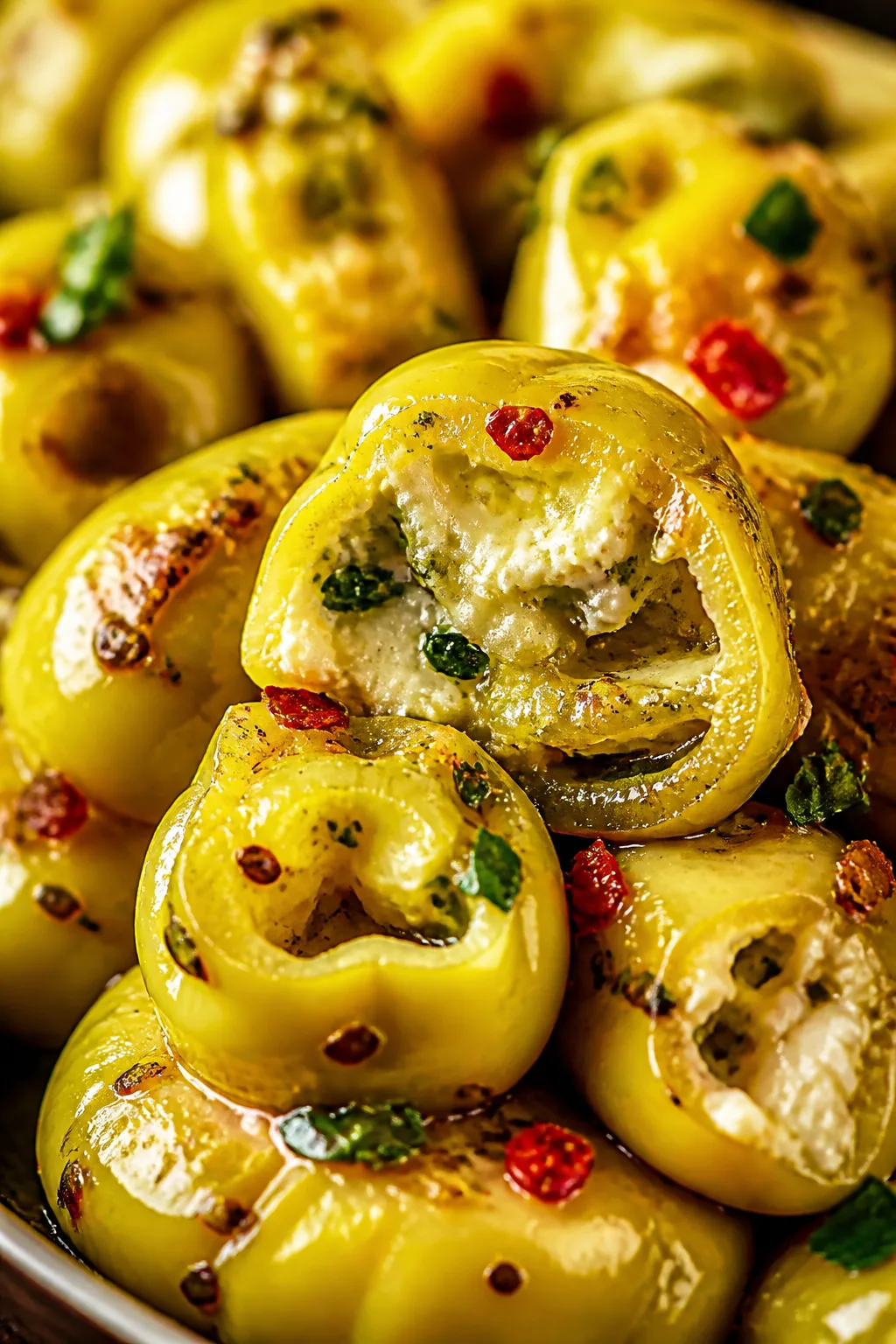
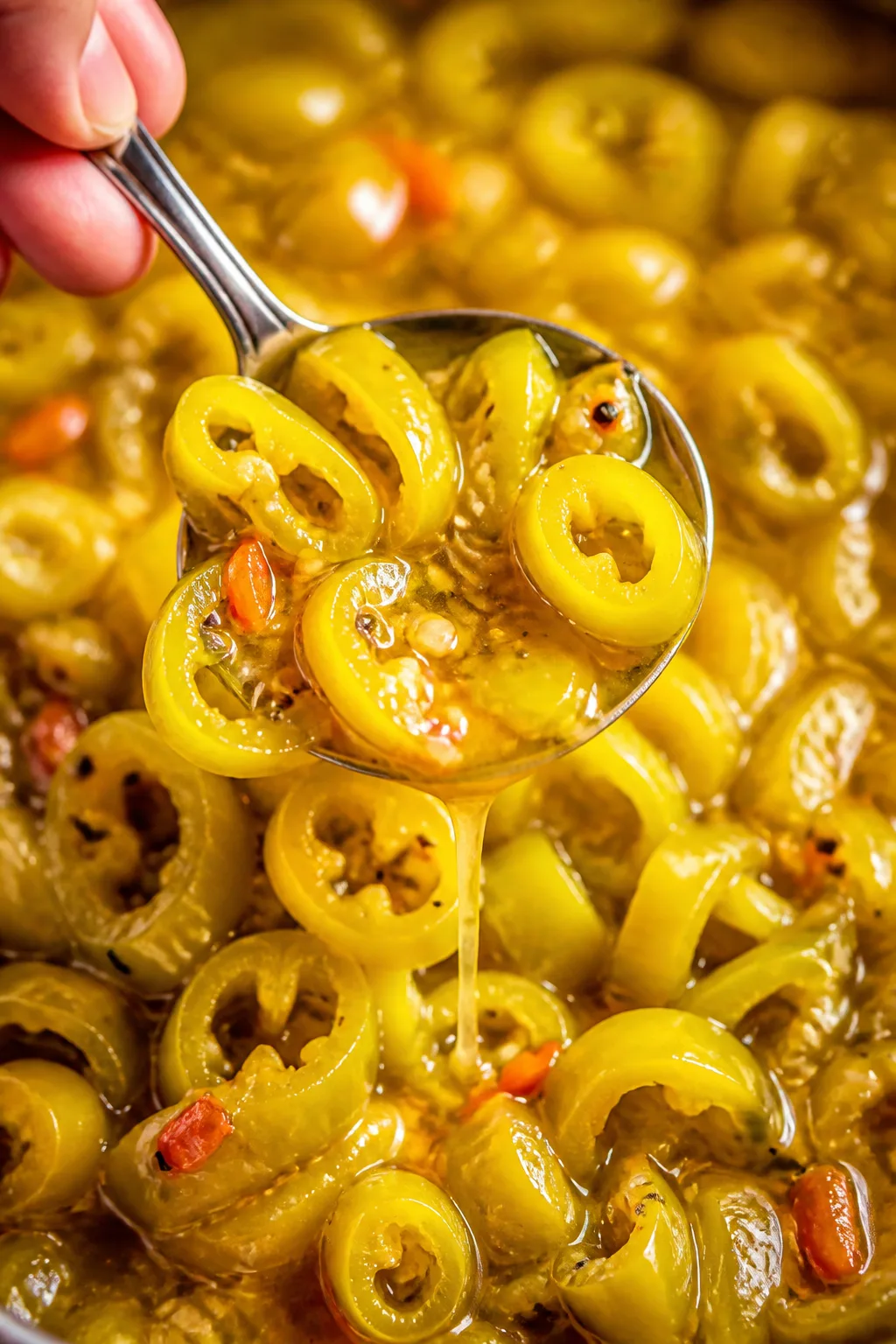
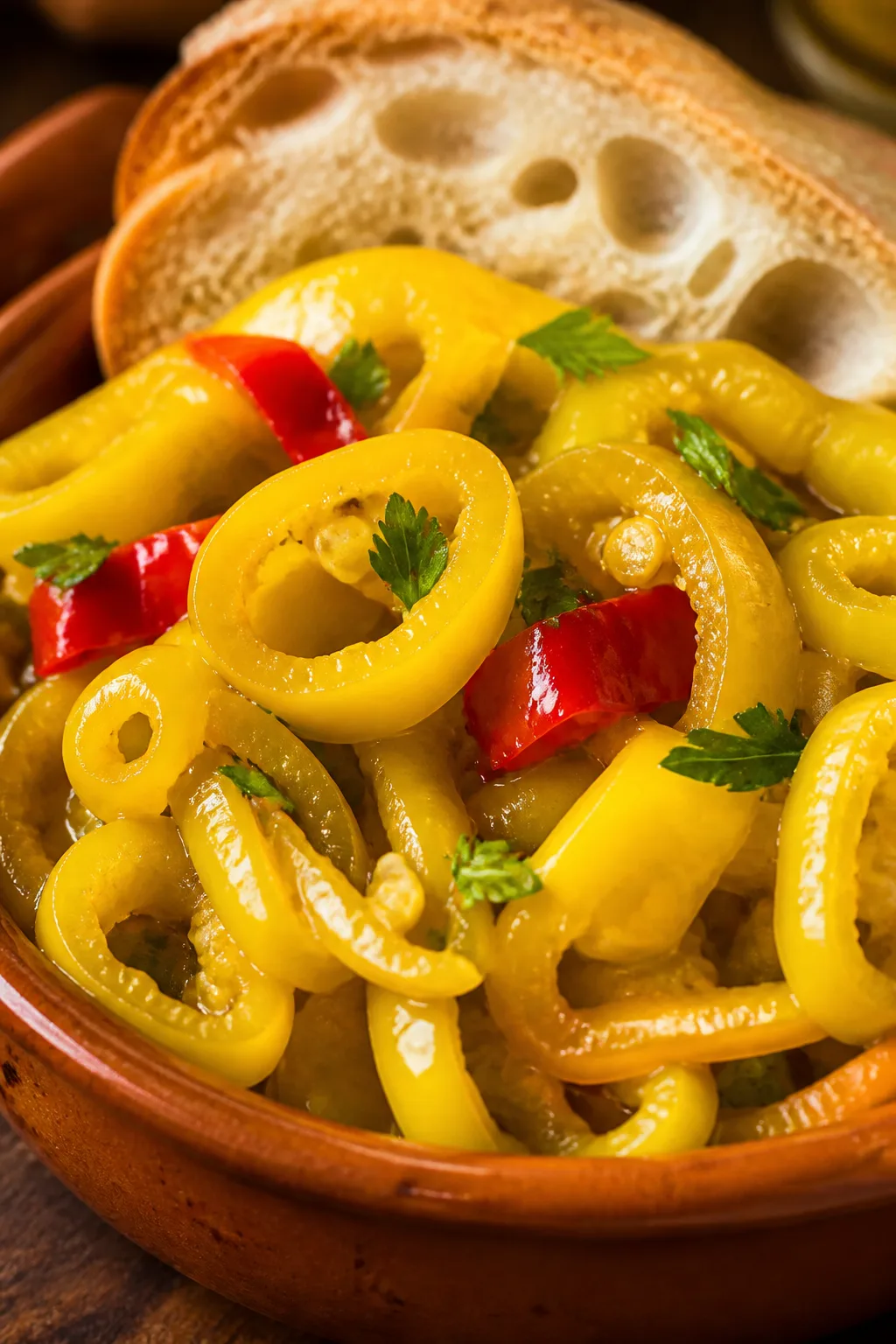
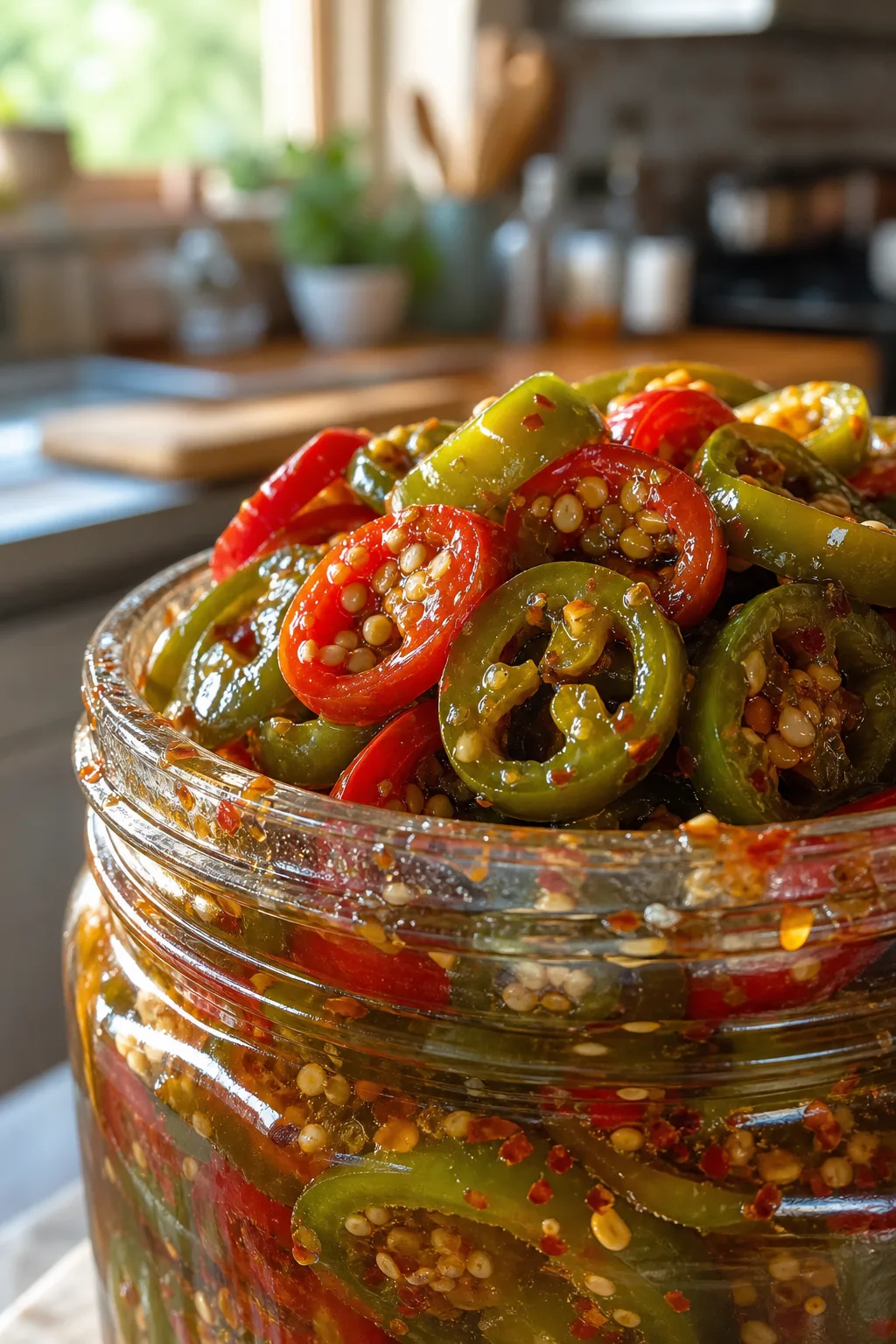
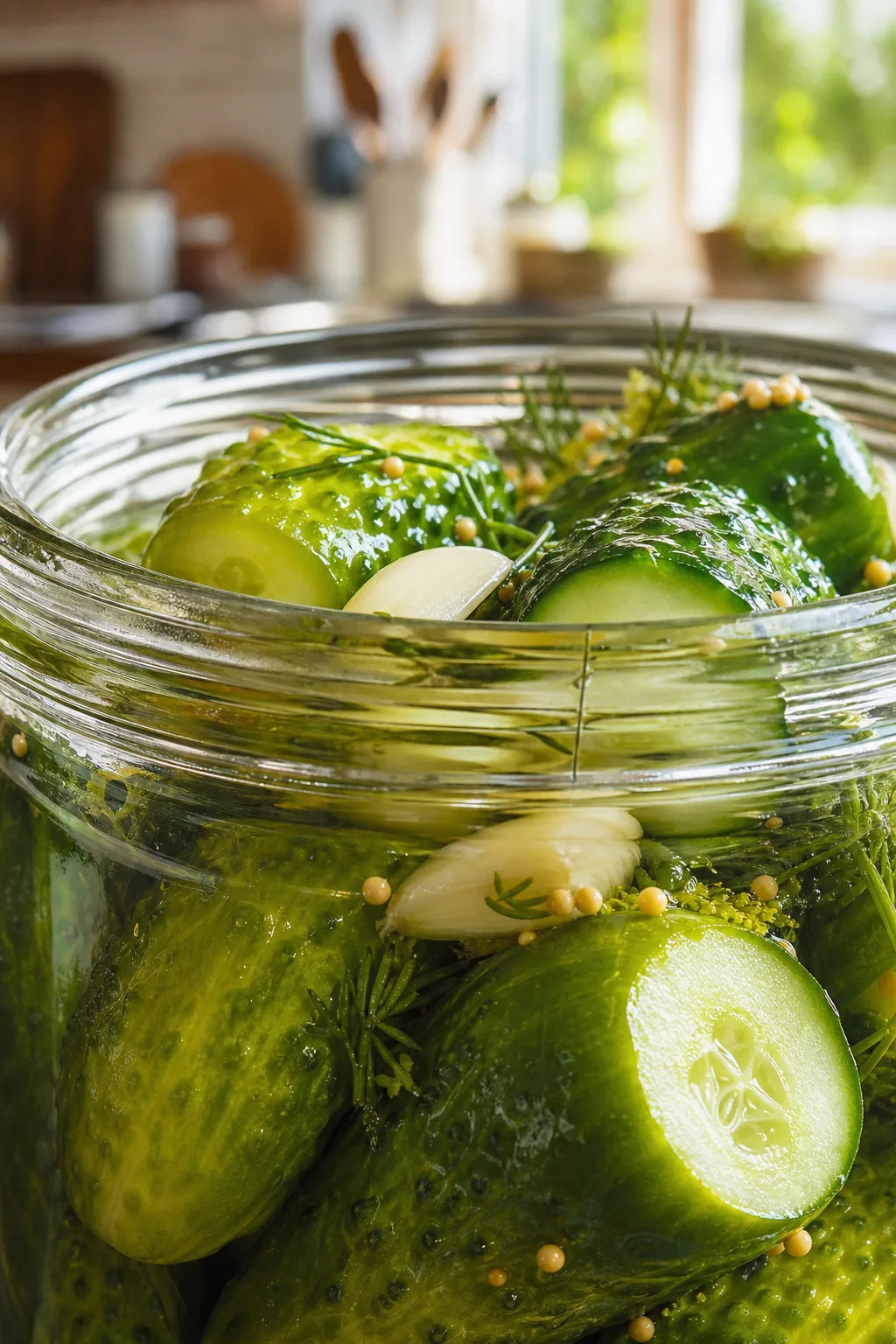
I love canning banana peppers because it locks in their tangy crunch perfectly. With just a few simple ingredients, you get that fresh zing all year. Great for sandwiches or salads anytime!
Introduction
I first started canning banana peppers a few years ago when I found a huge batch at my local farmer’s market. I didn’t want all that fresh, tangy flavor to go to waste, so I decided to experiment with a simple pickling method. What I love about this recipe is how it captures that crisp bite and bright zing of fresh banana peppers but makes them shelf-stable for months. Plus, it’s so easy with just a handful of ingredients you probably already have. One secret I learned is not to overcook the peppers during the pickling process; a quick hot brine soak helps keep their snap. This way, the peppers stay crunchy and vibrant, perfect for adding a punch to sandwiches, salads, or even pizza. Whenever I open a jar, it reminds me of summer and those sunny farmer’s market afternoons. The finished peppers are tangy, slightly sweet, and have just the right amount of garlic and spice. They’re a fantastic way to brighten any meal, especially when fresh peppers aren’t in season.
What You'll Need
Approximately 6 half-pint jars
- 4 cups banana peppers, sliced into rings
- 2 cups white vinegar (5% acidity)
- 2 cups water
- 3 tablespoons sugar
- 2 tablespoons kosher salt
- 4 cloves garlic, peeled
- 1 teaspoon black peppercorns
- 1 teaspoon mustard seeds
How To Do It
Step 1
Start by washing your banana peppers thoroughly under cold running water to remove any dirt or debris. Then, slice them into thin rings, about 1/4 inch thick. Slicing uniformly ensures even pickling and makes the peppers easy to use later. Be careful when handling the peppers—wear gloves if you have sensitive skin to avoid irritation from the pepper oils. Proper slicing also exposes more surface area to the brine, which helps the flavors penetrate better.
⏱ Time: 10
✓ Doneness: Peppers are evenly sliced with no large chunks, ready for the brine.
Step 2
In a large pot, combine the vinegar, water, sugar, and kosher salt. Bring this mixture to a boil over medium-high heat, stirring occasionally to dissolve the sugar and salt completely. This hot brine is crucial because the acidity preserves the peppers and the sugar balances the tartness. Boiling ensures everything is sterilized and ready for canning. Don’t rush this step—if the sugar and salt don’t dissolve fully, the flavor and preservation can be affected.
⏱ Time: 10
✓ Doneness: Brine is clear and boiling, with sugar and salt fully dissolved.
Step 3
Pack the sliced banana peppers tightly into sterilized half-pint jars, leaving about 1/2 inch headspace at the top. Add one clove of garlic, 1/4 teaspoon black peppercorns, and 1/4 teaspoon mustard seeds to each jar. These aromatics infuse the peppers with subtle spice and depth. Don’t overfill the jars; headspace is important for safe canning and sealing.
⏱ Time: 10
✓ Doneness: Jars are filled with peppers and spices, with proper headspace.
Step 4
Pour the hot brine carefully over the peppers in each jar, covering them completely but still leaving 1/2 inch of headspace. Use a non-metallic utensil to remove air bubbles by gently pressing around the edges. This prevents trapped air pockets that can spoil the pickles. Wipe the rims clean with a damp cloth to ensure a good seal.
⏱ Time: 5
✓ Doneness: Peppers are submerged in brine with no air bubbles, rims clean.
Step 5
Seal the jars with sterilized lids and bands, tightening just until fingertip tight. Too tight can prevent air from escaping during processing; too loose can cause leaks. Place the jars in a boiling water bath canner, ensuring they’re covered by at least 1 inch of water. Water bath canning is essential for acidified foods like these peppers to kill harmful bacteria and create a vacuum seal.
⏱ Time: 10
✓ Doneness: Jars are sealed and placed in the canner, water covering them fully.
Step 6
Process the jars in the boiling water bath for 10 minutes, starting the timer when the water returns to a full boil. Maintaining a rolling boil ensures the peppers reach the right temperature for safe preservation. Removing them too early risks spoilage; too long can soften the peppers excessively. After processing, carefully remove jars and let them cool on a towel undisturbed for 12-24 hours.
⏱ Time: 10
✓ Doneness: Processing time complete, jars begin to cool and seal.
Step 7
Once cooled, check the seals by pressing the center of each lid. It should be concave and not pop back. Proper sealing means the vacuum formed during cooling. If any jars haven’t sealed, refrigerate and consume those first. Label your jars with the date and store them in a cool, dark place. The peppers improve in flavor after sitting for at least a week.
⏱ Time: 5
✓ Doneness: Lids are sealed tightly with no movement when pressed.
Step 8
Before serving, open a jar and taste a pepper. The flavor should be tangy, slightly sweet, and garlicky with a crisp texture. If you prefer spicier peppers, add a pinch of crushed red pepper flakes to the jars next time. These pickled banana peppers are fantastic on sandwiches, salads, or as a zesty snack. Always use a clean utensil to remove peppers to avoid contamination.
⏱ Time: 5
✓ Doneness: Peppers taste balanced with crisp texture and bright flavor.
Step 9
Enjoy your homemade canned banana peppers within a year for best flavor. Once opened, keep refrigerated and consume within 2-3 weeks. The shelf life and safety come from the acidic vinegar and proper canning method. Remember, always inspect jars for signs of spoilage such as off smells or mold before eating.
⏱ Time: 5
✓ Doneness: Peppers remain fresh and safe to eat up to recommended time.
Pro Tips
Wear gloves when slicing banana peppers to avoid skin irritation.
Banana peppers contain capsaicin oils that can irritate sensitive skin or eyes. Gloves protect your hands and prevent accidental rubbing of eyes or face, which can cause discomfort lasting hours. This small precaution makes prepping peppers more comfortable and safe.
Use a non-metallic utensil to remove air bubbles from jars before sealing.
Trapped air pockets can cause uneven pickling and promote spoilage. A plastic or wooden spatula gently releases these bubbles without scratching the jar, ensuring the brine fully surrounds the peppers. This step improves flavor penetration and safety.
Don’t over-tighten jar lids before processing; fingertip tight is best.
Over-tightening prevents air from escaping during the boiling water bath, which can cause jars to crack or fail to seal properly. Proper sealing requires air to leave the jar during processing, creating a vacuum upon cooling.
Let jars cool undisturbed on a towel to prevent seal failure.
Sudden temperature changes or vibrations can break the fragile vacuum seal forming as jars cool. A stable, soft surface like a towel cushions jars and helps maintain an airtight seal essential for long-term preservation.
Label jars with date and contents before storing.
Keeping track of canning dates helps you use the oldest jars first and ensures you consume peppers while they’re freshest. Proper labeling avoids confusion and waste.
Allow pickled peppers to sit for at least one week before eating.
This resting time lets the flavors meld and develop fully, softening the sharpness of fresh vinegar and deepening the overall taste. Eating immediately after canning results in a sharper, less balanced flavor.
Use fresh, firm peppers for best texture in the final product.
Overripe or soft peppers lose their crispness during pickling, resulting in mushy texture. Freshness ensures the peppers maintain a satisfying snap that makes these pickles so enjoyable.
Common Mistakes to Avoid
Skipping sterilizing jars and lids before canning.
Why it happens Many cooks assume hot brine or boiling water bath alone sterilizes the jars, but residual bacteria can remain and cause spoilage.
Fix Always sterilize jars and lids by boiling them or running through a dishwasher cycle before filling. This step eliminates contaminants and ensures a safe, long-lasting seal.
Not leaving enough headspace in jars.
Why it happens Beginners often fill jars to the brim, not realizing that headspace is needed for expansion and vacuum formation.
Fix Leave about 1/2 inch headspace when filling jars. This space allows for proper sealing and prevents brine from leaking during processing.
Using vinegar with less than 5% acidity.
Why it happens Some people try to substitute with milder vinegars, unaware that acidity is key to food safety.
Fix Always use vinegar labeled 5% acidity to ensure the right pH for safe preservation. Lower acidity vinegar can lead to unsafe canned goods.
Overprocessing jars in the boiling water bath.
Why it happens Trying to be extra cautious, some overcook, resulting in soft, mushy peppers.
Fix Stick to recommended processing times (10 minutes). Overprocessing breaks down pectin and ruins texture.
Not removing air bubbles before sealing jars.
Why it happens Rushing the process or skipping this step can trap air pockets.
Fix Use a non-metallic utensil to gently press around the jar sides to release trapped air, ensuring full brine coverage.
Variations
Spicy Pickled Banana Peppers
Add 1 teaspoon of crushed red pepper flakes or a few slices of fresh jalapeño to each jar for a spicy kick. This variation adds heat but keeps the crisp texture and tangy flavor intact. Great for those who love a little fire in their pickles.
Note: Watch processing times carefully as added peppers can alter brine pH slightly; stick to vinegar with 5% acidity to maintain safety.
Sweet and Herb-Infused Banana Peppers
Add a few sprigs of fresh dill or thyme and increase sugar to 4 tablespoons for a sweeter, aromatic pickle. This gives a fresh herbal note that pairs wonderfully with the natural pepper tang. Perfect for charcuterie boards and salads.
Note: Herbs should be fresh and sterilized; ensure they fit inside jars without crowding to allow proper brine circulation.
Garlic-Heavy Pickled Peppers
Double the garlic cloves for a robust, pungent flavor. This version is great for garlic lovers who want their pickled peppers to pack an extra punch. It also adds complexity to the brine’s aroma.
Note: More garlic slightly changes the flavor profile but does not affect preservation. Use fresh garlic to avoid off-flavors.
Low-Sodium Pickled Banana Peppers
Reduce kosher salt to 1 tablespoon for a milder, less salty pickle. This suits those watching sodium intake but still wanting that bright, tangy crunch. Flavor may be less pronounced, so consider adding a bit more sugar or herbs.
Note: Lower salt can affect texture and preservation slightly; refrigerate after opening and consume sooner.
Quick Refrigerator Pickled Banana Peppers
Skip the boiling water bath and store jars in the fridge instead. Use the same brine and spices but refrigerate immediately. These pickles are ready in 24 hours and last up to 2 weeks refrigerated. Perfect for quick fixes but not shelf stable.
Note: No vacuum seal; must be kept cold and consumed quickly to avoid spoilage.
Nutrition
Per Serving:
Nutritional values are estimates and may vary based on specific ingredients used.
Storage & Tips
Room Temperature
Unopened canned banana peppers can be stored safely at room temperature in a cool, dark place for up to 12 months. Avoid direct sunlight or heat sources to preserve flavor and texture. Once opened, do not leave at room temperature.
Refrigerator
After opening, store peppers in an airtight container or keep in their original jar tightly sealed. Consume within 2-3 weeks for best freshness. Flavor may mellow slightly but remains delicious chilled or at room temperature when served.
Freezer
Freezing canned banana peppers is not recommended as it compromises their crisp texture. If needed, freeze in airtight containers for up to 3 months, but expect softer, less crunchy peppers after thawing.
Reheating
These peppers are best enjoyed cold or at room temperature. If adding to cooked dishes, stir them in near the end of cooking to maintain their texture and bright flavor. Avoid prolonged heating which softens them.
Make Ahead
You can prepare the brine and slice peppers 1-2 days ahead, storing them separately in the fridge. Assemble jars and process on the day you plan to preserve. This keeps peppers fresh and crisp before pickling.
FAQ
Can I use apple cider vinegar instead of white vinegar?
Yes, you can substitute apple cider vinegar as long as it has 5% acidity to ensure safe pickling. It will add a slight fruity note to the flavor. Avoid vinegars with lower acidity or flavored varieties as they may affect safety and taste.
How long do canned banana peppers last unopened?
When properly canned and sealed, banana peppers can last up to 12 months stored in a cool, dark place. The flavor may peak after a few weeks but they remain safe to eat for about a year. Always check seals before consuming.
Why are my pickled banana peppers mushy?
Mushiness usually results from overcooking during the water bath or using overripe peppers. To prevent this, process jars for the recommended 10 minutes and choose firm, fresh peppers. Also, avoid skipping the hot brine pour step which helps set the texture.
Can I reuse jars and lids from previous canning?
Jars can be reused if they’re not chipped or cracked. However, lids should generally be replaced after one use to ensure a proper seal. Reusing lids increases the risk of seal failure and spoilage.
Is it necessary to remove air bubbles before sealing?
Yes, removing air bubbles prevents pockets of air that can harbor bacteria and cause uneven pickling. Using a non-metallic utensil to gently press around the jar interior ensures the brine contacts all surfaces.
Can I add other spices or herbs to the recipe?
Absolutely! Dill, coriander seeds, or red pepper flakes work well. Just make sure additions don’t overcrowd the jar or alter the acidity balance. Fresh herbs should be sterilized and used sparingly to avoid overpowering flavors.
What if my jars don’t seal after processing?
If lids don’t seal, refrigerate the jars and consume within a few weeks. You can also reprocess the jars with new lids within 24 hours to try sealing again. Ensure jars, rims, and lids are clean and undamaged before retrying.
How can I make the peppers spicier?
Add crushed red pepper flakes, sliced jalapeños, or a few hot pepper seeds to the jars before sealing. This infuses heat without changing the preservation process. Adjust amounts based on your heat tolerance.
Final Thoughts
I hope you enjoy making and tasting these tangy canned banana peppers as much as I do. Give this recipe a try and share your crunchy, flavorful results with friends and family!