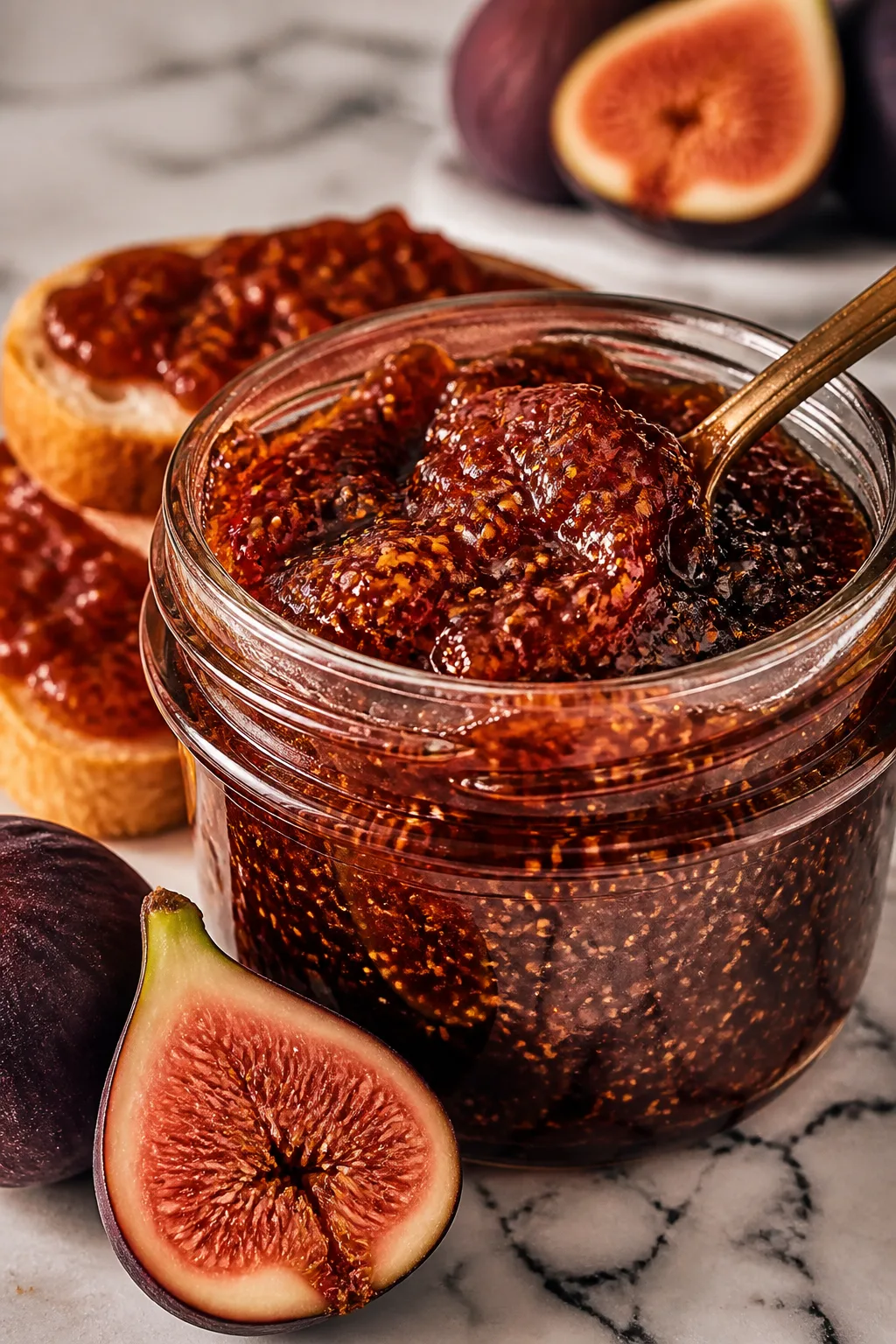
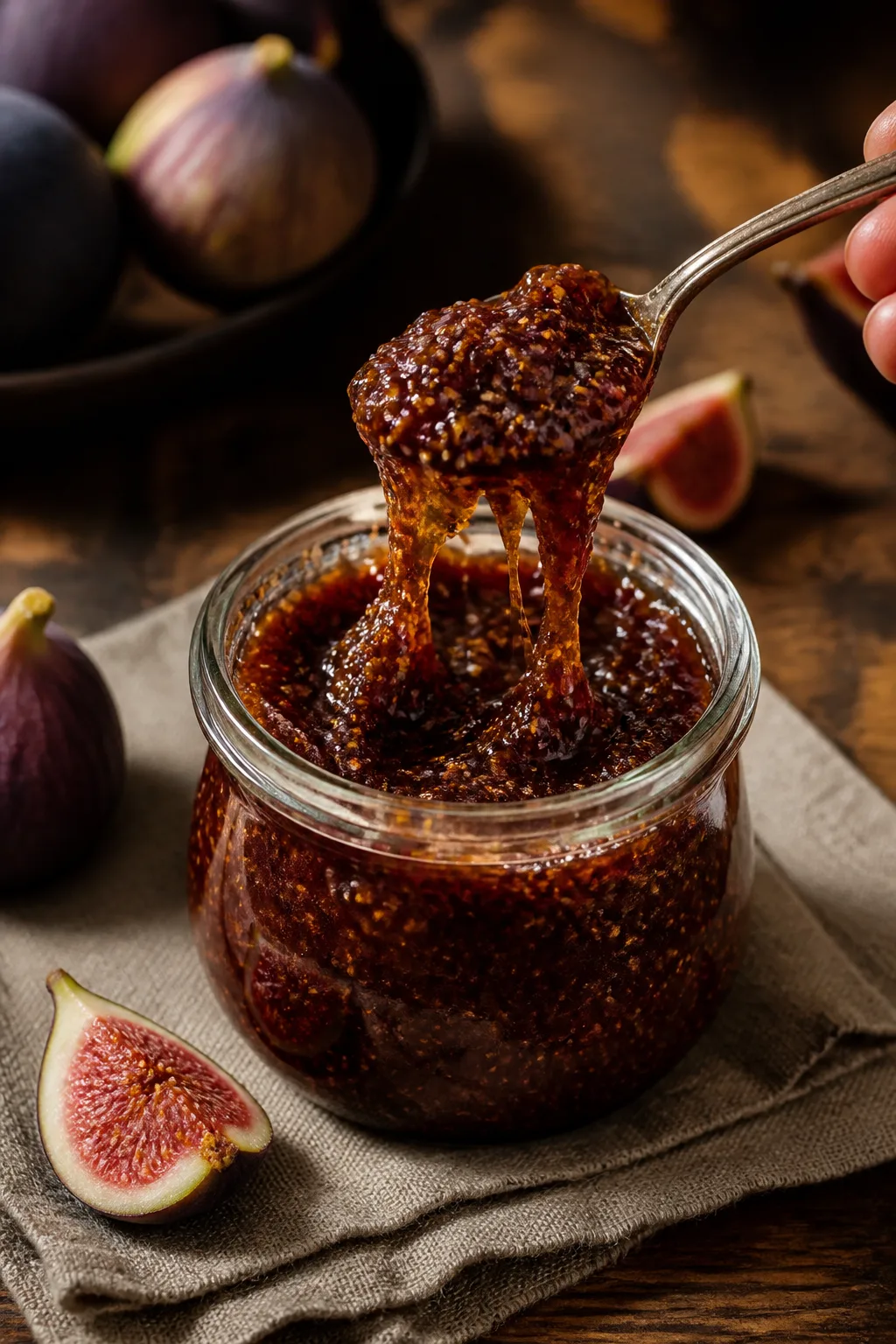
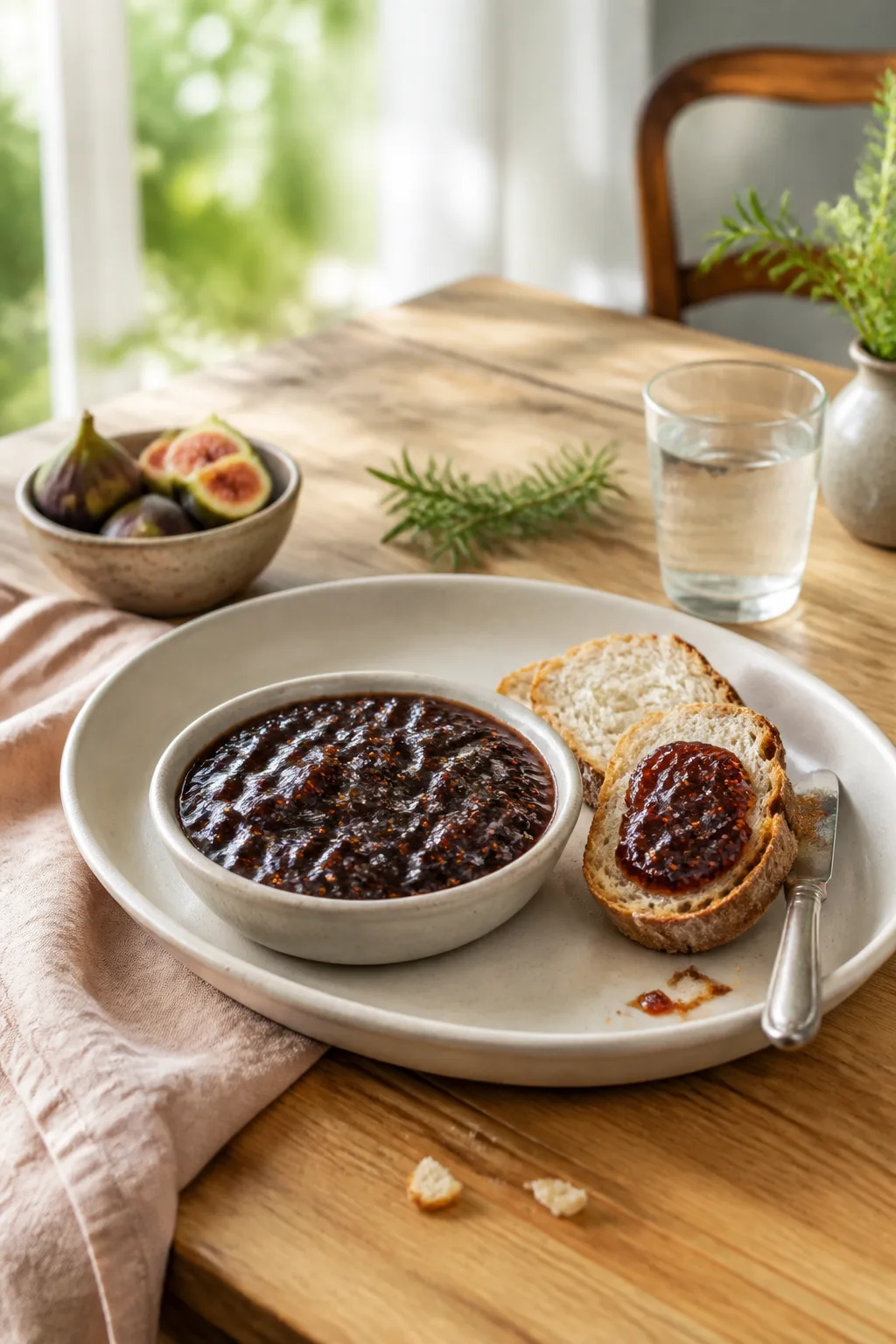
This fig jam is naturally sweet with a subtle tang from fresh lemon. I love how easy it is to whip up with just a few ingredients. Perfect on toast or alongside your favorite cheeses!
Introduction
I first stumbled upon fig jam years ago during a trip to a local farmer’s market where fresh figs were in season. Since then, I’ve been hooked on making my own — it’s just so satisfying and tastes way better than anything store-bought. What I love about this recipe is its simplicity: just fresh figs, a bit of sugar, and lemon for brightness. No complicated steps or weird additives. The secret I found that makes a big difference is adding fresh lemon zest along with the juice — it really lifts the jam’s flavor and balances the sweetness. Plus, cooking it slowly over low heat helps keep that lovely fig texture intact without turning it into a syrup. When it’s done, you get a thick, luscious jam with little bits of fruit that’s perfect for spreading on toast or serving with cheese. It’s become a staple for my weekend breakfasts and makes a thoughtful homemade gift for friends. Don’t be surprised if you find yourself making it over and over — it’s that good!
What You'll Need
Approximately 2 cups, 4 servings
- 1 pound fresh ripe figs, washed and chopped
- 1/2 cup granulated sugar
- 2 tablespoons fresh lemon juice
- 1 teaspoon lemon zest
- 1/4 cup water
How To Do It
Step 1
Start by washing your fresh figs thoroughly under cold water to remove any dirt or residue. Then, chop them into small pieces, about half an inch in size. This size helps the figs cook evenly and break down properly while still leaving some texture in the jam. Avoid pureeing them at this stage because you want to maintain a nice chunky consistency. Chopping also releases the natural juices, which will help the jam thicken as it cooks.
⏱ Time: 10 minutes
✓ Doneness: Figs should be uniformly chopped with no large chunks remaining.
Step 2
In a medium saucepan, combine the chopped figs, granulated sugar, water, lemon juice, and lemon zest. Stir everything gently to mix. The sugar draws out moisture from the figs, creating a syrup as it dissolves. The lemon juice and zest add a fresh tang that balances the sweetness and helps preserve the jam. Let the mixture sit for about 10 minutes before heating; this maceration step helps soften the fruit and intensifies flavor.
⏱ Time: 10 minutes
✓ Doneness: The sugar should start dissolving and the mixture will look glossy and wet.
Step 3
Place the saucepan over medium-low heat and bring the fig mixture to a gentle simmer. Stir frequently to prevent sticking or burning, especially as the sugar caramelizes. Cooking slowly allows the figs to break down naturally and the pectin in the fruit to thicken the jam without needing extra additives. Avoid high heat, which can cause the jam to scorch and develop a burnt flavor.
⏱ Time: 15 minutes
✓ Doneness: The mixture should bubble gently with a thick, jam-like consistency starting to form.
Step 4
Using the back of a wooden spoon or a potato masher, gently mash the figs while cooking. This helps release more pectin and gives the jam a nice spreadable texture. Don’t overdo it; you want to keep some chunks for texture. Keep stirring occasionally to ensure even cooking and prevent sticking.
⏱ Time: 5 minutes
✓ Doneness: You should see a thickening mixture with broken-down fruit but still some visible pieces.
Step 5
Once the jam has thickened, test its readiness by placing a small spoonful on a chilled plate. Let it cool for a minute and then run your finger through it; if it wrinkles and holds its shape, it’s ready. If not, continue simmering for a few more minutes and test again. This step is crucial to avoid overcooking or ending up with runny jam.
⏱ Time: 5 minutes
✓ Doneness: Jam wrinkles on the plate and doesn’t flood back together when touched.
Step 6
Remove the saucepan from heat and let the jam cool slightly before transferring it to sterilized jars. Cooling allows the jam to thicken a bit more. Use clean, dry jars to prevent contamination and ensure your jam stays fresh longer. Seal the jars while the jam is warm and store in the refrigerator.
⏱ Time: 10 minutes
✓ Doneness: Jam is warm but not boiling; jars are clean and dry.
Step 7
Once cooled completely, label your jars with the date and store them in the fridge. The jam will keep well for about two weeks refrigerated. If you want to store it longer, consider freezing or canning it properly. Homemade fig jam is perfect for toast, yogurt, or cheese boards for a sweet, tangy kick.
⏱ Time: 5 minutes
✓ Doneness: Jars sealed tightly and jam cooled to room temperature.
Step 8
Before serving, stir the jam well to ensure the lemon zest and fruit are evenly distributed. This simple step refreshes the flavor and texture after refrigeration. You can also warm it slightly in the microwave or on the stove if you prefer a softer spread.
⏱ Time: 2 minutes
✓ Doneness: Jam is smooth and well-mixed with an even texture.
Step 9
Enjoy your fig jam fresh on toasted bread, dolloped on cream cheese, or paired with your favorite cheeses. It also makes a thoughtful homemade gift — just pop it in a pretty jar with a ribbon. The natural sweetness and bright lemon notes make it a crowd-pleaser every time.
⏱ Time: 0 minutes
✓ Doneness: Jam is flavorful, spreadable, and beautifully balanced.
Pro Tips
Use ripe but firm figs for the best texture.
Ripe figs are sweet and contain natural pectin needed for thickening. If figs are too soft or overripe, the jam can become too watery and fail to set properly. Firm figs hold their shape better during cooking, giving you a nice chunky jam.
Don’t rush the simmering step; cook low and slow.
Slow cooking allows pectin to release gradually and prevents burning. High heat can scorch the sugars and create off-flavors. Plus, gentle simmering preserves the fresh fig flavor and texture.
Macerate the fruit with sugar and lemon before heating.
Letting the mixture sit allows sugar to draw out moisture and intensifies flavor. This step jumpstarts the jam’s natural thickening process and results in a richer, more balanced taste.
Test jam readiness with the chilled plate method.
This simple test ensures your jam has reached the right consistency without overcooking. Too runny means more cooking needed; too stiff might indicate overcooking, affecting spreadability.
Sterilize jars thoroughly before storing.
Clean jars prevent contamination and extend shelf life. Warm jars also help the hot jam cool evenly, reducing the risk of cracking or spoilage.
Add lemon zest finely, avoiding the pith.
The zest contains flavorful oils, but the white pith is bitter. Fine zesting ensures your jam tastes fresh and bright without unwanted bitterness.
Store jam in small batches to avoid repeated reheating.
Reheating can degrade flavor and texture. Smaller jars mean you only open what you need, keeping the rest fresh and flavorful longer.
Common Mistakes to Avoid
Using overripe or mushy figs
Why it happens People often pick the softest figs thinking they’re the sweetest, but overly soft fruit releases too much water and lacks the pectin needed for thickening.
Fix Choose figs that are ripe but still hold their shape. If you have soft figs, consider cooking them longer to reduce excess moisture or combine with firmer fruit to balance texture.
Skipping the maceration step
Why it happens Sometimes impatience leads to skipping the resting period before cooking, which is crucial for flavor and juice extraction.
Fix Always let the fruit and sugar mixture sit for at least 10 minutes before heating. This step helps dissolve sugar and draws out natural juices, leading to better flavor and consistency.
Cooking on too high heat
Why it happens Trying to speed up the process by turning up the heat can cause burning and uneven cooking.
Fix Use medium-low heat and stir frequently. Slow cooking preserves flavor and prevents scorching, resulting in a smoother, tastier jam.
Not testing jam consistency properly
Why it happens Some skip the chilled plate test and rely on guesswork, leading to runny or overly thick jam.
Fix Use the chilled plate method: place a spoonful on a cold plate, let it cool, then check if it wrinkles when pushed. This ensures perfect texture every time.
Using bottled lemon juice
Why it happens Convenience tempts many to use bottled lemon juice, but it lacks fresh acidity and can alter flavor.
Fix Always use fresh lemon juice for the best bright flavor and proper acidity to help the jam set and preserve.
Variations
Spiced Fig Jam
Add a cinnamon stick and a few cloves during simmering for a warm, cozy flavor twist. Remove spices before jarring. This variation pairs beautifully with cheese and charcuterie boards.
Note: Simmer spices with the jam and strain before bottling to avoid gritty texture.
Fig and Orange Marmalade
Add finely chopped orange peel and a splash of orange juice along with the lemon for a citrusy, zesty jam. It’s brighter and a bit more complex in flavor.
Note: Increase cooking time slightly to soften the tougher orange peel.
Honey-Sweetened Fig Jam
Replace half the sugar with honey for a floral sweetness and richer flavor. Use a mild honey to avoid overpowering the figs.
Note: Reduce cooking temperature slightly as honey caramelizes faster than sugar.
Vanilla Fig Jam
Add a split vanilla bean during cooking for a sweet, aromatic jam. Vanilla complements figs wonderfully and adds depth to the flavor.
Note: Scrape seeds from the vanilla bean and add both seeds and pod; remove pod before storing.
Fig and Balsamic Jam
A splash of balsamic vinegar added near the end of cooking creates a rich, tangy jam with depth and complexity. Great for savory applications.
Note: Add balsamic vinegar after removing from heat to preserve its bright flavor.
Nutrition
Per Serving:
Nutritional values are estimates and may vary based on specific ingredients used.
Storage & Tips
Room Temperature
Fig jam can safely sit at room temperature for a few hours during serving, covered loosely to prevent contamination. Avoid leaving it out longer than 8 hours to prevent spoilage.
Refrigerator
Store fig jam in airtight jars in the refrigerator for up to 2 weeks. Flavor may deepen over time, but texture can firm slightly. Stir before use and enjoy cold or warmed gently.
Freezer
Freeze fig jam in freezer-safe containers for up to 3 months. Leave some headspace for expansion. Thaw overnight in the refrigerator and stir well before serving to restore consistency.
Reheating
Warm fig jam gently on the stovetop over low heat or in short bursts in the microwave. Add a splash of water if too thick to loosen. Avoid boiling to preserve fresh flavor and texture.
Make Ahead
You can prepare the jam up to 2 days in advance and store it refrigerated. Reheat gently before serving to refresh texture and flavor. This makes it perfect for entertaining or gifting.
FAQ
Can I use dried figs instead of fresh figs?
Yes, but dried figs need to be soaked in warm water for at least an hour to rehydrate before cooking. The texture and flavor will be different—denser and less juicy—so expect a thicker, less fresh-tasting jam. You may also need to cook longer to soften the dried fruit.
How do I know when the jam is done?
Use the chilled plate test: put a spoonful of jam on a cold plate, chill it for a minute, then push it with your finger. If it wrinkles and holds shape, it’s ready. If it’s too runny, cook a few minutes longer and test again.
Can I reduce the sugar to make a less sweet jam?
You can reduce sugar slightly, but keep in mind sugar helps with preservation and texture. Too little sugar may result in a thinner jam that spoils faster. If reducing sugar, store jam in the refrigerator and consume within a week.
Why is lemon juice important in this recipe?
Lemon juice adds acidity that balances the sweetness and helps the jam set by activating pectin. It also lowers pH, which helps preserve the jam and prevents bacterial growth. Using fresh lemon juice is best for flavor and preservation.
Can I use a food processor to chop the figs?
You can, but pulse lightly to avoid pureeing. The jam benefits from having some texture, so aim for small chunks rather than smooth paste. Overprocessing can result in a runny jam with less pleasant mouthfeel.
How long does fig jam last in the fridge?
Stored in a clean, airtight container, fig jam lasts about 2 weeks in the refrigerator. Always use a clean spoon to avoid contamination. If you want to keep it longer, freezing is a good option.
Can I can this fig jam for shelf storage?
Yes, but proper canning techniques are essential to prevent spoilage. Use sterilized jars and process in a boiling water bath for recommended times. Follow trusted canning guidelines to ensure safety.
Why does my jam sometimes turn out too watery?
Watery jam often results from undercooking or using overripe fruit that releases too much liquid. Make sure to cook the jam long enough to thicken and test consistency properly. Using firmer figs helps prevent this.
Final Thoughts
I hope you enjoy making this simple fig jam as much as I do! It’s a little jar of sunshine perfect for cozy mornings or sharing with friends. Let me know how yours turns out!