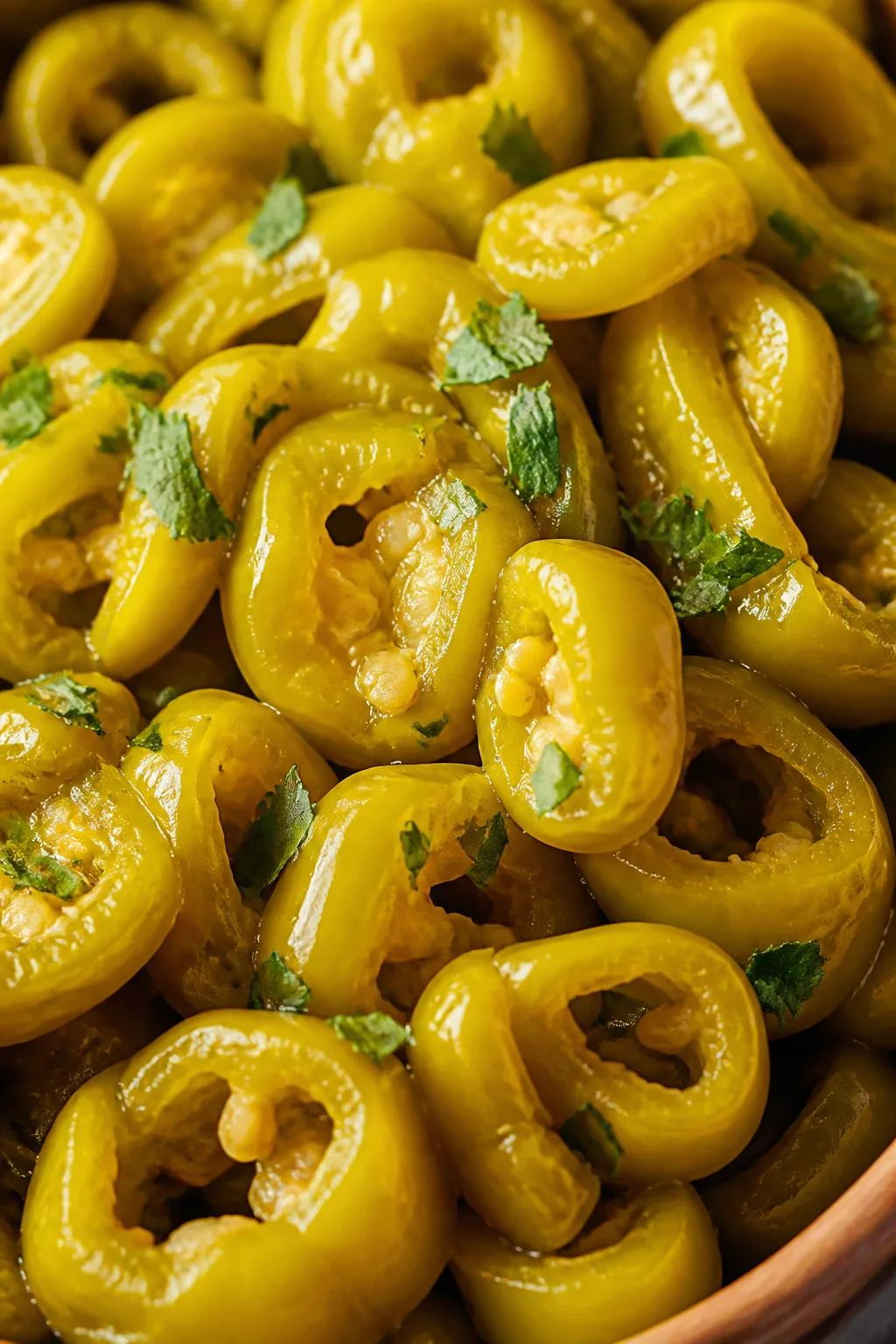
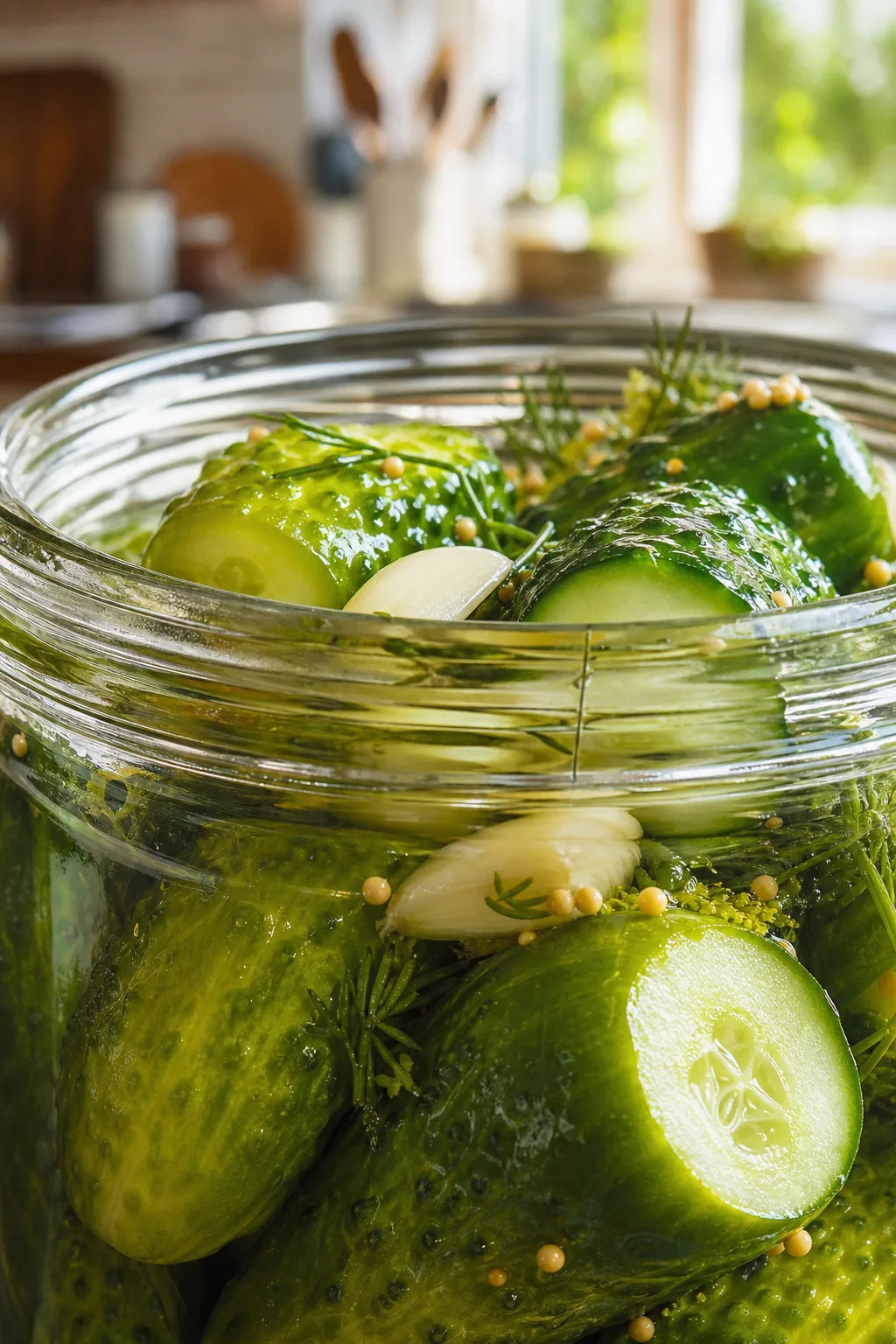
These pickled banana peppers are my go-to for brightening up sandwiches and salads. The simple vinegar brine highlights their natural sweetness with just the right tang. Perfect to make ahead and keep handy!
Introduction
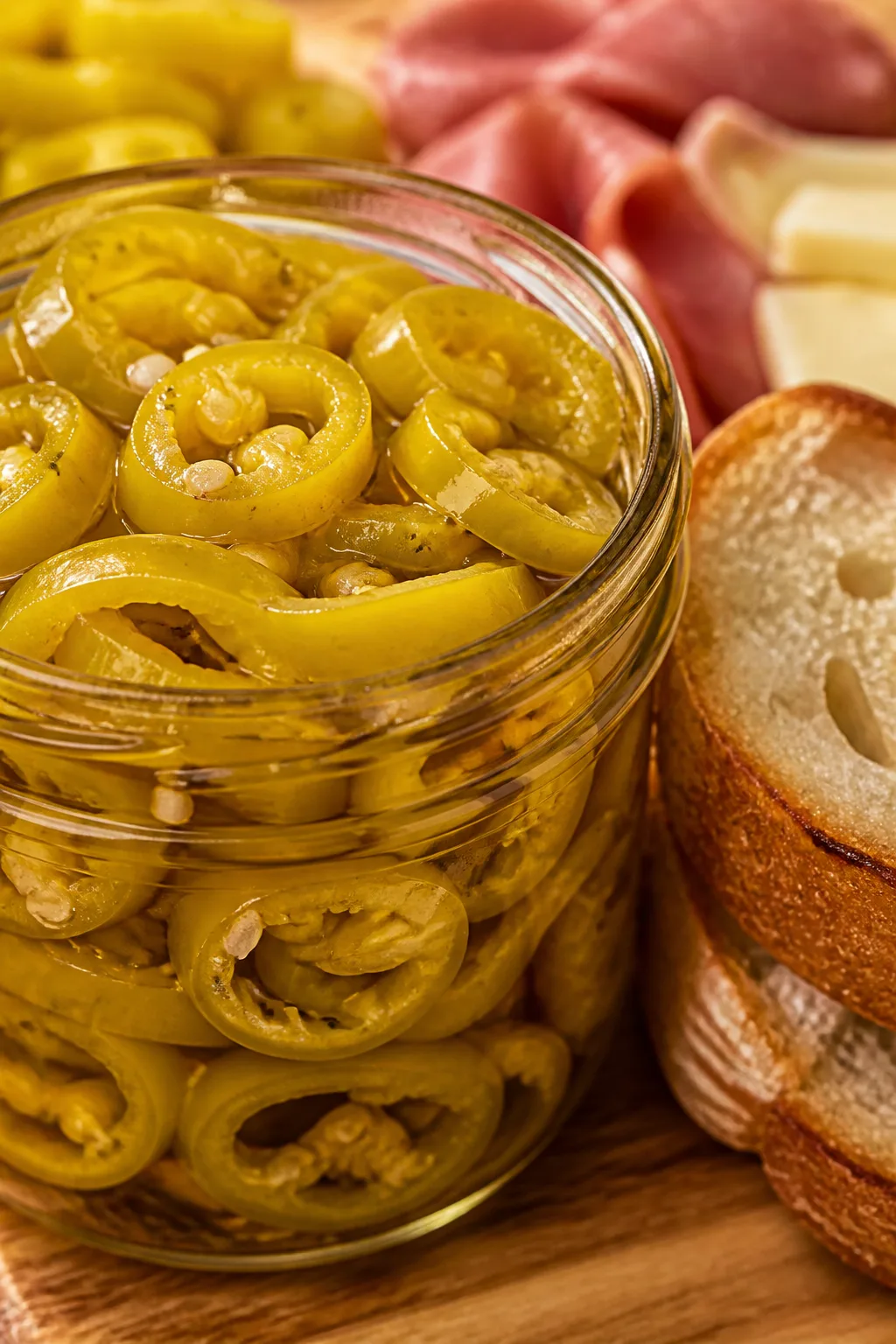
I first stumbled upon pickled banana peppers years ago at a local deli, and I was hooked immediately. Their tangy crunch and subtle sweetness added the perfect punch to my sandwiches and salads. Since then, I've experimented with many pickling methods, but this simple brine recipe is my favorite because it really highlights the natural flavor of the peppers without overpowering them. What sets this version apart is the use of just the right balance of vinegar, sugar, and salt, plus a few aromatics like garlic and mustard seeds that infuse the peppers with a gentle warmth. I usually slice the peppers thin so they pickle quickly and stay crisp. One trick I learned is to let them sit for at least 24 hours before tasting to let the flavors fully develop, but they keep well in the fridge for weeks, making them a perfect make-ahead condiment. When you open the jar, you’ll notice the bright, tangy aroma and see the beautiful golden color that means they’re ready to add a delightful crunch to your meals. Honestly, I love having these on hand because they instantly turn a simple sandwich or salad into something special with minimal effort.
What You'll Need
Approximately 4 cups of pickled banana peppers, 8 servings
- 4 cups banana peppers, sliced into rings
- 2 cups white vinegar
- 1 cup water
- 3 tablespoons sugar
- 2 tablespoons salt
- 3 garlic cloves, peeled and smashed
- 1 teaspoon black peppercorns
- 1 teaspoon mustard seeds
How To Do It
Step 1
Start by washing and slicing your banana peppers into thin rings. The thinner the slices, the faster they’ll absorb the brine and pickle properly. Be sure to remove any seeds if you want less heat, but I usually leave some in for a little kick. Thin slices also help keep the peppers crisp. Avoid cutting too thick, or the pickling process will take longer and the texture might become mushy.
⏱ Time: 10 minutes
✓ Doneness: Peppers are evenly sliced into thin, uniform rings.
Step 2
In a medium saucepan, combine the white vinegar, water, sugar, and salt. Heat gently over medium heat, stirring occasionally until the sugar and salt dissolve completely. This step is crucial because it ensures the brine is perfectly balanced and the sugar and salt are fully incorporated, which enhances flavor and preservation.
⏱ Time: 5 minutes
✓ Doneness: Brine is clear with no visible sugar or salt granules.
Step 3
Add the smashed garlic cloves, black peppercorns, and mustard seeds to the hot brine. Let it simmer gently for 1-2 minutes to release the flavors of the spices into the liquid. Don’t boil vigorously, as that can dull the vinegar’s sharpness and affect the pickling.
⏱ Time: 2 minutes
✓ Doneness: Brine is aromatic with a gentle spice scent.
Step 4
Place the sliced banana peppers into a clean glass jar or heatproof container. Pour the hot brine over the peppers, making sure they are fully submerged. The hot brine helps soften the peppers slightly and jumpstarts the pickling process. Leaving any air pockets can cause uneven pickling, so press the peppers gently to release trapped air.
⏱ Time: 5 minutes
✓ Doneness: Peppers are covered completely by the brine with no floating pieces.
Step 5
Let the jar cool to room temperature uncovered, then seal with a lid and refrigerate. The peppers should pickle for at least 24 hours before eating to let the flavors meld. If you taste too soon, the peppers might be sharp and less balanced. Patience here really pays off with a well-rounded tang.
⏱ Time: 24 hours
✓ Doneness: Pickles develop a bright, tangy aroma and mellow flavor.
Step 6
After 24 hours, try a pepper ring to check the flavor. If you want more tang, leave them longer. For maximum crunch, store them in the fridge and consume within 3-4 weeks. Over time, the texture softens, so use them sooner for the best bite.
⏱ Time: Ongoing
✓ Doneness: Pickled peppers are crunchy with balanced tang and sweetness.
Step 7
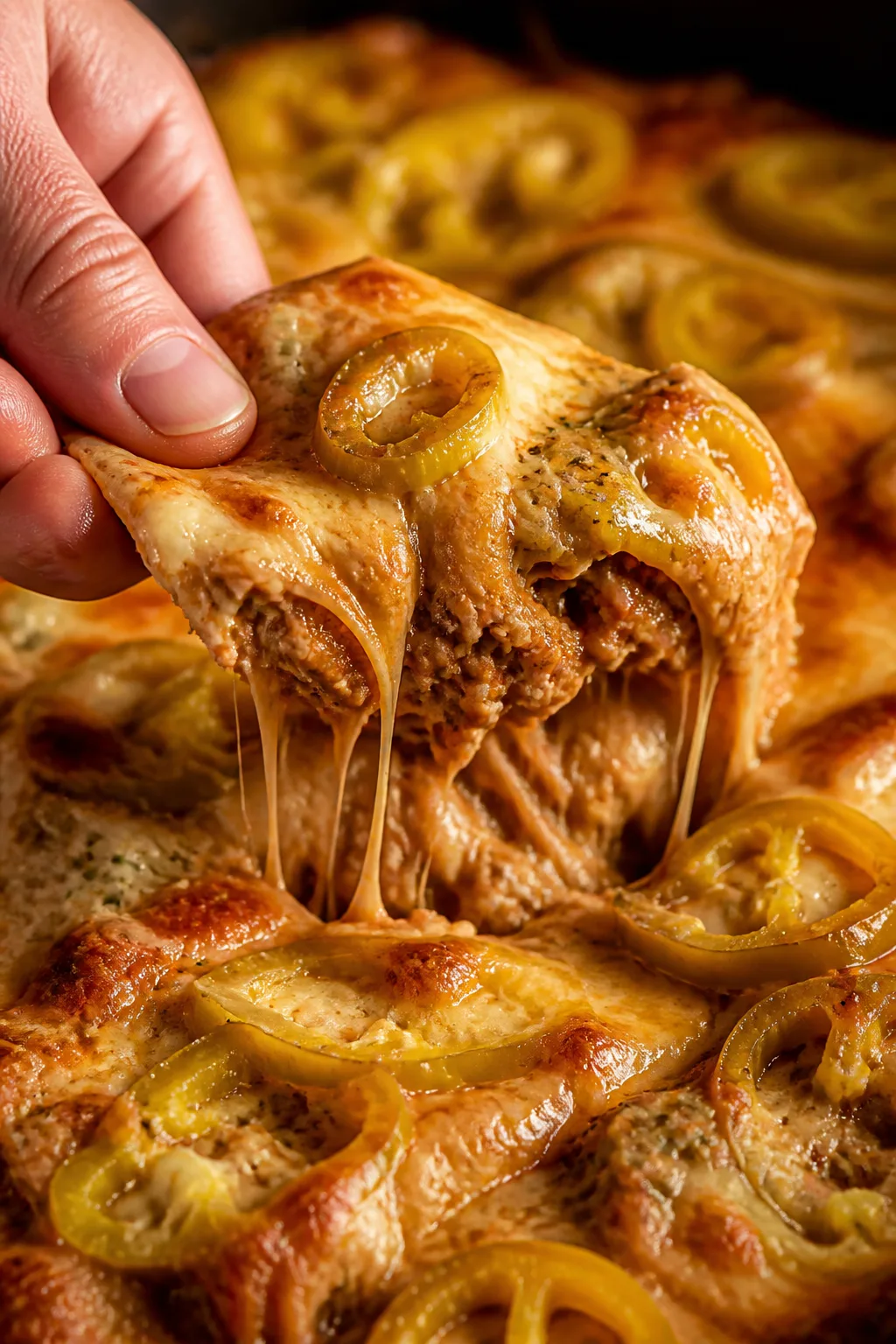
Use these pickled banana peppers as a topping for sandwiches, burgers, salads, or even tacos. Their bright flavor adds an instant lift to any meal. I love how they bring contrast and a little heat without overwhelming the dish.
⏱ Time: As desired
✓ Doneness: Pickled peppers enhance dishes with a fresh, zesty crunch.
Step 8
If you want to store longer, ensure the jar is tightly sealed and always use a clean utensil to remove peppers to avoid contamination. This helps prevent spoilage and keeps your pickles fresh and safe.
⏱ Time: Ongoing
✓ Doneness: Pickles remain fresh and free from mold or off smells.
Step 9
For an extra flavor twist, try adding fresh herbs like dill or oregano to the jar before sealing. This adds an herbal note that pairs beautifully with the pepper’s tang. Just be sure to refrigerate and use within a week if adding fresh herbs.
⏱ Time: Optional, 1 minute prep
✓ Doneness: Herb aroma is noticeable and complements the peppers.
Pro Tips
Slice the peppers as thinly and uniformly as possible.
Thin, even slices allow the brine to penetrate quickly and uniformly, resulting in consistent texture and flavor. Thick or uneven slices can pickle unevenly, leading to some pieces being mushy while others remain tough.
Always use a clean jar and utensils to avoid contamination.
Pickling relies on an acidic environment to prevent spoilage, but introducing contaminants can cause mold or off-flavors. Sterilizing jars and using clean spoons ensures your pickles stay fresh and safe longer.
Let the pickled peppers rest for at least 24 hours before tasting.
This resting time allows the flavors to meld and the peppers to soften slightly. Tasting too early means the vinegar might overpower the natural sweetness, and the texture won’t have developed its signature crunch.
Use pickling or kosher salt without additives.
Additives in table salt can cause cloudiness or discoloration in the brine and may alter the flavor. Pickling salt dissolves cleanly and ensures the brine remains clear and bright.
Don’t boil the brine vigorously after adding spices.
Gentle simmering extracts flavor from spices without dulling vinegar’s sharpness. Boiling too hard can evaporate acidity and reduce the brine’s effectiveness in preservation.
Press the peppers down in the jar to eliminate air pockets.
Air pockets can cause uneven pickling and spoilage. Pressing the peppers ensures they’re fully submerged in brine, which is essential for proper acidification and texture retention.
Store pickled peppers in the refrigerator rather than at room temperature.
Refrigeration slows bacterial growth and fermentation, preserving the crisp texture and bright flavor longer. Room temperature storage can cause rapid fermentation and spoilage.
Common Mistakes to Avoid
Using thick or uneven pepper slices
Why it happens Many cooks slice peppers quickly without worrying about thickness, assuming all pieces pickle the same.
Fix Take time to slice peppers uniformly thin to ensure even brining and crisp texture. Use a sharp knife or mandoline for precision.
Not dissolving sugar and salt fully in the brine
Why it happens Rushing the brine preparation or stirring insufficiently can leave undissolved granules.
Fix Heat the brine gently and stir until all sugar and salt are completely dissolved to ensure balanced flavor and proper preservation.
Skipping sterilization of jars and utensils
Why it happens Some assume vinegar brine alone prevents spoilage.
Fix Always sterilize jars and use clean utensils to prevent mold and contamination, ensuring longer shelf life.
Tasting pickles too soon
Why it happens Impatience leads to sampling before flavors develop.
Fix Wait at least 24 hours; the flavor and texture improve significantly after resting.
Storing pickled peppers at room temperature
Why it happens Some think pickling makes items shelf stable without refrigeration.
Fix Store in the fridge to maintain crunch and prevent spoilage, especially with quick refrigerator pickles like these.
Variations
Spicy Pickled Banana Peppers
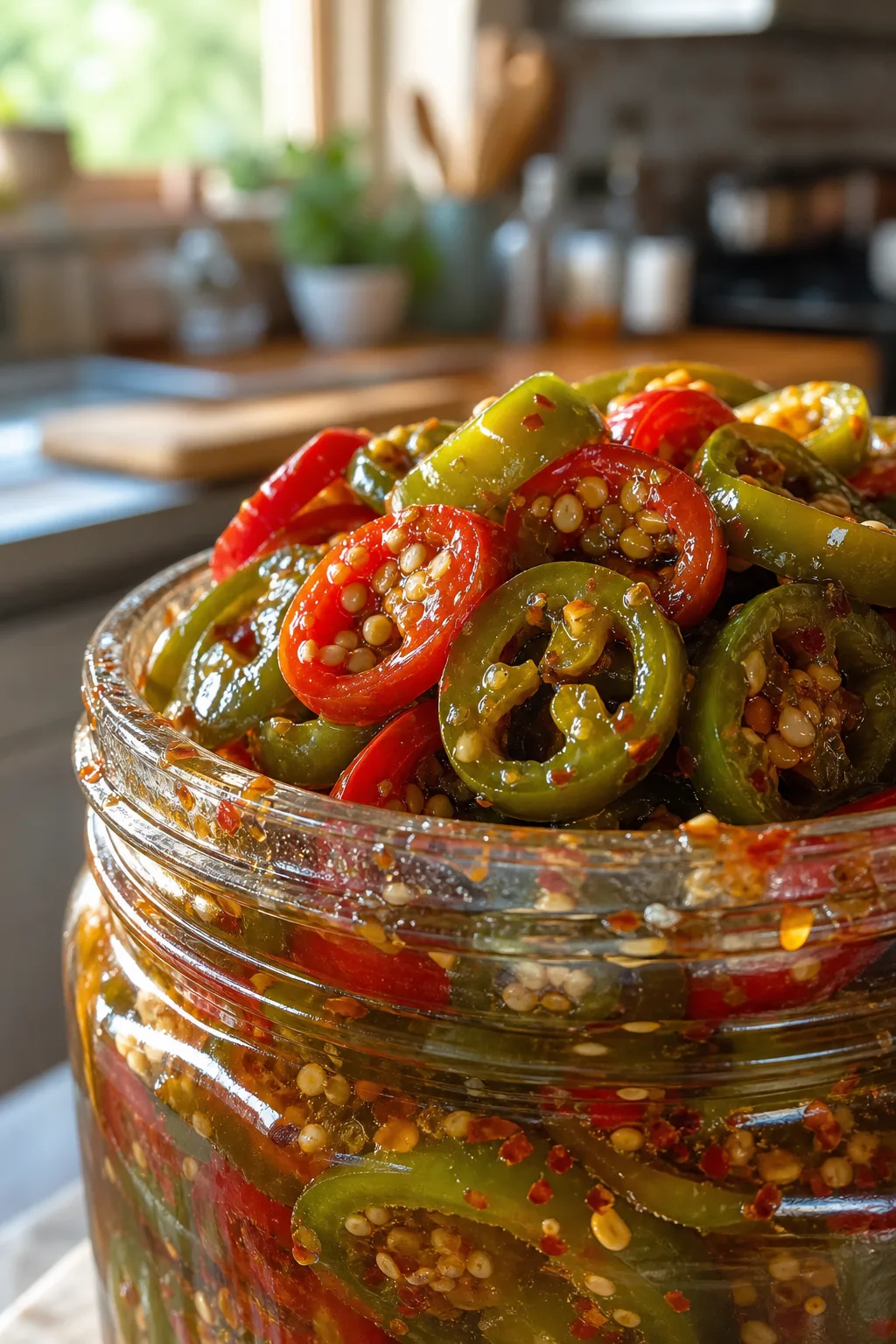
Add 1-2 dried red chili flakes or a sliced jalapeño to the brine for a spicy kick. This variation adds heat and complexity, perfect for those who love a little fire in their condiments.
Note: Keep an eye on the heat level; spicy peppers can intensify over time, so start mild and adjust.
Herb-Infused Pickled Peppers
Add fresh dill, oregano, or thyme sprigs to the jar before sealing. The herbs impart a fresh, aromatic note that pairs beautifully with the tangy peppers.
Note: Use fresh herbs and consume within a week to avoid herb spoilage.
Sweet and Tangy Pickled Peppers
Increase sugar to 4 tablespoons and add a cinnamon stick for a sweeter, spiced flavor. This version works great as a unique topping for cheese boards or grilled meats.
Note: The extra sugar slows the pickling slightly, so allow an extra day for full flavor development.
Quick Refrigerator Pickled Peppers
Use hot water instead of vinegar and add lemon juice to create a milder, fresher pickle. This method is faster but less shelf-stable, best consumed within a week.
Note: Refrigerate immediately and consume quickly; the acidity is lower so spoilage risk is higher.
Garlic Lover’s Pickled Peppers
Double the garlic cloves in the brine for a punchier, more savory flavor. Great for garlic fans who want that extra aromatic depth.
Note: Extra garlic can overpower if left too long; taste early to avoid bitterness.
Nutrition
Per Serving:
Nutritional values are estimates and may vary based on specific ingredients used.
Storage & Tips
Room Temperature
These pickled banana peppers should not be stored at room temperature for extended periods. After preparation, they should cool uncovered to room temperature for about 30 minutes, then be refrigerated promptly to avoid spoilage.
Refrigerator
Store the pickled peppers in an airtight glass jar in the refrigerator for up to 4 weeks. The flavor will intensify over time, though the peppers may soften slightly. They can be served cold directly from the fridge or brought to room temperature before use.
Freezer
Freezing is not recommended as it can damage the texture of the peppers, making them mushy upon thawing. Instead, prepare smaller batches to enjoy fresh pickles regularly.
Reheating
Pickled banana peppers are typically served cold or at room temperature and do not require reheating. If desired, warm gently in a small saucepan over low heat for a few minutes, but avoid boiling to maintain texture.
Make Ahead
You can prepare the pickled banana peppers up to 2 days ahead. Slice the peppers and prepare the brine, then combine and refrigerate. The flavors improve with time, so making ahead is encouraged for best taste.
FAQ
Can I use other types of peppers for this recipe?
Absolutely! While banana peppers are mild and sweet, you can substitute with pepperoncini, jalapeños, or even bell peppers depending on your heat preference. Just note that thicker or larger peppers may require longer pickling time and may yield a different texture.
How long do pickled banana peppers last in the fridge?
When stored properly in an airtight jar, these pickled peppers can last up to 4 weeks in the refrigerator. Over time, they may become softer and more intensely flavored, so try to consume them within this window for the best texture.
Do I need to sterilize the jars before pickling?
It's a good practice to sterilize jars to prevent contamination and extend shelf life. You can wash jars in hot soapy water and then boil them or run them through a hot dishwasher cycle. Clean jars help keep your pickles fresh and safe.
Can I make this recipe without sugar?
You can omit sugar if you prefer a more tart pickle, but it will change the flavor balance. Sugar helps mellow the vinegar’s acidity and brings out the peppers’ natural sweetness, so skipping it may result in a sharper taste.
Why do my pickled peppers turn mushy sometimes?
Mushy pickles often result from using overripe peppers, slicing too thick, or pickling for too long at warm temperatures. Using firm, fresh peppers, slicing thinly, and keeping them refrigerated helps maintain crispness.
Can I add other spices or herbs to the brine?
Yes! Feel free to experiment with dill, oregano, bay leaves, or chili flakes to customize the flavor. Just add them to the brine before pouring over the peppers. Fresh herbs should be used sparingly and consumed within a week to avoid spoilage.
Is it safe to store pickled peppers at room temperature?
For this quick refrigerator pickle method, storing at room temperature is not recommended as it lacks the acidity and sterilization for shelf stability. Always refrigerate after preparing to keep them fresh and safe.
How can I reduce the heat if my peppers are too spicy?
Removing seeds and membranes before slicing reduces heat significantly. You can also soak sliced peppers in cold water for 30 minutes before pickling to mellow the spiciness.
Can I reuse the brine for pickling other vegetables?
Reusing brine is possible but not ideal because it loses acidity and flavor over time, which can affect safety and taste. It's best to prepare fresh brine for each batch to ensure proper preservation.
Final Thoughts
Give this pickled banana pepper recipe a try and see how it livens up your meals! Don’t forget to share your crunchy creations—I’d love to hear how you use them.