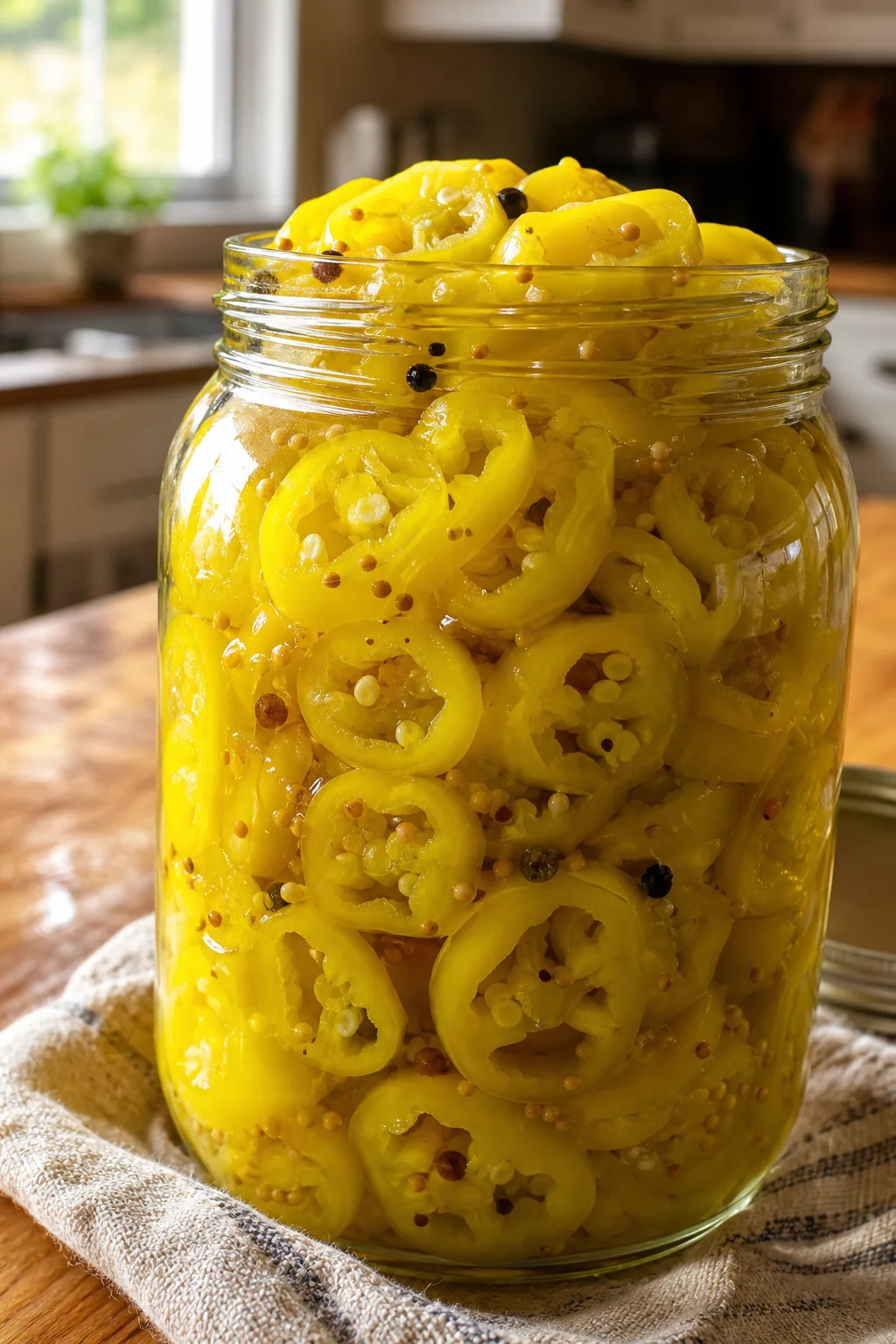
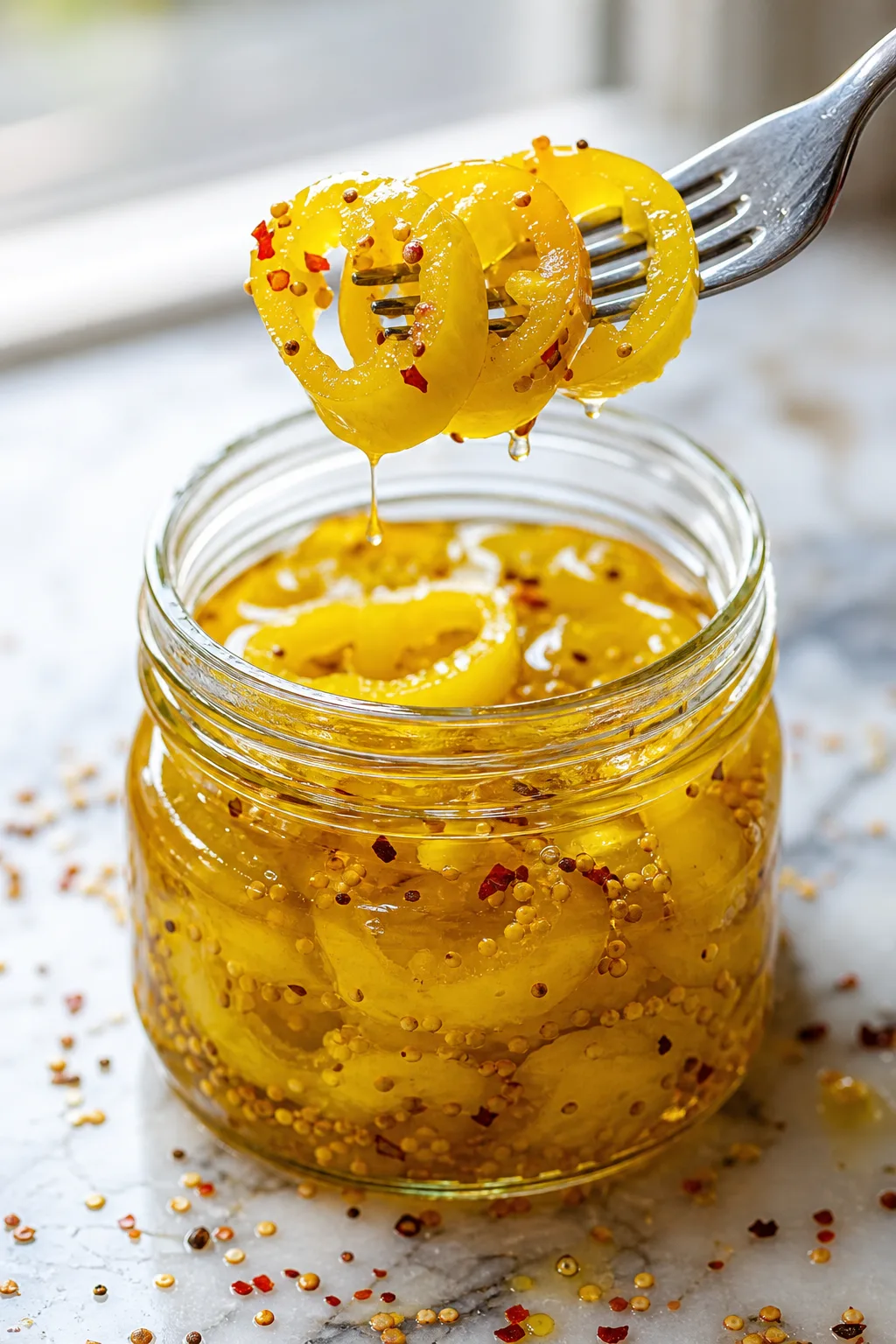
These pickled banana peppers are my go-to for adding a zingy crunch to sandwiches and salads. The simple vinegar brine hits just the right tangy note, making them perfect anytime you want a little punch.
Introduction
I first made these pickled banana peppers a few summers ago when I stumbled upon an overabundance of fresh peppers at the farmer’s market. I wanted something tangy and crunchy to jazz up sandwiches and salads without too much fuss. What sets this recipe apart is the simple yet perfectly balanced brine — just the right amount of vinegar, sugar, and spices to brighten the peppers without overpowering their natural flavor. The trick I learned early on is to slice the peppers fairly thin so the brine penetrates quickly, cutting down on wait time while still giving you that satisfying crunch. The finished pickles have a vibrant color and a lively tang that lifts any dish, whether it’s a casual lunch or a picnic spread. Plus, making these at home means you can skip the preservatives and customize the spice level. I’ll admit, my first batch was a little too salty because I rushed the salt measurement, but once I got it right, it became a staple in my fridge. These peppers store well and taste even better after a day or two soaking in the brine. Trust me, once you try these, you’ll wonder how you ever ate a sandwich without them!
What You'll Need
Approximately 4 cups of pickled banana peppers, 4 servings
- 4 cups banana peppers, sliced into rings
- 2 cups white vinegar
- 1 cup water
- 2 tablespoons sugar
- 1 tablespoon kosher salt
- 1 teaspoon mustard seeds
- 1 teaspoon black peppercorns
- 2 cloves garlic, smashed
- 1 bay leaf
How To Do It
Step 1
Start by washing the banana peppers thoroughly and slicing them into thin rings. The thin slices allow the brine to soak in faster, ensuring every bite is tangy and flavorful. Make sure to remove seeds if you want less heat, but I usually leave some in for a mild kick. Using a sharp knife here helps keep the slices neat and prevents bruising, which can affect texture.
⏱ Time: 10
✓ Doneness: Peppers are evenly sliced, with clean edges and no bruising
Step 2
In a medium saucepan, combine the white vinegar, water, sugar, salt, mustard seeds, peppercorns, smashed garlic, and bay leaf. Heat the mixture over medium heat, stirring occasionally until the sugar and salt dissolve completely. This step is crucial as it ensures the brine is balanced and the spices infuse properly. Avoid boiling vigorously, as that can dull the sharpness of the vinegar.
⏱ Time: 10
✓ Doneness: Brine is clear and steaming, all solids dissolved, and spices fragrant
Step 3
Place the sliced banana peppers into a clean, heatproof jar or container. Pour the hot brine over the peppers, making sure they’re fully submerged. The hot brine helps soften the peppers slightly while preserving their crunch. If peppers float, press them down gently with a spoon or a small weight to ensure even pickling.
⏱ Time: 5
✓ Doneness: Peppers are completely covered with brine, no air bubbles trapped
Step 4
Let the jar cool to room temperature before sealing with a lid. Cooling prevents condensation inside the jar, which can dilute the brine and affect shelf life. Once cooled, refrigerate the pickled peppers for at least 24 hours to let the flavors meld. The longer they sit, the more flavorful and tender they become.
⏱ Time: 5
✓ Doneness: Jar is sealed and cooled, ready to refrigerate
Step 5
After 24 hours, taste a pepper ring to check the flavor. If it’s not tangy enough, let it pickle for another day or two. The vinegar will penetrate deeper over time, mellowing any raw sharpness and bringing out the spices. These pickles are best enjoyed within 2-3 weeks for optimal freshness.
⏱ Time: 1440
✓ Doneness: Peppers have a balanced tang and crunch, no off smells
Step 6
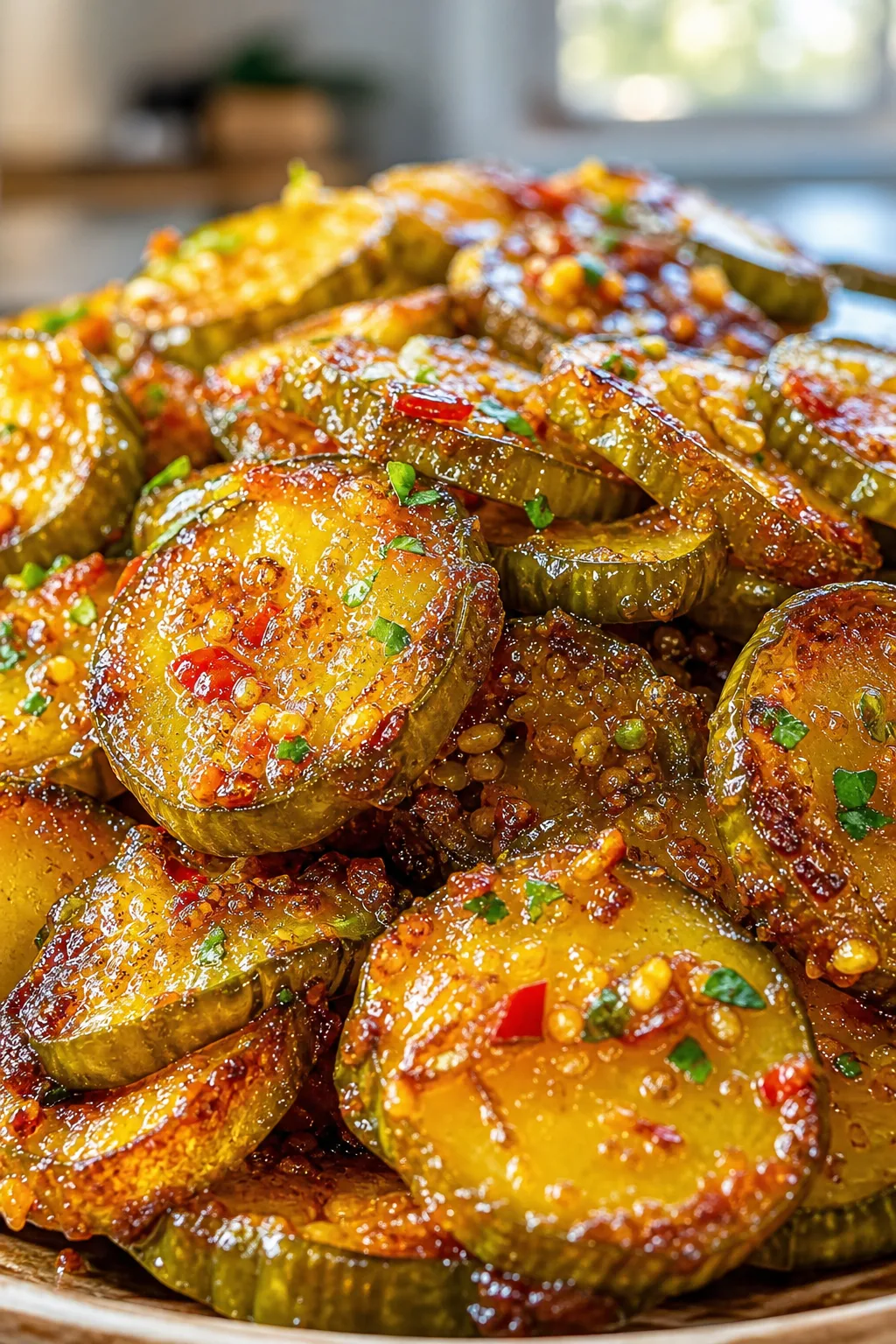
Use the pickled banana peppers as a topping for sandwiches, burgers, or salads. They also make a great side for grilled meats or charcuterie boards. The tangy crunch adds a fresh contrast that livens up any bite. Don’t hesitate to experiment by chopping them into sauces or mixing into dips for added zest.
⏱ Time: 0
✓ Doneness: Peppers add visible color and texture contrast to dishes
Step 7
If you want to store the peppers longer, sterilize canning jars and lids by boiling them for 10 minutes. Pour the hot brine and peppers into the jars, seal tightly, and process in a boiling water bath for 10 minutes. This preserves them safely for several months. Remember to check seals before storing and refrigerate after opening.
⏱ Time: 20
✓ Doneness: Jars sealed with no leaks, labels added with date
Step 8
For a spicier version, add sliced jalapeños or a pinch of red pepper flakes to the brine. This gives the pickles a nice kick without overwhelming the banana peppers’ bright flavor. Adjust the amount based on your heat preference, adding gradually to avoid overpowering.
⏱ Time: 0
✓ Doneness: Spices evenly distributed, color slightly tinted by chili
Step 9
Always use clean utensils when removing pickled peppers from the jar to avoid contamination and extend shelf life. Using tongs or a fork prevents introducing bacteria that can spoil your pickles sooner. Keep the jar tightly sealed between uses to maintain crispness and flavor.
⏱ Time: 0
✓ Doneness: Pickles remain crisp and flavorful over time
Pro Tips
Slice the peppers thinly for faster, more even pickling.
Thin slices increase surface area, allowing the brine to penetrate quickly and evenly. This results in peppers that are tangy throughout without long wait times. Thick slices can stay raw inside or become mushy if soaked too long.
Use a sharp knife to prevent bruising the peppers during slicing.
A clean cut preserves the pepper’s cellular structure, maintaining crispness and preventing premature softening. Dull knives crush the peppers, releasing juices that can lead to a mushy texture and uneven pickling.
Heat the brine gently until sugar and salt dissolve completely.
Dissolving the solids ensures an even distribution of flavor and proper preservation. Boiling too hard can dull vinegar’s sharpness and change the flavor profile. Warmth also helps infuse the spices into the brine.
Cool the jar before sealing to avoid condensation inside.
Condensation can dilute the brine and encourage spoilage. Sealing when hot traps steam, which turns to water droplets inside the jar. Cooling first preserves the intended flavor balance and extends shelf life.
Keep the peppers submerged under the brine at all times.
Exposure to air can cause mold and spoilage. Pressing the peppers down with a weight or spoon ensures full contact with the acidic brine, keeping them safe and flavorful.
Store pickles in the refrigerator for best flavor and safety.
Cold temperatures slow bacterial growth and maintain crispness. While pickling preserves food, refrigeration extends shelf life and keeps flavors fresh for weeks.
Use clean utensils when removing peppers from the jar each time.
Introducing contaminants with dirty forks or hands can spoil the pickles faster. Clean tools keep the brine uncontaminated, preserving flavor and safety.
Common Mistakes to Avoid
Using thick pepper slices that pickle unevenly.
Why it happens Many assume chunkier slices hold up better, but thick slices take longer for the brine to penetrate and can remain raw inside or become mushy on the outside.
Fix Slice peppers thinly and uniformly to ensure quick, even pickling and retain crispness throughout.
Boiling the brine too vigorously.
Why it happens Some think a rolling boil is necessary, but this can dull vinegar’s sharpness and change the flavor balance.
Fix Heat the brine just until sugar and salt dissolve and spices release aroma, then remove from heat.
Not fully submerging peppers under the brine.
Why it happens It's easy to overlook the need to keep peppers submerged, leading to mold or spoilage on exposed parts.
Fix Use a clean weight or spoon to press peppers below the surface of the brine.
Using unsterilized jars causing contamination.
Why it happens Skipping sterilization can introduce bacteria or yeasts that spoil the pickles quickly.
Fix Always sterilize jars and lids by boiling or running through a hot dishwasher cycle before use.
Adding too much salt, making pickles overly salty.
Why it happens Salt measurements are sometimes rushed or eyeballed, leading to imbalance.
Fix Measure salt precisely; if pickles are too salty, dilute with fresh water or use less salt next time.
Variations
Spicy Pickled Banana Peppers
Add sliced jalapeños or a pinch of red pepper flakes to the brine for a spicy kick. This variation adds heat without masking the peppers’ natural flavor. Great for those who love a little extra zing!
Note: Adjust the chili amount carefully; too much can overpower and soften the peppers faster.
Sweet and Tangy Pickled Peppers
Increase the sugar to 3 tablespoons and add a cinnamon stick for a sweeter, warm-spiced profile. This is perfect for balancing spicy dishes or adding complexity to sandwiches.
Note: Longer soaking time enhances the sweet-spice infusion; watch for softening.
Herb-Infused Pickled Banana Peppers
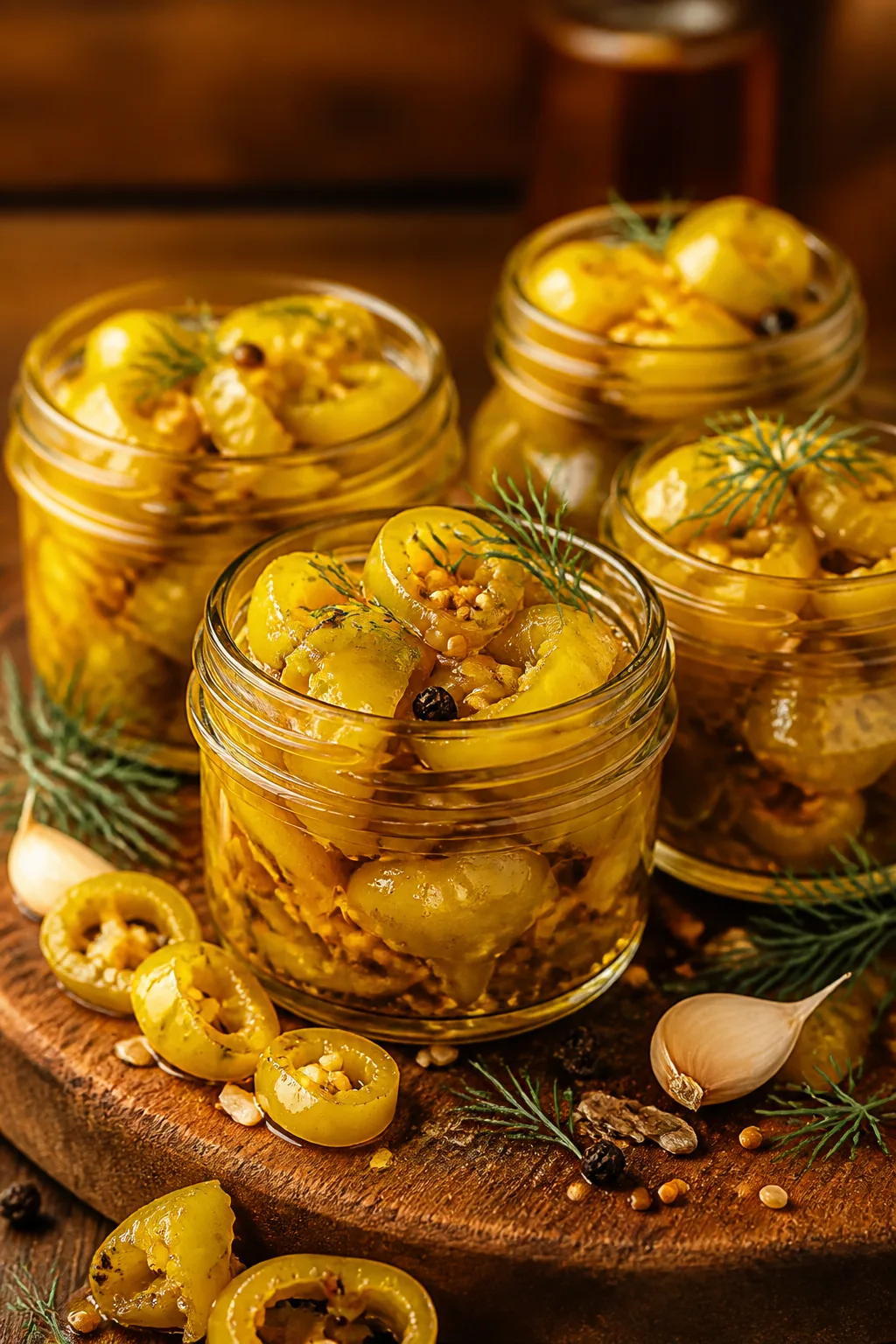
Add fresh herbs like dill, thyme, or oregano to the brine for an aromatic twist. Herbs complement the tang and add fresh garden notes to the peppers, great for salads and antipasti.
Note: Use fresh herbs and add them after the brine cools slightly to preserve their flavor.
Garlic-Heavy Pickled Banana Peppers
Double the garlic cloves for a more pungent, savory flavor. This variation works well in Mediterranean-inspired dishes or as a bold topping for pizzas and flatbreads.
Note: Fresh smashed garlic releases more flavor; avoid over-pickling to prevent bitterness.
Quick Refrigerator Pickled Peppers
Skip the sterilization and canning steps by simply pouring hot brine over peppers in a jar, cooling, and refrigerating. Ready to eat in 24 hours and lasts up to 3 weeks refrigerated.
Note: This method is faster but less shelf-stable; keep refrigerated and consume quickly.
Nutrition
Per Serving:
Nutritional values are estimates and may vary based on specific ingredients used.
Storage & Tips
Room Temperature
Pickled banana peppers can be kept at room temperature only if properly canned in sterilized jars and sealed. Otherwise, they should not be left out for more than 2 hours to prevent bacterial growth. Always store in a cool, dark place and check seals regularly.
Refrigerator
Store pickled banana peppers in an airtight container in the fridge for up to 3 weeks. Flavor and crunch improve after a couple of days. Serve cold or at room temperature. Avoid leaving the jar open for extended periods to maintain freshness.
Freezer
Freezing is not recommended as it alters texture, making peppers mushy. If necessary, freeze in airtight containers for up to 1 month and thaw in the refrigerator. Use thawed peppers in cooked dishes rather than fresh applications.
Reheating
Pickled banana peppers are best enjoyed cold or at room temperature. If adding to hot dishes, add them near the end of cooking to preserve their crunch and tang. Avoid prolonged heating to maintain flavor and texture.
Make Ahead
You can slice the peppers and prepare the brine 1-2 days ahead, storing them separately in the fridge. Combine and let pickle for at least 24 hours before serving. This allows you to prep in advance without sacrificing flavor or texture.
FAQ
Can I use other types of peppers for this pickling recipe?
Absolutely! While banana peppers are mild and sweet, you can substitute with other peppers like jalapeños, pepperoncini, or even bell peppers. Just keep in mind that heat levels and texture may vary. Adjust the brine and soaking time accordingly to suit the pepper variety you choose.
How long do these pickled banana peppers last in the fridge?
When stored properly in an airtight jar, these pickled peppers typically last about 3 weeks in the refrigerator. Their flavor often improves after a couple of days as the brine infuses. Always check for off smells or mold before consuming and use clean utensils to avoid contamination.
Is it necessary to sterilize jars if I’m just refrigerating the pickles?
If you plan to store the pickles only in the fridge and consume within a few weeks, sterilizing jars isn’t strictly necessary, but it’s a good habit to reduce the risk of spoilage. Make sure jars and lids are very clean and use airtight containers to keep the pickles fresh.
Can I make this recipe vegan and gluten-free?
Yes! This recipe is naturally vegan and gluten-free since it uses just fresh peppers, vinegar, spices, sugar, and salt. Just double-check your vinegar and spices to ensure they’re free from additives or cross-contamination if you have strict dietary needs.
Why are my pickled peppers soft instead of crunchy?
Softness usually happens if the peppers were sliced too thick, soaked too long, or the brine lacked enough acidity or salt. Using fresh, firm peppers and slicing thinly helps maintain crunch. Also, refrigerate promptly and avoid over-pickling beyond 3 weeks for best texture.
Can I reuse the pickling brine for another batch?
It’s best to make fresh brine each time to ensure proper acidity and flavor balance. Used brine can harbor bacteria and lose acidity, which risks spoilage and safety. Fresh brine guarantees consistent results and a longer shelf life.
What’s the best way to reduce saltiness if my batch is too salty?
If your pickles turn out too salty, try rinsing the peppers briefly in cold water to remove excess salt, then soak in fresh water or a new, milder brine for a few hours. This dilutes the saltiness without sacrificing too much flavor.
Can I add other spices or herbs to customize the flavor?
Definitely! Feel free to experiment with herbs like dill, thyme, or oregano, or spices like coriander seeds and red pepper flakes. Add these to the brine before heating to infuse the peppers, but remember to adjust quantities carefully to keep balance.
Final Thoughts
I hope you give these pickled banana peppers a try—they’re such an easy way to brighten up your meals. Let me know how they turn out and what you pair them with!