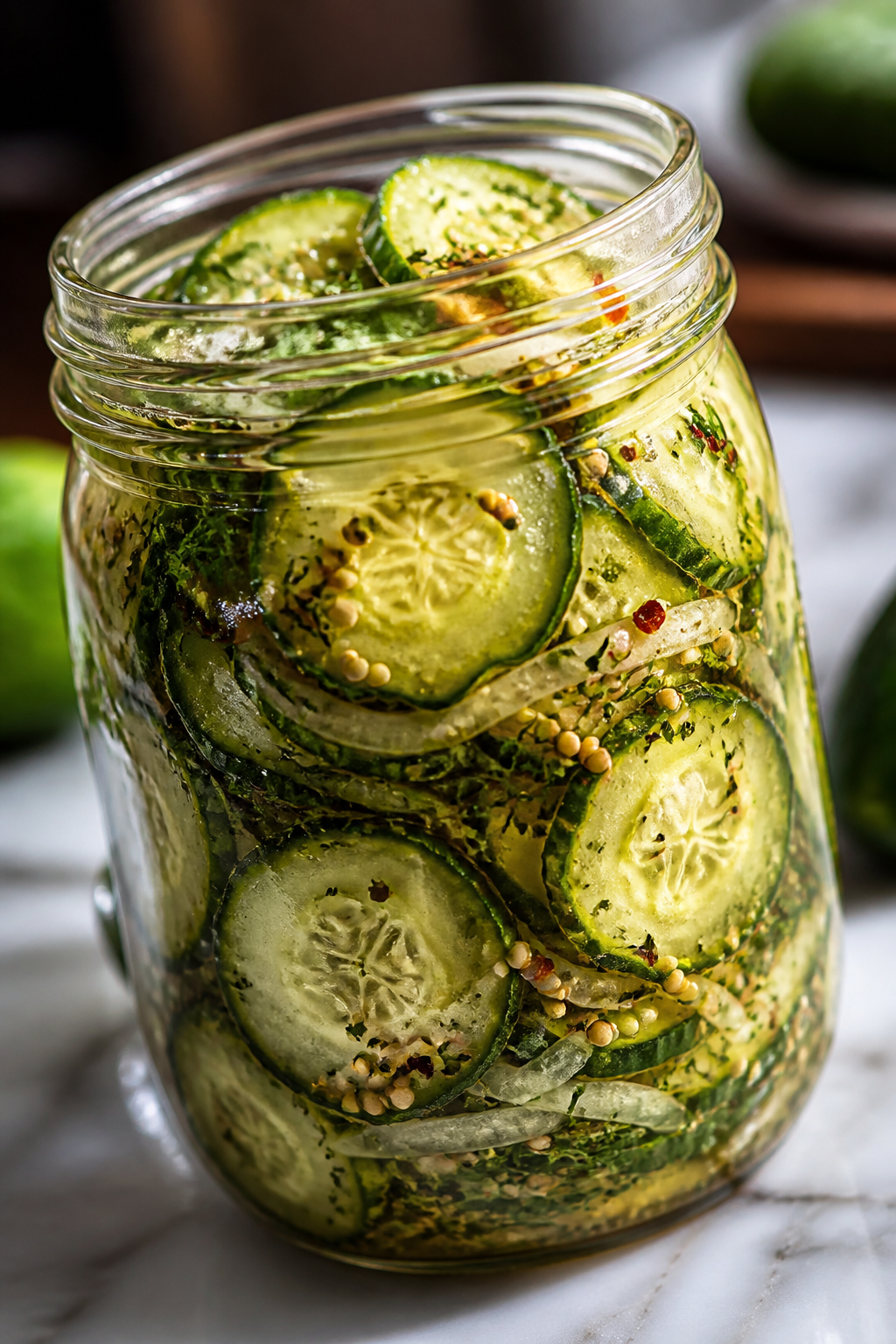
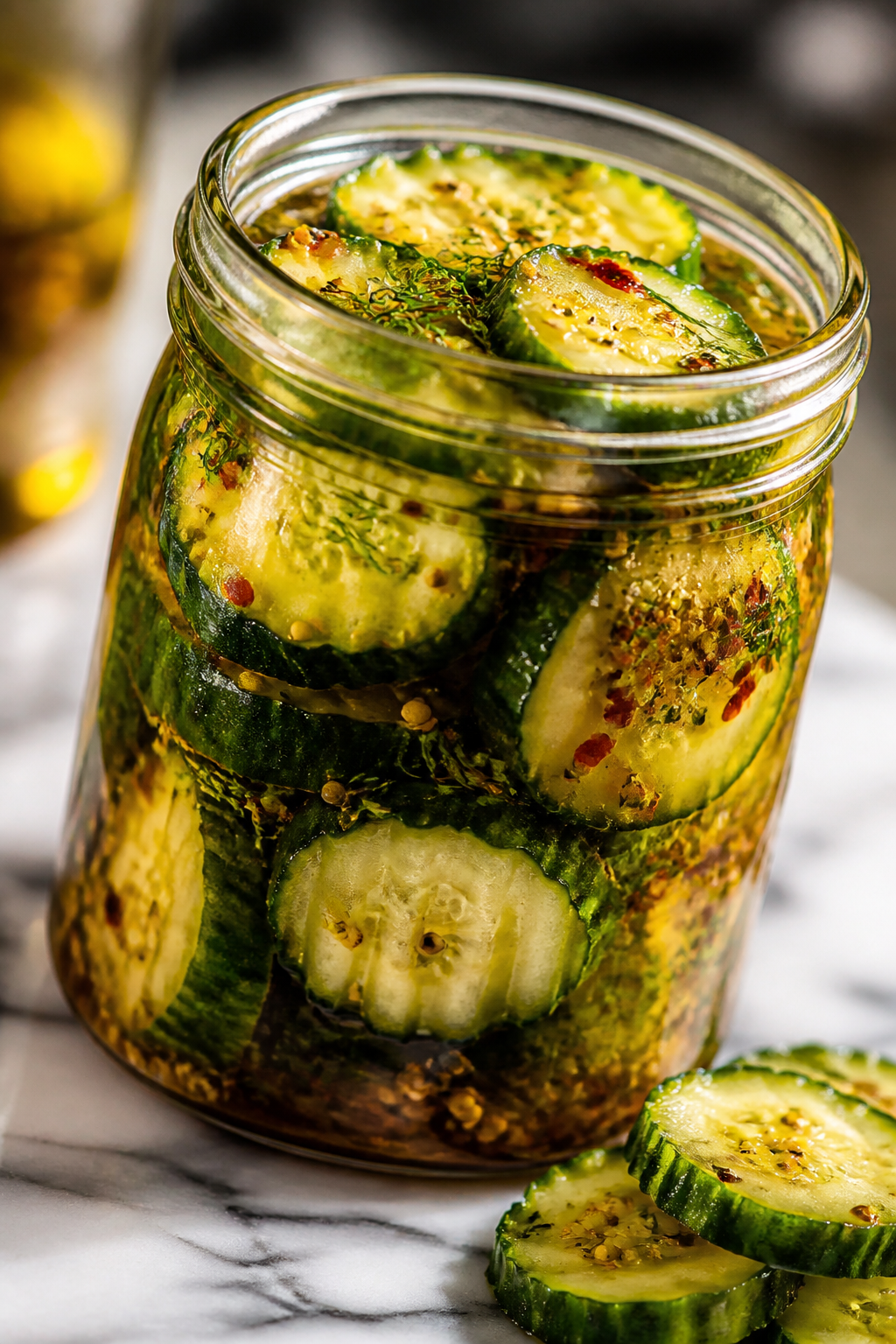
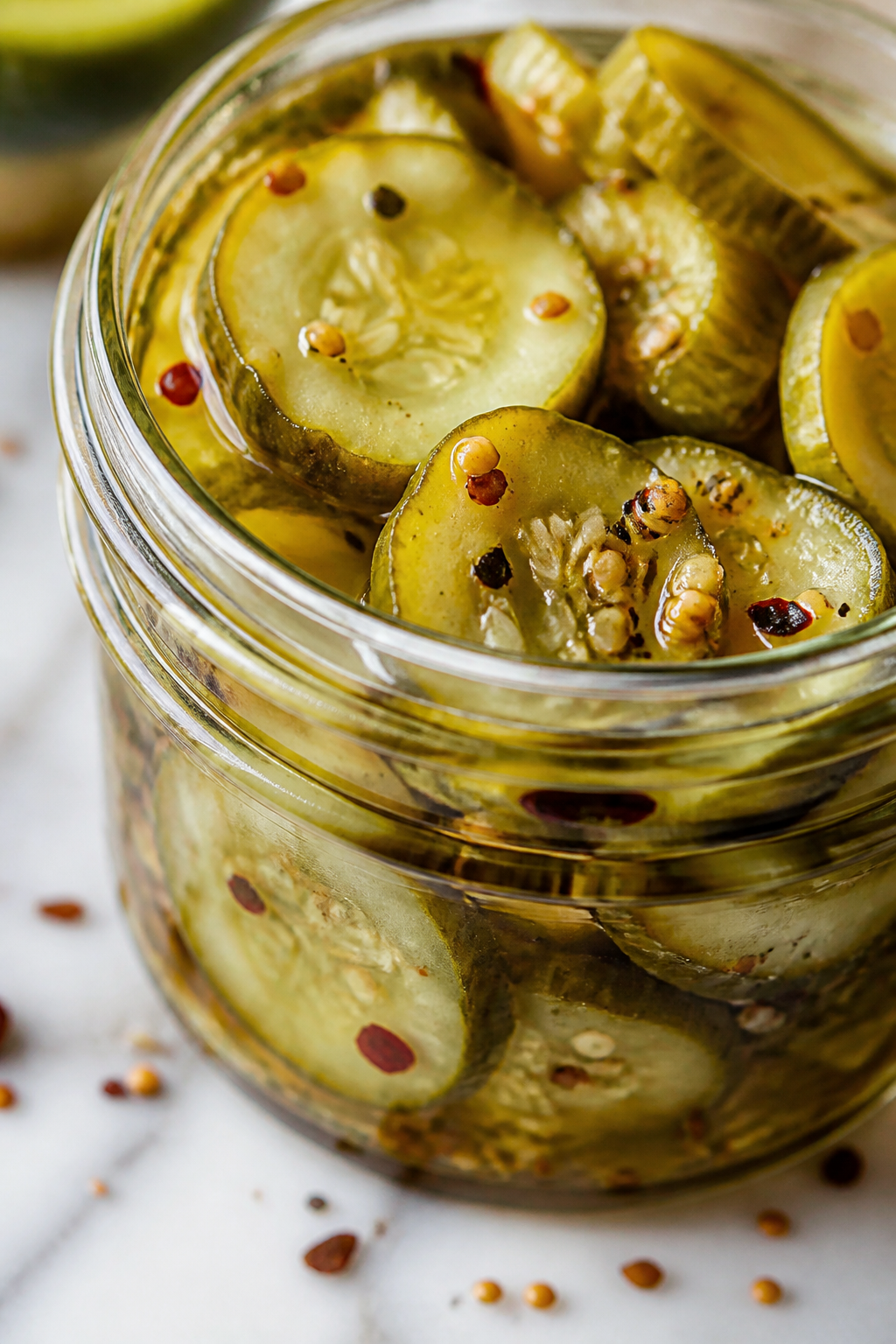
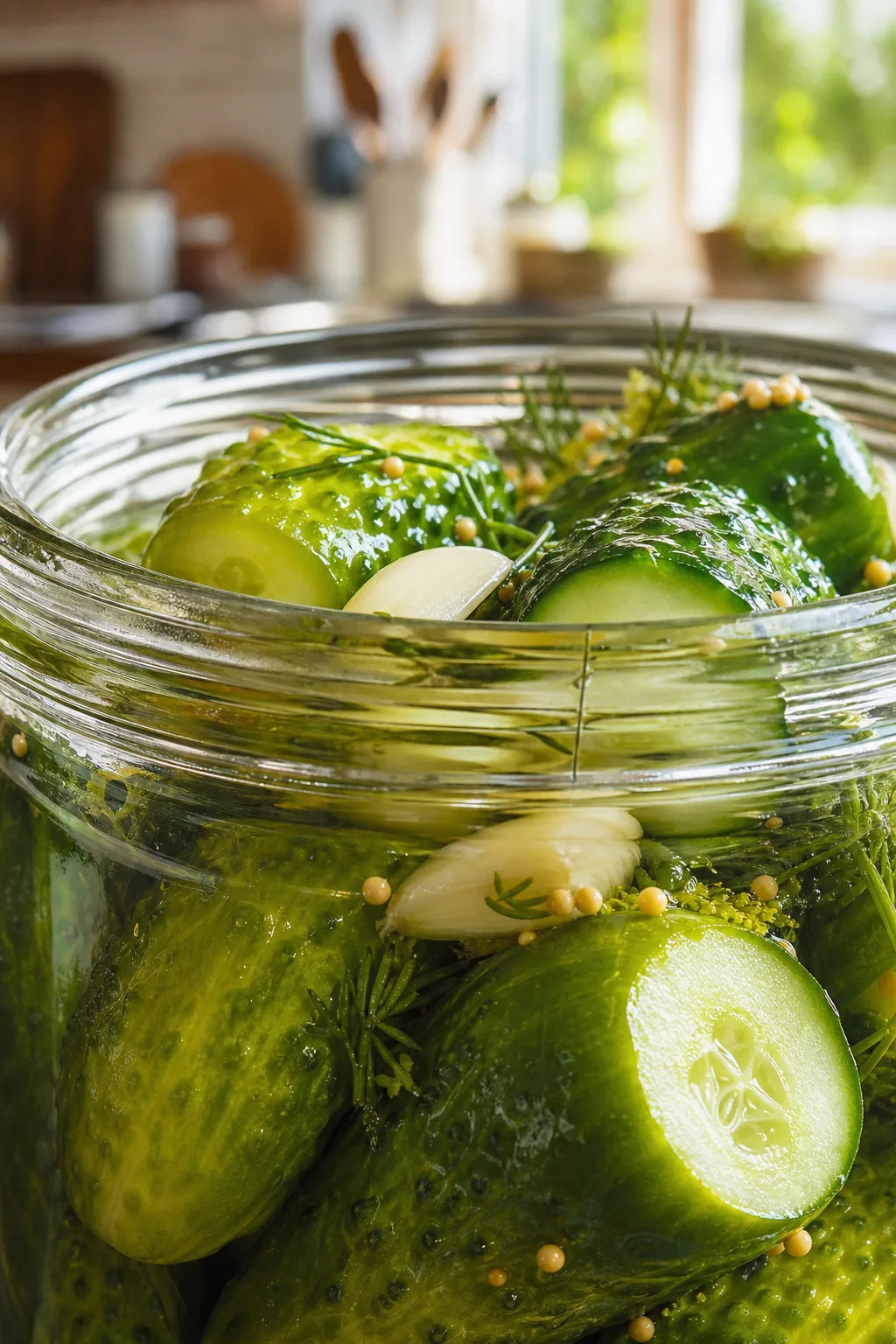
These quick refrigerator pickles bring a fresh crunch with a perfectly balanced tangy brine. I love how easy they are to whip up and how they brighten sandwiches or snacks in just a few hours. Great for a last-minute pickle fix!
Introduction
I first stumbled upon refrigerator pickles when I wanted a quick way to enjoy homemade pickles without the long wait of traditional canning. It was a game changer! These pickles are so simple but pack that perfect tangy crunch that’s just irresistible. What makes this recipe stand out is the balance in the brine—the vinegar, sugar, and salt come together just right, giving a bright but mellow flavor without overpowering the fresh cucumber taste. Plus, I always add a little garlic and mustard seeds to give it that extra depth. The trick I learned is to slice the cucumbers thinly and pack them tightly in the jar so they soak evenly. The best part? You only need to wait a few hours before diving in, unlike traditional pickles that take days or weeks. These are perfect for last-minute sandwiches, salads, or just snacking straight from the jar. The pickles stay crisp and flavorful, and they make even the simplest meals feel special. I love keeping a jar in the fridge for whenever the pickle craving hits!
What You'll Need
Approximately 4 cups of pickles, 4 servings
- 4 cups thinly sliced cucumbers, fresh
- 1 cup distilled white vinegar
- 1 cup water
- 2 tablespoons sugar
- 1 tablespoon kosher salt
- 2 cloves garlic, smashed
- 1 teaspoon mustard seeds
- 1 teaspoon black peppercorns
- 1/2 teaspoon red pepper flakes (optional)
- Fresh dill sprigs (about 4)
How To Do It
Step 1
Start by washing and thinly slicing your cucumbers. Thin slices absorb the brine faster, giving you that crisp, tangy bite sooner. Be sure to use fresh, firm cucumbers for the best crunch. Avoid thick slices as they take longer to pickle and might turn mushy. Packing the slices snugly into your jar helps them stay submerged in the brine, ensuring even flavor. If you don’t pack tightly, some pieces might float and not pickle properly.
⏱ Time: 10 minutes
✓ Doneness: Cucumbers are sliced uniformly and packed tightly in the jar without gaps
Step 2
In a saucepan, combine the vinegar, water, sugar, and kosher salt. Heat gently just until the sugar and salt dissolve completely—no need to boil. This step ensures the brine is well mixed and smooth. If you skip dissolving the sugar and salt, the brine might be grainy and uneven in flavor. Let the brine cool slightly before pouring over the cucumbers to avoid softening them prematurely.
⏱ Time: 5 minutes
✓ Doneness: Sugar and salt fully dissolved, brine slightly warm but not boiling
Step 3
Add the smashed garlic cloves, mustard seeds, peppercorns, and red pepper flakes (if using) to the cucumber jar. These aromatics infuse the pickles with subtle layers of flavor. Smashing the garlic helps release its oils without overpowering the pickle. Mustard seeds add a gentle tang and texture. Don’t skip the peppercorns—they bring a mild heat and complexity.
⏱ Time: 5 minutes
✓ Doneness: Aromatic ingredients visibly mixed with cucumber slices
Step 4
Pour the warm brine over the cucumbers and spices until fully submerged. The cucumbers must be covered to pickle evenly and prevent spoilage. If needed, use a small weight or clean utensil to keep them submerged. Leaving cucumbers exposed to air leads to uneven pickling and can cause off-flavors.
⏱ Time: 5 minutes
✓ Doneness: All cucumbers fully covered by brine, no floating slices
Step 5
Tuck fresh dill sprigs into the jar for a bright, herbaceous note that complements the tangy brine. Dill is classic in pickling for its fresh, slightly citrusy flavor. Adding it last preserves its aroma and prevents it from becoming bitter. You can add more or less depending on your taste.
⏱ Time: 2 minutes
✓ Doneness: Fresh dill evenly distributed and visible in the jar
Step 6
Seal the jar tightly with a lid and give it a gentle shake to mix the brine and spices. Then place it in the refrigerator. The cold slows fermentation and keeps the pickles crisp while allowing flavors to meld. Don’t leave the jar at room temperature as it can lead to unwanted fermentation or spoilage.
⏱ Time: 2 minutes
✓ Doneness: Jar sealed and stored upright in fridge
Step 7
Let the pickles chill for at least 4 hours before tasting, though overnight is best for full flavor. The cold brine penetrates the cucumber slices, balancing acidity and crunch. If you try to eat them too soon, they’ll be mild and less flavorful. Patience really pays off here!
⏱ Time: 4-24 hours
✓ Doneness: Pickles have a tangy aroma and crisp texture when tasted
Step 8
Once ready, store the pickles in the fridge and consume within 2 weeks for best texture and flavor. Over time, they’ll soften and become more sour. If they lose their crunch, they’re still safe to eat but best used in cooked dishes or relishes.
⏱ Time: Ongoing
✓ Doneness: Pickles remain firm and tangy, no signs of spoilage
Step 9
Use these pickles to brighten sandwiches, salads, or as a tangy snack. They add a fresh crunch that’s way better than store-bought. Plus, you can customize the spice level or herbs to your liking. Experiment with adding fresh ginger or different peppercorns for unique twists.
⏱ Time: As desired
✓ Doneness: Pickles enhance dishes with bright flavor and satisfying crunch
Pro Tips
Slice cucumbers thinly and evenly using a mandoline.
Thin, uniform slices maximize the surface area exposed to the brine, speeding up the pickling process and ensuring every slice absorbs flavor evenly. Uneven slices can lead to some pieces being under-pickled or mushy.
Dissolve the salt and sugar completely in warm vinegar before adding to cucumbers.
Fully dissolving the salt and sugar ensures an even brine concentration, which is crucial for consistent flavor and proper preservation. Undissolved salt can create gritty textures and uneven taste.
Keep cucumbers fully submerged under the brine using a weight or utensil.
Exposure to air can cause mold or spoilage in pickles. Submerging all slices prevents this and promotes even pickling. Floating slices won’t absorb the brine properly and may develop off-flavors.
Refrigerate pickles immediately after assembling to maintain crunch.
Cold temperatures slow enzymatic breakdown and fermentation that can soften pickles. Refrigeration keeps them crisp and fresh-tasting longer.
Use fresh spices like mustard seeds and peppercorns for vibrant flavor.
Fresh spices release their essential oils better, providing bright, complex notes. Old or stale spices result in dull flavors and less aromatic pickles.
Let the pickles rest at least 4 hours before tasting.
Time allows the brine to penetrate the cucumbers fully, balancing flavors and softening the vinegar’s sharpness. Rushing this step can yield bland or overly acidic pickles.
Add garlic and dill last to preserve their fresh aroma.
Adding delicate aromatics at the end prevents them from becoming bitter or overpowering. Their fresh oils infuse slowly in the cold brine, enhancing flavor without harshness.
Common Mistakes to Avoid
Using thick cucumber slices
Why it happens Many assume thicker slices will hold up better, but they actually take much longer to pickle and often turn mushy.
Fix Slice cucumbers thinly and evenly to speed up brine absorption and maintain crispness. A mandoline slicer helps achieve uniform thickness.
Not dissolving salt and sugar completely
Why it happens Rushing the brine preparation or using cold vinegar can leave salt and sugar undissolved.
Fix Warm the vinegar mixture gently and stir until salt and sugar are fully dissolved before pouring over cucumbers.
Letting cucumbers float above the brine
Why it happens Not packing the jar tightly or forgetting to weight down slices.
Fix Pack slices snugly and use a clean weight or utensil to keep cucumbers submerged to prevent spoilage.
Leaving pickles at room temperature
Why it happens Some think pickles need to ferment at room temp, but quick refrigerator pickles require cold storage.
Fix Refrigerate immediately to maintain crunch and prevent unwanted fermentation or spoilage.
Using old or dried-out spices
Why it happens Spices lose potency over time, leading to bland pickles.
Fix Use fresh mustard seeds, peppercorns, and garlic for the best flavor impact.
Variations
Spicy Refrigerator Pickles
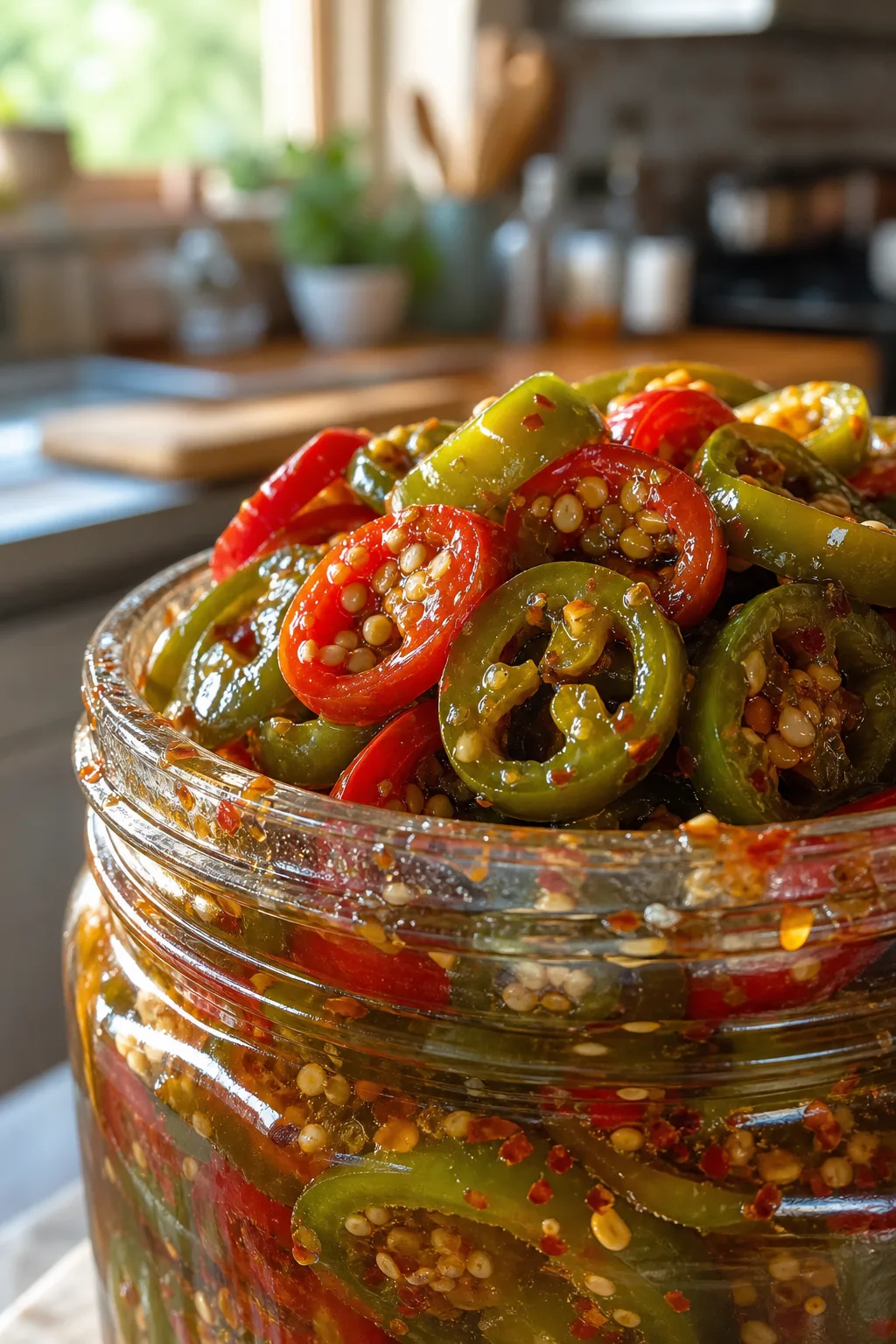
Add extra red pepper flakes or sliced jalapeños to the brine for a spicy kick. This variation adds heat without losing the classic tangy crunch. Great for those who love a little fire in their snacks.
Note: Spicy ingredients can intensify flavor quickly, so start with a small amount and adjust after tasting.
Sweet and Sour Pickles
Increase the sugar to 3 tablespoons and add a splash of apple cider vinegar for a sweeter, fruitier pickle. This balances the acidity with a mild sweetness perfect for salads or cheese boards.
Note: More sugar slows the pickling process slightly but creates a mellower flavor profile.
Herbed Garlic Pickles
Add fresh thyme and rosemary sprigs along with dill for a more complex herbal flavor. This variation works well as a gourmet topping for sandwiches and burgers.
Note: Herbs may wilt over time but their oils continue flavoring the brine.
Quick Bread and Butter Pickles
Add thinly sliced onions and turmeric powder to the brine to create a sweeter, colorful bread and butter style pickle. These are softer and great for classic deli sandwiches.
Note: Turmeric stains, so handle carefully; onions soften faster, so consume within a week.
Dill and Garlic Refrigerator Pickles
Double the garlic and dill for an extra punch of classic pickle flavor. This is my go-to when I want bold, fresh-tasting pickles that stand out on any plate.
Note: Stronger garlic can overpower if left too long; best eaten within a week.
Nutrition
Per Serving:
Nutritional values are estimates and may vary based on specific ingredients used.
Storage & Tips
Room Temperature
These pickles should not be kept at room temperature for more than 2 hours as the lack of acidity and refrigeration can allow bacterial growth. Always store them in the fridge to maintain safety and crunch.
Refrigerator
Store pickles in an airtight jar or container in the refrigerator for up to 2 weeks. Flavor intensifies over time, but they may soften slightly after 10 days. No need to reheat; serve cold or at room temperature.
Freezer
Freezing is not recommended as it breaks down the cucumber’s cell structure, resulting in mushy pickles. Best to consume fresh within the refrigerated storage time.
Reheating
No reheating needed. If you prefer warmed pickles, add them at the end of cooking dishes to preserve texture and flavor.
Make Ahead
You can prepare the brine and slice the cucumbers 1-2 days ahead and keep them separately refrigerated. Assemble the jar with spices and brine on the day you want to serve for freshest flavor and best texture.
FAQ
Can I use other types of vinegar instead of distilled white vinegar?
Yes, you can substitute apple cider vinegar for a slightly sweeter, fruitier flavor. However, avoid malt vinegar as it has a strong taste that can overpower the pickles. Make sure the vinegar is at least 5% acidity to ensure safe pickling.
How long do refrigerator pickles last in the fridge?
They typically stay good for up to 2 weeks when stored in an airtight container. Over time, they may soften but remain safe to eat. For best crunch and flavor, consume within the first 10 days.
Why are my pickles not crunchy?
Soft pickles often result from using cucumbers that are too old or thick slices, or from leaving them at room temperature too long. Make sure to use fresh, firm cucumbers, slice thinly, and refrigerate promptly to keep them crisp.
Can I add other spices or herbs?
Absolutely! Feel free to experiment with dill seeds, coriander, thyme, or even fresh ginger. Just remember that delicate herbs should be added at the end to preserve their flavor, while sturdier spices can be added with the brine.
Do I need to boil the cucumbers or sterilize the jar?
No, refrigerator pickles don’t require sterilization or boiling since they’re stored cold and consumed within weeks. Just use clean jars and fresh ingredients for safety.
Can I use regular table salt instead of kosher salt?
You can, but reduce the amount slightly because table salt is denser and often iodized, which might affect flavor. Kosher salt is preferred for its purity and ease of dissolving.
How soon can I eat these pickles?
You can start tasting them after about 4 hours, but for best flavor and texture, waiting overnight or up to 24 hours is ideal.
Can I reuse the brine for another batch?
It’s not recommended to reuse brine because it loses acidity and picks up bacteria from the cucumbers, which can affect safety and flavor.
Final Thoughts
Give these refrigerator pickles a try—they’re quick, tasty, and a real crowd-pleaser. I’d love to hear how yours turn out, so don’t forget to share your results!