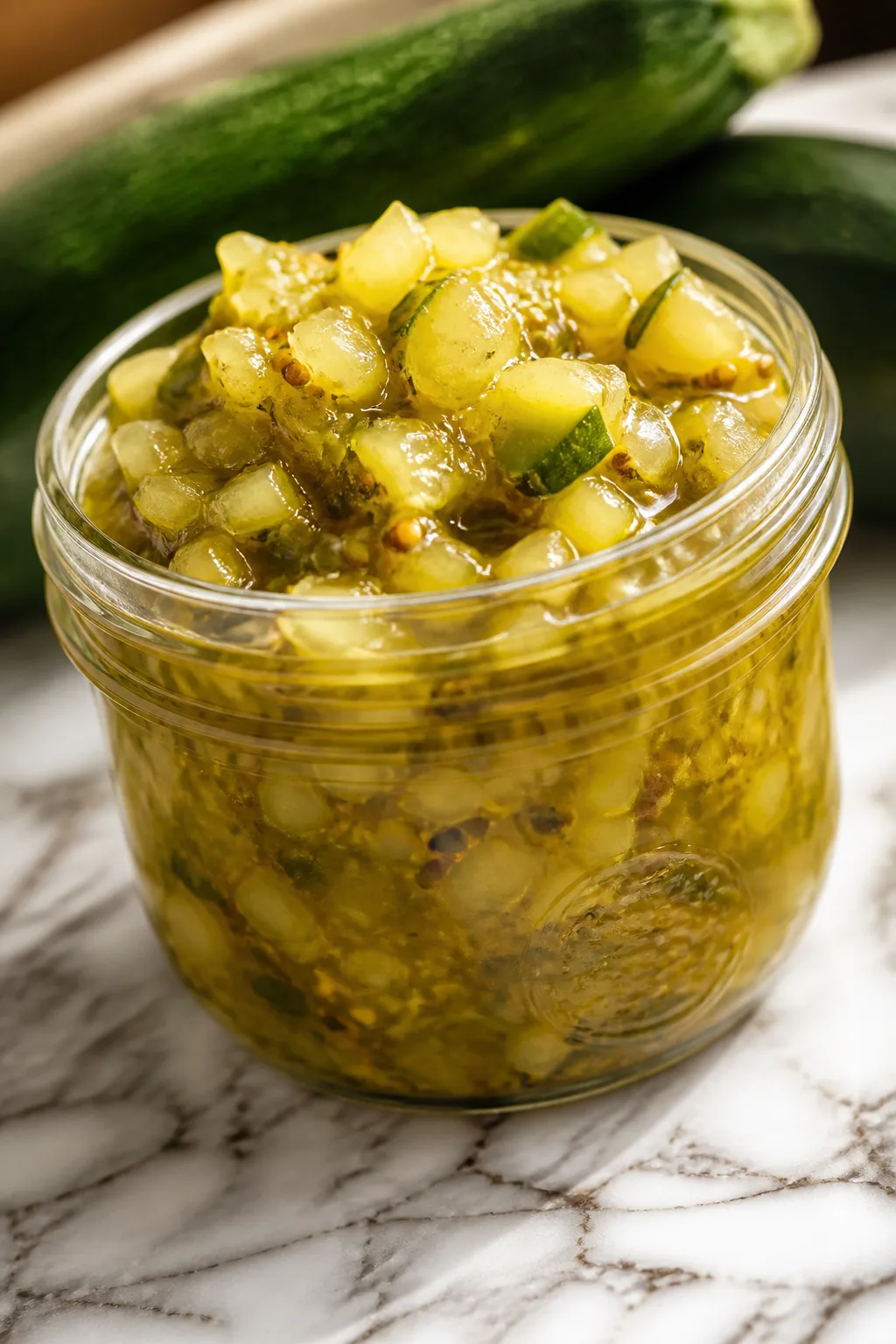
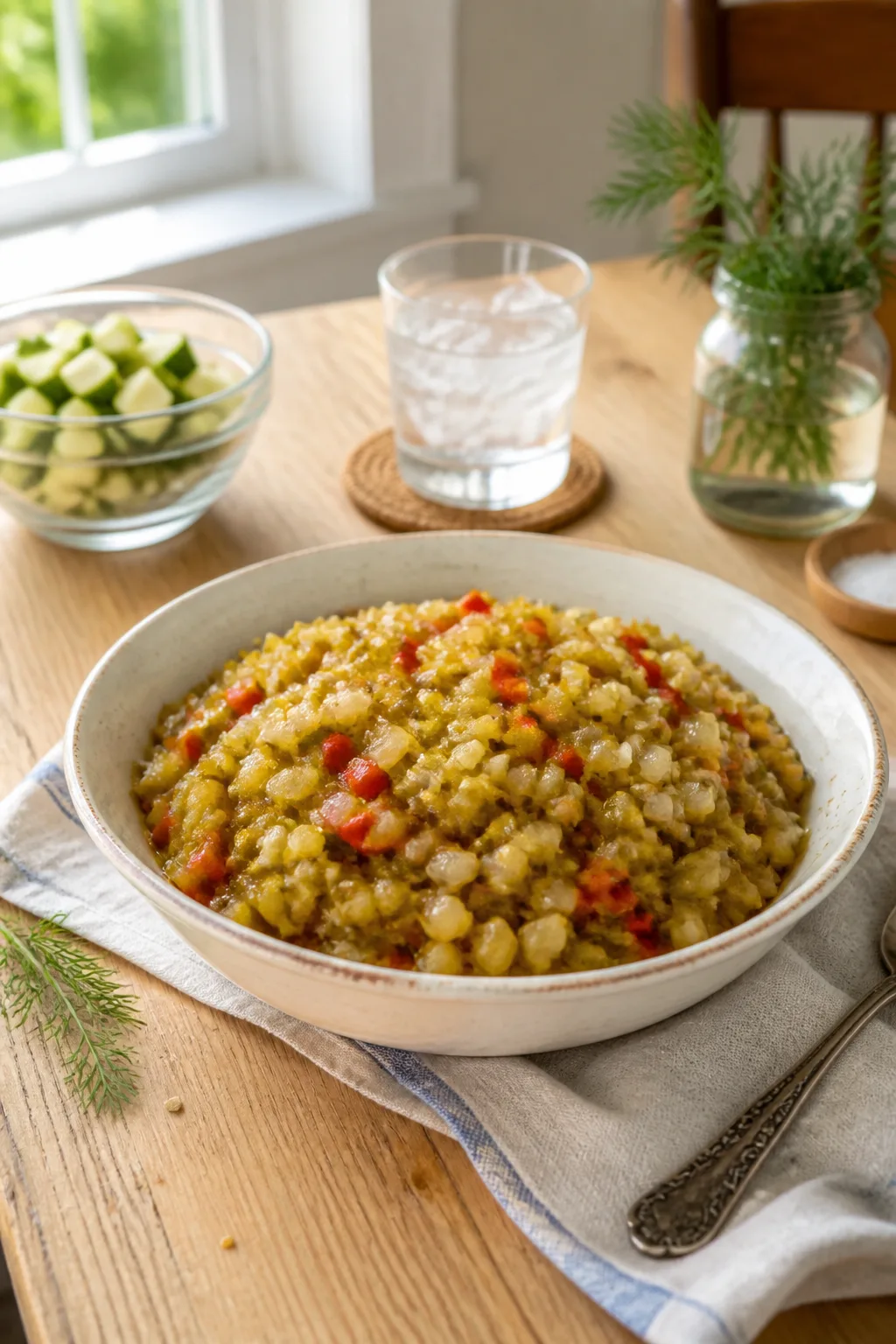
This zucchini relish is a fresh, tangy way to enjoy summer squash beyond just grilling. The magic is in the balanced vinegar and spices that make it zingy yet smooth. Perfect to dollop on sandwiches or alongside grilled meats!
Introduction
I first stumbled upon this zucchini relish recipe during a summer when my garden was overflowing with zucchinis. I wanted something different from the usual grilled or sautéed squash, so I experimented with a tangy relish that could brighten up simple meals. What makes this version special is the balance of vinegar and spices — not too sharp, but just enough zing to make you crave it. I also learned that finely chopping the zucchini and letting it sit briefly helps the flavors meld better. The finished relish is crunchy yet soft, tangy but slightly sweet, and adds a fresh pop of flavor to sandwiches, burgers, or even as a side with grilled meats. Honestly, it’s become a staple in my kitchen for summer meals. It’s quick to whip up, and once you taste it, you’ll find yourself looking for excuses to add it to your plates. Plus, it’s a great way to use up all those zucchinis before the season ends!
What You'll Need
Approximately 4 cups, 4 servings
- 4 cups finely chopped zucchini (about 3 medium zucchinis)
- 1 cup finely chopped onion
- 1/2 cup chopped green bell pepper
- 1 cup white vinegar
- 1 cup granulated sugar
- 1 tablespoon mustard seeds
- 1 teaspoon celery seeds
- 1/2 teaspoon turmeric
- 1 teaspoon salt
- 1/4 teaspoon ground black pepper
- 1/4 cup water
How To Do It
Step 1
Start by finely chopping the zucchinis, onion, and green bell pepper. The small, uniform pieces ensure the relish has a nice texture and that the flavors meld evenly. After chopping, place the veggies in a large bowl and sprinkle with salt. Toss everything well and let it sit for about 30 minutes. This step draws out excess moisture from the vegetables, which helps the relish thicken properly and prevents it from becoming watery. Avoid skipping this or rushing it, or your relish might turn out too runny.
⏱ Time: 30 minutes
✓ Doneness: The vegetables will release some liquid and look slightly wilted but still firm.
Step 2
While the vegetables are resting, combine the white vinegar, granulated sugar, mustard seeds, celery seeds, turmeric, black pepper, and water in a medium saucepan. Bring the mixture to a boil over medium heat, stirring occasionally to dissolve the sugar. The boiling vinegar mixture is what gives the relish its tangy flavor and helps preserve it. Let it simmer gently for about 5 minutes to allow the spices to infuse. If you rush this step, the sugar might not dissolve fully, and the flavors won’t be as pronounced.
⏱ Time: 10 minutes
✓ Doneness: The liquid should be clear and fragrant, with sugar fully dissolved.
Step 3
Drain the liquid released from the vegetables after they’ve rested. This step is crucial to prevent the relish from becoming watery and to maintain a nice, thick texture. Press the vegetables gently to remove as much excess liquid as possible, but don’t mash them. If you skip this, your relish can become too runny and lose its vibrant texture.
⏱ Time: 5 minutes
✓ Doneness: Vegetables should feel moist but not dripping wet.
Step 4
Add the drained vegetables into the saucepan with the hot vinegar-spice mixture. Stir thoroughly to coat all the chopped veggies evenly. The hot liquid will slightly soften the vegetables while infusing them with flavor. Stirring well is important so that every bite has balanced seasoning and the relish thickens uniformly.
⏱ Time: 5 minutes
✓ Doneness: The mixture should look glossy and well combined.
Step 5
Bring the combined mixture back to a boil, then reduce the heat and let it simmer gently for about 20 minutes. Stir occasionally to prevent sticking or burning. This simmering step cooks the vegetables just enough to tenderize them without losing their crunch and helps the flavors meld beautifully. Don’t skip the simmer or your relish will taste raw and uneven.
⏱ Time: 20 minutes
✓ Doneness: The relish thickens slightly and the veggies become tender but still crisp.
Step 6
While simmering, prepare clean jars by washing them in hot soapy water and sterilizing either by boiling or using your dishwasher’s sanitize cycle. Proper sterilization prevents spoilage and ensures your relish keeps well if you plan to store it for weeks.
⏱ Time: 10 minutes
✓ Doneness: Jars should be hot, clean, and dry.
Step 7
Once the relish has simmered and thickened, carefully ladle it into the sterilized jars while still hot. Leave about half an inch of headspace at the top. Sealing the relish hot helps create a vacuum that preserves it longer. Wipe the rims clean before sealing to avoid any residue that could interfere with sealing.
⏱ Time: 10 minutes
✓ Doneness: Jars are filled neatly and sealed tightly.
Step 8
Let the jars cool at room temperature. You’ll hear the satisfying pop of lids sealing as they cool. Once cooled, store the relish in the refrigerator if you plan to eat it soon or process in a hot water bath for longer shelf life. Cooling slowly prevents jars from cracking and ensures safety.
⏱ Time: 2 hours
✓ Doneness: Lids are sealed firmly and jars are cool to the touch.
Step 9
Before serving, chill the relish for at least a few hours to let the flavors deepen. The tangy, spicy notes will mellow and blend beautifully, giving you that perfect balance of bright and sweet. Taste and adjust seasoning with a pinch of salt or sugar if needed. This final resting step makes all the difference.
⏱ Time: 2-4 hours
✓ Doneness: Relish tastes balanced and fresh with a slight tang.
Pro Tips
Salt the chopped vegetables and let them sit to draw out moisture.
This step removes excess water, concentrating flavor and preventing the relish from turning watery. It also helps achieve a crunchy yet tender texture, which is much more pleasant than soggy relish.
Simmer the vinegar and spices before adding vegetables.
Heating the vinegar mixture extracts full flavor from the spices and dissolves sugar properly, ensuring the relish has a balanced, harmonious taste and shelf-stable acidity.
Use freshly chopped vegetables rather than pre-packaged.
Fresh veggies have better texture and brightness. Pre-packaged often contain preservatives or excess moisture, which can affect the final relish’s quality and shelf life.
Don’t overcook the relish during simmering.
Simmer just enough to soften vegetables and thicken the liquid. Overcooking will make the relish mushy and dull the fresh flavors.
Sterilize jars properly before filling.
Proper sterilization prevents bacterial growth and spoilage, making your relish safe to store longer, especially if you’re canning.
Seal jars while the relish is hot.
Hot filling creates a vacuum seal as jars cool, which preserves flavor and safety. Filling cold jars can lead to spoilage.
Let the relish rest refrigerated for a few hours before eating.
Resting allows flavors to meld and mellow, producing a more balanced and enjoyable taste experience.
Common Mistakes to Avoid
Skipping the salting and draining step.
Why it happens Many rush to combine ingredients without removing excess water, assuming it’s unnecessary.
Fix Take the time to salt and let the chopped vegetables sit, then drain well. This prevents watery relish and ensures the right texture and flavor concentration.
Using overly large or old zucchinis.
Why it happens Sometimes cooks use whatever is on hand without considering texture or moisture content.
Fix Choose medium, firm zucchinis for the best texture. Large or old zucchinis can be watery and seedy, negatively affecting relish consistency.
Not simmering the vinegar and spices before combining.
Why it happens Some think mixing raw ingredients is quicker and fine.
Fix Always simmer vinegar with sugar and spices first to dissolve sugar and infuse flavor, which is key for a balanced relish.
Overcooking the relish until mushy.
Why it happens Trying to speed up cooking or thinking longer simmering adds flavor.
Fix Simmer just until vegetables are tender-crisp and the liquid thickens slightly. Overcooking ruins texture and fresh flavor.
Not sterilizing jars properly.
Why it happens Assuming clean jars are good enough without sterilization.
Fix Sterilize jars by boiling or dishwasher sanitize cycle to prevent spoilage and ensure safe storage.
Variations
Spicy Zucchini Relish
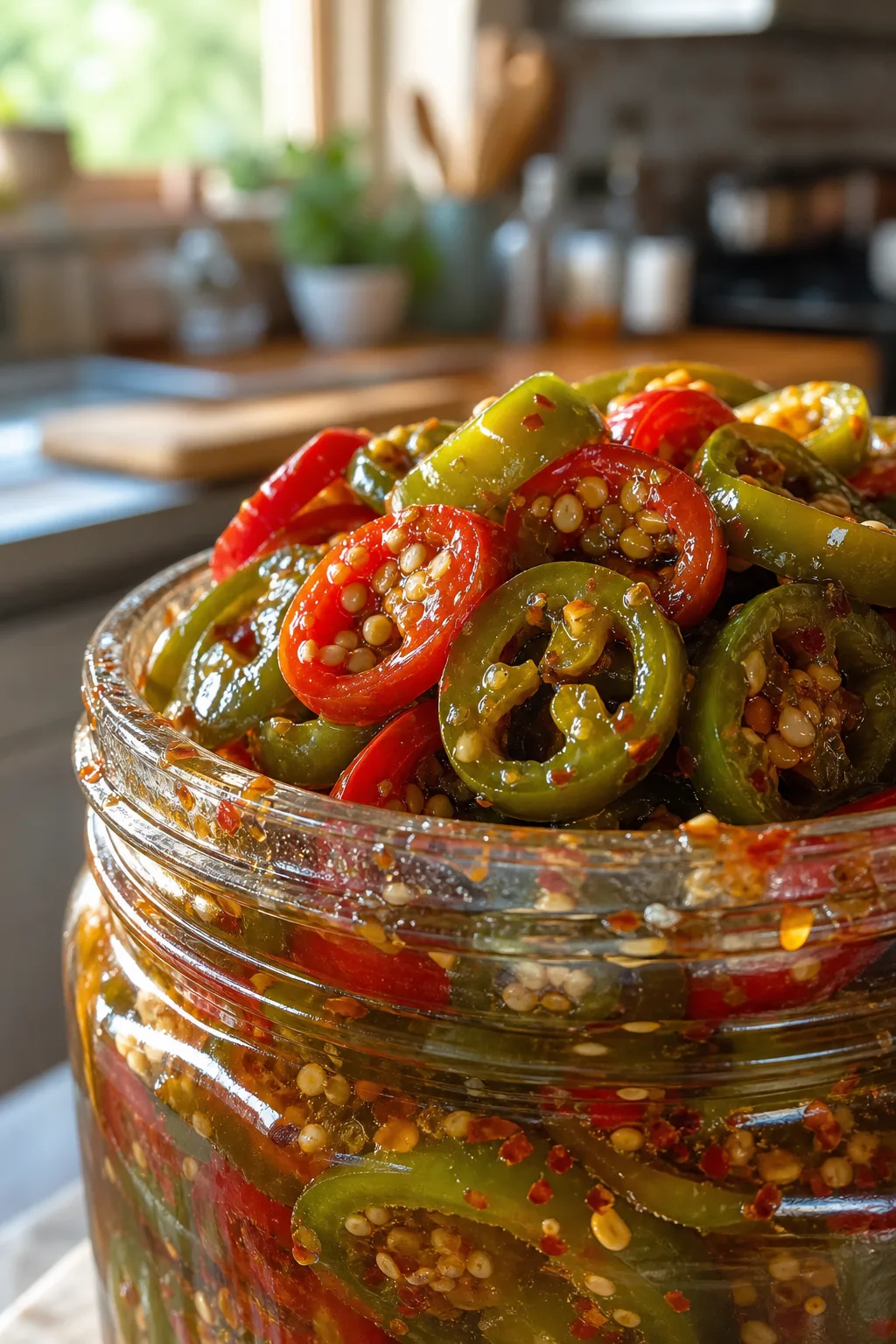
Add 1-2 finely chopped jalapeños or a teaspoon of red pepper flakes for a spicy kick. This variation pairs wonderfully with burgers or grilled sausages for those who like a little heat.
Note: Add spicy ingredients during simmering to mellow heat slightly but retain flavor. Adjust amount to taste.
Sweet and Tangy Zucchini Relish
Increase sugar to 1 1/2 cups and add a tablespoon of honey for a sweeter relish. This version works well as a glaze or topping for roasted chicken or pork.
Note: Higher sugar content will thicken relish more; monitor simmer time to avoid burning sugars.
Herbed Zucchini Relish
Stir in 2 tablespoons of fresh chopped dill or parsley at the end of cooking for a fresh herbal note. It brightens the relish and adds complexity.
Note: Add fresh herbs off heat to preserve their flavor and color.
Zucchini Relish with Carrots
Add 1 cup finely grated carrots along with the zucchini for extra sweetness and color. This variation adds a lovely orange hue and slightly crunchier texture.
Note: Carrots require similar salting and draining to maintain texture. Adjust simmer time if needed.
Low-Sodium Zucchini Relish
Reduce salt by half and use low-sodium vinegar. Add a splash of lemon juice to brighten flavor without extra sodium. Great for those watching salt intake.
Note: Lower salt may affect preservation slightly; refrigerate and consume within a week.
Nutrition
Per Serving:
Nutritional values are estimates and may vary based on specific ingredients used.
Storage & Tips
Room Temperature
This relish can safely sit out at room temperature for up to 2 hours when covered. For longer, keep refrigerated to preserve freshness and prevent spoilage.
Refrigerator
Store in an airtight container in the fridge for up to 3 weeks. The flavor develops more after a day or two, but the texture remains pleasantly crisp. Serve cold or at room temperature.
Freezer
Freezing is not recommended for this relish as the texture will become mushy when thawed due to high water content.
Reheating
No reheating needed. Serve chilled or at room temperature. If using as a topping on hot dishes, add just before serving to preserve texture.
Make Ahead
You can prepare the relish up to 2 days ahead and store it in the fridge. This resting time actually improves the flavor as the spices meld. Just give it a good stir before serving.
FAQ
Can I use yellow squash instead of zucchini?
Absolutely! Yellow squash works similarly to zucchini in this recipe and will provide a slightly sweeter flavor. Just chop it the same way and follow the same salting and draining steps to maintain the right texture.
How long does this relish keep in the refrigerator?
Stored properly in airtight containers, the relish will keep fresh for up to 3 weeks. The flavors actually deepen after a few days, so it tastes even better after resting.
Can I can this relish for long-term storage?
Yes, if you follow proper sterilization and hot water bath canning procedures, this relish can be canned for several months. Make sure to use clean, sterilized jars and process according to safe canning guidelines.
What if my relish turns out too watery?
This usually happens if you don’t salt and drain the vegetables well or if you skip simmering long enough. Next time, be sure to let the veggies sit with salt, drain thoroughly, and simmer until slightly thickened.
Can I substitute apple cider vinegar for white vinegar?
You can, but apple cider vinegar has a fruitier, milder flavor and will change the taste slightly. It’s a nice variation but expect less sharpness compared to white vinegar.
Is it okay to use dried mustard instead of mustard seeds?
Dried mustard powder can be used but it changes the texture and intensity. Mustard seeds release flavor gradually during simmering, while powder disperses quickly and can be stronger. Adjust quantity carefully.
How can I make this relish spicier?
Add finely chopped fresh chili peppers or a pinch of red pepper flakes during simmering. Start with small amounts and taste as you go to avoid overpowering the relish.
Should I peel the zucchini before chopping?
No need to peel zucchini; the skin adds color, nutrients, and texture. Just wash thoroughly before chopping.
Final Thoughts
I hope you give this tangy zucchini relish a try—it’s such a fresh, flavorful way to enjoy summer squash. Let me know how it turns out on your table!