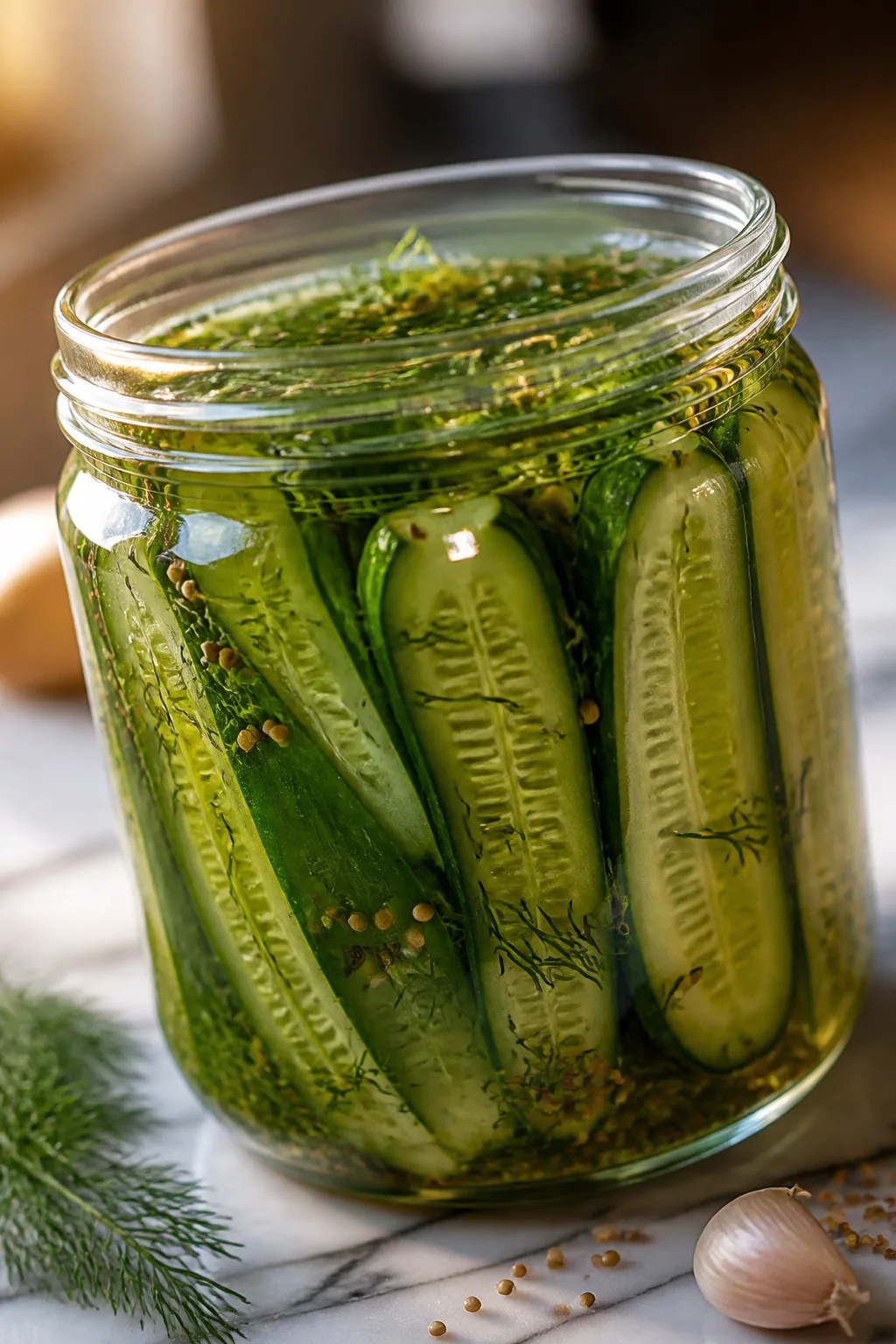
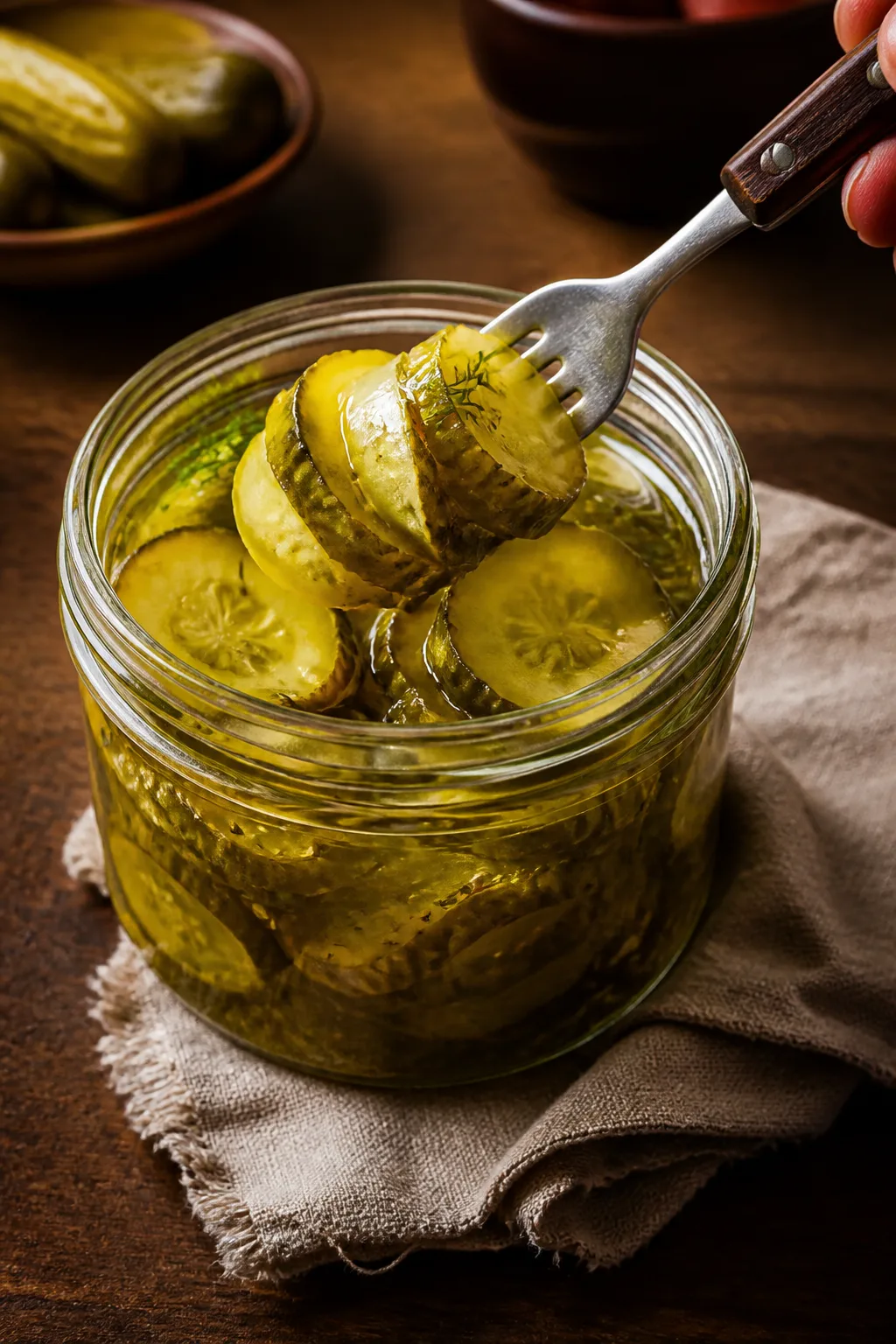
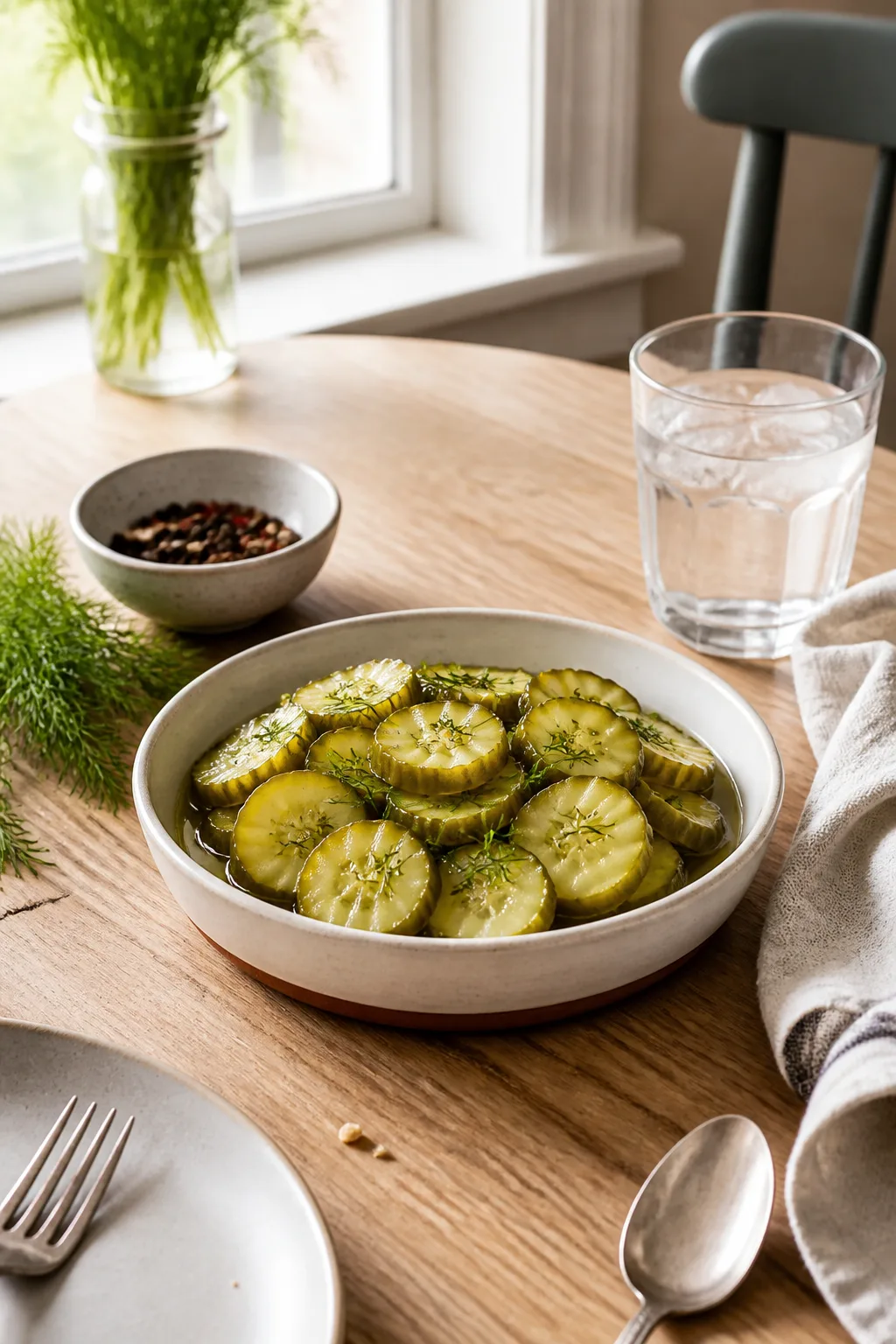
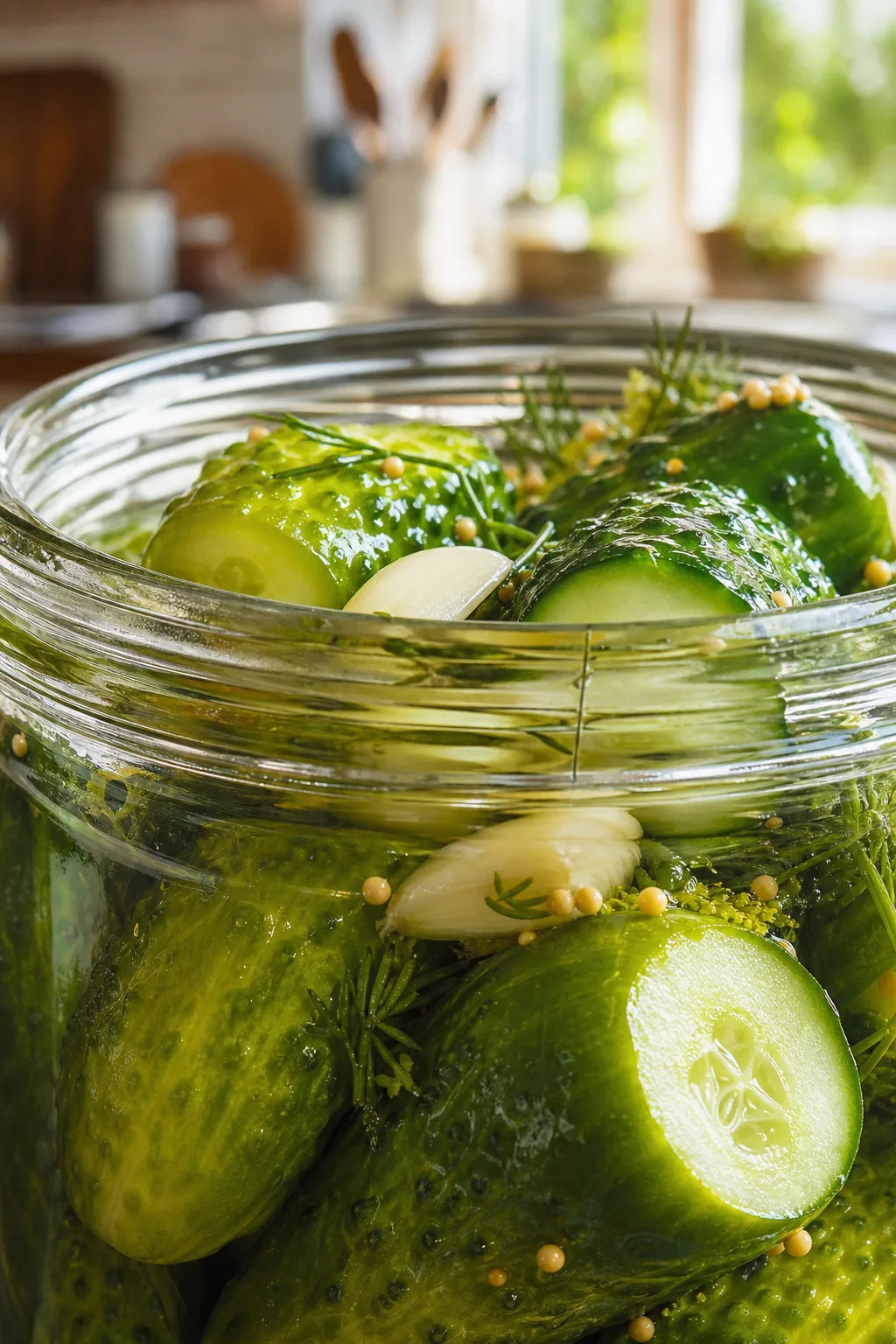
These quick refrigerator dill pickles deliver that perfect tangy snap without any canning hassle. Fresh dill and garlic give them a vibrant flavor punch, ready in just a few days—ideal for snacking or jazzing up your sandwiches!
Introduction
I first stumbled upon refrigerator dill pickles when I wanted that fresh pickle crunch without the intimidating canning process. Honestly, my first batch was a bit bland because I skipped the fresh garlic, but once I added it along with plenty of fresh dill, everything changed. This version is crisp, tangy, and bursting with that garlicky punch I crave. What I love most is how simple it is—no boiling jars, no waiting weeks. Just slice your cucumbers, mix your brine, and in 3-4 days, you’ve got pickles that taste like a deli classic. The secret to their crunch? Using fresh cucumbers and a cold brine that keeps them crisp. Plus, smashing the garlic releases just enough flavor without overpowering. When you open the jar, you get that wonderful aroma that makes you want to snack immediately. These pickles are perfect for summer sandwiches, burgers, or just to munch on with cheese. I always keep a jar in the fridge because they’re such a satisfying, tangy treat that’s ready when you are.
What You'll Need
Approximately 1 quart of pickles, 6 servings
- 4 cups water, cold
- 2 cups white vinegar
- 3 tablespoons kosher salt
- 1 tablespoon sugar
- 4 cloves garlic, peeled and smashed
- 1 large bunch fresh dill, roughly chopped
- 4 cups cucumber slices (about 4 medium cucumbers), thinly sliced
- 1 teaspoon black peppercorns
- Optional: 1/2 teaspoon red pepper flakes for a spicy kick
How To Do It
Step 1
Start by washing your cucumbers thoroughly, then slice them into thin rounds or spears depending on your preference. Using fresh, firm cucumbers is key here because they hold their crunch better. Make sure to discard any that are soft or have blemishes, as they can affect the texture of your pickles. Once sliced, place them in a large bowl and set aside while you prepare the brine. This step ensures your cucumbers are ready to soak up all those flavors evenly.
⏱ Time: 10 minutes
✓ Doneness: Cucumbers are evenly sliced and ready for brining
Step 2
In a large mixing bowl or pot, combine the cold water, white vinegar, kosher salt, and sugar. Stir gently until the salt and sugar are fully dissolved. This brine is the heart of your pickles, balancing acidity and saltiness to preserve the cucumbers while infusing flavor. Using cold water helps keep the cucumbers crisp. Avoid skipping the sugar as it rounds out the sharpness of the vinegar and adds depth to the flavor.
⏱ Time: 5 minutes
✓ Doneness: Brine is clear and ingredients are fully dissolved
Step 3
Prepare your pickling jar or container by layering in the smashed garlic cloves, fresh dill, and black peppercorns. If you like a little heat, add the red pepper flakes now. These aromatics infuse the pickles with their signature flavors, so don’t skimp on the dill or garlic. The garlic should be lightly crushed to release its oils without turning bitter. The layering helps distribute these flavors throughout the jar as the cucumbers soak.
⏱ Time: 5 minutes
✓ Doneness: Jar filled with fresh herbs and spices at the bottom
Step 4
Pack the cucumber slices tightly but gently into the jar on top of the dill and garlic. Press them down to remove any air pockets but be careful not to crush them. A tight pack ensures all cucumbers are submerged in the brine and evenly flavored. Leaving air gaps can cause uneven pickling or spoilage. If your jar is too small, use two smaller containers instead.
⏱ Time: 5 minutes
✓ Doneness: Jar is filled with cucumbers, no large air pockets visible
Step 5
Pour the prepared brine over the cucumbers until they are fully submerged. It’s crucial that the cucumbers stay underwater to prevent mold and ensure even pickling. If needed, place a small clean weight or a folded piece of parchment paper on top to keep them submerged. Seal the jar tightly with a lid and give it a gentle shake to distribute the flavors. This step locks in freshness and sets the stage for flavor development.
⏱ Time: 5 minutes
✓ Doneness: Cucumbers fully covered with brine and jar sealed
Step 6
Place the jar in your refrigerator and let the pickles sit for at least 3 days before tasting. The cold temperature slows fermentation, allowing the flavors to develop gradually while keeping the cucumbers crisp. Resist the urge to open the jar too often as it can introduce bacteria and slow the pickling process. After 3 days, the pickles will have a nice tang and crunch, but they’ll improve if you wait up to a week.
⏱ Time: 3-7 days
✓ Doneness: Pickles taste tangy and have a firm crunch when sampled
Step 7
Once your pickles have reached your desired tanginess, store them in the refrigerator. They’ll keep well for up to 4 weeks. Each day the flavor intensifies, so if you like them stronger, wait longer. If you find the pickles a bit too salty or sour, you can rinse a few slices before eating to mellow the flavor. Remember, homemade pickles are always fresher and more vibrant than store-bought!
⏱ Time: N/A
✓ Doneness: Pickles maintain crispness and balanced flavor over storage
Step 8
When serving, use a clean fork or tongs to remove pickles from the jar to avoid contamination. These pickles are fantastic on sandwiches, burgers, or chopped up in salads. You can also snack on them straight from the jar. Their bright garlic and dill notes make them versatile and addictive. If you want to jazz them up, try adding fresh mustard seeds or a few slices of onion to the jar next time.
⏱ Time: N/A
✓ Doneness: Pickles are flavorful and ready to enhance your meals
Step 9
For best results, experiment with cucumber thickness and brine ratios to find your perfect pickle. Thicker slices yield crunchier pickles, while thinner ones soak up more brine flavor. Keep notes on your batches so you can tweak salt, sugar, or spices to your liking. Homemade pickling is as much art as science, and with practice, you’ll nail your ideal balance every time.
⏱ Time: Ongoing
✓ Doneness: Consistent pickle texture and flavor in subsequent batches
Pro Tips
Always use cold water for your brine.
Cold water helps keep cucumbers crisp by slowing enzymatic breakdown and preventing premature softening. Warm or hot water can start cooking the cucumbers slightly, leading to a mushy texture. Using cold water preserves the fresh crunch that makes refrigerator pickles so delightful.
Smash the garlic cloves lightly instead of mincing.
Lightly crushing garlic releases the flavorful oils without turning the flavor bitter or overpowering. Minced garlic can release too much allicin, which sometimes creates an acrid taste. Smashing also helps keep the garlic pieces intact, making them easier to remove if desired.
Pack cucumbers tightly but gently in the jar.
A tight pack ensures all cucumbers stay submerged in the brine, which is crucial to creating an anaerobic environment that prevents spoilage. However, pressing too hard can bruise or crush the slices, resulting in uneven texture. Gentle packing balances flavor infusion and crunch.
Use a clean weight or parchment to keep cucumbers under brine.
Exposure to air causes mold and uneven fermentation. A weight or parchment sheet prevents cucumbers from floating above the brine, maintaining full submersion and consistent flavor development. This simple step reduces waste and improves pickle quality.
Resist opening the jar frequently while pickling.
Opening the jar introduces air and bacteria that can slow or spoil fermentation. The pickling process needs a stable, cold environment to develop tangy flavor safely. Waiting the full recommended time before tasting ensures the best results.
Use a non-reactive container like glass for pickling.
Glass doesn’t react with acidic vinegar, preserving the pure flavor of your pickles and preventing metallic tastes. Avoid aluminum or reactive metals that can leach into the brine and cause off-flavors or discoloration.
Add a small amount of sugar to your brine.
Sugar balances the sharp acidity of vinegar, rounding out the flavor profile. Without sugar, pickles can taste harsh or overly sour. The small amount used doesn’t make pickles sweet but enhances their complexity and palatability.
Common Mistakes to Avoid
Using regular table salt instead of kosher salt.
Why it happens Many cooks assume all salts are interchangeable without adjusting quantities, leading to over-salted or off-flavored pickles.
Fix Switch to kosher salt for more consistent results. If you must use table salt, reduce the amount by about half and avoid iodized varieties which can cloud brine and affect flavor.
Not fully submerging cucumbers in brine.
Why it happens It’s easy to underestimate how tightly cucumbers need to be packed or forget to use a weight, causing some slices to float.
Fix Use a clean weight or a folded parchment paper sheet to keep cucumbers submerged. This prevents mold growth and ensures even pickling.
Skipping the sugar in the brine.
Why it happens Some believe sugar isn’t necessary or want to avoid sweetness, missing its balancing effect.
Fix Include a small amount of sugar to soften vinegar’s sharpness and enhance flavor complexity without making pickles sweet.
Using old or soft cucumbers.
Why it happens Sometimes cooks use cucumbers past their prime to avoid waste, resulting in soggy pickles.
Fix Always choose fresh, firm pickling cucumbers. Discard any that show softness or blemishes to maintain crispness.
Opening the jar too often during pickling.
Why it happens Curiosity or impatience leads to frequent jar openings, disrupting the fermentation environment.
Fix Resist opening until the minimum 3-day period passes. This keeps the environment stable and speeds safe flavor development.
Variations
Spicy Dill Pickles
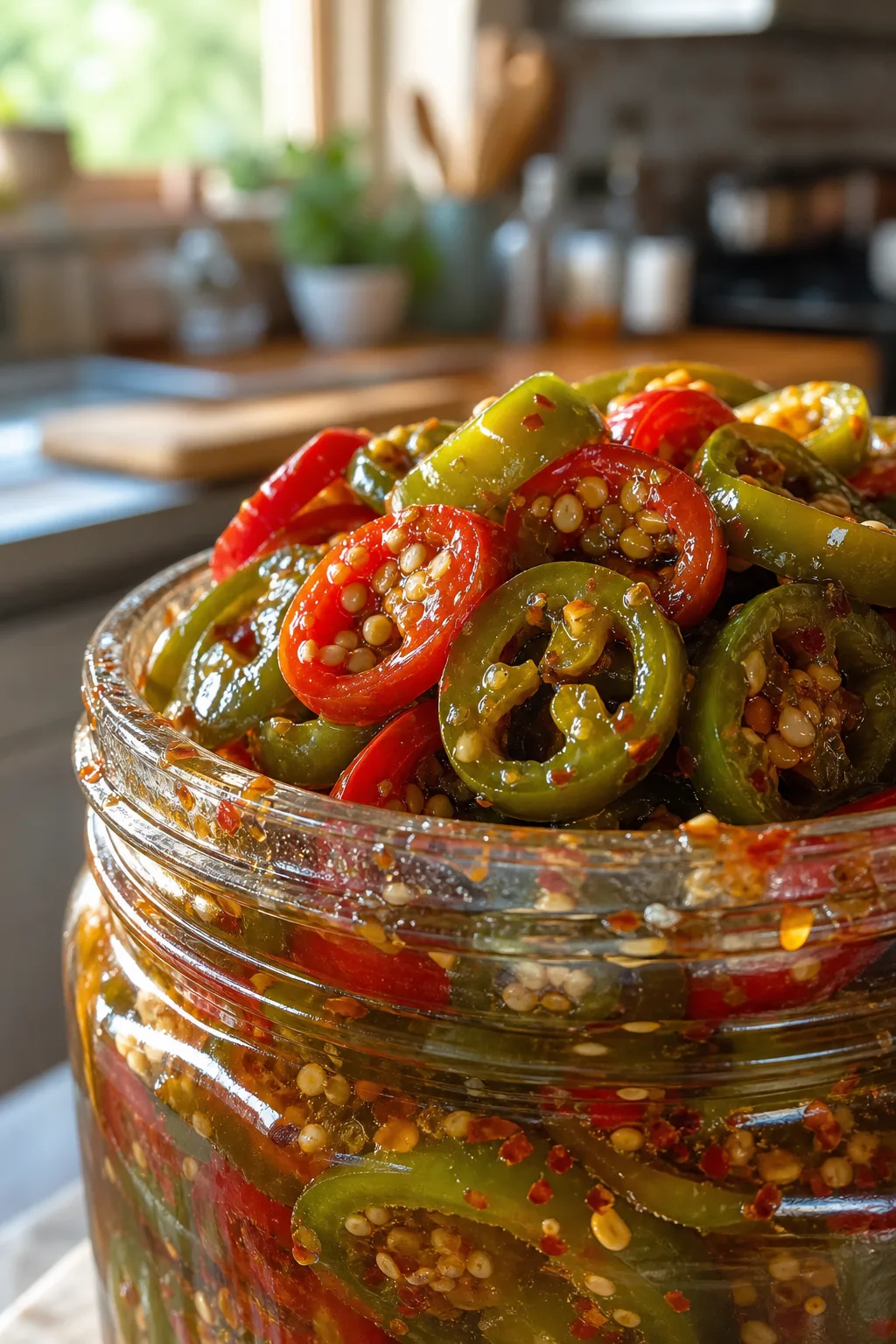
Add 1 teaspoon of crushed red pepper flakes and a few mustard seeds to the jar for a spicy kick. This variation brings heat that complements the tangy dill and garlic, perfect for those who love a little fire with their crunch.
Note: The added spices will infuse quickly, so you might want to start tasting after 2 days to avoid overly spicy pickles.
Bread and Butter Style Refrigerator Pickles
Incorporate sliced onions and increase sugar to 1/4 cup for a sweeter, tangy pickle reminiscent of classic bread and butter varieties. This version is great for those who prefer a milder, sweeter pickle with a bit of crunch.
Note: The higher sugar content slows down fermentation slightly, so expect a milder tang that develops over a week.
Garlic and Herb Mix
Mix in fresh thyme or rosemary along with the dill for a herby twist. The additional herbs add layers of flavor, making these pickles great for gourmet sandwiches or cheese boards.
Note: Use fresh herbs and remove them after 5 days to avoid overpowering the delicate cucumber flavor.
Lemon Dill Pickles
Add thin slices of fresh lemon and a teaspoon of lemon zest to the brine for a bright, citrusy note. This variation is refreshing and pairs well with seafood dishes or summer salads.
Note: Lemon zest oils can intensify quickly, so monitor flavor development to prevent bitterness.
Classic Spear Pickles
Slice cucumbers into spears instead of rounds for a chunkier, crunchier pickle perfect for dipping or snacking. The larger surface area soaks up less brine, resulting in a milder flavor and firmer texture.
Note: Spears may take a day longer to fully pickle, so adjust timing accordingly.
Nutrition
Per Serving:
Nutritional values are estimates and may vary based on specific ingredient brands and quantities used.
Storage & Tips
Room Temperature
Refrigerator pickles should not be stored at room temperature for safety reasons. Keep them chilled to prevent spoilage and maintain crispness. If left out, do not consume after 2 hours.
Refrigerator
Store pickles in an airtight glass jar in the refrigerator for up to 4 weeks. Flavor and crunch improve over the first week but may slightly soften over time. Serve cold or at room temperature as preferred.
Freezer
Freezing is not recommended as it breaks down the cucumber’s cell structure, resulting in mushy pickles upon thawing. Instead, make smaller batches to avoid waste.
Reheating
No reheating needed. Serve chilled or at room temperature. If desired, rinse briefly in cold water to reduce brine intensity before serving.
Make Ahead
You can prepare the brine and slice cucumbers one day ahead, storing them separately in the refrigerator. Combine and start pickling the next day to maximize freshness and flavor. This approach saves time on serving day.
FAQ
Can I use regular cucumbers instead of pickling cucumbers?
While you can use regular cucumbers, pickling cucumbers are firmer and have thinner skins, which help them stay crunchy during pickling. Regular cucumbers often have more seeds and higher water content, leading to softer pickles. If using regular cucumbers, try to choose smaller, firmer ones and pickle for a shorter time.
How long do refrigerator dill pickles last in the fridge?
Properly stored in an airtight container, these pickles last up to 4 weeks in the refrigerator. Their flavor intensifies over time, but they may soften slightly after the first week. Always check for any off smells or mold and discard if found.
Why are my pickles soft and not crunchy?
Soft pickles often result from using cucumbers that are not fresh or from skipping cold water in the brine. Also, not submerging cucumbers fully or storing at too warm temperatures can cause softening. Using fresh, firm cucumbers and cold brine and keeping pickles refrigerated helps maintain crunch.
Can I add other spices to this recipe?
Absolutely! Mustard seeds, coriander seeds, peppercorns, or red pepper flakes all work well and add unique flavors. Just be mindful of quantities to avoid overpowering the dill and garlic base.
Is it safe to eat pickles after only 3 days?
Yes, refrigerator pickles are safe to eat after 3 days because the vinegar and salt create an acidic environment that inhibits harmful bacteria. However, flavor and tanginess improve if you wait up to a week.
Can I reuse the brine for another batch of pickles?
It’s best to make fresh brine each time to ensure proper salt and acid balance and avoid contamination. Reusing brine can introduce bacteria and may affect pickle safety and flavor.
What if my brine turns cloudy?
A slightly cloudy brine can be normal due to dissolved salt or spices. However, if it smells off or shows mold, discard the batch. Always use clean utensils and containers to reduce this risk.
Can I make these pickles without garlic?
Yes, you can omit garlic for a milder pickle, but you’ll miss its distinct pungent flavor. You might consider adding extra dill or other herbs to compensate and keep the flavor interesting.
Final Thoughts
I hope you give these easy refrigerator dill pickles a try—they’re a simple way to add fresh crunch and tang to your meals. Let me know how your batch turns out or any fun twists you try!