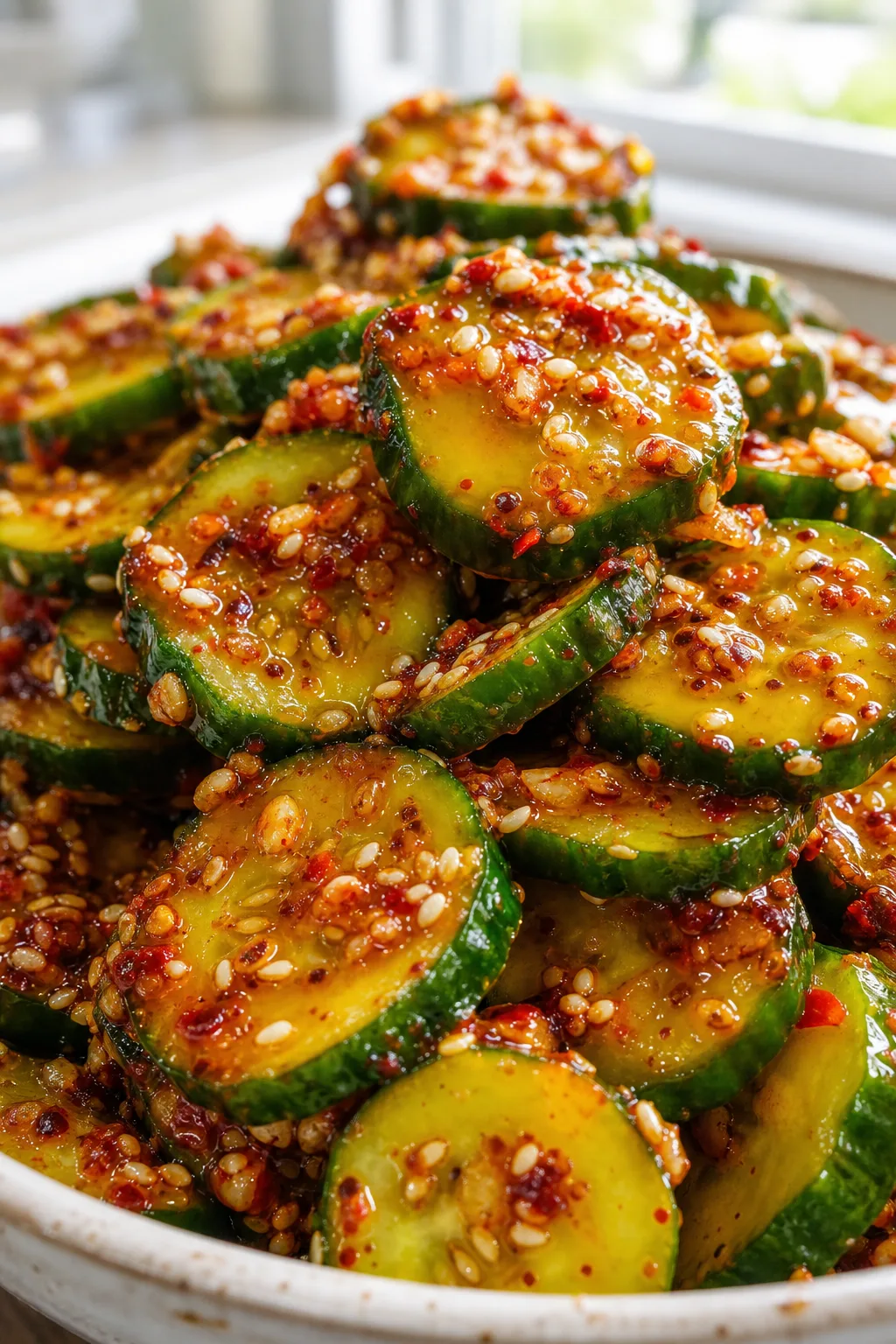
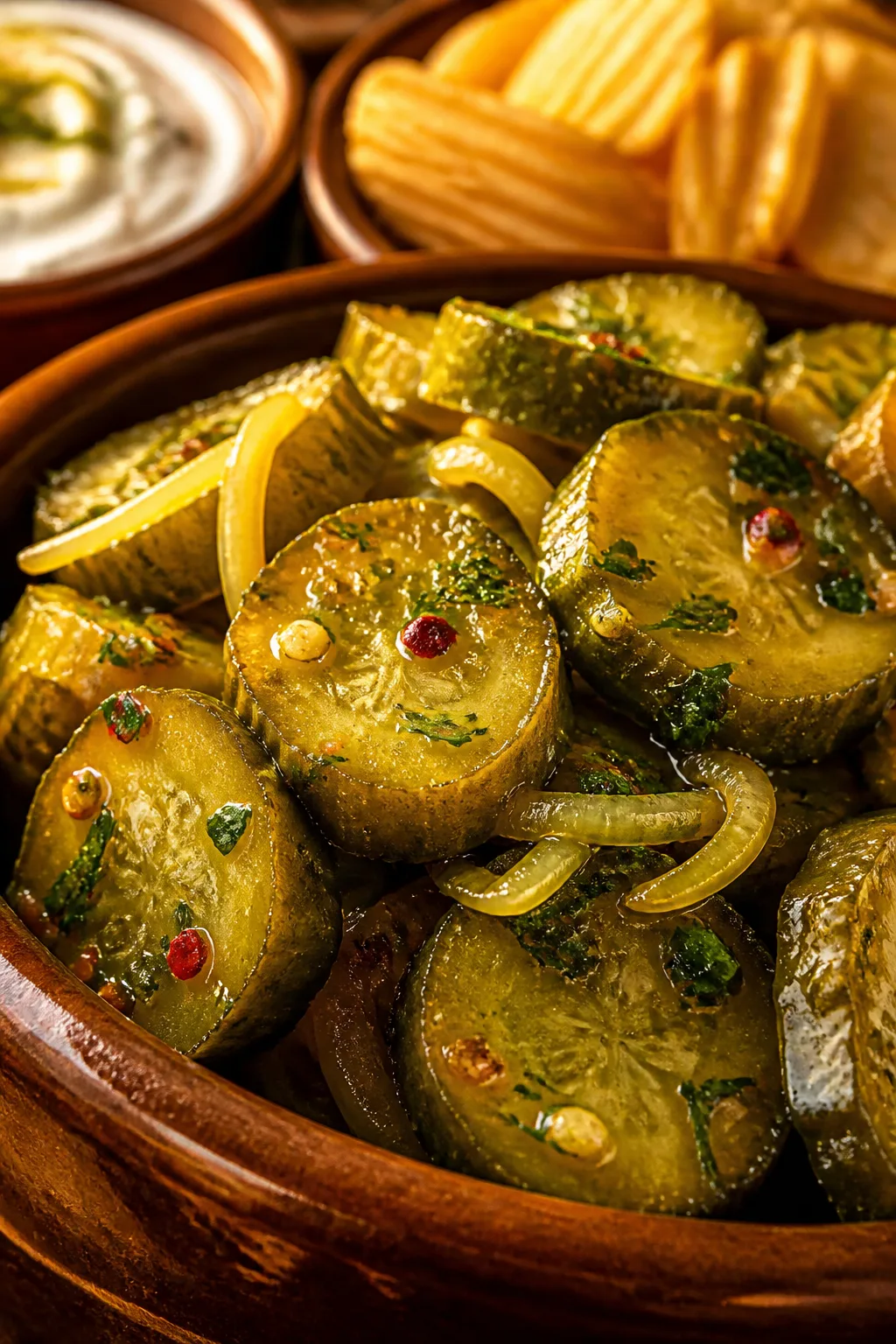
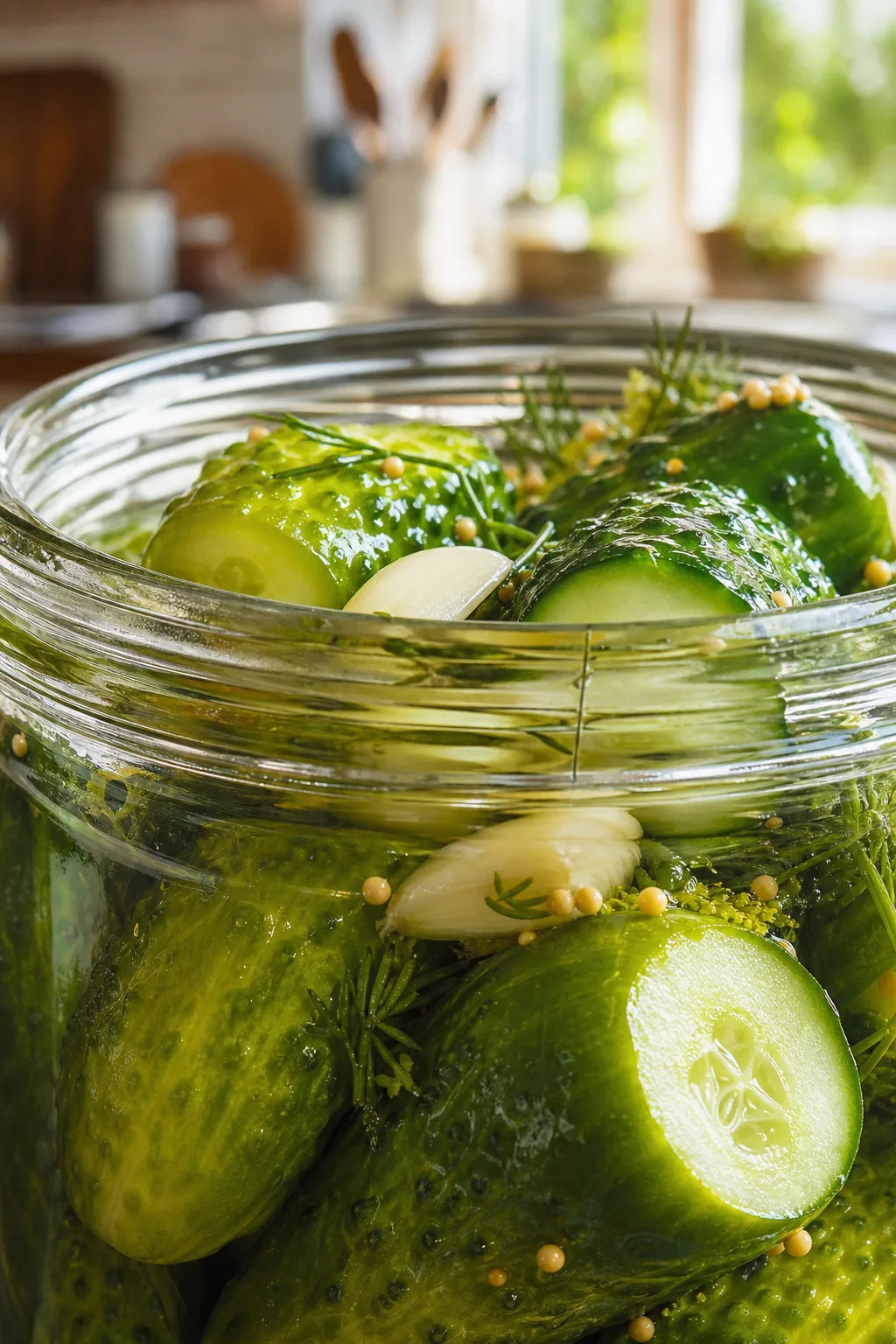
These quick refrigerator pickles are crunchy, tangy, and bursting with fresh dill and mustard seed flavor. Perfect for adding a zesty crunch to sandwiches or just snacking anytime you want a bright bite!
Introduction
I first stumbled upon this easy refrigerator pickle recipe during a summer when I needed a quick way to preserve fresh cucumbers from my garden. Unlike traditional pickles that require canning and days of waiting, these come together in minutes and develop flavor in just a few hours in the fridge. What I love most is the punch that fresh dill and mustard seeds give — it’s that little extra zing that makes these pickles stand out from your average quick pickle. My first attempt was a bit too salty, so I tweaked the salt and sugar balance to get the perfect tang without overwhelming the fresh cucumber crunch. These pickles are crisp, bright, and just the right amount of sour, making them perfect for sandwiches, burgers, or just snacking straight from the jar. Plus, they keep well in the fridge for about a week, so I always have a jar ready for a last-minute snack or side dish. If you’re craving crunchy, flavorful pickles without the fuss, this recipe is a total winner.
What You'll Need
Approximately 4 cups, 4 servings
- 4 cups sliced cucumbers, fresh and firm
- 1 cup distilled white vinegar
- 1 cup water
- 2 tablespoons kosher salt
- 1 tablespoon sugar
- 3 cloves garlic, smashed
- 2 tablespoons fresh dill, roughly chopped
- 1 teaspoon mustard seeds
- 1/2 teaspoon black peppercorns
How To Do It
Step 1
Start by slicing your cucumbers evenly, about 1/4 inch thick. Uniform slices ensure they pickle evenly and stay crunchy. Avoid soaking the cucumbers in water beforehand, as this can water down the brine flavor. Using fresh, firm cucumbers is key — soft or overripe ones will turn mushy quickly. Place the sliced cucumbers into a clean glass jar or container that seals well. This step sets the foundation for crisp pickles that hold their texture throughout the refrigeration period.
⏱ Time: 10 minutes
✓ Doneness: Cucumbers are evenly sliced and neatly packed without being crushed
Step 2
In a saucepan, combine the vinegar, water, kosher salt, and sugar. Heat gently while stirring until the salt and sugar dissolve completely. This ensures the brine is well balanced and evenly seasoned. Avoid boiling the mixture vigorously as that can diminish the bright flavors of the vinegar and make the pickles taste flat. Once the salt and sugar dissolve, remove from heat and let the brine cool to room temperature — pouring hot brine over cucumbers can soften them prematurely, losing that sought-after crunch.
⏱ Time: 5 minutes
✓ Doneness: Brine is clear and salt and sugar are fully dissolved
Step 3
Add the smashed garlic cloves, fresh dill, mustard seeds, and black peppercorns directly into the jar with cucumbers. These aromatics infuse the pickles with flavor as they soak. Smashing the garlic releases essential oils that mellow over time, giving a subtle but impactful garlic aroma. Fresh dill is crucial here — dried dill won’t impart the same vibrant taste. Mustard seeds add a gentle spicy warmth that complements the tanginess beautifully.
⏱ Time: 5 minutes
✓ Doneness: Aromatics are evenly distributed among cucumber slices
Step 4
Pour the cooled brine over the cucumbers and aromatics, making sure everything is submerged. Submersion prevents spoilage and ensures even flavor absorption. If needed, use a small weight or a clean utensil to keep cucumbers under the liquid. Seal the jar tightly and give it a gentle shake to mix the spices and brine. This step kickstarts the pickling process and helps distribute flavors evenly.
⏱ Time: 5 minutes
✓ Doneness: All cucumber slices are fully submerged in brine
Step 5
Place the jar in the refrigerator and let it sit for at least 12 hours before tasting. The magic of refrigerator pickles is that they develop flavor quickly without fermentation. After 12 hours, the cucumbers will have soaked up the tangy brine and become delightfully crisp. For best flavor, wait 24 hours. The longer they chill, the more intense the pickled flavor becomes, but they’ll still retain crunch.
⏱ Time: 12-24 hours
✓ Doneness: Pickles have a bright, tangy aroma and firm texture
Step 6
Taste your pickles and adjust seasoning if desired. If you want more tang, add a splash of vinegar. For extra spice, add a pinch of chili flakes or more peppercorns. This is your chance to customize the flavor before serving. Remember, these pickles are fresh and not fermented, so their flavor is crisp and bright rather than deep and sour.
⏱ Time: 5 minutes
✓ Doneness: Balanced tangy flavor with a fresh dill aroma
Step 7
Serve these pickles as a crunchy side for sandwiches, burgers, or salads. They also make a great snack on their own when you want something crisp and flavorful. Because they’re refrigerator pickles, they won’t last forever, so enjoy them within a week for the best texture and taste. This step is about appreciating the fresh, vibrant flavor you’ve created.
⏱ Time: 0 minutes
✓ Doneness: Pickles are cold, crisp, and ready to eat
Step 8
When storing leftovers, keep the pickles in the sealed jar in the fridge. Avoid double-dipping or contaminating the brine with dirty utensils, as this can shorten shelf life. Over time, the pickles will soften slightly, so it’s best to consume them within 7 days. Proper storage preserves the crunchy texture and fresh flavor that make these pickles so enjoyable.
⏱ Time: 0 minutes
✓ Doneness: Jar is tightly sealed and stored in the coldest part of the fridge
Step 9
For an extra burst of flavor, try adding fresh herbs like tarragon or basil, or a few slices of jalapeño to the jar before sealing. These additions add complexity and a subtle heat that pairs well with the tangy dill and mustard seed. Remember to adjust the brine ratio slightly if you increase the volume of ingredients to maintain the right balance of salt and acidity.
⏱ Time: 5 minutes
✓ Doneness: Herbs and spices are evenly incorporated and submerged
Pro Tips
Use fresh, firm cucumbers for the best crunch.
Fresh cucumbers with firm flesh and intact skin retain their texture better during pickling. Older or soft cucumbers tend to become mushy quickly because their cell walls break down, ruining the crisp bite we want in pickles.
Let the brine cool completely before pouring over cucumbers.
Hot brine softens cucumbers by breaking down cell walls prematurely. Cooling the brine preserves the cucumbers’ crispness while still allowing the flavors to infuse gradually when refrigerated.
Smash garlic cloves instead of finely mincing them.
Smashing garlic releases oils more gently, resulting in a mellow garlic flavor that infuses the pickles without overpowering them. Finely minced garlic can turn harsh and sometimes bitter in the acidic brine.
Make sure cucumbers are fully submerged in the brine.
Exposure to air can cause spoilage and uneven pickling. Using a weight or pressing the cucumbers down ensures they soak evenly and stay fresh longer.
Use a glass jar for pickling.
Glass is non-reactive and won’t leach flavors or chemicals into the pickles. Plastic containers can sometimes impart unwanted tastes or allow leaching of chemicals into acidic brines.
Adjust salt and sugar to taste but keep the balance.
Salt preserves texture and flavor, while sugar balances acidity. Too little salt can lead to soft pickles, and too much sugar makes them too sweet. Balancing these is key for classic pickle taste.
Add fresh herbs and spices just before refrigerating.
Adding herbs like dill and spices fresh ensures their flavor oils remain vibrant and don’t degrade from heat or prolonged exposure, resulting in a brighter, fresher pickle.
Common Mistakes to Avoid
Using hot brine directly on cucumbers
Why it happens Many assume hot brine speeds up pickling and results in better flavor, but it actually softens cucumbers prematurely.
Fix Always allow the brine to cool completely before pouring it over cucumbers. This preserves their structure and keeps the pickles crisp and fresh.
Not fully submerging cucumbers in brine
Why it happens People often overlook the importance of submersion, thinking partial coverage is fine.
Fix Use a weight or clean utensil to press cucumbers under the brine. This prevents mold growth and ensures even flavor absorption.
Using table salt instead of kosher salt
Why it happens Table salt is more readily available, so many use it without adjusting quantities.
Fix Use kosher salt and measure carefully. If substituting table salt, reduce quantity by about half to avoid over-salting and cloudiness.
Using old or soft cucumbers
Why it happens Sometimes leftover cucumbers are used without checking freshness.
Fix Always pick fresh, firm cucumbers with no soft spots to ensure crunchy pickles. Discard any limp or blemished cucumbers.
Skipping the sugar in the brine
Why it happens Some avoid sugar thinking pickles should be entirely savory.
Fix Sugar balances the acidity and enhances flavor depth. Use the recommended amount for best results, or adjust slightly to taste.
Variations
Spicy Jalapeño Refrigerator Pickles
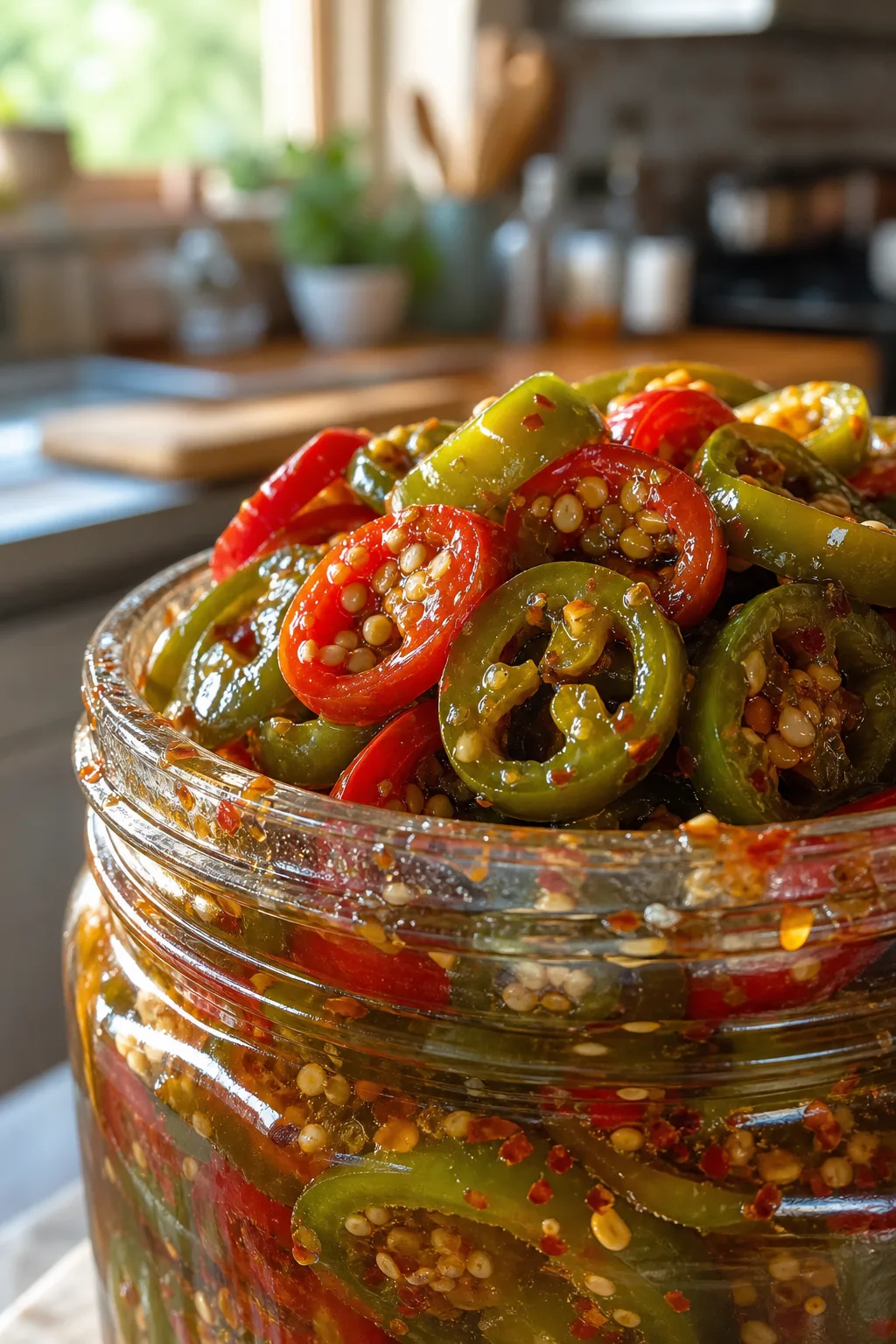
Add sliced jalapeños and a pinch of red chili flakes to the basic recipe for a spicy kick. This variation adds heat and complexity, perfect for those who love a little fire with their tangy crunch.
Note: Keep the jalapeño slices thin and adjust quantity based on heat preference to avoid overpowering the dill flavor.
Garlic and Herb Pickles
Increase the garlic cloves to 5 and add fresh thyme or rosemary sprigs. This gives the pickles an earthy, aromatic punch that pairs wonderfully with grilled meats or cheese boards.
Note: Use fresh herbs and add them just before refrigerating to maintain their vibrant flavor.
Sweet and Tangy Bread and Butter Pickles
Add more sugar (up to 1/3 cup) and some sliced onions for a sweeter, milder pickle. This classic variation is great for those who prefer a softer, sweeter pickle to balance savory dishes.
Note: Increase sugar slowly and taste as you go to avoid overly sweet pickles.
Cucumber and Carrot Refrigerator Pickles
Add thin carrot sticks to the cucumber slices for extra crunch and a slight sweetness. This combo creates a colorful, textured pickle perfect for snacking or salads.
Note: Slice carrots thinly and ensure equal brine coverage for even pickling.
Dill and Coriander Seed Pickles
Swap mustard seeds for coriander seeds to introduce a citrusy, floral note. This variation offers a fresh twist on traditional dill pickles and pairs well with Indian-inspired dishes.
Note: Lightly toast coriander seeds to enhance their aroma before adding to the jar.
Nutrition
Per Serving:
Nutritional values are estimates and may vary based on specific ingredients used.
Storage & Tips
Room Temperature
Refrigerator pickles should not be left out at room temperature for more than 2 hours as they lack preservatives found in canned pickles. Always keep covered tightly and return to the fridge promptly to maintain freshness and safety.
Refrigerator
Store pickles in an airtight glass jar in the fridge for up to 7 days. Over time, they may soften slightly but will retain good flavor. Best served cold or at room temperature; no reheating needed.
Freezer
Freezing is not recommended for refrigerator pickles as it will degrade texture, making them mushy once thawed. For longer storage, consider canning traditional pickles instead.
Reheating
No reheating required. Serve chilled or at room temperature for best crunch and flavor.
Make Ahead
Prepare the brine and slice cucumbers 1-2 days ahead, storing them separately in the fridge. Assemble and add fresh herbs and brine on the day you plan to serve for maximum freshness and flavor.
FAQ
Can I use regular cucumbers instead of pickling cucumbers?
Yes, you can use regular cucumbers, but pickling cucumbers are preferred because they have fewer seeds and firmer skin, which helps keep the pickles crunchy. Regular slicing cucumbers may become softer and less crisp after pickling.
How long do refrigerator pickles last in the fridge?
They last about 7 days when stored properly in a sealed jar. After that, they tend to become softer and lose their bright flavor. For best taste and texture, consume within the first week.
Do I need to peel the cucumbers before pickling?
It's not necessary to peel cucumbers; the skin adds a nice texture and nutrients. However, if the cucumbers have thick or waxed skin, peeling is recommended to avoid bitterness or wax contamination.
Can I omit the sugar from the recipe?
Yes, you can omit sugar if you prefer a more tart pickle, but sugar balances the acidity and enhances flavor depth. Without it, pickles may taste sharper and less rounded.
Why are my pickles not crunchy after pickling?
Common reasons include using cucumbers that are not fresh or firm, pouring hot brine over cucumbers, or not fully submerging them. Using fresh cucumbers, cooling the brine before pouring, and keeping cucumbers submerged helps maintain crunch.
Can I add other spices to the pickles?
Absolutely! Feel free to experiment with spices like coriander seeds, dill seeds, chili flakes, or bay leaves. Just remember to keep the balance so the main dill and mustard seed flavors shine through.
How quickly can I eat these pickles after making them?
While they taste best after 12-24 hours in the fridge, you can sample them after a few hours for a milder flavor. They develop more tang and aroma the longer they chill.
Can I make these pickles without vinegar?
Vinegar is essential for safety and flavor in refrigerator pickles. Omitting it would require fermentation and a different process to ensure safe preservation.
Final Thoughts
Give these easy refrigerator dill pickles a try—they're a fresh, crunchy delight that’ll brighten up any meal. Let me know how they turn out!