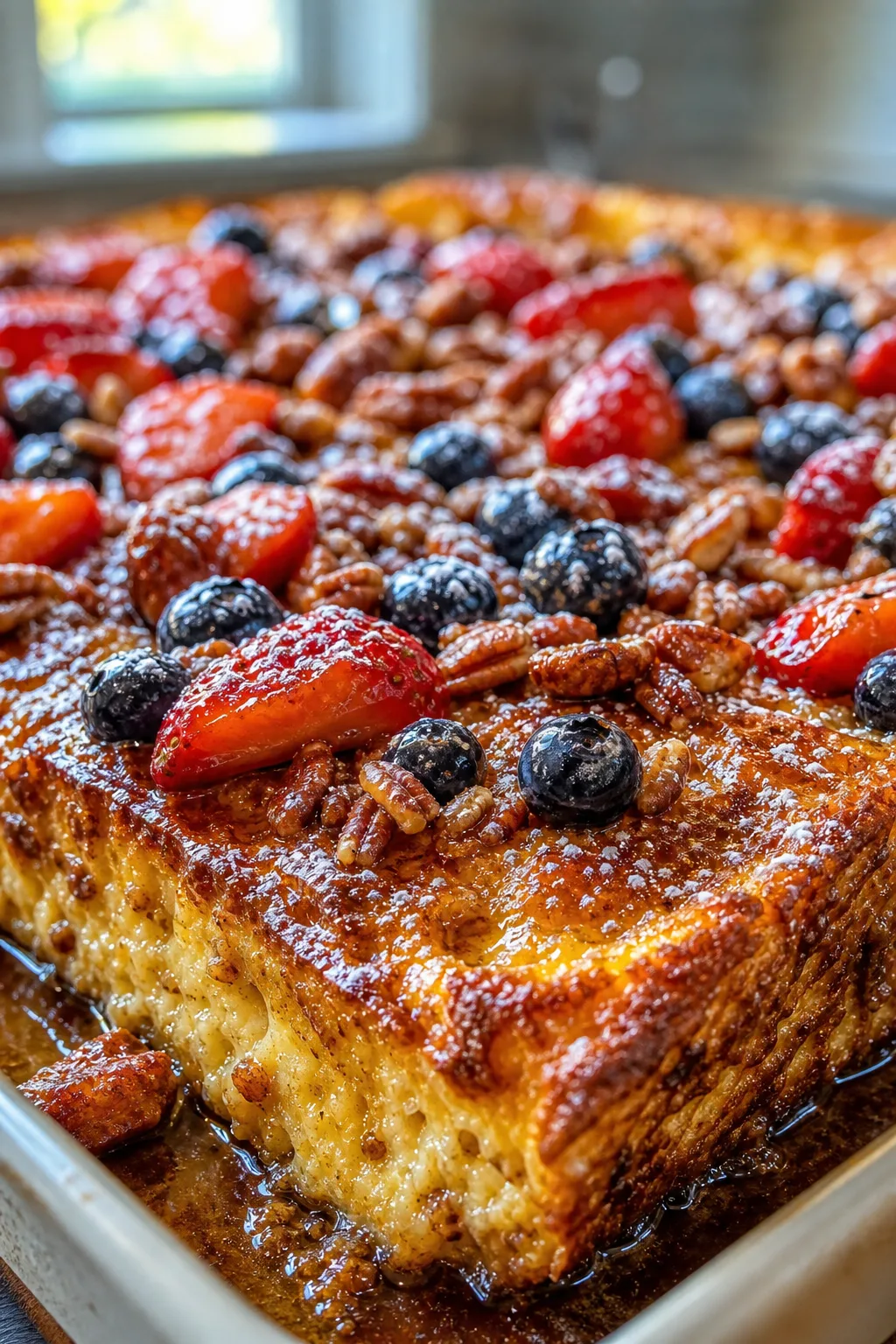
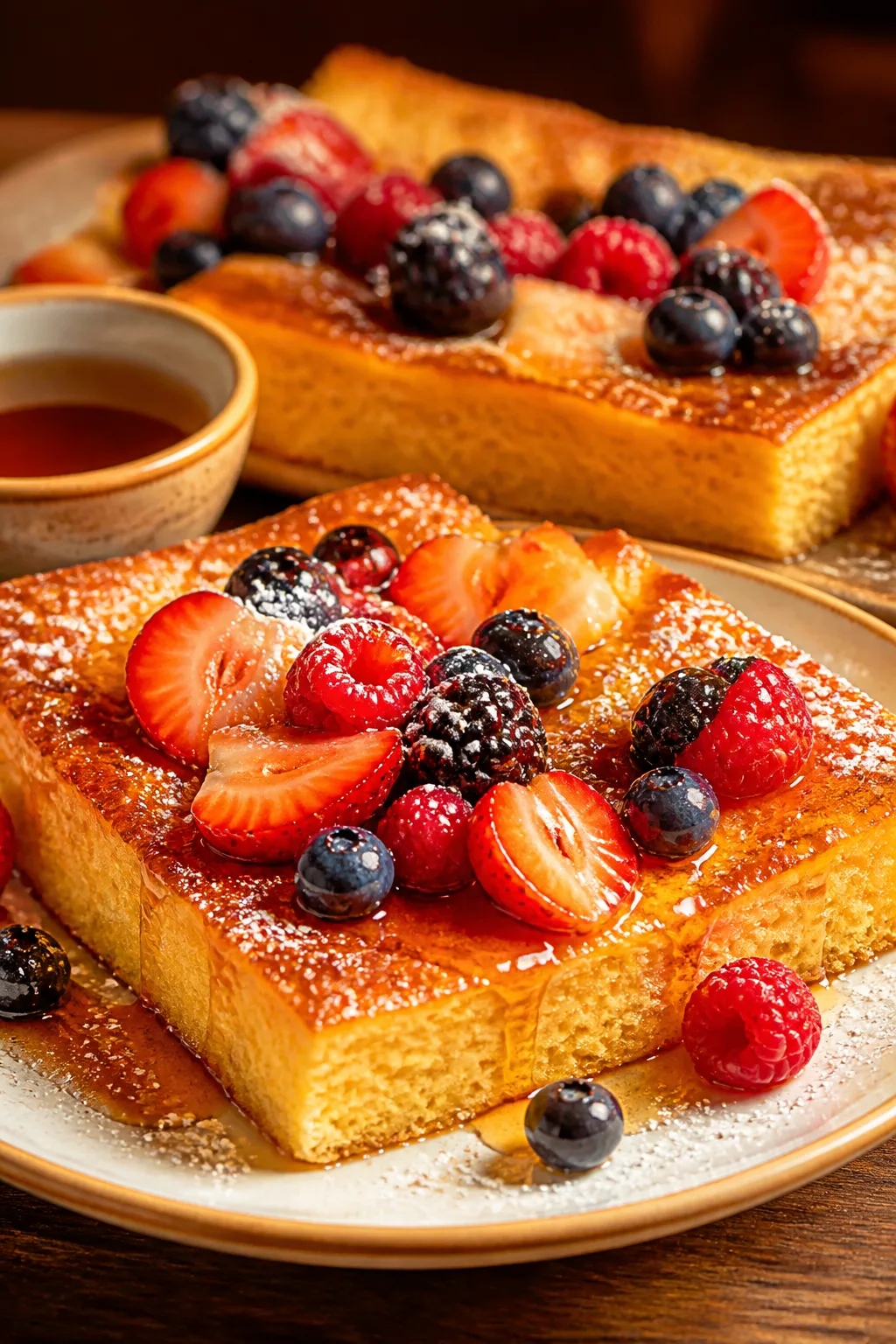
This sheet pan pancake recipe is a total game-changer for hectic mornings. You bake an entire batch at once, so there's no flipping mess, and the edges get that perfect crispy touch. Great for feeding everyone quickly!
Introduction
I first stumbled upon the sheet pan pancake method on a chaotic weekend morning when I desperately needed a way to feed my family fast without standing over the stove flipping pancakes for what felt like forever. This recipe has since become my go-to for busy days because it’s so simple and yields pancakes that are fluffy in the middle with a delightful crispy edge that you just can’t get from the skillet. What makes this version stand out is the balance between the baking powder and baking soda combined with the buttermilk, which gives the pancakes a tender crumb and a slight tang that brightens the flavor. Also, spreading the batter evenly on a rimmed baking sheet ensures they cook uniformly, which means no uneven spots or undercooked centers. The first time I tried this, I was worried they might turn out flat or rubbery, but instead, they came out golden, light, and perfectly textured. Plus, no flipping means less mess and much more time to sip your coffee or get the kids ready. If you’re tired of the pancake juggling act, this sheet pan version is definitely worth a try. You’ll end up with a delicious breakfast that looks rustic and inviting, perfect for sharing around the table.
What You'll Need
Approximately 12 pancakes, 6 servings
- 2 cups all-purpose flour, sifted
- 2 tablespoons granulated sugar
- 1 tablespoon baking powder
- 1/2 teaspoon baking soda
- 1/2 teaspoon salt
- 2 cups buttermilk, cold
- 2 large eggs, room temperature
- 1/4 cup unsalted butter, melted and slightly cooled
- 1 teaspoon vanilla extract
- Non-stick cooking spray or extra butter for greasing the pan
How To Do It
Step 1
Preheat your oven to 425°F (220°C) and position a rack in the middle. This high temperature is key because it helps the edges crisp up while the inside stays soft and fluffy. While the oven heats, lightly grease a 9x13-inch rimmed baking sheet with butter or non-stick spray to prevent sticking and promote even browning. Avoid using a flat baking sheet without rims, as the batter can spread too thin and bake unevenly.
⏱ Time: 10 minutes
✓ Doneness: The oven is fully preheated and the baking sheet is evenly greased with no pooling of butter or spray
Step 2
In a large mixing bowl, whisk together the sifted flour, sugar, baking powder, baking soda, and salt. Sifting helps aerate the flour and ensures the leavening agents are evenly distributed, which is critical for a uniform rise. If you skip sifting, you might end up with clumps that cause uneven texture in your pancakes.
⏱ Time: 5 minutes
✓ Doneness: Dry ingredients are well combined with no visible lumps or pockets of baking powder
Step 3
In a separate bowl, whisk the cold buttermilk, eggs, melted butter, and vanilla extract until fully combined. Using cold buttermilk slows the activation of the baking soda, allowing the batter to stay fresh longer and rise better in the oven. Make sure the butter isn’t too hot or it could cook the eggs prematurely.
⏱ Time: 5 minutes
✓ Doneness: Wet ingredients are smooth and homogenous, with no streaks of egg white or butter
Step 4
Pour the wet ingredients into the dry ingredients and gently fold together with a spatula until just combined. The batter should still be a bit lumpy—overmixing will develop gluten and lead to tough pancakes. Take care to fold gently and stop as soon as you see no more dry streaks.
⏱ Time: 3 minutes
✓ Doneness: Batter is thick, slightly lumpy, and smooth without dry flour patches
Step 5
Pour the batter onto the prepared baking sheet and spread it evenly with a spatula or the back of a spoon to about 1/2-inch thickness. This thickness lets the pancakes bake through without drying out, and encourages crispy edges to form. Try to keep the layer uniform to avoid some parts overcooking while others remain wet.
⏱ Time: 5 minutes
✓ Doneness: Batter covers the entire pan evenly with no thin or thick spots
Step 6
Bake the pancakes in the preheated oven for 15-20 minutes. Halfway through baking, rotate the pan to ensure even browning since oven heat can be uneven. Watch for the edges to turn golden brown and the center to spring back when lightly pressed. Avoid opening the oven too often as this will drop the temperature and affect rising.
⏱ Time: 20 minutes
✓ Doneness: Edges are golden and crisp; the center is firm but springy
Step 7
Once baked, remove the pan from the oven and let the pancakes cool for 5 minutes. This rest allows steam to redistribute, preventing sogginess and making the pancakes easier to cut into squares or rectangles. Serve warm with butter, syrup, or your favorite toppings.
⏱ Time: 5 minutes
✓ Doneness: Pancakes hold their shape when sliced and have a slightly crisp edge
Step 8
To serve, use a sharp knife to cut the sheet pan pancakes into squares or rectangles. This method is simple and perfect for feeding a crowd quickly. You can also reheat leftovers in a toaster oven to bring back crispiness without drying them out.
⏱ Time: 2 minutes
✓ Doneness: Clean cuts with no crumbling or sticking to the knife
Step 9
If you want to add mix-ins like blueberries or chocolate chips, sprinkle them evenly over the batter before baking. Don’t stir them in or they may sink unevenly. This keeps the pancakes' texture consistent and ensures each bite has a nice burst of flavor.
⏱ Time: 2 minutes
✓ Doneness: Mix-ins are evenly distributed on top and visible after baking
Pro Tips
Don’t overmix the batter; lumps are okay.
Overmixing develops gluten in the flour, making pancakes tough and chewy. Leaving some lumps keeps the batter tender and light, resulting in fluffier pancakes.
Use a rimmed baking sheet for even cooking.
A rimmed pan keeps the batter contained and promotes uniform thickness, so pancakes cook evenly. Flat pans risk batter spreading too thin, leading to uneven texture.
Rotate the pan halfway through baking.
Ovens often have hot spots that cause uneven browning. Rotating the pan ensures all pancakes get that golden, crispy edge and cook through evenly.
Let the pancakes rest a few minutes after baking.
Resting lets steam redistribute inside the pancakes, preventing sogginess and helping them firm up for easier slicing and serving.
Always preheat the oven fully before baking.
Starting with a hot oven activates the leavening agents properly and crisps the edges quickly, giving the ideal texture contrast.
Use cold buttermilk for the batter.
Cold buttermilk slows the baking soda reaction until baking, improving rise and texture. Warm liquids activate leaveners too soon, resulting in dense pancakes.
Add mix-ins on top of the batter, not stirred in.
Sprinkling blueberries or chocolate chips on top prevents them from sinking unevenly and ensures consistent texture and flavor throughout.
Common Mistakes to Avoid
Overmixing the batter
Why it happens Many cooks think a smooth batter means better pancakes, so they mix until lumps disappear.
Fix Stop mixing as soon as the dry ingredients are moistened. A few lumps are fine and keep the pancakes tender. Use a spatula to fold gently rather than stirring vigorously.
Using a flat baking sheet without rims
Why it happens It’s tempting to use any pan, but flat sheets allow batter to spread too thin and bake unevenly.
Fix Use a rimmed 9x13-inch baking sheet to contain the batter and keep an even thickness, which is key to uniform cooking.
Not preheating the oven fully
Why it happens Rushing to bake before the oven is hot reduces leavening effectiveness and results in soggy pancakes.
Fix Always preheat to 425°F and wait until the oven signals it’s ready before putting the pancakes in.
Skipping the pan rotation
Why it happens Many assume even ovens, but heat distribution varies, causing uneven browning.
Fix Rotate the pan halfway through the bake to ensure all sides brown evenly and crisp up nicely.
Using warm melted butter
Why it happens Pouring hot butter into the batter can cook the eggs prematurely, causing curdling or uneven texture.
Fix Let the melted butter cool to just warm before mixing it in to protect the eggs and maintain batter consistency.
Variations
Blueberry Sheet Pan Pancakes
Add fresh or frozen blueberries by sprinkling them over the batter before baking. This adds juicy bursts of flavor without altering texture. You’ll get pockets of sweetness and a pretty, colorful presentation.
Note: Don’t stir berries into the batter; simply sprinkle on top to prevent sinking and ensure even cooking.
Chocolate Chip Sheet Pan Pancakes
Sprinkle mini chocolate chips evenly over the batter before baking for a sweet, melty treat. This turns breakfast into a special occasion and is a hit with kids.
Note: Use mini chips to prevent sinking and melting too quickly; add them right before baking.
Vegan Sheet Pan Pancakes
Swap eggs with flax eggs (1 tbsp flaxseed meal + 3 tbsp water per egg) and buttermilk with almond milk plus 1 tsp vinegar. Use coconut oil instead of butter. The texture will be slightly different but still delicious and fluffy.
Note: Mix flax eggs and let sit 5 minutes before adding to batter for proper binding.
Gluten-Free Sheet Pan Pancakes
Replace all-purpose flour with a gluten-free baking blend that includes xanthan gum. This keeps the pancakes tender without crumbling and works well with buttermilk for lift.
Note: Check that your baking powder is gluten-free and avoid overmixing to maintain texture.
Cinnamon-Spiced Sheet Pan Pancakes
Add 1 teaspoon ground cinnamon and a pinch of nutmeg to the dry ingredients for a warm, cozy flavor perfect for fall mornings. This small change makes a big flavor impact.
Note: Mix spices evenly with the flour to prevent clumps and ensure balanced flavor.
Nutrition
Per Serving:
Nutritional values are estimates and may vary based on specific ingredients used.
Storage & Tips
Room Temperature
Sheet pan pancakes can be left at room temperature for up to 2 hours if covered loosely with foil or a clean kitchen towel to prevent drying out. Beyond that, bacterial growth may start, so refrigerate leftovers promptly.
Refrigerator
Store pancakes in an airtight container for up to 3 days. They tend to firm up when cold, so reheat gently before serving to restore softness. You can warm them in a toaster oven or microwave with a damp paper towel to retain moisture.
Freezer
Freeze pancakes in a single layer on a baking sheet, then transfer to a freezer-safe bag or container for up to 2 months. This prevents sticking and freezer burn. Thaw overnight in the fridge or reheat from frozen in the toaster oven for best texture.
Reheating
Reheat pancakes in a toaster oven at 350°F for 5-7 minutes or microwave with a damp paper towel for 30-45 seconds. Avoid overheating, which can dry them out. Adding a small pat of butter or a splash of milk before reheating helps maintain moisture.
Make Ahead
You can mix the batter up to 1 day in advance and keep it covered in the fridge. Stir gently before pouring onto the pan to redistribute any settled ingredients. Baking the morning of serving ensures the best texture and flavor.
FAQ
Can I use regular milk instead of buttermilk?
Yes, you can substitute regular milk by adding 1 tablespoon of lemon juice or white vinegar per cup of milk and letting it sit for 5 minutes to mimic buttermilk’s acidity. This helps activate the baking soda for a good rise and tender crumb.
Why are my sheet pan pancakes rubbery sometimes?
Rubbery pancakes usually come from overmixing the batter or baking at too low a temperature. Overmixing develops gluten, making them tough, and low heat prevents proper browning and crisping. Stick to gentle folding and a hot oven for best results.
Can I make these gluten-free?
Absolutely! Use a gluten-free flour blend with xanthan gum to maintain structure. Make sure your baking powder is gluten-free as well. The texture will be slightly different but still tasty and fluffy.
How do I prevent the pancakes from sticking to the pan?
Grease the rimmed baking sheet well with melted butter or non-stick spray before adding batter. Also, avoid using a flat sheet pan, as batter spreads too thin and sticks more easily. Proper greasing and using the right pan are key.
Can I add fruit or chocolate chips to the batter?
For best results, sprinkle fruit or chocolate chips on top of the batter after spreading it on the pan rather than mixing them in. This prevents them from sinking unevenly and ensures even cooking and texture.
What’s the best way to reheat leftovers?
Use a toaster oven at 350°F for 5-7 minutes or microwave with a damp paper towel for 30-45 seconds. This restores moisture and crispiness without drying out the pancakes.
Can I prepare the batter the night before?
Yes! Mix the batter and store it covered in the fridge overnight. Give it a gentle stir before pouring onto the pan. This makes busy mornings easier without sacrificing texture.
Why do I need to rotate the pan halfway through baking?
Ovens often have hot spots causing uneven cooking. Rotating the pan ensures all pancakes bake evenly and get that golden crispy edge, so no part is undercooked or burnt.
Final Thoughts
I hope you give these sheet pan pancakes a try—they’ve made my mornings so much simpler and tastier. Let me know how they turn out and what toppings you love!