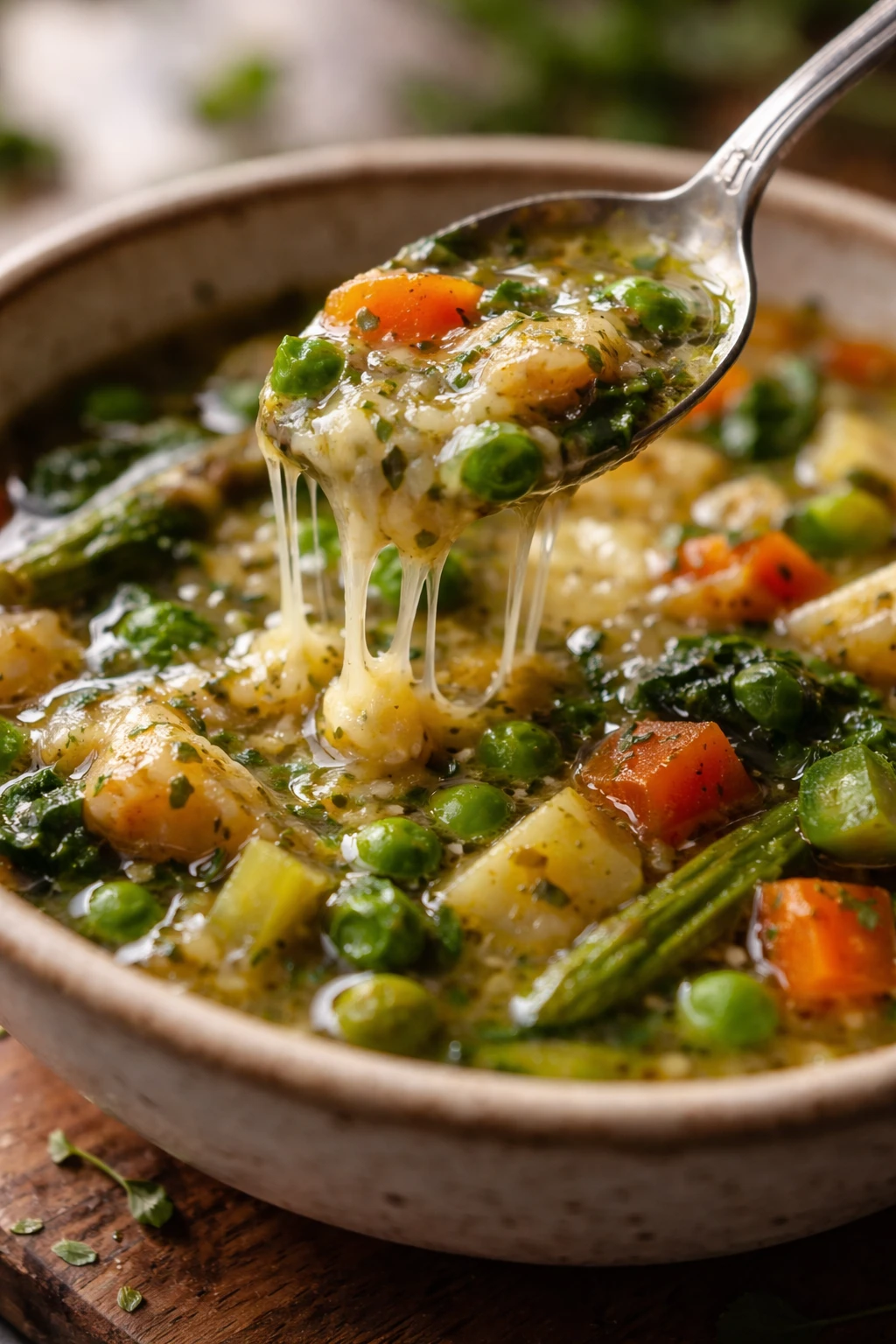
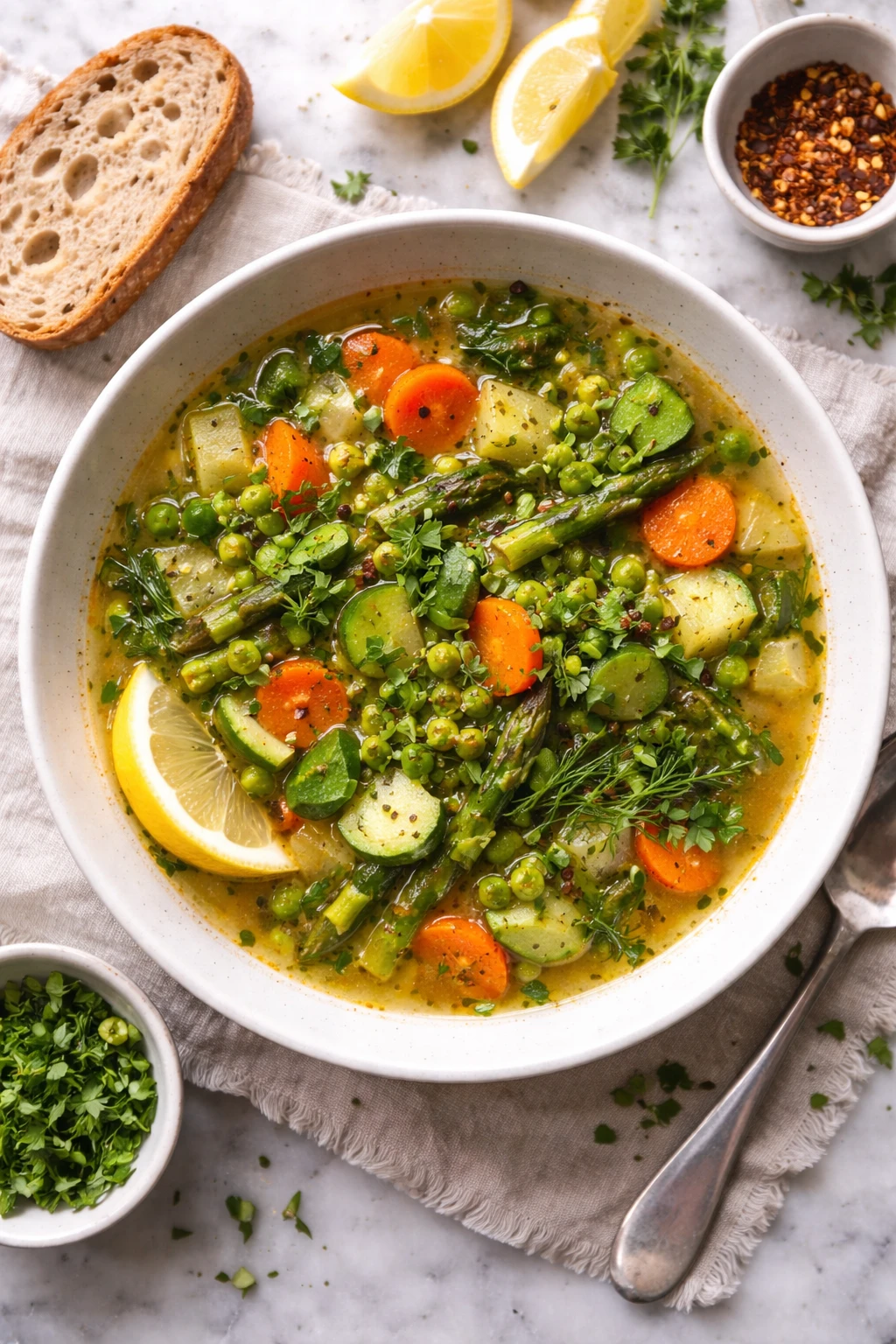
This light vegan soup is packed with tender spring veggies and fresh herbs. A splash of lemon juice adds a bright zing that really lifts the flavors. Perfect for a cozy lunch or a gentle dinner on cooler days.
Introduction
I first stumbled upon this fresh vegan spring soup during a chilly April weekend when I wanted something light but satisfying. What caught me off guard was how just a splash of lemon juice lifted the whole dish, making the veggies pop with brightness. Over time, I tweaked the recipe to balance the tender carrots, asparagus, and zucchini with fragrant herbs like parsley and dill. The trick I learned is to sauté the onions and garlic gently — it builds a subtle sweetness that rounds out the soup without overpowering the fresh flavors. This soup feels like a warm hug in a bowl, perfect for lunch or a light dinner when you want something nourishing but not heavy. Plus, it’s super easy to make, which is always a win in my book. I remember once rushing the step of adding lemon juice at the end and missing that zesty snap — lesson learned! Now, it’s a staple when I want a quick, healthy meal that still feels special.
What You'll Need
Approximately 6 cups, 4 servings
- 2 tablespoons olive oil, extra virgin
- 1 medium onion, diced
- 2 cloves garlic, minced
- 2 medium carrots, peeled and sliced
- 1 cup asparagus, cut into 1-inch pieces
- 1 cup zucchini, diced
- 4 cups vegetable broth, low sodium
- 1/2 cup fresh parsley, chopped
- 1/4 cup fresh dill, chopped
- Juice of 1 lemon
- Salt and black pepper to taste
How To Do It
Step 1
Heat the olive oil in a large pot over medium heat. Add the diced onion and cook slowly, stirring occasionally, for about 7-8 minutes until the onion becomes translucent and slightly sweet. This slow sautéing releases the onion’s natural sugars, creating a mellow base that complements the fresh veggies. Avoid turning the heat too high or the onion will brown quickly, which can add bitterness instead of sweetness.
⏱ Time: 8 minutes
✓ Doneness: Onions look translucent and soft but not browned
Step 2
Add the minced garlic to the pot and cook for 1-2 minutes until fragrant. Garlic cooks fast and can burn easily, so stir constantly and watch for a light golden color. This step infuses the oil with garlicky aroma, enhancing the soup’s depth without overwhelming the delicate veggies.
⏱ Time: 2 minutes
✓ Doneness: Aromatic garlic scent with no burnt bits
Step 3
Add the sliced carrots, asparagus, and diced zucchini to the pot. Stir well to coat them in the oil and aromatics. Cooking the veggies together allows their flavors to meld, but keep stirring to prevent sticking. The carrots will take the longest to soften, so adding them first helps ensure even cooking.
⏱ Time: 5 minutes
✓ Doneness: Veggies look glossy and start to soften but still hold shape
Step 4
Pour in the vegetable broth and increase the heat to bring the soup to a gentle boil. Once boiling, reduce to a simmer and cover the pot. Simmering lets the flavors develop without breaking down the vegetables too much. Don’t rush this step; a slow simmer ensures the broth absorbs the herbal notes.
⏱ Time: 15 minutes
✓ Doneness: Vegetables are tender when pierced with a fork, broth is flavorful
Step 5
Stir in the chopped parsley and dill about 2 minutes before turning off the heat. Fresh herbs lose their brightness if cooked too long, so adding them last preserves their fragrance and color. This final touch enlivens the soup and adds a fresh herbal punch.
⏱ Time: 2 minutes
✓ Doneness: Herbs look vibrant and the soup smells fresh
Step 6
Remove the soup from heat and stir in the lemon juice. This acidic splash brightens the entire dish and balances the sweetness of the sautéed onions and carrots. Adding lemon juice at the end preserves its fresh, citrusy flavor. Taste and adjust seasoning with salt and pepper as needed.
⏱ Time: 2 minutes
✓ Doneness: Soup has a lively, fresh aroma and balanced flavor
Step 7
Let the soup rest for a few minutes before serving to allow the flavors to meld further. This resting time helps the soup thicken slightly and the taste to round out. Serve warm with crusty bread or a light salad for a complete meal.
⏱ Time: 5 minutes
✓ Doneness: Soup is warm, flavors are well blended, and texture is comforting
Step 8
Optional: For a smoother texture, you can partially blend the soup using an immersion blender, leaving some chunks for texture. This variation adds creaminess without dairy, making it feel richer while keeping it light.
⏱ Time: 3 minutes
✓ Doneness: Soup has a creamy consistency with some veggie pieces intact
Step 9
Garnish with extra fresh herbs or a drizzle of olive oil before serving to add a finishing touch of freshness and shine. These simple garnishes elevate the presentation and flavor, making the soup feel extra special.
⏱ Time: 1 minute
✓ Doneness: Bright green herbs and shiny oil on the surface
Pro Tips
Sauté onions slowly over medium heat to develop sweetness without browning.
Slow cooking onions breaks down their sugars gradually, creating a natural sweetness that forms the flavor backbone of the soup. Rushing this step by using high heat can cause bitterness and uneven cooking, which detracts from the soup’s delicate balance.
Add fresh herbs at the very end of cooking to keep their flavor vibrant.
Herbs like parsley and dill contain volatile oils that evaporate quickly under heat. Adding them late preserves their bright aroma and fresh taste, which is crucial for the lively spring character of the soup.
Use fresh lemon juice instead of bottled for a clean, bright citrus flavor.
Bottled lemon juice often contains preservatives and can taste harsh or metallic. Fresh juice adds natural acidity and brightness that lifts the soup’s flavors and balances sweetness, making the final dish more refreshing.
Simmer the soup gently rather than boiling vigorously.
A gentle simmer cooks vegetables evenly without breaking them down too much, preserving texture and nutrients. Boiling can cause veggies to become mushy and flavors to flatten, reducing the soup’s appeal.
Cut vegetables into uniform pieces for even cooking.
Evenly sized vegetables cook at the same rate, preventing some pieces from becoming overcooked while others remain underdone. This attention to detail ensures a consistent texture and flavor throughout the soup.
Taste and adjust seasoning just before serving.
Soup flavors develop over time, and final seasoning adjustments ensure the balance of salt, acidity, and herbs is perfect. This step prevents under or overseasoning and tailors the dish to your personal preference.
Use a good quality vegetable broth or homemade stock.
The broth is the soup’s foundation, so its quality directly impacts flavor. A fresh, well-made broth enhances depth without overpowering the delicate vegetables, making the soup more satisfying and layered.
Common Mistakes to Avoid
Adding lemon juice too early in cooking
Why it happens Sometimes cooks add lemon juice early to save time or assume it will blend better, not realizing it loses brightness when cooked for long.
Fix Always add lemon juice right at the end, off the heat if possible, to preserve its fresh acidity. This keeps the soup lively and prevents a dull, flat flavor.
Overcooking the vegetables until mushy
Why it happens It’s easy to leave vegetables simmering too long, especially if distracted or multitasking, resulting in loss of texture.
Fix Keep an eye on the simmering time and test veggies frequently. Remove from heat as soon as they’re tender but still hold shape for the best texture.
Using dried herbs instead of fresh
Why it happens Dried herbs are convenient and shelf-stable, so home cooks sometimes substitute without adjusting timing.
Fix Use fresh herbs for this recipe and add them at the end. If using dried, add early during simmering but expect a different flavor profile.
Sautéing onions too quickly at high heat
Why it happens Wanting to speed up prep, cooks crank the heat, which burns onions and creates bitterness.
Fix Cook onions over medium or medium-low heat slowly, stirring often, to develop sweetness without browning.
Not seasoning the soup properly
Why it happens Some assume vegetable broth provides enough salt or forget to taste and adjust at the end.
Fix Always taste the soup before serving and add salt and pepper gradually to enhance flavors without overdoing it.
Variations
Creamy Coconut Spring Soup
Add 1 cup of coconut milk during the last 5 minutes of simmering for a creamy, tropical twist. This enriches the soup’s texture and adds a subtle sweetness that pairs well with the veggies and herbs.
Note: Simmer gently after adding coconut milk to prevent curdling and maintain smoothness.
Spicy Spring Soup
Stir in 1/2 teaspoon crushed red pepper flakes or a dash of hot sauce with the garlic for a gentle heat. This adds warmth and depth without overpowering the fresh flavors.
Note: Add spice early enough to infuse, but adjust to taste to avoid overwhelming the delicate vegetables.
Spring Soup with Quinoa
Cook 1/2 cup quinoa separately and stir it into the soup just before serving for added protein and texture. This makes the soup more filling and nutritious without changing the flavor much.
Note: Rinse quinoa well and cook according to package instructions to avoid bitterness.
Herb-Heavy Spring Soup
Double the amount of parsley and dill, and add fresh chives or basil for an intensely herbal flavor. This variation is perfect if you love very fresh, garden-like notes in your soup.
Note: Add delicate herbs at the end to preserve their brightness and avoid bitterness.
Roasted Vegetable Spring Soup
Roast the carrots, asparagus, and zucchini at 400°F for 15 minutes before adding to the soup for a deeper, caramelized flavor. This adds complexity and a slightly smoky note.
Note: Adjust simmering time down slightly since veggies are partially cooked.
Nutrition
Per Serving:
Nutritional values are estimates and may vary based on specific ingredients used.
Storage & Tips
Room Temperature
You can keep the soup covered at room temperature for up to 2 hours safely. Beyond that, bacteria growth can increase, so it’s best to refrigerate promptly.
Refrigerator
Store leftover soup in an airtight container for up to 4 days. The flavors meld nicely overnight, but herbs may darken slightly. Reheat gently on the stove or microwave; add a splash of broth or water if it thickens too much.
Freezer
Freeze soup in airtight, freezer-safe containers for up to 3 months. Leave some headspace to allow expansion. Thaw overnight in the fridge and reheat gently to preserve texture and flavor.
Reheating
Reheat on the stovetop over medium-low heat, stirring occasionally until warmed through. Avoid boiling to keep vegetables tender. A splash of broth or water can restore original consistency if needed.
Make Ahead
Prepare the soup base and chop vegetables 1-2 days ahead, storing separately. Combine and cook on the day of serving to keep veggies fresh and vibrant.
FAQ
Can I use frozen vegetables instead of fresh?
Yes, frozen vegetables can be used in a pinch, but fresh veggies offer better texture and flavor. If using frozen, add them later in the cooking process to avoid overcooking and mushiness.
What can I substitute for fresh dill if I don’t have any?
You can substitute fresh dill with fresh tarragon or fennel fronds for a similar anise-like flavor. If fresh herbs aren’t available, dried dill can be used but add it earlier in cooking to allow flavors to develop.
Is this soup suitable for meal prep?
Absolutely! It stores well in the fridge for several days and even freezes nicely. Just reheat gently and add fresh herbs or lemon juice again before serving to refresh the flavors.
Can I add protein to make this a more filling meal?
Yes, stirring in cooked quinoa, chickpeas, or white beans adds protein without changing the soup’s light character. Add these near the end to warm through.
How can I make this soup spicier?
Add crushed red pepper flakes or a pinch of cayenne pepper during the garlic sauté step. Start with a small amount and adjust to your preferred heat level.
What kind of vegetable broth works best?
A clear, low-sodium vegetable broth with mild flavor is best. Homemade broth is ideal, but store-bought brands that aren’t overly salty or rich also work well.
Can I blend the soup for a creamier texture?
Yes, partially blending the soup with an immersion blender creates a creamy texture while keeping some veggie chunks for interest. Avoid over-blending to maintain freshness.
Why is it important to add lemon juice at the end?
Lemon juice added at the end retains its bright, fresh acidity. Cooking it too long dulls the flavor and reduces the soup’s lively character.
Final Thoughts
I hope you enjoy making this fresh vegan spring soup as much as I do! Don’t forget to share your experience and any tweaks you try along the way.