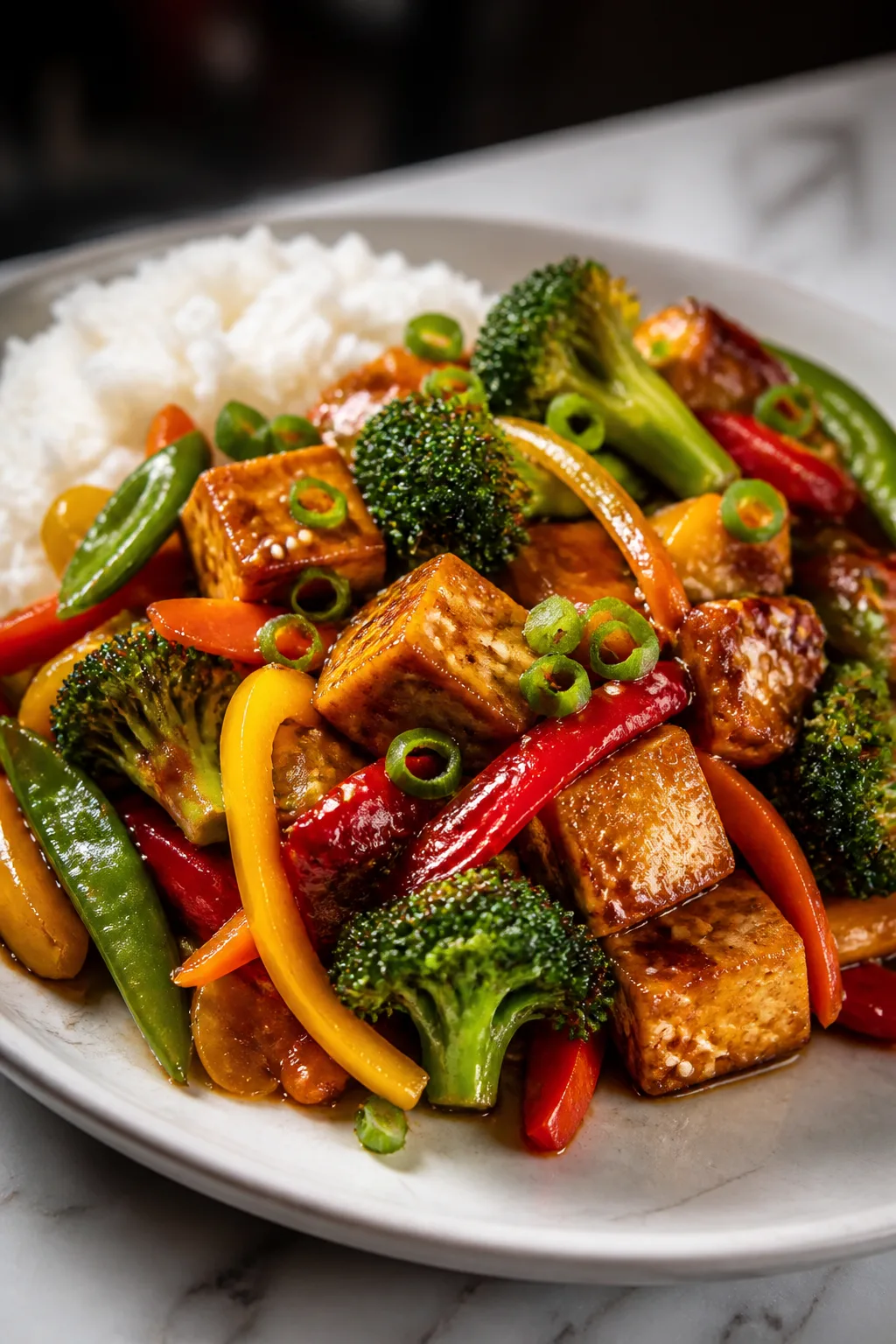
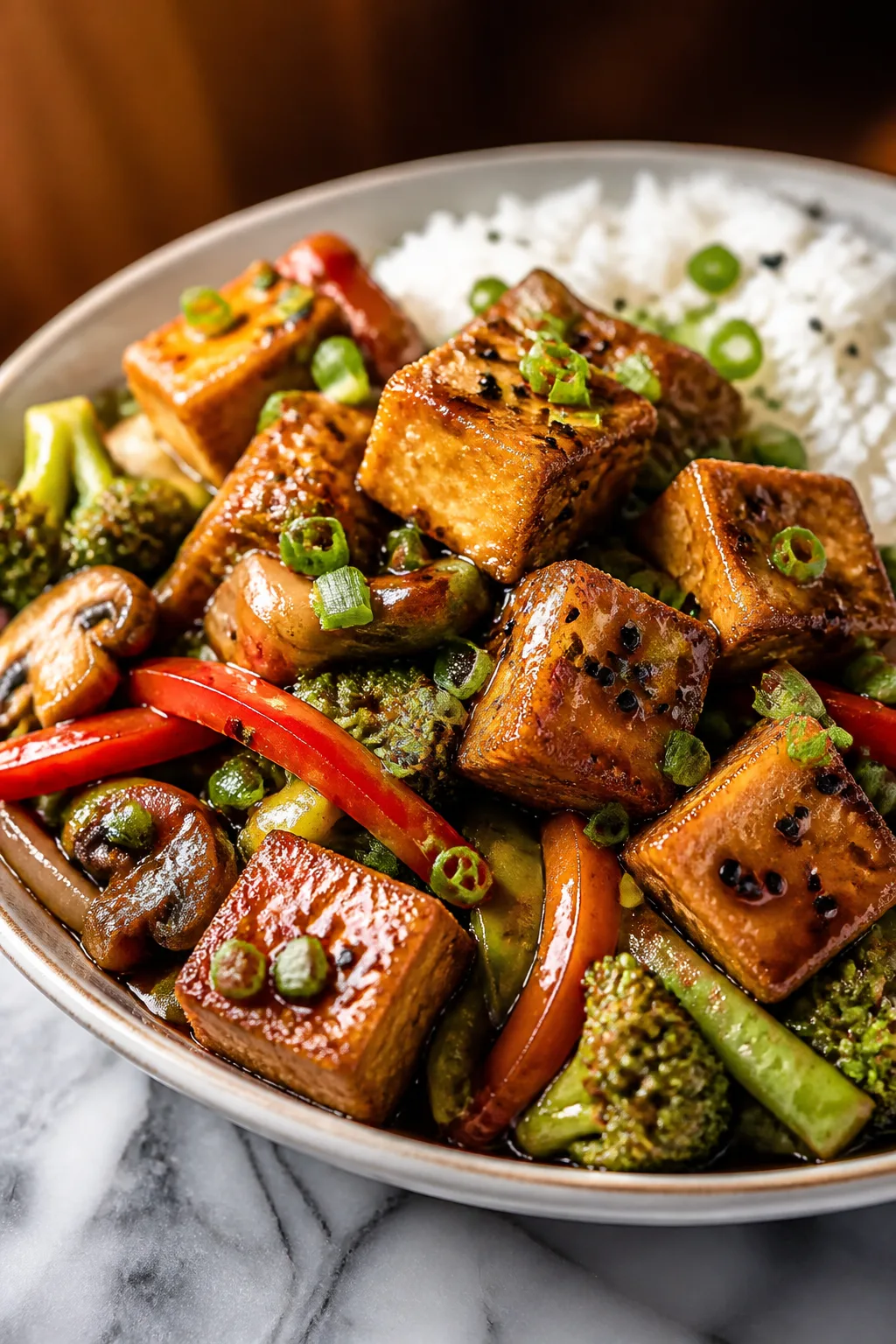
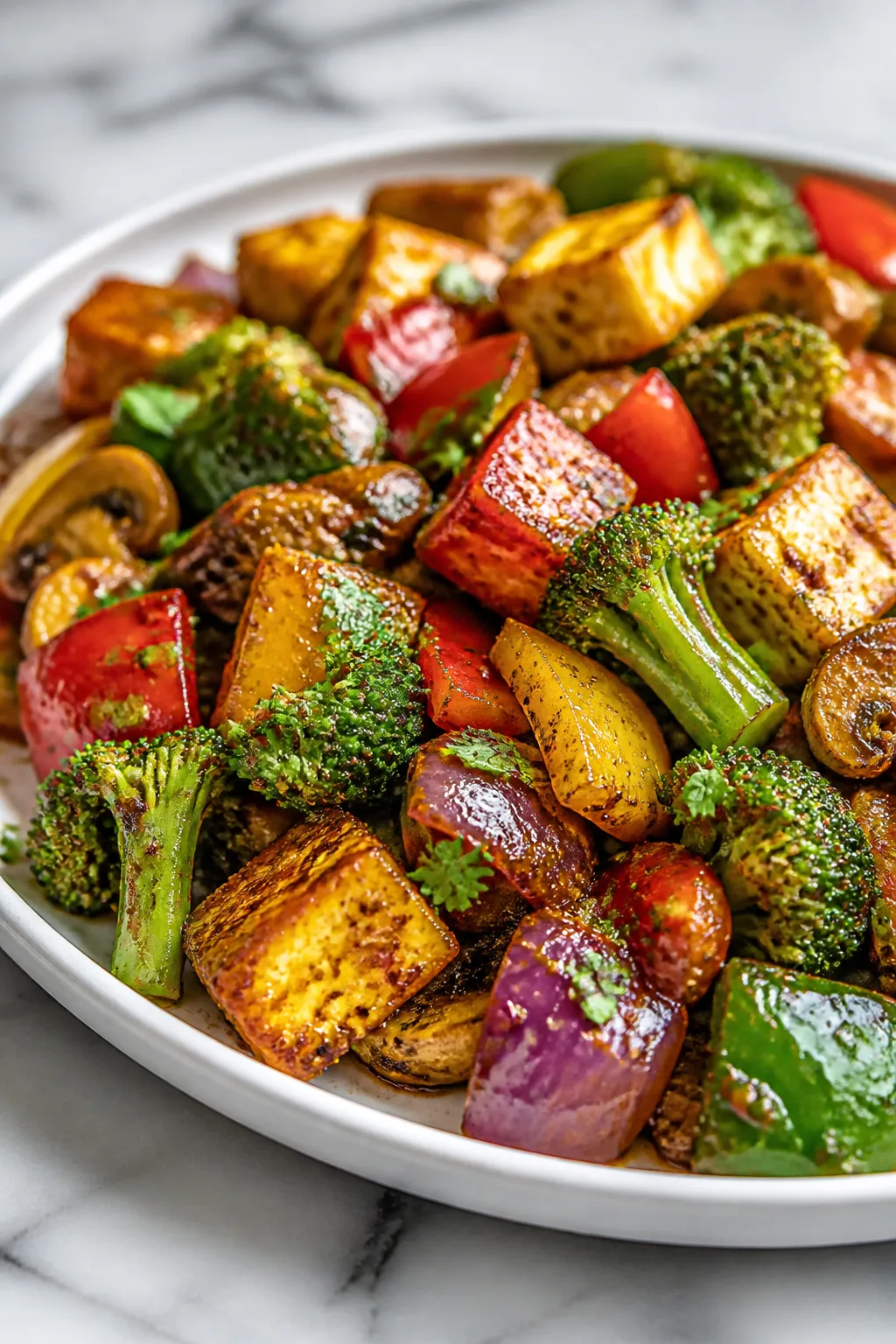
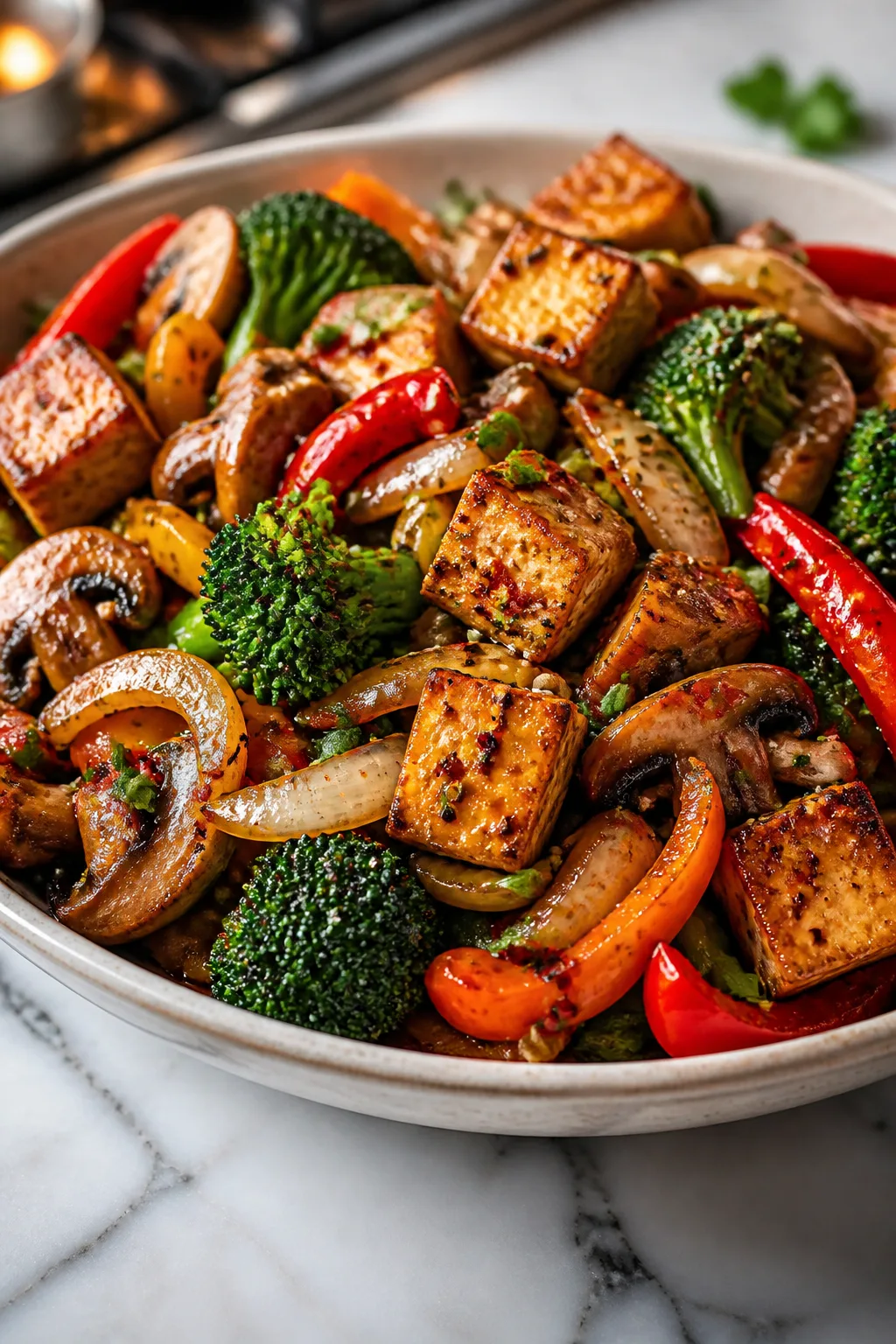
This vegan stir fry is my go-to for busy evenings. Fresh veggies get tossed in a savory sauce that really wakes up the flavors. It’s quick, wholesome, and perfect for cozy weeknights when you want something satisfying but simple.
Introduction
I've been making this vegan stir fry with rice for years now, especially on nights when I want something quick but still satisfying. The first time I tried a stir fry like this, it was a bit bland, but I learned that the magic really comes from balancing fresh veggies with a sauce that’s both savory and slightly sweet. What sets my version apart is the splash of toasted sesame oil and maple syrup in the sauce, which gives it a lovely depth of flavor without being overpowering. I also like to use a mix of colorful veggies — broccoli, bell peppers, snap peas — because they add both texture and brightness. The trick I learned is to cook the veggies just right so they’re tender-crisp, not mushy, which keeps the dish lively and fresh. When you plate it all over fluffy jasmine rice, you get a meal that’s comforting but still light. It’s perfect for a cozy weeknight when you want to eat well but don’t have hours to spend in the kitchen. Plus, it’s totally vegan and super flexible if you want to swap in whatever veggies you have on hand. I hope you love it as much as my family does!
How To Do It
Step 1
Start by cooking the jasmine rice according to package instructions. Rinse the rice well under cold water until the water runs clear—this removes excess starch and keeps the rice fluffy, not sticky. Use a 1:1.5 rice-to-water ratio for perfect texture. Bring the water to a boil, then reduce to a low simmer, cover, and cook for about 15 minutes without lifting the lid. Let it steam off the heat for 10 minutes afterwards to finish absorbing moisture. This method ensures the grains stay separate and tender—avoid stirring too much during cooking to prevent mushiness.
⏱ Time: 25 minutes
✓ Doneness: Rice grains are tender but firm and fluffy when fluffed with a fork.
Step 2
While the rice cooks, prep all your vegetables by washing and cutting them into uniform sizes to ensure even cooking. Heat a large skillet or wok over medium-high heat and add the vegetable oil. Once shimmering, toss in the minced garlic and grated ginger, stirring constantly for about 30 seconds until fragrant but not browned—this step releases their essential oils and builds the flavor base without bitterness. Fresh ginger and garlic add brightness and a subtle kick that’s essential for an authentic stir fry taste.
⏱ Time: 3 minutes
✓ Doneness: The kitchen smells aromatic with no burnt bits; garlic is golden but not dark.
Step 3
Add the firmer vegetables first: broccoli florets, carrot juliennes, and snap peas. Stir-fry these for about 3-4 minutes, keeping the veggies moving in the pan so they cook evenly without steaming. The goal is to get the vegetables tender-crisp, retaining their vibrant color and crunch. Overcooking leads to soggy veggies and dull colors, so keep an eye on them and adjust the heat if needed.
⏱ Time: 4 minutes
✓ Doneness: Veggies are bright green and slightly softened but still crisp to the bite.
Step 4
Next, add the sliced mushrooms and red bell pepper to the pan. Continue stir-frying for another 2-3 minutes. Mushrooms release moisture and absorb flavors, so it’s important to add them later to avoid overcooking. Keep stirring quickly to prevent steaming and to encourage caramelization, which deepens the flavor. The peppers should remain slightly crisp for a nice contrast.
⏱ Time: 3 minutes
✓ Doneness: Mushrooms are tender and golden, peppers are softened but still have bite.
Step 5
In a small bowl, whisk together the soy sauce, maple syrup, toasted sesame oil, rice vinegar, and red pepper flakes if using. This sauce balances salty, sweet, and tangy notes that elevate the veggies. Pour this mixture over the vegetables in the pan. Stir well to coat everything evenly. The heat will help the sauce slightly thicken and cling to the veggies, creating a glossy, flavorful coating. Avoid adding too much liquid at once to prevent sogginess.
⏱ Time: 2 minutes
✓ Doneness: Sauce glistens on the veggies without pooling excessively in the pan.
Step 6
Add the chopped green onions last and give everything a quick toss. Green onions add a fresh, slightly sharp note that brightens the dish right at the end. Cook just until they soften slightly, about 30 seconds to 1 minute. This preserves their color and crunch while melding their flavor into the sauce.
⏱ Time: 1 minute
✓ Doneness: Green onions look vibrant and are just tender, not wilted.
Step 7
Fluff the cooked jasmine rice with a fork and divide it between serving bowls. Spoon the hot stir-fried vegetables and sauce over the rice, making sure to get plenty of the savory sauce. The contrast between the fluffy rice and the saucy veggies is what makes this dish so comforting and complete. Serve immediately for best texture and flavor.
⏱ Time: 2 minutes
✓ Doneness: Rice and veggies are hot and plated attractively with sauce evenly distributed.
Step 8
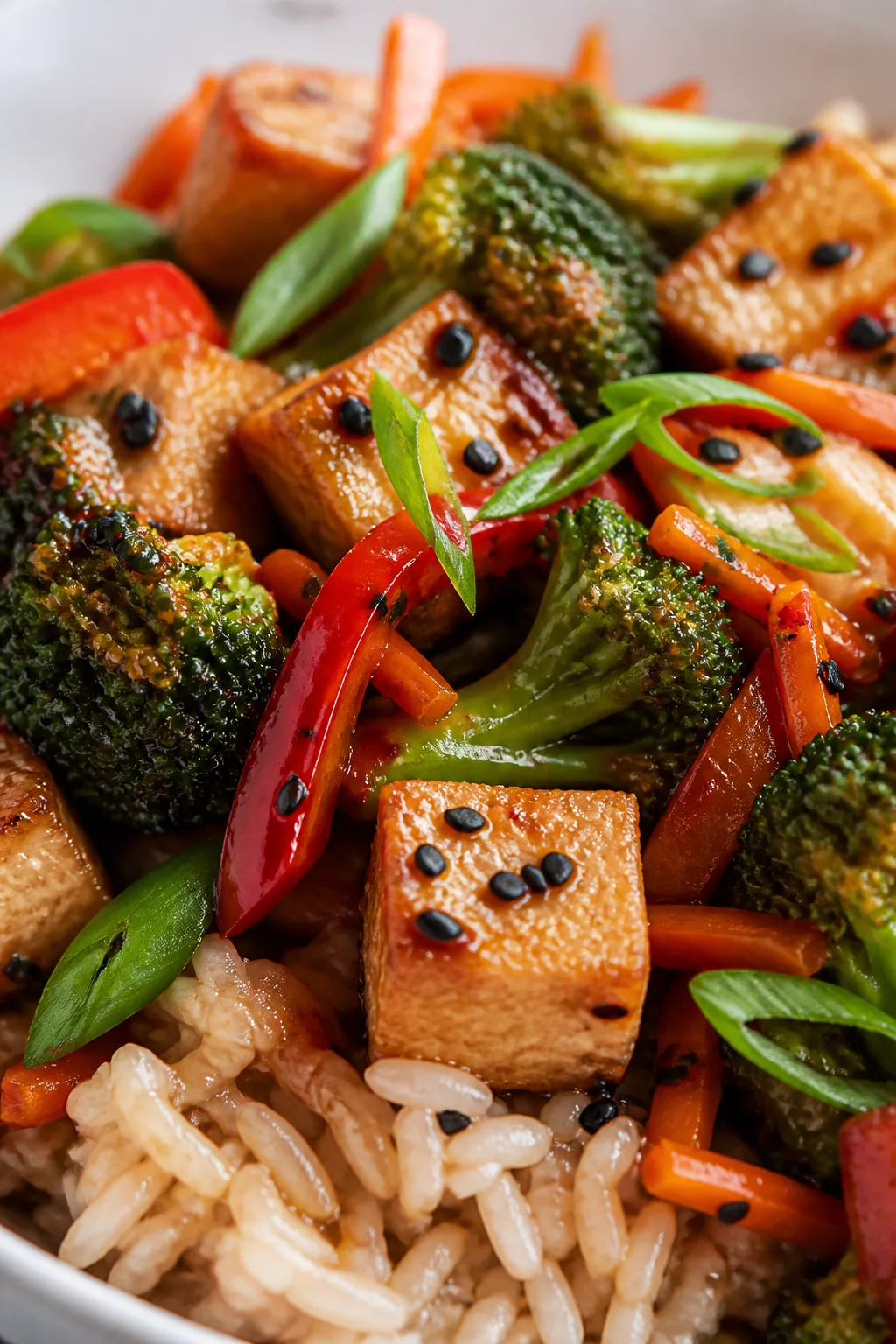
Garnish the stir fry with a sprinkle of toasted sesame seeds for a nutty crunch and a final touch of flavor. This little addition adds texture and makes the dish look extra inviting. If you like, add extra red pepper flakes or a squeeze of fresh lime for a little zing. These finishing touches can really personalize the dish to your taste.
⏱ Time: 1 minute
✓ Doneness: Sesame seeds lightly toasted and evenly scattered over the dish.
Step 9
Serve your vegan stir fry hot from the pan with chopsticks or a fork. It pairs beautifully with a simple green salad or steamed edamame for an easy, balanced meal. Leftovers keep well and reheat nicely, making this a great recipe for meal prep or busy weeknights. Enjoy the vibrant colors and fresh flavors in every bite!
⏱ Time: Immediate
✓ Doneness: Dish is steaming hot and fresh-looking when served.
Pro Tips
Always rinse your rice before cooking.
Rinsing removes excess starch from the surface of the rice grains, which prevents them from sticking together and becoming gummy. This simple step ensures your rice cooks up fluffy and separate—a perfect base for stir fry dishes.
Cut vegetables into uniform sizes.
Uniformly cut vegetables cook evenly and simultaneously, preventing some pieces from being undercooked while others get mushy. This technique maintains the ideal tender-crisp texture that makes stir fry so enjoyable.
Use high heat for stir-frying.
High heat cooks vegetables quickly, locking in their color, flavor, and nutrients. It also helps create slight caramelization, adding complexity to the dish. Using a hot pan and stirring constantly prevents steaming and sogginess.
Add garlic and ginger at the beginning.
Sautéing garlic and ginger first releases their essential oils and infuses the oil with flavor, which then coats the vegetables. This foundational step builds the savory, aromatic base crucial to a tasty stir fry.
Add delicate ingredients last.
Ingredients like green onions and fresh herbs cook quickly and lose their vibrant color and texture if added too early. Adding them at the end preserves brightness and freshness, enhancing the final dish.
Don’t overcrowd the pan.
Overcrowding traps steam and prevents vegetables from frying properly, resulting in soggy textures. Cook in batches if necessary to maintain high heat and crispness.
Toast sesame seeds before garnishing.
Toasting sesame seeds brings out their nutty aroma and adds a crunchy texture contrast. This small detail enhances both flavor and visual appeal.
Common Mistakes to Avoid
Overcooking vegetables until mushy.
Why it happens It’s easy to keep cooking veggies too long, thinking it makes them softer and easier to eat, but this kills their texture and dulls the flavors.
Fix Cook vegetables quickly over high heat, stirring constantly. Remove veggies from heat when they’re tender but still crisp. Using uniform cuts helps ensure even cooking.
Skipping the rice rinse step.
Why it happens Many people overlook rinsing rice because it feels like an extra chore, but this step is often skipped.
Fix Rinse rice under cold water until water runs clear to remove surface starch. This prevents clumping and results in fluffy, separate grains.
Adding sauce too early and making veggies soggy.
Why it happens Pouring sauce on vegetables too soon or in too large a quantity causes them to steam and soften excessively.
Fix Add sauce towards the end and stir quickly to coat veggies without pooling. This keeps the texture crisp and sauce flavorful.
Using olive oil for stir-frying.
Why it happens Olive oil has a low smoke point and can burn when used for high-heat cooking, creating off-flavors.
Fix Use neutral oils with high smoke points like vegetable, canola, or peanut oil for stir-frying to avoid bitterness.
Not prepping ingredients before cooking.
Why it happens Stir-frying is fast-paced, and not having ingredients ready leads to overcooked or burnt components while scrambling to prep.
Fix Mise en place: prep and measure all ingredients before heating the pan to ensure smooth, timed cooking.
Variations
Spicy Szechuan Vegan Stir Fry
Add a tablespoon of Szechuan peppercorns and double the red pepper flakes for a fiery twist. Swap maple syrup for a touch of brown sugar to deepen sweetness. This variation brings a bold, numbing heat that pairs beautifully with the fresh veggies.
Note: Toast Szechuan peppercorns lightly before grinding to release their flavor. Adjust spice level gradually to avoid overpowering the dish.
Peanut Sauce Vegan Stir Fry
Replace the soy-maple sauce with a creamy peanut sauce made from peanut butter, soy sauce, lime juice, and a bit of maple syrup. This adds richness and a nutty flavor that’s perfect over rice or noodles.
Note: Thin the peanut sauce with warm water for easy coating. Add it at the end to avoid burning the peanut butter.
Tofu-Enhanced Vegan Stir Fry
Add pan-fried or baked firm tofu cubes for extra protein and texture. Marinate tofu briefly in soy sauce and sesame oil before cooking to infuse flavor. This makes the dish more filling and hearty.
Note: Press tofu well to remove excess moisture before cooking to get a crisp exterior.
Noodle-Based Vegan Stir Fry
Swap rice for cooked rice noodles or soba noodles for a different texture and presentation. This is great when you want a lighter, slurpable meal with the same fresh veggie goodness.
Note: Cook noodles according to package instructions and toss with sauce quickly to prevent sticking.
Roasted Vegetable Stir Fry
Roast the vegetables in the oven instead of stir-frying to develop caramelized flavors, then toss with the sauce at the end. This adds depth and a slightly smoky taste to the dish.
Note: Roast veggies at 425°F for 15-20 minutes, turning halfway, until browned but not burnt.
Nutrition
Per Serving:
Nutritional values are estimates and may vary based on specific ingredients used.
Storage & Tips
Room Temperature
This stir fry can safely sit out at room temperature for up to 2 hours if covered. Beyond that, bacteria growth increases. For best flavor and safety, refrigerate promptly.
Refrigerator
Store leftovers in an airtight container in the fridge for up to 4 days. The veggies may soften over time, and the sauce can thicken. Reheat gently to preserve texture or enjoy cold as a quick salad.
Freezer
Freeze stir fry in a sealed container for up to 2 months. To prevent freezer burn, remove as much air as possible before sealing. Thaw overnight in the fridge and reheat thoroughly before serving.
Reheating
Reheat on the stovetop over medium heat, adding a splash of water or broth to loosen the sauce if needed. Avoid microwaving too long to prevent mushy veggies. Stir frequently for even heating.
Make Ahead
You can cook the rice and chop all vegetables up to 1 day ahead. Store veggies separately in airtight containers. Make the sauce in advance and combine everything just before cooking to keep veggies fresh and crisp.
FAQ
Can I use other types of rice for this stir fry?
Yes, you can substitute jasmine rice with basmati, brown rice, or even quinoa. Keep in mind that cooking times and water ratios vary, so adjust accordingly. Brown rice will take longer to cook and has a nuttier flavor, which pairs nicely but changes the texture.
What if I don’t have maple syrup for the sauce?
You can replace maple syrup with agave nectar, honey (if not vegan), or a small amount of brown sugar. Each will add sweetness but may slightly alter the flavor profile. Start with less and adjust to taste.
How can I make this stir fry spicier?
Add more red pepper flakes, a dash of chili garlic sauce, or fresh chopped chili peppers to the sauce. You can also sprinkle chili oil over the finished dish for extra heat. Adjust gradually to suit your spice tolerance.
Can I prepare this recipe gluten-free?
Absolutely! Use tamari or a gluten-free soy sauce alternative instead of regular soy sauce. Double-check any packaged ingredients to ensure they’re gluten-free. This swap won’t affect the taste much but makes it safe for gluten-sensitive eaters.
What’s the best way to store leftovers?
Store leftovers in airtight containers in the refrigerator within 2 hours of cooking. Keep rice and vegetables together or separate depending on your preference. Consume within 4 days for best quality and safety.
Can I add protein to this vegan stir fry?
Yes! Firm tofu, tempeh, or edamame are excellent vegan protein options. Press and marinate tofu before cooking for better texture and flavor. Add your chosen protein during the vegetable cooking steps to heat through.
Why is my stir fry watery sometimes?
Watery stir fry usually happens when vegetables release too much moisture or too much sauce is added. To prevent this, don’t overcrowd the pan, cook on high heat, and add sauce gradually. Using fresh, dry veggies also helps.
Can I make this stir fry ahead of time?
You can prep ingredients ahead and store them separately, but it’s best to cook the stir fry fresh to keep veggies crisp. If you must make ahead, reheat gently and add fresh green onions or sesame seeds before serving to refresh flavors.
Final Thoughts
I hope you enjoy making and eating this vibrant vegan stir fry as much as I do! Don’t forget to share your favorite twists and photos—I’d love to see how you make it your own.