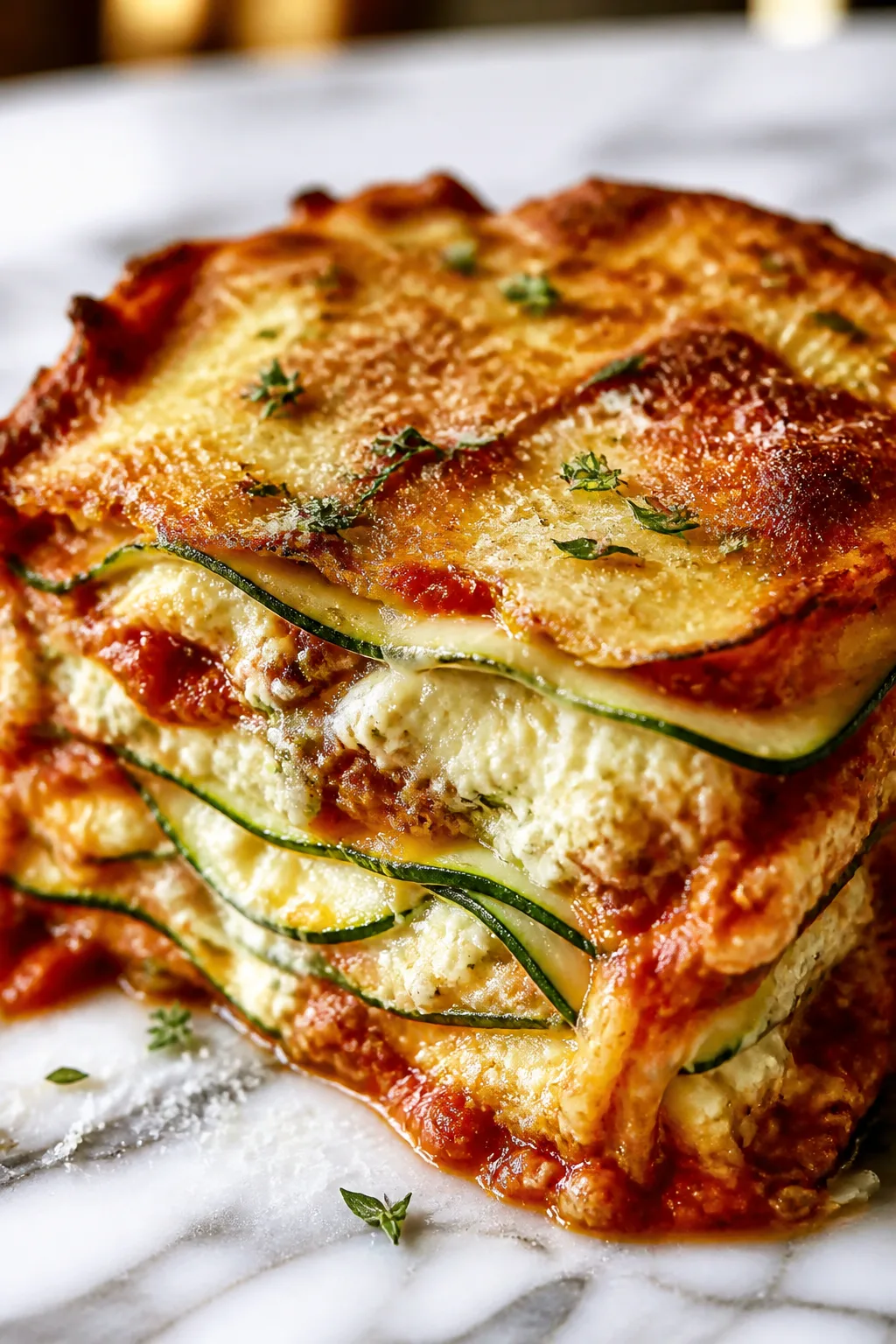
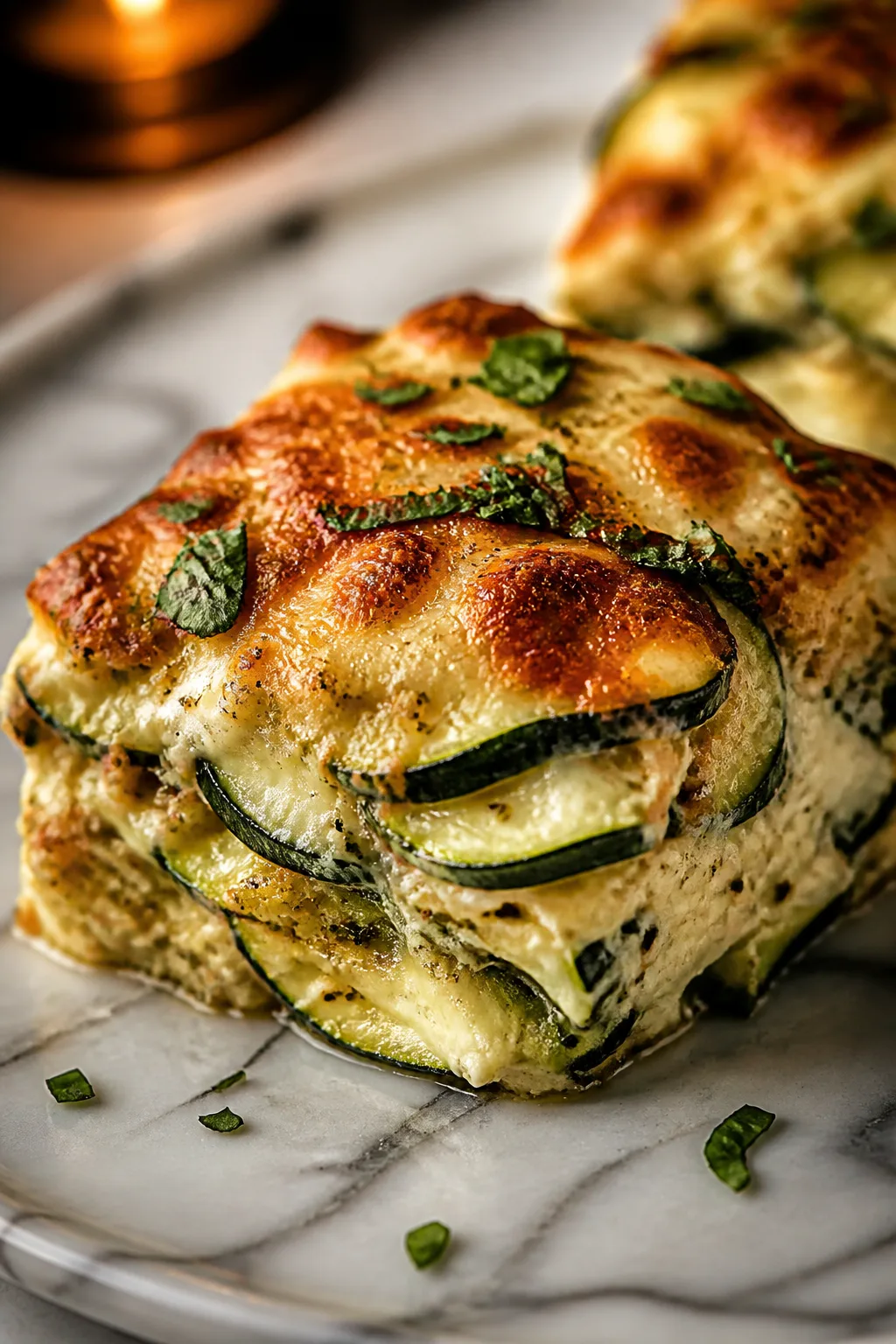
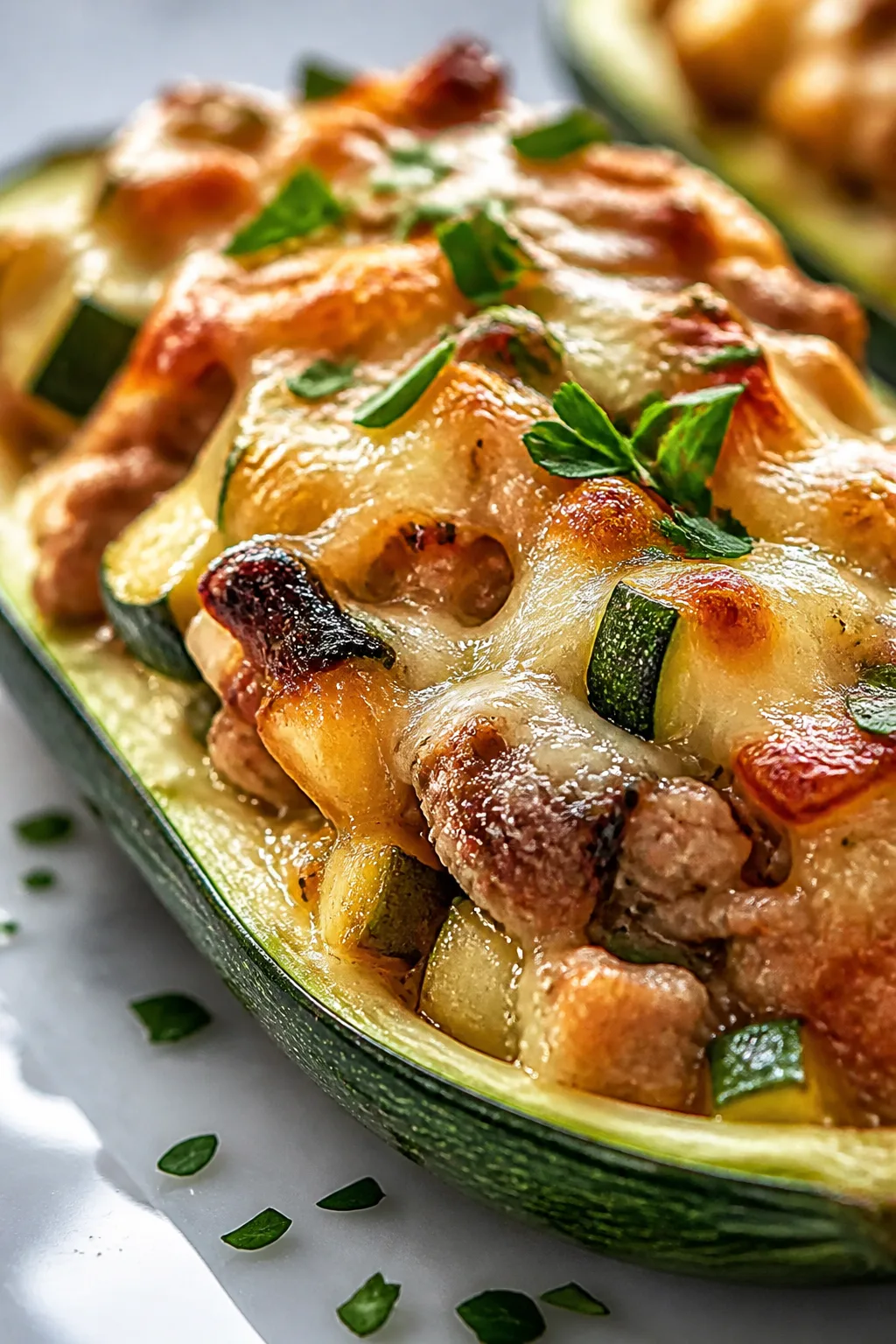
This sautéed zucchini is a quick, fresh way to enjoy summer squash. Tossed with garlic and fresh herbs, it highlights zucchini's natural sweetness. Perfect as a side for any weeknight dinner or light lunch!
Introduction
I first made this simple sautéed zucchini dish during a busy summer week when I wanted something fresh, fast, and flavorful. Zucchini is one of those vegetables that cooks quickly and tastes wonderful with just a few ingredients. What makes this version stand out is the combination of fresh garlic and herbs that really bring out zucchini’s natural sweetness without overpowering it. I’ve tried many zucchini recipes over the years, but the trick I learned is to cook it just until tender-crisp to maintain its bright color and texture. Overcooking can make it mushy, and under-seasoning can leave it bland, so finding the right balance is key. The finished dish is light, aromatic, and perfect alongside grilled chicken or tossed into a grain bowl. Plus, it’s so quick you can have it ready in about 20 minutes, which makes it a go-to for me on hectic weeknights. I love how versatile it is; sometimes I add a squeeze of lemon juice at the end for a little brightness. Honestly, once you try it this way, you’ll find yourself making it all summer long!
How To Do It
Step 1
Start by washing and slicing your zucchinis into even 1/4-inch rounds. This thickness ensures they cook evenly without becoming too mushy or too hard. Using a sharp knife helps make clean cuts, which also improves the texture when sautéing. Even slices allow heat to distribute uniformly, so every piece finishes cooking at the same time. Avoid cutting them too thick, or they’ll take longer to soften, and too thin slices can fall apart during cooking.
⏱ Time: 5
✓ Doneness: Uniform slices about 1/4-inch thick, all roughly the same size
Step 2
Heat the olive oil in a large skillet over medium heat until shimmering but not smoking. Adding oil to a hot pan helps prevent sticking and encourages a nice sear on the zucchini edges. Once hot, add the minced garlic and sauté for about 30 seconds until fragrant. Be careful not to burn the garlic as it turns bitter quickly; stirring constantly helps. The garlic infuses the oil with flavor, which will coat the zucchini beautifully.
⏱ Time: 2
✓ Doneness: Garlic is fragrant and lightly golden but not browned
Step 3
Add the sliced zucchini to the pan in a single layer if possible. Crowding the pan causes the zucchini to steam instead of sauté, leading to soggy texture. Let the slices cook undisturbed for about 3-4 minutes, allowing them to develop a light golden color on one side. This browning is due to the Maillard reaction, which adds depth and complexity to the flavor.
⏱ Time: 4
✓ Doneness: Zucchini edges turn golden brown and slices start to soften
Step 4
Flip the zucchini slices gently with a spatula to cook the other side for an additional 3 minutes. This ensures even cooking and color on both sides. Stirring too often can prevent browning, so be patient and let the zucchini develop that nice sear.
⏱ Time: 3
✓ Doneness: Both sides are lightly browned and zucchini is tender but not mushy
Step 5
Sprinkle the fresh thyme and parsley over the zucchini. Herbs added toward the end retain their bright flavor and color. Stir gently to combine and let the herbs warm through for about a minute. Fresh herbs elevate the dish by adding a fresh, earthy aroma that complements the garlic and zucchini perfectly.
⏱ Time: 1
✓ Doneness: Herbs appear vibrant and zucchini is fully cooked
Step 6
Season with salt and freshly ground black pepper to taste. Salt enhances zucchini’s natural sweetness and balances the flavors. Pepper adds a subtle kick that rounds out the dish. Taste as you go to avoid over-salting, especially if you plan to serve with a salty protein or cheese.
⏱ Time: 1
✓ Doneness: Seasoning is balanced and enhances overall flavor
Step 7
Optional: Squeeze the juice of half a lemon over the zucchini just before serving. The acidity brightens the dish and adds a refreshing tang that contrasts nicely with the richness of the olive oil and garlic. This step is great if you want a little extra zing, especially on hot days.
⏱ Time: 1
✓ Doneness: A light sheen of lemon juice coats the zucchini, aroma freshens
Step 8
Transfer the sautéed zucchini to a serving dish immediately to prevent overcooking in the hot pan. Leaving it in the pan will continue to soften the zucchini, risking mushiness. Serving right away preserves texture and color, making it more appetizing.
⏱ Time: 1
✓ Doneness: Zucchini is plated with vibrant color and tender texture
Step 9
Serve warm as a side dish alongside your favorite main course, like grilled chicken or fish, or toss it into salads or pasta for a fresh veggie boost. This dish is best enjoyed the day it’s made to appreciate its crisp-tender texture and fresh flavors.
⏱ Time: 0
✓ Doneness: Dish is ready to eat, fresh and flavorful
Pro Tips
Don’t overcrowd your pan when cooking zucchini.
Crowding traps steam and prevents browning, resulting in soggy, mushy zucchini. Cooking in batches ensures each slice gets proper contact with the hot pan surface, creating that flavorful golden sear from the Maillard reaction. This enhances both texture and taste.
Use a large skillet to give zucchini enough space.
A large pan distributes heat evenly and allows zucchini to cook uniformly. When slices have room, they brown better and release moisture gradually, maintaining a tender-crisp texture instead of steaming. This is key to achieving a vibrant, fresh side dish.
Add fresh herbs at the end of cooking.
Fresh herbs lose their flavor and color if cooked too long. Adding them last preserves their aromatic oils and bright appearance, giving the dish a fresh, lively finish that complements the mellow zucchini beautifully.
Cook garlic on medium heat and watch closely.
Garlic burns quickly and turns bitter, ruining the dish. Cooking it gently in olive oil until just fragrant ensures it flavors the oil without bitterness. Stirring constantly and removing from heat at the right time is crucial.
Slice zucchini evenly to ensure even cooking.
Uneven slices cook at different rates, leading to some pieces being underdone while others are mushy. Consistent thickness helps achieve a perfectly tender yet firm bite and attractive appearance.
Use fresh, firm zucchini for best texture.
Older or overly large zucchinis can be watery and fibrous, resulting in a less pleasant texture. Fresh medium-sized zucchini have a sweeter flavor and hold their shape better during quick cooking.
Finish with a squeeze of lemon juice for brightness.
Acid balances richness and enhances flavor complexity. Adding lemon at the end brightens the dish and adds a fresh contrast to the savory garlic and herbs, making the zucchini taste even fresher.
Common Mistakes to Avoid
Overcooking zucchini until mushy.
Why it happens Many assume zucchini should be very soft when cooked, but this leads to a soggy texture that’s unappealing. The natural water content breaks down, losing the vegetable’s fresh bite.
Fix Cook zucchini just until tender-crisp by sautéing on medium heat and watching closely. Flip once edges are golden and zucchini is soft but still holds shape. Remove from heat immediately to stop cooking.
Burning the garlic.
Why it happens Garlic cooks very quickly and can go from fragrant to bitter in seconds, especially over high heat or if left unattended.
Fix Sauté garlic on medium heat and stir constantly. Remove from heat as soon as it becomes fragrant and lightly golden. If it starts to brown too fast, lower the heat immediately.
Crowding the pan with too much zucchini at once.
Why it happens Trying to cook all zucchini at once traps moisture and causes steaming instead of sautéing, resulting in limp, watery slices.
Fix Cook in batches if needed, ensuring zucchini slices have space to brown evenly. Use a large skillet for best results.
Using very large or old zucchini.
Why it happens Large zucchinis often have a tougher texture and more seeds, which can make the dish less flavorful and watery.
Fix Choose medium-sized, firm zucchini with smooth skin. If you must use large ones, consider peeling or removing seeds before cooking.
Adding herbs too early in cooking.
Why it happens Fresh herbs lose their flavor and color when cooked too long, turning dull and bitter.
Fix Add fresh herbs at the very end of cooking or just after removing from heat to preserve their bright flavors.
Variations
Spicy Sautéed Zucchini
Add a pinch of red pepper flakes while cooking garlic for a subtle heat that pairs perfectly with the garlic and herbs. This variation gives the dish a little kick without overpowering zucchini’s natural sweetness.
Note: Add red pepper flakes early with garlic so the oil infuses with spice, but watch closely to avoid burning the garlic.
Zucchini with Parmesan and Lemon Zest
Stir in freshly grated Parmesan cheese and a sprinkle of lemon zest at the end for a richer, tangy flavor. This adds a savory depth and a fresh citrus aroma that brightens the dish.
Note: Add cheese off the heat to prevent it from clumping or melting too much, preserving a delicate texture.
Garlic Butter Zucchini
Swap olive oil for butter for a richer, creamier finish. The butter adds a lovely nutty flavor that complements the garlic and herbs, creating a comfort-food vibe.
Note: Use medium heat to prevent butter from burning; consider mixing butter with a little olive oil for higher heat tolerance.
Zucchini and Cherry Tomato Sauté
Add halved cherry tomatoes in the last 3 minutes of cooking for a juicy burst of sweetness and color contrast. This variation makes the dish more vibrant and adds a fresh, summery touch.
Note: Add tomatoes late to avoid overcooking and maintain their shape and bright flavor.
Zucchini Noodles with Garlic and Herbs
Use a spiralizer to turn zucchini into noodles, then sauté quickly with garlic and herbs for a light, healthy alternative to pasta. This is great for low-carb or gluten-free meals.
Note: Cook spiralized zucchini very briefly to prevent sogginess; just until tender-crisp.
Nutrition
Per Serving:
Nutritional values are estimates and may vary based on specific ingredients used.
Storage & Tips
Room Temperature
This sautéed zucchini can be kept at room temperature for up to 2 hours if covered loosely with foil or a clean towel. Beyond this, bacterial growth can increase, so it’s best to refrigerate leftovers promptly.
Refrigerator
Store leftovers in an airtight container for up to 3 days. The zucchini may soften further when chilled, so it’s best served warm or at room temperature. Reheating gently on the stovetop helps restore some texture.
Freezer
Freezing sautéed zucchini is not recommended as it tends to become mushy upon thawing due to its high water content. If freezing is necessary, flash freeze slices on a tray before transferring to a sealed bag, and use within 1 month.
Reheating
Reheat gently over medium-low heat in a skillet with a splash of olive oil to prevent sticking and revive texture. Microwave reheating is possible but may result in softer zucchini. Avoid overheating to prevent mushiness.
Make Ahead
You can slice zucchini and mince garlic up to a day ahead and store separately in the fridge. Cook the zucchini just before serving to maintain freshness and texture. Alternatively, prepare the sauté and reheat shortly before eating.
FAQ
Can I use frozen zucchini for this recipe?
Frozen zucchini tends to release a lot of water when cooked, which can make the sauté watery and soggy. If you must use frozen, thaw it completely and pat dry thoroughly before cooking, but fresh zucchini is recommended for best texture and flavor.
What can I substitute for fresh herbs if I don’t have any?
Dried herbs can be used but add them earlier in the cooking process to allow their flavors to infuse. Use about one-third the amount of dried herbs compared to fresh, as dried herbs are more concentrated. Fresh herbs are preferred for brightness.
How do I prevent zucchini from getting mushy?
Cook zucchini over medium heat without overcrowding the pan and avoid overcooking. Sauté until just tender-crisp and remove from heat immediately. Also, slice evenly to ensure consistent cooking.
Can I add other vegetables to this sauté?
Yes, vegetables like bell peppers, cherry tomatoes, or mushrooms can be added. Add harder vegetables earlier and softer ones later to ensure everything cooks evenly. Adjust cooking times accordingly.
Is this dish suitable for meal prep?
It can be part of meal prep, but zucchini tends to soften when stored. Store separately from other ingredients and reheat gently to maintain texture. It’s best eaten within 3 days for freshness.
What oil is best for sautéing zucchini?
Extra virgin olive oil is great for flavor and medium heat cooking. You can also use avocado oil or light vegetable oil if you prefer a milder taste or higher smoke point.
Can I make this recipe vegan?
Yes, this recipe is naturally vegan as it uses olive oil and fresh herbs. Just avoid adding cheese or butter variations if you want to keep it vegan.
How do I make this dish spicier?
Add red pepper flakes or a dash of cayenne pepper when sautéing the garlic. Start with a small amount and adjust to taste to avoid overpowering the delicate zucchini flavor.
Final Thoughts
Give this quick and flavorful sautéed zucchini a try — it’s a simple way to bring fresh veggies to your table. I’d love to hear how it turns out for you!