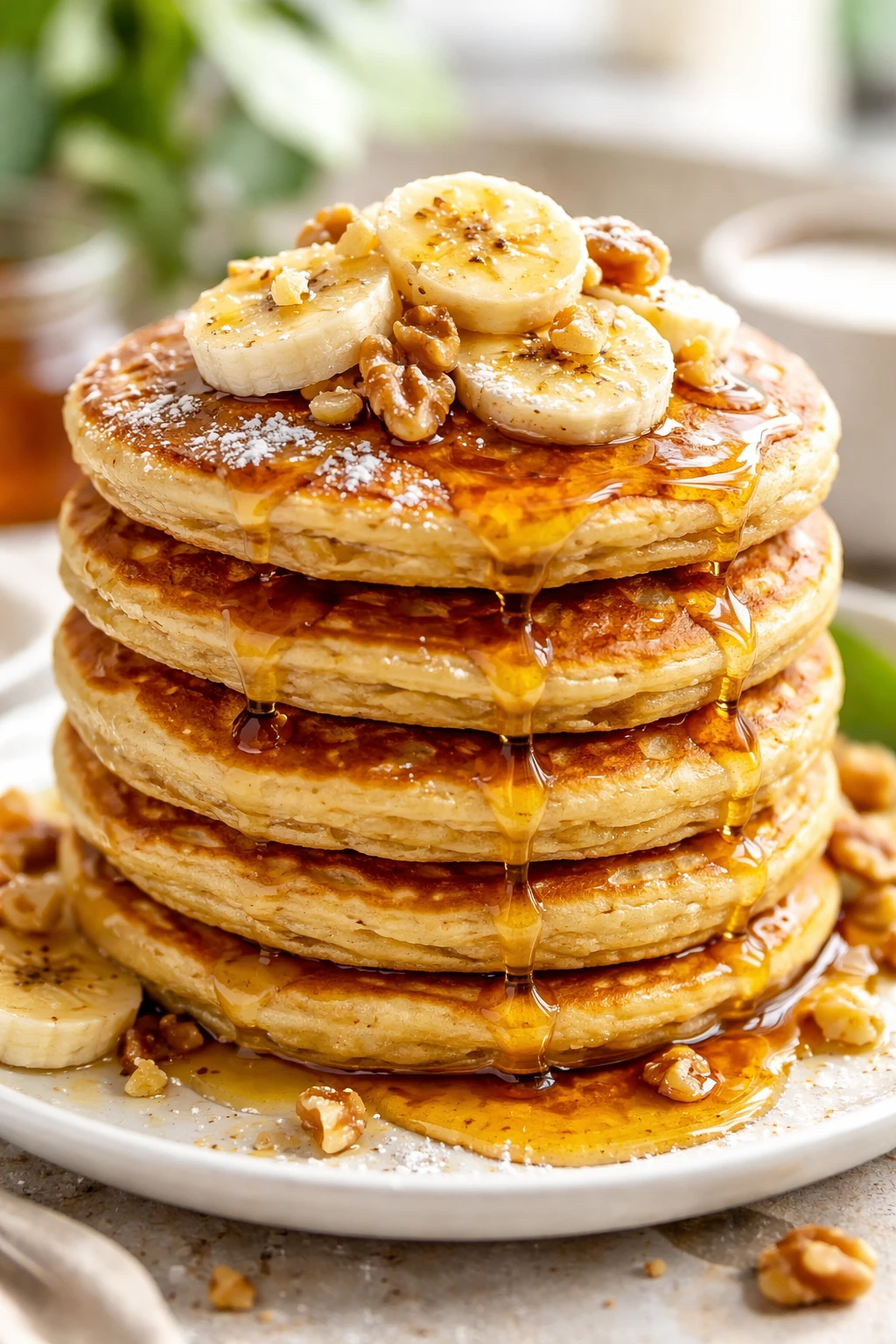
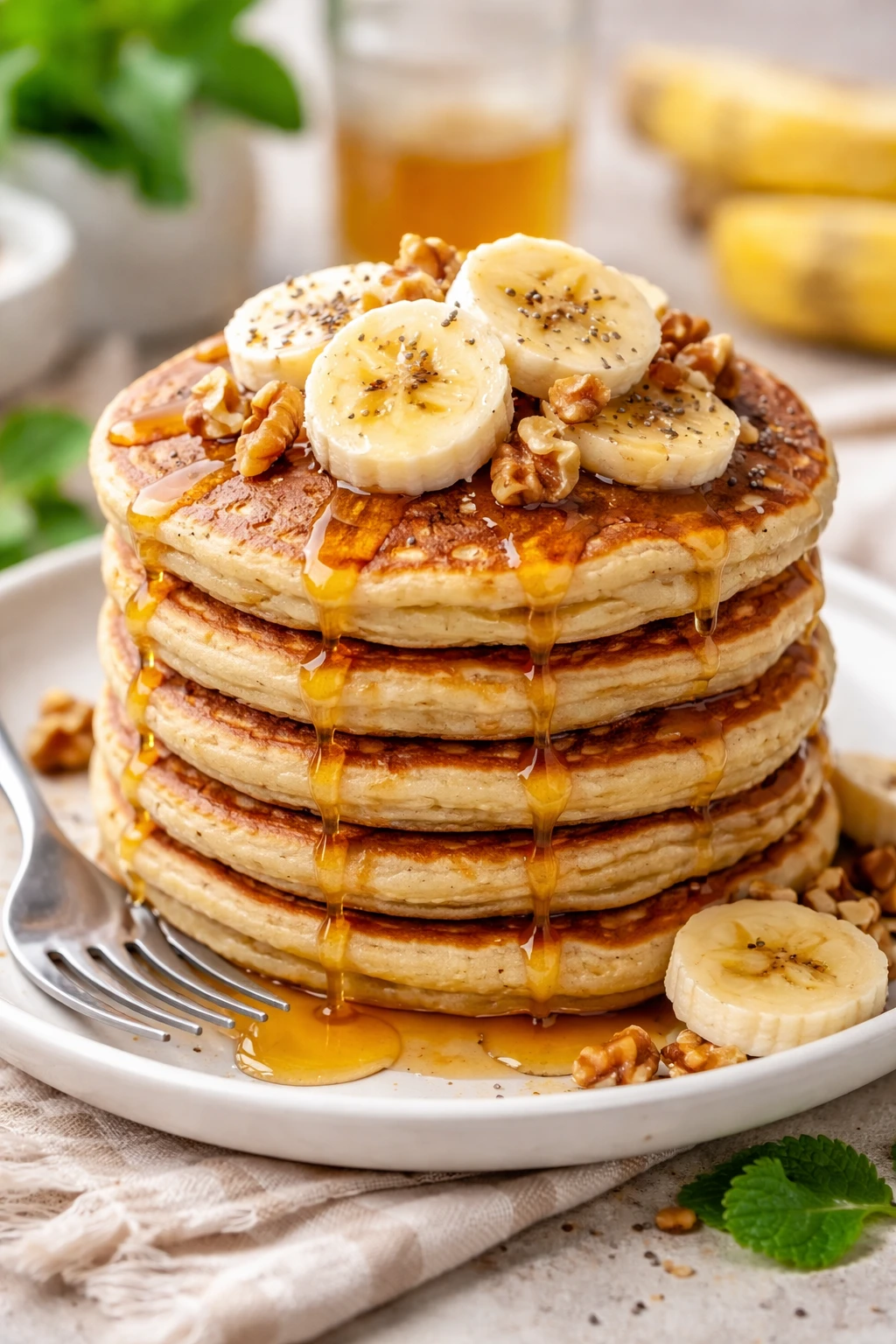
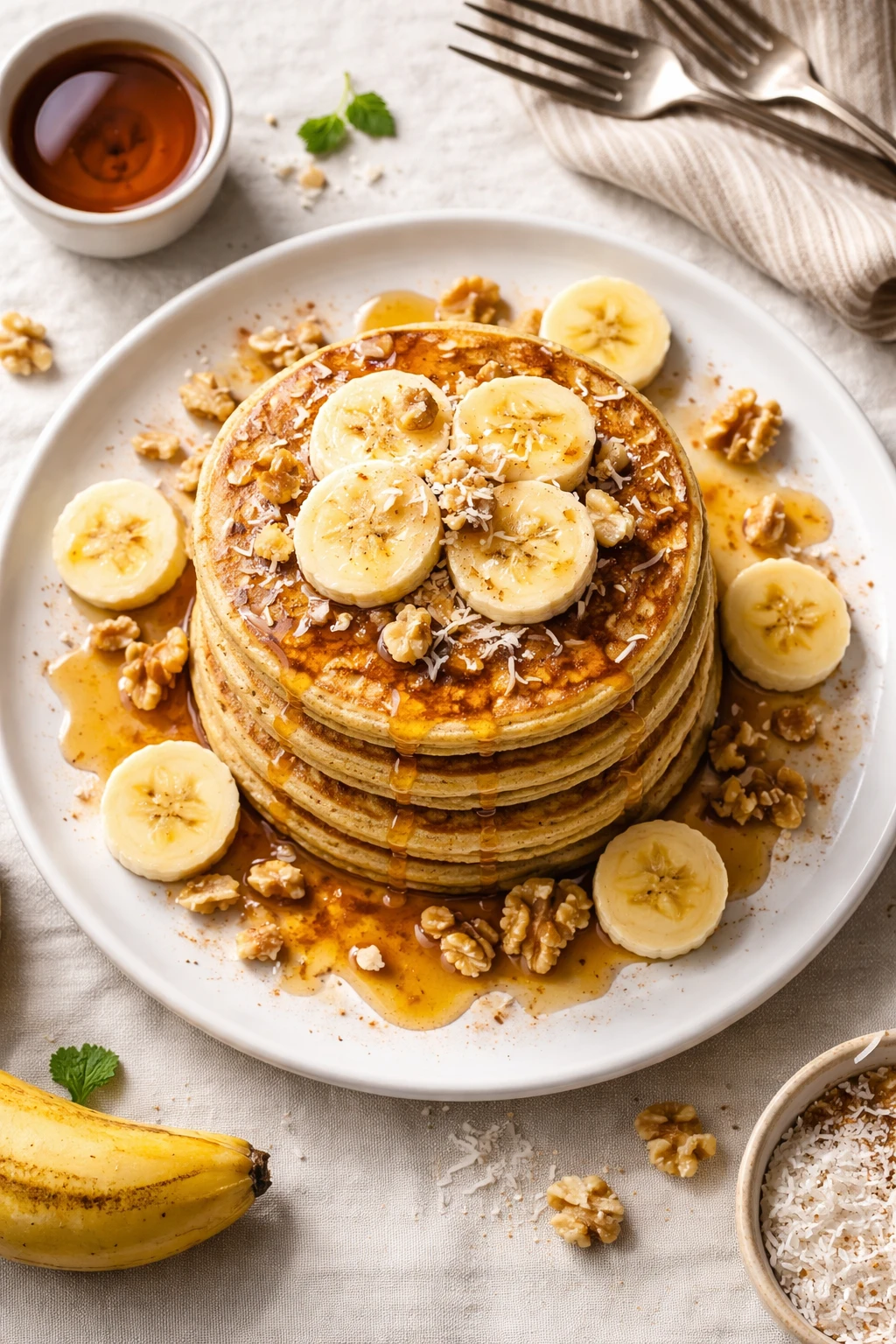
These vegan banana pancakes come out light and fluffy every time thanks to aquafaba, which whips the batter beautifully. Perfect for a cozy weekend brunch or a sweet breakfast treat. You'll love how naturally sweet and tender they are!
Introduction
I first stumbled upon this recipe a couple of years ago when I wanted to make vegan pancakes that actually felt light and fluffy, not dense like many vegan versions tend to be. After a few kitchen experiments, I discovered aquafaba—the liquid from canned chickpeas—was a total game-changer. It whips up just like egg whites, giving the batter amazing lift and a tender crumb. What really makes this recipe special is how the ripe bananas naturally sweeten the pancakes without needing too much added sugar, which I love for a wholesome breakfast. I remember one time I rushed the batter mixing and ended up with flat pancakes, so the trick I learned is to gently fold the whipped aquafaba into the dry ingredients to keep all that air in. These pancakes come out golden, fluffy, and tender with just the right hint of banana flavor. They’re perfect for slow weekend mornings or anytime you want a comforting, plant-based treat that feels indulgent but is actually pretty simple. Plus, they’re easy to customize with toppings like fresh berries, maple syrup, or chopped nuts. I hope you enjoy making and eating these as much as my family does!
What You'll Need
Approximately 8 pancakes, 4 servings
- 1 cup all-purpose flour
- 2 tablespoons sugar
- 1 tablespoon baking powder
- 1/4 teaspoon salt
- 1 cup aquafaba (liquid from canned chickpeas)
- 1 large ripe banana, mashed
- 1/2 cup plant-based milk (almond or oat milk works well)
- 1 teaspoon vanilla extract
- 2 tablespoons vegetable oil or melted coconut oil
How To Do It
Step 1
Start by whisking together the dry ingredients: flour, sugar, baking powder, and salt in a large bowl. This ensures the baking powder is evenly distributed, which is crucial for even rising. Mixing the dry ingredients first also prevents clumps when you add the wet ingredients later. Avoid over-mixing here; just combine until uniform. If you skip this, you might end up with uneven texture and pockets of baking powder in your pancakes, which can taste bitter.
⏱ Time: 5
✓ Doneness: Dry ingredients are well combined with no visible lumps or clumps.
Step 2
Next, pour the aquafaba into a clean mixing bowl and whip it with an electric mixer until soft peaks form, about 3-5 minutes. This aerates the liquid, creating a foam that mimics egg whites and will help make your pancakes extra fluffy. If you rush this step or don’t whip enough, your pancakes might turn out dense and flat. Watch for the peaks to hold their shape but still be soft and glossy.
⏱ Time: 5
✓ Doneness: Aquafaba forms soft, billowy peaks that hold shape briefly before gently folding over.
Step 3
In a separate bowl, mash the ripe banana well with a fork until smooth and creamy. Then add the plant-based milk, vanilla extract, and oil. Stir this wet mixture until everything is combined. The banana adds natural sweetness and moisture, while the oil helps keep the pancakes tender. Using ripe bananas is key here, as underripe ones won’t sweeten or soften the batter properly.
⏱ Time: 5
✓ Doneness: Wet ingredients are smooth, homogenous, and creamy without lumps.
Step 4
Pour the wet banana mixture into the bowl with the dry ingredients. Gently fold together using a spatula until just combined. It’s important not to over-mix here to avoid tough pancakes. The batter will be thick and slightly lumpy, which is perfect. Over-mixing develops gluten in the flour, making pancakes chewy instead of soft.
⏱ Time: 3
✓ Doneness: Batter is mostly uniform with some small lumps, thick but pourable.
Step 5
Now carefully fold the whipped aquafaba into the batter in three additions. Use a light hand and fold slowly to maintain the air bubbles. This step is the secret to fluffy pancakes. If you mix too vigorously, you’ll deflate the aquafaba and lose volume, resulting in denser pancakes. Folding gently keeps the batter airy and light.
⏱ Time: 5
✓ Doneness: Batter is smooth and airy without streaks of aquafaba or flour.
Step 6
Heat a non-stick skillet or griddle over medium heat and lightly grease with oil or vegan butter. To test if it’s ready, sprinkle a drop of water on the surface—it should sizzle immediately. Cooking pancakes on the right temperature ensures they brown evenly without burning or sticking. If the pan is too hot, pancakes will burn outside and stay raw inside; too cool, and they’ll be pale and dry.
⏱ Time: 3
✓ Doneness: Pan surface is hot enough to sizzle water droplets immediately.
Step 7
Scoop about 1/4 cup of batter per pancake onto the hot pan. Cook without moving for 2-3 minutes until bubbles form on the surface and edges look set. This indicates the pancake is cooking through and ready to flip. Flipping too early can cause the pancake to break or cook unevenly.
⏱ Time: 3
✓ Doneness: Bubbles appear on top and edges look dry and set.
Step 8
Flip the pancakes gently using a spatula and cook for another 2 minutes on the other side until golden brown and cooked through. Avoid pressing down on the pancakes with the spatula, as this squeezes out air and makes them dense. The second side cooks faster, so keep an eye to prevent burning.
⏱ Time: 2
✓ Doneness: Pancakes are golden brown on both sides and spring back when lightly pressed.
Step 9
Transfer cooked pancakes to a warm plate and keep covered while you cook the rest to retain heat and moisture. Serve immediately with your favorite toppings like maple syrup, fresh fruit, or nut butter. These pancakes are best enjoyed fresh for that perfect fluffy texture.
⏱ Time: 2
✓ Doneness: Pancakes remain warm and fluffy when served.
Pro Tips
Always whip aquafaba until soft peaks form before folding into batter.
Whipping aquafaba traps air, creating a foam that adds volume and lightness to the pancakes. If you don’t whip it enough, you lose this aeration and the pancakes become dense. Soft peaks hold their shape but are still pliable, which is ideal for folding.
Use ripe bananas for natural sweetness and moisture.
Ripe bananas contain higher sugar levels and softer texture, which enhance flavor and tenderness. Using underripe bananas results in less sweetness and a drier, tougher pancake. The natural sugars also aid browning during cooking.
Fold the wet ingredients into the dry gently and avoid over-mixing.
Gentle folding prevents overdeveloping gluten in the flour, which would make pancakes chewy or tough. Over-mixing also deflates the whipped aquafaba, reducing fluffiness. Aim for a batter with some lumps rather than perfectly smooth.
Cook pancakes on medium heat to balance browning and doneness.
Medium heat allows the pancakes to cook through without burning the exterior. Too high heat burns the outside while leaving the inside raw; too low heat yields pale, dry pancakes. Look for bubbles and set edges before flipping.
Keep cooked pancakes warm in a covered dish while finishing the batch.
Covering pancakes traps steam and prevents drying out, keeping them soft and warm. Leaving pancakes uncovered causes them to cool and become rubbery or tough before serving.
Use a non-stick skillet or well-seasoned griddle for easy flipping.
Non-stick surfaces prevent sticking and breaking, which helps maintain pancake shape and texture. Using too little oil or a rough pan can cause sticking and tearing during flipping.
Don’t press down on pancakes when cooking or flipping.
Pressing squeezes out air bubbles that contribute to fluffiness and makes pancakes dense. Let them cook undisturbed for a tender, airy texture.
Common Mistakes to Avoid
Not whipping aquafaba enough
Why it happens Many assume aquafaba is just a liquid to mix in, not realizing it needs to be whipped like egg whites to trap air for fluffiness.
Fix Use a hand or stand mixer to whip aquafaba until soft peaks form before folding it into the batter. This step is essential to achieve the light texture.
Overmixing the batter
Why it happens Eager cooks often try to make the batter perfectly smooth, but this develops gluten and deflates whipped aquafaba.
Fix Fold ingredients gently until just combined, leaving small lumps in the batter. This preserves air bubbles and prevents toughness.
Cooking on too high heat
Why it happens Trying to speed up cooking by increasing heat can burn pancakes externally while leaving them raw inside.
Fix Cook on medium heat, watching for bubbles and set edges before flipping to ensure even cooking.
Using underripe bananas
Why it happens Less ripe bananas lack sweetness and moisture, resulting in bland or dry pancakes.
Fix Choose bananas that are soft and spotted for the best flavor and texture.
Not greasing the pan properly
Why it happens Skipping oil or butter causes pancakes to stick and break during flipping.
Fix Lightly grease the pan before each batch with oil or vegan butter to ensure easy release.
Variations
Blueberry Vegan Banana Pancakes
Add 1/2 cup fresh or frozen blueberries to the batter before cooking for a burst of fruity flavor. The blueberries add moisture and a slight tartness that complements the banana sweetness beautifully.
Note: Fold blueberries gently to avoid breaking them and adjust cooking time slightly if using frozen fruit to prevent excess moisture.
Chocolate Chip Vegan Banana Pancakes
Stir in 1/3 cup vegan chocolate chips into the batter for a sweet, melty surprise in every bite. This variation is a hit with kids and adds richness without extra effort.
Note: Use vegan chocolate chips to keep it plant-based and sprinkle some on top after flipping to avoid burning.
Gluten-Free Vegan Banana Pancakes
Swap all-purpose flour for a gluten-free flour blend with xanthan gum to keep the structure. The pancakes remain fluffy and tender, perfect for those avoiding gluten.
Note: Since gluten-free flours absorb liquids differently, you may need to adjust milk quantity slightly for the right batter consistency.
Spiced Vegan Banana Pancakes
Add 1 teaspoon cinnamon and a pinch of nutmeg to the dry ingredients for warm, cozy spices that pair wonderfully with banana. Great for fall breakfasts or when you want extra flavor depth.
Note: Mix spices evenly with dry ingredients to prevent clumping and ensure balanced flavor.
Vegan Banana Pancakes with Chia Seeds
Mix 2 tablespoons of chia seeds into the batter for added texture, fiber, and omega-3s. The seeds add a nice crunch and boost nutrition without changing flavor much.
Note: Let the batter rest 5 minutes before cooking to allow chia seeds to hydrate slightly.
Nutrition
Per Serving:
Nutritional values are estimates and may vary based on specific ingredients used.
Storage & Tips
Room Temperature
Pancakes can be kept at room temperature for up to 2 hours if covered loosely with foil or a clean towel to prevent drying. Beyond this, they start to lose moisture and become tough.
Refrigerator
Store leftover pancakes in an airtight container in the refrigerator for up to 3 days. They tend to firm up when cold but can be reheated easily. Warm them in a toaster or skillet to restore softness.
Freezer
Freeze pancakes in a single layer on a baking sheet, then transfer to a sealed freezer bag or container for up to 2 months. Proper wrapping prevents freezer burn. Thaw at room temperature or reheat directly from frozen for best texture.
Reheating
Reheat pancakes on a non-stick skillet over low-medium heat for 1-2 minutes per side. Alternatively, toast them or microwave briefly with a damp paper towel to keep them moist. Avoid overheating which can dry them out.
Make Ahead
You can prepare batter up to 1 day ahead and store it covered in the fridge. Whip fresh aquafaba just before cooking and fold into the batter. This keeps the pancakes fluffy and fresh when cooked the next day.
FAQ
Can I substitute aquafaba with something else?
Aquafaba is unique because it whips into a foam like egg whites, which is hard to replace in vegan pancakes. You can try using flax or chia egg substitutes, but the texture might be denser. Aquafaba provides the light, airy lift that makes these pancakes special.
What if I don’t have ripe bananas?
Ripe bananas are important for sweetness and moisture. If your bananas aren’t ripe yet, you can speed ripening by placing them in a paper bag for a day or two. Using underripe bananas will result in less flavorful and drier pancakes.
How do I know when to flip the pancakes?
Wait until you see bubbles forming on the surface and the edges look set and slightly dry. This means the pancake is cooked through enough to flip without breaking. Flipping too early can cause them to fall apart.
Can I make the batter ahead of time?
You can mix the dry and wet ingredients (except the whipped aquafaba) a day ahead and store in the fridge. Whip the aquafaba fresh before cooking and fold it in to maintain fluffiness. This keeps the pancakes light and fresh.
What if my pancakes turn out flat or dense?
Common reasons include not whipping aquafaba enough, overmixing batter, or using old baking powder. Make sure to whip aquafaba to soft peaks, fold gently, and use fresh leavening for best results.
Can I use gluten-free flour?
Yes, a gluten-free flour blend with xanthan gum works well. You might need to adjust the liquid slightly as gluten-free flours absorb differently. Texture may be a bit different but still delicious.
How do I store leftover pancakes?
Store pancakes in an airtight container in the fridge for up to 3 days or freeze for up to 2 months. Reheat gently in a skillet or toaster to restore softness.
Can I add mix-ins like nuts or chocolate chips?
Absolutely! Fold in your favorite add-ins gently after mixing the batter to avoid deflating it. Add-ins add texture and flavor, making pancakes even more delicious.
Final Thoughts
I hope you try these vegan banana pancakes soon—they’re one of my favorite easy breakfasts. Let me know how they turn out and what toppings you love!