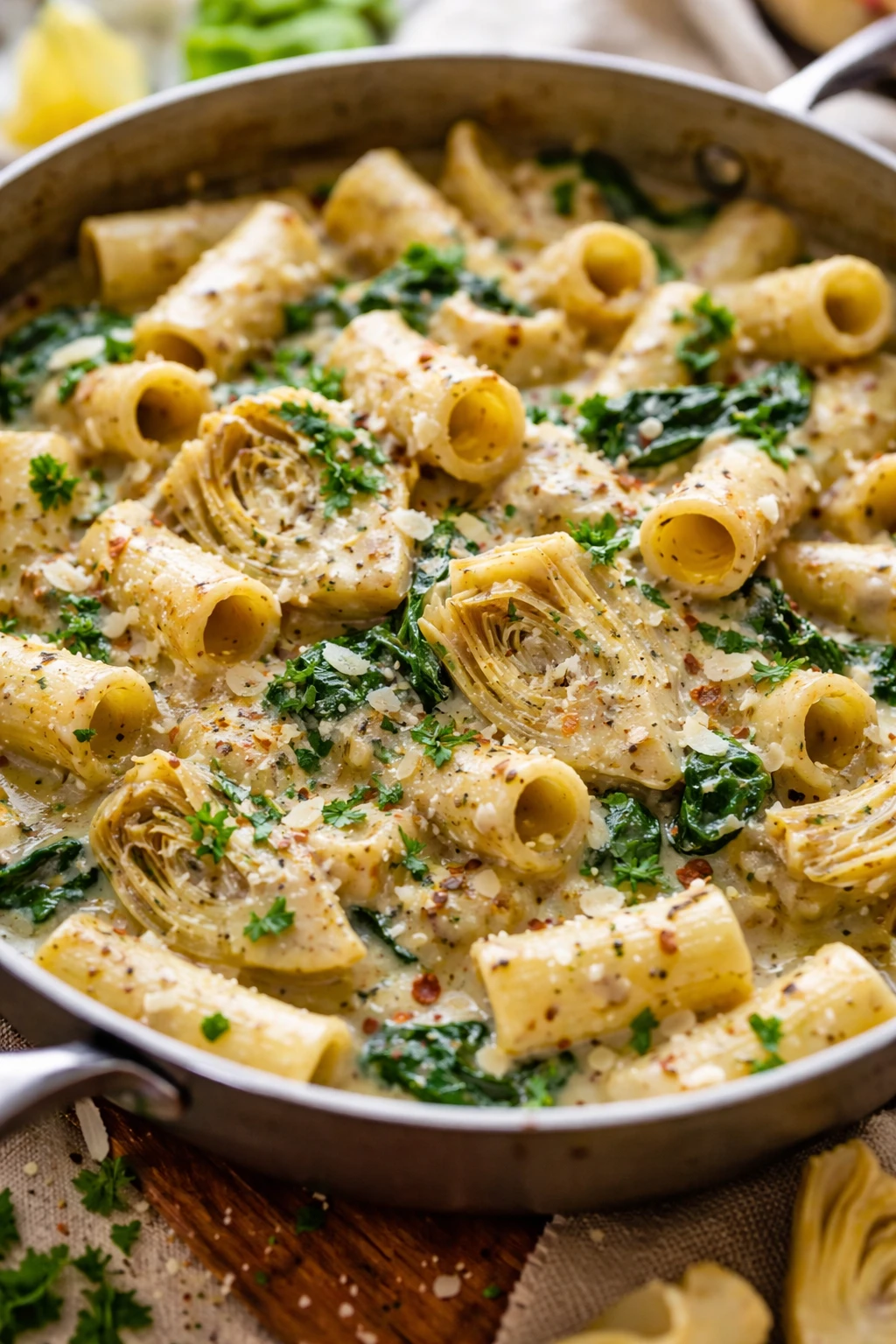
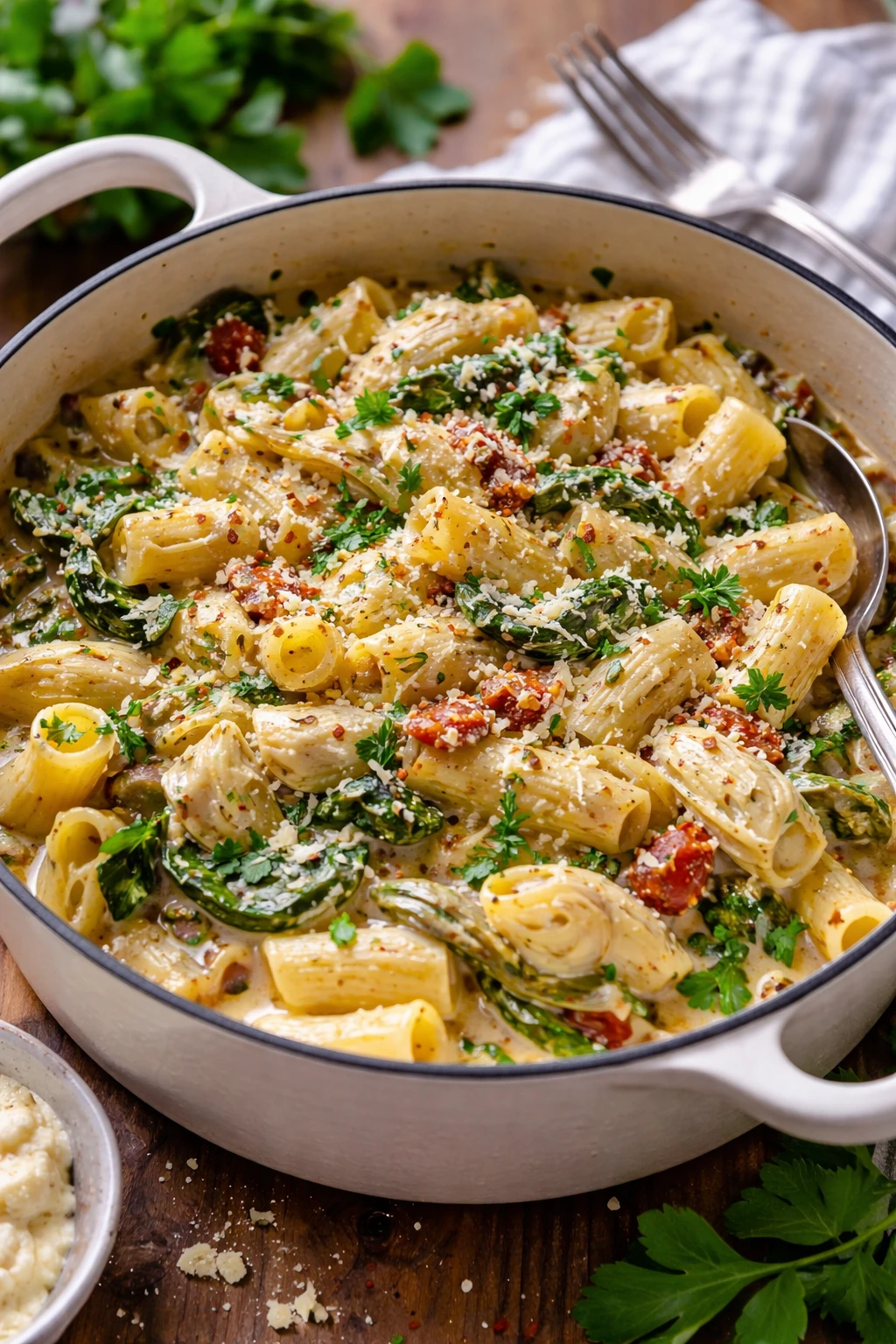
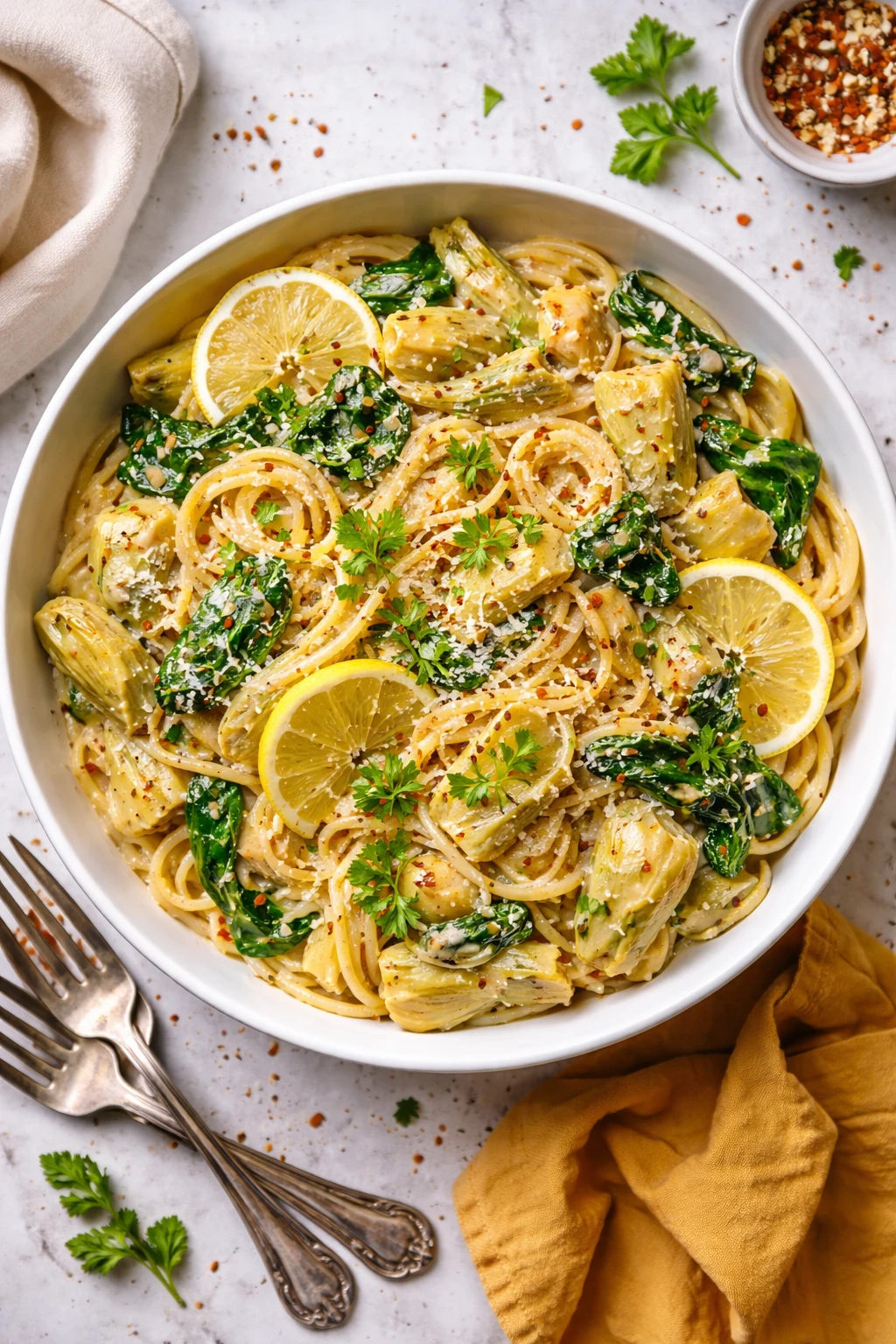
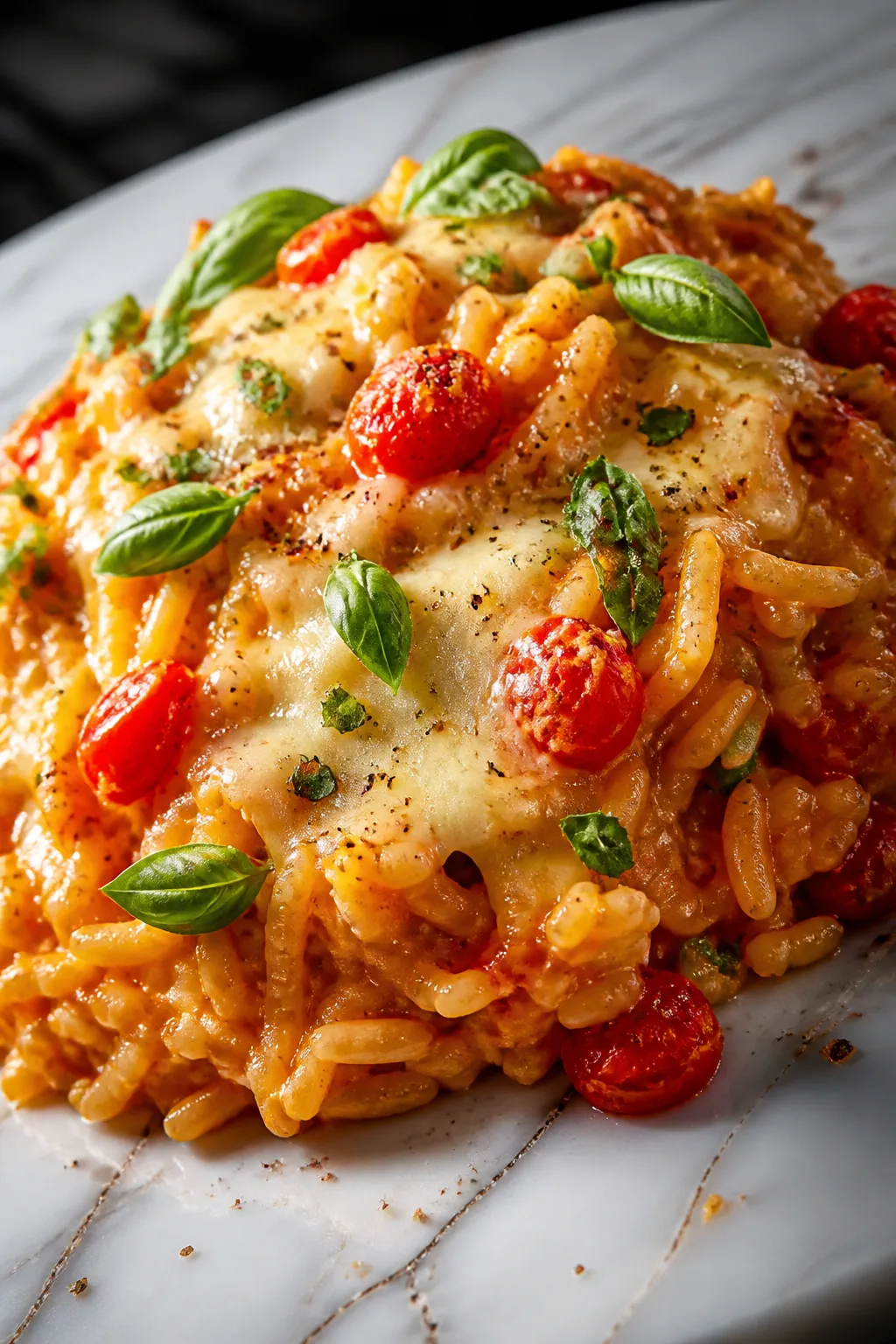
This one-pot artichoke pasta is a total game changer — creamy, tangy, and surprisingly simple. Using artichokes adds a fresh twist that brightens up dinner. Perfect for busy evenings when you want something special without fuss.
Introduction
I first stumbled upon this one-pot artichoke pasta on a hectic weeknight when I wanted something comforting but quick. The usual cream-based pastas felt heavy, so I experimented with canned artichokes to add brightness and texture. It turned out so creamy and tangy — the artichokes bring this unique flavor that really lifts the dish. What makes this version different? I cook everything in one pot, so the pasta absorbs all that garlicky, lemony goodness, and the sauce thickens perfectly without any fuss. I also like to add the Parmesan at the end off the heat to keep it silky smooth. The result is a luscious, cozy pasta that looks fancy but takes just 30 minutes from start to finish. Honestly, the first time I made it, I was worried it might be too tangy or weird, but my whole family loved it, and it’s become a staple in our rotation. It’s perfect for busy weeknights when you want something special without spending forever in the kitchen. Plus, cleanup is a breeze since it’s all done in one pot!
How To Do It
Step 1
Heat olive oil in a large pot over medium heat. Add the chopped onion and sauté until translucent, about 3-4 minutes. This step is crucial because gently cooking the onion releases its natural sweetness, which balances the tang from the artichokes later. Avoid browning the onions too much; you want them soft but not caramelized to keep the flavor fresh and light.
⏱ Time: 4 minutes
✓ Doneness: Onions are soft, slightly translucent, and fragrant without any browning.
Step 2
Add the minced garlic and cook for another 1-2 minutes, stirring constantly. Garlic cooks quickly and can burn if left unattended, which would impart a bitter taste. The goal here is to soften the garlic and release its aroma, infusing the oil and onions with flavor.
⏱ Time: 2 minutes
✓ Doneness: Garlic is fragrant and golden but not browned or burnt.
Step 3
Pour in the vegetable broth, heavy cream, and lemon juice. Stir to combine and bring the mixture to a gentle simmer. This combination creates the base of your sauce. The broth adds depth, the cream adds richness, and the lemon juice brightens the flavors. Be careful not to boil vigorously; a gentle simmer helps the sauce thicken evenly without breaking the cream.
⏱ Time: 5 minutes
✓ Doneness: Sauce is bubbling gently and starting to thicken slightly.
Step 4
Add the dry penne pasta directly into the pot, making sure it’s submerged in the liquid. Stir occasionally to prevent sticking. Cooking pasta in the sauce lets it absorb all those flavors rather than just boiling in water. It’s important to stir enough so the pasta cooks evenly and doesn’t clump, but don’t over-stir or the pasta might get mushy.
⏱ Time: 12-15 minutes
✓ Doneness: Pasta is tender but still firm to the bite (al dente), and the sauce has thickened nicely.
Step 5
When the pasta is almost done, stir in the chopped artichoke hearts. These add texture and a bright, slightly nutty flavor that complements the creamy sauce perfectly. Adding them toward the end prevents them from becoming mushy and losing their character.
⏱ Time: 3 minutes
✓ Doneness: Artichokes are warmed through but still hold their shape.
Step 6
Remove the pot from heat and stir in the grated Parmesan cheese. This final step enriches the sauce and adds a salty, savory depth. Adding cheese off the heat prevents it from clumping or turning grainy, ensuring your sauce stays smooth and velvety.
⏱ Time: 2 minutes
✓ Doneness: Cheese is fully melted and sauce is creamy without any lumps.
Step 7
Taste the pasta and season with salt and freshly ground black pepper as needed. Seasoning at the end lets you adjust the flavors precisely since the cheese and broth already add saltiness. Don’t skip this step; it makes a big difference in balancing the dish.
⏱ Time: 1 minute
✓ Doneness: Balanced flavor with a hint of salt and pepper that enhances but doesn’t overpower.
Step 8
Garnish with chopped fresh parsley for a pop of color and fresh herbal note. This adds brightness and freshness to the creamy, rich pasta, making it feel lighter and more vibrant.
⏱ Time: 1 minute
✓ Doneness: Parsley looks bright green and fresh on top.
Step 9
Serve immediately while warm. This pasta tastes best fresh; the sauce thickens and firms up as it cools. If you need to reheat, add a splash of broth or cream to loosen the sauce. Enjoy with a side salad or crusty bread to round out the meal.
⏱ Time: 0 minutes
✓ Doneness: Pasta is creamy, hot, and ready to enjoy.
Pro Tips
Use freshly grated Parmesan for best texture and flavor.
Pre-grated Parmesan often contains additives that prevent smooth melting, which can make the sauce grainy. Freshly grated cheese melts evenly and enriches the sauce with a clean, savory flavor, ensuring a silky texture.
Simmer gently to prevent cream from curdling.
Cream is sensitive to high heat and acidity; boiling vigorously can cause it to separate. Keeping the heat low and stirring gently ensures the sauce stays smooth and creamy without breaking.
Add artichokes near the end of cooking.
Artichokes are delicate and can become mushy if overcooked. Adding them late preserves their texture and fresh flavor, which contrasts nicely with the creamy sauce.
Stir pasta occasionally while cooking in sauce.
Since the pasta cooks directly in the sauce, it can stick to the pot or clump together. Stirring ensures even cooking and prevents mushy spots, resulting in perfectly al dente pasta.
Use low-sodium broth to control saltiness.
Broth adds flavor but can vary widely in salt content. Using low-sodium broth lets you season the dish precisely at the end, avoiding an overly salty pasta.
Let the sauce thicken slightly before adding pasta.
Starting with a slightly thickened sauce helps the pasta absorb flavor without the liquid becoming too thin, which would make the dish watery.
Finish with fresh parsley for color and freshness.
Adding fresh herbs at the end brightens the dish visually and flavor-wise, cutting through the richness and adding a pleasant herbal note.
Common Mistakes to Avoid
Boiling the cream too hard causing curdling.
Why it happens Many cooks rush the simmering step and crank up the heat, which can cause the dairy to separate and curdle when combined with acidic ingredients.
Fix Maintain a gentle simmer and stir frequently. If the sauce starts to bubble vigorously, reduce the heat immediately. This keeps the cream stable and prevents graininess.
Overcooking the artichokes until mushy.
Why it happens Adding artichokes too early or cooking them too long breaks down their texture and dulls their fresh flavor.
Fix Add artichokes in the last few minutes of cooking to warm them through without losing their shape and bite.
Not stirring pasta enough while cooking in sauce.
Why it happens Pasta can stick to the bottom or clump together without enough stirring, leading to unevenly cooked or mushy pieces.
Fix Stir the pasta every few minutes during cooking to separate strands and ensure even heat distribution.
Using pre-grated Parmesan cheese.
Why it happens Pre-grated cheese contains anti-caking agents that prevent smooth melting, which can make your sauce grainy.
Fix Grate Parmesan fresh just before adding it to the sauce to achieve a silky, creamy finish.
Skipping seasoning at the end.
Why it happens Relying on broth and cheese alone for salt can result in bland or overly salty pasta without balance.
Fix Always taste the pasta before serving and adjust salt and pepper to enhance the overall flavor.
Variations
Vegan Version
Swap heavy cream for full-fat coconut milk or cashew cream and use nutritional yeast instead of Parmesan. The sauce stays creamy and flavorful, with a slight nutty twist. Add a pinch of smoked paprika for extra depth.
Note: Cooking times remain the same, but the sauce might be a bit thinner; simmer slightly longer to thicken.
Add Grilled Chicken
Toss in sliced grilled chicken breasts for extra protein. This makes the dish heartier and perfect for a filling dinner. The smoky flavor of the chicken complements the tangy artichokes beautifully.
Note: Add cooked chicken in the last 2 minutes to warm through without drying out.
Spicy Kick
Add red pepper flakes or a diced jalapeño with the onions for a nice heat contrast to the creamy sauce. This variation livens up the dish and adds a bold flavor dimension.
Note: Adjust spice level to taste and add early to infuse the oil with heat.
Mushroom and Spinach Boost
Sauté sliced mushrooms with the onions and stir in fresh spinach just before adding artichokes. This adds earthiness and a pop of green, balancing richness with freshness.
Note: Cook mushrooms thoroughly to release moisture before adding other ingredients.
Gluten-Free Pasta
Use your favorite gluten-free pasta to make this dish suitable for gluten-sensitive eaters. The cooking time may vary slightly, so check for doneness early to avoid mushiness.
Note: Follow package instructions for pasta cooking time and adjust liquid as needed.
Nutrition
Per Serving:
Nutritional values are estimates and may vary based on specific ingredients used.
Storage & Tips
Room Temperature
This pasta should not be left out at room temperature for more than 2 hours as dairy-based sauces can spoil quickly. Cover tightly if you need to hold it briefly before serving.
Refrigerator
Store leftovers in an airtight container for up to 3 days. The sauce will thicken and may firm up in the fridge; reheat gently with a splash of broth or cream to loosen it before serving. Flavor remains good but texture is best fresh.
Freezer
You can freeze this pasta for up to 2 months. Pack in freezer-safe containers or bags, removing as much air as possible to prevent freezer burn. Thaw overnight in the fridge and reheat gently on the stove with added liquid to restore creaminess.
Reheating
Reheat on the stovetop over low heat, stirring frequently. Add a splash of vegetable broth or cream to loosen the sauce and prevent it from drying out. Avoid high heat to prevent curdling. Microwave reheating is possible but less ideal due to uneven heating.
Make Ahead
Prepare the sauce and cook the onions and garlic 1-2 days ahead, storing in the fridge. On serving day, add broth, cream, pasta, and artichokes, then finish cooking fresh for the best texture and flavor.
FAQ
Can I use frozen artichokes instead of canned?
Yes, frozen artichokes work well but may contain more water. Thaw and drain them well before adding to avoid diluting the sauce. The texture might be slightly softer, so add them toward the end of cooking to keep some bite.
What can I substitute for heavy cream?
For a lighter option, half-and-half or whole milk can be used, but the sauce will be less rich and may not thicken as well. For a dairy-free substitute, try coconut milk or cashew cream, adjusting seasoning to balance their distinct flavors.
How do I prevent the pasta from sticking when cooking in the sauce?
Stir frequently during cooking, especially in the first 10 minutes, to prevent clumping. Make sure the pasta is fully submerged so it cooks evenly. Avoid overcrowding the pot, or the pasta might stick and cook unevenly.
Can I make this recipe gluten-free?
Absolutely! Use your favorite gluten-free pasta and adjust the cooking time as per package instructions. Some gluten-free pastas absorb liquid differently, so keep an eye on the sauce thickness and add more broth if needed.
Why does my sauce sometimes curdle?
Curdling usually happens when cream is boiled too rapidly or exposed to high acidity without gentle heat. Keep the sauce at a low simmer and stir often. Adding cheese off the heat also helps maintain a smooth texture.
Can I prepare this dish ahead of time?
You can prep the base sauce and sautéed onions and garlic a day or two ahead, but it’s best to cook the pasta fresh to avoid mushiness. Store components separately and combine them when ready to serve.
Is fresh lemon juice necessary?
Fresh lemon juice provides brightness and a fresh zing that bottled juice can't match. If you must substitute, use a small amount of bottled juice but add gradually to avoid overpowering the dish.
How do I make the sauce thicker if it’s too runny?
Simmer the sauce a bit longer before adding the pasta to reduce excess liquid. Alternatively, stirring in a small amount of grated cheese or a slurry of cornstarch and water can thicken the sauce gently.
Final Thoughts
I hope you give this creamy one-pot artichoke pasta a try — it’s one of those dishes that feels fancy but is so easy to make. Let me know how it turns out!