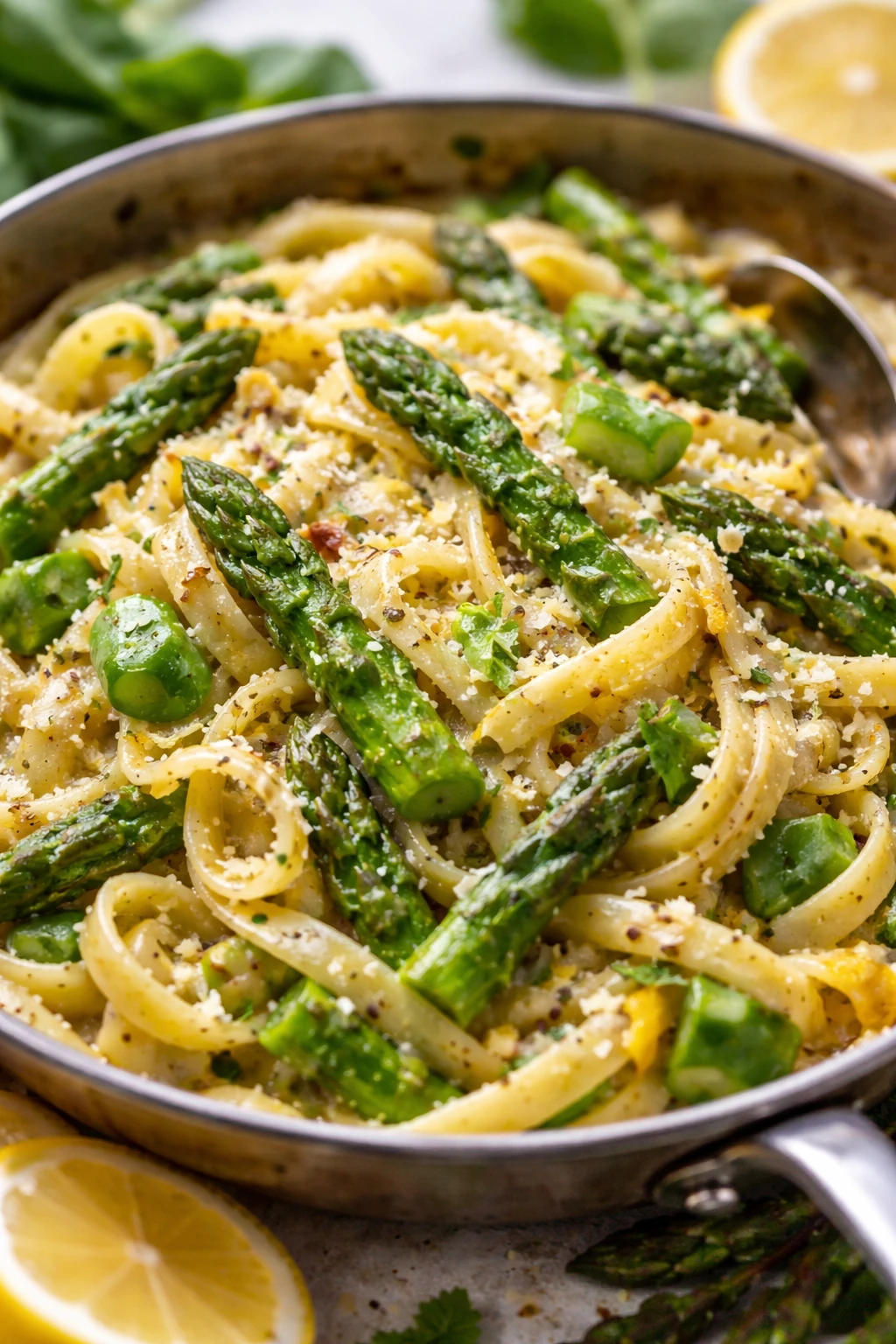
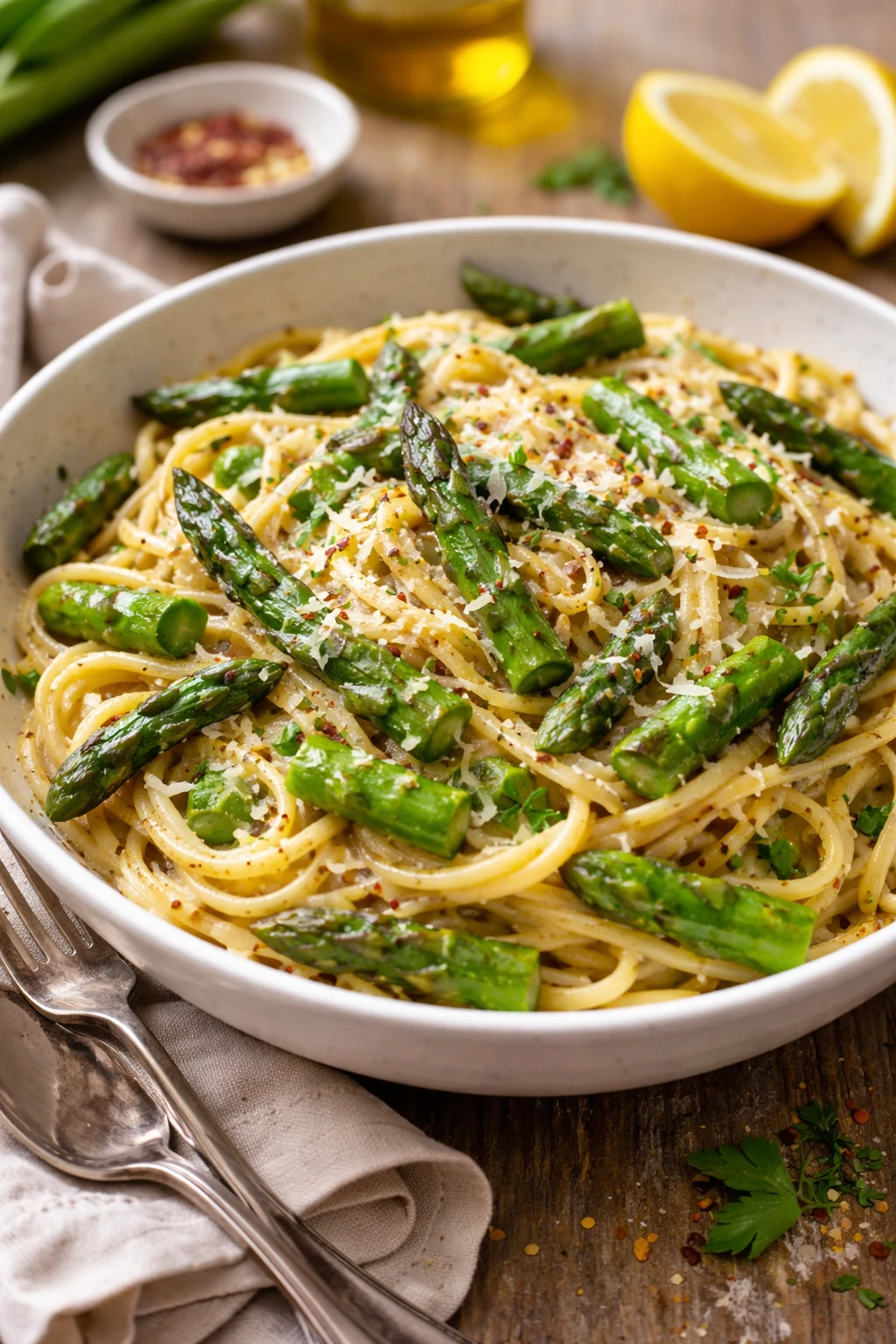
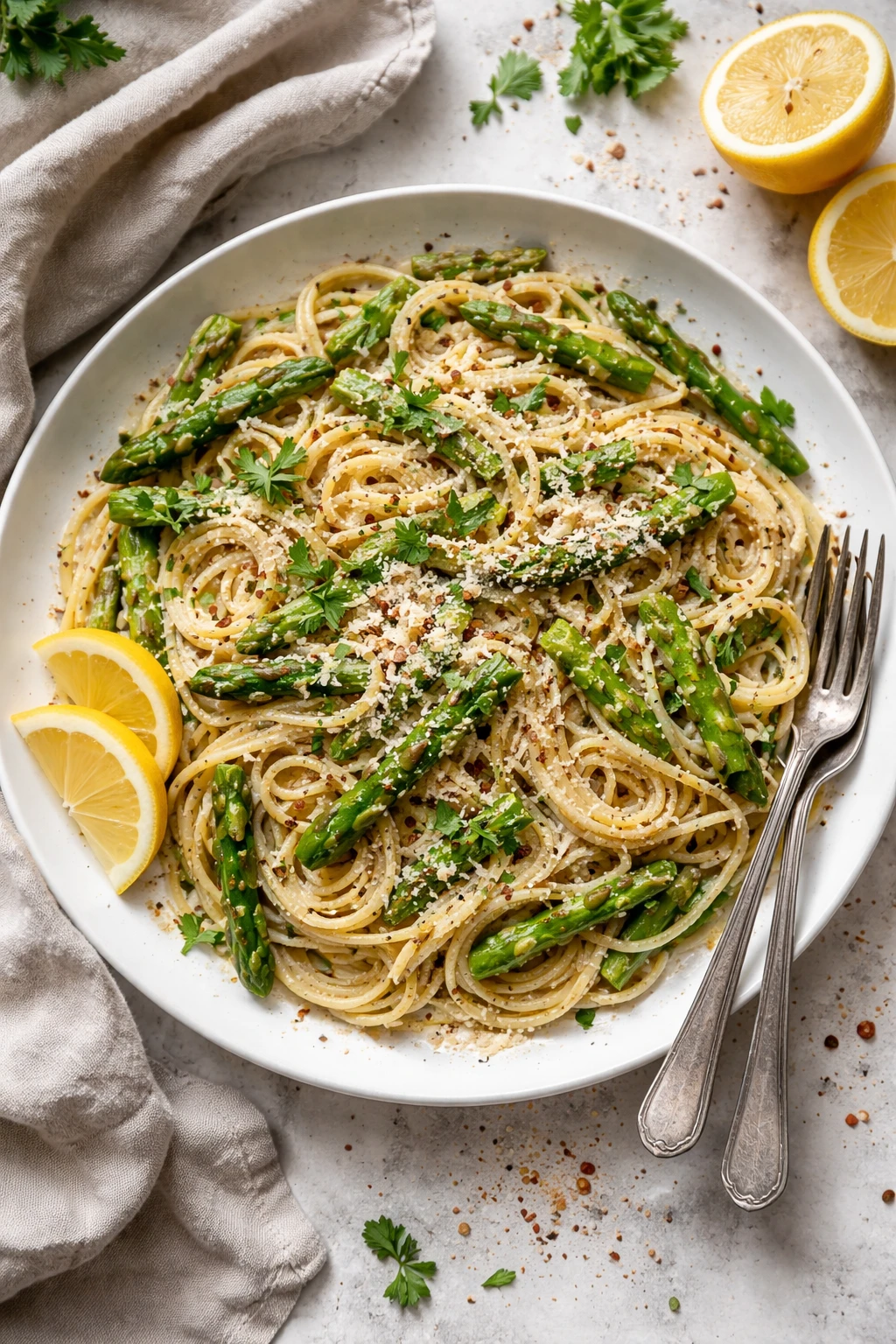
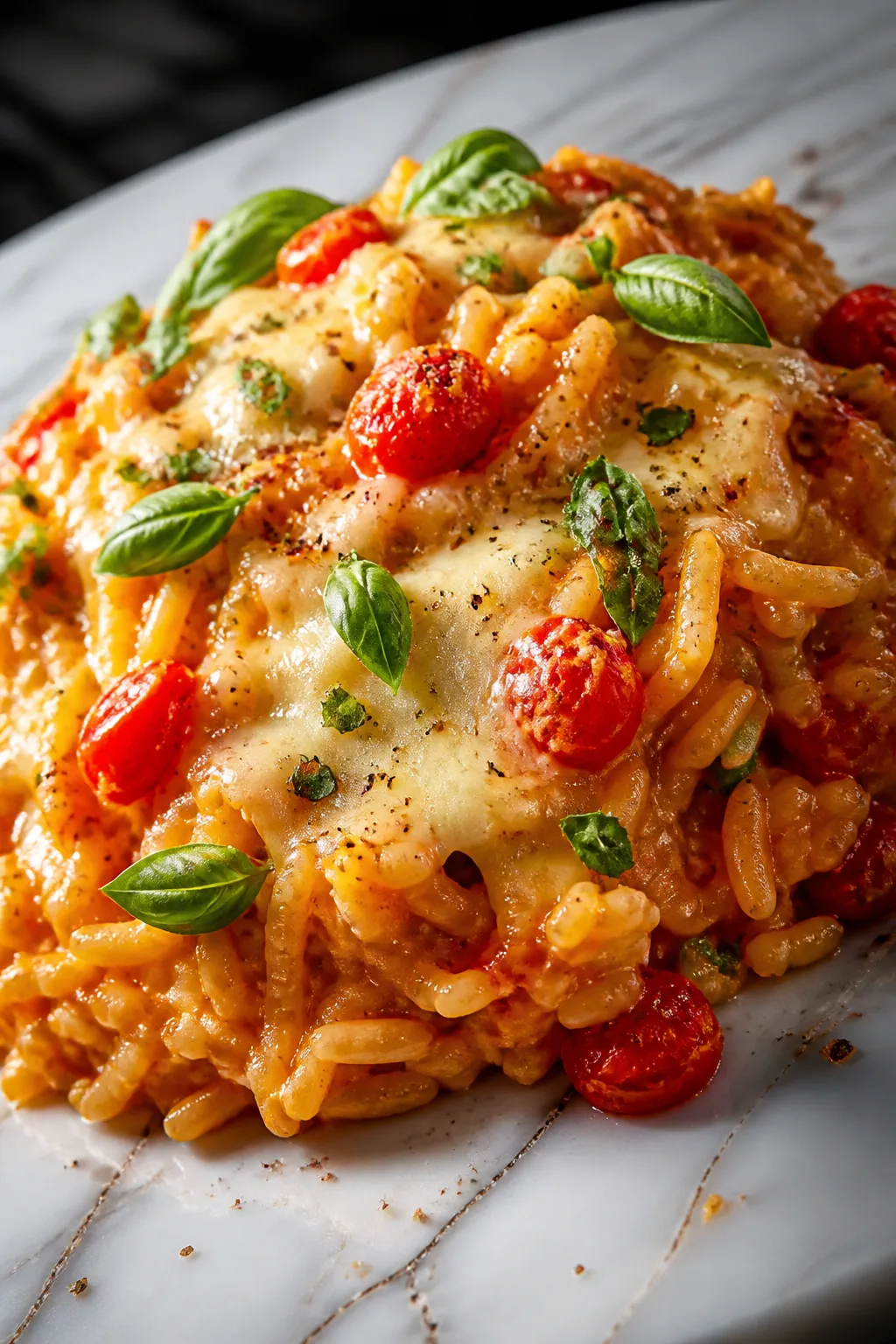
This one-pot asparagus pasta is a lifesaver for busy nights. Creamy, fresh, and with just the right crunch from asparagus, it's quick to make and cleanup is a breeze. Perfect for a cozy dinner any day!
Introduction
I first stumbled upon this one-pot asparagus pasta on a hectic weeknight when I was desperate for something quick but still satisfying. What I love most about this recipe is how it manages to be creamy and comforting without all the fuss of multiple pots and pans. The asparagus adds a lovely fresh crunch that really brightens the dish, especially during spring when it's in season. Over time, I tweaked the recipe to balance the creaminess with just the right amount of lemon juice and Parmesan, which really lifts the flavors. The trick I found was to add the asparagus partway through cooking so it stays tender-crisp rather than mushy. This pasta always turns out silky and flavorful, and cleanup is a breeze since everything cooks in one pot. It’s become a go-to meal for busy nights when I want something homey but don’t have a ton of time. Plus, it looks beautiful on the plate with those vibrant green spears peeking through. I think you’ll find it just as comforting and easy as I do!
How To Do It
Step 1
Start by heating the olive oil in a large deep skillet or pot over medium heat. Once hot, add the chopped onion and sauté for about 3-4 minutes until it becomes translucent and fragrant. This step is crucial because gently cooking the onion releases its sweetness and forms a flavorful base for the sauce. Avoid browning the onions too much as it can add bitterness and throw off the balance. Stir frequently to ensure even cooking and prevent sticking.
⏱ Time: 4
✓ Doneness: Onions should look soft, translucent, and slightly glossy with no brown edges.
Step 2
Add the minced garlic to the pot and cook for another 30 seconds to 1 minute, stirring constantly. Garlic cooks quickly and can burn easily, so keep an eye on it. You want it fragrant but not browned to avoid bitterness. This step infuses the oil with garlic aroma that will carry through the entire dish.
⏱ Time: 1
✓ Doneness: The garlic should smell aromatic and golden but not dark or burnt.
Step 3
Pour in the vegetable broth and heavy cream, stirring to combine. Then add the dried pasta, making sure it’s submerged in the liquid. This one-pot method lets the pasta cook directly in the sauce, absorbing all those flavors. It’s important to keep the heat at medium so the pasta cooks evenly without the liquid boiling over. Stir occasionally to prevent sticking at the bottom.
⏱ Time: 10
✓ Doneness: The liquid should be simmering gently with the pasta softening but still firm to the bite.
Step 4
After the pasta has cooked for about 10 minutes, add the asparagus pieces to the pot. Adding them midway ensures they stay tender-crisp instead of becoming mushy. Stir gently to distribute the asparagus evenly. The asparagus will cook quickly in the simmering liquid, so keep an eye on it.
⏱ Time: 5
✓ Doneness: Asparagus should be bright green and tender but with a slight crunch when pierced with a fork.
Step 5
Once the pasta is al dente and the asparagus is cooked, remove the pot from heat. Stir in the grated Parmesan cheese and lemon juice. The cheese melts into the sauce, making it luxuriously creamy, while the lemon juice adds a fresh zing that balances the richness. Stir thoroughly to combine and season with salt and pepper to taste.
⏱ Time: 3
✓ Doneness: The sauce should be creamy and smooth, coating the pasta evenly with a fresh, tangy aroma.
Step 6
Let the pasta sit for a minute or two off heat to thicken slightly. This resting step allows the sauce to cling better to the pasta, intensifying the flavor. If the sauce thickens too much, you can always stir in a splash of broth or water to loosen it.
⏱ Time: 2
✓ Doneness: The sauce should be glossy and cling to each pasta piece without pooling excessively in the pot.
Step 7
Taste and adjust seasoning if needed. Sometimes the Parmesan and lemon juice can vary in saltiness and acidity, so a quick taste test ensures the balance is just right. Add more pepper or a pinch of salt if it feels flat.
⏱ Time: 1
✓ Doneness: Flavors should be balanced with a creamy richness, bright acidity, and a hint of savory saltiness.
Step 8
Serve immediately, garnished with fresh basil or parsley if desired. The herbs add a fresh, aromatic note that complements the creamy pasta beautifully. Plus, the green color makes the dish look even more inviting.
⏱ Time: 1
✓ Doneness: Dish should look vibrant with green asparagus and herbs contrasting the creamy sauce.
Step 9
Enjoy your meal with a simple side salad or crusty bread. This pasta is best eaten fresh but can be reheated gently if needed. Just be sure to stir in a little liquid when reheating to keep it creamy.
⏱ Time: 1
✓ Doneness: Pasta should be warm and creamy, with asparagus retaining its crunch.
Pro Tips
Don’t rush the onion sauté; cook until translucent, not browned.
Sautéing onions slowly releases their natural sweetness and forms a flavorful base. Browning too much can introduce bitterness, which would clash with the creamy sauce.
Add asparagus halfway through cooking to keep it crisp-tender.
Asparagus cooks quickly, and adding it too early results in mushy texture. Timing its addition preserves a pleasant crunch and vibrant green color.
Stir the pasta frequently while cooking to prevent sticking.
Since pasta cooks in a smaller amount of liquid than usual, stirring prevents it from clumping and ensures even cooking.
Use freshly grated Parmesan cheese for a smooth sauce.
Pre-grated cheese contains additives that prevent smooth melting. Freshly grated cheese melts better, creating a creamy, silky texture.
Add lemon juice off the heat to keep its fresh flavor bright.
Heating lemon juice too long dulls its acidity and brightness. Adding it at the end balances the richness without losing its zing.
Keep the heat at a gentle simmer to avoid boiling over.
Too high heat causes the liquid to evaporate quickly or spill over, disrupting cooking. A controlled simmer ensures pasta cooks evenly.
Rest the pasta off heat for a couple minutes before serving.
Letting the pasta rest thickens the sauce slightly and allows flavors to meld, resulting in a richer dish.
Common Mistakes to Avoid
Adding asparagus too early
Why it happens It’s easy to toss all ingredients in at once for simplicity, but asparagus cooks faster than pasta.
Fix Add asparagus about halfway through the pasta cooking time to keep it crisp and prevent it from becoming mushy.
Using low-fat cream or milk instead of heavy cream
Why it happens Trying to lighten the dish or not having heavy cream on hand leads to substitutions.
Fix Use heavy cream with at least 36% fat for proper richness and sauce stability. Lower-fat options won’t thicken or enrich the sauce properly.
Not stirring enough during cooking
Why it happens Some assume pasta won’t stick if there’s enough liquid, but it can clump without stirring.
Fix Stir frequently to prevent pasta from sticking to the pot and ensure even cooking.
Overcooking the pasta
Why it happens Cooking pasta in one pot with sauce can cause confusion about timing.
Fix Check pasta a minute or two before package instructions to keep it al dente; it will continue softening slightly off heat.
Adding Parmesan cheese while the pot is still on high heat
Why it happens Rushing to finish the dish leads to adding cheese too early, causing clumping.
Fix Remove the pot from heat before stirring in Parmesan to ensure it melts smoothly into the sauce.
Variations
Add Grilled Chicken
For a heartier meal, toss in grilled chicken strips. Marinate chicken in lemon and herbs before grilling for extra flavor. This adds protein and makes it a complete dinner.
Note: Grill chicken separately and add after pasta is cooked to maintain moisture and texture.
Swap Cream for Coconut Milk
Make this pasta dairy-free by substituting heavy cream with full-fat coconut milk. It adds a subtle sweetness and keeps the sauce creamy without dairy.
Note: Use unsweetened coconut milk and reduce lemon slightly to balance flavors.
Add Sun-Dried Tomatoes
For a tangy twist, stir in chopped sun-dried tomatoes. They bring a chewy texture and burst of umami that pairs well with asparagus and cream.
Note: Add sun-dried tomatoes with the onions to soften and release flavor.
Use Whole Wheat Pasta
Make it a bit healthier by using whole wheat pasta. It adds nuttiness and more fiber but may require a slightly longer cooking time.
Note: Increase cooking liquid slightly and check pasta for doneness a bit later.
Spicy Kick with Red Pepper Flakes
If you like heat, sprinkle in some red pepper flakes when sautéing the garlic. It adds a subtle spicy warmth that complements the creamy sauce.
Note: Start with a small amount and adjust to taste to avoid overpowering the dish.
Nutrition
Per Serving:
Nutritional values are estimates and may vary based on specific ingredients used.
Storage & Tips
Room Temperature
This pasta can safely sit out for up to 2 hours covered loosely to avoid contamination. Beyond that, bacteria growth increases, so refrigerate promptly.
Refrigerator
Store leftovers in an airtight container for up to 3 days. The sauce may thicken and asparagus soften. Reheat gently and add a splash of broth or cream to restore creaminess.
Freezer
Freeze the pasta in a freezer-safe container for up to 2 months. Wrap tightly to prevent freezer burn. Thaw overnight in the fridge before reheating gently.
Reheating
Reheat on the stovetop over low heat with a splash of broth or cream, stirring frequently. Avoid microwave reheating at high power to prevent sauce separation.
Make Ahead
You can prepare the sauce and cook the pasta separately a day ahead. Store them refrigerated and combine just before serving, reheating gently to maintain texture.
FAQ
Can I use frozen asparagus for this recipe?
Yes, you can use frozen asparagus, but be sure to thaw and drain it well to avoid excess water diluting the sauce. Add it later in the cooking process to prevent it from becoming mushy.
What pasta shapes work best for one-pot cooking?
Medium-sized shapes like penne, fusilli, or rigatoni work best because they cook evenly and hold the sauce well. Avoid very thin pastas like angel hair as they overcook quickly.
How do I prevent the sauce from separating?
Avoid boiling the cream at high heat. Keep the temperature moderate and add cheese off the heat. Stir gently to emulsify the sauce and prevent curdling.
Can I make this recipe vegan?
You can substitute heavy cream with coconut milk and use a vegan Parmesan alternative or nutritional yeast to mimic the cheesy flavor. The texture will be slightly different but still tasty.
Is it okay to use pre-grated Parmesan cheese?
Pre-grated cheese often contains additives that prevent smooth melting, which can cause clumping. Freshly grated Parmesan is best for a creamy, smooth sauce.
How do I store leftovers without the pasta getting mushy?
Store leftovers in an airtight container and reheat gently with a splash of broth. Avoid overcooking during reheating to keep the pasta texture intact.
Can I add other vegetables to this dish?
Absolutely! Peas, spinach, or mushrooms work well. Add them according to their cooking times to keep textures balanced.
What do I do if the sauce is too thick after cooking?
Stir in a little more broth or cream to loosen it up. The starch from the pasta thickens the sauce, so adjusting liquid after cooking is common.
Final Thoughts
I hope you give this creamy one-pot asparagus pasta a try soon—it’s become a family favorite around here! Let me know how yours turns out and what variations you love.