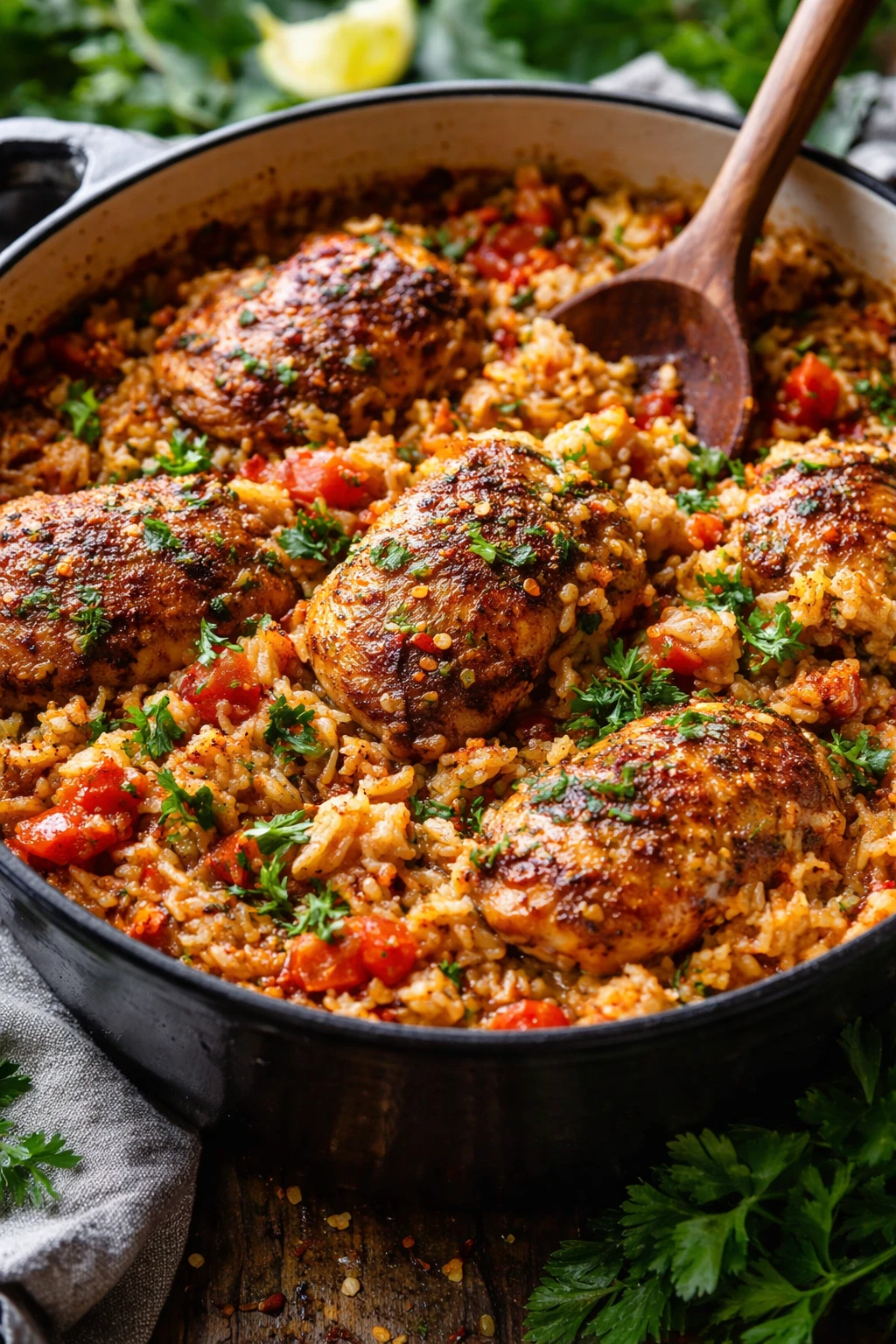
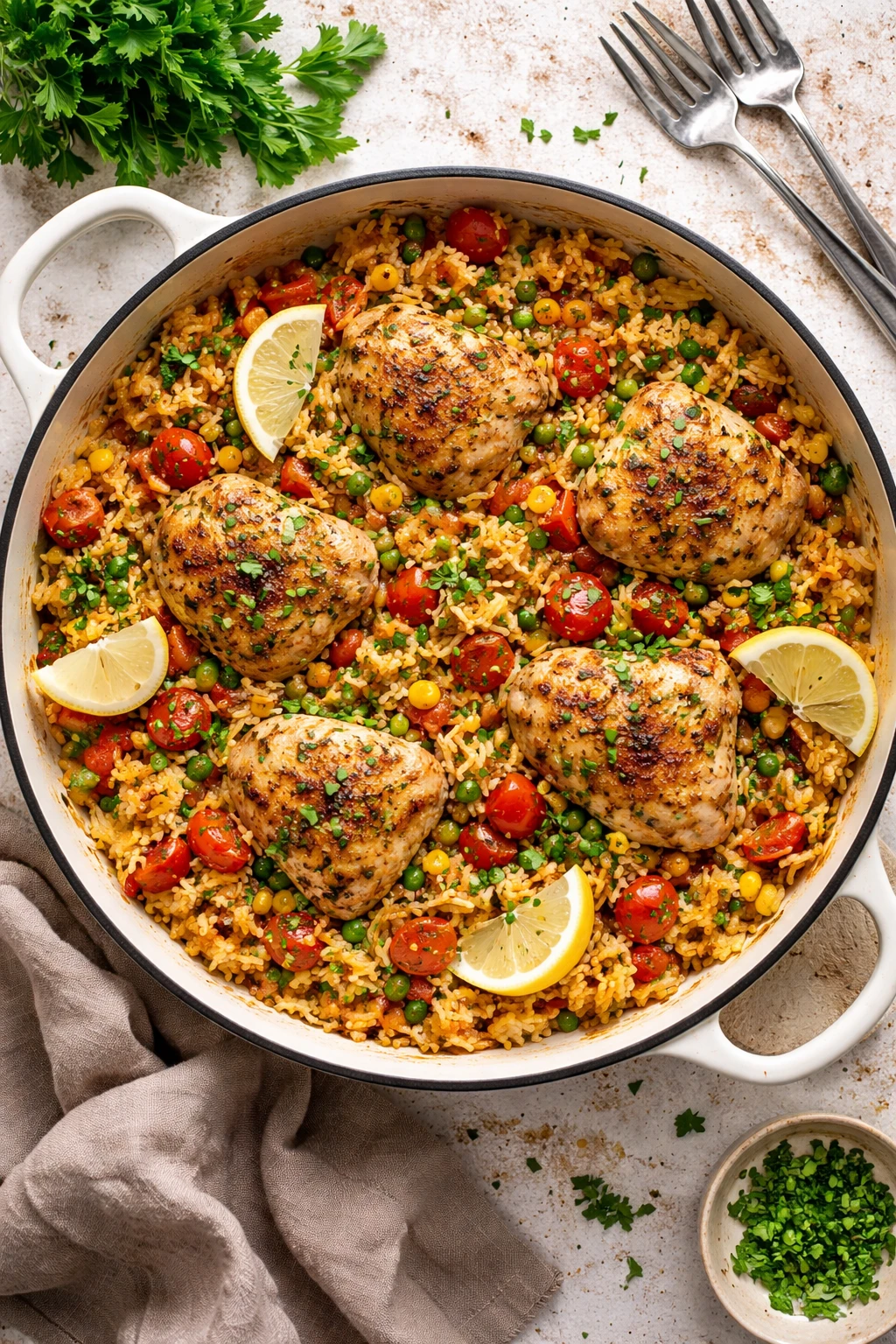
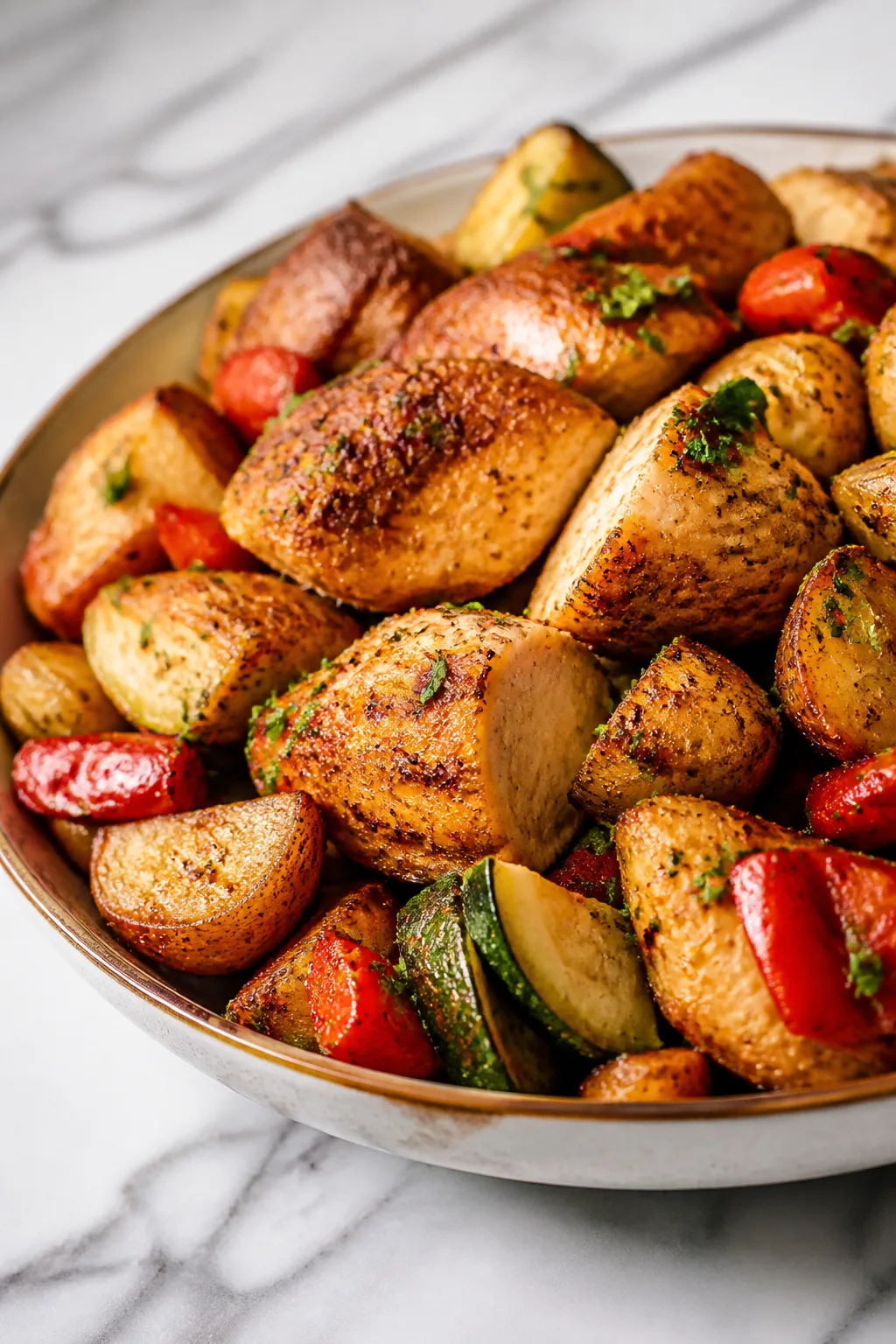
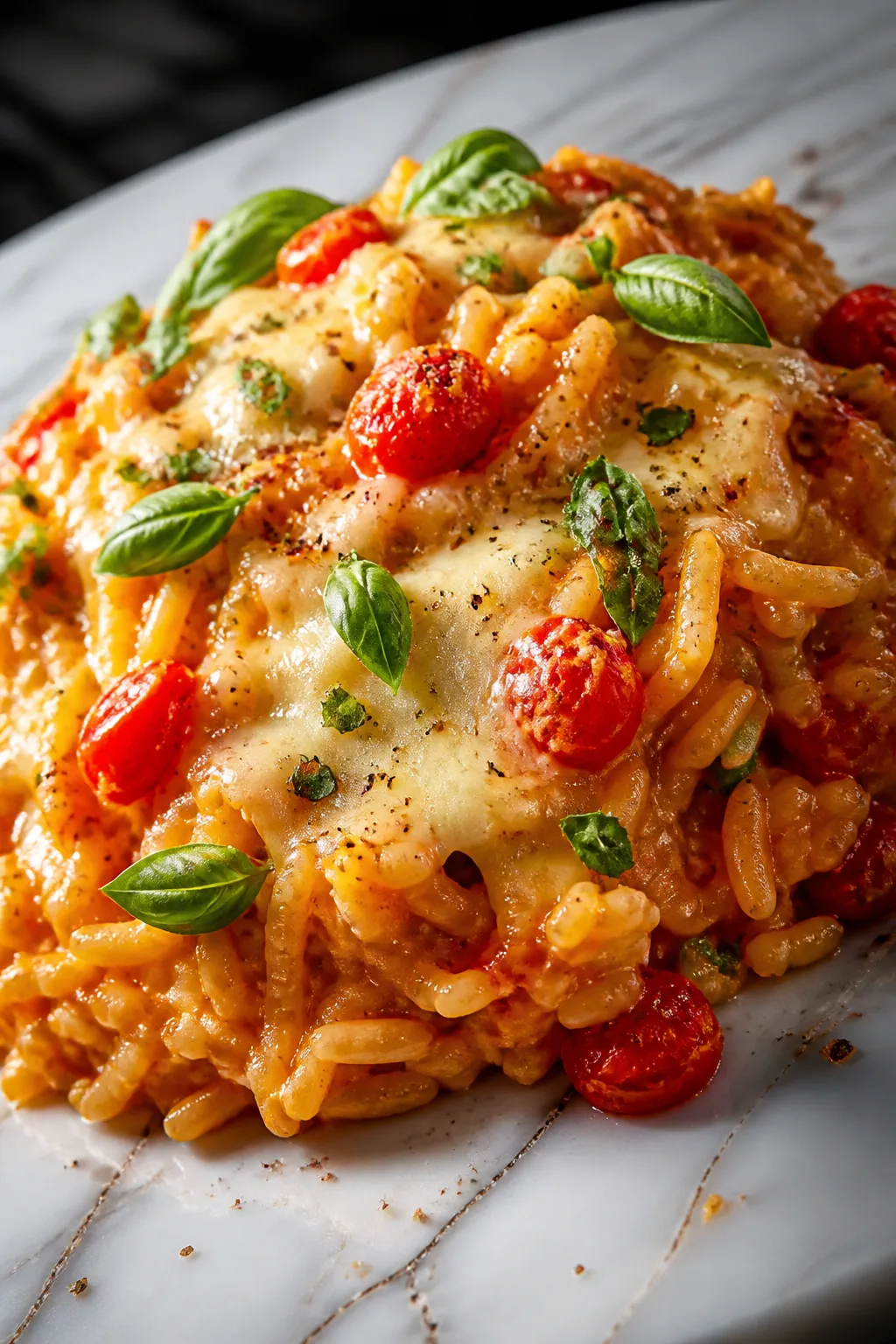
This one-pot chicken and rice dish is comfort food made easy. The secret spice blend gives it a warm, cozy flavor, perfect for busy evenings when you want something filling but fuss-free.
Introduction
I stumbled on this one-pot chicken and rice recipe during a hectic week when I needed something quick but satisfying. After a few tries tweaking the spice mix, I found the perfect balance that brings out deep warmth without overpowering. What sets this apart from other one-pot meals is the layering of spices and the way the rice absorbs all those flavors as it cooks with the chicken. I love how everything comes together in one pan — less mess means more time to relax! The trick I learned is to toast the spices briefly in oil before adding the broth; it really wakes up their aromas and adds depth. When it’s done, the chicken is tender, the rice fluffy, and the whole dish has this cozy, homey feel that’s perfect for weeknight dinners or casual weekend meals. It’s become a staple in my kitchen because it’s so easy yet comforting, and my family always asks for seconds.
How To Do It
Step 1
Heat the olive oil in a large, heavy-bottomed pot over medium heat. Add the chopped onion and cook, stirring occasionally, until soft and translucent, about 5-7 minutes. This step is crucial to build a flavor base; the onions release natural sweetness that balances the spices. Avoid browning too much as it can make the dish bitter. Once softened, add the minced garlic and cook for another minute until fragrant, but don’t let it burn — garlic burns quickly and turns bitter.
⏱ Time: 8
✓ Doneness: Onions should be translucent and soft, garlic aromatic but not browned
Step 2
Add the chicken pieces to the pot and season with salt and pepper. Sauté until the chicken starts to brown on all sides, about 5-6 minutes. Browning the chicken adds texture and deepens flavor through the Maillard reaction, which is key for a rich-tasting dish. Don’t overcrowd the pot or stir too frequently; let the chicken sit for a bit to get a nice color. If you skip this, the chicken will be pale and less flavorful.
⏱ Time: 6
✓ Doneness: Chicken pieces have golden-brown edges and are partially cooked
Step 3
Sprinkle in the cumin, smoked paprika, cinnamon, turmeric, and cayenne pepper. Stir well to coat the chicken and onions with the spices. Toasting the spices briefly in the hot oil releases their essential oils and intensifies their flavors. Stir constantly for about 1-2 minutes to avoid burning the spices, which can turn the dish bitter. This step transforms the dish from bland to aromatic and vibrant.
⏱ Time: 2
✓ Doneness: Spices smell fragrant and the mixture looks evenly coated
Step 4
Pour in the chicken broth and bring the mixture to a gentle boil. Scrape the bottom of the pot with a wooden spoon to loosen any browned bits — these add extra flavor. The broth is the cooking liquid for the rice, so it needs to be hot to start the cooking process properly and prevent the rice from sticking. Boiling also helps meld all the flavors before adding the rice.
⏱ Time: 3
✓ Doneness: Broth is boiling gently and bottom of pot is deglazed
Step 5
Add the rice to the pot and stir to combine everything evenly. Reduce heat to low, cover with a tight-fitting lid, and let it simmer gently. Cooking rice slowly in the broth lets it absorb all the spices and chicken juices, resulting in a tender, flavorful grain. Avoid lifting the lid during cooking as it lets steam escape, which can cause uneven cooking and mushy rice.
⏱ Time: 18
✓ Doneness: Rice is tender and liquid is fully absorbed
Step 6
About 5 minutes before the rice finishes cooking, stir in the thawed peas. Cover again and let them warm through. Adding peas late keeps them vibrant and slightly crisp, adding a fresh pop of color and texture contrast. Overcooking them would make them mushy and dull the dish’s appearance.
⏱ Time: 5
✓ Doneness: Peas are heated through and still bright green
Step 7
Turn off the heat and let the pot sit, covered, for 5 minutes. This resting period allows the rice to steam gently and finish cooking evenly, ensuring a fluffy texture. It also lets the flavors settle and meld beautifully. Skipping this step can lead to unevenly cooked rice or a wet, sticky texture.
⏱ Time: 5
✓ Doneness: Rice grains are separate and fluffy, not sticky or wet
Step 8
Fluff the rice gently with a fork to separate the grains and mix in the chicken and peas uniformly. This prevents the rice from clumping and distributes heat and flavor evenly throughout the dish. Avoid stirring vigorously which can break the grains and create a mushy texture.
⏱ Time: 2
✓ Doneness: Rice is light and fluffy with evenly mixed ingredients
Step 9
Garnish with chopped fresh cilantro or parsley just before serving. The fresh herbs add a bright, herbal note that contrasts nicely with the warm spices and rich chicken. It also adds a fresh pop of color that makes the dish more inviting. If you don’t have fresh herbs, a squeeze of lemon juice can add a similar brightness.
⏱ Time: 1
✓ Doneness: Dish looks vibrant with fresh green garnish
Pro Tips
Toast the spices in oil before adding broth.
Toasting spices in hot oil releases their essential oils, boosting aroma and depth of flavor. If you skip this, the spices can taste flat or powdery, and the dish loses complexity.
Don’t lift the lid while the rice cooks.
Lifting the lid releases steam and heat, which disrupts the cooking process and can cause unevenly cooked or mushy rice. Keeping the lid on traps steam, ensuring fluffy grains.
Use chicken thighs instead of breasts.
Thighs have more fat and connective tissue, making them more forgiving and juicy during longer cooking. Breasts dry out easily if overcooked, resulting in a less tender dish.
Let the dish rest covered after cooking.
Resting lets the rice finish steaming gently, producing a better texture. Cutting this step short can leave rice undercooked or clumpy.
Add peas last to keep them vibrant.
Peas added too early become mushy and lose their bright green color. Adding them near the end preserves texture and visual appeal.
Use a heavy-bottomed pot for even heat.
Heavy pots distribute heat evenly and prevent hot spots that can burn the rice or chicken, ensuring consistent cooking.
Season the chicken before browning.
Seasoning early helps build flavor during browning. If you wait until after cooking, the seasoning won’t penetrate as well.
Common Mistakes to Avoid
Skipping the browning step.
Why it happens Some cooks want to save time and skip browning, thinking it’s unnecessary when cooking everything in one pot.
Fix Always brown the chicken and onions first to develop deeper flavor through Maillard reactions. This step takes only a few minutes but dramatically improves taste.
Cooking rice on too high heat.
Why it happens Rushing the cooking process by using high heat is tempting but causes uneven cooking and burnt bottom layers.
Fix Use low heat after adding rice and broth, and keep the lid tightly closed to allow gentle, even cooking.
Not toasting the spices.
Why it happens Some skip this step thinking it’s optional or time-consuming.
Fix Toast spices briefly in oil to activate their flavors. It only takes 1-2 minutes and makes a big difference.
Stirring the rice during cooking.
Why it happens People often stir to check doneness or prevent sticking.
Fix Avoid stirring once the rice is simmering as this breaks grains and causes mushiness. Just let it cook undisturbed.
Adding peas too early.
Why it happens Sometimes peas are added with the rice to simplify steps.
Fix Add peas in the last 5 minutes to keep them bright and slightly crisp.
Variations
Spicy One-Pot Chicken and Rice
Add extra cayenne pepper or a chopped jalapeño when toasting the spices to give the dish a noticeable but balanced heat. You can also top with hot sauce before serving for more kick.
Note: Spicy ingredients can intensify quickly, so adjust gradually and taste as you go to avoid overpowering the dish.
Vegetarian One-Pot Rice with Chickpeas
Swap chicken for canned chickpeas and use vegetable broth. Add mushrooms or diced carrots for extra texture. The spices still shine, making it hearty and satisfying without meat.
Note: Cooking times may vary slightly as chickpeas don’t need browning; just sauté onions and spices before adding broth and rice.
Coconut Milk Chicken Rice
Replace half the chicken broth with coconut milk for a creamy, slightly sweet twist. This pairs beautifully with the warm spices and adds richness to the dish.
Note: Coconut milk can thicken the cooking liquid; watch the rice near the end and add more broth if needed to prevent sticking.
Lemon Herb One-Pot Chicken and Rice
Add zest and juice of one lemon along with fresh chopped rosemary or thyme at the end. This brightens the dish and adds a fresh herbal aroma that complements the spices.
Note: Add lemon juice after cooking to preserve brightness; herbs can be stirred in during the resting phase.
One-Pot Chicken and Wild Rice
For a nuttier texture, substitute wild rice blend for white rice. Increase cooking liquid and time according to package instructions to ensure the rice cooks through.
Note: Wild rice takes longer to cook and absorbs more liquid, so adjust broth and simmer time accordingly.
Nutrition
Per Serving:
Nutritional values are estimates and may vary based on specific ingredients used.
Storage & Tips
Room Temperature
This dish can safely sit out covered at room temperature for up to 2 hours. Beyond that, bacteria growth increases. For best quality, cover the pot or transfer leftovers to a covered container to avoid drying out.
Refrigerator
Store leftovers in an airtight container for up to 4 days. The rice may firm up when cold; reheat gently with a splash of broth or water to restore moisture. Flavors often deepen after resting overnight.
Freezer
Freeze in airtight containers for up to 3 months. To prevent freezer burn, press plastic wrap directly onto the surface before sealing. Thaw overnight in the fridge before reheating to preserve texture.
Reheating
Reheat on the stovetop over low heat, stirring occasionally and adding a bit of broth or water to loosen the rice. Alternatively, microwave covered in short bursts, stirring between. Avoid reheating at too high heat to prevent drying out.
Make Ahead
You can prep the chicken, chop onions, and measure spices 1-2 days ahead. The dish is best cooked fresh, but you can also fully cook and refrigerate, then reheat gently when ready to serve.
FAQ
Can I use chicken breasts instead of thighs?
Yes, but chicken breasts cook faster and can dry out if overcooked. Add them later in the cooking process and watch carefully to keep them tender. Thighs are more forgiving and stay juicy longer.
What if I don’t have all the spices listed?
You can simplify the spice mix by using just cumin and smoked paprika as a base. While the cinnamon and turmeric add depth, the core flavors will still be good. Avoid skipping cumin as it’s key for earthiness.
Can I make this gluten-free?
Absolutely! This recipe is naturally gluten-free if you use gluten-free chicken broth. Always check labels to ensure no hidden gluten in broth or spices.
How do I prevent the rice from sticking to the pot?
Use a heavy-bottomed pot and stir the rice once when adding it to coat evenly. Keep heat low during simmering and don't stir while cooking. Also, deglaze the pot before adding broth to loosen any stuck bits.
Can I double this recipe?
Yes, but use a larger pot to allow even heat distribution. Cooking time might increase slightly. Avoid overcrowding which can cause uneven cooking or steaming rather than browning.
What can I substitute for chicken broth?
Vegetable broth or water can be used, but broth adds significant flavor. If using water, consider adding a bouillon cube or extra seasoning to compensate.
Is it okay to add other vegetables?
Definitely! Diced carrots, bell peppers, or mushrooms work well. Add sturdier veggies with the onions, and softer ones like spinach near the end to avoid overcooking.
Can I use brown rice instead of white rice?
Brown rice requires longer cooking time and more liquid. Adjust broth quantity and simmer time accordingly, or cook brown rice separately and mix in at the end.
Final Thoughts
I hope you give this cozy one-pot chicken and rice a try—it’s become such a comforting favorite in my home. Let me know how yours turns out!