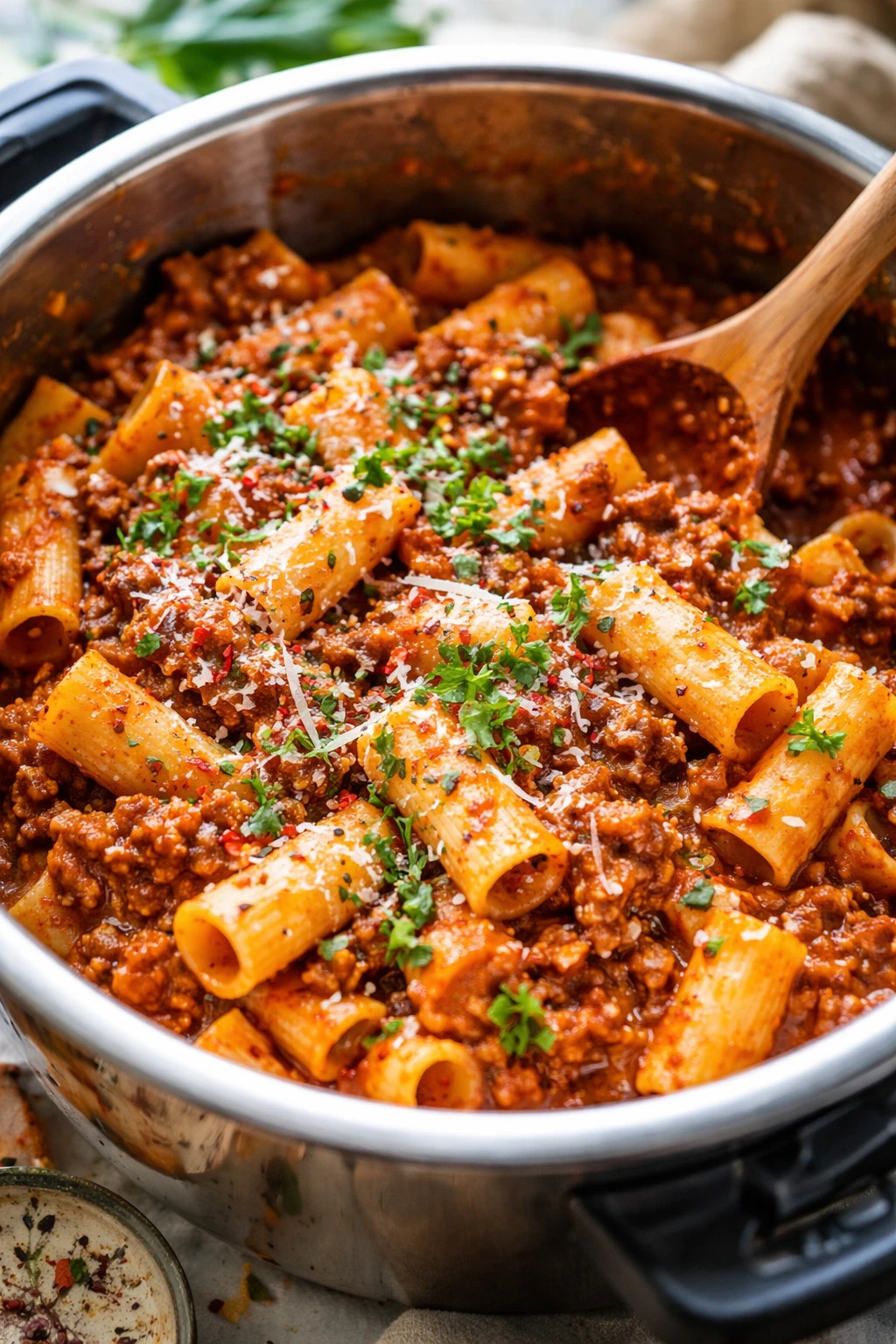
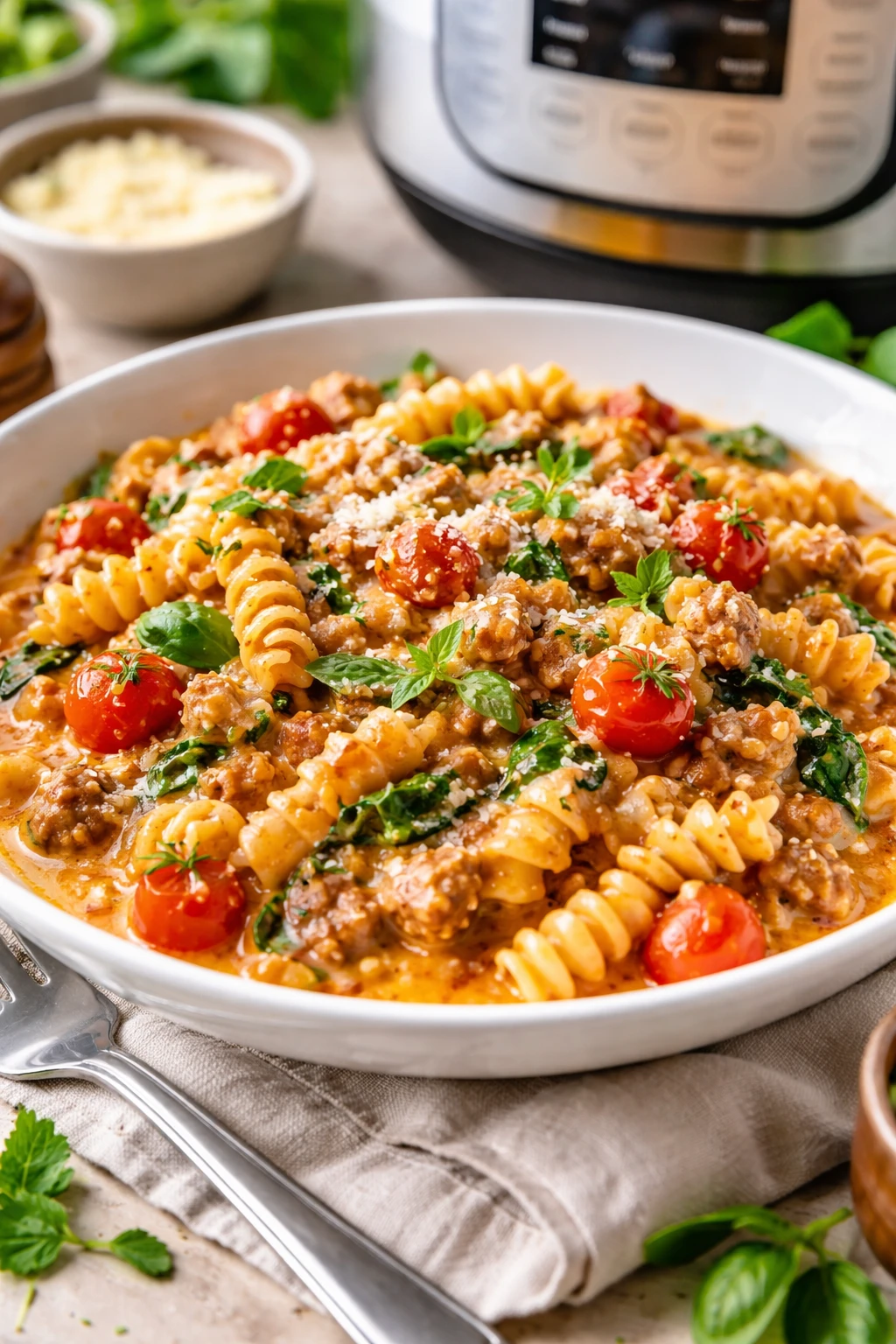
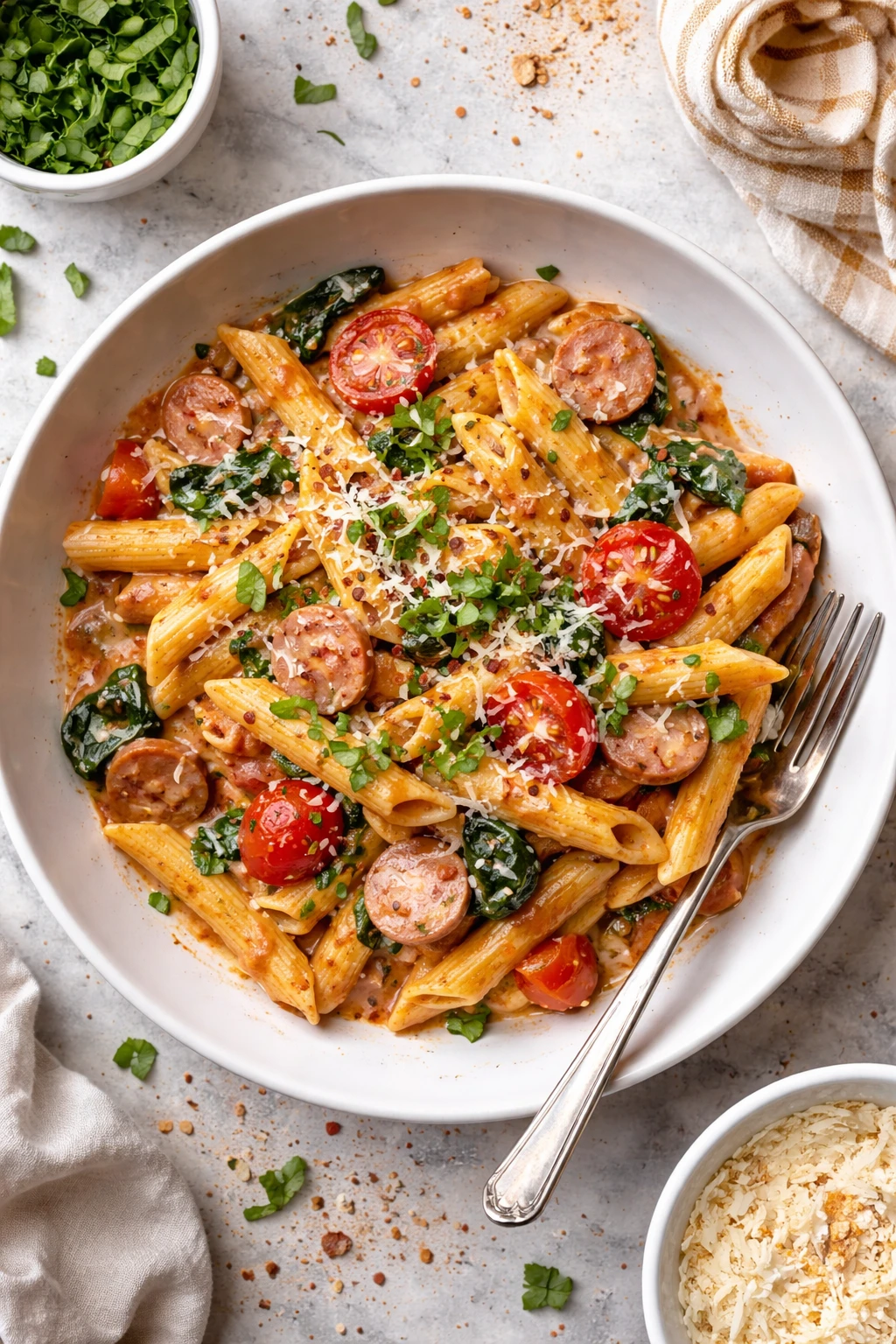
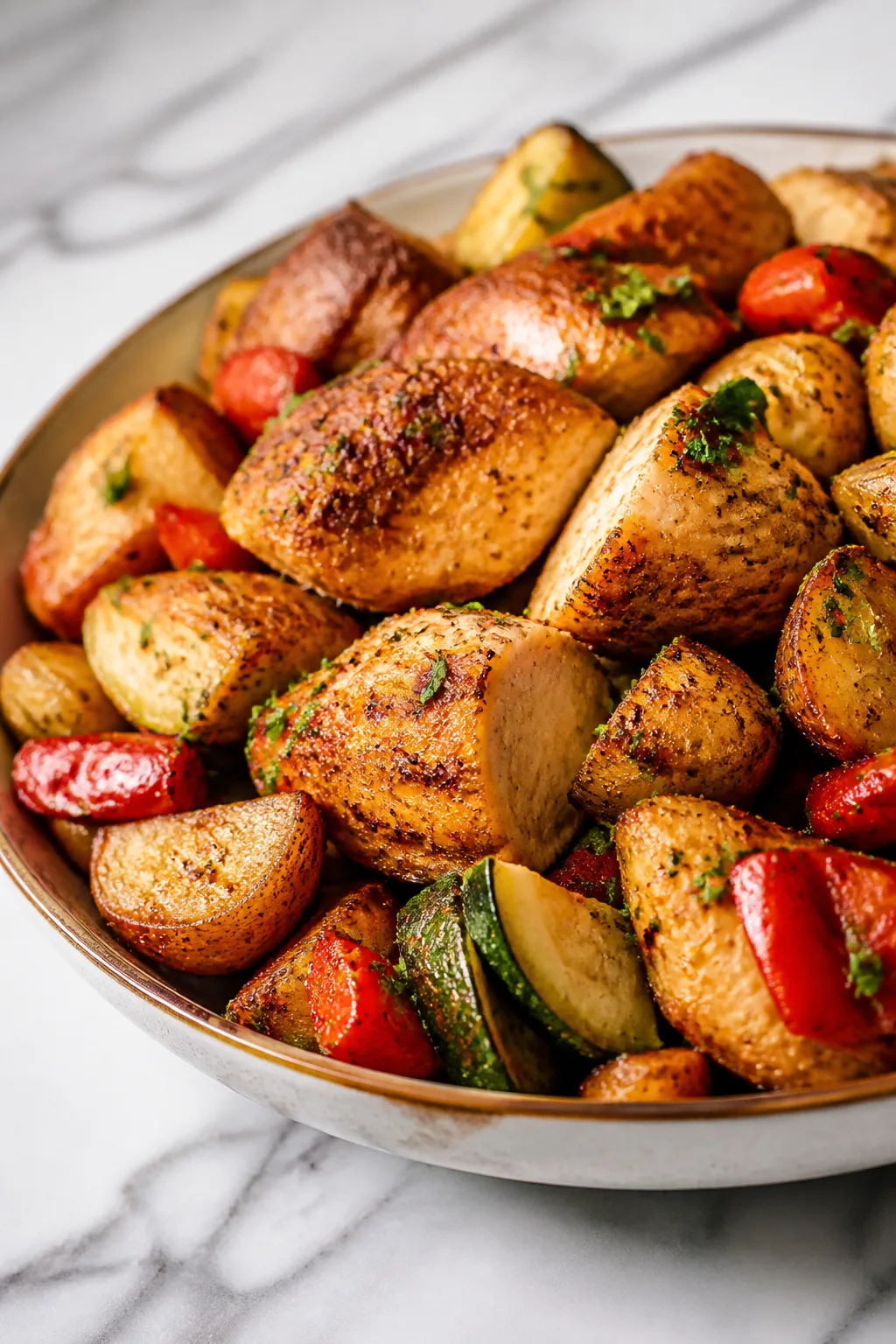
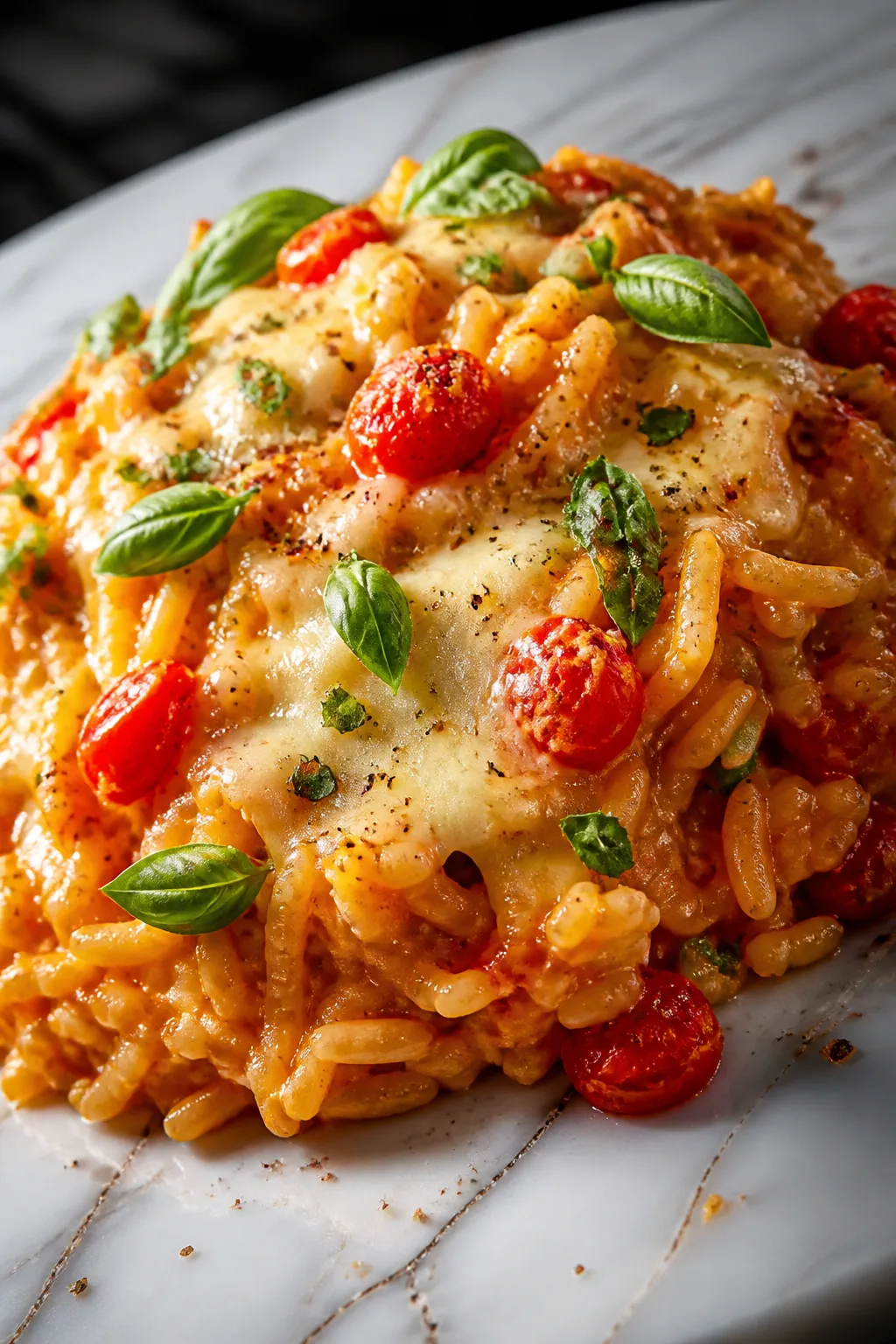
This one-pot Instant Pot pasta is a total game changer when you want a creamy, flavorful dinner without the usual cleanup. The pressure cooker locks in all those rich flavors and cooks everything perfectly in one go. Ideal for busy weeknights or those lazy weekends when you just want something comforting and easy.
Introduction
I first stumbled upon this one-pot Instant Pot pasta recipe during a particularly hectic week when I desperately needed something quick, tasty, and low fuss. I remember trying a few Instant Pot pasta recipes that left the noodles mushy or the sauce too thin. After some trial and error, I found the perfect balance of liquid and timing that cooks the pasta just right and creates a creamy sauce without needing extra steps.
What makes this version stand out is the layering of flavors right from the start — sautéing garlic and onion in olive oil before adding the pasta and broth really builds depth. Plus, stirring in Parmesan at the end gives it that luscious, rich finish that feels indulgent but is surprisingly simple. I love that this recipe only uses one pot, which means less cleanup and more time to relax.
The finished dish is creamy and comforting, with tender pasta that soaks up the garlicky, cheesy sauce perfectly. It’s become my go-to for busy weeknights or lazy weekends when I want a warm, satisfying meal without any stress. The occasional kick from red pepper flakes adds a nice touch if you want a little heat. Honestly, once you try this, you’ll wonder why you ever made pasta any other way!
How To Do It
Step 1
Start by setting your Instant Pot to the sauté mode. Add the olive oil and let it heat up until shimmering but not smoking. Toss in the minced garlic and chopped onion, stirring frequently. This step is crucial because sautéing these aromatics releases their flavors, creating a rich base for the sauce. Avoid browning them too much; you want them translucent and fragrant, which usually takes about 3-4 minutes. Watch closely so the garlic doesn’t burn, as that would add bitterness to the dish.
⏱ Time: 4 minutes
✓ Doneness: Onions are translucent and soft, garlic is fragrant but not browned
Step 2
Next, add the dry penne pasta to the pot, followed by the dried Italian seasoning and red pepper flakes if using. Pour in the chicken broth, making sure the pasta is mostly submerged but not stirred in. This layering helps prevent the pasta from sticking together. Do not stir after adding the liquid because the pasta needs to cook evenly without breaking down. The liquid will absorb during pressure cooking, so getting this right is key to the perfect texture.
⏱ Time: 2 minutes
✓ Doneness: Pasta is mostly submerged in broth, no clumps visible
Step 3
Seal the Instant Pot lid and set it to cook on high pressure for 5 minutes. The pressure cooking allows the pasta to cook quickly and evenly while infusing it with the broth’s flavor. It’s important not to overcook here — 5 minutes is ideal for al dente penne. If you cook it longer, the pasta might become mushy. Once the timer goes off, let the pressure release naturally for 5 minutes before doing a quick release to avoid splattering.
⏱ Time: 10 minutes (5 cooking, 5 natural release)
✓ Doneness: Pressure is fully released, pasta is tender but firm to bite
Step 4
Open the lid carefully and switch the Instant Pot back to sauté mode on low. Stir in the heavy cream and grated Parmesan cheese slowly, mixing well until the sauce thickens and becomes creamy. The residual heat and sauté mode help the cheese melt smoothly without clumping. This step is what transforms the dish from simple pasta to a rich, luscious meal. Taste and adjust salt and pepper as needed — the Parmesan adds saltiness, so be cautious.
⏱ Time: 5 minutes
✓ Doneness: Sauce is thick, creamy, and coats the pasta evenly
Step 5
Turn off the Instant Pot and let the pasta sit for a couple of minutes to thicken slightly. This resting time lets the sauce set and the flavors meld together beautifully. Avoid skipping this step because serving immediately might make the sauce seem a bit thin. After resting, give the pasta a gentle stir and garnish with fresh basil leaves for a pop of color and freshness.
⏱ Time: 3 minutes
✓ Doneness: Sauce clings nicely to pasta, fresh aroma from basil
Step 6
Serve your creamy Instant Pot pasta hot, ideally with a simple side salad or crusty bread to soak up the sauce. Portion it out evenly to keep the creamy texture intact. This pasta pairs wonderfully with a glass of chilled white wine or sparkling water with lemon for a refreshing balance.
⏱ Time: Immediate
✓ Doneness: Dish is hot and creamy, ready to enjoy
Step 7
If you want to add protein, cooked chicken or sautéed mushrooms can be stirred in after pressure cooking during the sauce step. Adding these ingredients at this point ensures they stay tender and absorb the creamy sauce without overcooking. For veggies, spinach or cherry tomatoes tossed in just before serving add freshness and color.
⏱ Time: 3-5 minutes
✓ Doneness: Added ingredients are heated through but maintain texture
Step 8
Clean your Instant Pot promptly after cooking. Let it cool slightly, then soak the inner pot if needed to loosen any cheese residue. Using warm soapy water and a soft sponge will keep it in good condition and ready for your next quick meal adventure.
⏱ Time: 5-10 minutes
✓ Doneness: Pot is clean and free of stuck-on food
Step 9
For leftovers, cool the pasta completely before transferring to an airtight container. When reheating, add a splash of broth or cream to refresh the sauce and stir gently over low heat or microwave with short intervals to avoid drying out. This keeps the dish creamy and delicious even the next day.
⏱ Time: 5 minutes
✓ Doneness: Reheated pasta is hot and creamy, not dried out
Pro Tips
Don’t stir the pasta after adding the broth.
Stirring can cause the pasta to stick to the bottom of the pot, leading to uneven cooking or burning. Letting the pasta rest submerged without stirring allows it to cook more evenly under pressure.
Use natural pressure release for at least 5 minutes before quick releasing.
Natural release lets the pasta finish cooking gently, preventing it from becoming mushy or breaking apart with a sudden pressure drop. It also reduces splattering of hot liquid when opening the lid.
Add cheese off heat or on low sauté mode.
High heat can cause cheese to seize and become grainy. Adding it slowly while stirring at low temperature ensures a smooth, creamy sauce instead of clumps.
Sauté garlic and onions first for a deeper flavor base.
This step activates the Maillard reaction, developing complex savory notes that infuse the entire dish, which you won’t get if you add these ingredients raw.
Use low-sodium broth to control saltiness.
Broth adds flavor and salt, so starting with low-sodium lets you adjust seasoning later without over-salting the pasta.
Rest the pasta a few minutes after cooking.
Resting lets the sauce thicken and flavors meld, resulting in a creamier and more cohesive dish.
Add fresh herbs at the end.
Herbs like basil add a fresh, bright contrast to the rich sauce and prevent the dish from feeling too heavy.
Common Mistakes to Avoid
Overcooking pasta in the Instant Pot
Why it happens Many assume pressure cooking means longer times, but pasta cooks very quickly under pressure and can easily become mushy if overcooked.
Fix Stick to the recommended 5 minutes on high pressure and use natural release for 5 minutes. This timing keeps the pasta al dente and prevents it from turning to mush.
Stirring pasta immediately after adding broth
Why it happens People think stirring prevents sticking, but it actually causes pasta to clump at the bottom and cook unevenly.
Fix Add broth carefully over the pasta and avoid stirring before sealing the lid. This layering method helps pasta cook evenly.
Using pre-grated Parmesan cheese
Why it happens Pre-grated cheese has anti-caking agents that prevent smooth melting, leading to grainy sauce texture.
Fix Grate fresh Parmesan yourself just before adding it to the pot for the best melt and flavor.
Adding too much liquid
Why it happens Some recipes call for excess broth, which can dilute the sauce and make the pasta soggy.
Fix Measure broth carefully and use exactly 4 cups as specified. Excess liquid can be drained or reduced by sautéing after pressure cooking.
Skipping sauté step
Why it happens Skipping sautéing garlic and onions leads to a flat flavor profile.
Fix Always take time to sauté aromatics first; it adds depth and richness to the sauce that can’t be replicated otherwise.
Variations
Spicy Tomato Instant Pot Pasta
Swap half the broth for crushed tomatoes and add chili flakes or hot sauce for a spicy twist. Omit cream and Parmesan for a lighter, tangy tomato pasta. Expect a thicker, chunkier sauce with a bright acidity that complements the heat.
Note: Cooking time remains the same, but avoid stirring after adding tomatoes to prevent burning.
Vegetarian Mushroom and Spinach Pasta
Add sliced mushrooms during the sauté step and fold in fresh spinach right after pressure cooking. This adds earthiness and freshness without extra cooking time. Use vegetable broth instead of chicken broth for a vegetarian version.
Note: Sauté mushrooms until golden before adding garlic and onion to develop flavor.
Cheesy Bacon Instant Pot Pasta
Cook diced bacon first in the sauté mode until crisp, then remove and proceed with the recipe. Stir crispy bacon back in at the end with extra Parmesan for smoky, indulgent flavor. Great for bacon lovers craving a rich pasta dish.
Note: Reduce added salt since bacon contributes saltiness.
Gluten-Free Instant Pot Pasta
Use gluten-free pasta suitable for pressure cooking, like rice or corn-based penne. Cooking times may vary slightly, so check pasta texture after pressure cooking. The sauce remains the same, making it a great option for gluten-sensitive eaters.
Note: Avoid overcooking gluten-free pasta as it tends to get mushy faster.
Lemon Herb Instant Pot Pasta
Add lemon zest and juice along with fresh herbs like parsley or thyme after cooking for a bright, zesty flavor profile. This variation lightens the dish and pairs beautifully with seafood or chicken additions.
Note: Add lemon juice off heat to preserve freshness and prevent bitterness.
Nutrition
Per Serving:
Nutritional values are estimates and may vary based on specific ingredients used.
Storage & Tips
Room Temperature
This pasta is best served fresh and should not be left at room temperature for more than 2 hours. Cover tightly with foil or a lid if you need to keep it out briefly to avoid drying out or bacterial growth.
Refrigerator
Store leftovers in an airtight container for up to 3 days. The sauce may thicken and pasta can absorb liquid, so add a splash of broth or cream when reheating to restore creaminess. It’s okay to eat cold but reheating brings back the best texture.
Freezer
Freeze pasta in a freezer-safe container for up to 2 months. Wrap tightly to prevent freezer burn. Thaw overnight in the fridge before reheating. The sauce might separate slightly after freezing but will recombine with gentle reheating.
Reheating
Reheat gently on the stovetop over low heat with a splash of broth or cream, stirring frequently to prevent sticking. Microwave in short bursts, stirring in between, to evenly warm. Avoid high heat which can cause the sauce to break or the pasta to dry out.
Make Ahead
You can prepare the sautéed garlic and onion base up to 2 days ahead and refrigerate. Assemble pasta, broth, and seasonings just before cooking. Alternatively, cook the pasta fully and store the assembled dish without cheese and cream, adding those fresh when reheating for best texture.
FAQ
Can I use other pasta shapes in this Instant Pot recipe?
Yes, you can substitute other dry pasta shapes like rigatoni or fusilli. Just keep the cooking time the same since most similar-sized pasta cooks in about 5 minutes under pressure. Avoid very small or delicate pastas like orzo or fresh pasta, as they cook faster and may become mushy.
What if I don’t have heavy cream? Can I use milk instead?
You can substitute whole milk, but the sauce will be less rich and creamy. To thicken it, stir in a teaspoon of cornstarch dissolved in cold water after adding milk and heat gently until thickened. Avoid skim milk as it may curdle when heated.
How do I prevent pasta from sticking together in the Instant Pot?
The key is not to stir the pasta after adding broth and to layer the ingredients carefully. Also, using enough liquid and sautéing the garlic and onion first helps create a flavorful base that coats the pasta and prevents clumping.
Can I make this recipe vegan?
Yes! Substitute vegetable broth for chicken broth, use a plant-based cream like coconut cream or cashew cream, and replace Parmesan with a vegan cheese alternative or nutritional yeast. The cooking method remains the same.
Why is the sauce sometimes watery after cooking?
If you use too much liquid or don’t reduce the sauce after pressure cooking, it may be thin. To fix this, switch to sauté mode and simmer the sauce a few minutes to thicken, stirring frequently to avoid burning.
Can I add vegetables to this recipe?
Absolutely! Add quick-cooking veggies like spinach or cherry tomatoes right after pressure cooking during the sauce step. For firmer veggies like mushrooms or bell peppers, sauté them with the garlic and onion for best flavor and texture.
Is it okay to double this recipe?
You can double the ingredients, but make sure your Instant Pot has enough capacity (usually 6-quart or larger). Also, do not increase the cooking time; keep it at 5 minutes. Just be sure not to exceed the max fill line.
How do I store leftovers without the sauce separating?
Store pasta and sauce together in an airtight container in the fridge. When reheating, add a splash of broth or cream and stir gently over low heat to re-emulsify the sauce and prevent separation.
Final Thoughts
I hope you give this one-pot Instant Pot pasta a try — it’s become such a comforting, easy favorite in my house. Let me know how it turns out and what your favorite add-ins are!