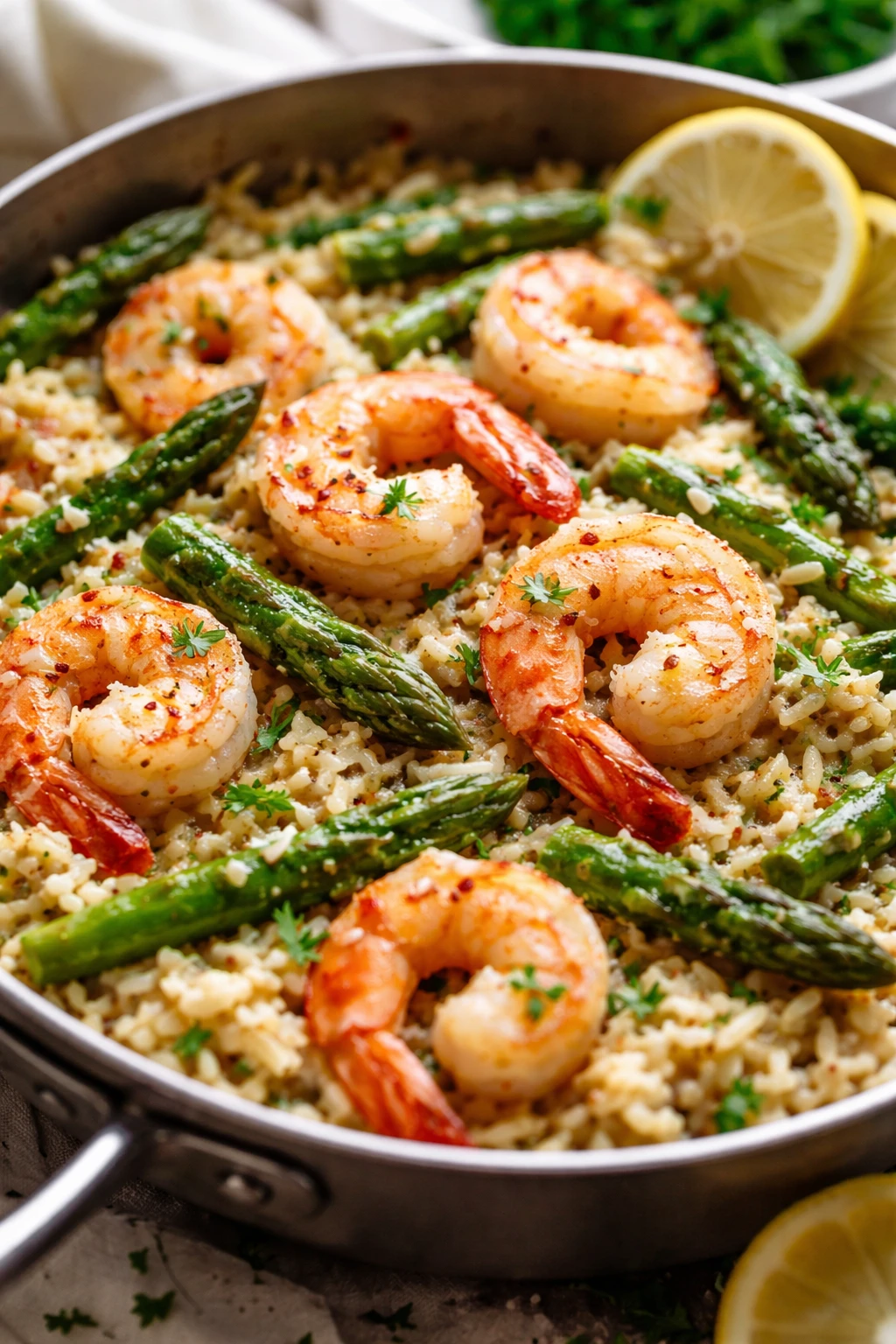
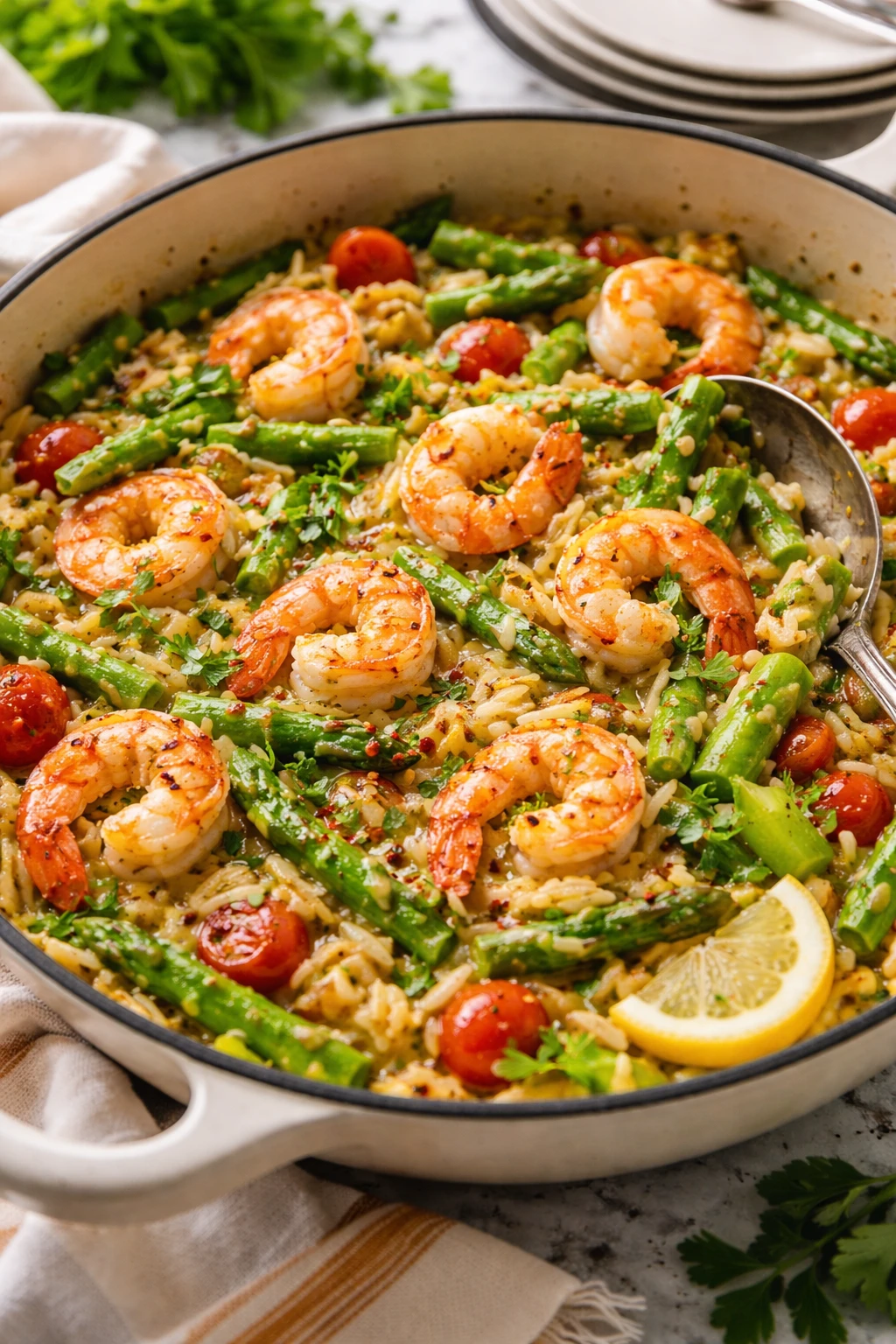
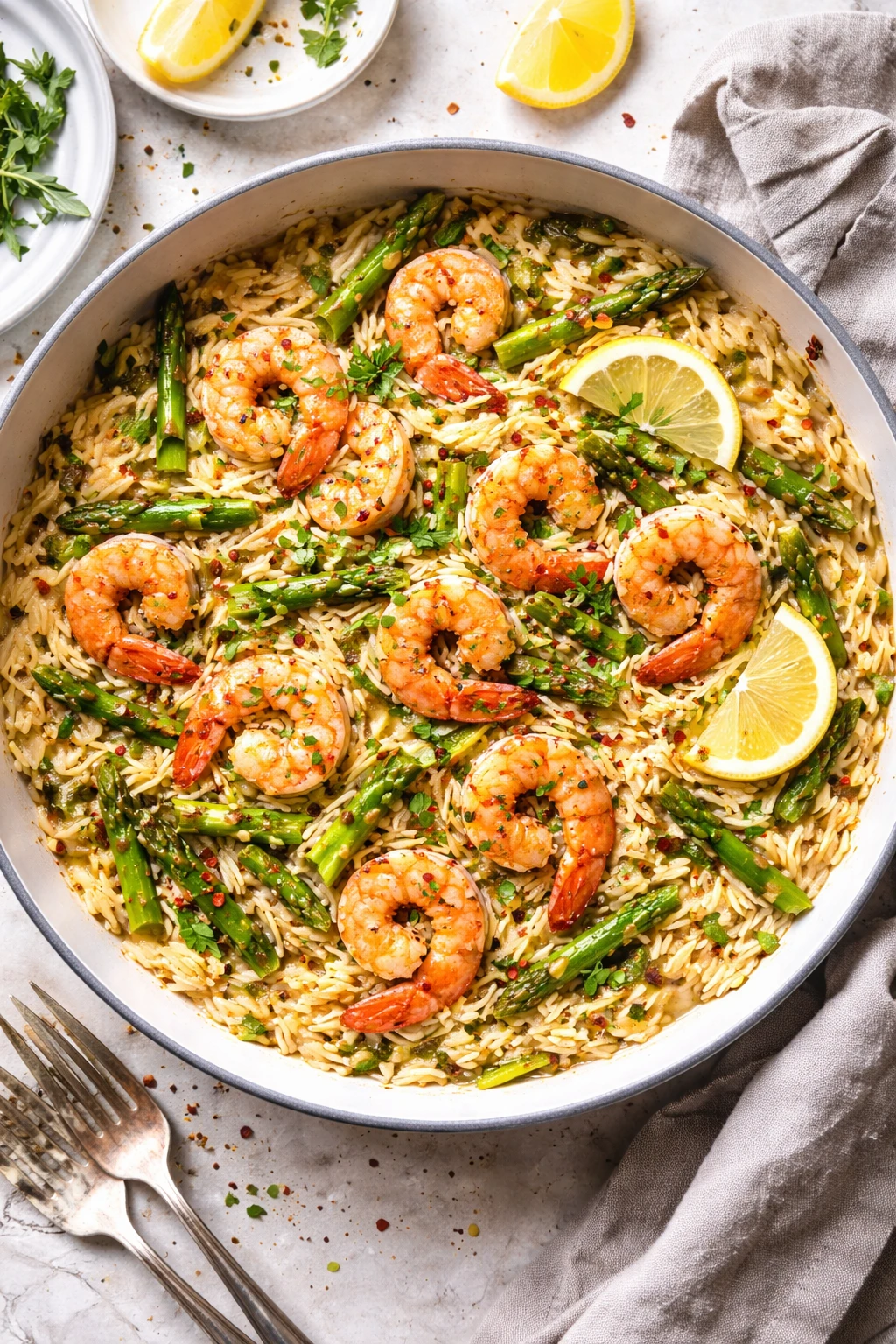
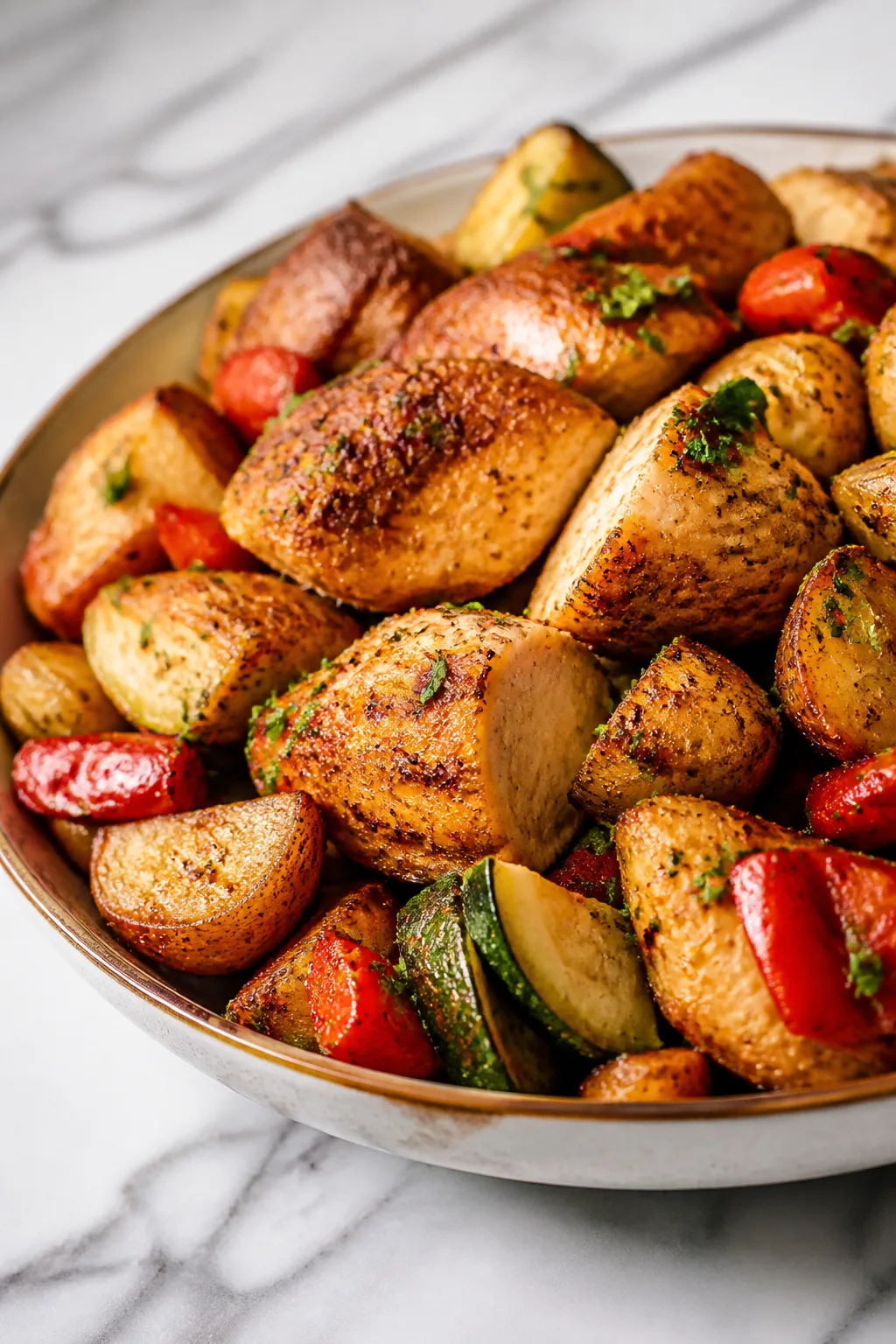
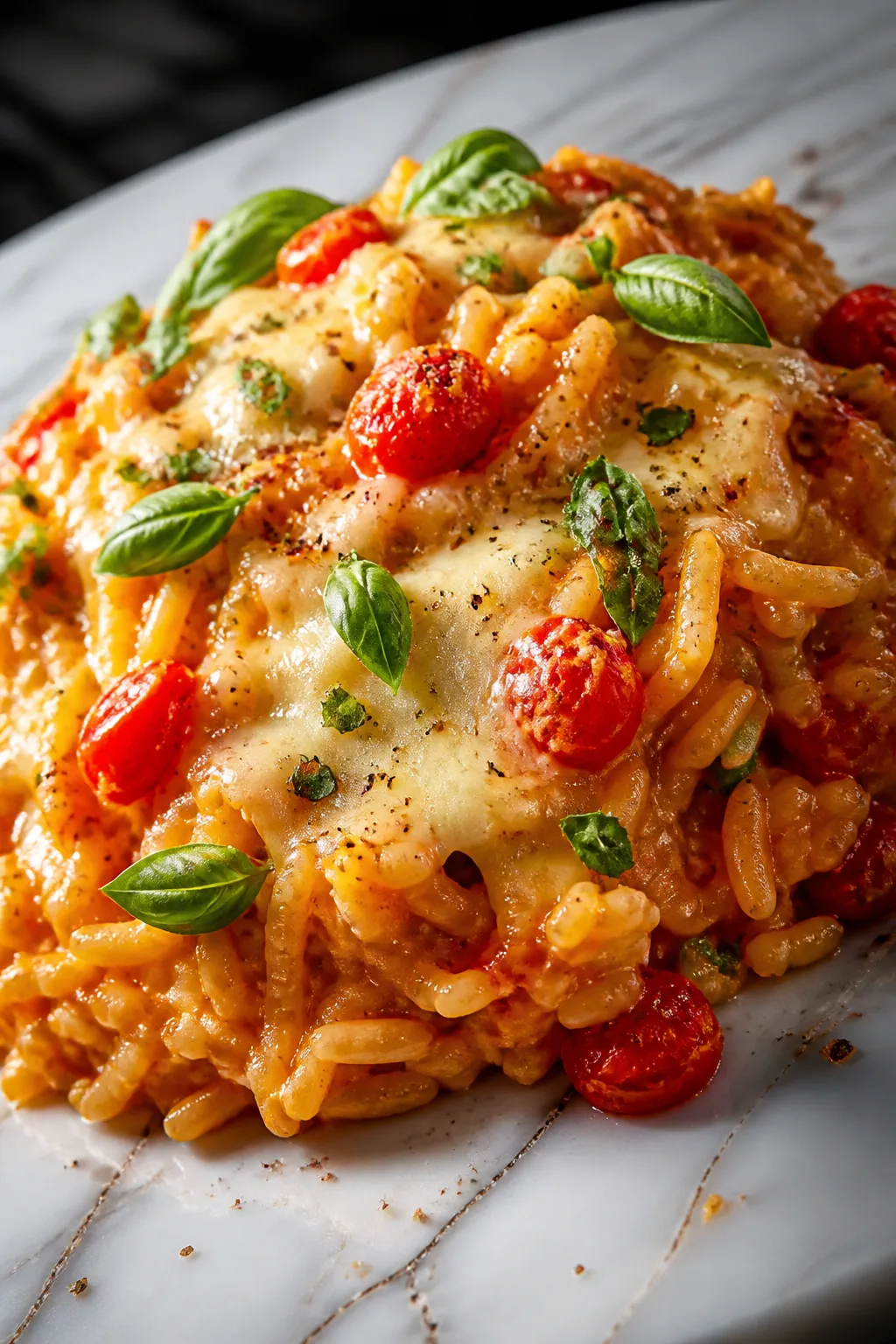
This one-pot shrimp orzo is a total weeknight winner. The garlicky lemon broth infuses the pasta and shrimp, while tender asparagus adds a crisp bite. Ready in under 30, it’s perfect for busy spring evenings!
Introduction
I first stumbled upon this one-pot shrimp orzo recipe on a hectic weeknight when I wanted something quick but still satisfying. What makes this version better than others I've tried is how the orzo perfectly absorbs the garlicky lemon broth, making every bite flavorful and tender. Plus, I add fresh asparagus right in the pot for a crisp, bright contrast that feels like spring on a plate. The trick I learned is to add the asparagus late during cooking so it stays slightly crunchy, giving the dish great texture. My family loves how juicy the shrimp turns out, and cleanup is a breeze since everything cooks together. The finished dish is light yet comforting, with a fresh citrus zing that keeps you coming back for more. If you want an easy, wholesome dinner that feels a little special, this shrimp orzo is definitely worth a try. I've made it countless times now, and it never disappoints!
How To Do It
Step 1
Heat olive oil in a large skillet or wide saucepan over medium heat. Add minced garlic and sauté for about 1 minute until fragrant but not browned. This step is crucial to release the garlic’s aroma without bitterness, which forms the flavor base for the dish. Stir frequently to avoid burning, as overcooked garlic turns bitter and can ruin the broth’s delicate balance.
⏱ Time: 2
✓ Doneness: Garlic becomes fragrant and slightly translucent without browning
Step 2
Add the orzo to the pan and toast it lightly for 2 minutes, stirring constantly. Toasting the pasta before adding liquid helps develop a nutty flavor and prevents it from becoming mushy. It also slightly firms the orzo’s texture, so it holds up well during cooking.
⏱ Time: 2
✓ Doneness: Orzo turns a shade darker and smells slightly nutty
Step 3
Pour in the chicken broth along with the lemon zest and juice. Stir to combine and bring to a simmer over medium-high heat. The lemon juice brightens the broth and balances the richness of the shrimp. Avoid boiling vigorously as it can cause the orzo to cook unevenly.
⏱ Time: 1
✓ Doneness: Broth begins to gently simmer with small bubbles forming around edges
Step 4
Reduce heat to medium-low and let the orzo cook uncovered for about 8 minutes, stirring occasionally. This allows the pasta to absorb the flavorful broth gradually. Stirring prevents sticking and ensures even cooking, but don’t overdo it or the orzo can break down and turn mushy.
⏱ Time: 8
✓ Doneness: Orzo is tender but still slightly firm in the center
Step 5
Add the shrimp to the pot, nestling them into the orzo. Season with salt and pepper. Cook for 3-4 minutes, stirring gently. Shrimp cooks quickly and becomes rubbery if overdone, so watch for them to turn pink and curl just slightly. This step infuses the pasta with shrimp flavor.
⏱ Time: 4
✓ Doneness: Shrimp are pink, opaque, and slightly curled
Step 6
Stir in the asparagus pieces and cook for an additional 3-4 minutes until asparagus is tender-crisp. Adding asparagus late keeps its fresh crunch and vibrant green color. Overcooking here would make the vegetable mushy and dull the dish’s texture contrast.
⏱ Time: 4
✓ Doneness: Asparagus bright green and just tender when pierced with fork
Step 7
Remove from heat and stir in chopped parsley for freshness and color. The herbs add a subtle earthiness that balances the lemon and garlic. This final touch makes the dish taste bright and inviting.
⏱ Time: 1
✓ Doneness: Parsley evenly distributed and vibrant green
Step 8
Taste and adjust seasoning with more salt, pepper, or lemon juice if needed. Tasting at the end ensures the flavors are balanced and lets you personalize the brightness or saltiness to your preference.
⏱ Time: 2
✓ Doneness: Flavor is balanced with bright lemon and savory notes
Step 9
Serve immediately while hot and juicy. This dish is best fresh because the orzo continues to absorb liquid and the shrimp can dry out if left too long. Pair it with a crisp salad or crusty bread for a complete meal.
⏱ Time: 1
✓ Doneness: Dish is steaming and vibrant with fresh ingredients
Pro Tips
Toast the orzo before adding broth for deeper flavor.
Toasting the orzo develops nutty, toasty notes that elevate the dish beyond plain pasta. It also slightly firms the pasta's starch structure, helping it hold shape during simmering. Skipping this step can result in blander taste and mushier texture.
Add asparagus towards the end to keep it crunchy and bright.
Asparagus cooks quickly and loses its vibrant color and crisp texture if overcooked. Adding it late in the cooking process preserves its fresh snap and visual appeal, enhancing the overall eating experience.
Use fresh lemon zest and juice for authentic brightness.
Fresh lemon contains essential oils in the zest and vibrant acidity in the juice that bottled lemon lacks. These components brighten the dish naturally and balance richer flavors, making the meal taste fresh and lively.
Don’t overcook shrimp; watch for pink, opaque color.
Shrimp cooks very fast and becomes rubbery if overdone. Removing it from heat as soon as it turns pink and opaque ensures a juicy, tender bite that complements the creamy orzo perfectly.
Stir occasionally but gently to prevent orzo from breaking down.
Orzo is delicate and can become mushy if stirred too vigorously or too often. Gentle stirring prevents sticking and promotes even cooking while preserving pasta shape and texture.
Use low-sodium broth to control salt levels.
Broth often contains salt, and using low-sodium gives you better control over seasoning. This prevents the dish from becoming overly salty and allows you to adjust flavors precisely at the end.
Finish with fresh parsley for color and fresh flavor.
Adding herbs at the end preserves their fresh aroma and vibrant green color, which brightens the dish visually and adds a subtle earthy flavor that balances the lemon and garlic.
Common Mistakes to Avoid
Overcooking the shrimp
Why it happens Many cooks leave shrimp in the hot liquid too long thinking it will improve flavor, but shrimp cooks very quickly and becomes rubbery if overdone.
Fix Add shrimp late in cooking and remove from heat as soon as it turns pink and slightly curled. Keep a close eye during the 3-4 minute cook time to avoid toughness.
Cooking asparagus too early
Why it happens Some assume all ingredients should go in at once, but asparagus cooks fast and can lose its texture and bright color if cooked too long.
Fix Add asparagus in the last 3-4 minutes of cooking to keep it tender-crisp and vibrant green, enhancing texture contrast.
Skipping toasting the orzo
Why it happens It’s easy to overlook toasting pasta in a hurry, but it adds important flavor and texture.
Fix Don’t skip the quick 2-minute toasting step; it deepens flavor and prevents mushiness by sealing the pasta’s starch.
Using bottled lemon juice
Why it happens Convenience often leads to using bottled lemon juice, but it lacks fresh brightness and essential oils found in fresh lemons.
Fix Always use fresh lemon juice and zest to get the full citrus aroma and flavor that lifts the whole dish.
Not stirring or stirring too much
Why it happens Some people either forget to stir or stir constantly, causing uneven cooking or broken pasta.
Fix Stir gently and occasionally to prevent sticking and ensure even cooking without breaking the orzo’s delicate shape.
Variations
Spicy Shrimp Orzo
Add a pinch of red pepper flakes or a diced jalapeño when sautéing the garlic for a spicy kick. This variation adds warmth without overpowering the bright lemon flavors. Expect a slight heat that complements the shrimp perfectly.
Note: Adjust spice level gradually to avoid overpowering the delicate broth; add cayenne or chili oil after cooking for more control.
Creamy Shrimp Orzo
Stir in 1/4 cup of heavy cream or creme fraiche at the end for a richer, creamier sauce. This makes the dish more indulgent and comforting, ideal for cooler nights or when you want something heartier.
Note: Add cream off heat to prevent curdling and stir gently for a smooth, velvety texture.
Vegetarian Orzo with Mushrooms
Skip the shrimp and add sliced cremini mushrooms sautéed until golden. Use vegetable broth instead of chicken broth. This version is earthy and satisfying, great for plant-based eaters.
Note: Sauté mushrooms separately to develop flavor before adding to orzo; cook asparagus as usual.
Tomato Basil Shrimp Orzo
Add halved cherry tomatoes with the asparagus and finish with fresh basil instead of parsley. The tomatoes add juicy sweetness and the basil adds aromatic freshness for a summery twist.
Note: Add tomatoes late to avoid overcooking and preserve their burst of flavor and texture.
Lemon Butter Shrimp Orzo
Finish the dish by stirring in 2 tablespoons of cold unsalted butter off the heat for a glossy, rich finish. The butter enriches the broth and balances the lemon's acidity beautifully.
Note: Add butter at the end and stir gently until melted for a silky texture.
Nutrition
Per Serving:
Nutritional values are estimates and may vary based on specific ingredients used.
Storage & Tips
Room Temperature
This dish can be safely left out at room temperature for up to 2 hours if covered loosely. Beyond that, bacteria growth increases, so it’s best to refrigerate promptly.
Refrigerator
Store leftovers in an airtight container in the fridge for up to 3 days. The orzo will absorb more liquid and thicken, so you may want to add a splash of broth or water when reheating to loosen it up. Flavors may mellow slightly but remain tasty.
Freezer
Freeze the cooked shrimp orzo in a freezer-safe container for up to 1 month. Wrap tightly to prevent freezer burn. Thaw overnight in the fridge before reheating. Note that texture may soften slightly after freezing.
Reheating
Reheat gently on the stovetop over low heat, adding a splash of broth or water to loosen the sauce. Stir occasionally to heat evenly without drying out the shrimp. Microwave reheating works but can overcook shrimp, so use short intervals and stir between.
Make Ahead
You can prepare the broth and toast the orzo 1-2 days ahead, storing it separately. Add shrimp and asparagus fresh when ready to cook for best texture. Alternatively, cook the full dish and reheat gently before serving.
FAQ
Can I use frozen shrimp for this recipe?
Absolutely! Just thaw the shrimp completely and pat dry before using. This helps them cook evenly and prevents excess moisture from diluting the broth. Avoid using pre-cooked frozen shrimp, as they can become rubbery during cooking.
What if I don’t have asparagus? Can I substitute another vegetable?
Yes! Green beans, snap peas, or broccoli florets make great substitutes. Just add them at the same stage as asparagus and adjust cooking time slightly to keep them crisp-tender.
How do I prevent the orzo from sticking to the pan?
Make sure to stir gently and occasionally during cooking to prevent sticking. Also, toasting the orzo in oil before adding broth helps coat it, reducing stickiness. Using enough broth and cooking uncovered helps evaporate excess liquid, preventing clumps.
Can I make this recipe vegan or vegetarian?
Yes, skip the shrimp and use vegetable broth instead of chicken broth. Add sautéed mushrooms or chickpeas for protein. The lemon-garlic broth and asparagus still make a flavorful, satisfying meal.
How do I know when the shrimp is perfectly cooked?
Shrimp cooks very quickly — about 3-4 minutes. It’s done when it turns pink, becomes opaque, and curls slightly. Overcooking causes a rubbery texture, so remove it from heat promptly.
Is it better to use fresh or bottled lemon juice?
Fresh lemon juice and zest are best because they provide bright, vibrant flavor and essential oils that bottled juice lacks. This really makes a difference in the dish’s brightness and aroma.
Can I prepare this dish ahead of time?
You can prep some steps ahead, like toasting the orzo and making the broth base. Add shrimp and asparagus fresh when cooking to keep their texture. Fully cooked leftovers store well but reheat gently.
What’s the best way to reheat leftovers without drying out the shrimp?
Reheat gently on the stovetop over low heat with a splash of broth or water, stirring occasionally. Avoid high heat or long microwave times, which can overcook and toughen shrimp.
Final Thoughts
I hope you enjoy making this quick, flavorful shrimp orzo as much as I do! Let me know how it turns out and feel free to share your tweaks.