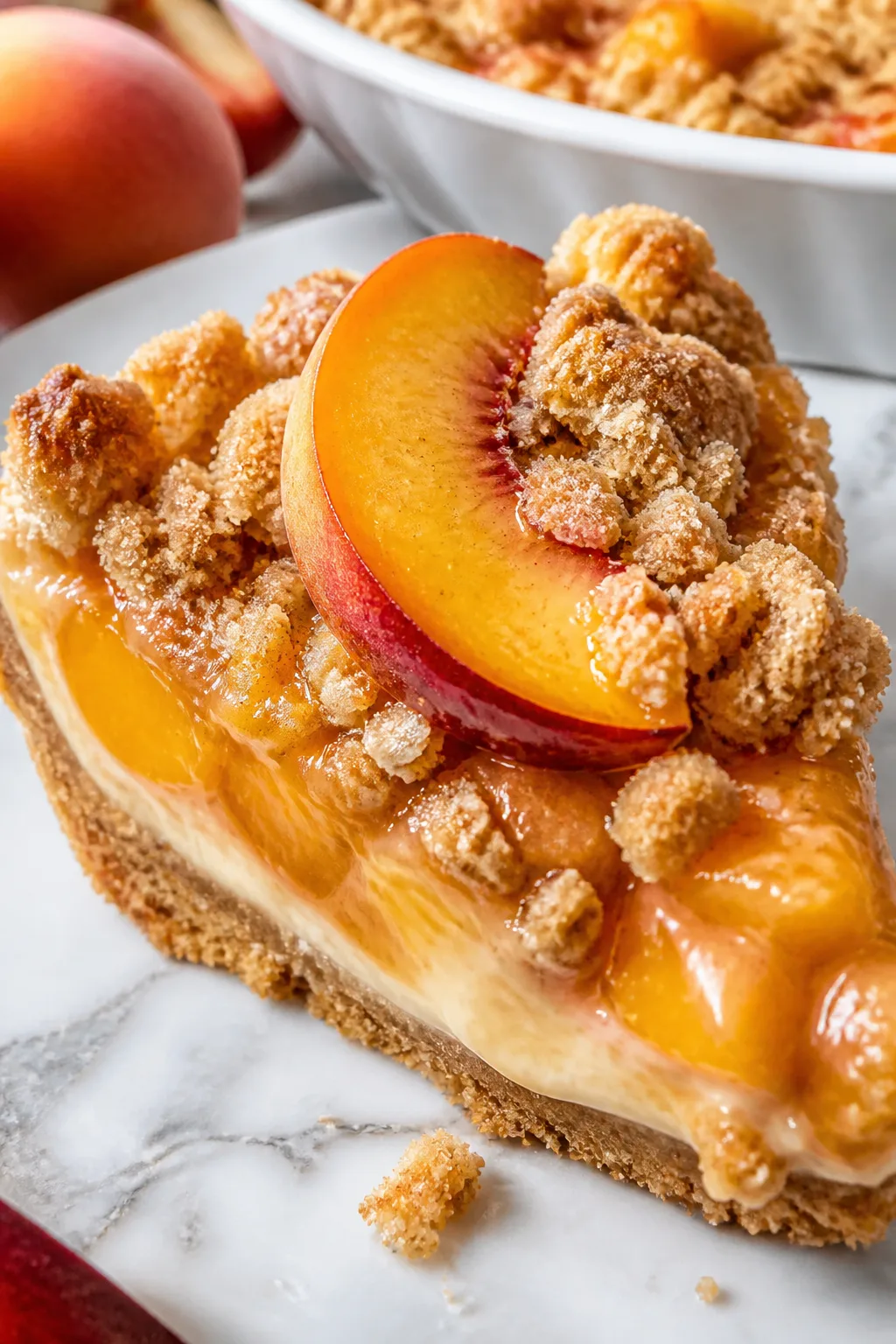
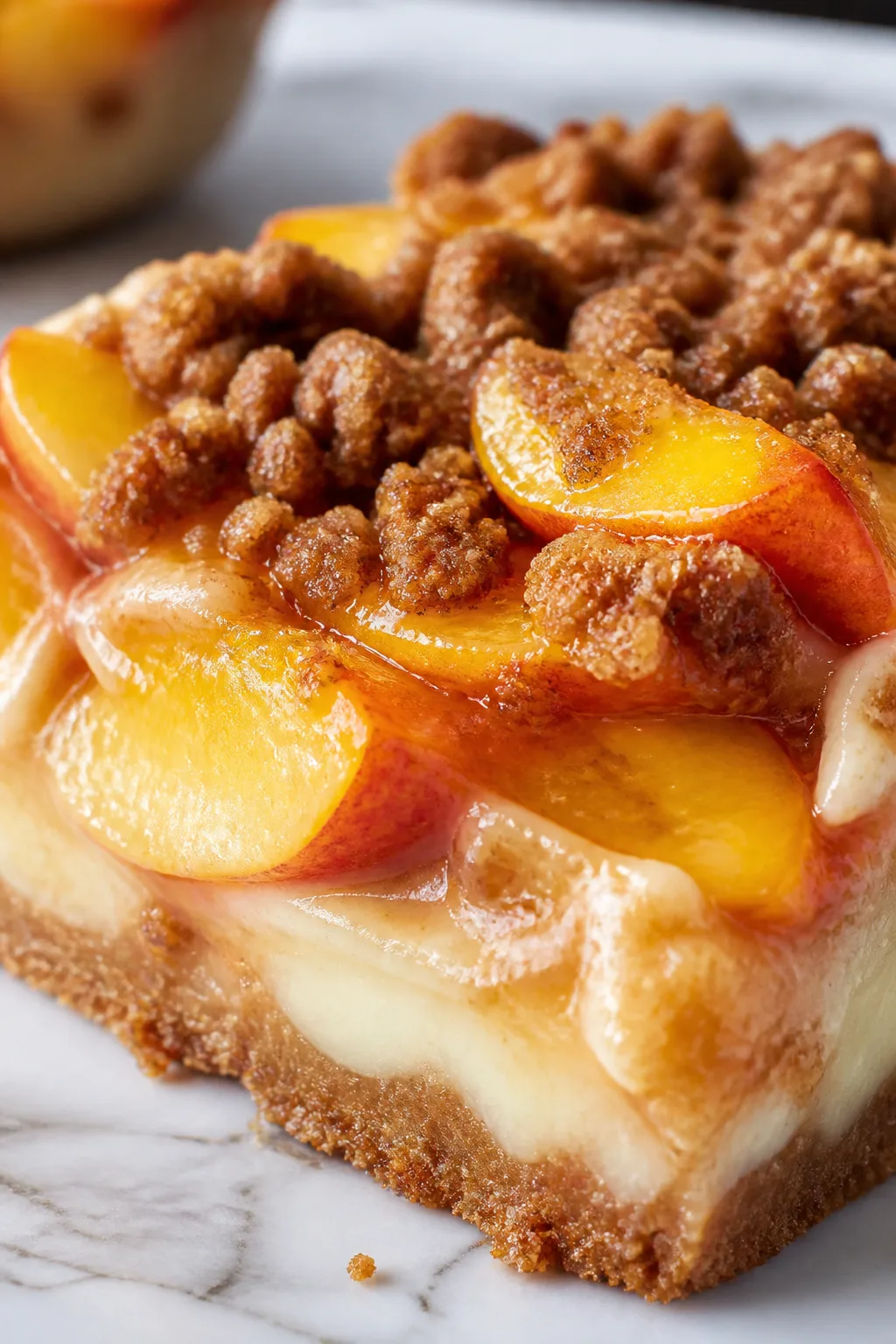
This peach cobbler is all about juicy, ripe peaches and a golden, buttery crust that’s just the right balance of crispy and soft. It’s super simple to whip up and perfect for summer evenings or casual weekend treats.
Introduction
I remember the first time I made peach cobbler; I was nervous about peeling and slicing peaches properly and worried the topping wouldn’t be just right. But once I nailed that buttery crunchy crust, I was hooked. This recipe has been my go-to for summer gatherings because it’s simple, uses fresh peaches that really shine, and has that perfect balance of sweet and spice with cinnamon and lemon juice. What sets this version apart is melting the butter and pouring it under the batter before baking—this trick creates a crispy, golden crust that’s so satisfying. Plus, using both brown and granulated sugar adds depth to the sweetness without overpowering the peaches. When it’s done, the cobbler bubbles with peach juices and has this lovely caramelized edge that makes it irresistible. Trust me, once you try it, you’ll want to make it every peach season!
How To Do It
Step 1
Preheat your oven to 350°F (175°C). Start by peeling and slicing the peaches evenly to ensure they cook uniformly. Toss them with the granulated sugar, brown sugar, cinnamon, and lemon juice in a large bowl. The sugar helps draw out the juices, creating a natural syrup during baking, while the lemon juice brightens the flavor and balances the sweetness. Let this mixture sit while you prepare the batter so the peaches get nicely coated.
⏱ Time: 10 minutes
✓ Doneness: Peaches coated evenly and starting to release juice
Step 2
In another bowl, whisk together the flour, sugar, baking powder, and salt. Gradually add the milk, stirring until you have a smooth batter without lumps. The baking powder helps the topping rise and become fluffy, while the salt enhances all the flavors. Don’t overmix here; just combine until smooth. This batter will soak into the butter and peaches, creating that signature cobbler texture.
⏱ Time: 5 minutes
✓ Doneness: Smooth, pourable batter without lumps
Step 3
Pour the melted butter into a 9x13-inch baking dish, swishing it around to coat the bottom evenly. This butter layer is key to achieving a crispy, golden crust beneath the batter. Then, pour the batter over the melted butter, but don’t stir. This layering allows the batter to rise through the butter and peaches during baking.
⏱ Time: 5 minutes
✓ Doneness: Butter evenly spread on dish bottom and batter poured on top
Step 4
Spoon the peach mixture evenly over the batter. The batter will rise around the peaches as it bakes, so don’t worry if the peaches look like they’re just sitting on top. The natural juices from the peaches will bubble up through the batter, creating pockets of juicy sweetness.
⏱ Time: 5 minutes
✓ Doneness: Peaches spread evenly over batter without mixing
Step 5
Place the baking dish in the preheated oven and bake for about 40 to 45 minutes. You want to see the edges bubbling and the top turning golden brown. The bubbling juices indicate the peaches are cooking through and the sugars caramelizing, while the golden top means the batter is cooked and crisp.
⏱ Time: 40-45 minutes
✓ Doneness: Golden brown top with bubbling peach juices around edges
Step 6
Once baked, remove the cobbler from the oven and let it cool for at least 15 minutes. This resting time helps the juices thicken a bit and makes serving easier. The cobbler will still be warm and gooey inside, with a crisp, buttery crust on top.
⏱ Time: 15 minutes
✓ Doneness: Slightly cooled cobbler with thickened peach syrup
Step 7
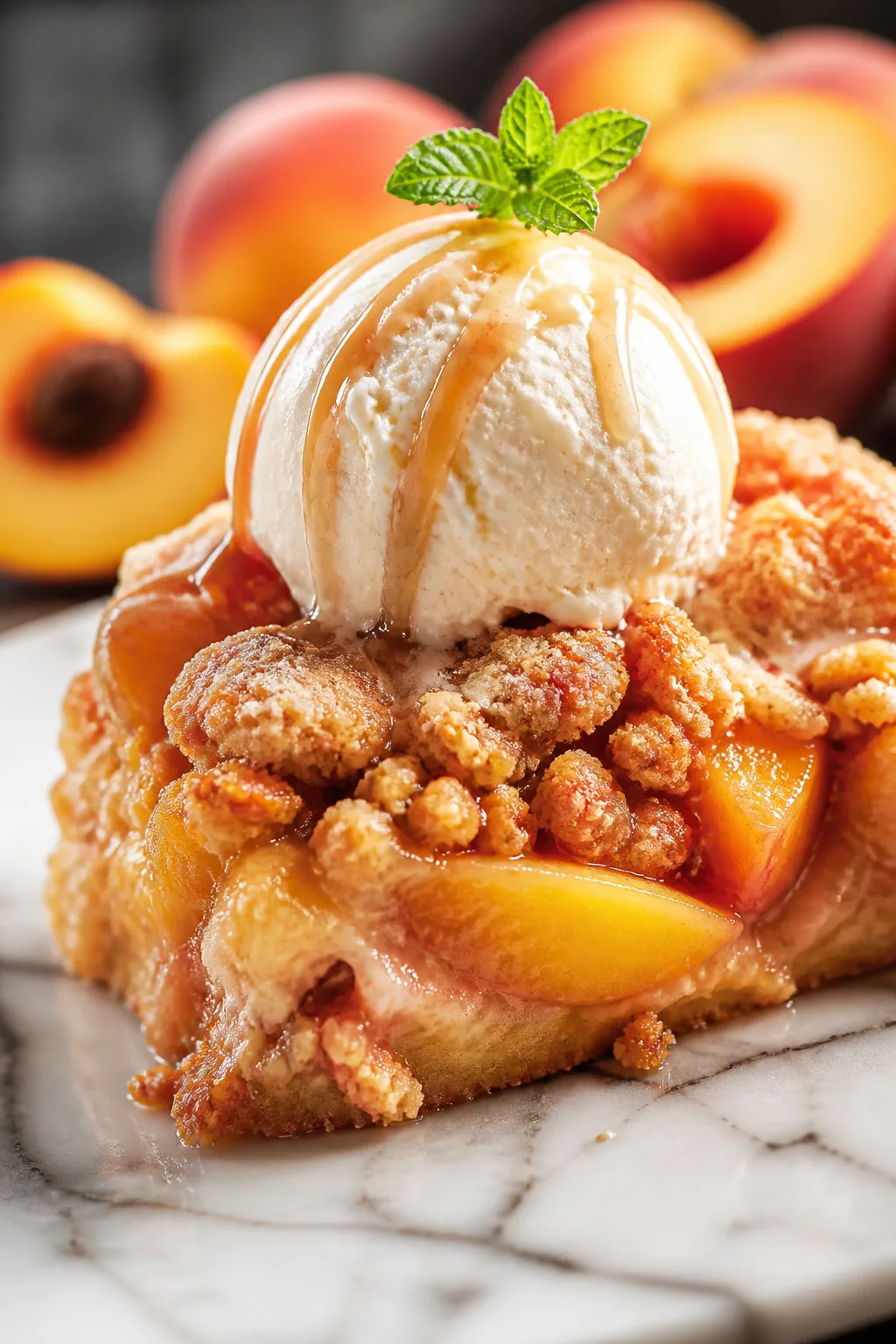
Serve the peach cobbler warm, ideally with a scoop of vanilla ice cream or a dollop of whipped cream. The cold cream contrasts beautifully with the warm, sweet peaches and buttery crust, making every bite delightful. This simple addition turns it into a crowd-pleaser.
⏱ Time: Immediate
✓ Doneness: Warm cobbler plated with creamy topping
Step 8
If you want to make it ahead, you can prepare the peach mixture and batter separately, then assemble just before baking. This keeps the topping from getting soggy and the peaches fresh. Just cover the components separately and refrigerate for up to 24 hours.
⏱ Time: Up to 24 hours prep
✓ Doneness: Separate components chilled and ready to bake
Step 9
For an extra touch, sprinkle a little coarse sugar on top before baking to add crunch and sparkle. This step is optional but gives the crust a nice texture contrast. Just be careful not to use too much or it can burn.
⏱ Time: 1 minute
✓ Doneness: Light sugar sprinkle visible on batter surface
Pro Tips
Peel peaches using the blanch and shock method for easy skin removal.
Blanching peaches in boiling water for 30 seconds then shocking them in ice water loosens the skin, making it easy to peel without damaging the fruit. This keeps the peach slices intact and smooth, improving the cobbler’s texture.
Don’t stir the batter and peach mixture once assembled in the baking dish.
Layering the batter under the peaches without mixing allows the batter to rise through the fruit juices, creating a crust with varying textures—crispy edges and soft pockets. Stirring would result in a uniform but less interesting texture.
Use room temperature milk for the batter to help it mix smoothly.
Cold milk can cause the melted butter to solidify prematurely and prevent the batter from mixing evenly, leading to lumps and uneven rising. Room temperature milk ensures a smooth batter and consistent baking.
Let the cobbler rest after baking for at least 15 minutes before serving.
Resting allows the peach juices to thicken and the crust to set slightly, making slicing easier and preventing the topping from becoming soggy. It also improves flavor melding for a more cohesive dessert.
Use a light sprinkle of coarse sugar on top before baking for extra crunch.
Coarse sugar caramelizes differently than granulated sugar, adding a crunchy, sparkly texture to the topping’s surface. It enhances the contrast between crisp crust and soft fruit filling.
Prepare the peach mixture a few hours ahead to let flavors meld.
Allowing the peaches to macerate in sugar and lemon juice intensifies their flavor and releases more juice, which creates a juicier, more flavorful filling during baking.
Use a glass or ceramic baking dish for even heat distribution.
Glass and ceramic retain heat well and promote even cooking and browning, which is important for the cobbler’s texture. Metal pans can heat unevenly and cause hot spots.
Common Mistakes to Avoid
Skipping peeling the peaches
Why it happens Many assume the peach skin is fine to leave on, especially to save time or effort.
Fix Peel peaches using the blanch and shock method to remove skins easily. Leaving skins on can cause a tougher texture and uneven cooking, as the skin does not soften as much as the flesh.
Mixing the batter and peaches together before baking
Why it happens It seems logical to stir everything for even flavor and texture.
Fix Layer the batter and peaches separately in the dish. This allows the batter to rise through the peaches, creating the signature cobbler texture. Stirring leads to a dense, uniform mix without distinct layers.
Using old baking powder
Why it happens Baking powder is often forgotten in the pantry and loses potency over time.
Fix Check the freshness of baking powder by mixing a teaspoon in warm water; it should bubble vigorously. Replace if inactive, as fresh baking powder is essential for the topping to rise and become fluffy.
Pouring cold milk into melted butter
Why it happens Rushing the batter mixing step or not considering ingredient temperatures.
Fix Use room temperature milk to avoid solidifying the melted butter prematurely, which can cause lumps and uneven texture in the batter.
Serving the cobbler immediately after baking
Why it happens Impatience or wanting to eat it while piping hot.
Fix Let the cobbler rest for at least 15 minutes to allow juices to thicken and the topping to set. Serving too soon can result in a runny filling and crumbly topping.
Variations
Spiced Peach Cobbler with Nutmeg and Ginger
Add 1/4 teaspoon ground nutmeg and 1/4 teaspoon ground ginger to the peach mixture for a warm, cozy twist. This variation adds depth and a slight spicy aroma perfect for cooler evenings.
Note: Spices can intensify the filling’s flavor, so adjust quantities to taste to avoid overpowering the peaches.
Peach and Blueberry Cobbler
Mix 2 cups blueberries into the peach filling for a colorful, tangy contrast. The blueberries add moisture and a burst of flavor that complements the sweetness of peaches beautifully.
Note: Because blueberries release more juice, you may want to reduce the sugar slightly to prevent the filling from becoming too runny.
Vegan Peach Cobbler
Replace butter with coconut oil and use almond or oat milk instead of cow’s milk. This keeps the cobbler dairy-free while maintaining a rich texture and flavor.
Note: Coconut oil has a lower melting point, so watch the crust during baking to prevent burning.
Gluten-Free Peach Cobbler
Use a gluten-free all-purpose flour blend in place of regular flour. This allows those with gluten sensitivities to enjoy the cobbler without sacrificing texture.
Note: Some gluten-free blends absorb liquid differently; you may need to adjust milk quantity slightly for batter consistency.
Peach Cobbler with Oat Topping
Swap the batter topping for a mixture of oats, brown sugar, butter, and a pinch of cinnamon for a crunchy, granola-like crust. This variation adds texture and a nutty flavor.
Note: Because oat toppings don’t rise like batter, expect a denser, crunchier topping without fluffy pockets.
Nutrition
Per Serving:
Nutritional values are estimates and may vary based on specific ingredients used.
Storage & Tips
Room Temperature
Peach cobbler can be safely kept at room temperature for up to 2 hours if covered loosely to prevent drying out. Beyond this, it’s best to refrigerate to avoid spoilage.
Refrigerator
Store leftovers in an airtight container for up to 4 days. The cobbler may firm up and the topping soften when chilled, but reheating helps restore its texture. Serve warm for the best experience.
Freezer
Freeze cobbler in a freezer-safe container for up to 2 months. Wrap tightly with plastic wrap and foil to prevent freezer burn. Thaw overnight in the refrigerator before reheating to keep texture intact.
Reheating
Reheat individual portions in the microwave for 1-2 minutes or in a 350°F oven for 15-20 minutes until warmed through. Adding a splash of milk or cream before reheating helps keep the topping moist and prevents drying out.
Make Ahead
Prepare the peach filling and batter separately up to 24 hours in advance and refrigerate. Assemble just before baking to keep the topping crisp and peaches fresh. This saves time on busy days.
FAQ
Can I use canned peaches instead of fresh?
You can use canned peaches if fresh aren’t available, but drain them well to avoid excess liquid that can make the cobbler soggy. Adjust sugar accordingly since canned peaches are often sweeter. Fresh peaches provide better texture and flavor overall.
How do I prevent the topping from being soggy?
The key is layering the batter over melted butter and not mixing it with the peaches. Also, letting the cobbler rest after baking allows the topping to set. Baking until golden and bubbly ensures the crust crisps up nicely.
Can I double this recipe for a larger crowd?
Yes, doubling the ingredients works well. Use a larger baking dish or two pans to ensure even cooking. Baking time may need to increase slightly—monitor for bubbling and golden crust as indicators of doneness.
What can I substitute for butter if I’m dairy-free?
Coconut oil or vegan butter substitutes work well. Coconut oil adds a slight coconut flavor but still provides the necessary fat for a crispy crust. Avoid using oils that are liquid at room temperature as they won’t create the same texture.
Why is my cobbler too runny after baking?
Runny cobbler usually means the peaches released too much juice or the batter didn’t set properly. Make sure peaches are ripe but not overly soft, and allow the cobbler to rest after baking so juices thicken. Also, don’t rush the baking time.
Can I add nuts to the topping?
Absolutely! Chopped pecans or walnuts add a wonderful crunch and flavor. Sprinkle them on top before baking or mix into the batter. Just be mindful of nut allergies for your guests.
Is it better to bake the cobbler covered or uncovered?
Bake uncovered to allow the topping to brown and crisp. Covering traps steam and will soften the crust, which isn’t ideal for cobbler texture.
How do I store leftover cobbler?
Store leftovers in an airtight container in the refrigerator for up to 4 days. For longer storage, freeze portions tightly wrapped. Reheat before serving to regain that fresh-baked warmth and texture.
Final Thoughts
Give this peach cobbler a try and enjoy the comforting taste of summer in every bite. I’d love to hear how yours turns out—don’t forget to share your photos!