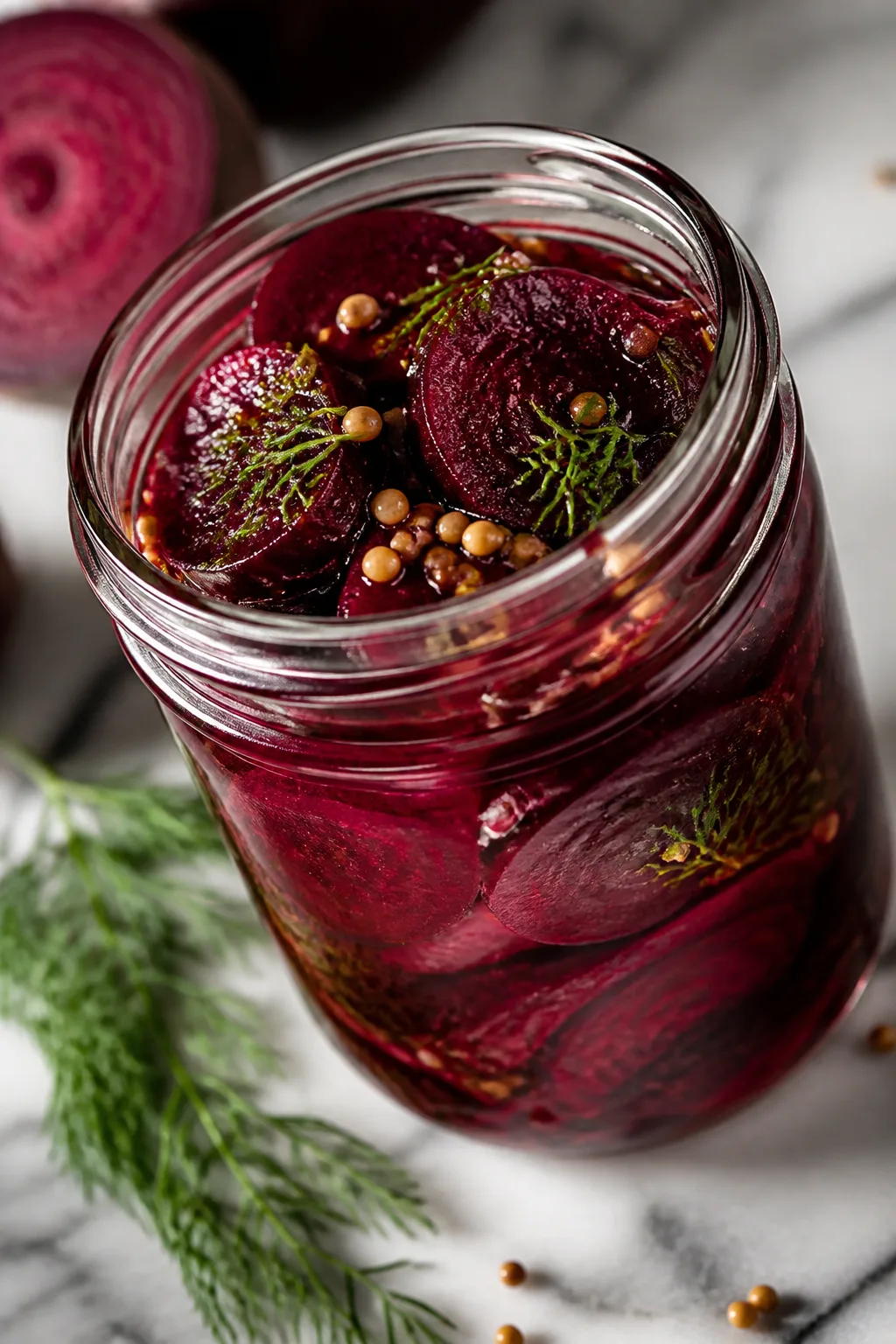
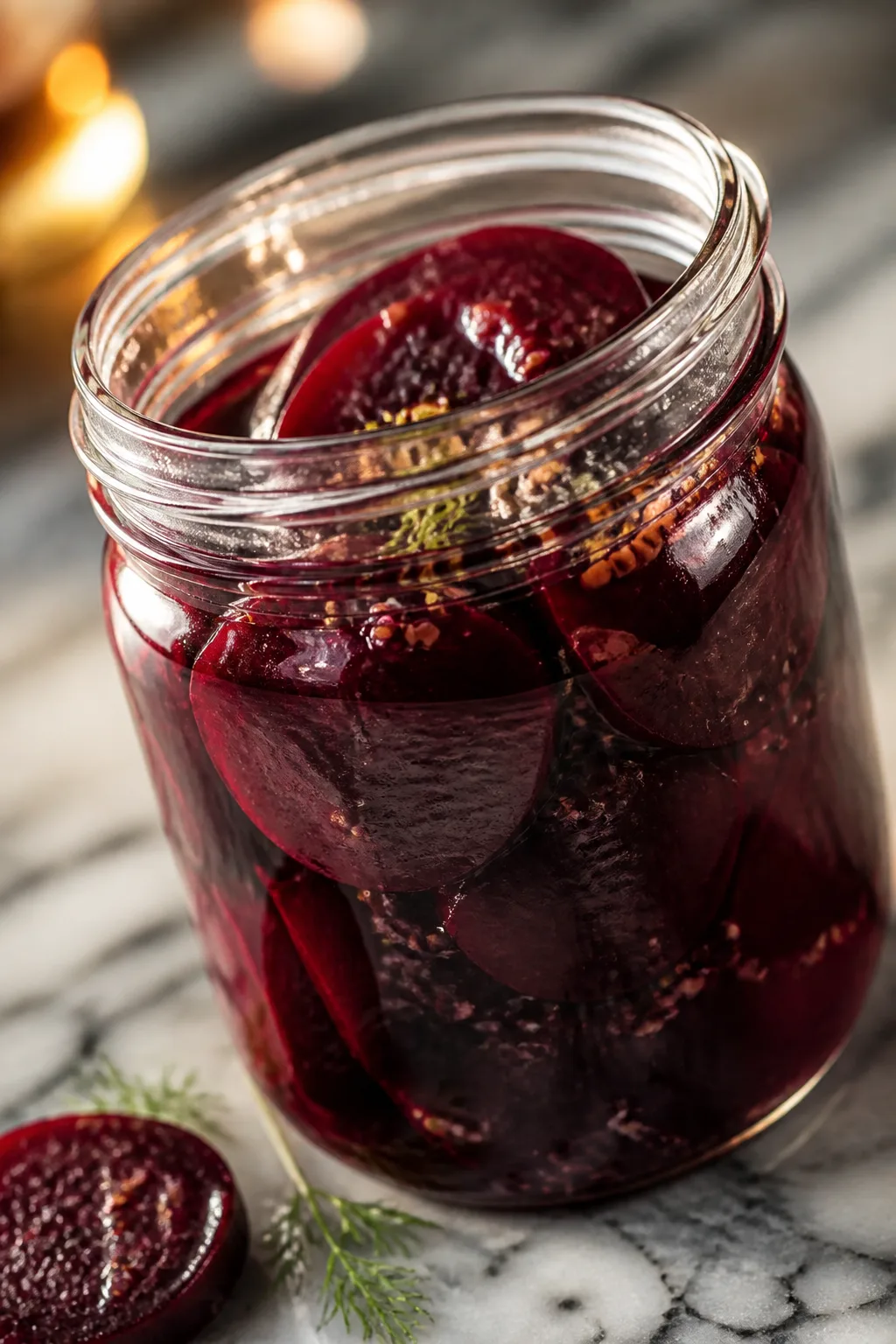
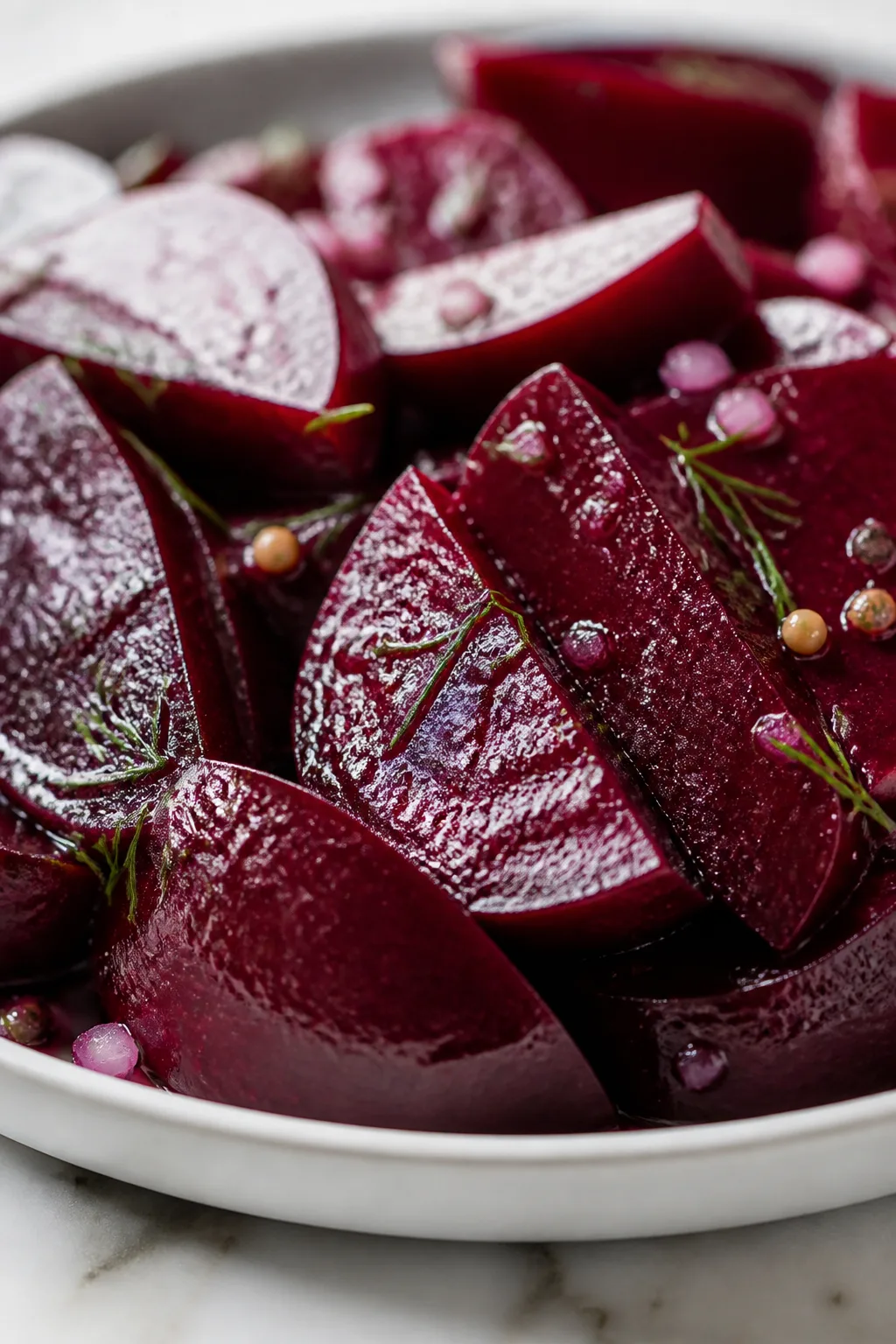
These pickled beets bring a perfect balance of sweet and tangy with a lovely crunch. Made with a simple vinegar and spice blend, they're great for salads or as a bright side dish anytime.
Introduction
I first made pickled beets years ago when I wanted a fresh, tangy side to brighten up my meals. The usual canned versions never did it for me—they felt too sweet or mushy. So I started experimenting with fresh beets, vinegar, and a simple spice blend. What really changed the game was adding whole spices like mustard seeds and cinnamon stick; they give the beets a subtle warmth and depth that’s just irresistible. Also, slicing the beets thinly helps them soak up the pickling liquid quickly, so you don’t have to wait forever to enjoy them. This recipe is straightforward and forgiving—perfect for anyone new to pickling. The finished beets have a lovely balance of sweet and tangy with a satisfying crunch, making them a fantastic addition to salads, sandwiches, or just on their own. I love having a jar ready in the fridge for quick snacks or to jazz up dinner plates during the week. Honestly, once you try homemade pickled beets, you might never go back to store-bought again!
What You'll Need
Approximately 4 cups, 4 servings
- 4 medium fresh beets, peeled and sliced
- 1 cup white vinegar
- 1/2 cup water
- 1/4 cup granulated sugar
- 1 teaspoon salt
- 1/2 teaspoon black peppercorns
- 1/2 teaspoon mustard seeds
- 2 cloves garlic, peeled
- 1 small cinnamon stick
How To Do It
Step 1
Start by washing and peeling the fresh beets carefully to remove any dirt or skin. Then slice them into thin, even rounds—about 1/8 inch thick works best. Uniform slices ensure they pickle evenly and soak up the brine quickly. Avoid thick chunks since they take longer to absorb flavors and can stay a bit tough. Thin slices also give you that nice crunchy texture once pickled. Place the sliced beets in a heatproof bowl or jar while you prepare the brine.
⏱ Time: 10
✓ Doneness: Beets are uniformly sliced and ready for brining
Step 2
Combine the vinegar, water, sugar, and salt in a saucepan over medium heat. Stir occasionally until the sugar and salt fully dissolve, creating a clear brine. This step is crucial because the dissolved sugar balances the acidity of the vinegar, giving the pickles their signature sweet-tart flavor. Bring the mixture just to a gentle boil, then remove from heat to cool slightly. Rushing this or skipping dissolving the sugar will result in uneven flavor and gritty texture.
⏱ Time: 10
✓ Doneness: Brine is clear, sugar and salt fully dissolved, and warm
Step 3
Add the black peppercorns, mustard seeds, garlic cloves, and cinnamon stick directly into the warm brine. These spices infuse the pickling liquid with subtle complexity and warmth. Gently stirring them in while the brine is hot helps release their essential oils and flavors. Avoid crushing the spices at this point to keep the flavors mellow rather than overpowering.
⏱ Time: 5
✓ Doneness: Spices are evenly distributed in the brine, releasing aroma
Step 4
Carefully pour the hot brine with spices over the sliced beets in your jar or bowl. Make sure the beets are fully submerged to ensure even pickling and avoid spoilage. If necessary, press them down gently with a clean utensil. Leaving air pockets can cause uneven flavor absorption and possible spoilage spots. Let the mixture cool to room temperature before sealing.
⏱ Time: 5
✓ Doneness: Beets are fully covered by brine and cooled to room temperature
Step 5
Seal the jar tightly and place it in the refrigerator to pickle. The beets need at least 24 hours to develop flavor, but for best results, wait 2-3 days. Refrigeration slows bacterial growth and keeps the pickles crisp. Avoid leaving them out at room temperature for long periods to prevent spoilage.
⏱ Time: 1440
✓ Doneness: Beets taste balanced with tangy, sweet, and spice notes
Step 6
Before serving, give the pickled beets a good stir to redistribute the spices and liquid. This refreshes the flavor and ensures every slice is coated. If you notice the beets have absorbed most of the liquid, you can top up with a little vinegar-water mix to keep them juicy.
⏱ Time: 2
✓ Doneness: Beets glisten evenly with brine and spices
Step 7
Serve the pickled beets chilled as a side dish, salad topper, or snack. They pair wonderfully with fresh greens, goat cheese, or roasted meats. Their vibrant color and tangy crunch always add a fresh element to any plate. Plus, they're great for meal prep since they keep well in the fridge for up to two weeks.
⏱ Time: 5
✓ Doneness: Beets are cold, flavorful, and ready to enjoy
Step 8
If you want to make a larger batch, simply double or triple the ingredients but keep the spice ratios consistent. Using sterilized jars helps extend shelf life and keeps the beets tasting fresh longer. Always use clean utensils when handling to avoid introducing bacteria.
⏱ Time: 5
✓ Doneness: Batch size adjusted without compromising flavor or safety
Step 9
For a little twist, try adding fresh herbs like dill or a pinch of red pepper flakes to the brine before pouring it over the beets. These additions bring extra aroma and a subtle kick, perfect if you like your pickles with a bit more personality. Just add them after removing the brine from heat to preserve freshness.
⏱ Time: 3
✓ Doneness: Herbs and spices infused without overpowering the base flavor
Pro Tips
Slice beets uniformly thin for even pickling.
Thin, even slices maximize surface area, allowing the brine to penetrate quickly and uniformly. This prevents uneven texture where some pieces are soft and others are tough, ensuring all slices develop that perfect crunchy bite.
Heat the brine until sugar and salt dissolve completely.
Dissolving sugar and salt fully ensures the flavors blend smoothly and prevents gritty textures. Heating also helps release essential oils from spices, infusing the brine with richer aroma and flavor.
Use whole spices rather than ground for clarity and texture.
Whole spices infuse flavor without clouding the brine or creating sediment. They also provide a more balanced, subtle taste and can be easily removed before serving, keeping the pickles visually appealing.
Cool the brine slightly before pouring over beets to avoid overcooking.
Pouring boiling brine can soften beets too much, leading to mushiness. Letting it cool to warm preserves their texture and color while still allowing flavor absorption.
Store pickled beets in the refrigerator for safety and crispness.
Refrigeration slows bacterial growth and enzymatic changes that can spoil pickles or make them soggy. It also helps flavors meld slowly for a more balanced taste.
Use sterilized jars to extend shelf life.
Clean, sterilized jars prevent contamination by unwanted bacteria or molds, keeping pickles fresh and safe for longer periods.
Press beets down to fully submerge in brine to avoid spoilage.
Beets exposed to air can develop mold or uneven pickling. Keeping them submerged ensures consistent flavor and safe preservation.
Common Mistakes to Avoid
Using thick beet slices that don’t pickle well.
Why it happens Many assume chunkier pieces will hold texture better, but thick slices take longer to absorb brine and often remain tough or unevenly flavored.
Fix Slice beets thinly and evenly to speed up flavor absorption and maintain a crisp texture. Use a mandoline slicer if needed for consistency.
Pouring boiling brine directly over beets causing mushiness.
Why it happens Pouring very hot liquid shocks the beets, breaking down their structure too quickly and making them soggy.
Fix Allow the brine to cool to warm (not hot) before pouring. This softens the beets gently while preserving their crunch.
Not fully submerging beets in the brine.
Why it happens People often don’t press the beets down or use too little brine, exposing parts to air, which can cause spoilage or uneven pickling.
Fix Use a utensil to press beets below the liquid line and add more brine if needed to cover completely.
Skipping refrigeration during pickling.
Why it happens Some believe pickles can safely ferment at room temperature, but without proper canning, this risks spoilage and unsafe bacteria growth.
Fix Keep the pickled beets refrigerated to ensure safety, crispness, and longer shelf life.
Using ground spices instead of whole.
Why it happens Ground spices can cloud the brine and create gritty texture, plus they release flavor too quickly and overpower delicate beet flavor.
Fix Stick to whole spices for a clear brine and balanced, subtle spice notes.
Variations
Spicy Pickled Beets
Add 1/4 teaspoon red pepper flakes to the brine for a gentle heat that pairs beautifully with the sweet-tart flavor of the beets. This variation adds a lively kick without overpowering the natural taste, perfect for those who love a little spice.
Note: Add the red pepper flakes after removing the brine from heat to preserve their bright flavor and avoid bitterness.
Herbed Pickled Beets
Toss in fresh dill sprigs or thyme stems into the jar before pouring the brine. The herbs add fresh, aromatic notes that transform the beets into a more complex side dish, great for summer salads or roasted meat accompaniments.
Note: Add fresh herbs just before pouring warm brine and remove if desired after pickling to prevent bitterness.
Apple Cider Vinegar Pickled Beets
Swap white vinegar for apple cider vinegar to add a mild fruity tang and amber color. This version feels a bit softer and sweeter, giving pickled beets a different but equally delicious profile.
Note: Ensure the apple cider vinegar has 5% acidity to maintain proper preservation.
Quick Pickled Beets
Slice the beets thinner than usual and pour hot brine over them. Let them sit at room temperature for 2 hours before refrigerating. Ideal for when you want pickled beets ready in a few hours rather than days.
Note: This method softens beets faster but results in a less intense flavor compared to longer pickling.
Sweet and Sour Pickled Beets
Increase the sugar to 1/3 cup and add a splash of orange juice to the brine for a bright, sweet citrus twist. This version is extra festive and pairs well with cheeses or charcuterie boards.
Note: Adjust sugar carefully to avoid overpowering acidity; orange juice should be fresh and strained.
Nutrition
Per Serving:
Nutritional values are estimates and may vary based on specific ingredients used.
Storage & Tips
Room Temperature
Pickled beets should not be stored at room temperature for more than 2 hours to avoid spoilage. Always keep them covered in an airtight jar and refrigerate promptly after the brine cools.
Refrigerator
Store pickled beets in an airtight container or jar in the refrigerator for up to 2 weeks. Over time, the flavor intensifies, and the texture softens slightly but remains pleasantly crunchy. Serve cold or at room temperature.
Freezer
Freezing pickled beets is not recommended as it can change their texture and make them mushy. For best quality, consume within the refrigerator storage time.
Reheating
Pickled beets are typically served cold or at room temperature. If you prefer them warm, gently heat in a saucepan on low just until warmed through, avoiding boiling to preserve texture and flavor. Do not microwave as it can make them soggy.
Make Ahead
You can prepare the beets and brine up to 2 days ahead, store them separately, and combine just before serving to preserve the freshest texture. Alternatively, pickle them fully and refrigerate; flavors only improve after a day or two.
FAQ
Can I use canned or pre-cooked beets for pickling?
While you can use canned or cooked beets, they don’t absorb the brine as well and often become mushy. Fresh, raw beets sliced thinly produce the best texture and flavor for pickling.
How long do pickled beets last in the fridge?
Properly stored in an airtight container, pickled beets last about 2 weeks in the refrigerator. Over time, they may soften but remain safe and tasty if there’s no off smell or mold.
Can I adjust the sweetness or acidity in the recipe?
Yes, feel free to tweak the sugar or vinegar amounts to suit your taste. Just keep a good balance so the pickles aren’t overly sour or too sweet, which can affect preservation.
Why are my pickled beets mushy?
Mushiness often comes from thick beet slices, pouring boiling brine directly, or over-pickling. Slice thinly and let the brine cool before pouring to keep beets crisp.
Do I need to sterilize jars for this recipe?
Sterilizing jars is recommended if you plan to store pickled beets for longer periods or want to be extra safe. For short-term refrigerated pickles, clean jars and lids are sufficient.
Can I add other spices or herbs to the pickling liquid?
Absolutely! Dill, bay leaves, or red pepper flakes are popular additions. Add fresh herbs after removing the brine from heat to keep flavors bright.
Is it safe to leave pickled beets at room temperature?
No, to avoid spoilage and harmful bacteria growth, pickled beets should be refrigerated after the brine cools. Leaving them out longer than 2 hours is unsafe.
How soon can I eat the pickled beets after making them?
They’re best after sitting refrigerated for at least 24 hours to allow flavors to develop. Quick pickling methods can yield edible beets in a few hours but with milder flavor.
Final Thoughts
Give this pickled beets recipe a try—it's a simple way to add bright, tangy flavor to your meals. I'd love to hear how you use them, so don’t forget to share your results!