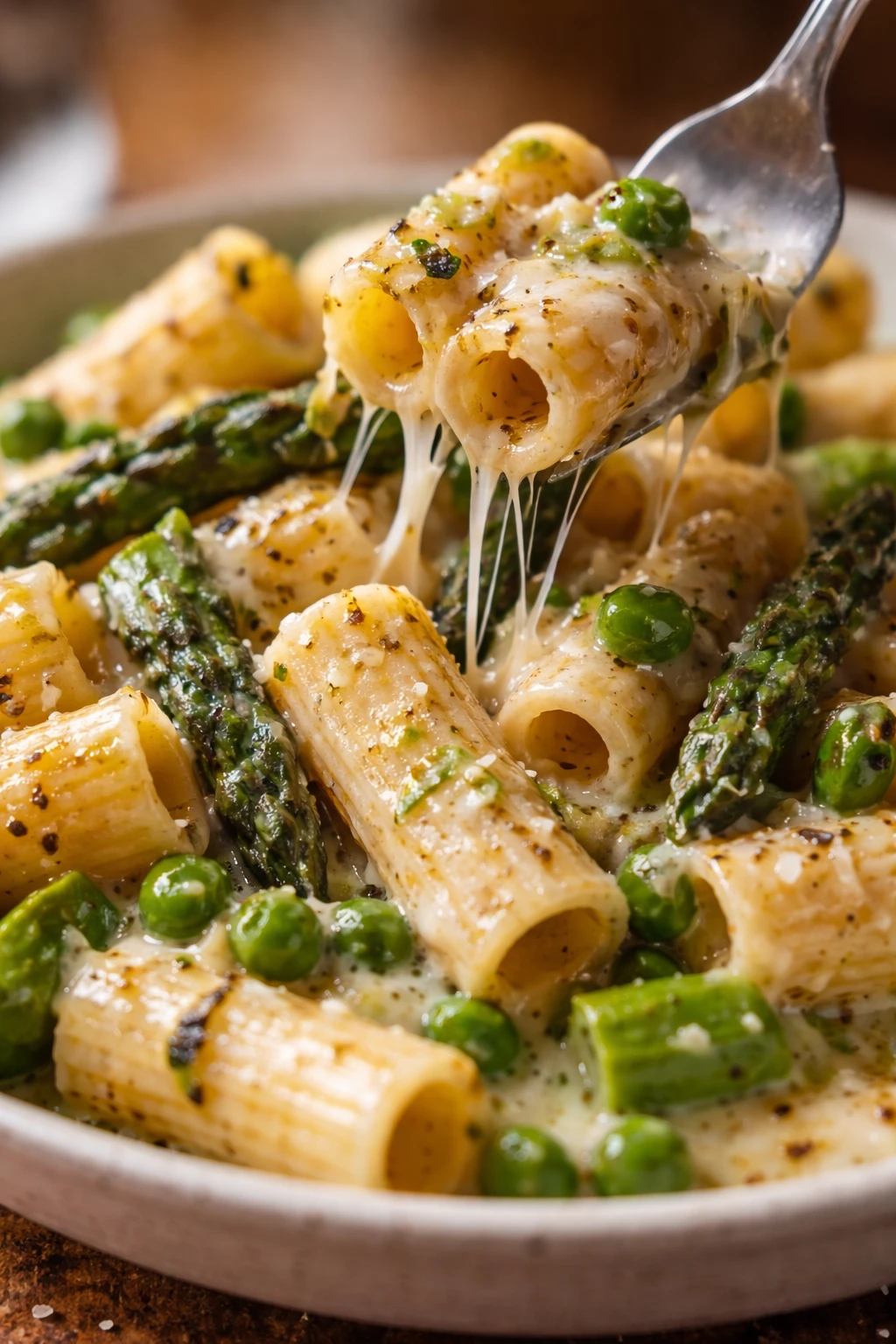
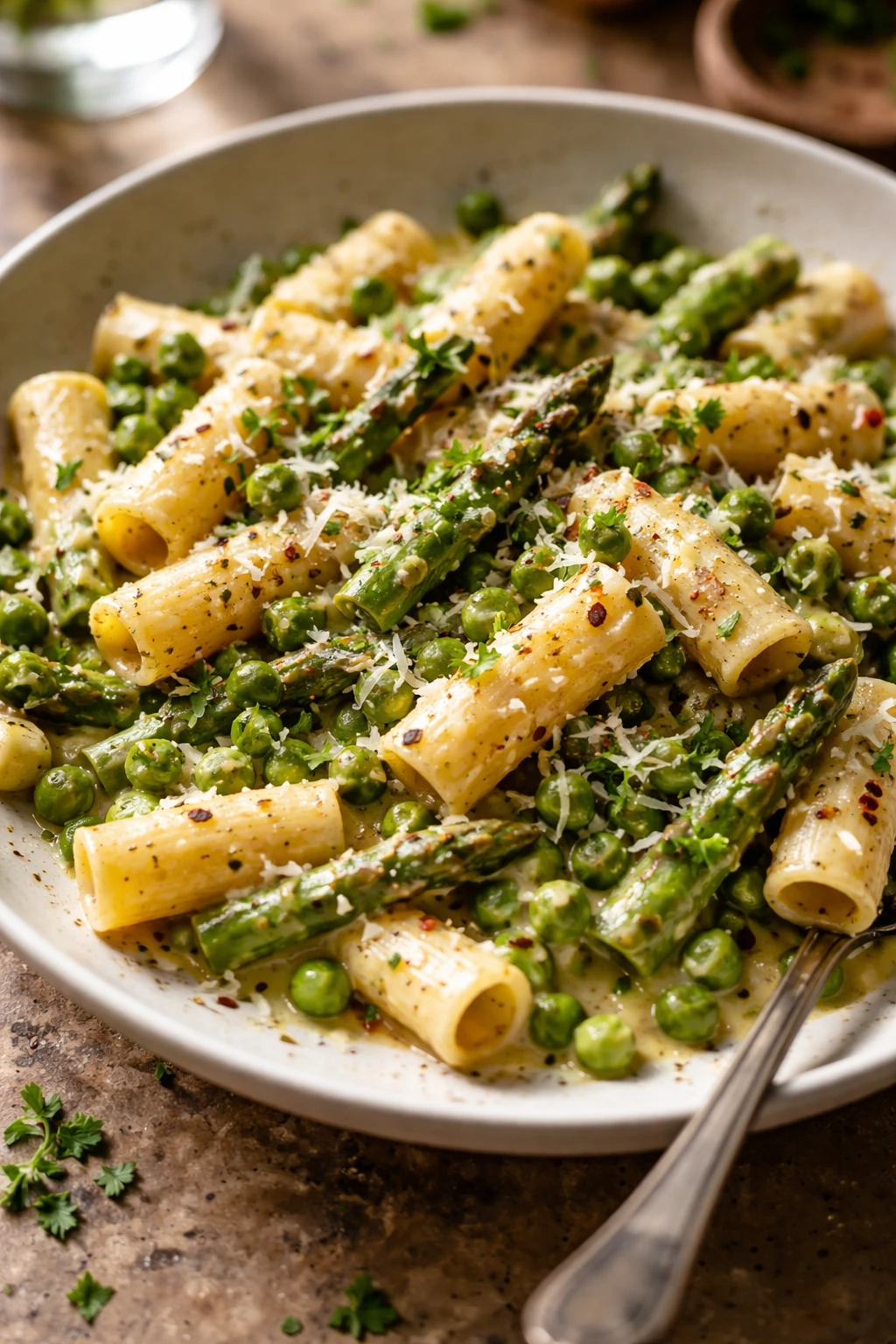
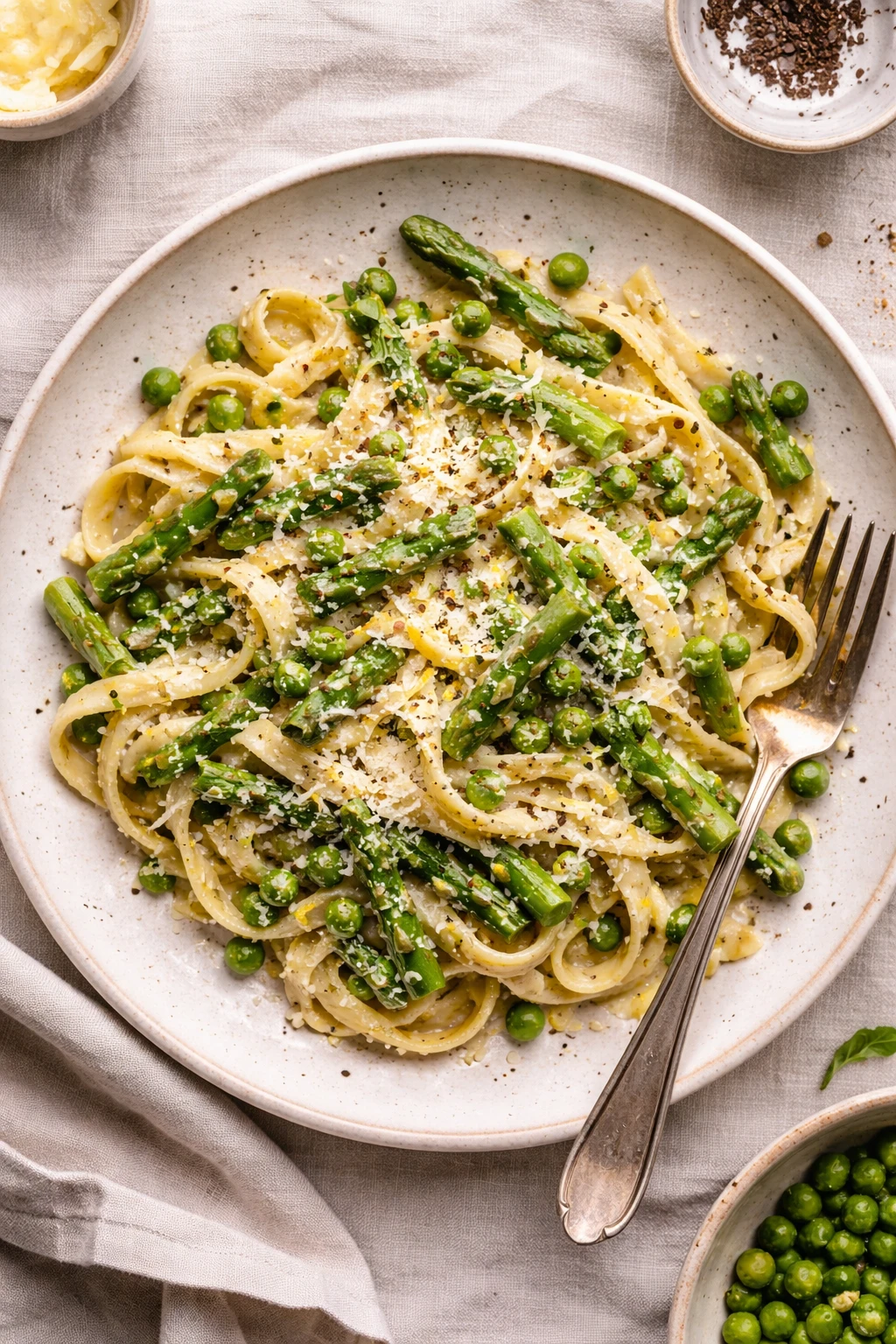
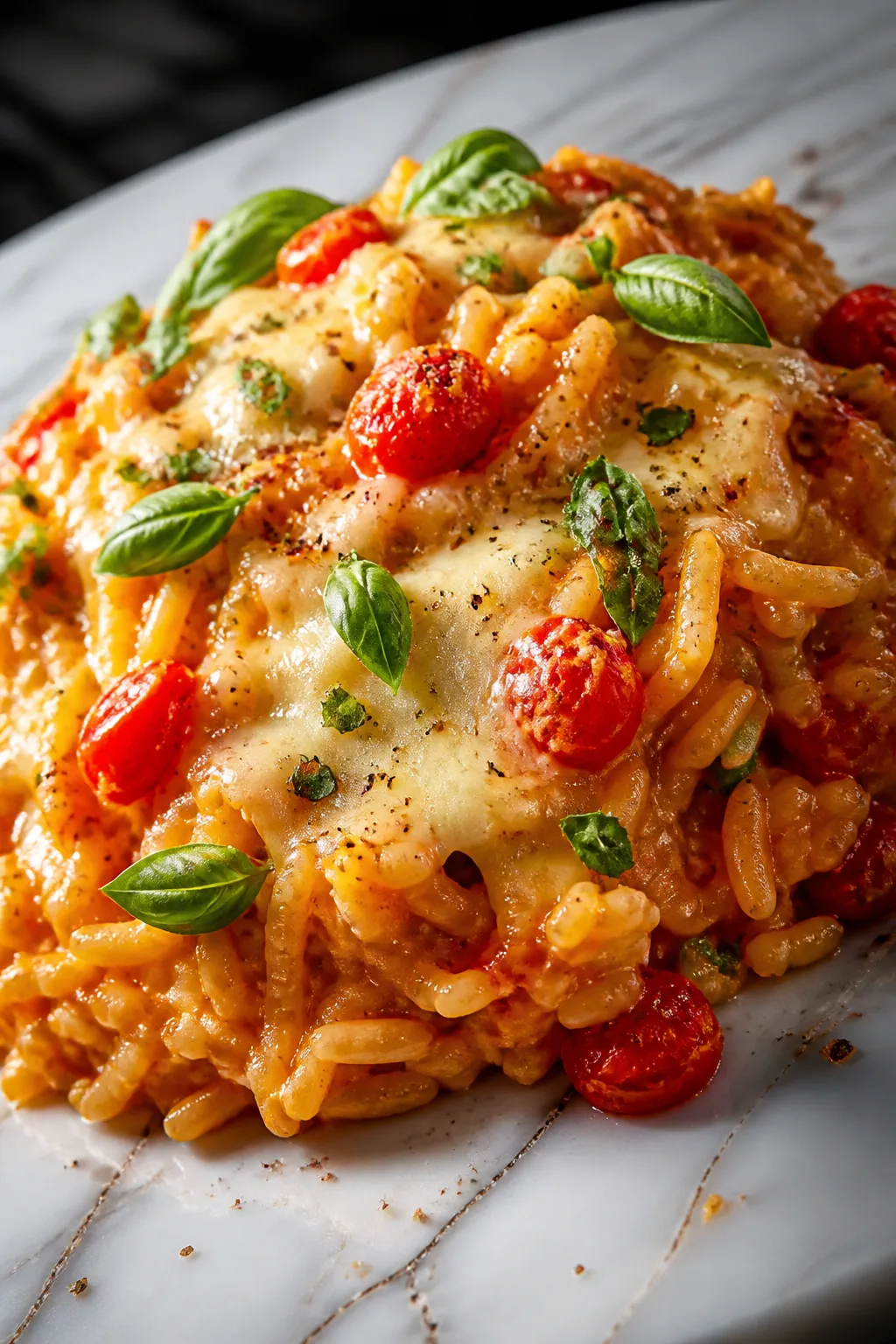
This creamy pasta with asparagus and peas is light but indulgent, with a zingy lemon zest lift that makes it feel special. It’s a quick, fresh dish perfect for a cozy weeknight dinner when you want comfort without heaviness.
Introduction
I first stumbled on this creamy lemon zest pasta with asparagus and peas a few springs ago when I wanted something bright yet comforting. I love how the lemon zest adds a fresh zing that really elevates the creamy sauce without making it heavy. The asparagus and peas bring a lovely crunch and sweetness, making it feel like spring on a plate. What makes this version stand out is the balance between richness and freshness, plus the quick cooking time—I usually have it on the table in about 45 minutes. The trick I learned is to add the lemon zest at the very end to preserve its fragrant oils and brightness. I also like to cook the veggies just until tender-crisp so they keep their vibrant color and texture. The final dish is silky, tangy, and fresh, perfect for a cozy weeknight when you want something a little special but still easy to pull together. Honestly, the first time I made it, I almost overcooked the asparagus, so keep an eye on it! But once you get the timing right, this pasta feels like a little celebration in your mouth. It’s quickly become one of my go-to spring dinners and always gets compliments from friends and family.
How To Do It
Step 1
Bring a large pot of salted water to a boil. Add the pasta and cook according to package instructions until al dente—usually around 8-10 minutes. Cooking pasta al dente is important because it will continue to cook slightly when mixed with the sauce, and you want it to hold its texture without becoming mushy. Stir occasionally to prevent sticking. Drain the pasta, reserving about a cup of the pasta water to adjust the sauce later if needed.
⏱ Time: 10 minutes
✓ Doneness: Pasta should be tender but still firm to the bite, not soft or mushy.
Step 2
While the pasta cooks, heat olive oil in a large skillet over medium heat. Add the minced garlic and sauté for about 1 minute until fragrant but not browned. Garlic burns easily and becomes bitter, so watch it carefully. Then add the asparagus pieces and cook for 4-5 minutes, stirring occasionally, until they are bright green and tender-crisp. If using frozen peas, add them in the last 2 minutes to warm through. This technique ensures the veggies stay vibrant and provide a nice texture contrast in the dish.
⏱ Time: 6 minutes
✓ Doneness: Asparagus should be tender but still snap slightly when bitten; garlic should smell fragrant without browning.
Step 3
Reduce the heat to low and pour in the heavy cream. Stir gently to combine and let it warm up for 3-4 minutes without boiling. Cream thickens and enriches the sauce, but boiling can cause it to separate, so keep the temperature low. Add the grated Parmesan cheese gradually, stirring constantly until melted and smooth. This creates a silky sauce that coats the pasta beautifully.
⏱ Time: 5 minutes
✓ Doneness: Sauce should be smooth, creamy, and slightly thickened without curdling.
Step 4
Add the cooked pasta to the skillet with the cream sauce and vegetables. Toss gently to coat all the strands evenly. If the sauce seems too thick, add a splash of the reserved pasta water to loosen it up and help it cling to the pasta better. This starchy water is a secret weapon for silky pasta sauces. Season with salt and freshly ground black pepper to taste.
⏱ Time: 3 minutes
✓ Doneness: Pasta should be evenly coated with a glossy, creamy sauce.
Step 5
Turn off the heat and stir in the fresh lemon zest and lemon juice. Adding lemon zest at the end preserves its bright aroma and prevents it from becoming bitter. The lemon juice adds a fresh, tangy contrast that cuts through the richness of the cream beautifully. Taste and adjust seasoning if needed.
⏱ Time: 2 minutes
✓ Doneness: You should smell a fresh citrus aroma and taste a balanced brightness in the sauce.
Step 6
Serve the pasta immediately, garnished with chopped fresh basil or parsley if you like. The herbs add a pop of color and a fresh herbal note that complements the lemon and veggies. This dish is best enjoyed hot as the sauce thickens as it cools.
⏱ Time: 2 minutes
✓ Doneness: Dish looks vibrant with fresh green veggies and garnishes, served hot.
Step 7
If you want to add some protein, grilled chicken or shrimp pair wonderfully with this pasta. Simply cook your protein separately and toss it in at the end. This makes the dish more filling without overwhelming the delicate flavors of the lemon and veggies.
⏱ Time: Optional timing depending on protein
✓ Doneness: Protein cooked through and warm, evenly mixed with pasta.
Step 8
For a vegan version, substitute the cream with full-fat coconut milk and use nutritional yeast instead of Parmesan. The texture will be a bit different but still creamy and satisfying. Adjust lemon and seasoning to taste.
⏱ Time: N/A
✓ Doneness: Sauce creamy and well-seasoned with no dairy flavor.
Step 9
Leftovers can be gently reheated on the stovetop with a splash of water or broth to loosen the sauce. Avoid microwaving without adding liquid, as the sauce might separate or dry out. Reheat just until warmed through to keep the pasta tender and the sauce silky.
⏱ Time: 5-7 minutes
✓ Doneness: Sauce smooth and warm, pasta tender but not mushy.
Pro Tips
Don’t overcook the asparagus; aim for tender-crisp.
Asparagus continues cooking slightly when mixed with pasta and sauce, so removing it from heat while still crisp preserves its bright color and fresh flavor. Overcooking turns it mushy and dulls the dish visually and texturally.
Add lemon zest at the very end, off heat.
Lemon zest contains delicate oils that evaporate or turn bitter when heated too long. Adding it last preserves its fresh aroma and bright flavor, giving the dish a lively citrus note that balances the richness.
Use freshly grated Parmesan cheese.
Freshly grated cheese melts smoothly into the sauce, creating a creamy texture. Pre-grated cheese often has additives that can affect melting and cause a grainy sauce. Fresh cheese also provides better flavor and umami.
Reserve pasta water before draining.
The starchy water helps loosen thick sauces and binds sauce to pasta. Adding it gradually lets you control sauce consistency without watering down flavors, ensuring the sauce clings beautifully.
Cook pasta al dente.
Al dente pasta holds its shape and texture even after mixing with sauce. Overcooked pasta becomes mushy and absorbs too much sauce, losing firmness and making the dish heavy.
Use a wide skillet for tossing pasta with sauce.
A wide surface area allows the pasta to be evenly coated without overcrowding. This helps the sauce cling to every strand and prevents steaming or sogginess.
Garnish with fresh herbs for extra brightness.
Herbs like basil or parsley add fresh aromatic notes and a pop of color. They complement the lemon and veggies, enhancing the overall flavor and visual appeal.
Common Mistakes to Avoid
Overcooking the asparagus and peas
Why it happens People often leave the veggies in the pan too long thinking it will speed up the process or make them softer.
Fix Cook the asparagus and peas just until tender-crisp, about 4-5 minutes, stirring occasionally. Remove from heat promptly to preserve texture and color.
Adding lemon zest too early
Why it happens Some assume lemon zest should be cooked with the sauce to blend flavors.
Fix Add lemon zest off the heat at the end to preserve its fresh oils and avoid bitterness.
Not reserving pasta water
Why it happens It’s easy to forget to save pasta water before draining.
Fix Always scoop out a cup of pasta water before draining to adjust sauce consistency and help it cling to pasta.
Using low-fat cream or milk
Why it happens Trying to reduce calories or assuming all cream is the same.
Fix Use heavy cream with sufficient fat content for proper thickening and emulsification; lower-fat options can cause separation.
Overcooking pasta
Why it happens Following package instructions too rigidly or cooking for convenience.
Fix Cook pasta to al dente, testing a minute or two before the suggested time to avoid mushiness after combining with sauce.
Variations
Add Grilled Chicken for Protein
Toss in sliced grilled chicken breast for a heartier meal. The smoky grilled flavor pairs beautifully with the creamy lemon sauce and spring veggies, making it more filling without overpowering the fresh flavors.
Note: Cook chicken separately and add at the end to keep the sauce texture intact.
Vegan Version with Coconut Cream
Swap heavy cream for full-fat coconut milk and Parmesan for nutritional yeast. The sauce remains creamy with a subtle coconut undertone, keeping the dish rich yet dairy-free and vegan-friendly.
Note: Adjust lemon juice and seasoning to balance coconut flavor.
Use Peas and Asparagus Puree for Sauce
Blend cooked peas and asparagus into a puree and mix with olive oil and lemon juice for a lighter, veggie-forward sauce. Toss with pasta for a fresh, colorful dish with less cream.
Note: Skip cream and cheese; add pasta water to adjust consistency.
Add Chili Flakes for a Spicy Kick
Sprinkle in chili flakes with the garlic to add subtle heat that balances the creaminess and lemon brightness. Works great if you like a little spice in your pasta dishes.
Note: Adjust chili quantity to taste; add early for infused flavor.
Swap Parmesan for Pecorino Romano
Use Pecorino Romano cheese instead of Parmesan for a sharper, saltier flavor. This variation adds a tangy depth that complements the lemon zest beautifully.
Note: Pecorino is saltier; reduce added salt accordingly.
Nutrition
Per Serving:
Nutritional values are estimates and may vary based on specific ingredients used.
Storage & Tips
Room Temperature
This pasta is best served immediately but can sit covered at room temperature for up to 1 hour. Leaving it longer risks the cream sauce spoiling or the pasta drying out.
Refrigerator
Store leftovers in an airtight container in the fridge for up to 3 days. The sauce may thicken and pasta can absorb moisture, so reheat gently with a splash of water or broth to restore creaminess.
Freezer
Freezing cream-based pasta is not recommended as the sauce can separate and become grainy upon thawing. If freezing is necessary, freeze immediately after cooking in an airtight container for up to 1 month.
Reheating
Reheat gently on the stovetop over low heat with a splash of water or broth to loosen the sauce. Avoid high heat or microwave reheating without added liquid, which can cause the sauce to separate.
Make Ahead
You can prep the vegetables and cook pasta in advance, storing them separately in the fridge. Make the sauce fresh and toss everything together just before serving to keep textures vibrant.
FAQ
Can I use frozen asparagus and peas instead of fresh?
Yes, frozen peas work great and can be added directly to the skillet to warm through. For asparagus, frozen can be used but tends to be softer; cook it gently to avoid mushiness. Fresh is preferred for texture and color.
What pasta shape works best for this recipe?
Long, flat pasta like fettuccine or linguine works well because the creamy sauce clings nicely to the strands. You can also use penne or rigatoni if you prefer shapes that hold sauce in their tubes.
How can I make this dish lighter without losing creaminess?
Try substituting half the heavy cream with low-fat milk or a plant-based milk, and add a bit more cheese for richness. You can also reduce the cream and add more lemon juice and zest for brightness.
Is it okay to prepare this recipe ahead of time?
You can chop veggies and cook pasta ahead, but it's best to make the sauce fresh and combine everything just before serving to keep the sauce silky and the veggies crisp.
What if I don’t have lemon zest on hand?
You can substitute with a small amount of lemon juice, but the zest provides essential aromatic oils that brighten the dish. Using only juice will add acidity but less fragrance.
Can I substitute Parmesan with another cheese?
Grana Padano or Pecorino Romano are good substitutes, with Pecorino adding a sharper flavor. Avoid mild cheeses like mozzarella as they won’t melt into the sauce properly.
How do I prevent the cream sauce from breaking?
Cook the cream sauce gently over low heat and avoid boiling. Sudden high heat or prolonged cooking causes the fat to separate from the liquid, leading to curdling.
What’s the best way to reheat leftovers?
Reheat gently on the stovetop with a splash of water or broth over low heat. Avoid microwaving without added liquid, which can dry out or separate the sauce.
Final Thoughts
Give this creamy lemon zest pasta a try and I bet it’ll become one of your favorite quick dinners. Don’t forget to share how it turns out—I’d love to hear your tweaks and favorites!