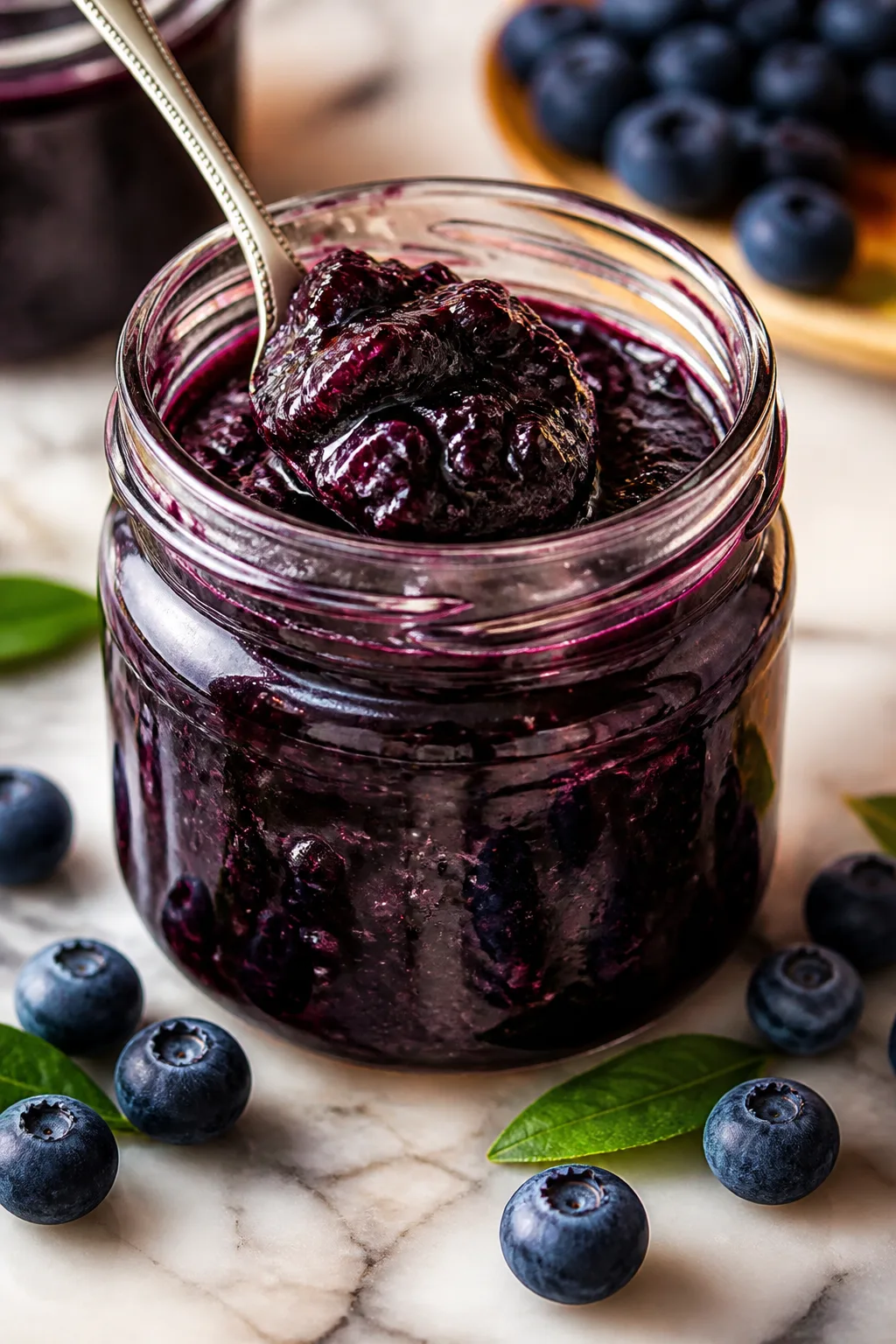
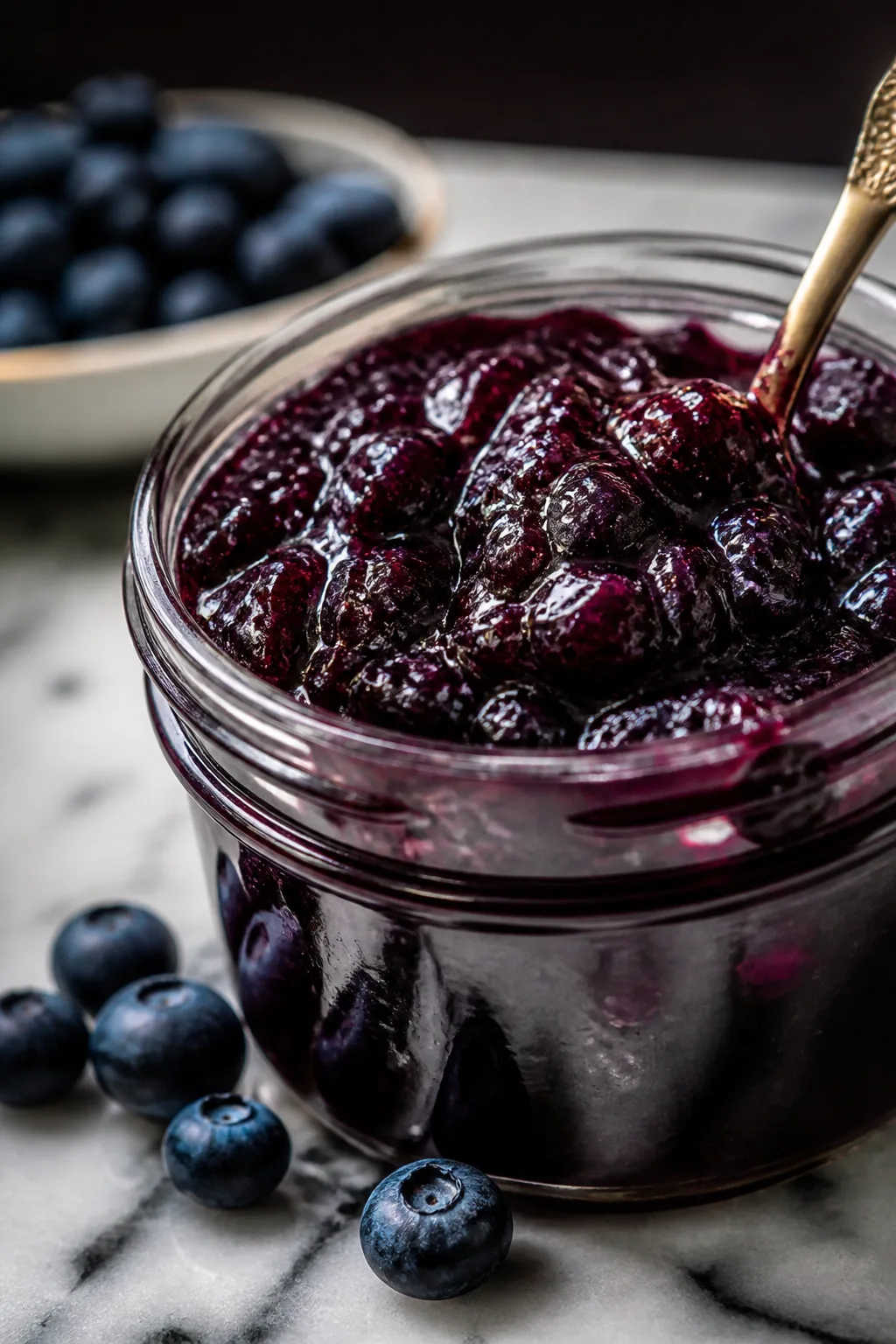
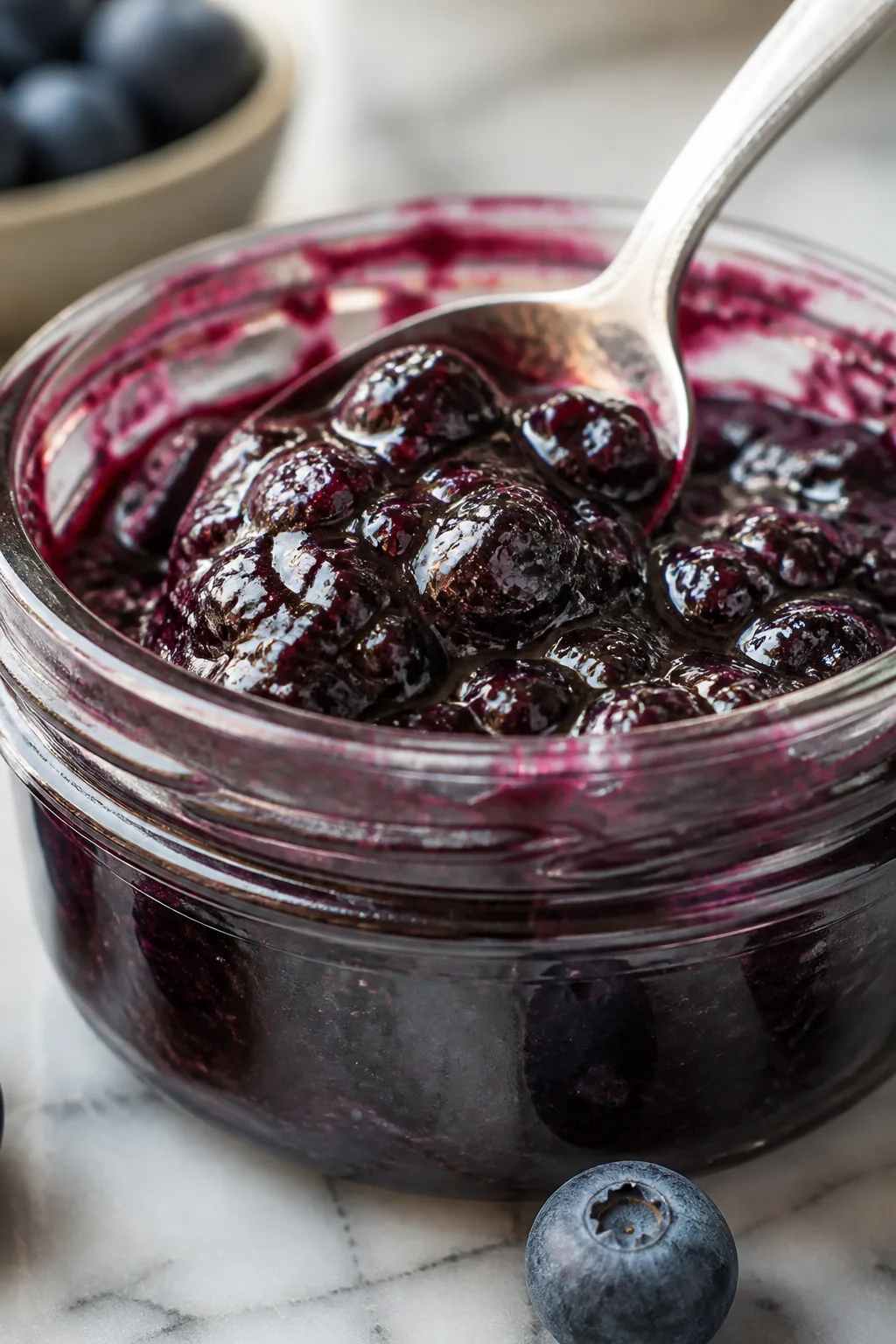
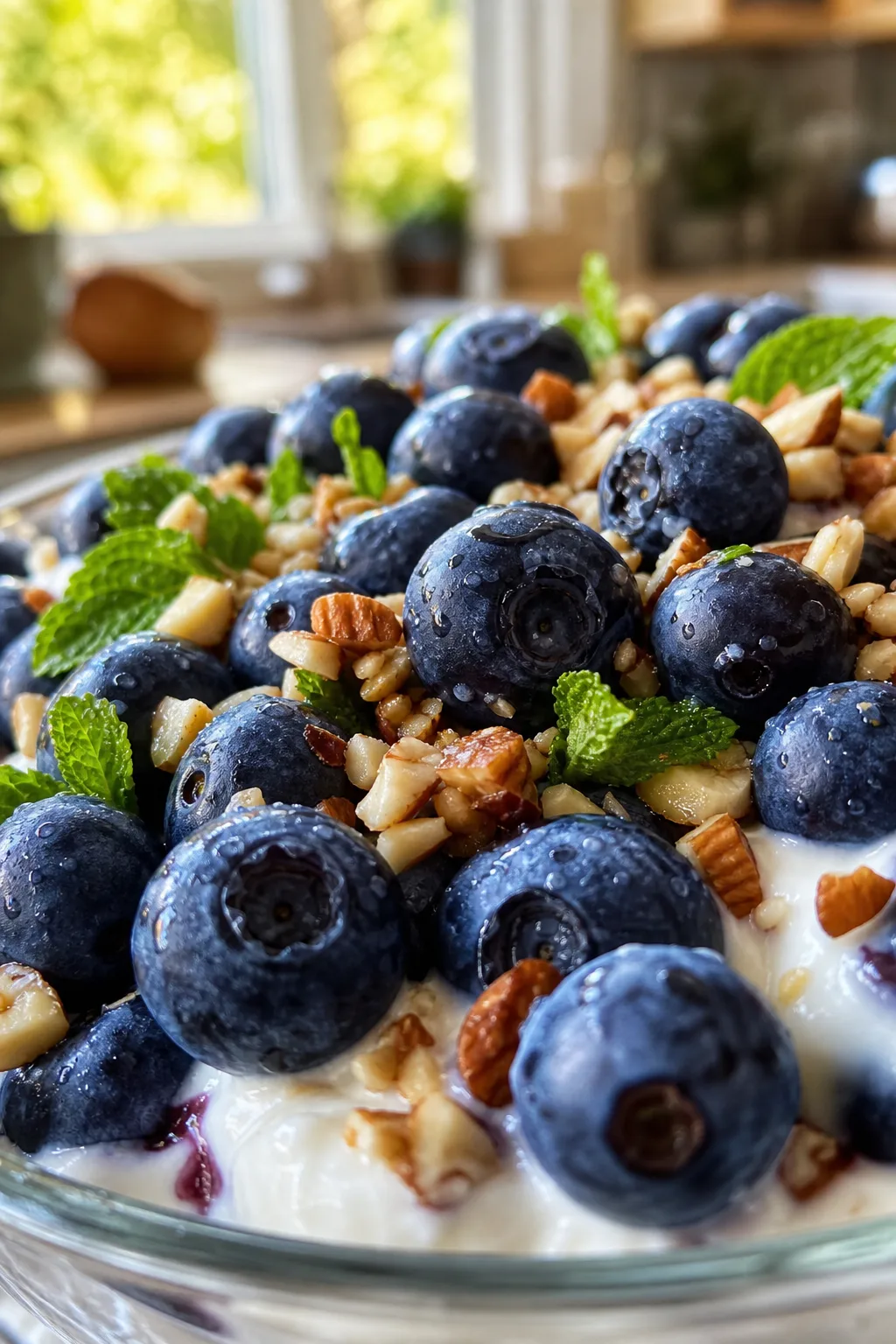
This blueberry jam bursts with fresh berry flavor and a touch of lemon zest that really wakes it up. I love spooning it over morning toast or yogurt for a bright, homemade touch. Super simple and naturally sweet!
Introduction
I first made this blueberry jam on a sunny weekend when I had a basket full of fresh berries from the farmers market. I wanted something simple, without all the pectin powders or preservatives you find in store-bought jams. What makes this version special is the little twist of fresh lemon zest — it brightens the whole batch and balances the sweetness perfectly. I’ve tried a few ways to cook it down, but gently simmering the berries until they break down naturally keeps the jam fresh and full of that true blueberry flavor. It’s not overly thick or gummy, just spoonable and perfect for spreading on toast or dolloping on yogurt. I love how easy it is and how it brings a little taste of summer to any morning. Plus, it’s a fun recipe to make with kids or friends because the colors and smells are just so inviting. You’ll notice the jam has a lovely, natural shine and a hint of tartness that keeps it interesting bite after bite. Honestly, once you try making your own, you’ll never want to buy jam again — it’s that good and so worth the tiny bit of effort!
What You'll Need
Approximately 2 cups, 4 servings
- 4 cups fresh blueberries, washed
- 1 1/2 cups granulated sugar
- 2 tablespoons fresh lemon juice
- 1 teaspoon lemon zest
- 1/2 teaspoon vanilla extract (optional)
How To Do It
Step 1
Start by thoroughly washing the blueberries and removing any stems or bruised berries. This step ensures your jam is fresh and free from any off flavors. Place the cleaned berries in a large, heavy-bottomed saucepan to prevent burning. Using a heavy pan distributes heat evenly, which helps the berries cook down uniformly without scorching. You’ll want to cook them gently over medium heat to encourage the berries to burst and release their natural juices. Stir occasionally to prevent sticking and keep an eye on the color shifting to a deep purple-red, signaling the berries are softening properly.
⏱ Time: 10 minutes
✓ Doneness: Berries are mostly broken down and the mixture is bubbling gently with a juicy, thick consistency.
Step 2
Add the sugar, lemon juice, and lemon zest to the softened berries. Stir well to dissolve the sugar completely. The sugar not only sweetens but also helps to thicken the jam by drawing out moisture and interacting with the fruit’s natural pectin. The lemon juice adds acidity that brightens flavor and aids in preservation. Keep the heat on medium-low and simmer the mixture, stirring frequently. If you rush this step by turning the heat too high, the jam can scorch or become too thick and sticky. Slow simmering ensures a balanced texture and fuller flavor development.
⏱ Time: 20 minutes
✓ Doneness: Jam thickens and coats the back of a spoon with a glossy, spreadable texture.
Step 3
Once the jam has thickened, remove the pan from heat and stir in the vanilla extract if using. This adds a subtle warmth and depth to the flavor without overpowering the berries. Let the jam cool for a few minutes before transferring it to sterilized jars. Cooling slightly helps prevent condensation inside the jars, which can dilute the jam and shorten shelf life. Seal the jars tightly and let them cool completely at room temperature before refrigerating.
⏱ Time: 5 minutes
✓ Doneness: Jam is thick but still spoonable, with a rich aroma and smooth texture.
Step 4
To sterilize your jars, wash them with hot soapy water and rinse well. Then boil them in water for 10 minutes or run them through a hot dishwasher cycle. Sterilized jars prevent contamination and help your jam last longer. Dry them on a clean towel before filling with jam to avoid water diluting the preserve.
⏱ Time: 15 minutes
✓ Doneness: Jars are clean, dry, and free of any residue or moisture.
Step 5
Fill the sterilized jars with the hot jam, leaving about 1/4 inch of headspace at the top. This space allows for expansion during cooling and helps form a vacuum seal. Use a clean, dry spoon or ladle to transfer the jam carefully, avoiding spills on the jar rims. Wipe the rims with a damp cloth to remove any sticky residue before sealing with lids.
⏱ Time: 10 minutes
✓ Doneness: Jars are filled neatly with no jam on the rims, lids screw on securely.
Step 6
Process the sealed jars in a boiling water bath for 10 minutes to ensure proper sealing and preservation. This step kills any remaining bacteria and creates a vacuum seal that keeps your jam fresh for months. Make sure the jars are covered by at least an inch of water and keep the water at a gentle boil. After processing, remove the jars carefully and place them on a towel to cool undisturbed.
⏱ Time: 10 minutes
✓ Doneness: Lids pop down with a satisfying click indicating a good seal.
Step 7
Let the jars cool completely at room temperature, ideally overnight. Do not disturb or move the jars while cooling, as this can interfere with the sealing process. The jam will thicken further as it cools and develop a richer flavor. Once cooled, check the seals by pressing the center of each lid — it should not flex or pop back. Any unsealed jars should be refrigerated and used first.
⏱ Time: 8 hours
✓ Doneness: Lids are concave and firm, no flex when pressed.
Step 8
Label your jars with the date and contents. Store them in a cool, dark place like a pantry or cupboard. Properly sealed jars can last up to a year unopened. Once opened, keep refrigerated and consume within a few weeks to enjoy the best flavor and freshness.
⏱ Time: 5 minutes
✓ Doneness: Jars are neatly labeled and stored away from sunlight.
Step 9
When ready to enjoy, open your jam and give it a quick stir. It should be thick, glossy, and bursting with bright blueberry flavor with a subtle lemon zing. Spread it on toast, swirl it into yogurt, or even use it as a topping for desserts. Homemade jam adds so much more character and freshness than store-bought versions, and it’s a joy to share with family and friends.
⏱ Time: 0 minutes
✓ Doneness: Jam is smooth, spreadable, and full of vibrant color and aroma.
Pro Tips
Use a heavy-bottomed pan to cook the jam.
A heavy-bottomed pan distributes heat evenly and prevents hotspots that can scorch the fruit mixture. Scorching not only affects flavor but can cause uneven thickening and burnt bits in your jam, ruining the texture and taste.
Don’t rush the simmering process.
Slow simmering allows the berries to break down gently and the pectin to activate properly. Rushing with high heat can break down pectin molecules and cause your jam to be runny or overly thick and sticky.
Sterilize jars properly before filling.
Sterilized jars prevent contamination and mold growth, which can spoil your jam quickly. Boiling jars or using a hot dishwasher cycle ensures all bacteria are killed, extending shelf life safely.
Add lemon zest for a fresh twist.
Lemon zest adds essential oils that brighten the flavor without extra acidity. It balances the sweetness naturally and gives the jam a fresh, lively aroma that makes it stand out.
Use fresh lemon juice instead of bottled.
Fresh lemon juice is more acidic and flavorful, which helps preserve the jam and activate pectin for better texture. Bottled juice often contains preservatives that can dull flavors.
Leave some headspace in jars when filling.
Headspace allows for expansion during cooling and helps form a vacuum seal, which is crucial for safe storage and preventing spoilage.
Check seals after cooling.
A proper seal means your jam will keep longer. Pressing the lid should not flex or pop back. If a jar isn’t sealed, refrigerate and use it first to avoid waste.
Common Mistakes to Avoid
Cooking the jam at too high a temperature
Why it happens Many cooks want to speed up the process and crank up the heat, thinking it will thicken faster.
Fix Keep the heat at a gentle simmer to allow proper pectin activation and prevent burning. High heat breaks down pectin molecules and can result in a runny or overly sticky jam. Patience is key for the right texture.
Not sterilizing jars properly
Why it happens People often skip this step to save time or assume washing is enough.
Fix Always sterilize jars by boiling or using a dishwasher cycle to kill bacteria and prevent mold. This step is essential for safe, long-lasting preserves.
Using bottled lemon juice instead of fresh
Why it happens Convenience or not realizing the difference in acidity and flavor.
Fix Use fresh lemon juice for best results. It provides the right acidity to activate pectin and brightens the flavor naturally.
Overfilling jars without headspace
Why it happens Eager to not waste any jam, cooks fill jars to the brim.
Fix Leave about 1/4 inch headspace to allow for expansion during cooling and proper sealing. This prevents jar breakage and spoilage.
Not testing the jam’s set
Why it happens Skipping the spoon test or assuming it’s done based on time alone.
Fix Use the spoon test: the jam should coat the back of a spoon thickly and not run off quickly. This ensures the right gel consistency before bottling.
Variations
Mixed Berry Jam
Swap half the blueberries for raspberries or strawberries for a more complex berry flavor. The mix adds tartness and sweetness that complement each other beautifully. Expect a slightly thinner texture due to different pectin levels, but still delicious.
Note: Adjust cooking time slightly to ensure all berries are fully broken down and the jam reaches the right set.
Blueberry Lavender Jam
Add a teaspoon of dried culinary lavender buds during simmering for a floral twist. The lavender pairs wonderfully with blueberry’s natural sweetness and gives the jam a unique, fragrant flavor. Great for tea time or desserts.
Note: Strain out lavender buds before bottling to keep the jam smooth and avoid bitterness.
Sugar-Free Blueberry Jam
Use a natural sweetener like honey or maple syrup instead of sugar, adjusting quantities to taste. The jam will be less thick but still flavorful and perfect for those avoiding refined sugar.
Note: Cook a bit longer to concentrate flavors and thicken, but watch carefully to avoid burning.
Spiced Blueberry Jam
Add warming spices like cinnamon, star anise, or cloves during cooking for a cozy, autumnal flavor. These spices add depth and pair nicely with the lemon zest and blueberry sweetness.
Note: Remove whole spices before bottling to keep the jam smooth and avoid overpowering flavors.
Chunky Blueberry Jam
For more texture, mash only half the berries and leave the rest whole. This gives a rustic jam with bursts of whole fruit in every bite, perfect for those who love a bit of chew.
Note: Adjust cooking time to ensure the mashed berries break down sufficiently while the whole berries remain intact.
Nutrition
Per Serving:
Nutritional values are estimates and may vary based on specific ingredients used.
Storage & Tips
Room Temperature
Once sealed properly, blueberry jam can be stored safely at room temperature in a cool, dark place for up to 12 months. Keep jars away from direct sunlight and heat sources to preserve color and flavor. Always check seals before consuming.
Refrigerator
After opening, store blueberry jam in an airtight container in the refrigerator for up to 3 weeks. The flavor may mellow slightly when cold, so bringing it to room temperature before serving can enhance taste and spreadability.
Freezer
Blueberry jam can be frozen for up to 6 months. Use freezer-safe containers, leaving space for expansion. Thaw in the refrigerator overnight and stir well before use. Texture may be slightly softer after freezing but still delicious.
Reheating
If your jam thickens too much in the fridge or freezer, gently warm it in a small saucepan over low heat with a splash of water to loosen the texture. Avoid boiling to preserve fresh flavor and prevent burning.
Make Ahead
You can prepare the jam base (cooked berries and sugar) 1-2 days ahead, cool, and refrigerate. Finish adding lemon zest and vanilla just before filling jars to keep flavors bright and fresh.
FAQ
Can I use frozen blueberries for this jam?
Yes, frozen blueberries can be used, but they tend to release more water and can make the jam thinner. You might need to cook the jam a bit longer to reach the right consistency. Also, frozen berries often have a softer texture, so expect a slightly different mouthfeel.
How do I know when the jam is set?
The best way is the spoon test: dip a spoon into the hot jam and run your finger through the back. If it leaves a clear path and the jam doesn’t run back quickly, it’s set. You can also refrigerate a small plate with a spoonful of jam; if it wrinkles when pushed, it’s ready.
Why is my jam too runny?
Runny jam usually means the pectin didn’t activate fully or the cooking time was too short. Make sure to add enough lemon juice for acidity and simmer long enough to thicken. Avoid rushing the cooking process or using unripe berries low in pectin.
Can I omit the lemon zest?
You can, but lemon zest adds brightness and complexity to the jam’s flavor. Without it, the jam might taste sweeter and less vibrant. The lemon juice is still essential for acidity and pectin activation, so don’t skip that.
How long does homemade blueberry jam last?
Unopened and properly sealed jars can last up to 12 months stored in a cool, dark place. Once opened, keep refrigerated and use within 3 weeks for best quality and safety.
Can I double the recipe?
Absolutely! Just use a larger pot to allow room for bubbling and stirring. Cooking time might increase slightly to achieve the right thickness, so keep an eye on the jam’s consistency rather than strictly timing.
Is it necessary to do a water bath for the jars?
If you want long-term shelf stability, yes. The water bath sterilizes the jars and seals them properly to prevent spoilage. If you plan to keep the jam refrigerated and use it quickly, you can skip this step but store it cold.
Can I use other citrus instead of lemon?
Lime or orange juice can work but may alter the flavor and acidity level. Lemon juice is preferred for its balanced acidity and bright flavor that activates pectin effectively.
Final Thoughts
Give this fresh blueberry jam a try and enjoy the sunshine in every spoonful! I’d love to hear how it turns out for you—don’t forget to share your jammy creations!