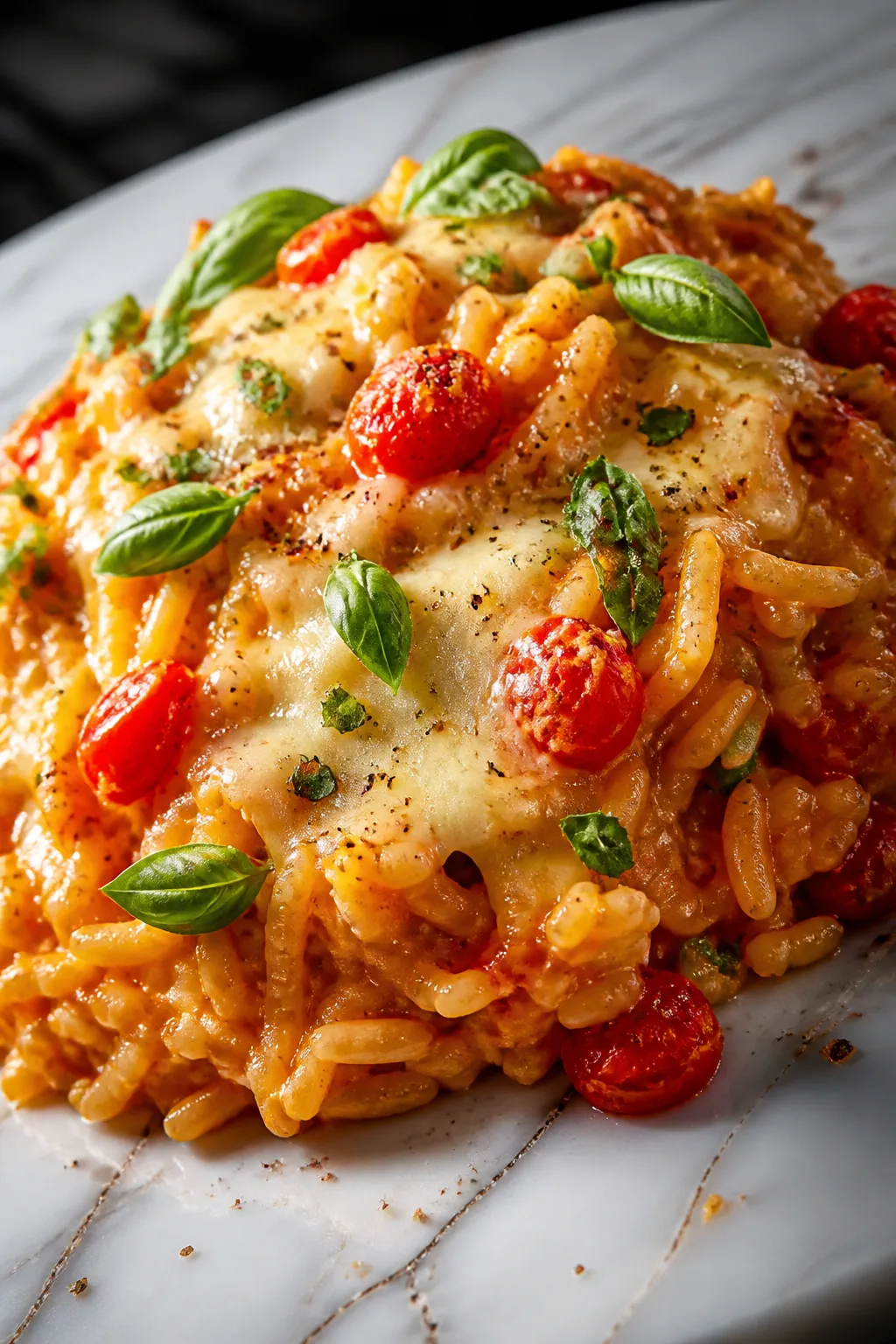
This slow cooker vegetarian stew is packed with rich flavors from slow-cooked veggies and warming spices. It’s super easy to prep and perfect for potlucks or laid-back get-togethers when you want comfort without fuss.
Introduction
I first stumbled upon this slow cooker vegetarian stew on a chilly fall weekend when I wanted something comforting but hands-off. It’s been a favorite ever since because it’s so simple yet satisfying. The slow cooker does all the magic here, melding the spices and veggies into a rich, flavorful stew without any stress. What makes this version stand out is the use of smoked paprika and cumin, which give it a subtle smoky warmth that feels cozy but not overpowering. Plus, chickpeas add a lovely texture and protein boost, making it hearty enough for a main meal. Over time, I’ve learned the trick of adding the garlic and onions early to build a deep base flavor before everything simmers together. The finished stew is thick, fragrant, and loaded with tender veggies that taste like they’ve been lovingly simmered for hours. It’s perfect for potlucks or lazy weekends when you want to set it and forget it. Honestly, I’ve tried rushing it before, and the flavors just don’t develop the same way. This recipe invites you to slow down and enjoy the process, and it always delivers a bowl of cozy satisfaction.
What You'll Need
Approximately 6 cups, 6 servings
- 2 cups diced carrots, peeled
- 2 cups diced potatoes, peeled
- 1 cup chopped celery
- 1 cup chopped onion
- 3 cloves garlic, minced
- 1 can (15 oz) diced tomatoes
- 1 can (15 oz) chickpeas, drained and rinsed
- 4 cups vegetable broth
- 1 teaspoon smoked paprika
- 1 teaspoon ground cumin
- 1/2 teaspoon dried thyme
- Salt and pepper to taste
- 2 tablespoons olive oil
- Fresh parsley, chopped for garnish
How To Do It
Step 1
Start by prepping your vegetables: peel and dice the carrots and potatoes, chop the celery and onions, and mince the garlic. Taking the time to cut the veggies into similar-sized pieces ensures they cook evenly in the slow cooker. Uneven chunks can lead to some veggies being mushy while others stay undercooked, so aim for consistent sizes around 1-inch cubes. This prep step sets the stage for a perfectly textured stew.
⏱ Time: 15
✓ Doneness: Uniformly chopped vegetables, ready for layering in the slow cooker
Step 2
Heat olive oil in a skillet over medium heat and sauté the onions and garlic until translucent and fragrant, about 5 minutes. This step helps release their natural sweetness and builds a flavor base that’s richer than just tossing raw veggies into the slow cooker. Watch closely so the garlic doesn’t brown too much, which can add bitterness. Once softened, transfer this mixture to the slow cooker.
⏱ Time: 7
✓ Doneness: Onions are soft and translucent; garlic is fragrant but not browned
Step 3
Add the diced carrots, potatoes, celery, diced tomatoes (with juice), and chickpeas to the slow cooker. Pour in the vegetable broth and stir to combine. Distributing ingredients evenly ensures the flavors meld properly during cooking. The broth should cover the veggies to allow even simmering, so don’t skimp on the liquid here.
⏱ Time: 5
✓ Doneness: Ingredients are evenly combined and submerged in broth
Step 4
Sprinkle in the smoked paprika, ground cumin, dried thyme, salt, and pepper. These spices add depth and warmth, transforming simple veggies into a hearty stew. Stir gently to incorporate without mashing the chickpeas. Proper seasoning at this point is crucial since the flavors will deepen as the stew cooks slowly.
⏱ Time: 5
✓ Doneness: Spices are evenly distributed, visible throughout the stew
Step 5
Cover the slow cooker and set it to low heat for 6 hours. Slow cooking at low temperature allows the flavors to slowly develop and the vegetables to become tender without falling apart. Avoid lifting the lid during cooking as it releases heat and lengthens cooking time.
⏱ Time: 360
✓ Doneness: Vegetables are tender when pierced with a fork; broth is aromatic and slightly thickened
Step 6
About 30 minutes before serving, check the seasoning and adjust salt and pepper if needed. This is the best time to tweak flavors as the stew has had time to meld. If you prefer a thicker stew, you can remove the lid and let it cook uncovered for a short while to reduce excess liquid.
⏱ Time: 30
✓ Doneness: Stew tastes balanced and broth has desired thickness
Step 7
Before serving, stir in freshly chopped parsley for a bright, fresh contrast to the rich stew. The herbs add a pop of color and a fresh aroma that livens up the dish. It’s a simple finishing touch that elevates the whole bowl.
⏱ Time: 5
✓ Doneness: Parsley is evenly mixed and vibrant
Step 8
Serve the stew hot, ideally with crusty bread or over a bed of rice. The stew is filling and flavorful on its own but pairing it with carbs makes it a complete meal. The bread also helps soak up the delicious broth.
⏱ Time: 5
✓ Doneness: Stew is steaming hot and plated attractively
Step 9
Store leftovers in an airtight container in the fridge once cooled. The stew tastes even better the next day as the flavors continue to meld, making it a great make-ahead meal. Reheat gently on the stove or microwave, adding a splash of broth if it thickens too much.
⏱ Time: 10
✓ Doneness: Leftovers are heated through evenly with restored consistency
Pro Tips
Chop vegetables uniformly for even cooking.
When veggies are cut to similar sizes, they cook at the same rate, preventing some pieces from becoming mushy while others remain undercooked. This consistency improves texture and overall eating experience.
Sauté garlic and onions before adding to the slow cooker.
This step activates the Maillard reaction, developing deeper flavors and sweetness that a slow cooker alone can’t achieve. It’s a small step that makes a big difference in richness.
Don’t lift the slow cooker lid during cooking.
Each time you open the lid, heat escapes and extends cooking time. The slow cooker relies on a sealed environment to maintain steady low heat, so resist the urge to peek.
Use smoked paprika for a warm, smoky depth.
Smoked paprika adds a subtle complexity that transforms the stew from ordinary to special. Without it, the stew can taste flat or one-dimensional.
Add fresh herbs at the end of cooking.
Herbs like parsley lose their bright flavor and color if cooked too long. Adding them just before serving keeps the dish fresh and visually appealing.
Adjust seasoning at the end of cooking.
Flavors concentrate during slow cooking, so it’s easier to balance salt and spices after the stew has fully developed. This avoids over-seasoning early on.
Serve with crusty bread to soak up the broth.
Bread complements the stew’s texture and helps turn it into a more filling meal. It also adds a satisfying contrast to the soft veggies.
Common Mistakes to Avoid
Adding all ingredients raw without sautéing aromatics.
Why it happens People often want to save time and skip the sauté step, thinking the slow cooker will do all the work.
Fix Take 5-7 minutes to sauté onions and garlic first. This develops flavor via the Maillard reaction that slow cooking alone can’t replicate, resulting in a richer stew.
Cutting vegetables unevenly.
Why it happens Rushing prep or inexperience leads to uneven chopping.
Fix Use a sharp knife and take your time to cut veggies into similar sizes to ensure even cooking and avoid some pieces being mushy while others are hard.
Opening the slow cooker lid frequently.
Why it happens Curiosity or impatience makes cooks peek to check progress.
Fix Resist opening the lid. Each time you do, heat escapes, extending cooking time and affecting texture. Trust the slow cooker to do its job.
Using low-quality or salty broth.
Why it happens Choosing convenience over quality or not tasting broth first.
Fix Use a good-quality, low-sodium vegetable broth or homemade broth. This ensures balanced flavor and avoids overly salty stew.
Not adjusting seasoning after cooking.
Why it happens Assuming seasoning is perfect before cooking.
Fix Taste the stew before serving and adjust salt and pepper as needed to balance flavors enhanced by slow cooking.
Variations
Spicy Southwestern Twist
Add diced jalapeños and a teaspoon of chili powder along with the paprika and cumin for a spicy kick. Swap chickpeas for black beans to complement the southwestern flavors. Expect a stew with a lively heat and slightly smoky, earthy notes.
Note: Monitor spice levels carefully; slow cooking can mellow heat, so add jalapeños early but chili powder last for balanced spiciness.
Creamy Coconut Curry Version
Stir in a can of coconut milk and a tablespoon of curry powder after sautéing onions and garlic. Use sweet potatoes instead of regular potatoes for a natural sweetness. This creates a creamy, fragrant curry stew with a tropical flair.
Note: Add coconut milk in the last hour to prevent curdling and maintain creaminess.
Hearty Lentil and Veggie Mix
Replace chickpeas with brown lentils and add diced zucchini and spinach in the last 30 minutes. Lentils make the stew even more protein-packed and the greens add freshness and color.
Note: Add zucchini and spinach late to avoid overcooking and maintain texture.
Root Vegetable Medley
Use a mix of parsnips, turnips, and rutabaga along with carrots and potatoes for a robust earthy flavor. This variation is perfect for winter and gives a slightly sweeter, earthier stew.
Note: Cut root veggies uniformly and monitor tenderness closely as some may cook faster.
Tomato-Free Garden Stew
Omit canned tomatoes and increase broth by a cup. Add a tablespoon of tomato paste sautéed with onions for subtle tomato flavor without acidity. This suits those sensitive to tomatoes or wanting a milder stew.
Note: Sauté tomato paste with onions to caramelize and deepen flavor.
Nutrition
Per Serving:
Nutritional values are estimates and may vary based on specific ingredients used.
Storage & Tips
Room Temperature
The stew can safely sit covered at room temperature for up to 2 hours. Beyond this, bacteria growth increases, so it’s best to refrigerate promptly after serving.
Refrigerator
Store leftovers in an airtight container in the fridge for up to 4 days. The flavors deepen overnight but the texture may thicken; reheat gently with a splash of broth to loosen it up.
Freezer
Freeze the stew in airtight containers or freezer bags for up to 3 months. Make sure it’s cooled completely before freezing to prevent ice crystals. Thaw overnight in the fridge before reheating.
Reheating
Reheat on the stovetop over medium-low heat, stirring occasionally. Add a little vegetable broth if it’s too thick. Avoid high heat which can cause the veggies to break down further and lose texture.
Make Ahead
You can prep all vegetables and spices a day ahead and store them in the fridge. Assemble and cook in the slow cooker on the day of serving for best freshness. Leftover stew can be made a day in advance and reheated.
FAQ
Can I use dried chickpeas instead of canned?
Yes, but you’ll need to soak dried chickpeas overnight and cook them until tender before adding to the stew. Adding raw dried chickpeas directly to the slow cooker can result in uneven cooking and a hard texture. Pre-cooked chickpeas ensure the stew is smooth and evenly textured.
What if I don’t have smoked paprika?
You can substitute regular paprika, but the stew will lack the smoky depth. Alternatively, a small pinch of chipotle powder can add smokiness and heat. Avoid skipping this spice entirely as it’s key to the stew’s signature flavor.
Can I make this stew on the stovetop?
Absolutely! Use a large pot and simmer gently over low heat for about 1 to 1.5 hours until vegetables are tender. Stir occasionally and add broth as needed. The flavors won’t be quite as deep as slow cooking but still delicious.
How can I make this stew spicier?
Add diced fresh chili or a pinch of cayenne pepper along with the other spices. Start small and adjust to taste since slow cooking mellows heat. Adding hot sauce at serving is another easy way to boost spice without altering cooking.
Is it okay to add frozen vegetables?
Frozen veggies can be added but it’s best to add them in the last hour of cooking to prevent overcooking and mushiness. Fresh vegetables generally give better texture and flavor for slow cooking.
Can I double the recipe for a larger crowd?
Yes, slow cookers can handle larger batches but make sure not to overfill beyond 2/3 capacity to allow proper heat circulation. Cooking time may need to be extended slightly to ensure everything cooks through evenly.
What can I serve this stew with?
This stew pairs wonderfully with crusty bread, rice, or even quinoa. A side salad or steamed greens complement the hearty stew and add freshness to the meal.
How do I prevent the stew from becoming too watery?
Use measured broth amounts and avoid adding extra liquid. If the stew is too thin after cooking, remove the lid and simmer uncovered for 15-30 minutes to reduce and thicken the broth.
Final Thoughts
I hope you enjoy making and sharing this cozy slow cooker vegetarian stew as much as I do. Don’t forget to let me know how it turns out!