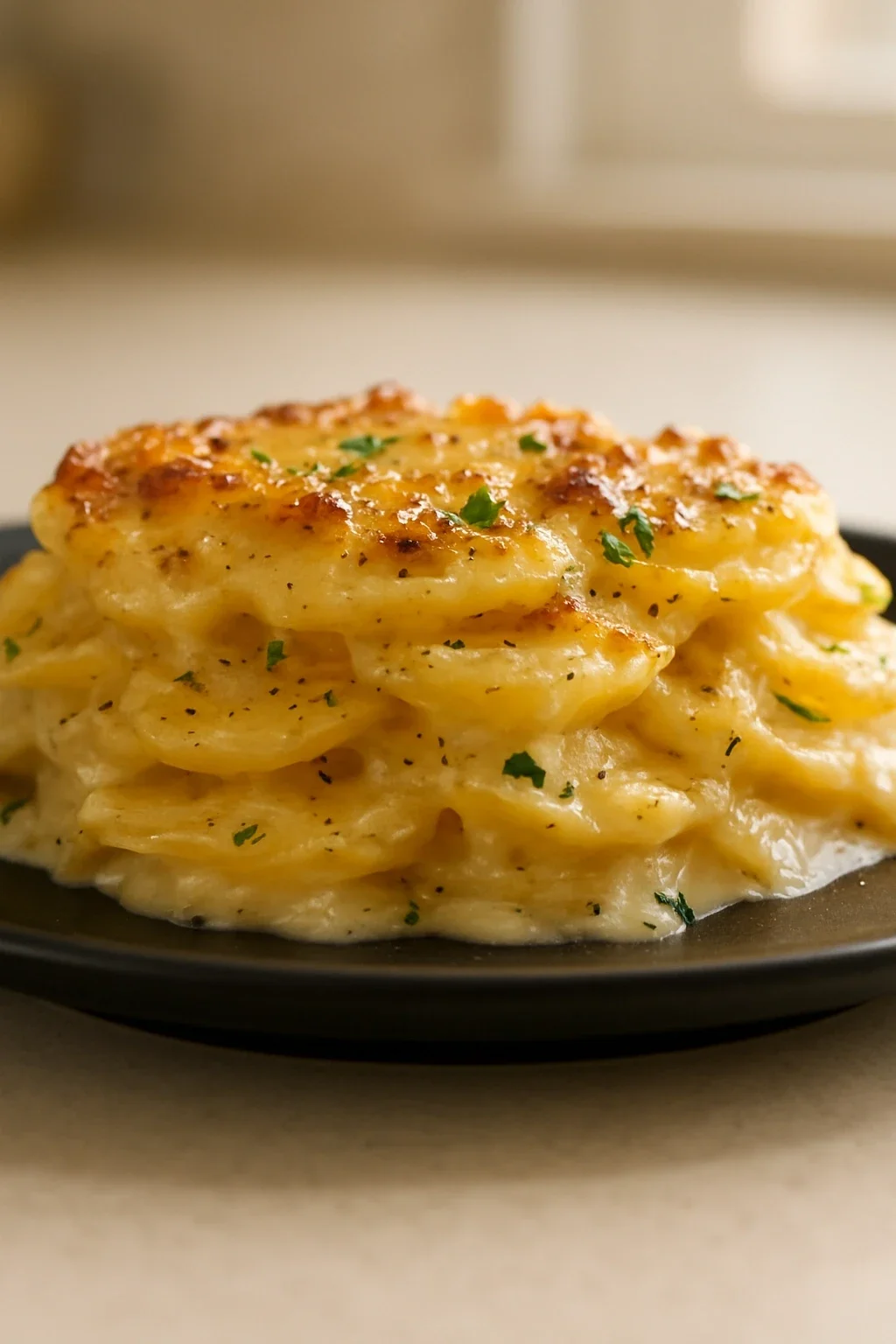
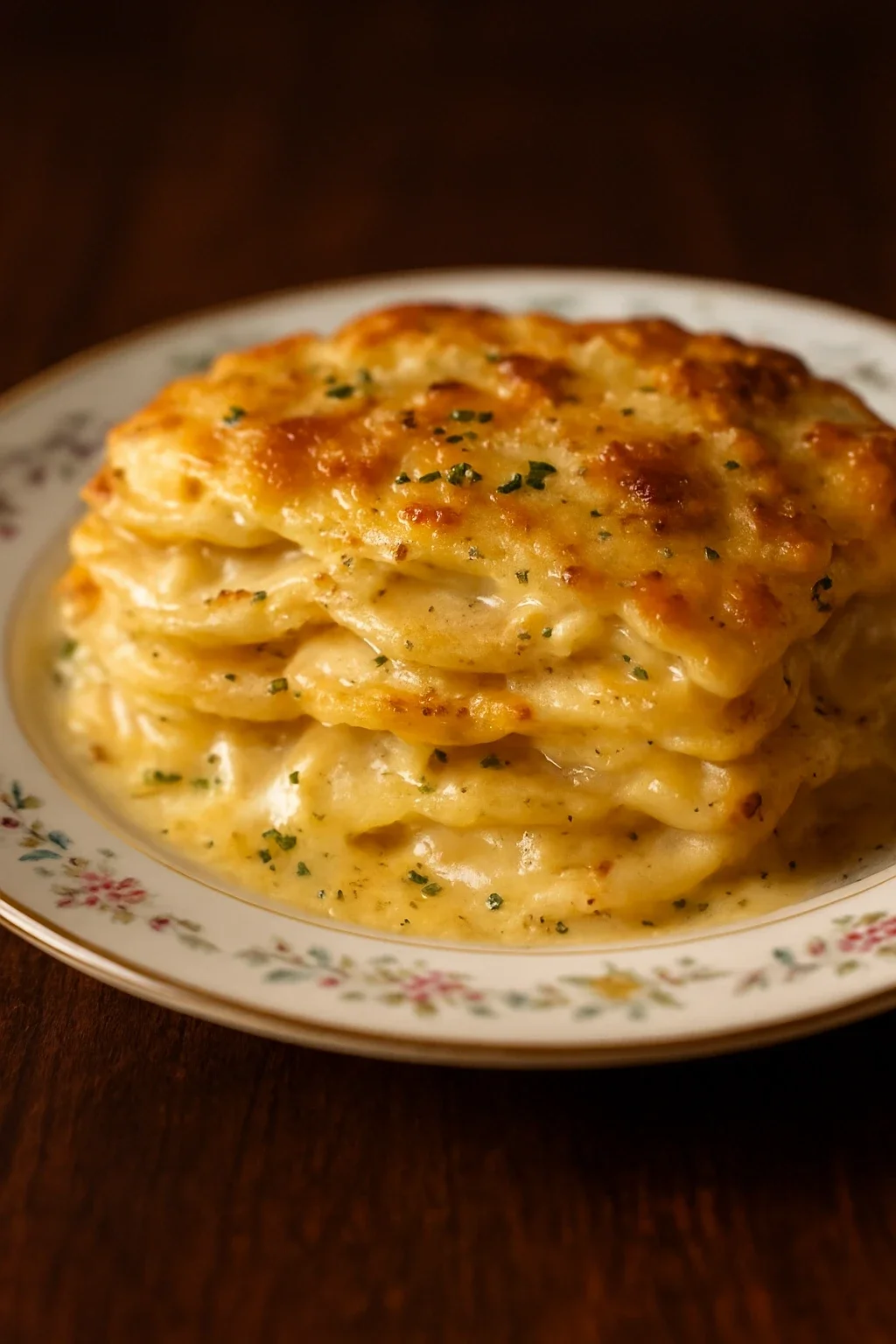
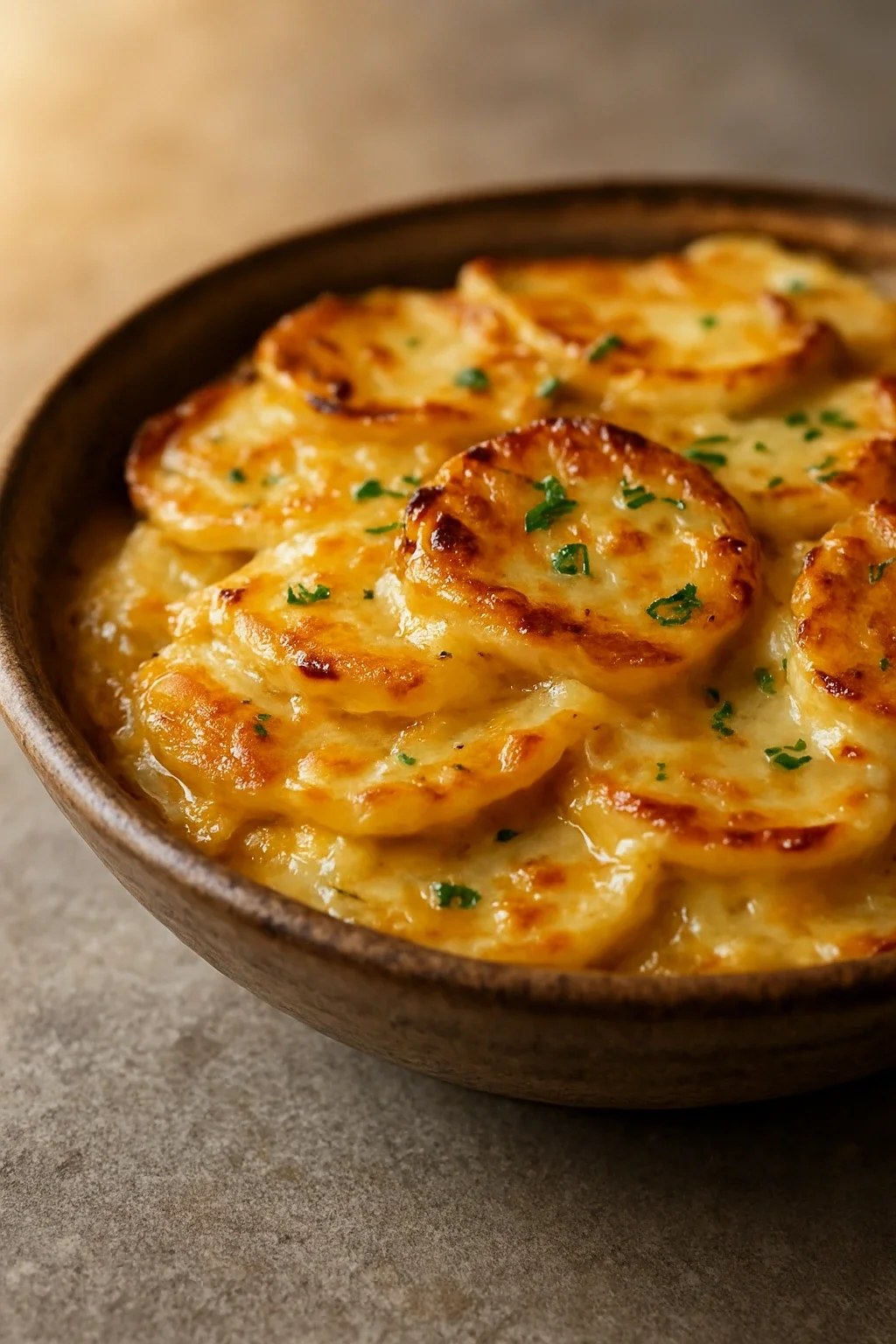
A detailed guide to making scalloped potatoes that are tender, creamy, and perfectly flavored with garlic and cheese. Learn how to slice potatoes thinly to absorb the sauce, how to balance moisture and baking time to avoid sogginess or dryness, and why resting after baking improves texture.
Introduction
I first made scalloped potatoes as a side during an Easter dinner years ago, and since then, it’s become a dish I return to every holiday season. What makes this version stand out is the balance between tender potatoes and a rich, velvety sauce that clings to every thin slice. The garlic and cheese layers meld into the creaminess, creating a comforting texture without overwhelming the delicate potato flavor. I appreciate how the potatoes absorb the sauce during baking, resulting in a satisfying softness that's neither watery nor dry. Whether you’re preparing for a family gathering or a cozy dinner, this recipe delivers that classic, slow-baked warmth that feels just right. Here's how I approach it for consistent results.
How To Do It
Step 1
Preheat your oven to 175°C (350°F). Grease a 9x13 inch (23x33 cm) baking dish with butter to prevent sticking and help the edges brown during baking.
⏱ Time: 5 minutes
✓ Doneness: The dish is evenly coated with melted butter, no dry spots visible
Step 2
Using a mandoline or sharp knife, slice the peeled potatoes into 2-3 mm (about 1/8 inch) thick rounds. Aim for uniform thickness to ensure even cooking.
⏱ Time: 10-15 minutes
✓ Doneness: Potato slices are translucent at edges and consistent in size
Step 3
In a medium saucepan, melt butter over medium heat. Add the minced garlic and sauté for 1-2 minutes until fragrant but not browned. Stir in the flour and cook for 1-2 minutes to form a roux, which will thicken the sauce.
⏱ Time: 3-4 minutes
✓ Doneness: Mixture bubbles gently and turns slightly golden, releasing a nutty aroma
Step 4
Gradually whisk in the warm milk, ensuring no lumps form. Continue cooking and whisking until the sauce thickens to a smooth, pourable consistency, about 5-7 minutes. Remove from heat and stir in half of the cheddar cheese, salt, pepper, and nutmeg if using.
⏱ Time: 7-8 minutes
✓ Doneness: Sauce coats the back of a spoon, cheese is melted and fully incorporated
Step 5
Arrange half of the potato slices in an even layer in the prepared baking dish. Pour half of the sauce over the potatoes, then sprinkle with a portion of the remaining cheddar and Gruyère cheeses.
⏱ Time: 5 minutes
✓ Doneness: Potatoes are evenly layered and sauce covers them without pooling excessively
Step 6
Repeat with the remaining potatoes and sauce, then top with the final portion of cheese. Lightly press down with a spatula to compact the layers slightly without smashing the slices.
⏱ Time: 3-4 minutes
✓ Doneness: Top cheese layer is evenly distributed, surface looks creamy and smooth
Step 7
Cover the dish tightly with aluminum foil and bake for 45 minutes. This traps steam and helps the potatoes cook through evenly without drying out.
⏱ Time: 45 minutes
✓ Doneness: Steam escapes gently around foil edges; potatoes soften when pierced with a knife
Step 8
Remove the foil and bake uncovered for an additional 15 minutes to brown the cheese and allow excess moisture to evaporate, thickening the sauce.
⏱ Time: 15 minutes
✓ Doneness: Top is golden brown with bubbling cheese, edges show slight caramelization
Step 9
Remove from oven and let rest for at least 10 minutes before serving. This resting period allows the sauce to thicken and the dish to set, making it easier to slice and enhancing texture.
⏱ Time: 10 minutes
✓ Doneness: Steam subsides, sauce firms slightly, dish holds shape when cut
Pro Tips
Slice potatoes uniformly using a mandoline or very sharp knife.
Even thickness ensures potatoes cook at the same rate, preventing some slices from being undercooked while others are mushy.
Warm the milk before adding it to the roux.
Warm milk prevents the roux from seizing or forming lumps, helping create a smooth sauce.
Cover the dish tightly for most of the baking time.
Trapping steam cooks potatoes gently and evenly, preserving moisture while preventing the top from burning.
Use a mixture of cheeses for depth of flavor and melting quality.
A blend like cheddar and Gruyère balances sharpness and creaminess, improving both taste and texture.
Rest the dish after baking before cutting.
Resting lets the sauce set and thickens it, avoiding a runny texture and making serving neater.
Avoid over-salting early; adjust seasoning after baking.
Cheese and reduction concentrate saltiness during cooking; tasting after resting prevents an overly salty dish.
Common Mistakes to Avoid
Slicing potatoes unevenly or too thickly.
Why it happens Without a mandoline or careful knife work, slices vary in thickness causing uneven cooking.
Fix Use a mandoline or ruler guide to achieve uniform slices about 2-3 mm thick.
Adding cold milk directly to the roux.
Why it happens Cold milk causes the roux to clump and form lumps, ruining the sauce texture.
Fix Warm the milk gently before whisking it into the roux.
Skipping the covered baking phase and baking uncovered the whole time.
Why it happens Without steam trapped, potatoes dry out and cook unevenly, resulting in dry or undercooked slices.
Fix Cover the dish tightly for the majority of baking, then uncover near the end to brown the top.
Skipping the resting time after baking.
Why it happens Serving immediately causes the sauce to be too runny and the dish to fall apart when cut.
Fix Allow scalloped potatoes to rest 10 minutes to let the sauce thicken and the dish set.
Variations
Dairy-Free Scalloped Potatoes
Replace butter with olive oil and use unsweetened almond or oat milk. Substitute cheese with nutritional yeast or dairy-free cheese alternatives.
Note: Dairy-free versions may have a thinner sauce; adding a bit more flour or a dairy-free thickener helps achieve creaminess.
Herb-Infused Scalloped Potatoes
Add fresh thyme or rosemary to the sauce during cooking and sprinkle chopped herbs between potato layers for aromatic complexity.
Note: Herbs release flavor slowly during baking; fresh herbs work best to avoid bitterness from dried herbs.
Low-Sodium Version
Use unsalted butter and low-sodium cheese, and reduce added salt. Enhance flavor with garlic powder and onion powder instead of salt.
Note: Lower sodium may reduce overall flavor impact; balancing with aromatic spices and herbs is key.
Cheesy Scalloped Potatoes with Bacon
Add cooked, crumbled bacon between the potato layers for a smoky, savory element. Reserve some bacon for garnish.
Note: Bacon adds fat and salt; reduce added salt accordingly to prevent oversalting.
Sweet Potato Scalloped Potatoes
Substitute half or all Yukon Gold potatoes with peeled sweet potatoes. Adjust seasoning by reducing nutmeg and adding a pinch of cinnamon.
Note: Sweet potatoes cook slightly faster; reduce covered baking time by 5-10 minutes and monitor doneness.
Nutrition
Per Serving:
approximately 350
Calories
Values are estimates and vary depending on cheese type and exact ingredients used.
Storage & Tips
Room Temperature
Once cooled, do not leave scalloped potatoes out for more than 2 hours to prevent bacterial growth.
Refrigerator
Store leftovers in an airtight container for up to 3 days. The dish may firm up and the texture will thicken as the sauce sets further.
Freezer
Scalloped potatoes freeze well for up to 2 months. Allow to cool completely, then cover tightly with plastic wrap and aluminum foil to prevent freezer burn. Thaw overnight in the refrigerator before reheating.
Reheating
Reheat covered in a 175°C (350°F) oven for 20-25 minutes until heated through. Alternatively, microwave in portions but expect slightly softer texture. Adding a splash of milk before reheating can help restore creaminess.
Make Ahead
Prepare through step 6 (layering potatoes and sauce) and cover tightly. Refrigerate up to 24 hours before baking. This resting allows flavors to meld and potatoes to absorb sauce, resulting in improved texture after baking.
FAQ
Can I make scalloped potatoes ahead of time?
Yes, you can assemble the dish up to 24 hours before baking. Keep it covered and refrigerated, then bake as directed when ready.
Why are my scalloped potatoes watery after baking?
This usually happens if potatoes are sliced too thick or the dish was not baked covered initially, causing excess moisture. Ensure even thin slices and cover during most of the baking to trap steam.
Can I substitute milk with cream or plant-based milk?
You can use cream for a richer result or unsweetened plant-based milk for dairy-free versions. Adjust thickness with flour if needed to maintain sauce consistency.
How long do scalloped potatoes last in the fridge?
Stored properly in an airtight container, they last about 3 days refrigerated.
Can I use other types of potatoes?
Yukon Gold or similar waxy potatoes are best for scalloped potatoes. Starchy varieties like Russets may become too soft or mealy.
How do I prevent cheese from burning on top?
Cover the dish during baking and only uncover near the end to brown the cheese. Avoid high oven temperatures or prolonged uncovered baking.
Final Thoughts
Scalloped potatoes bring a comforting richness to any meal, especially during holidays or family gatherings. I enjoy how straightforward techniques, like careful layering and sauce preparation, transform simple ingredients into a creamy, textured dish. If you try this recipe, I’d love to hear how it turned out or any tweaks you made to suit your taste.