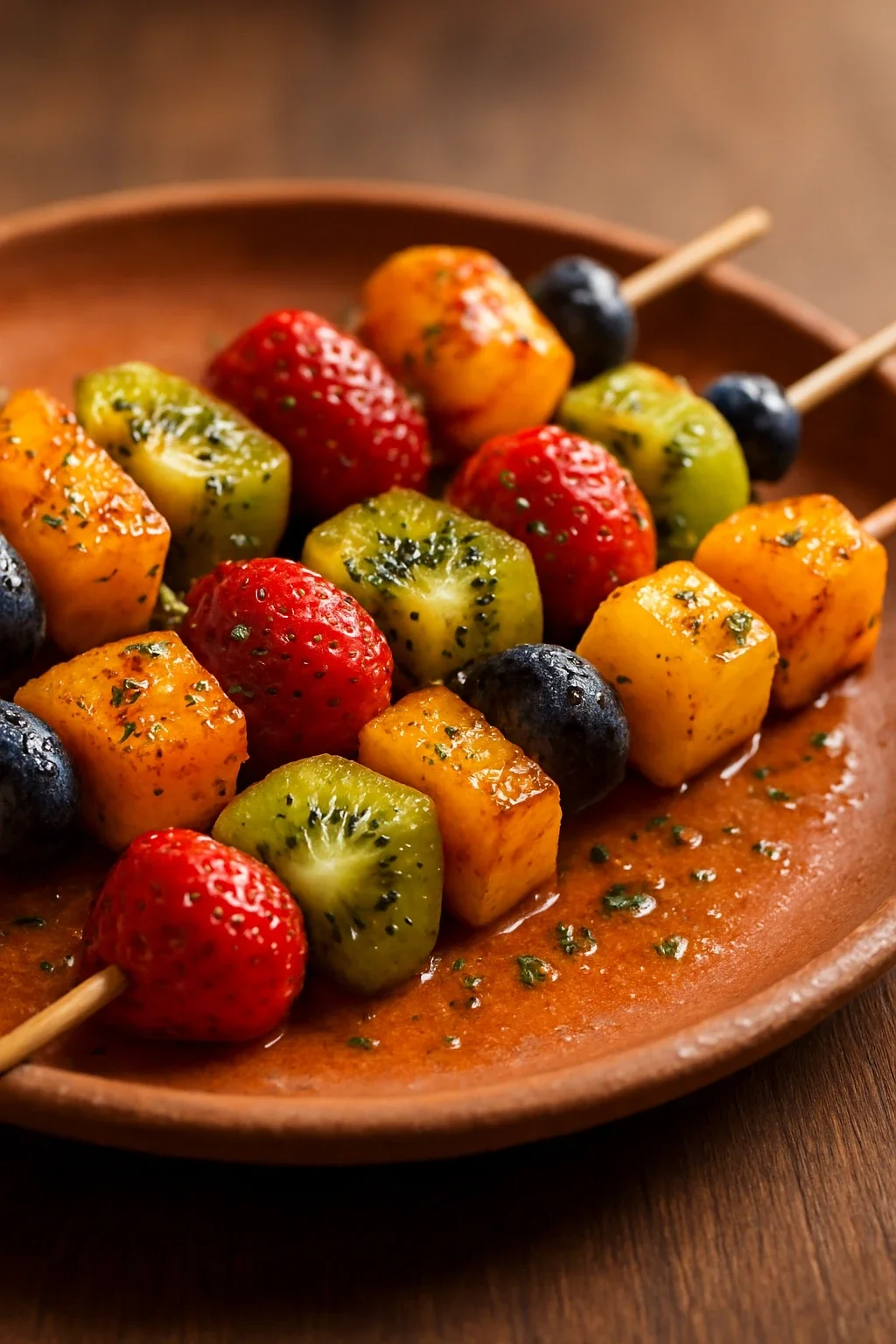
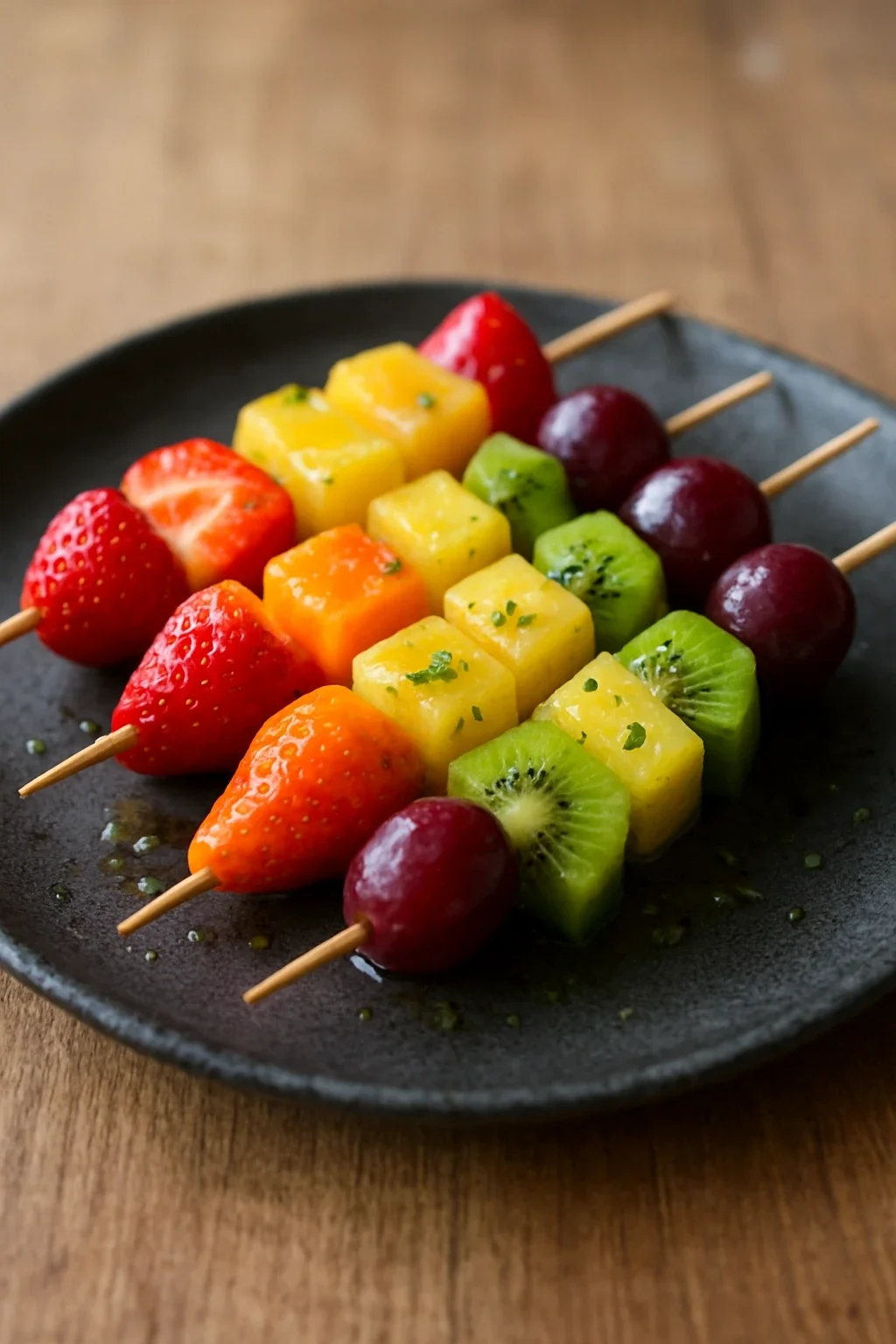
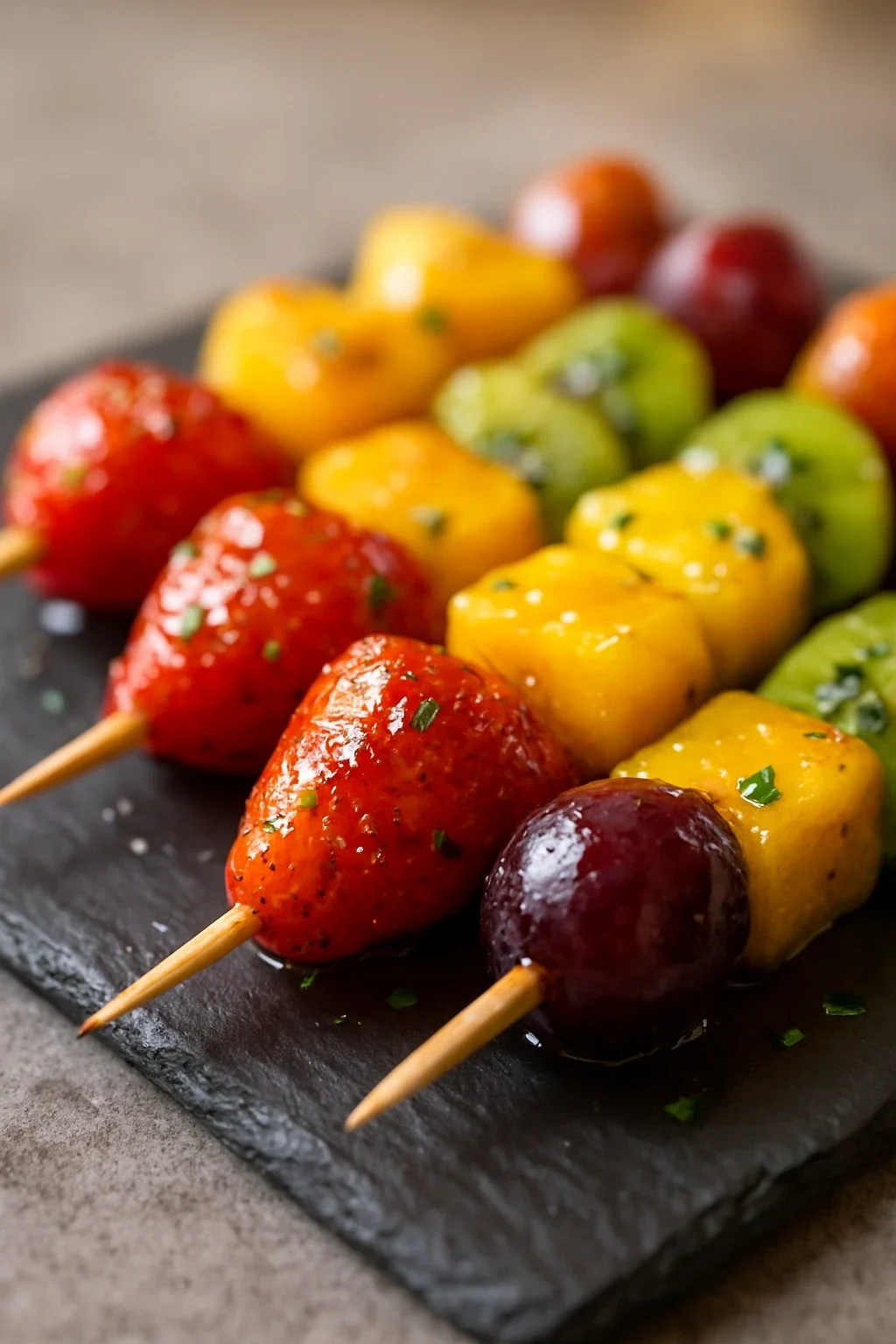
This recipe offers a simple, fresh way to encourage kids to enjoy fruit. By threading a variety of colorful fruits onto skewers, the snack becomes visually appealing and easy to eat. These fruit kabobs work well for parties, school snacks, or a light, refreshing summer treat.
Introduction
Fruit kabobs have been a favorite in my household for years, especially during warm afternoons when the kids need a refreshing snack. I started making them as a way to brighten up fruit servings and make eating healthy feel like a treat rather than a chore. What sets this version apart is the deliberate selection and arrangement of vibrant fruits that not only appeal visually but offer a variety of textures — from the crispness of grapes to the juicy sweetness of pineapple. These kabobs are ideal for summer picnics, birthday parties, or simply an after-school snack when you want something quick, fresh, and appealing. The simplicity of assembling the skewers also makes it a fun activity to involve kids, encouraging them to appreciate fresh fruit in an interactive way.
How To Do It
Step 1
Rinse all fresh fruits under cold water and pat dry with a clean towel to remove any dirt or residues. This also helps prevent excess moisture on the fruit surface, which can cause slipping on the skewers.
⏱ Time: 5 minutes
✓ Doneness: Fruits feel dry and clean to the touch with no visible water droplets.
Step 2
Prepare the fruits: hull and halve the strawberries, slice kiwi into rounds, cut melon into 1-inch cubes, and slice banana into rounds if using. Drain canned pineapple well to avoid extra liquid on the skewers.
⏱ Time: 5 minutes
✓ Doneness: Fruit pieces are uniform in size to ensure even handling and eating.
Step 3
Soak wooden skewers in water for at least 30 minutes if you plan to grill or serve outdoors to prevent burning. If serving indoors and not grilling, this step is optional but recommended for sturdiness.
⏱ Time: 30 minutes soaking (can be done ahead)
✓ Doneness: Skewers feel moist and flexible, less prone to splintering.
Step 4
Thread fruits onto each skewer in an alternating color pattern: start with a grape, then a piece of strawberry, pineapple, melon, kiwi, and so on. Leave some space between pieces for ease of handling and to prevent bruising.
⏱ Time: 5-7 minutes
✓ Doneness: Skewers display a colorful, evenly spaced arrangement of fruits.
Step 5
If using banana slices, add them last to each skewer just before serving to minimize browning. Serve the kabobs immediately or cover with plastic wrap and refrigerate for up to 2 hours before serving.
⏱ Time: Optional, 2 minutes
✓ Doneness: Banana slices remain fresh and not browned; fruit retains vibrant colors.
Pro Tips
Use fruits that are ripe but firm to avoid mushy kabobs.
Ripe fruit ensures sweetness and aroma, but firmness prevents the fruit from breaking apart during threading or handling.
Cut fruits into uniform sizes for even appearance and ease of eating.
Uniform pieces prevent smaller fruits from slipping off the skewers and create a more visually balanced presentation.
Soak wooden skewers before use if cooking or serving outdoors.
Wet skewers resist burning and splintering, making them safer and more pleasant to handle.
Add banana slices last and serve quickly to avoid browning.
Bananas oxidize quickly, turning brown and less appealing if prepared too early.
Experiment with seasonal fruits to keep the recipe fresh and interesting.
Seasonal fruits tend to be fresher, more flavorful, and more affordable, enhancing the overall snack experience.
Common Mistakes to Avoid
Using overripe or very soft fruits.
Why it happens Overripe fruits are often chosen for sweetness but lack firmness, causing kabobs to fall apart or become mushy.
Fix Select fruits that yield slightly to gentle pressure but still hold their shape. Check texture by gently pressing before cutting.
Not drying fruits after washing before assembling.
Why it happens Wet fruit surfaces can make the kabobs slippery and soggy, reducing their appeal and making handling difficult.
Fix Pat fruits dry with a clean kitchen towel or paper towels to remove excess moisture.
Cutting fruits into uneven or very small pieces.
Why it happens Uneven sizes cause some pieces to fall off skewers and create an unbalanced appearance.
Fix Aim for consistent, bite-sized pieces about 1 inch in size to maintain structure and ease of eating.
Preparing kabobs too far in advance, especially with bananas.
Why it happens Bananas brown quickly due to oxidation, and assembled kabobs can lose their fresh look and texture.
Fix Add bananas just before serving or omit them if preparing several hours ahead.
Variations
Tropical Fruit Kabobs
Include mango chunks, papaya slices, and passion fruit pulp along with pineapple and kiwi for a tropical twist.
Note: These fruits have varying softness; mango and papaya should be slightly firm to avoid mushiness. Passion fruit pulp can be spooned over kabobs before serving for added aroma.
Berry-Only Kabobs
Use a mix of strawberries, blueberries, raspberries, and blackberries threaded onto skewers for a berry-centric snack.
Note: Berries are delicate; thread carefully and serve soon after assembling to prevent crushing and juice leakage.
Citrus Kabobs
Alternate segments of peeled orange, grapefruit, and tangerine with kiwi and strawberries for a bright, tangy flavor.
Note: Remove pith and membranes to reduce bitterness and improve texture. Citrus fruits release juice easily; use a serving plate that can catch drips.
Vegan Yogurt Dip Served Kabobs
Serve fruit kabobs with a side of plant-based yogurt mixed with a touch of honey and vanilla for dipping.
Note: The dip adds creaminess and a contrasting texture, encouraging kids to enjoy the fruit even more.
Nutrition
Per Serving:
approximately 70
Calories
These values are estimates based on fresh fruit and standard serving sizes. Nutritional content will vary with fruit selection and ripeness.
Storage & Tips
Room Temperature
Serve fruit kabobs immediately for best freshness. If left at room temperature, consume within 1 hour to avoid fruit softening and bacterial growth.
Refrigerator
Store assembled kabobs covered with plastic wrap in the refrigerator for up to 2 hours. To extend freshness, store cut fruits separately and assemble just before serving.
Freezer
Freezing is not recommended for assembled kabobs as fruit texture and color degrade significantly. If needed, freeze individual fruits separately for smoothies or cooking.
Reheating
Not applicable; fruit kabobs are served cold or at room temperature.
Make Ahead
Prepare and cut fruits ahead of time, storing them in airtight containers in the refrigerator. Assemble kabobs shortly before serving to maintain fresh texture and color.
FAQ
Can I make fruit kabobs ahead of time?
You can prepare and cut the fruits in advance, but it’s best to assemble the kabobs shortly before serving to keep them fresh and prevent fruits like bananas from browning.
Why are my fruit kabobs soggy after sitting out?
Fruits release moisture over time, especially when cut. To avoid sogginess, store cut fruit in the refrigerator and assemble kabobs just before serving.
Can I use wooden skewers without soaking them?
For serving cold indoors, soaking is optional. However, if you plan to grill or expose skewers to heat, soaking prevents them from burning or splintering.
What fruits work best for kabobs?
Firm, ripe fruits like grapes, strawberries, melon, pineapple, and kiwi work well. Avoid overly soft fruits that can become mushy or fall apart.
How long do fruit kabobs last in the refrigerator?
Assembled kabobs are best consumed within 2 hours. Cut fruits stored separately can last up to 24 hours refrigerated.
Final Thoughts
These fruit kabobs offer a simple, colorful way to enjoy fresh fruit that appeals especially to kids. Their texture and visual appeal make healthy snacking more inviting. Feel free to share your favorite fruit combinations or tips in the comments below.