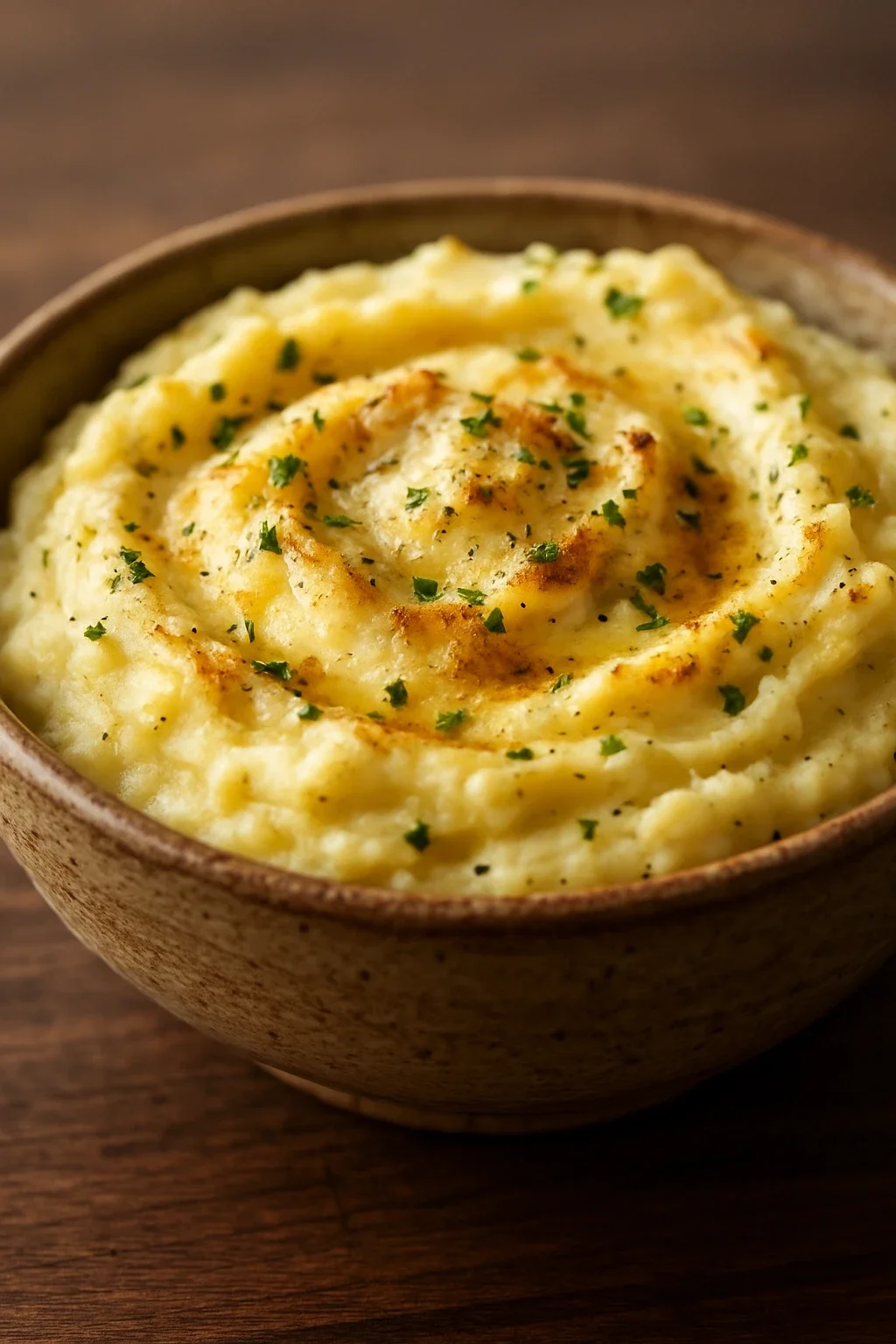
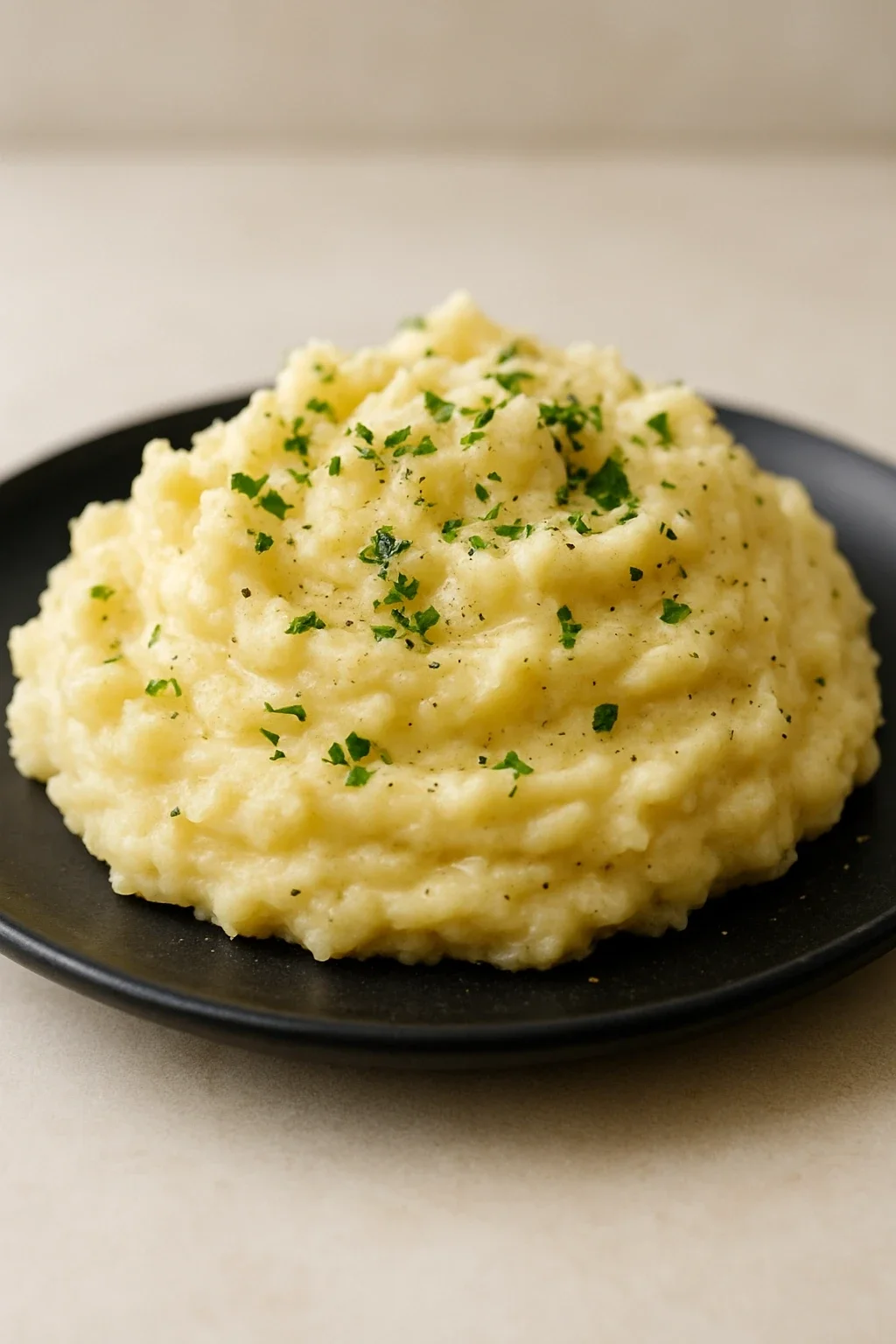
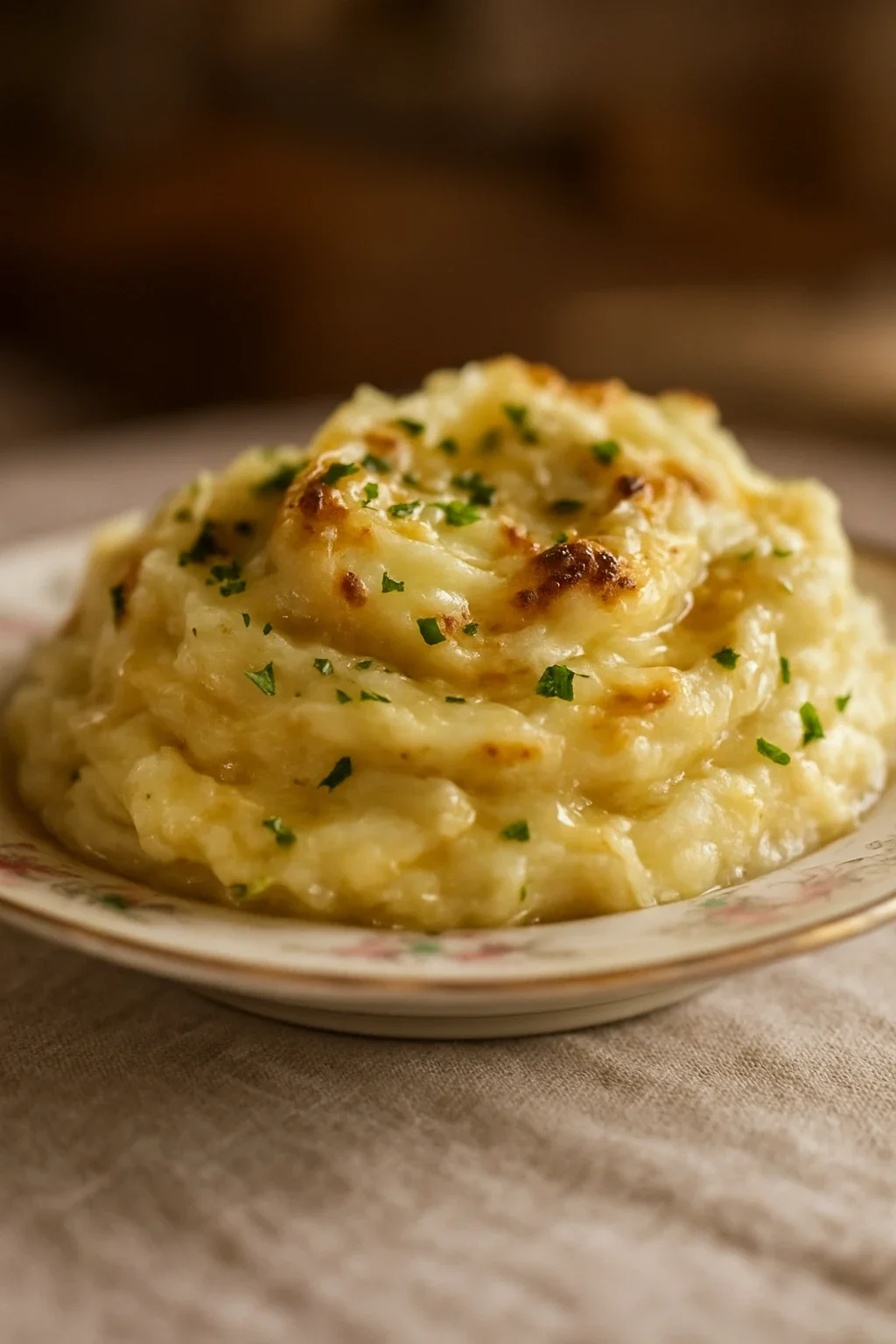
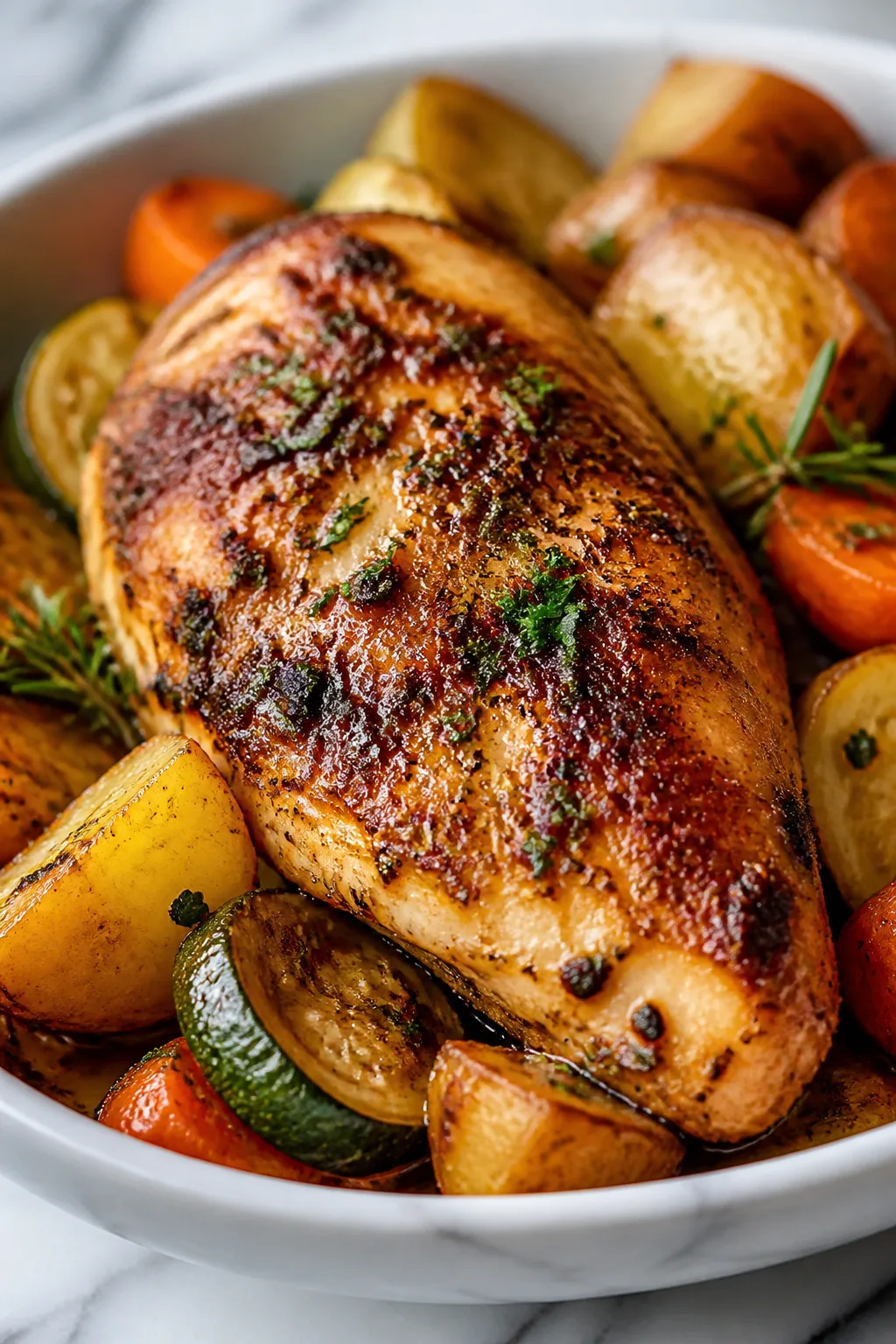
This recipe for mashed potatoes incorporates slow-roasted garlic to deliver a subtle, rich flavor that elevates the classic side dish. The creamy texture and gentle garlic aroma make it a thoughtful choice for Easter dinner or any springtime gathering where comfort and subtlety matter.
Introduction
Every Easter, I look forward to serving mashed potatoes that feel both familiar and a little special. This version uses slow-roasted garlic, which softens significantly and develops a mellow sweetness that adds depth without overpowering. I usually roast the garlic in olive oil while the potatoes boil, filling the kitchen with a warm, inviting aroma. The result is a creamy, smooth mash with a subtle garlic note that complements any main dish. It’s a reliable recipe I’ve refined over several years, especially for holiday dinners where a comforting but nuanced side is appreciated. The soft texture and gentle seasoning let the garlic shine without masking the natural flavor of the potatoes.
How To Do It
Step 1
Preheat the oven to 400°F (200°C). Slice the top off the garlic head to expose the cloves. Drizzle with olive oil and wrap in foil. Roast in the oven for 35-40 minutes until the cloves are soft and golden.
⏱ Time: 35-40 minutes
✓ Doneness: Garlic cloves feel soft to the touch and can be easily squeezed out of their skins; aroma is nutty and sweet
Step 2
While the garlic roasts, place peeled and cut potatoes in a large pot. Cover with cold water and add a pinch of salt. Bring to a boil over high heat, then reduce to a simmer and cook until potatoes are fork-tender, about 15-20 minutes.
⏱ Time: 15-20 minutes
✓ Doneness: Potatoes are easily pierced with a fork and begin to break apart slightly at the edges
Step 3
Drain the potatoes well and return them to the pot over low heat for 1-2 minutes to evaporate excess moisture, stirring gently. This step helps prevent watery mash.
⏱ Time: 1-2 minutes
✓ Doneness: Potatoes appear dry on the surface with no pooling water
Step 4
Squeeze the roasted garlic cloves from their skins into the potatoes. Use a potato masher or fork to gently mash the potatoes and garlic together until mostly smooth, leaving small lumps for texture.
⏱ Time: 2-3 minutes
✓ Doneness: Potatoes are creamy with visible soft pieces of garlic evenly distributed
Step 5
Warm the milk in a small saucepan or microwave until hot but not boiling. Gradually add the milk and butter to the potatoes, stirring gently to combine. Season with salt and freshly ground pepper to taste.
⏱ Time: 3-4 minutes
✓ Doneness: Butter melts completely, milk absorbs without making the mash runny; seasoning is balanced
Step 6
Taste and adjust seasoning if needed. Serve immediately while warm, or keep covered to retain heat.
⏱ Time: 0 minutes
✓ Doneness: Mashed potatoes are creamy, smooth, with a gentle roasted garlic aroma and subtle pepper presence
Pro Tips
Use Yukon Gold potatoes for a natural balance of creaminess and structure.
Their medium starch content prevents the mash from becoming gummy or dry, maintaining a pleasing texture.
Roast garlic whole instead of mincing raw garlic into the mash.
Roasting mellows the garlic's sharpness and develops a sweet, nutty flavor that complements rather than overwhelms.
Warm the milk before adding to the potatoes.
Cold milk cools the mash and affects texture; warming helps keep the potatoes hot and integrates the liquid smoothly.
Drain and briefly dry potatoes over low heat after boiling.
Removing excess moisture prevents watery mashed potatoes and helps achieve a creamy consistency.
Avoid over-mixing or using a food processor.
Overworking releases too much starch, leading to gluey mashed potatoes rather than light and fluffy.
Common Mistakes to Avoid
Using raw garlic instead of roasted garlic.
Why it happens Raw garlic can be too pungent and harsh in mashed potatoes, overpowering their delicate flavor.
Fix Roast garlic slowly; this softens and sweetens it, creating a more subtle garlic presence.
Adding cold milk or butter directly to hot potatoes.
Why it happens Cold dairy cools the mash abruptly, making it harder to mix and potentially causing uneven texture.
Fix Warm the milk and butter before mixing to maintain temperature and ensure smooth integration.
Overcooking potatoes until they fall apart.
Why it happens Potatoes that are too soft absorb excess water and become watery when mashed.
Fix Cook until just fork-tender and drain well; dry briefly over low heat to remove extra moisture.
Using high-starch potatoes like Russets exclusively.
Why it happens While Russets mash well, they can create a fluffy but sometimes dry or mealy texture without careful moisture control.
Fix Use Yukon Golds or mix Yukon Golds and Russets to balance creaminess and fluffiness.
Variations
Dairy-Free Roasted Garlic Mashed Potatoes
Replace butter with olive oil or dairy-free margarine and use warm unsweetened almond or oat milk instead of whole milk.
Note: Olive oil adds richness though less silky than butter; dairy-free milk should be warmed to maintain temperature and smooth texture.
Herbed Mashed Potatoes
Add finely chopped fresh herbs such as chives, parsley, or thyme to the mash along with roasted garlic for additional savory notes.
Note: Fresh herbs should be added at the end to preserve their color and bright flavor without wilting.
Cheesy Roasted Garlic Mash
Stir in 1/2 cup (50g) grated sharp cheddar or Parmesan cheese after adding milk and butter for a richer, more savory version.
Note: Cheese melts best when added to warm potatoes; adjust salt accordingly since cheese adds saltiness.
Vegan Roasted Garlic Mashed Potatoes
Use plant-based butter and unsweetened soy or cashew milk warmed before mixing. Roast garlic as usual for flavor depth.
Note: Plant-based fats provide creaminess but may slightly alter flavor; roasting garlic is essential to keep the mash from tasting raw.
Spiced Mashed Potatoes
Add a pinch of smoked paprika or ground white pepper along with the garlic for a subtle warmth and complexity.
Note: Spices should be added gradually and tasted carefully to avoid overpowering the delicate garlic flavor.
Nutrition
Per Serving:
approximately 210
Calories
These values are estimates and may vary based on exact ingredient brands and quantities used.
Storage & Tips
Room Temperature
Do not leave mashed potatoes at room temperature for more than 2 hours to avoid bacterial growth.
Refrigerator
Store leftovers in an airtight container for up to 3 days. Reheat gently as described below.
Freezer
Mashed potatoes can be frozen for up to 1 month in freezer-safe containers. Thaw overnight in the refrigerator before reheating.
Reheating
Reheat gently on the stovetop over low heat or in the microwave, stirring occasionally. Add a splash of warm milk or broth to restore creaminess if needed.
Make Ahead
Prepare the roasted garlic and boil potatoes in advance. Store separately in the refrigerator and combine with warmed milk and butter just before serving for best texture.
FAQ
Can I make these mashed potatoes ahead of time?
Yes, you can prepare them a day ahead. Store in an airtight container in the refrigerator and reheat gently with added warm milk or broth to restore texture.
Why are my mashed potatoes lumpy or gluey?
Lumps often come from undercooked potatoes or insufficient mashing. Gluey texture results from overworking starchy potatoes—use a gentle masher and avoid food processors.
Can I substitute other potatoes for Yukon Gold?
You can use Russets, but they have higher starch and can become fluffier and drier. Mixing Russets with Yukon Golds balances texture well.
How long does mashed potatoes last in the fridge?
Stored properly in an airtight container, mashed potatoes last up to 3 days refrigerated.
Can I use roasted garlic paste instead of roasting whole garlic?
While roasted garlic paste works, roasting whole heads slowly develops a more complex, mellow flavor and less bitterness.
How do I keep mashed potatoes warm without drying out?
Keep them covered in a warm oven (around 200°F/95°C) or over a double boiler. Stir occasionally and add a bit of warm milk if needed to maintain creaminess.
Final Thoughts
Mashed potatoes with roasted garlic bring a subtle depth to a classic dish, perfect for Easter or any family meal. I hope these tips and insights help you create a creamy, flavorful side that complements your main dishes. Feel free to share how your version turns out or any adjustments you discover along the way.