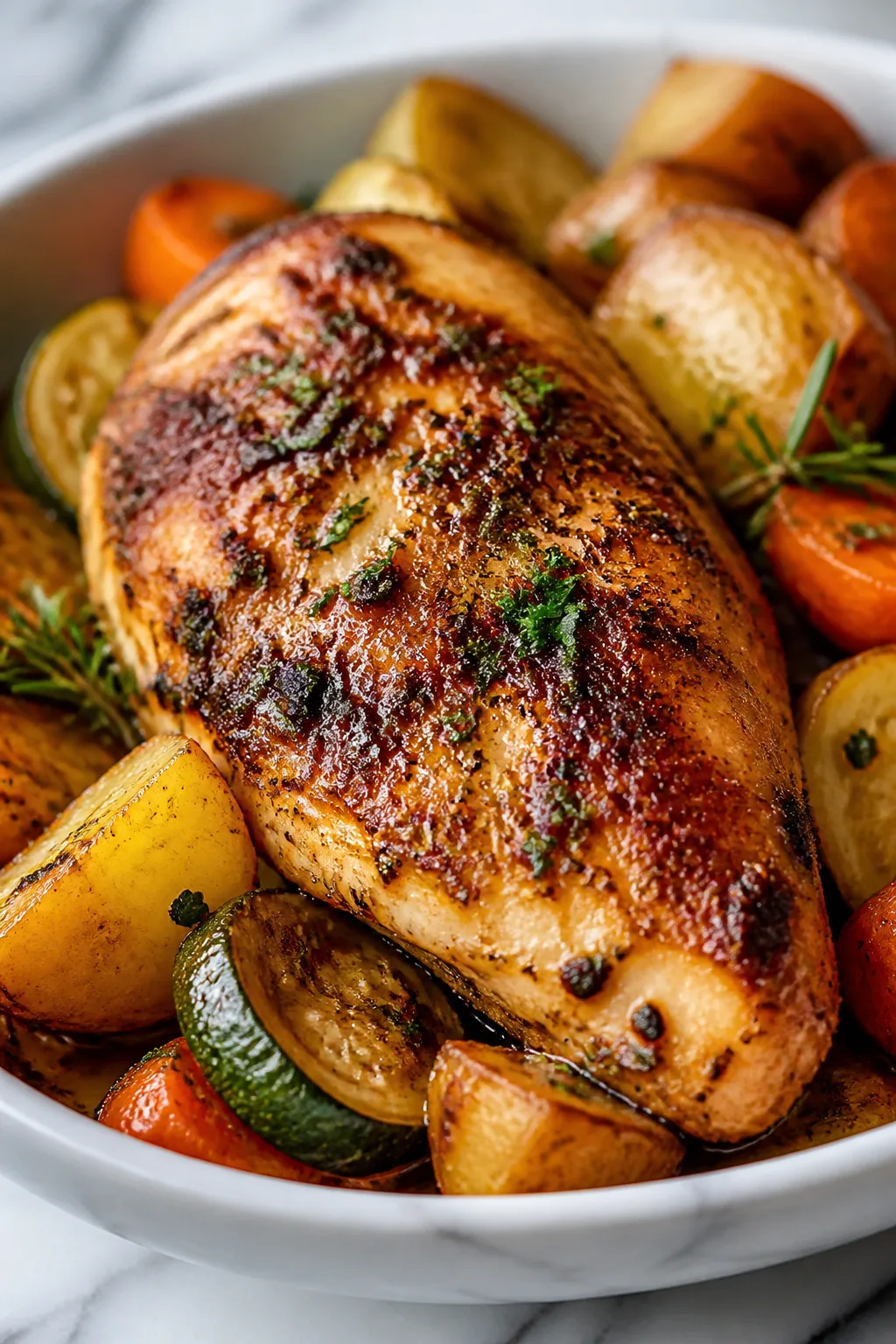
A guide to making beef stew that extracts maximum flavor from the beef and builds a properly textured broth. Learn why specific cuts work, how browning creates flavor compounds, and how to time vegetable additions for ideal texture in each component.
Introduction
I’ve been making beef stew for years, and one thing that stands out from my early attempts is how crucial the browning step is. I used to rush through this part, eager to get to the simmering stage, but the stew always ended up flat and lacking depth. Once I started taking my time to brown the beef properly in a hot pan, working in batches without crowding, the flavor transformed completely. The rich, caramelized crust that forms seals in juices and builds a base of complex flavors that no seasoning can replicate. This recipe embraces that patient approach: first searing the beef over high heat, then slowly simmering it to tender perfection. It’s especially satisfying on cold nights or weekend family meals when you want something hearty but nuanced. The long cooking also gives the broth a silky texture from the collagen breaking down, making each spoonful comforting and rich. If you enjoy stews that balance tender meat with well-cooked vegetables and a broth that coats the palate without heaviness, this method delivers. Let me walk you through how and why it works.
What You'll Need
Approximately 8 cups of stew, 6 servings
- 2 lbs (900g) beef chuck, cut into 1.5-inch (4cm) pieces
- 3 tbsp (45ml) neutral oil or bacon fat, divided
- 1 large yellow onion (300g), cut into 1-inch (2.5cm) pieces
- 4 cloves (20g) garlic, sliced
- 2 tbsp (30g) tomato paste
- 4 cups (960ml) beef broth, unsalted preferred
- 1 cup (240ml) water or additional broth
- 2 tsp (10g) fine sea salt, divided
- 1/2 tsp (1g) black pepper
- 1.5 tsp (3g) dried thyme
- 1 tsp (2g) dried rosemary, crushed
- 1 bay leaf
- 1 tbsp (15ml) Worcestershire sauce
- 3 large carrots (350g), cut into 1.5-inch (4cm) pieces
- 3 medium potatoes (450g), cut into 1-inch (2.5cm) cubes
- 1 cup (150g) frozen peas, added near end
- Optional: 1 tbsp (8g) cornstarch mixed with 2 tbsp (30ml) cold water for thickening
How To Do It
Step 1
Remove the beef from the refrigerator 15-20 minutes before cooking to let it come closer to room temperature. Pat the pieces completely dry with paper towels. Moisture on the meat’s surface creates steam and prevents proper browning, so drying is key.
⏱ Time: 15-20 minutes
✓ Doneness: Beef is cool to the touch but no longer cold, surface is dry with no visible moisture.
Step 2
Heat a large, heavy-bottomed pot or Dutch oven over medium-high heat. Add 1 tablespoon (15ml) of oil and wait until it shimmers and faint wisps of smoke appear. This indicates the oil is around 350-375°F (175-190°C), ideal for the Maillard reaction. Add beef pieces in a single layer without crowding, and leave undisturbed for 2-3 minutes to develop a golden-brown crust. Flip and brown all sides, working in batches to maintain high pan temperature.
⏱ Time: 2-3 minutes per side, approximately 18-21 minutes total for all batches
✓ Doneness: Beef has a deep golden crust on all browned surfaces and easily releases from the pan.
Step 3
Transfer browned beef to a plate. If the pot looks dry, add another tablespoon (15ml) of oil. Add the diced onion and sprinkle with about 1/4 teaspoon salt to draw out moisture. Sauté, stirring occasionally, for 4-5 minutes until the onion turns translucent and soft. Add the garlic slices and cook for an additional minute until fragrant without burning.
⏱ Time: 5-6 minutes
✓ Doneness: Onion is translucent and tender; garlic aroma is noticeable without harsh raw smell.
Step 4
Stir in the tomato paste and cook constantly for 1-2 minutes until it darkens and thickens slightly. This caramelization deepens flavor and mellows acidity, forming a rich base for the stew.
⏱ Time: 1-2 minutes
✓ Doneness: Tomato paste deepens in color and aroma intensifies.
Step 5
Return all browned beef to the pot and stir to coat with the tomato paste mixture. Pour in the beef broth and water so the liquid covers about three-quarters of the beef pieces. Add bay leaf, thyme, rosemary, Worcestershire sauce, and 1.5 teaspoons (9g) salt. Stir well and bring to a gentle simmer over medium-high heat.
⏱ Time: 5-10 minutes to reach simmer
✓ Doneness: Small, gentle bubbles rise to the surface steadily; the liquid steams but does not boil vigorously.
Step 6
Cover the pot with a lid and reduce heat to low to maintain a gentle simmer. Avoid boiling, which toughens meat. Let the stew cook gently for 1.5 hours, then test beef tenderness by piercing with a fork. If still resistant, simmer for another 15-30 minutes until tender.
⏱ Time: 1.5 hours minimum, up to 2 hours
✓ Doneness: Fork slides through beef easily; meat is tender and begins to fall apart with slight pressure.
Step 7
Add carrots and potatoes to the pot. Stir to combine evenly. Leave the pot uncovered to allow evaporation and flavor concentration. Cook vegetables for 25-30 minutes until tender but not mushy.
⏱ Time: 25-30 minutes
✓ Doneness: Vegetables are fork-tender, carrots hold shape, and stew liquid is slightly thickened.
Step 8
Check vegetables for doneness by piercing potatoes and carrots with a fork. If the stew is thinner than preferred, prepare a slurry by mixing cornstarch with cold water and stir it into the stew. Cook for 1-2 minutes until thickened.
⏱ Time: 25-30 minutes (vegetables cooking), plus 1-2 minutes if thickening
✓ Doneness: Potatoes and carrots tender; stew consistency thickens if slurry added.
Step 9
Stir in frozen peas and simmer uncovered for 3-5 minutes to heat through while preserving their bright color and texture. Taste and adjust seasoning with salt and pepper as needed.
⏱ Time: 3-5 minutes
✓ Doneness: Peas are vibrant and tender; stew flavors are balanced.
Step 10
Remove from heat and serve hot. If not serving immediately, keep the stew warm on low heat or transfer to a slow cooker on warm. The flavors improve after resting and the broth thickens as it cools.
⏱ Time: 0 minutes (serving)
✓ Doneness: Stew is steaming with tender ingredients and a rich, developed broth.
Pro Tips
Use beef chuck specifically rather than lean cuts.
Chuck’s collagen content converts into gelatin during cooking, which enriches the broth and keeps meat moist. Lean cuts lack this connective tissue and become dry when cooked long.
Brown the beef thoroughly on all sides before stewing.
The Maillard reaction creates complex flavor compounds that form the stew’s savory depth. Skipping or rushing browning results in a flat-tasting dish.
Choose unsalted or low-sodium broth.
Broth reduces during cooking, concentrating salt. Starting with unsalted broth lets you control seasoning and prevents an overly salty stew.
Maintain a gentle simmer rather than a boil during braising.
Boiling causes muscle fibers to contract and tighten, squeezing out moisture and toughening the meat. A gentle simmer allows collagen to break down gently.
Add vegetables in stages according to their cooking times.
Carrots and potatoes need about 25-30 minutes, peas only 3-5. Adding all at once leads to overcooked peas or undercooked roots.
Make the stew a day ahead when possible.
Flavors meld overnight, and the gelatin sets, making the broth thicker and more cohesive. Reheat gently to preserve tenderness.
Common Mistakes to Avoid
Skipping or rushing the browning step.
Why it happens Browning takes time and patience, which can feel tedious when the total cooking time is already long.
Fix Work in batches and allow each piece to brown properly. This step is essential for depth of flavor.
Boiling stew instead of simmering.
Why it happens Higher heat seems to speed cooking, but boiling toughens meat by contracting muscle fibers.
Fix Adjust the heat to keep small, gentle bubbles breaking the surface, never a rolling boil.
Adding all vegetables at once at the start.
Why it happens It seems efficient but results in unevenly cooked vegetables.
Fix Add root vegetables after meat is tender and peas last to maintain texture and color.
Adding all salt at the very end.
Why it happens Waiting to salt means the seasoning doesn’t penetrate meat and may require more salt later.
Fix Add most salt early with the broth so it gradually seasons the beef; adjust at the end.
Using too much liquid initially causing a watery stew.
Why it happens Some fear the stew will dry out, so they add extra broth, but this dilutes flavor.
Fix Use liquid to cover about three-quarters of meat. The liquid will reduce and concentrate during cooking.
Variations
Burgundy-Style Beef Stew
Add 1 cup (240ml) dry red wine and reduce broth to 3 cups (720ml). Caramelize tomato paste slightly longer to balance acidity. This adds subtle fruitiness and brightens flavor.
Note: Alcohol cooks off during braising, leaving flavor compounds and acidity that tenderize meat and enhance complexity.
Root Vegetable Stew
Swap potatoes and carrots for parsnips, celery root, and turnips cut to similar size. These add sweetness and earthiness. Cooking time remains about 25-30 minutes.
Note: Some roots are denser and may require slight time adjustments; test doneness with a fork.
Mushroom and Beef Stew
Add 12 oz (340g) cremini or baby bella mushrooms with potatoes and carrots. Mushrooms add umami and moisture to the broth.
Note: Mushrooms release water while cooking which slightly increases liquid; reduce quantity if you prefer thicker stew.
Irish-Style Stew
Use only beef, potatoes, onions, and carrots. Omit tomato paste and increase broth to 5 cups (1200ml). Add 2 tsp extra thyme to compensate for lost umami.
Note: This version is lighter and more reliant on natural sweetness of ingredients, resulting in a subtler flavor.
Pressure Cooker Beef Stew
After browning beef and sautéing aromatics, transfer to a pressure cooker. Cook at high pressure for 25 minutes, natural release 10 minutes, add vegetables, then cook 3 more minutes. Total time is about 45 minutes.
Note: High temperature speeds collagen breakdown but can slightly alter texture compared to slow simmer.
Nutrition
Per Serving:
approximately 425
Calories
These values are estimates and will vary based on beef trim and broth saltiness. Thickening slurry adds small amounts of carbohydrates.
Storage & Tips
Room Temperature
Do not leave stew out longer than 2 hours. Transfer to shallow containers to cool quickly and reduce bacterial growth.
Refrigerator
Store cooled stew in airtight containers for up to 4 days. Fat will solidify on top, which is normal and helps protect flavor. Flavor improves after 1-2 days as ingredients meld.
Freezer
Freeze stew for up to 3 months in freezer-safe containers with 1 inch (2.5cm) headspace. Thaw overnight in refrigerator before reheating. Texture remains good but may be slightly less tender.
Reheating
Reheat gently on stovetop over low to medium heat, stirring occasionally. Avoid boiling to preserve gelatin and tenderness. Add broth or water if stew thickened too much. Reheating takes 20-30 minutes depending on quantity.
Make Ahead
Prepare stew through the braising step (step 6), cool completely, and refrigerate for up to 24 hours. Reheat gently, then add vegetables and finish cooking as directed. Flavors deepen with resting.
FAQ
Why is my beef tough and chewy even though I cooked it for 2 hours?
This usually means the stew boiled rather than simmered or you used a lean cut low in collagen. Maintain a gentle simmer with small bubbles and use beef chuck or similar collagen-rich cuts for best tenderness.
My stew is too thin and brothy. How do I thicken it?
Make a slurry by mixing 1 tablespoon cornstarch with 2 tablespoons cold water until smooth. Stir into simmering stew and cook 1-2 minutes until thicker. Alternatively, simmer uncovered longer to reduce liquid.
Can I use cuts other than beef chuck?
Beef brisket, short ribs, or neck are good alternatives with similar collagen. Avoid lean cuts like sirloin or tenderloin as they become tough and dry during long cooking.
How do I know if my stew is done cooking?
The beef should be fork-tender, with the fork sliding through without resistance. The broth should have reduced by about 20-30% and have a rich flavor. Vegetables should be tender but not mushy.
Can I use a slow cooker or Instant Pot instead of stovetop?
Yes. Brown beef first, then transfer to slow cooker on low for 6-8 hours adding vegetables near the end. For Instant Pot, brown beef, add liquids, cook on high pressure 25 minutes, natural release, then add vegetables and cook 3 more minutes.
Is it okay if my stew doesn't have a lot of visible broth?
Yes, stew consistency varies by preference. Less liquid means a thicker, chunkier stew. Adjust initial liquid or simmer uncovered to control thickness.
Final Thoughts
This beef stew recipe is a solid example of how understanding the why behind each step leads to better cooking results. From patient browning to gentle simmering and timed vegetable additions, these techniques create a tender, flavorful stew that comforts and satisfies. I welcome your comments or questions about the process or variations you try.