A guide to making beef stew that extracts maximum flavor from the beef and builds a properly textured broth. Learn why specific cuts work, how browning creates flavor compounds, and how to time vegetable additions for ideal texture in each component.
Introduction
I started making beef stew years ago, learning the hard way that rushing the browning step leaves the dish tasting flat and one-dimensional. Over time, I realized that taking the time to brown the beef properly—working in batches and letting the meat develop a deep crust—completely changes the stew’s character. This method brings a rich, savory depth that you simply can’t get from seasoning alone. I usually prepare this stew on chilly weekends or when I want a slow-cooked meal that fills the house with warm, inviting aromas. What sets this version apart is the balance between a well-browned crust and a gentle simmer that breaks down collagen without drying out the meat. It’s a recipe I trust for family dinners or casual gatherings, especially in colder months when something hearty is just right. Let me explain the science behind why this approach works, then guide you through the detailed steps.
What You'll Need
Approximately 8 cups of stew, 6 servings
- 2 lbs (900g) beef chuck, cut into 1.5-inch (4cm) pieces
- 3 tbsp (45ml) neutral oil or bacon fat, divided
- 1 large yellow onion (300g), cut into 1-inch (2.5cm) pieces
- 4 cloves (20g) garlic, sliced
- 2 tbsp (30g) tomato paste
- 4 cups (960ml) beef broth, unsalted preferred
- 1 cup (240ml) water or additional broth
- 2 tsp (10g) fine sea salt, divided
- 1/2 tsp (1g) black pepper
- 1.5 tsp (3g) dried thyme
- 1 tsp (2g) dried rosemary, crushed
- 1 bay leaf
- 1 tbsp (15ml) Worcestershire sauce
- 3 large carrots (350g), cut into 1.5-inch (4cm) pieces
- 3 medium potatoes (450g), cut into 1-inch (2.5cm) cubes
- 1 cup (150g) frozen peas, added near end
- Optional: 1 tbsp (8g) cornstarch mixed with 2 tbsp (30ml) cold water for thickening
How To Do It
Step 1
Take the beef out of the refrigerator 15-20 minutes before cooking to let it come to room temperature. Pat each piece very dry with paper towels. Moisture on the surface prevents proper browning because it lowers the pan’s temperature and causes steaming instead of searing.
⏱ Time: 15-20 minutes
✓ Doneness: Beef feels cool but not cold; surface is fully dry with no visible moisture spots.
Step 2
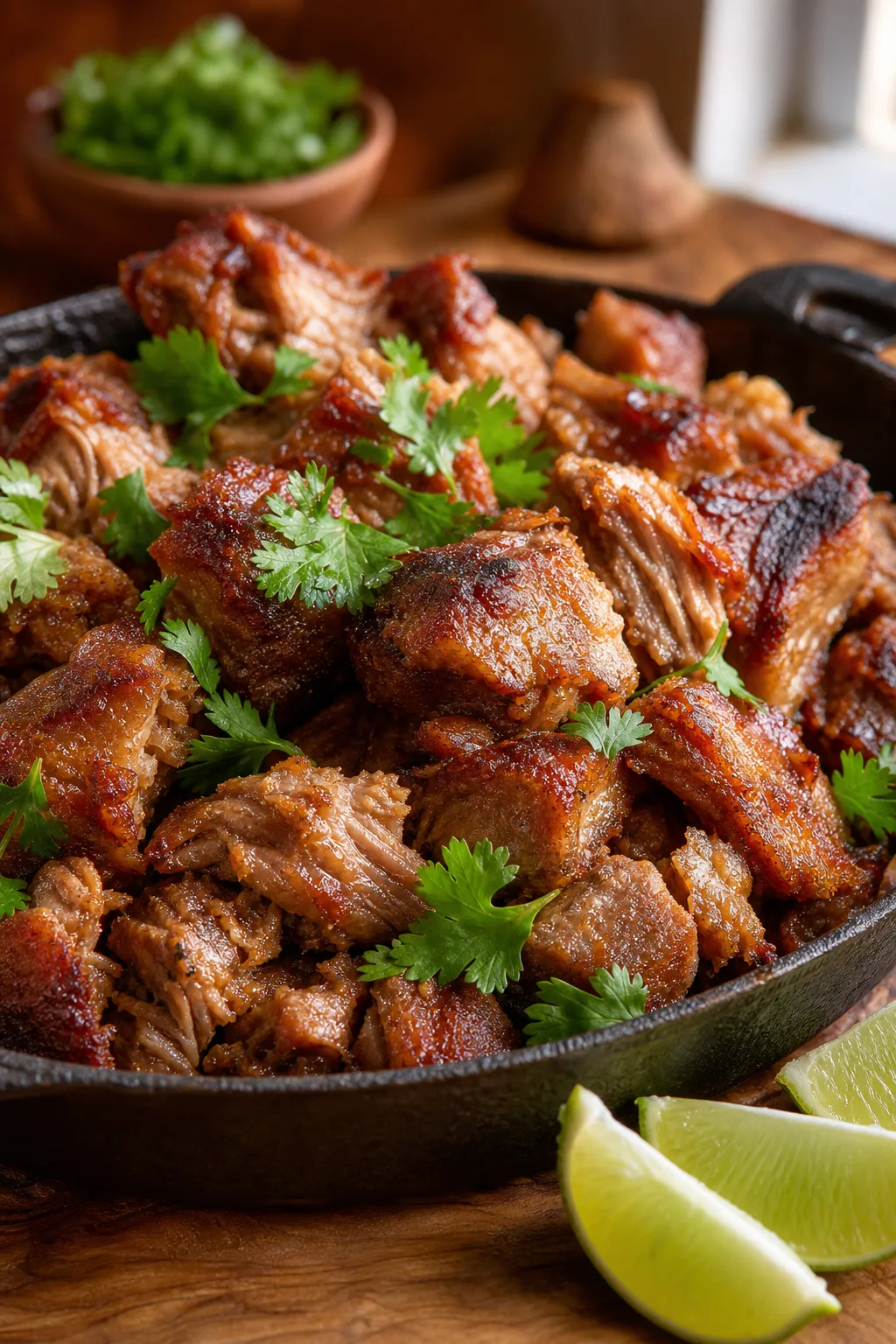
Heat a large, heavy-bottomed Dutch oven over medium-high heat and add 1 tablespoon (15 ml) of oil. Wait until the oil shimmers and small wisps of smoke appear, indicating it’s around 350-375°F (175-190°C). Add beef pieces in a single layer without crowding. Let them brown undisturbed for 2-3 minutes per side to develop a deep golden crust. Work in batches if necessary to avoid lowering the pan temperature.
⏱ Time: 2-3 minutes per side, approximately 18-21 minutes total for 3 batches
✓ Doneness: Beef has a rich golden-brown crust; meat easily releases from the pan without sticking.
Step 3
Transfer browned beef to a plate. If the pot looks dry, add another tablespoon (15 ml) of oil. Add diced onion and a pinch of salt (about 1/4 teaspoon) to draw out moisture. Sauté for 4-5 minutes, stirring occasionally, until the onion is translucent and softened. Add garlic and cook for 1 minute until fragrant, avoiding any raw garlic aroma.
⏱ Time: 5-6 minutes
✓ Doneness: Onions are translucent and softened; garlic aroma is noticeable but not harsh.
Step 4
Stir in tomato paste and cook, stirring constantly, for 1-2 minutes until it darkens slightly and thickens. This caramelization develops umami notes and mellows the acidity, enriching the stew’s flavor base.
⏱ Time: 1-2 minutes
✓ Doneness: Tomato paste is darker in color and emits a richer, sweeter aroma.
Step 5
Return all browned beef to the pot and stir to coat with the tomato paste mixture. Pour in beef broth and water to come about three-quarters of the way up the beef. Add bay leaf, thyme, rosemary, Worcestershire sauce, and 1.5 teaspoons (9 g) salt. Stir well, then bring to a gentle simmer over medium-high heat. Avoid boiling; you want small bubbles breaking the surface steadily.
⏱ Time: 5-10 minutes to reach simmer
✓ Doneness: Small bubbles gently rise and break the surface; surface mostly still with light steam.
Step 6
Cover the pot and reduce heat to low, maintaining a gentle simmer—not a boil. Simmer for 1.5 hours, checking tenderness by piercing beef with a fork. The meat should be very tender and fork-tender, with the fork sliding through easily. Continue simmering up to 30 minutes more if needed.
⏱ Time: 1.5 hours, up to 2 hours total
✓ Doneness: Beef is tender and almost falling apart; broth has reduced by about 20% with rich flavor.
Step 7
Remove the lid and add carrot and potato pieces. Stir to distribute evenly. Cook uncovered to allow evaporation and flavor concentration for 25-30 minutes until vegetables are tender but hold shape.
⏱ Time: 25-30 minutes
✓ Doneness: Carrots and potatoes are fork-tender without falling apart.
Step 8
Test vegetables for doneness. If the broth seems thin, mix cornstarch with cold water to form a slurry and stir it in. Cook 1-2 minutes until thickened. This step is optional depending on desired stew consistency.
⏱ Time: 1-2 minutes
✓ Doneness: Broth thickens slightly, coating the back of a spoon.
Step 9
Add frozen peas and simmer uncovered for 3-5 minutes to heat through while preserving color and texture. Taste and adjust seasoning with salt and pepper as needed.
⏱ Time: 3-5 minutes
✓ Doneness: Peas are bright green and tender but firm.
Step 10
Remove from heat and serve immediately. For later serving, keep warm on low heat or transfer to a slow cooker set on warm. Stew flavors improve after resting overnight in the refrigerator.
⏱ Time: 0 minutes (serving)
✓ Doneness: Stew is steaming hot with tender meat and vegetables, and rich broth.
Pro Tips
Choose beef chuck for stew rather than leaner cuts.
Chuck’s collagen content breaks down into gelatin during cooking, giving the stew body and keeping the meat tender. Lean cuts lack sufficient collagen and become dry and stringy.
Pat beef dry and let it come to room temperature before browning.
Dry, room-temperature beef browns better because moisture hinders the Maillard reaction by cooling the pan and causing steaming instead of searing.
Avoid crowding the pan when browning beef; work in batches.
Crowding lowers pan temperature, causing the meat to stew in its own juices rather than brown properly, leading to less flavor development.
Use unsalted broth to control salt levels precisely.
Broth reduces during cooking and concentrates salt, so starting with salted broth often results in an oversalted stew.
Maintain a gentle simmer rather than a boil during braising.
Boiling tightens muscle fibers and squeezes out moisture, making beef tough. A gentle simmer allows collagen to slowly convert to gelatin, tenderizing the meat.
Add vegetables in stages according to their cooking times.
Carrots and potatoes need longer cooking than peas. Staggering additions ensures each ingredient reaches optimal texture without overcooking.
Prepare stew a day ahead when possible.
Resting allows flavors to meld and gelatin to set, enhancing texture and richness.
Common Mistakes to Avoid
Skipping or rushing the browning step.
Why it happens Browning takes time, and some try to save effort by crowding the pan or shortening this step.
Fix Brown beef fully in batches to develop deep crusts, which are essential for flavor.
Boiling instead of simmering during braising.
Why it happens Higher heat seems like it will speed cooking, but boiling toughens meat by contracting fibers.
Fix Adjust heat to maintain a gentle simmer with small bubbles, avoiding large, aggressive boiling bubbles.
Adding all vegetables at the start of cooking.
Why it happens For convenience, but different vegetables cook at different rates.
Fix Add root vegetables after meat is tender, then peas last to preserve their texture.
Waiting to add salt until the end.
Why it happens Some believe seasoning last is safer but salt penetrates meat better when added early.
Fix Add most salt with the broth early, then adjust seasoning after cooking.
Using too much liquid at the start leading to thin stew.
Why it happens Fear of drying out causes adding excess broth, not accounting for reduction.
Fix Add liquid to cover about three-quarters of the beef; broth will reduce during simmering.
Variations
Burgundy-Style Beef Stew
Replace 1 cup (240ml) of broth with dry red wine like Burgundy or Pinot Noir. Caramelize tomato paste 2-3 minutes to balance acidity.
Note: Alcohol cooks off during braising; wine adds acidity that tenderizes meat and brightens flavor.
Root Vegetable Stew
Swap potatoes and carrots with parsnips, celery root, and turnips cut similarly. These add different sweet and earthy flavors.
Note: Some root vegetables are denser and may need slight cooking time adjustment; test with fork for doneness.
Mushroom and Beef Stew
Add 12 oz (340g) quartered mushrooms with potatoes and carrots. Mushrooms enrich umami and add moisture.
Note: Mushrooms release liquid as they cook, affecting broth consistency. Adjust mushroom amount to control thickness.
Irish-Style Stew
Omit tomato paste and increase broth to 5 cups (1200ml). Use just beef, potatoes, onions, and carrots with extra thyme.
Note: Stew is lighter in color and more subtle in flavor, relying on natural sweetness and beef richness.
Pressure Cooker Beef Stew
Brown beef and aromatics as usual, then pressure cook 25 minutes at high pressure. Add vegetables after pressure release, cook 3 more minutes under pressure.
Note: Pressure cooking speeds collagen breakdown but can yield slightly different meat texture compared to slow simmer.
Nutrition
Per Serving:
approximately 425
Calories
These values are estimates and will vary based on beef trim and broth saltiness. Adding thickening slurry increases carbohydrates slightly.
Storage & Tips
Room Temperature
Stew should not be left out for more than 2 hours after cooking. Transfer to shallow containers promptly to cool.
Refrigerator
Store cooled stew in airtight containers for up to 4 days. Fat may solidify on top, which protects flavor. Stew tastes best after 1-2 days as flavors meld.
Freezer
Freeze in appropriate containers for up to 3 months. Leave headspace for expansion. Thaw overnight in fridge before reheating.
Reheating
Reheat gently on stovetop over low to medium heat, stirring occasionally. Avoid boiling to preserve gelatin and tenderness. Add broth or water if stew thickened too much. Reheating takes 20-30 minutes depending on volume.
Make Ahead
Cook stew through step 6 (after braising beef) up to 24 hours ahead. Cool completely, refrigerate, then reheat gently before adding vegetables and finishing.
FAQ
Why is my beef tough and chewy even though I cooked it for 2 hours?
This usually means the stew boiled too vigorously or the wrong cut was used. A gentle simmer is key to collagen breakdown. Lean cuts without enough collagen also turn tough.
My stew is too thin and brothy. How do I thicken it?
Make a slurry by mixing 1 tablespoon cornstarch with 2 tablespoons cold water. Stir this into simmering stew and cook 1-2 minutes until thickened.
Can I use cuts other than beef chuck?
Brisket, short ribs, or beef neck are good alternatives with high collagen. Avoid lean cuts like sirloin or tenderloin for stew.
How do I know if my stew is done cooking?
The beef should be fork-tender and fall apart slightly. The broth will have reduced about 20-30% and taste rich. If unsure, simmer longer and test again.
Can I use a slow cooker or Instant Pot instead of stovetop?
Yes. Brown beef first, then slow cook for 6-8 hours or pressure cook for about 25 minutes. Texture may vary slightly but results are good.
Is it okay if my stew doesn’t have a lot of visible broth?
Yes, stew consistency varies by preference. Thicker stew has less liquid and more chunks; more broth creates a soupier texture.
Final Thoughts
Beef stew offers a clear example of how careful technique shapes flavor and texture. Understanding why browning and gentle simmering matter helps you approach many slow-cooked dishes with confidence. I welcome your comments or questions if you try this recipe or have tips to share.